
What To Do With Texas Esperanza Right Now For Yellow Blooms Into October
Follow us on Google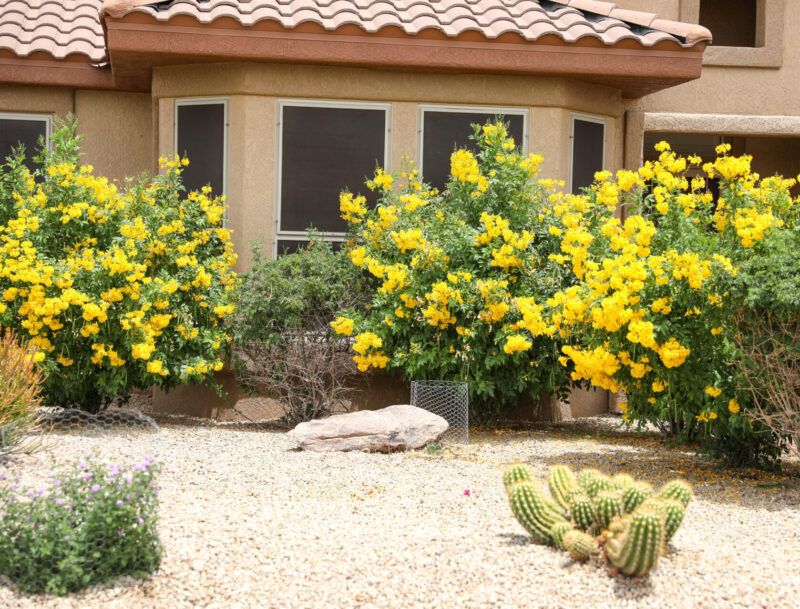
Step outside on a late August morning and your esperanza looks like it has given up on flowers.
The green pods are winning.
If you want yellow blooms on your porch through September and maybe into October, one simple move right now can help keep the color coming, and it has nothing to do with cutting the whole shrub back.
Remove Green Pods Before They Mature
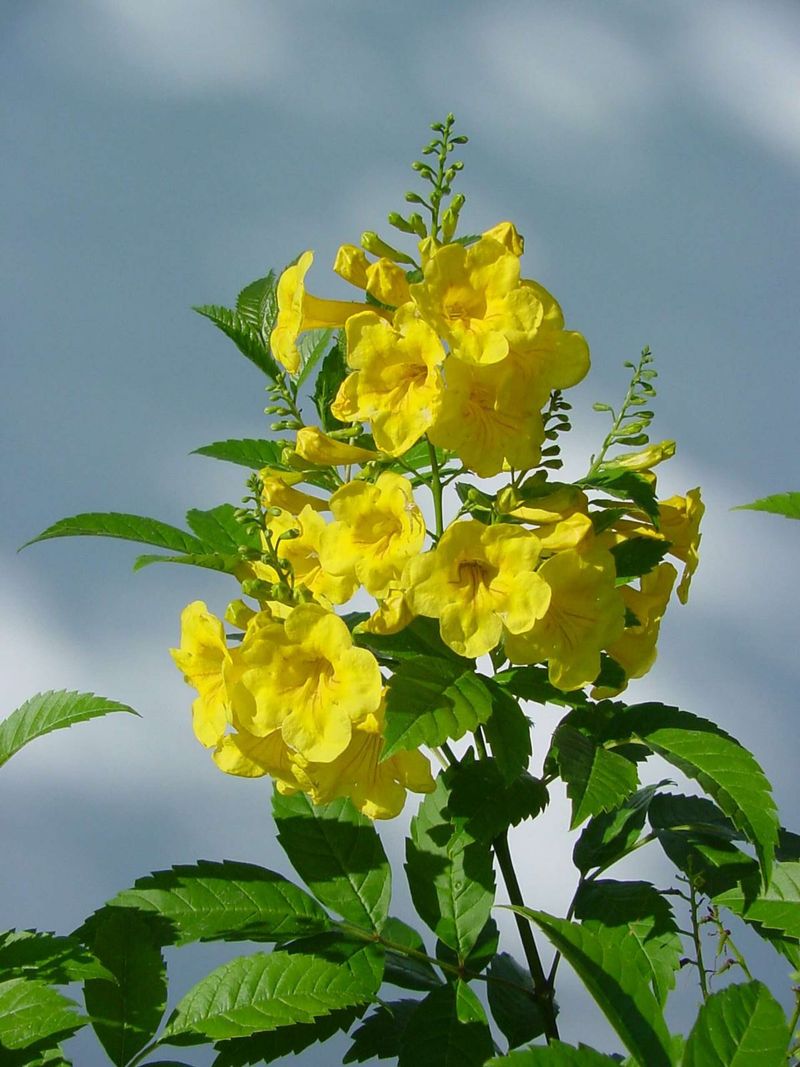
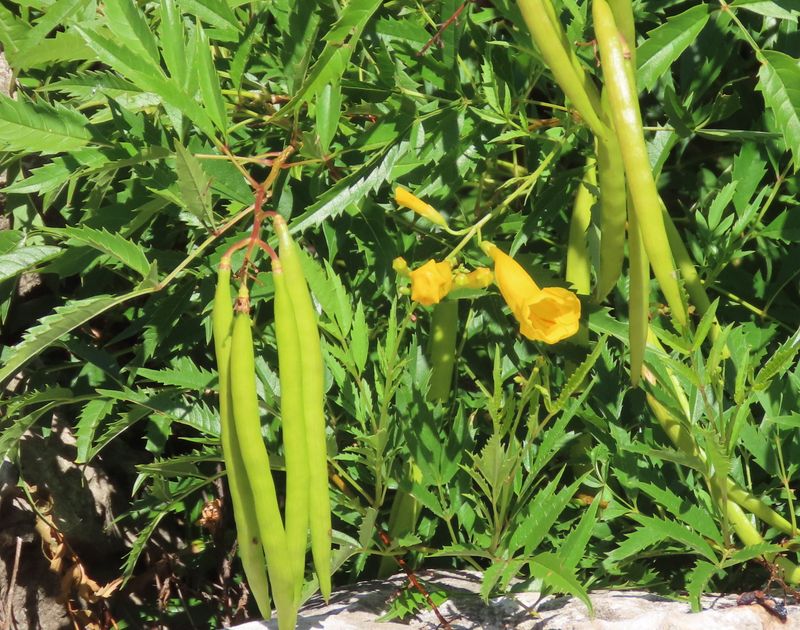
Walk up to your esperanza on a late August afternoon and you will likely find something that surprises many Texas gardeners: clusters of slender, bean-like green pods hanging where the yellow flowers used to be.
Those pods are seed capsules, and the plant is putting real effort into producing them.
The good news is that you can do something about it right now, and it does not require shears, a ladder, or a hard haircut.
The supported one-step answer is to remove developing green seed pods rather than shearing the shrub into a rounded shape.
Texas A&M AgriLife Extension guidance on Gold Star Esperanza states that trimming seed pods can enable continuous blooming and help keep the plant in its long flowering period.
The plant in question is Tecoma stans, commonly called esperanza or yellow bells, and it is a heat-tough Texas favorite.
The strongest Texas-specific evidence applies to Gold Star Esperanza, Tecoma stans ‘Gold Star’, the compact, heavy-blooming selection developed for Texas conditions.
Not every plant sold under the name esperanza follows the same schedule or flowers as freely.
If you are growing the straight species, results may vary, and that is worth knowing before you set expectations.
Pod removal can encourage continued flowering as new pods appear, but October blooms remain conditional.
Cultivar, sunlight, plant health, water, and where you live in Texas all play a role.
Think of removing pods as giving the plant a reason to keep going rather than a guarantee it will perform on a schedule.
Spent flower clusters are optional cosmetic cleanup, a different task with a different purpose, and the two should not be confused.
Use Pod Removal, Not An Energy Myth
Every flower on an esperanza follows the same path.
The yellow trumpet opens, pollinators visit, and if the flower is fertilized, a narrow green pod begins to form in its place.
Left alone, those pods grow longer, turn brown, split open, and release seeds.
The plant has done its job as far as reproduction goes, and flowering tends to slow as that seed-production cycle takes hold.
Removing most pods before they mature may help the shrub avoid moving fully into that seed-production phase and keep the flowering period going.
That is the practical meaning behind the Texas A&M recommendation.
What the guidance does not claim is a measured, quantified transfer of all plant energy into flowers.
A safer way to think about it is that taking away most developing pods removes a signal that the plant’s reproductive work is finished, and new flower buds may continue to form in response.
If you want to save seeds, leave a few selected pods on the plant and let them ripen fully.
Wait until the pod turns brown and begins to split open on its own before collecting it.
Do not remove every single pod if seed saving is part of your plan, just remove most of them to keep the bloom effort going while reserving a few for the seed envelope.
Removing spent flower clusters, the dry brown husks left after blooms fall, is a separate task.
It tidies the plant’s appearance and is reasonable to do, but it is optional cosmetic cleanup rather than a proven rebloom trigger.
The pod-removal recommendation stands on its own, and the two practices should be kept clearly separate in your mind and in your routine.
Make A Gentle Late-Summer Inspection
Turn this into a repeatable habit rather than a one-time event.
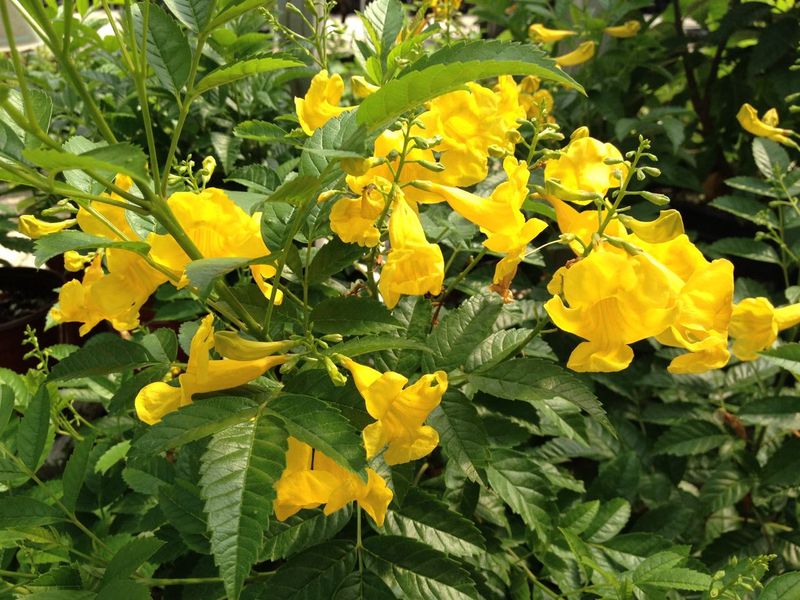
While your esperanza is actively producing pods, which in late August can happen fast, plan to check the plant periodically.
Once a week is a reasonable rhythm for most gardeners, but if your plant is setting pods quickly, checking every few days lets you stay ahead of them.
For removing an individual pod, you have two practical options.
You can snap the pod off with clean fingers if it is young and the stem is soft, or you can use clean hand pruners to cut the pod stem back near the nearest leaf joint or flower stem.
Neither method is source-established as the only correct technique.
Both are gentle and selective, and that is what matters.
The goal is to remove the pod without disturbing the healthy growth around it.
During this same inspection, look for any growth that is clearly dead, broken, diseased, or badly out of place.
A stem that snapped in a summer storm, a branch that has turned completely brown, or a shoot growing at an awkward angle into foot traffic are all reasonable candidates for removal right now.
Keep it selective.
University of Arizona Extension guidance on drought and extreme heat advises avoiding or minimizing pruning during periods of drought and excessive heat, a caution that applies across the Southwest and much of Texas in August.
Leaving most foliage in place matters.
The leafy canopy shades the plant’s stems and keeps the interior of the shrub cooler during triple-digit afternoons.
Selective pod removal avoids the additional stress and sun exposure that come with a major haircut.
If you see spent flower clusters and want to tidy them up, go ahead, but treat that as a separate, optional visual task and not as the main event.
Save Hard Pruning For A Safer Window
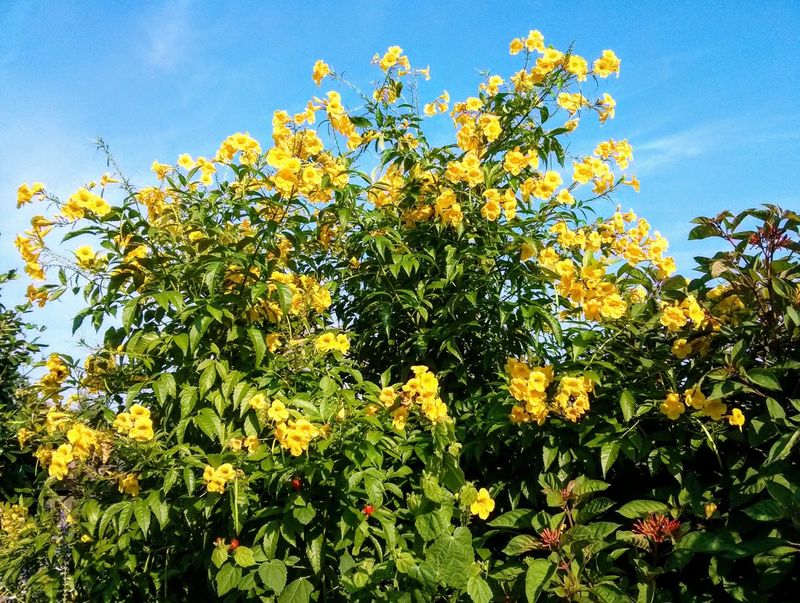
Many Texas gardeners look at an esperanza that has grown tall and floppy by late August and feel the urge to cut it back hard, hoping for a fresh flush of flowers before fall.
That urge is understandable, but a major size reduction right now carries real risks that a selective pod removal does not.
Removing pods is a surface-level task.
Hard pruning cuts into the woody structure of the plant, removes significant foliage, and exposes previously shaded stems to direct sun.
University of Arizona Extension research on drought and extreme heat warns that heavy pruning during these conditions can expose shaded branches to sunscald and add stress to a plant already working hard to manage heat and water loss.
Cutting back hard in August does not set the plant up for a better fall display; it puts it on the defensive at the worst time of year.
A major size reduction generally fits a late-winter or early-spring window, after you can clearly see where freeze damage ends and healthy wood begins.
Texas A&M AgriLife Extension horticulture guidance supports waiting until after freeze damage can be assessed before making significant cuts, especially in regions where esperanza dies back to the base and resprouts from the roots each spring.
Some South Texas nursery guidance has promoted summer cutting in that region’s specific climate context.
That regional practice does not translate cleanly to North Texas, the Hill Country, or the Panhandle, where conditions, freeze timing, and plant behavior differ considerably.
The decision rule for right now is straightforward: remove reproductive structures, leave the rest, and save major reshaping for when the plant and the season can handle it.
Support Flowering With Sun And Measured Water
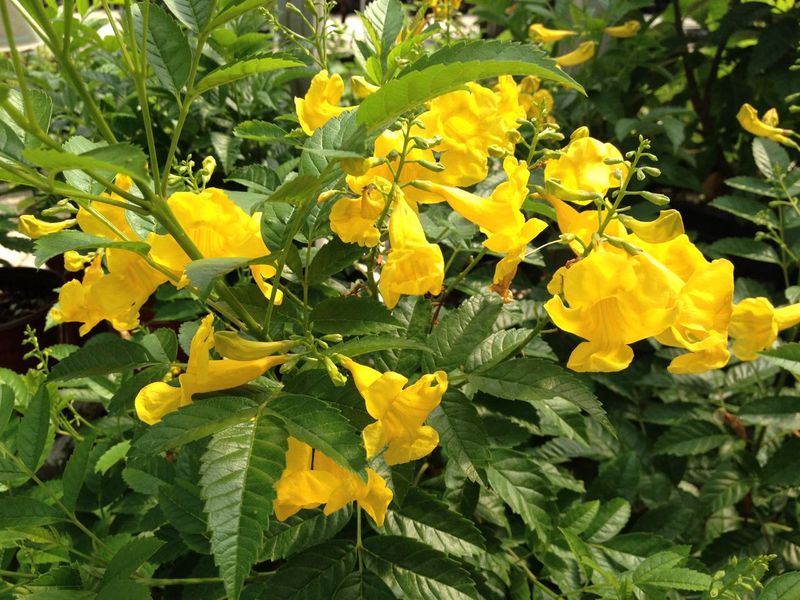
Pod removal gives your esperanza a reason to keep flowering, but the plant still needs the right conditions to follow through.
Two of the biggest factors are sunlight and water, and getting both right during late summer in Texas takes a little more thought than it might seem.
Gold Star Esperanza genuinely prefers full sun.
Texas A&M AgriLife Extension’s Gold Star Esperanza profile recommends at least 6 hours of direct sunlight for strong flowering.
If your plant is sited where it gets afternoon shade, especially in a particularly hot Central Texas location, it may still bloom reasonably well, but full sun is where the heaviest flower production happens.
Moving a large established shrub is not realistic in August, so work with what you have and note the light for future planting decisions.
Water is trickier.
Esperanza tolerates drought once established, but it does not mean the plant ignores dry soil entirely during a hot summer.
Texas A&M recommends watering established plants about once a week during the hottest periods to support blooms, while also being clear that poorly drained soil can cause decline.
Those two facts together mean you want deep, occasional watering rather than frequent light sprinkles or constantly wet soil.
A practical starting point is to press a finger about 1 inch into the soil near the root zone.
If it feels dry at that depth, water slowly and deeply enough to wet the root zone to roughly 6 inches.
Texas A&M AgriLife Extension gardening guidance recommends soaking soil to that depth and avoiding light, frequent watering that never reaches the roots.
Adjust that starting point for your soil: blackland clay holds moisture longer and can stay wet after rain, while sandy soils near the Gulf Coast or in East Texas may dry out faster and need a check every few days during a dry stretch.
Expect Different Results Across Texas
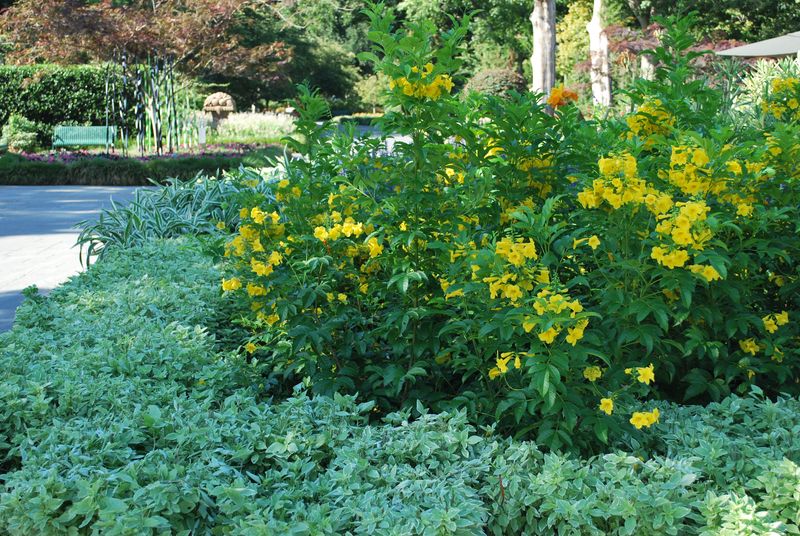
Gold Star Esperanza, at its best, reaches about 4 to 6 feet tall and wide and can bloom from early summer until the first frost under favorable conditions.
That is a genuinely long season, and it is one reason this plant earned Texas Superstar status.
But that description comes with regional fine print that matters a lot depending on where you garden in Texas.
Texas A&M AgriLife Extension’s Bexar County Gold Star profile highlights that the original species can grow tall and slender with sparse blossoms, while the ‘Gold Star’ selection was chosen specifically for earlier, heavier flowering and more controlled growth.
If you are not sure which plant you have, the compact, heavily blooming shrub is likely ‘Gold Star’, while a taller, leggier plant with fewer flowers may be a species form or a different cultivar.
Central and South Texas generally give esperanza the best chance at a long fall display.
The frost comes later, summers are long, and the plant can stay in active growth well into October.
Texas A&M Bexar County horticulture Q&A records reflect the plant thriving in San Antonio-area conditions across a long season.
North Texas, the Panhandle, and exposed Hill Country sites are a different story.
Freezes arrive earlier, and esperanza in those areas may die back to the ground in a hard winter and resprout from the roots in spring.
Texas A&M’s native and adapted landscape plant guidance confirms that winter dieback affects bloom timing, with regrowth plants starting later and having less time to build toward fall flowers.
October blooms are a genuine possibility for a healthy, well-sited Gold Star in a favorable location, not a result that pod removal can deliver on its own in every Texas zip code.
Add Mulch, Skip Automatic Fertilizer, Inspect Carefully
A few supporting choices can protect everything you have done with pod removal without pulling the article’s focus away from that one central move.
Start with mulch.
Spread about 2 to 3 inches of organic mulch, shredded bark or wood chips work well, around the root zone of your esperanza.
Keep it several inches away from the base of the stems so moisture does not collect against the wood.
Texas A&M AgriLife Extension water-conservation research found that unmulched soil can lose roughly twice as much water to evaporation as mulched soil.
Mulch will not fix poor drainage, but it does help the soil hold onto moisture between waterings during a hot, dry August.
Skip the automatic fertilizer application.
Texas A&M AgriLife Extension’s plant nutrition guidance warns that excess nitrogen can push leafy growth at the expense of flowers, and applying fertilizer to a drought-stressed plant can injure roots or force new growth at a time when the plant is already working hard to manage heat.
Unless you have a soil test pointing to a specific deficiency, hold off on fertilizer through the heat of summer.
During your weekly pod inspection, look at the foliage carefully.
Stippling, a fine dusty mottling on leaf surfaces, combined with thin webbing on the undersides of leaves, can be a clue that spider mites are present.
Curled or distorted new growth may suggest aphids.
Texas A&M AgriLife Extension’s foliage and flowering plant pest guide identifies these as possible problems on ornamentals, and dry conditions can favor spider mites in particular.
These are clues that require closer inspection, not automatic diagnoses.
If you confirm a pest problem, start with a strong spray of water directed at the affected foliage.
If a pesticide becomes necessary, follow the product label exactly.
National Pesticide Information Center pollinator guidance recommends following all label restrictions around pollinators and flowering plants; do not spray open flowers or plants with active bee activity.
The routine that actually moves the needle is simpler than any of this: remove the green pods, leave most of the foliage in place, check the moisture, and let your local weather write the last chapter of the fall display.