
The Native Florida Shrub Replacing The Roach-Friendly Foundation Plants Around Homes
Follow us on Google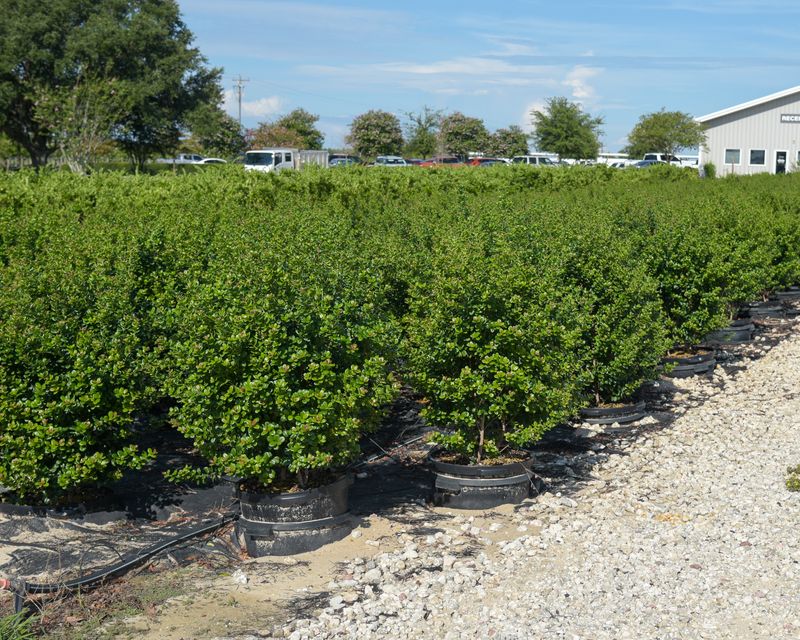
You pull a dead frond off the areca palm wedged against your front wall, and something skitters out fast.
It’s a familiar Florida moment, and it usually means the dense, dark space behind your foundation plants has been doing double duty as a roach hotel.
Simpson’s stopper, Myrcianthes fragrans, is a Florida-native evergreen shrub that some homeowners are swapping in along the house edge, and the swap can genuinely help, but not for the reason the headlines suggest.
The plant itself does not repel cockroaches, the design around it does.
A Native Foundation Option, Not A Roach Repellent
Let’s get the big correction out of the way first.
Simpson’s stopper does not chemically drive cockroaches away.
Its aromatic foliage smells pleasant to most gardeners, but no published UF/IFAS guidance says that scent bothers roaches in the slightest.
The value of this plant at your foundation comes from how you site it and keep it trimmed, not from any built-in pest-control magic.
So what actually makes it worth considering?
Quite a bit, honestly.
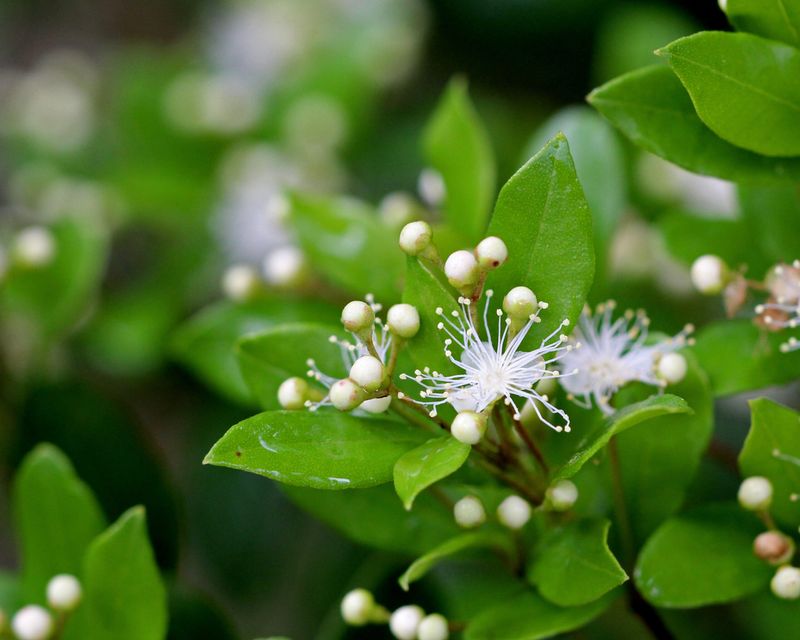
UF/IFAS Gardening Solutions describes Myrcianthes fragrans as an evergreen Florida native that works as either a shrub or a small tree, tolerates full sun to partial shade, produces small fragrant white flowers, and sets red or orange-red fruit that birds genuinely love.
The bark is attractive and peeling, which gives it some year-round visual interest even when it is not in bloom.
It can be hedged, shaped, and kept at a manageable scale with regular pruning.
That flexibility is useful along a foundation where you want a consistent green edge without a plant that will eventually push against the eaves or swallow a window.
The UF/IFAS shrub profile for Simpson’s stopper notes it as slow to slow-moderate growing, which means you are not fighting rapid regrowth every few weeks like you might with a vigorously spreading hedge plant.
A dwarf cultivar called ‘Compacta’ exists for tighter spaces.
The full-size species can eventually reach 20 feet if left unpruned, so matching the right cultivar to your specific wall length and window height matters before you ever load plants into a cart.
The cockroach-related benefit, reduced shelter and better airflow along the house edge, shows up only when the planting is correctly spaced and consistently maintained.
Why Foundation Design Matters More Than Plant Identity
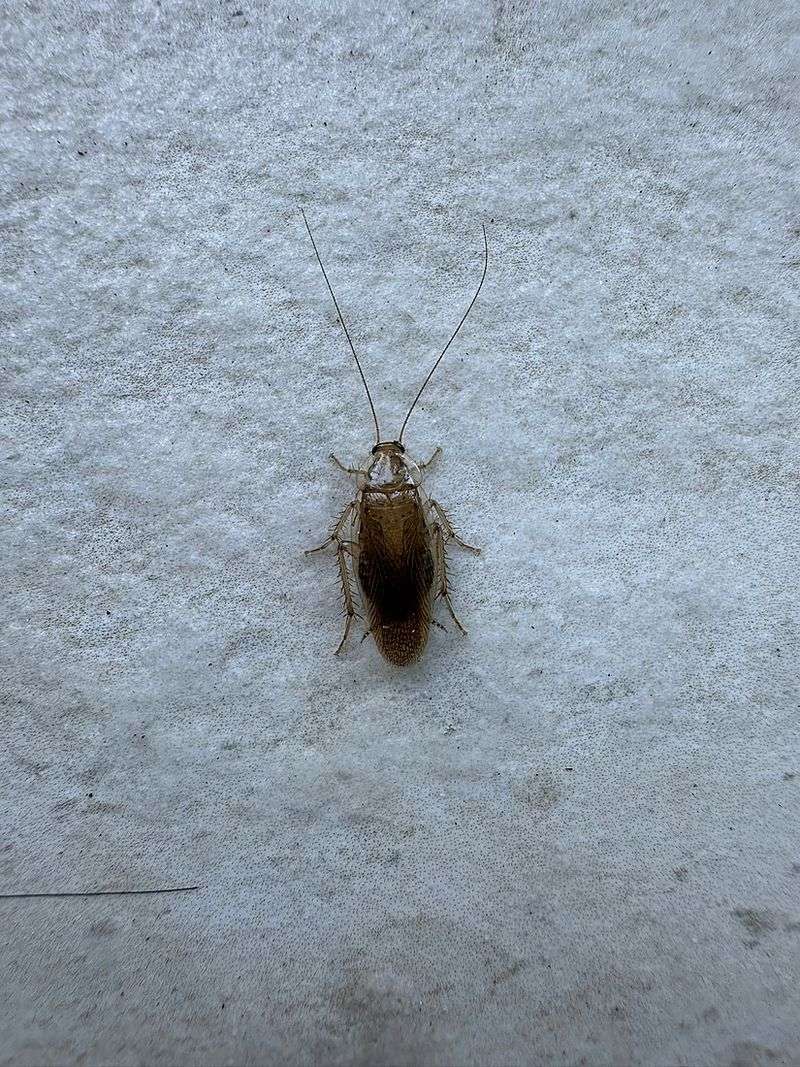
Outdoor cockroaches are not random wanderers.
Florida is home to several large outdoor species, including American cockroaches, smokybrown cockroaches, and Florida woods cockroaches, and all of them share a preference for places that are dark, moist, and sheltered from foot traffic and predators.
UF/IFAS cockroach management guidance lists leaf litter, mulch, dense vegetation, tree holes, and palms as common outdoor harborage.
Your foundation planting, if it is dense and touching the wall, is basically a welcome mat.
Here is where it gets tricky.
Swapping one shrub species for another does not automatically fix the problem.
A Simpson’s stopper hedge planted 6 inches from the stucco, allowed to grow thick against the wall, and surrounded by 4 inches of pine straw creates the same sheltered corridor that a podocarpus hedge would.
The plant identity is not the variable that matters most.
The spacing, clearance, pruning habit, and moisture management are.
What a properly designed Simpson’s stopper planting can do is remove some of the sheltered routes that run directly against your foundation.
When there is visible daylight between the shrub canopy and the wall, and when the mulch layer near the base is thin and pulled back from the structure, the edge of your house becomes a less appealing place for outdoor roaches to settle in.
UF/IFAS pest prevention guidance specifically recommends keeping shrubs trimmed away from the house and avoiding tight plantings that create hidden, protected spaces.
Think of the design goal as making the foundation edge boring to a cockroach, open enough to inspect, dry enough to discourage nesting, and clear enough that nothing is pressing against a gap in the wall.
That is a landscape-design outcome, and Simpson’s stopper can support it when the rest of the plan is solid.
Plan For Mature Size And Airflow
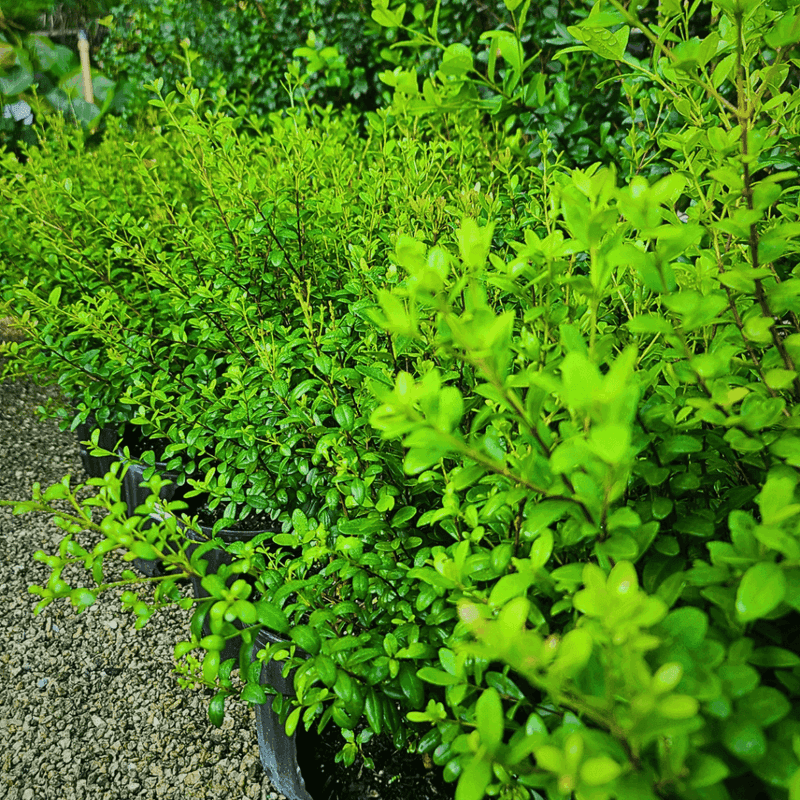
Most foundation-planting mistakes happen at the nursery, not in the ground.
A plant in a 3-gallon container looks like it belongs 12 inches from the wall.
Give it 4 years and it is pressing against the soffit.
The right question to ask before you buy is not how big is this plant now, but how wide will it be at maturity.
Simpson’s stopper in its full-size form typically reaches somewhere between 5 and 20 feet tall and 3 to 8 feet wide, depending on the cultivar, the pruning schedule, and the growing conditions.
The UF/IFAS shrub fact sheet and related landscape design guidance both treat mature dimensions as the correct basis for placement.
Use the mature width of the specific cultivar you select, not the container size, when you measure out spacing.
For a hedge effect, plant individual Simpson’s stopper specimens about 3 to 5 feet apart on center.
That spacing allows the canopy to fill in over time without immediately creating a solid wall of vegetation pressed against the structure.
If you are using the dwarf ‘Compacta’ cultivar beneath a window or beside a narrow walkway, tighter spacing may work, but measure the mature width of that specific cultivar first.
Leave approximately 2 feet of clearance between the house wall and the outer edge of the plant canopy at mature size.
UF/IFAS landscape guidance and Florida-Friendly maintenance recommendations both point toward that kind of clearance as a way to preserve airflow and allow someone to actually walk in and inspect the base of the wall.
When you prune, aim for wall clearance and access rather than a tight ball shape.
A shrub sheared into a dense rounded form pressed against the stucco defeats the whole purpose.
Prune for an open canopy base that lets light reach the ground and lets air move between the plant and the structure.
That visible gap is doing real work.
Manage Mulch, Drainage, And Moisture
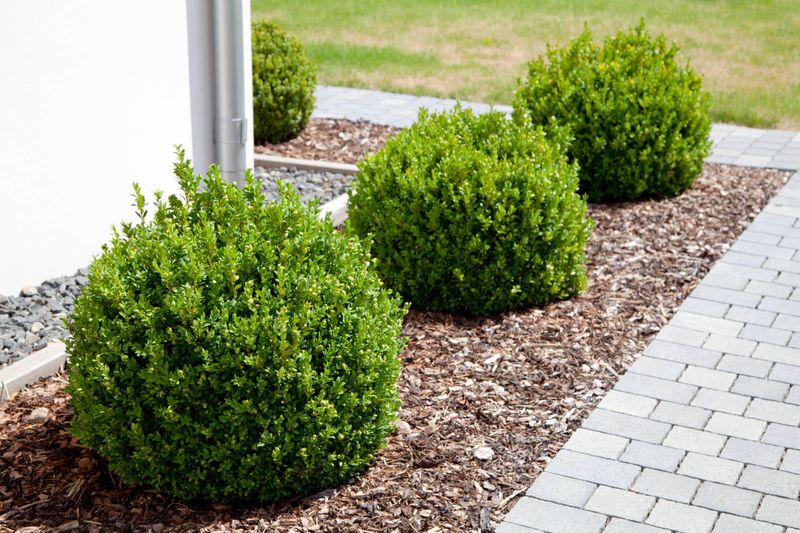
Even the best-placed shrub cannot do much if the ground around it stays wet and buried under 4 inches of pine straw.
Outdoor cockroaches need moisture almost as much as they need shelter, and a thick, damp mulch layer right against your foundation gives them both in one convenient package.
UF/IFAS research on outdoor cockroach species notes that large roaches breed particularly well in pine-straw mulch, while gravel or bare soil are less favorable in that specific management context.
That does not mean you should rip out every mulched bed around your house.
Mulch is genuinely useful for Florida soils, it holds moisture for your plants, suppresses weeds, reduces erosion, and moderates soil temperature.
UF/IFAS Florida-Friendly mulch guidance recommends about 2 to 3 inches in general planting beds.
The conflict is at the foundation edge specifically.
For the strip closest to the house, roughly 1 foot out from the wall, keep the mulch layer thinner and managed carefully.
UF/IFAS pest prevention guidance recommends no more than 2 inches of mulch within 12 inches of the foundation and a clear separation between the mulch and the structure itself.
Pull the mulch back so it is not bridging the gap between soil and wall, because that bridge is a travel corridor.
Fix drainage problems while you are redesigning the bed.
Downspouts that dump water directly against the foundation, low spots that pool after a Florida afternoon storm, and irrigation heads aimed at the wall all create the wet conditions that outdoor cockroaches favor.
Correct the grade so water moves away from the house, redirect downspout extensions at least 4 to 6 feet out, and check that no irrigation zone is keeping the foundation bed consistently saturated.
Check Hardiness And Site Conditions Before Buying
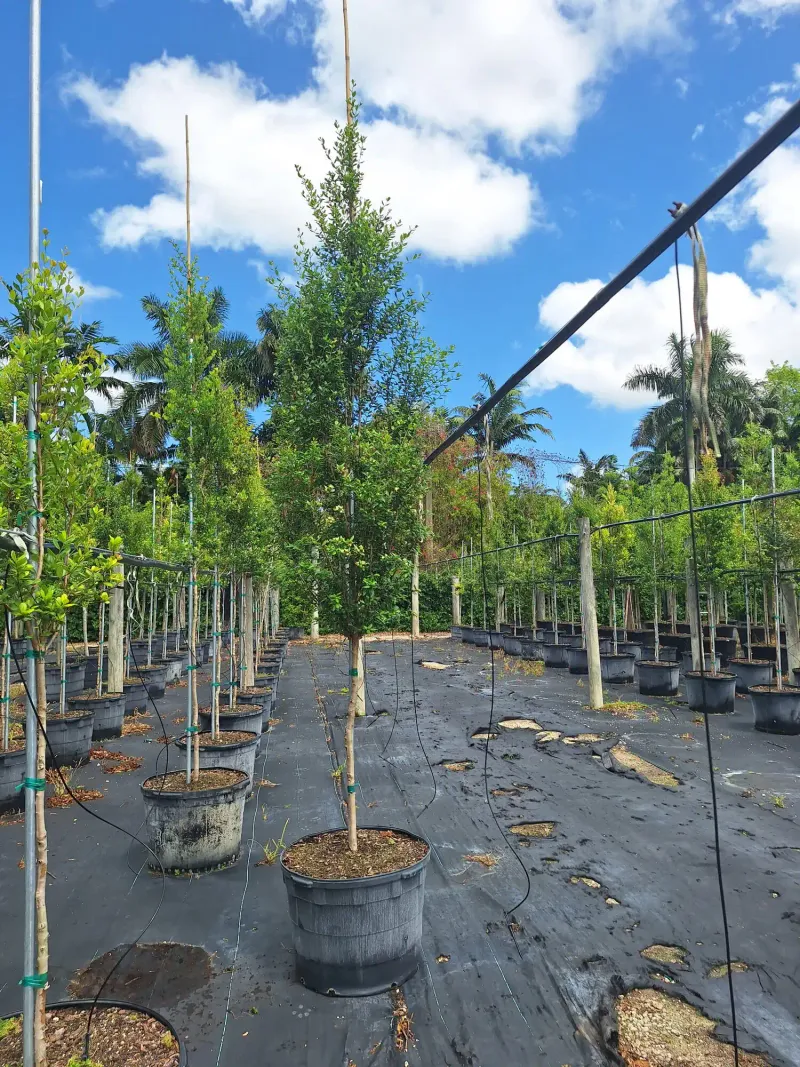
Simpson’s stopper is not a plant for every Florida yard.
Its most reliable hardiness range runs from USDA Zone 9b through Zone 11, which covers a broad swath of the state but leaves out parts of North Florida and the Panhandle that regularly experience hard freezes.
Before you buy a single plant, look up your specific zip code on the USDA hardiness zone map and think about your microclimate, a low-lying frost pocket behaves differently than a south-facing wall with good drainage, even in the same neighborhood.
The Florida-Friendly Landscaping plant database lists Simpson’s stopper as tolerating full sun to partial shade, a wide range of soils including sand, loam, clay, acidic and alkaline conditions, and occasional wet periods.
After establishment it is considered highly drought tolerant, and it has good salt tolerance, which makes it a reasonable candidate along the Gulf Coast or the Atlantic Coast where other plants struggle.
The UF/IFAS shrub reference sheet confirms those tolerances and describes it as having few serious pest or disease problems, though related stopper species can occasionally pick up chewing insects or scale, so do not expect a completely maintenance-free plant.
Salt tolerance and coastal suitability are not the same thing.
Salt spray, saline irrigation water, storm flooding, poor drainage, and hurricane damage are separate stresses that salt tolerance alone does not address.
Match the plant to the exact conditions of your specific bed, not just to a general coastal category.
One more thing that matters before you go shopping.
Simpson’s stopper is listed as a threatened species in Florida.
UF/IFAS Gardening Solutions is clear that homeowners should purchase nursery-grown plants and should not collect specimens from wild populations.
Reputable native plant nurseries carry it, and buying from them supports the species rather than depleting it.
Finally, remember that this plant can become a small tree.
Do not place it directly beneath eaves, against windows, beside downspouts, or in a bed so narrow that mature growth will force you to shear it hard against the structure every few months.
Pick the right cultivar for the right space from the start.
Water New Plants Before They Become Drought Tolerant
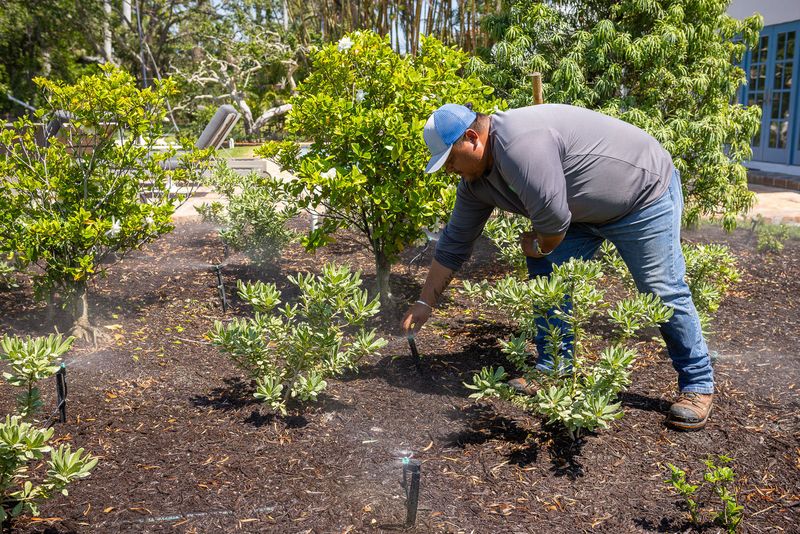
Drought tolerance is a finish line, not a starting position.
A freshly installed Simpson’s stopper sitting in sandy Central Florida soil under July sun is not drought tolerant yet, and treating it like one is the fastest way to lose a plant you just paid good money for at a native nursery.
UF/IFAS irrigation research for newly planted shrubs gives a practical starting point for typical 3-gallon container plants: about 1 gallon of water per irrigation event, applied every 8 days in the northern half of Florida and every 4 days in the southern half.
Those are research-based starting points, not universal schedules.
Your actual frequency depends on soil type, how much rain fell that week, how much sun the bed gets, whether your drainage is fast or slow, and whether your local water management district has any seasonal restrictions in place.
Sandy soil drains fast and may need more attention, while a poorly drained bed in a low spot needs much less.
General shrub establishment takes roughly 20 to 28 weeks, which is the period when a plant is building enough root mass to survive on its own.
The Simpson’s stopper care page goes further and recommends monitoring young plants for drought stress during extended dry periods for as long as 4 years.
That is a longer caution than you see for many common landscape shrubs, and it reflects both the slow growth rate of this species and the reality that Florida’s winter dry spells can be just as punishing as summer heat for a plant that has not fully rooted out yet.
Watch for wilting or leaf drop during dry stretches, especially in the first two winters after planting.
UF/IFAS water-use research supports supplemental irrigation during establishment even for drought-tolerant natives.
At the same time, do not overwater in the name of helping the plant along.
Keeping the foundation bed consistently wet undermines the whole pest-management goal of a drier, less sheltered house edge.
Pair The Planting With Integrated Pest Management
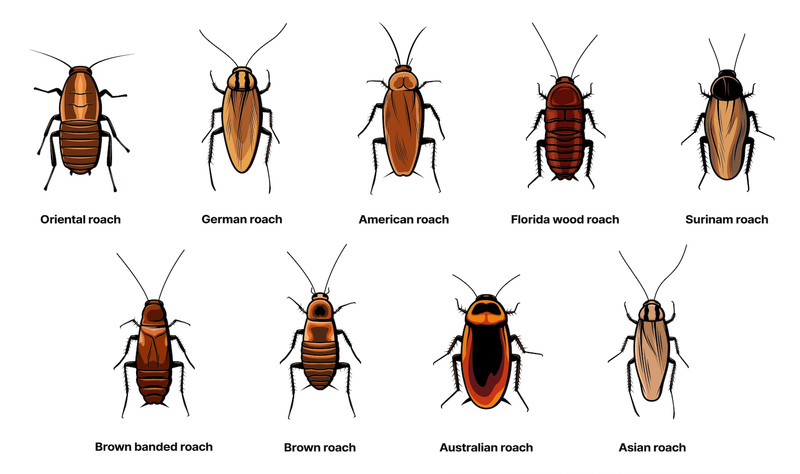
A well-designed foundation planting is one layer of a broader plan, not a standalone solution.
Knowing which cockroach you are dealing with changes what you do next.
UF/IFAS guidance on cockroach species makes a useful distinction: large outdoor species like American cockroaches and smokybrown cockroaches often wander indoors from exterior harborage, while German cockroaches are strongly associated with indoor food, water, and shelter and need a completely different response.
A new shrub along your wall will do nothing for German cockroaches already established in a kitchen cabinet or bathroom wall void.
If you are seeing small, fast roaches near the sink or stove, the foundation planting is not your problem to solve first.
For outdoor species that are finding their way in, the sequence that UF/IFAS cockroach management guidance supports is practical and specific.
Remove exterior harborage, which means clearing leaf litter, thinning dense vegetation, and keeping the foundation edge open and dry.
Reduce moisture by fixing leaks, correcting drainage, and adjusting irrigation.
Keep all vegetation off the structure.
Seal entry points, including door thresholds, weep holes, gaps around plumbing penetrations, and torn window screens.
Monitor with sticky traps to see where activity is concentrated.
Use targeted baits or other labeled products in the locations where traps confirm activity.
What does not belong in that sequence is routine whole-foundation spraying on a monthly calendar, homemade mixtures of essential oils or household chemicals, or foggers used as a general preventive measure.
EPA pest control guidance favors prevention and targeted applications over broadcast chemical use, and EPA safety guidance on total-release foggers warns of fire, inhalation, and reentry hazards when foggers are used carelessly.
University extension guidance on low-toxicity insecticide options notes that essential oils may show effects under laboratory conditions but are not a dependable substitute for an integrated program.
If pressure is severe or persistent, a licensed pest management professional is the right call.
One specific caution before you start digging out old foundation plants and installing new ones: do not trench or dig deeply beside the foundation without checking whether a soil termiticide barrier was previously applied around the structure.
UF/IFAS pest prevention guidance warns that excavation near the foundation can disrupt that barrier and leave your home vulnerable to termite entry.
Ask a pest professional before you break ground close to the wall.
Simpson’s stopper, properly placed and consistently maintained, can give you a cleaner, more open, less sheltered house edge.
That is a real and achievable outcome, and it is worth doing.
The quiet satisfaction of a foundation bed that actually works against you having late-night visitors is a feeling many Florida homeowners know well, and it starts with getting the design right from the beginning.