
The Shrubs Texas Gardeners Plant Along Foundations To Keep Rats Away
Follow us on Google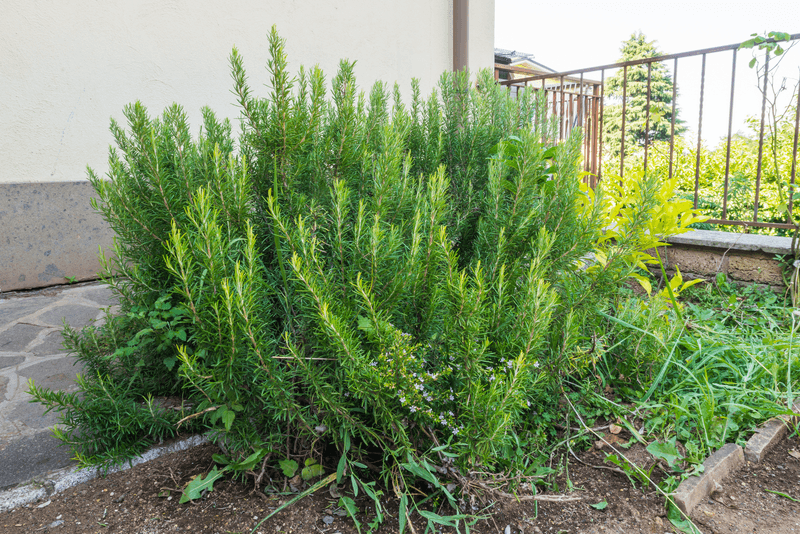
You step outside before breakfast and the patio already feels warm, that familiar Texas summer greeting.
Coffee in hand, you catch a dark shadow darting into the shrubs against your foundation, and your stomach drops.
That uneasy feeling of sharing your yard with rats is one plenty of Central Texas gardeners know too well.
The good news is that a few smart shrub choices, spaced and pruned the right way, can make your foundation far less inviting to whiskered squatters.
It is not magic, but it is genuinely one solid layer of defense you control.
1. Rosemary Shrubs Make Rats Think Twice
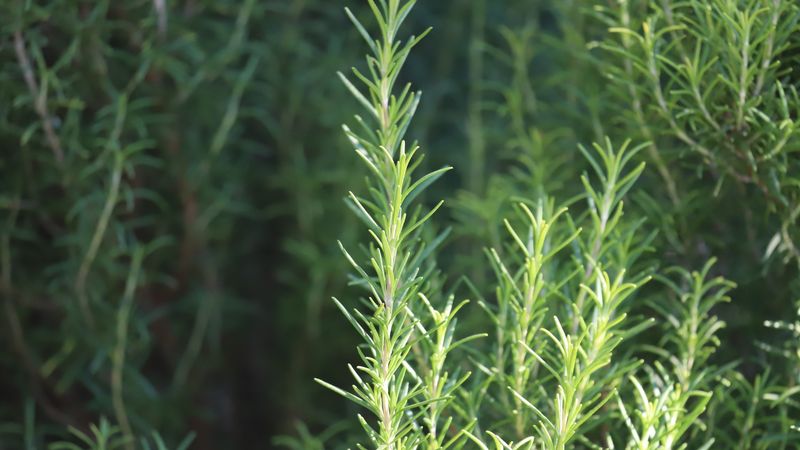
Plenty of Texas cooks keep rosemary by the door for a quick sprig, but the plant pulls a second shift you never asked it to.
Rosmarinus officinalis shrugs off triple-digit heat from the Panhandle to the Gulf Coast and stays green all year.
Here is the turn.
Rosemary releases strong aromatic oils that muddle a rat’s keen nose, and rats navigate almost entirely by scent.
When their scent map goes fuzzy near your walls, finding food and dodging predators gets harder.
Your garden turns into a confusing maze for them.
Plant it in well-draining soil in full sun and let it grow into a sturdy shrub.
Prune it open and airy so it does not become a cozy tunnel, and keep it at least 3 feet off the foundation.
Rosemary is reliable through USDA Zones 8 and 9, which covers much of the state.
A rat that loses its roadmap tends to move along.
That is a quiet win before your coffee even cools.
2. Lavender Plants Are A Fragrant Fortress
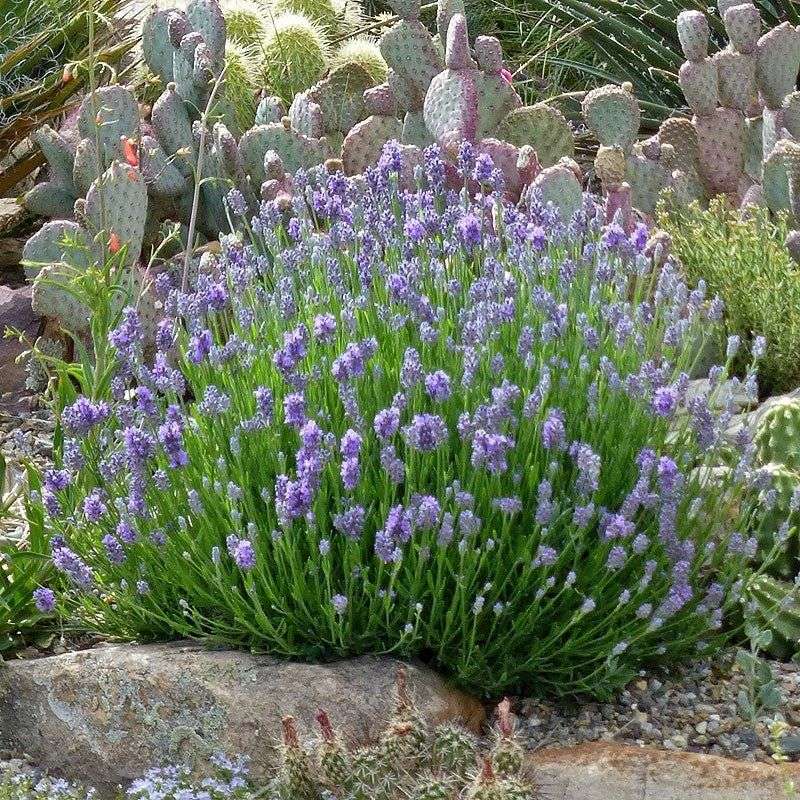
Those calming purple spikes soothe you on the porch, but rats read the room very differently.
Lavandula angustifolia carries essential oils like linalool and camphor that rodents find sharp and disorienting.
The scent works like an invisible wall.
It interferes with the scent trails rats follow to reach food and nesting spots, so a well-placed lavender near entry points can read as a no-go zone.
But be honest with yourself, dense growth still offers cover, so airflow matters as much as aroma.
Lavender wants full sun, low humidity, and fast-draining soil, and it performs across Zones 5 to 10 in Texas.
Give it room to reach about 3 feet tall, and keep at least 3 feet of breathing space from the foundation.
You get evening fragrance for yourself and a fragrant fortress against the antagonist scuttling near your slab.
Not bad for one purple shrub.
3. Texas Sage Offers A Silver Shield
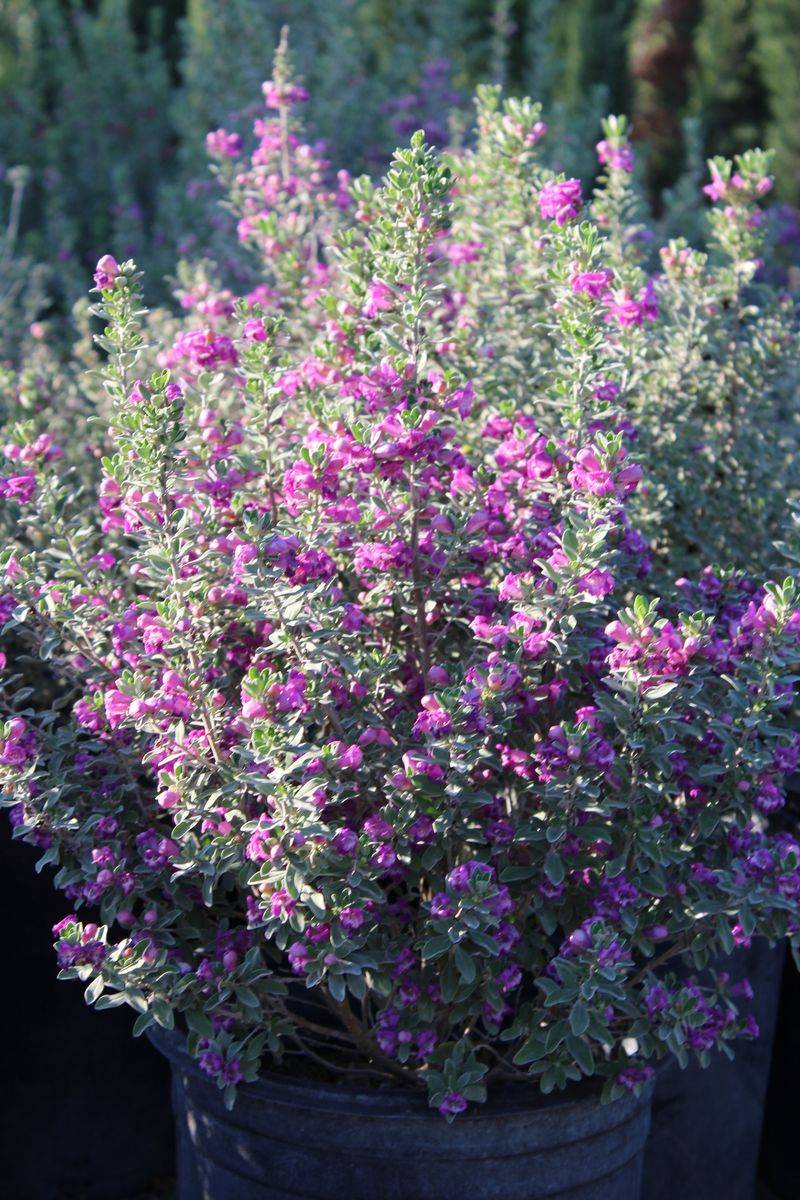
For a shrub that laughs at drought, Texas Sage is hard to beat.
Leucophyllum frutescens loves the arid stretches of West Texas and the alkaline caliche of the Hill Country, and it adapts across most of the state.
Its silvery-gray leaves and bursts of purple bloom after a good rain make it a genuine showstopper.
The subtle herbaceous scent adds another layer rats do not love, though it is milder than rosemary or lavender.
Its real advantage is habit.
Texas Sage grows with a naturally open frame, and you can prune it to stay airy so it never becomes the low, dense cover Norway rats crave along a foundation.
Give it at least 3 feet of clearance from your walls and let the sun reach the ground beneath it.
Beauty plus deterrence, from a native that barely asks for water.
That is a fair trade in a dry summer.
4. Pruning Is Your Real Secret Weapon
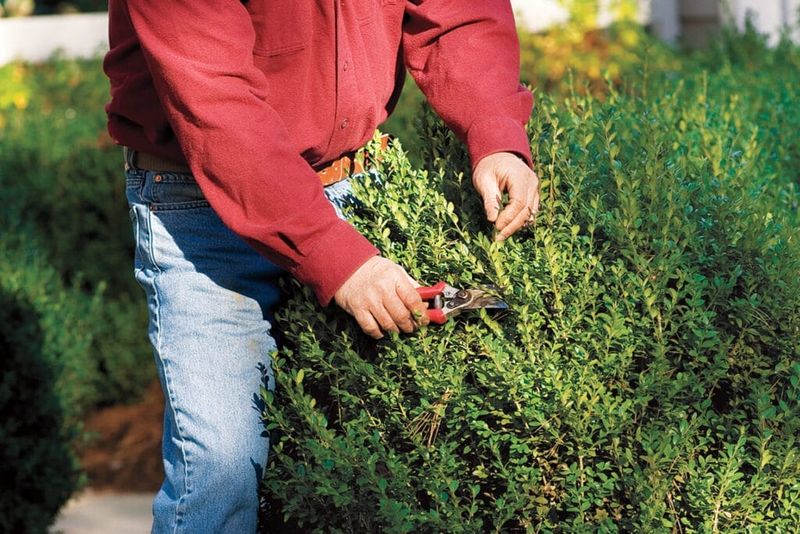
Picking the right shrub is only half the story.
How you keep it decides whether rats stay or settle in.
Rats want shelter and hidden routes.
A dense, overgrown shrub pressed against your house hands them both, a highway and a hideout in one.
That is why openness matters more than most folks realize, and many seasoned Texas gardeners learn it the hard way.
So become handy with the pruners.
Lift the lower branches of your rosemary or Texas sage to expose the bare ground and kill those dark little tunnels.
Thin the interior so air and light move through instead of stagnating.
Hold a minimum 3-foot gap between every shrub and the foundation.
That corridor lets you spot droppings, gnaw marks, or fresh burrows fast, and it discourages runways against the wall.
Broadleaf shrubs generally beat dense needled evergreens here, since needles offer year-round cover.
Ten minutes with clean shears does more than any spray bottle.
You are editing the landscape so rats cannot read it as home.
5. Smart Spacing Erases Rat Hideouts
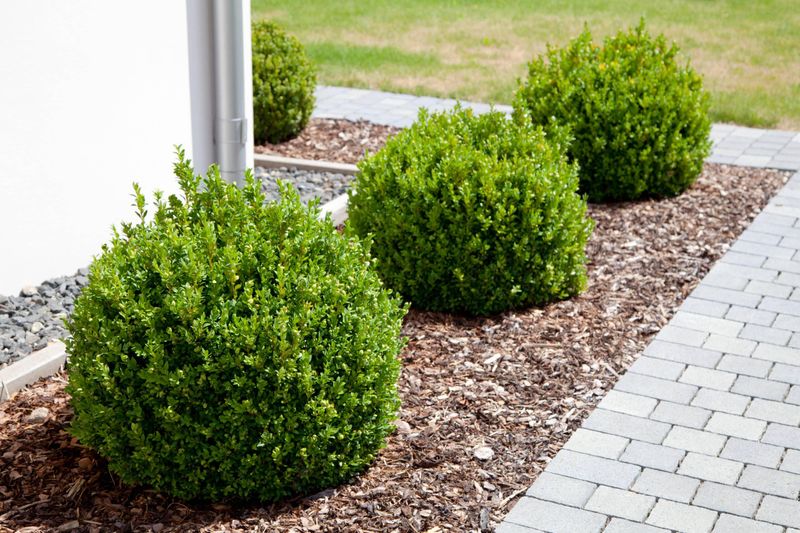
The whole point of these shrubs is not perfume.
It is disrupting habitat so rats never get comfortable.
Rats are opportunists chasing food, water, and shelter.
A solid wall of continuous greenery lets them travel unseen, dig burrows, and climb toward your roofline.
Many North Texas homeowners in blackland clay have watched that happen and wondered where the rats came from.
When you plan the bed, picture the route a rat would take.
Break up the planting into islands of shrubs with clear open ground between them instead of one unbroken hedge.
That layout, in line with the integrated pest management approach from Texas A&M AgriLife Extension, makes your yard far less appealing.
Consider a 3-foot strip of crushed stone or gravel right against the foundation.
It gives zero cover, drains fast in a sudden downpour, and makes any rodent activity obvious the moment it starts.
Design the space so a rat feels exposed, and it keeps moving.
Genuinely, that is the goal.
6. Mint Sends A Sharp Warning
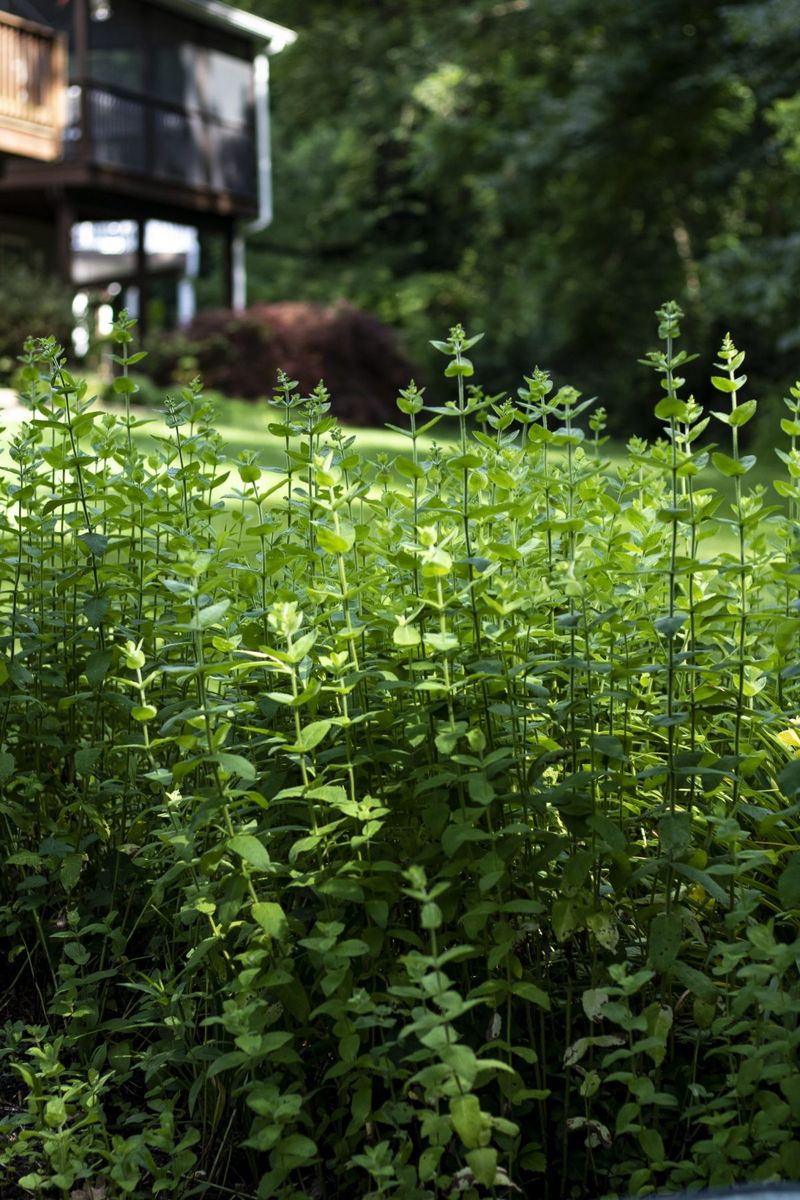
Crush a mint leaf and the whole patio wakes up.
Rats catch that same jolt, and they do not care for it.
Mentha species pump out menthol and other strong volatiles that overwhelm a rat’s sensitive nose.
It will not clear an infestation on its own, but as a border scent near doorways and vents it can help push rodents to look elsewhere.
Here is where it gets tricky.
Mint runs wild and can swallow a bed in a single wet Gulf Coast spring.
Keep it in containers or sunken pots so it does not become the very dense cover you are trying to avoid.
It thrives in Zones 5 to 9 and takes partial shade, which suits the east side of many Texas homes.
Trim it back every few weeks to keep the aroma strong and the growth tight.
You get mojito material and a sharp warning shot at the foundation.
Just do not let the quiet hero turn into a bully.
7. Seal The House Before Anything Else
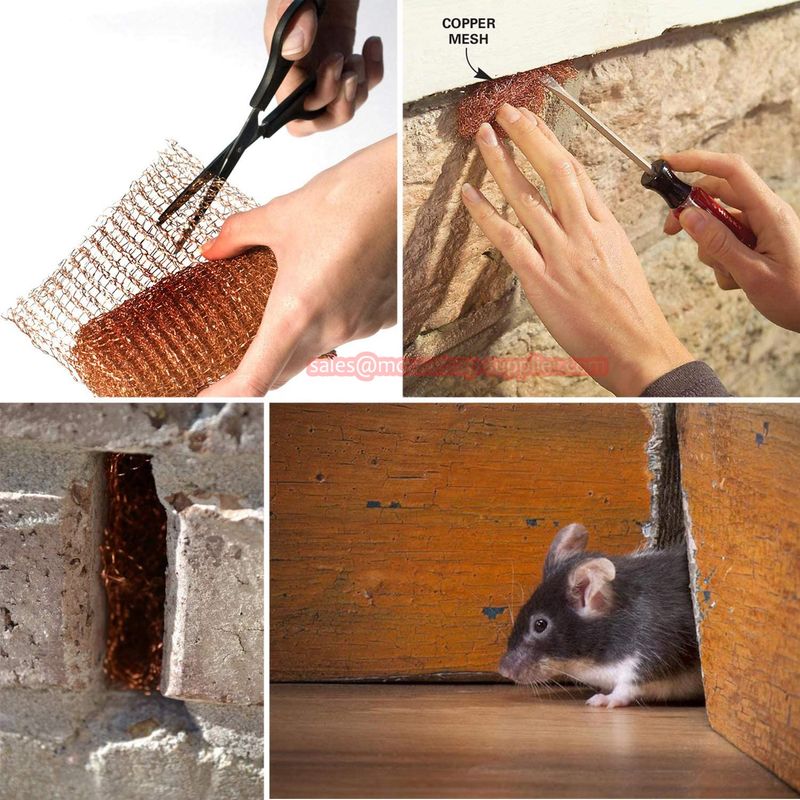
All the aromatic shrubs in the world will not matter if your house is still an open door.
Rats squeeze through gaps a lot smaller than they look.
A rat can push through an opening about the size of a quarter, roughly a half inch.
Roof rats climb, Norway rats burrow, and both hunt for weep holes, pipe gaps, and cracks near the foundation.
Walk the perimeter and inspect every opening larger than a quarter inch.
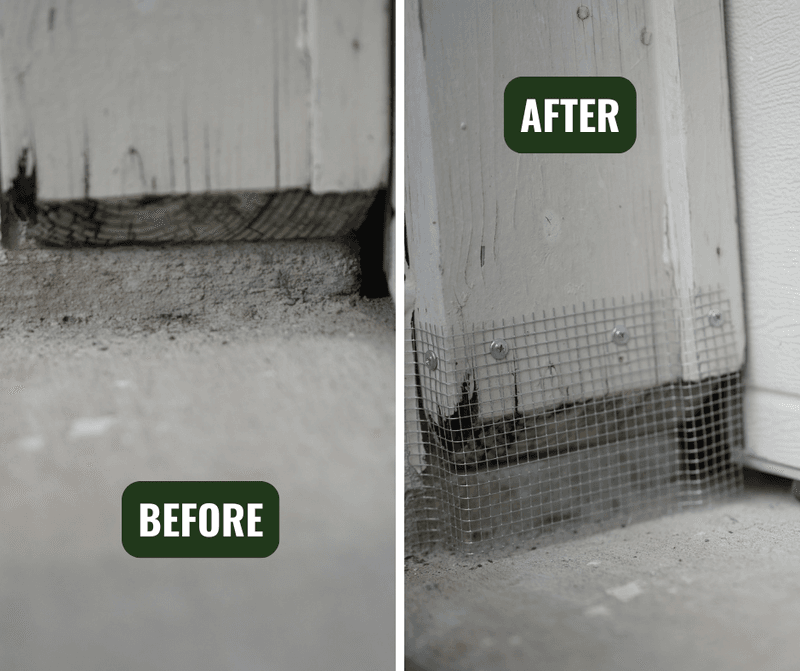
Pack them with steel wool and cover with hardware cloth or seal with rodent-resistant material, since rats gnaw through foam and caulk alone.
Pay attention to where utilities enter and around vents.
This is the layer that turns your yard defense into a real one.
Shrubs make the outside less inviting, sealing makes the inside impossible.
Spend an afternoon closing gaps and you will sleep easier the next time you hear a scratch.
That peace is worth the elbow grease.
8. What Else Actually Helps Keep Them Away
Think of your yard as a layered defense, not a single trick.
Shrubs and sealing carry you far, but sanitation closes the deal.
Fallen fruit, spilled birdseed, and open compost are buffet lines for hungry rodents.
Clean up yard debris, keep trash bins tightly latched, and stack firewood at least 18 inches off the ground and well away from the house.
Water counts too.
Fix dripping spigots and clear standing puddles, because rats need a drink like everything else in a long Texas dry stretch.
Texas A&M AgriLife Extension points to an integrated program, removing shelter, food, and water, sealing entry points, and using traps where needed, as the approach that genuinely works.
None of this is a one-and-done.
Walk the perimeter every couple of weeks, especially heading into fall when rodents look for warm winter quarters.
Put the pieces together and the shadow by your foundation stops showing up.
You step out with your coffee, the yard feels like yours again, and that is exactly the point.