
7 Florida Natives That Build A Bat Roost Overhead And Thin The Patio Mosquitoes
Follow us on Google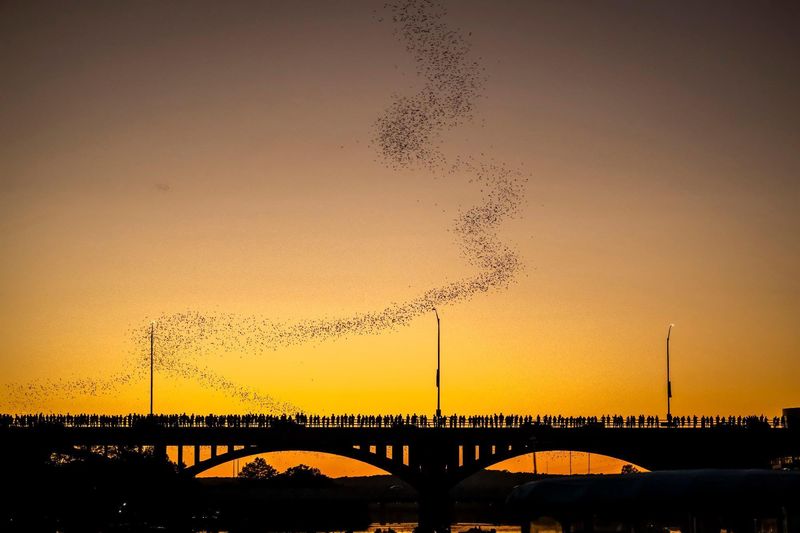
You step onto the patio after breakfast and the air already feels heavy, a humid blanket promising another long Florida summer day.
A tiny whine zips past your ear, a mosquito on the hunt, and you sigh.
There has to be a better way than constant sprays to reclaim your backyard evenings.
Florida is home to a surprising cast of night patrollers: bats.
These winged neighbors are genuine insect-eating machines, and while they will not wipe out every mosquito, they truly help thin the night-flying pests around your home.
Certain native plants turn your yard into a bat haven, giving them a reason to roost nearby and feast right where you sit.
Here are seven Florida natives that actually make a difference.
1. The Sabal Palm Provides Natural High-Rise Roosts
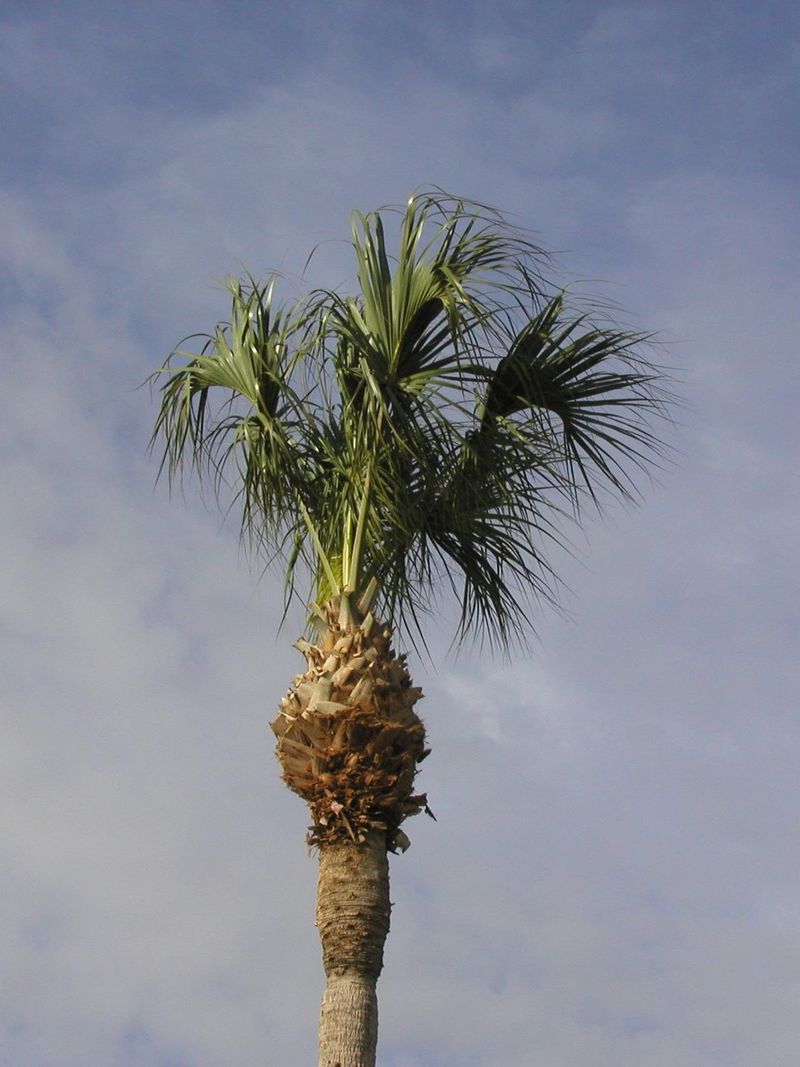
Our state tree hides a secret apartment building inside its shaggy old fronds.
When the Sabal Palm (Sabal palmetto) is left unpruned, those dead lower fronds form a thick skirt around the trunk.
Here is the turn.
Those crevices become perfect, secluded shelters where bats like the Northern Yellow Bat roost by day and even raise their pups.
Over-pruning during maternity season, roughly April through July, destroys that cover and can strand flightless young.
So the fix is almost lazy, and that is the beauty of it.
Leave the lower fronds on your Sabal Palms instead of shaving them clean.
These palms shrug off intense sun and sandy, nutrient-poor soils, soaring up to 40 feet and providing overhead cover across most of Florida.
Once established, they need deep watering only a few times a month during dry spells.
You are not just keeping a tree, you are running a rent-free bat lodge that patrols your patio at dusk.
2. Live Oaks Offer Cavity Comfort And An Insect Buffet
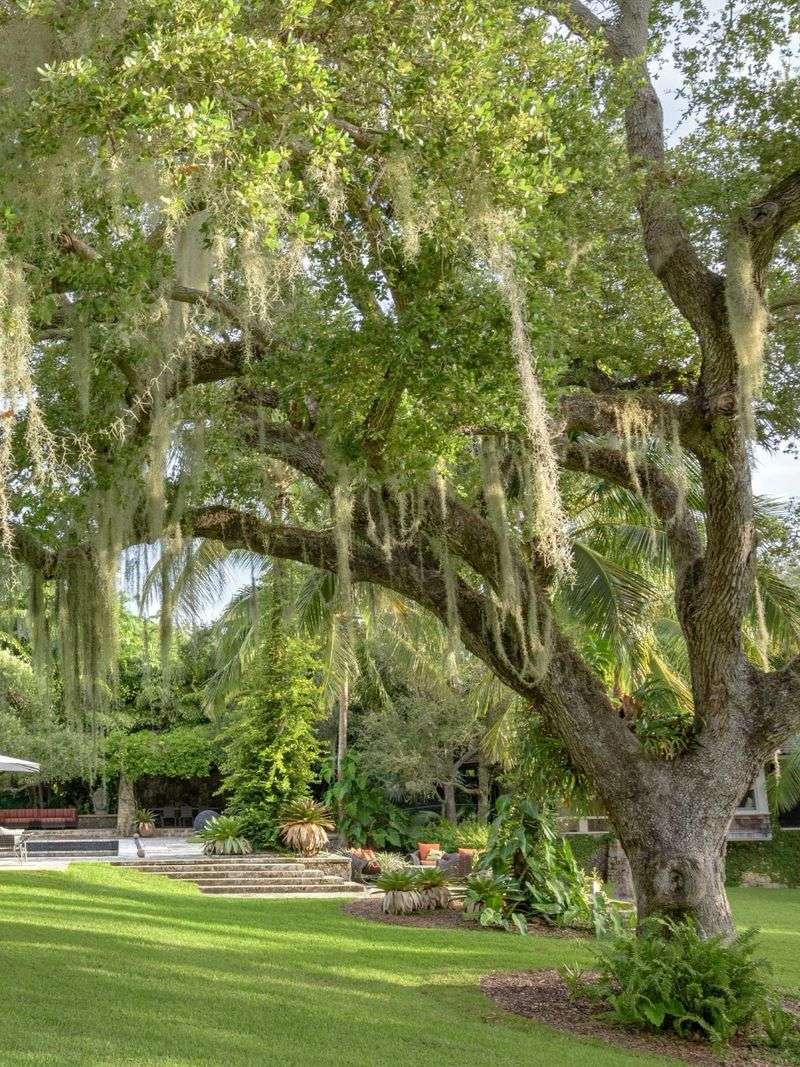
Picture the widest tree on your street, arms stretched farther than it stands tall.
The Live Oak (Quercus virginiana) is a backbone of the Florida landscape and a quiet host for bats.
No frond skirt here.
Instead, mature Live Oaks develop natural cavities and loose, flaking bark that give roosting room to several bat species, including the endangered Florida bonneted bat.
Their dense canopies also work as hunting grounds, thick with moths and beetles that bats chase after dark.
Live Oaks thrive from the Panhandle through Central Florida, favoring full sun and well-drained soils, though they adapt to plenty of conditions across the state.
Give a young one at least 40 feet of clearance from your house, because these giants earn their space.
Planting one is genuinely a gift to whoever lives here in 30 years.
A mature Live Oak shades your patio and runs a living insect factory overhead, a food web that keeps hungry bats circling close.
3. Longleaf Pine Grows Tall, Straight, And Bat-Friendly
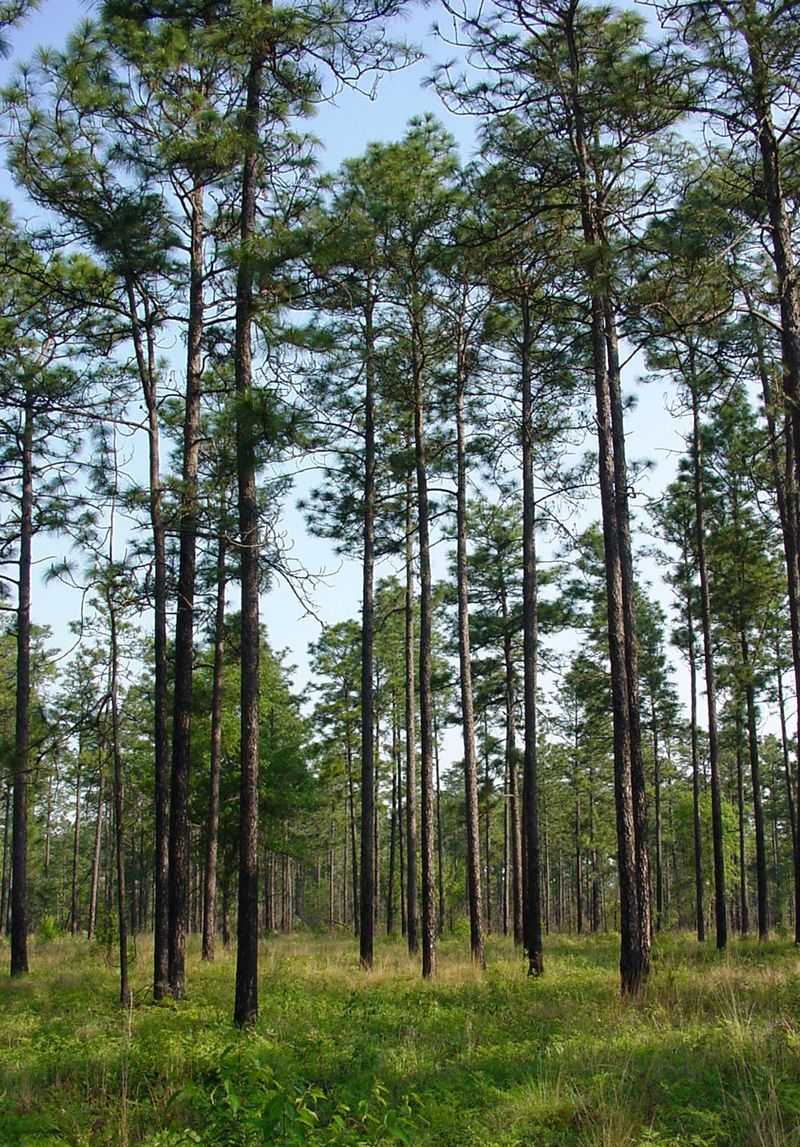
Most people see the Longleaf Pine (Pinus palustris) as classic Florida timber.
Bats see something else entirely, high-rise housing with a view.
As these pines age, reaching between 98 and 115 feet, they form natural cavities, some hollowed out by woodpeckers first.
Those hollows become roosts for the Florida bonneted bat and Seminole bats.
The longleaf ecosystem, once spread across huge stretches of the state, supports remarkable insect diversity, which simply means more dinner for bats.
Longleaf prefers the well-drained, acidic sandy soils common across North and Central Florida, and it loves full sun.
It grows steadily rather than fast, so this is a patient project, not a weekend fix.
But every longleaf you establish knits back a piece of a healthier system.
Plant one 20 to 30 feet from other tall trees so its crown can open up, and you build foraging habitat that pulls bats close enough to work your evening yard.
4. Firebush Ignites A Nocturnal Insect Feast
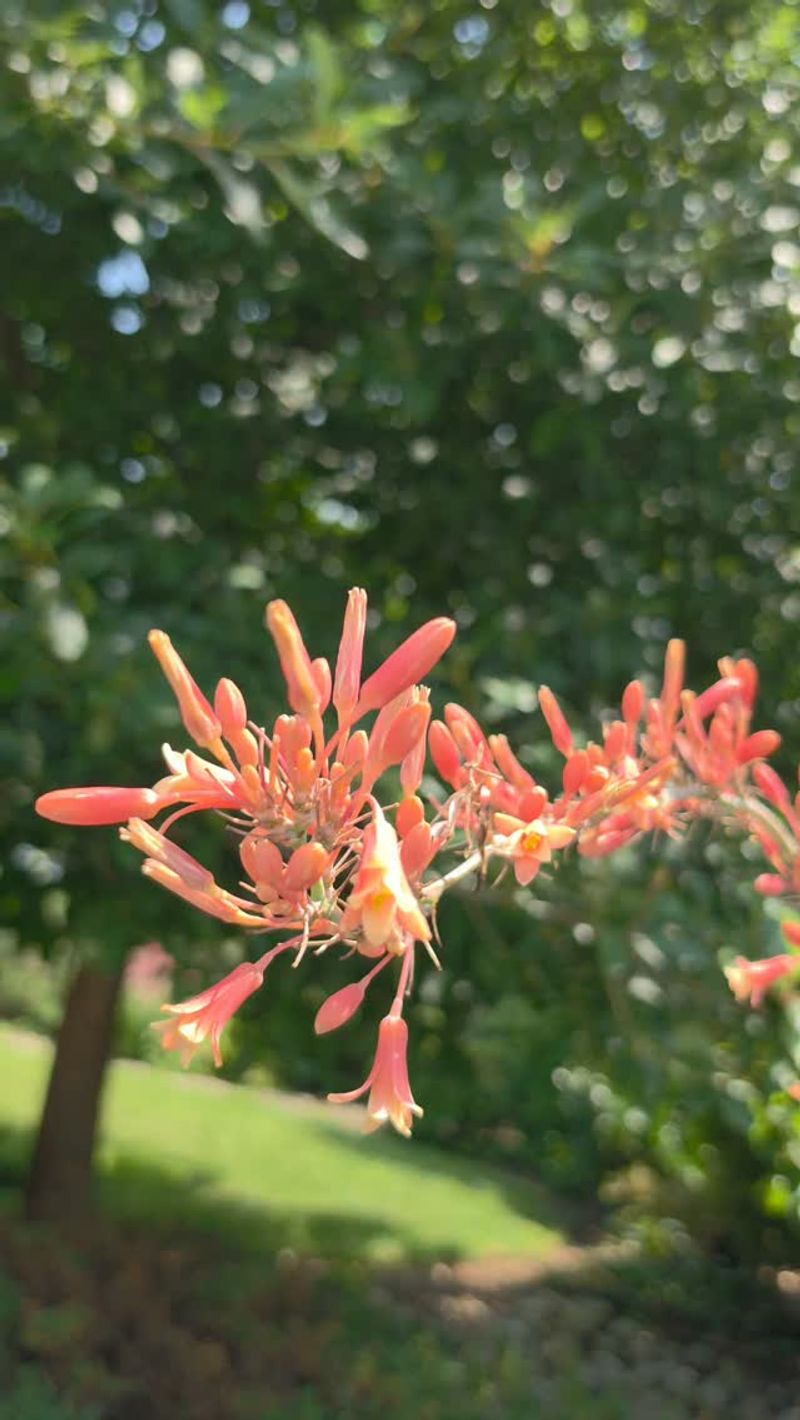
Want a spot that buzzes by day and feasts by night?
Firebush (Hamelia patens var. patens) delivers both shifts.
This native shrub throws clusters of red-orange tubular flowers almost year-round in Central and South Florida.
Hummingbirds and butterflies crowd it in daylight, but those same blooms pull in moths and beetles as dusk falls, and moths are exactly what bats want.
Firebush handles USDA Zones 8b through 11, laughing off summer heat and sandy soils.
It likes partial to filtered sun for the heaviest flowering, though it takes full sun in many spots.
Left alone it can hit 15 feet, but you can keep it a tidy 5 to 8 feet, and it makes a fine hedge.
Give each plant 4 to 6 feet of room for airflow, which helps fend off fungal leaf spots in our humidity.
Once rooted, it is drought-tolerant and low fuss.
Think of it as a nightly dinner bell ringing for the bats above your patio.
5. American Beautyberry Lures Moths And Repels Mosquitoes
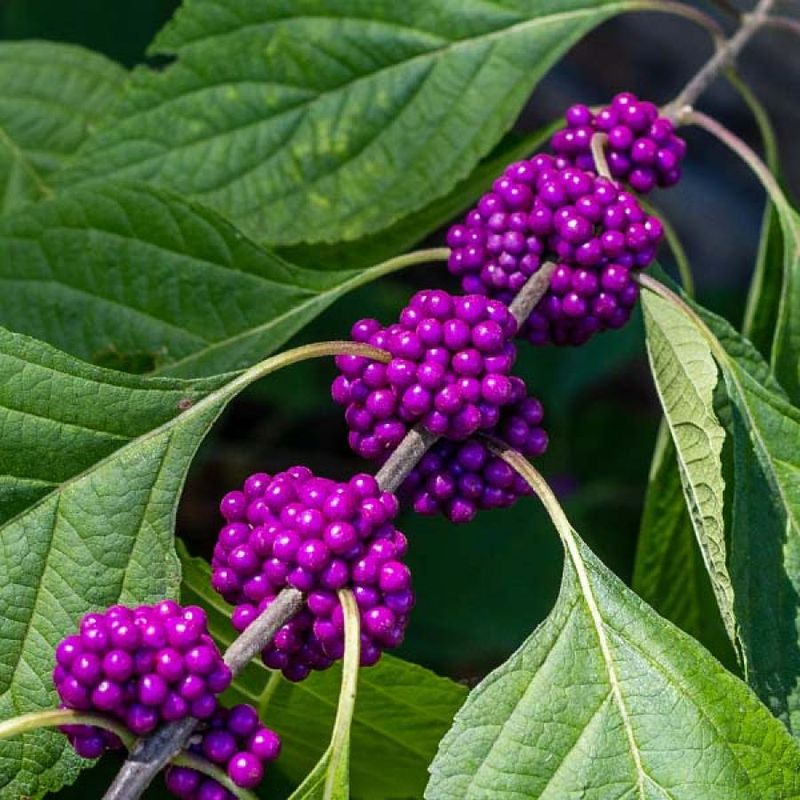
Here is a native that pulls double duty, and one of its tricks might surprise you.
American Beautyberry (Callicarpa americana) feeds the food web and fights mosquitoes at the same time.
Its lavender blossoms in late spring draw bees and pollinators, and it hosts moth species like the Snowberry clearwing.
Those caterpillars grow into plump adult moths, a favorite bat meal.
Now the part people love to share.
Beautyberry leaves contain callicarpenal, a compound that can repel mosquitoes.
Crush a few leaves, rub them on your skin, and you get a rough, temporary deterrent.
Not a magic solution, but a genuinely handy trick before a cookout.
The shrub grows 3 to 8 feet tall and wide, deciduous in North Florida and often evergreen in the far south.
It takes full sun to partial shade in well-drained sandy or loamy soil.
Space plants 5 to 7 feet apart for those arching branches, and prune in late winter for a fuller shape and more of those unmistakable purple berries.
6. Coral Honeysuckle Invites Twilight Snack Time
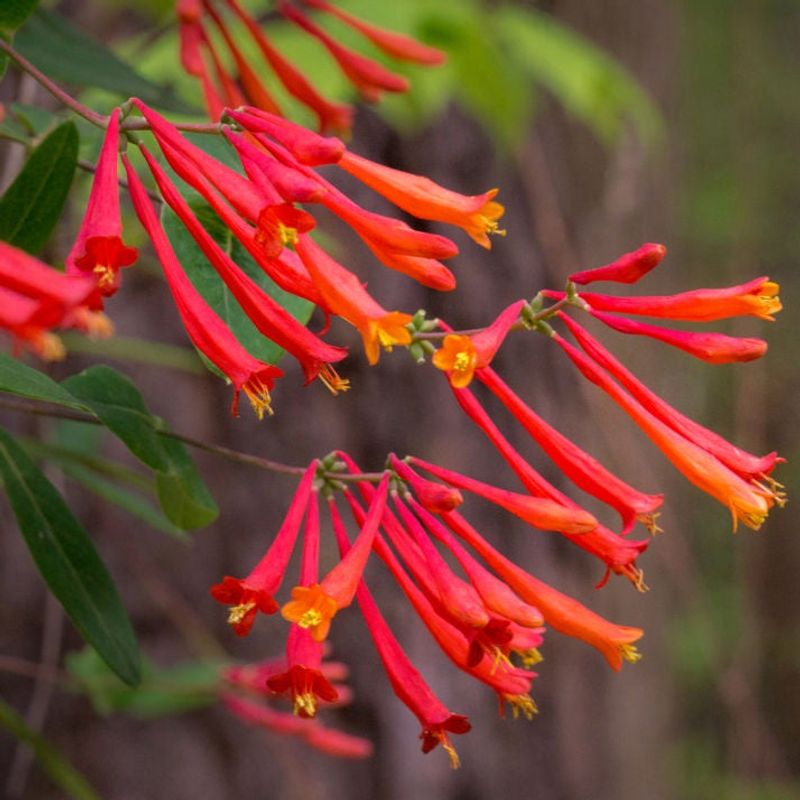
Forget the invasive honeysuckle that swallows fences whole.
Coral Honeysuckle (Lonicera sempervirens) is the well-mannered native cousin, and it earns its keep.
This vine offers a steady run of bright red tubular flowers from spring through fall.
Hummingbirds and butterflies work them in daylight, but the evening activity around those blooms and berries stirs up crepuscular insects, the twilight bugs bats hunt on their first foraging loop.
Coral honeysuckle climbs a trellis or fence anywhere from 8 to 20 feet long, depending on how you prune it.
It adapts widely across Florida, preferring full sun to partial shade where it blooms hardest.
It takes most well-drained soils but sulks in bone-dry sand.
Once settled, it is drought-tolerant and mostly pest-free, so you get a low-maintenance food source parked right beside your patio.
Run it up the trellis by the porch, and you place a snack bar exactly where the bats can help you most.
7. Evening Primrose Spreads A Nighttime Nectar Welcome
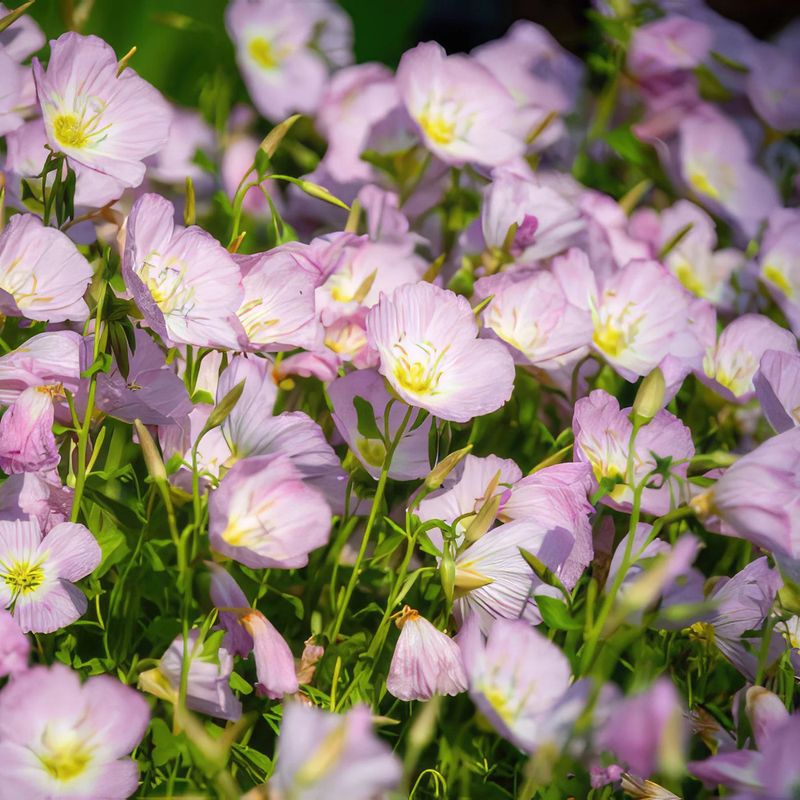
A truly bat-minded garden needs plants that wake up when you switch off the porch light.
Evening Primrose fits that shift perfectly.
Showy Evening Primrose (Oenothera speciosa) and Common Evening Primrose (Oenothera biennis) unfurl fragrant pink or pale yellow flowers in late afternoon and hold them open all night.
Those blooms are a beacon for sphinx moths and native nocturnal bees.
And moths, remember, are prime bat fuel.
The showy type forms a low perennial groundcover, roughly 6 to 18 inches tall, while the common biennial can climb past 6 feet.
Both suit many Florida gardens, adapting to sandy, loamy, or clay soils as long as drainage stays good.
They are drought-tolerant once established, which fits our winter dry spells.
Plant them 12 to 18 inches apart in full sun to partial shade.
Then sit out one evening and watch the moths gather.
Bats are not a cure-all for mosquitoes, but a yard stitched together from these seven natives genuinely thins the crowd.
You built that, and it patrols itself.