
The Fragrant North Carolina Patio Plant That Shrugs Off Muggy July Heat And Never Stops Smelling Good
Follow us on Google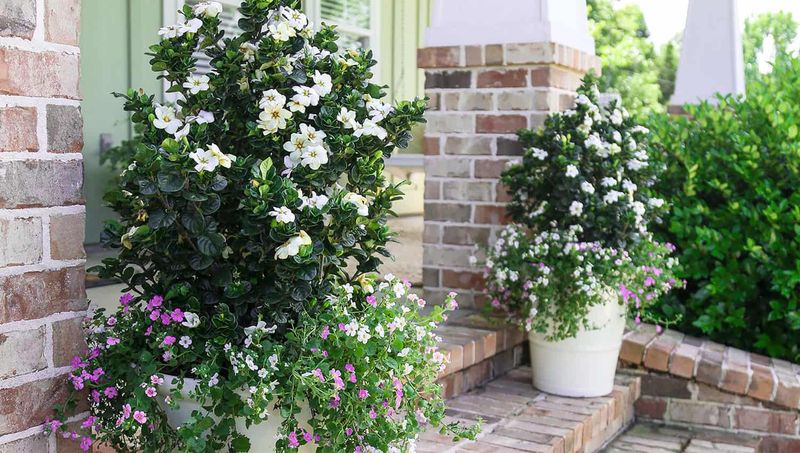
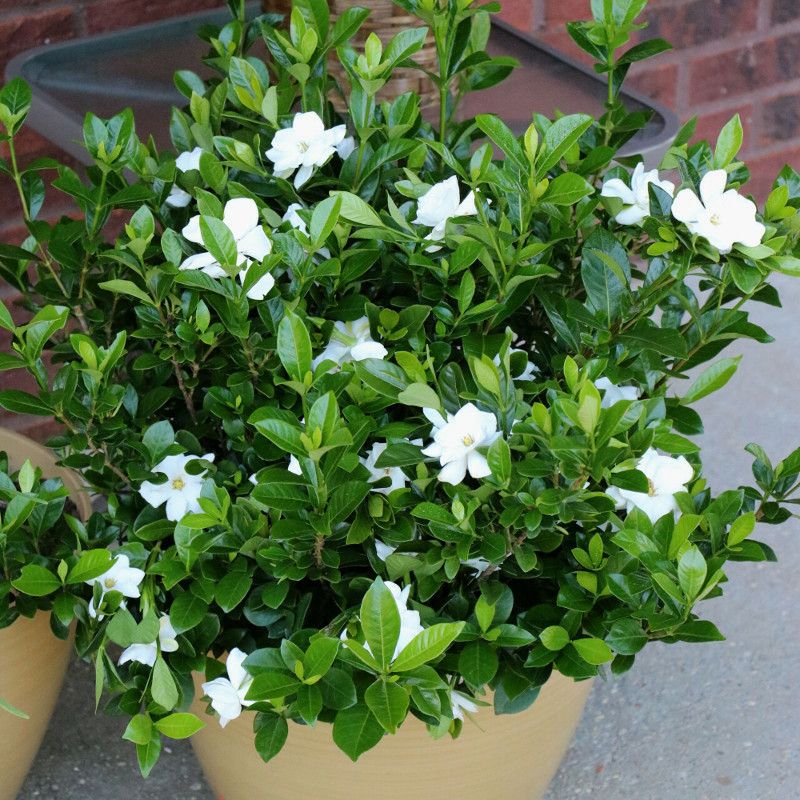
Walk out to your patio on a warm June evening in the Piedmont, and the right plant can stop you mid-step with one wave of scent. That plant is gardenia, and the ‘Scentsation’ cultivar earns its name with flowers so fragrant you’ll catch them from a patio chair three feet away.
North Carolina summers are tough on plants and people alike, but with the right setup, a container gardenia can keep your outdoor space worth sitting in through much of the warm season. It takes some real attention, and the rewards are genuinely worth it.
Meet Gardenia ‘Scentsation’
Gardenia jasminoides has been stopping people in their tracks for centuries, and the ‘Scentsation’ cultivar is one of the best reasons to bring that tradition onto a North Carolina patio. North Carolina Extension describes ‘Scentsation’ as highly fragrant, heat resistant, and well suited for containers and patios, which checks every box a Piedmont gardener needs heading into July.
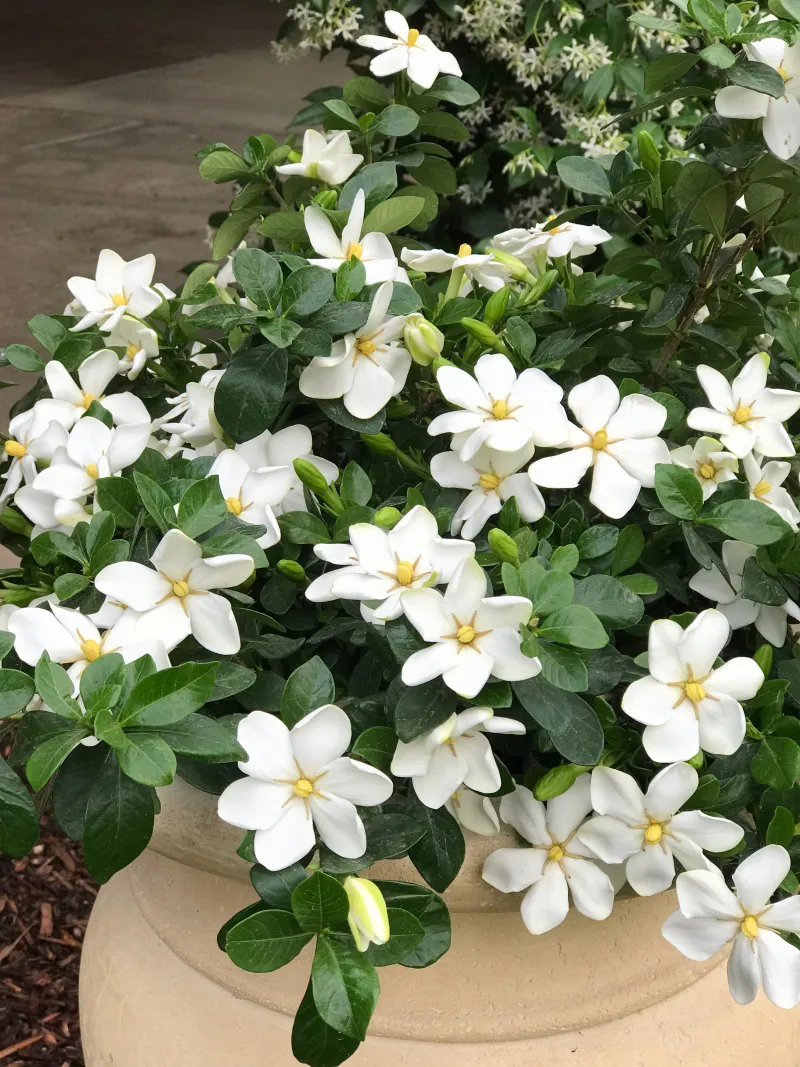
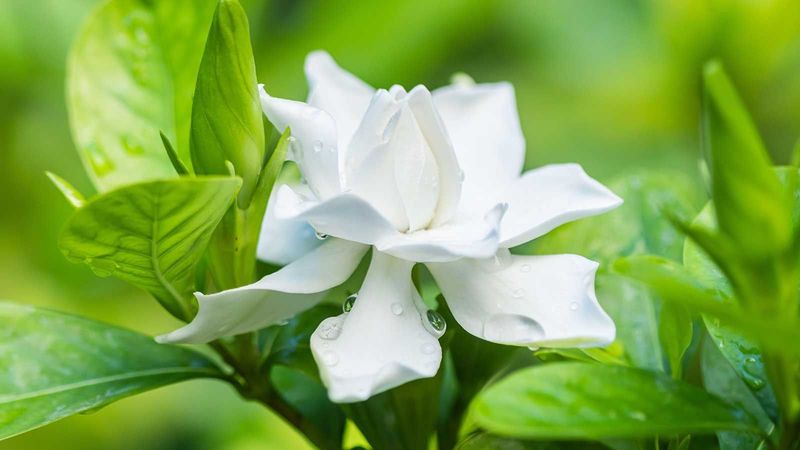
The plant itself is an evergreen shrub with glossy, deep green leaves that look good even when flowers are not open. Its blooms are waxy and white, and the fragrance is strong enough to carry across a small patio without any help from a breeze.
At maturity, ‘Scentsation’ can reach roughly 3 to 5 feet tall and 3 to 6 feet wide, so a container plant will eventually need either a larger pot or some pruning to stay manageable.
One thing worth knowing up front: gardenia originated in southern China, Taiwan, Japan, and Vietnam, which means it is a nonnative ornamental rather than a plant that evolved alongside North Carolina’s native bees, birds, and butterflies. NC Extension’s plant toolbox notes that it may attract some pollinators and songbirds, but it is not a substitute for native species like milkweed or goldenrod.
Grow it for the fragrance and the glossy foliage, and you will not be disappointed, just go in knowing it earns its keep through regular care, not through benign neglect.
Put the Fragrance Beside the Chair
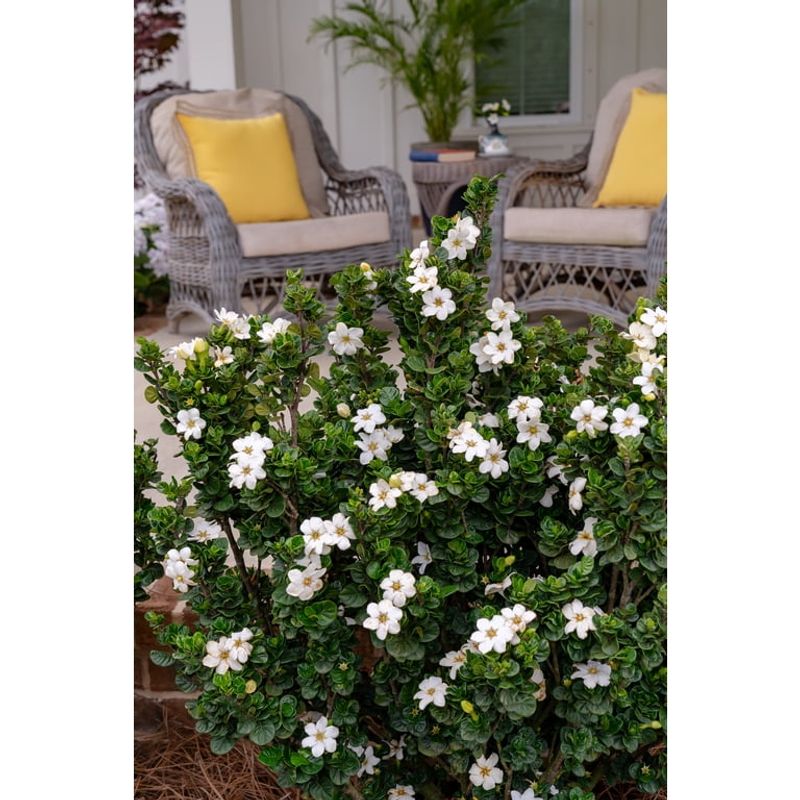
Placement is the single decision that determines whether your gardenia becomes a patio experience or just another shrub you walk past. Fragrance needs proximity to work.
A gardenia sitting at the far edge of the yard, or tucked behind the grill, might as well be in a different zip code when you are settled into your chair with a glass of sweet tea.
Clemson Extension and NC Extension both point toward the same strategy: set the container where people actually spend time. That means beside a patio chair or loveseat, near a doorway where you step outside each morning, close to a window that stays open on cool evenings, or at the edge of an outdoor dining area where the scent can drift across the table.
The glossy evergreen foliage earns its keep year-round, even when flowers are not open. The leaves stay dark and polished through most of North Carolina’s mild winters, giving the container real visual weight on a bare porch in February.
When white flowers do appear, usually from late spring into early summer, they stand out sharply against all that green.
One practical note about containers: a pot on casters or a wheeled plant caddy lets you follow the light and the people. Roll it toward the seating area for a Friday evening cookout, then shift it back toward morning sun on Saturday.
That kind of flexibility is one of the genuine advantages of growing gardenia in a container rather than planting it in the ground, and it makes placement feel like an ongoing conversation rather than a one-time decision.
Give It Bright Light Without the Harshest Afternoon Sun
Light is where many Piedmont gardeners make their first gardenia mistake, and it usually goes one of two directions. Some put the plant in a dim corner because they heard gardenias like shade, and then wonder why it barely blooms.
Others set it against a south-facing brick wall in full afternoon sun and watch the buds shrivel before they open.
Clemson Extension recommends light to partial shade, with morning sun and afternoon protection as the safer approach in hot climates. NC Extension lists ‘Scentsation’ across a broader range from full sun to moderate shade, but in the Piedmont, where afternoon temperatures regularly climb past 90 degrees Fahrenheit from June through August, the cautious call is to protect the plant from the hottest direct exposure after about 1 p.m.
A spot that gets four to six hours of direct morning light and then transitions to bright indirect light or dappled shade in the afternoon tends to work well. East-facing and southeast-facing patios often hit this naturally.
A pergola, a large deciduous tree, or even the shadow of the house itself can provide that afternoon buffer without cutting the plant off from the light it needs to set buds.
NC Extension’s ‘Scentsation’ profile does list the cultivar as heat resistant, which is genuinely useful in a North Carolina summer. But heat resistance does not mean the plant thrives in conditions that would stress almost anything else.
Think of morning sun and afternoon shelter as the setup that lets ‘Scentsation’ show what it can actually do.
Build the Right Root Zone
Roots run the whole show with gardenias, and a container setup changes the rules compared to planting in the ground. The mix dries faster, heats up more in a dark pot on a sunny deck, and has no surrounding soil to buffer it against swings in moisture.
Get the root zone right and the plant rewards you. Get it wrong and no amount of sunshine or fragrance-chasing will fix the problem.
NC Extension lists gardenias as preferring acidic soil with a pH below 6.0, good drainage, and organic matter. Clemson Extension reinforces this: use a well-drained, acidic potting mix formulated for acid-loving plants, and make sure the container has drainage holes.
Standing water in the pot or in a saucer underneath it leads to root rot faster than almost any other mistake.
For container gardening specifically, University of Georgia Extension’s container gardening guidance notes that containers dry out much faster than garden beds, especially during hot weather. Check the top inch or two of the mix every day or two in July and August.
Water when the mix feels dry at that depth, not on a fixed schedule. A pot that drains freely after watering and then dries out at a reasonable pace is the target.
University of Minnesota Extension’s container watering guidance supports the same principle: water based on what the soil tells you, not the calendar. For in-ground gardenias, Clemson recommends a 2- to 3-inch layer of pine straw, compost, or ground bark around the root zone to moderate moisture and temperature.
Container plants do not need that mulch layer, but they do need more frequent attention from you in its place.
July Heat Can Pause the Flowers
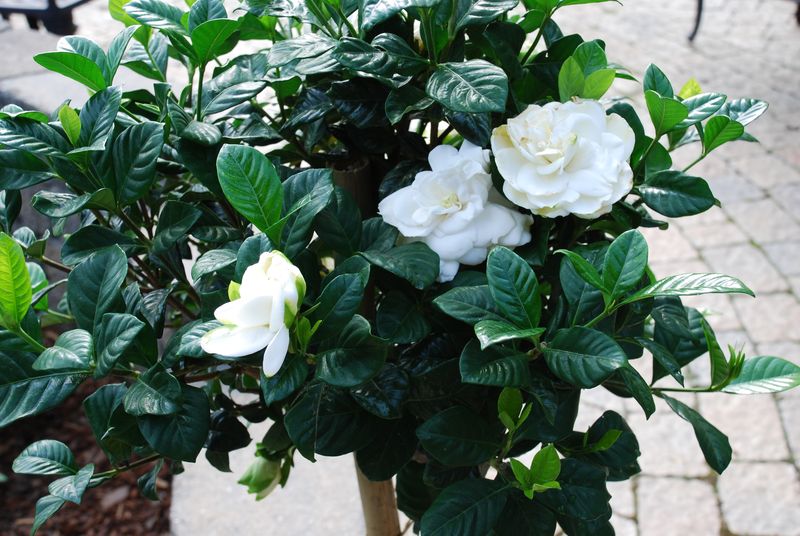
Here is where the original promise needs a honest adjustment. ‘Scentsation’ is heat resistant, and that is a real advantage in a North Carolina summer. But heat resistant does not mean the plant blooms through every muggy July week without missing a beat.
High temperatures can actually slow or pause flower production, and understanding why makes it easier to manage your expectations and your care routine.
Clemson Extension explains that gardenia flower buds can drop before they open for several reasons: low humidity, overwatering, underwatering, insufficient light, and high temperatures all make the list. The same source notes that night temperatures around 50 to 55 degrees Fahrenheit are needed for flower-bud formation, which helps explain why the main bloom flush typically runs from May into June in the Piedmont.
Once nights stay warm through July and August, new bud formation slows down even when the plant looks perfectly healthy.
Scattered summer flowers are possible and genuinely pleasant when they appear. NC Extension lists spring and summer as the flowering period, which leaves room for those sporadic warm-weather blooms.
The key is keeping the plant from dropping the buds it does set. Consistent moisture is the most controllable factor, so a hot week that lets the container dry out completely is more damaging to the bud count than the heat itself.
Pruning timing matters more than most people realize. NC Extension’s ‘Scentsation’ guidance recommends pruning after flowering rather than before the next bloom cycle.
Cutting into the plant before it blooms removes the wood that was going to carry this season’s flowers. Prune lightly right after the main June flush, shape what needs shaping, and then let the plant put its energy into whatever summer blooms it can manage.
Plan for Container Cold
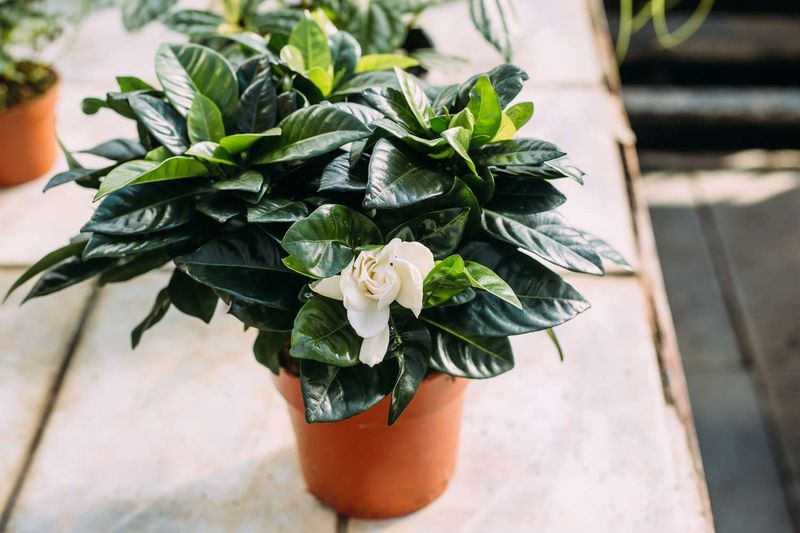
A container gardenia on your patio sits in a fundamentally different situation than one planted in the ground, and winter is where that difference bites hardest. Roots in a pot are surrounded by a few inches of container wall on every side.
When temperatures drop, those roots get cold faster and stay cold longer than roots insulated by surrounding soil.
NC Extension lists Gardenia jasminoides across zones 7b through 11b, which covers the Coastal Plain, much of the Piedmont, and the Sandhills. An in-ground gardenia in a sheltered Raleigh or Charlotte yard may come through a typical winter without much drama.
A container gardenia on an exposed deck in the same yard faces a harder test, and a container gardenia in the foothills or the mountains faces a genuinely difficult one.
NC Extension’s ‘Scentsation’ profile recommends bringing container-grown plants indoors before the first frost for continued flowering and winter protection. That first frost date in the Piedmont averages around mid-November, though surprise cold snaps can arrive earlier.
A garage, a bright sunroom, or a heated basement with a south-facing window can all work as winter quarters.
University of Georgia Extension’s guidance on woody plants in containers notes that container roots experience greater temperature swings and winter exposure than in-ground roots, which reinforces the case for moving the pot before hard freezes arrive. Bring it in when nighttime temperatures are consistently forecast below 32 degrees Fahrenheit, and keep it in bright indirect light until you move it back outside in spring after the last frost date.
Protect Pets and Troubleshoot Before You Spray
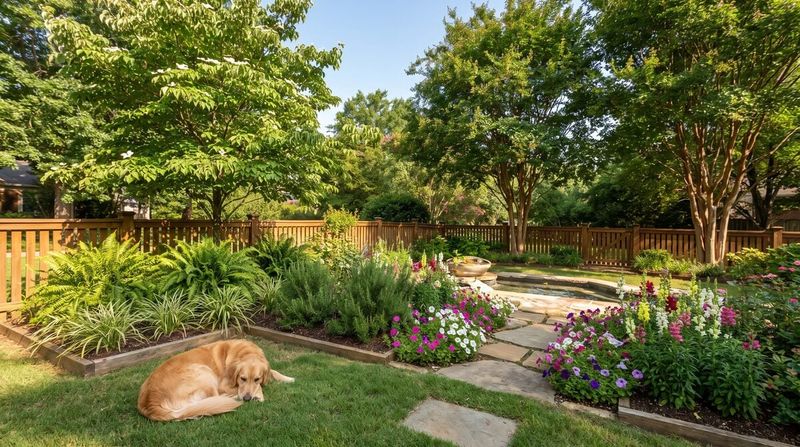
Before the season ends, two things deserve a direct conversation: what lives on your gardenia, and who else lives in your yard. Both topics have practical answers that keep the plant healthy without creating new problems.
Gardenias can host whiteflies, scale insects, aphids, spider mites, mealybugs, and thrips. Sooty mold sometimes follows, growing on the sticky residue that sap-feeding insects leave behind.
Clemson Extension’s pest guide for gardenias recommends identifying the specific pest first, monitoring it, and preserving beneficial insects before reaching for any spray. A strong blast of water from a hose handles minor aphid or mite populations without harming the pollinators that visit open blooms.
Clemson’s general gardenia factsheet reinforces this: if insecticides become necessary, read the label carefully and avoid applying them directly to open flowers where pollinators are actively foraging.
A few home remedies circulate in gardening groups and deserve a clear answer. Coffee grounds do not reliably acidify container soil, soil pH should be tested and amended based on actual results.
Epsom salts are often suggested for yellow leaves, but yellowing has several possible causes including alkaline soil, root problems, and pest damage, and a blanket Epsom salt treatment does not address most of them. Misting the foliage does not correct poor drainage, drought stress, or excessive heat, even though low humidity is one of several factors that can contribute to bud drop.
The safety issue is real and worth stating plainly. ASPCA lists gardenia as toxic to dogs, cats, and horses, with reported signs including vomiting, diarrhea, and hives.
NC Extension gives it a low-severity poison rating for humans and lists the same symptoms. Keep fallen flowers and leaves away from pets that chew plants, and position the container where curious animals cannot easily reach it.
A well-sited, well-watered gardenia in a Piedmont summer will not bloom every single day, but on the evenings when those white flowers are open and the air is warm and still, the scent beside your chair is something you will actually remember.