
The Florida-Friendly Ground Cover Homeowners Switch To When Water Restrictions Hit
Follow us on Google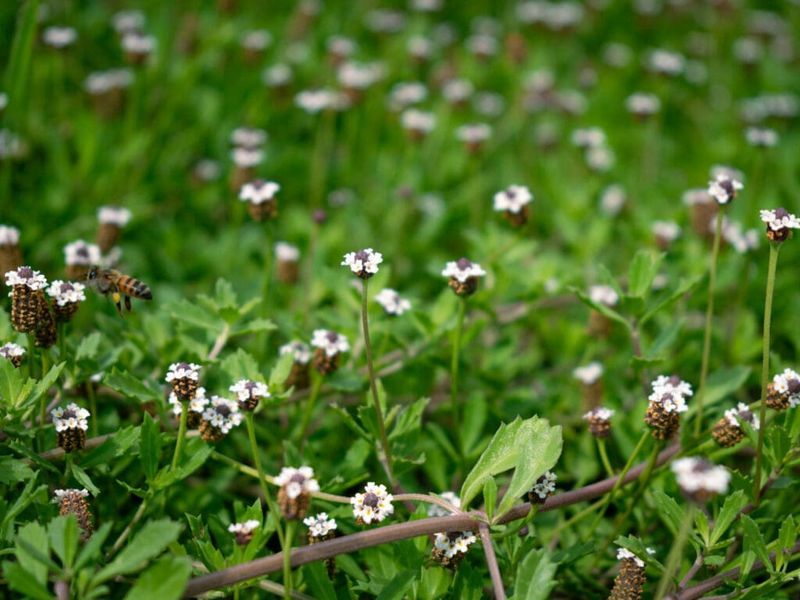
Your St. Augustinegrass is turning the color of old straw, the water restrictions notice is on the fridge, and your neighbor’s yard somehow still looks green.
That quiet green mat creeping across low-traffic Florida yards belongs to frogfruit, a Florida-native ground cover that can need less supplemental irrigation than conventional turf after it gets established.
Before you pull out the sod, though, there is a realistic conversation to have about what frogfruit can actually do, where it fits, and how to start it the right way under your local water rules.
Meet Frogfruit, the Conditional Low-Water Option
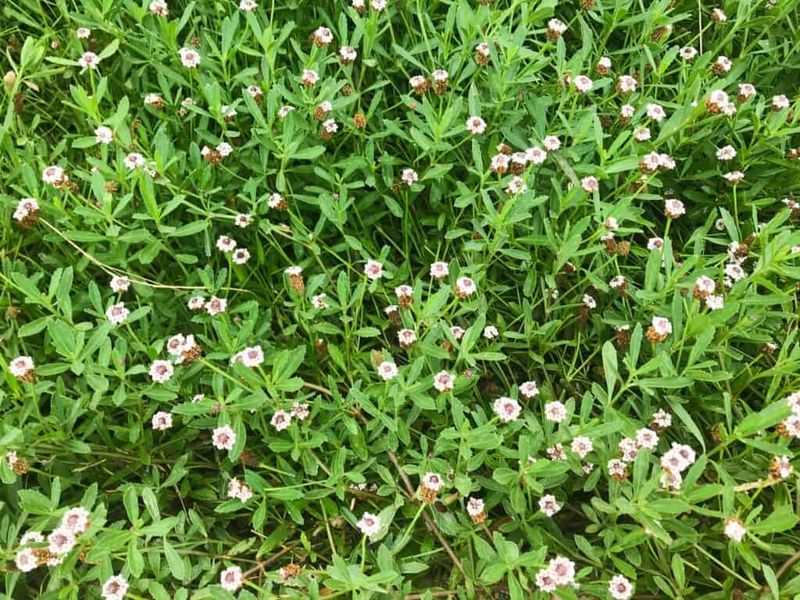
Frogfruit, known botanically as Phyla nodiflora and sometimes called turkey tangle fogfruit or matchweed, is a Florida-native plant that spreads low across the ground on creeping stems called stolons.
Those stolons root wherever they touch soil, building a dense mat that typically stays between 3 and 6 inches tall, though flowering stems can push a little higher.
Individual plants can spread 8 to 10 feet wide over time, which is exactly what makes frogfruit useful as a turf substitute in the right spot.
UF/IFAS Gardening Solutions describes frogfruit as a vigorous Florida-native groundcover and a possible alternative to turfgrass, noting that it forms dense mats from creeping stems, tolerates a range of soil types, and needs little care after establishment.
That last phrase matters.
After establishment, frogfruit can maintain a low, green appearance with less supplemental irrigation than a thirsty St. Augustinegrass lawn in suitable Florida conditions.
The word “suitable” is doing real work in that sentence.
Frogfruit does not guarantee year-round green color in every Florida yard, through every watering restriction, or during every drought.
An older UF/IFAS source notes that it can go dormant or even die back during long, extended dry periods, and it can suffer freeze damage in colder parts of the state.
What you get with frogfruit is a conditional low-water option, not a lawn you can install when restrictions begin and ignore afterward.
Still, for the right site in Florida, it is genuinely worth considering.
UF/IFAS guidance on common lawn plants in North Central Florida lists frogfruit as drought tolerant once established and suitable for USDA hardiness zones 8a through 11, which covers most of the state from the Panhandle to the Keys.
That is a wide range, and the experience of growing it varies considerably across those zones, as later sections explain.
Why St. Augustinegrass Raises the Stakes
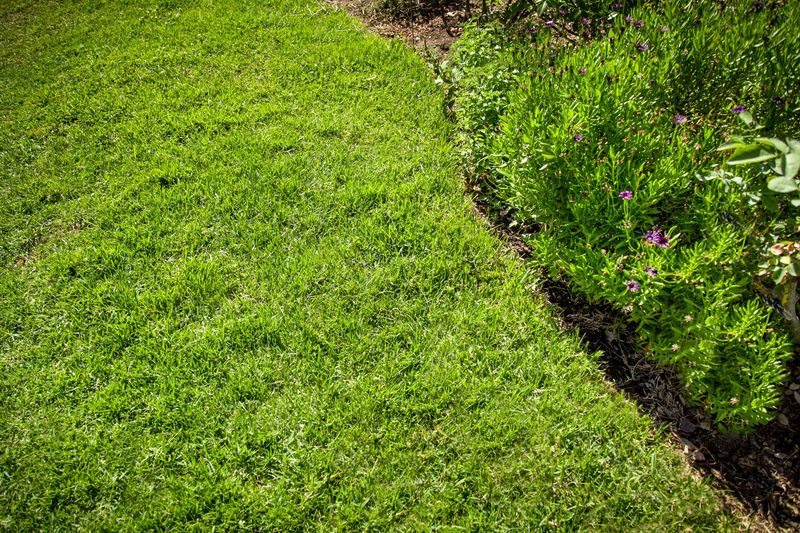
St. Augustinegrass is the most common lawn grass in Florida, and it earns its reputation for looking lush through the humid summer months.
The problem arrives every dry season.
UF/IFAS guidance on St. Augustinegrass for Florida lawns makes clear that it needs supplemental irrigation during extended dry periods to stay green, and it may turn brown or tan during winter dormancy in parts of the state.
When water restrictions cut your irrigation days, St. Augustine is often the first thing in your yard to show the stress.
That is the moment many Central Florida and Gulf Coast homeowners start looking for alternatives.
The practical question is not whether frogfruit is better than St. Augustine in every situation.
The question is whether you have an area of the yard, maybe a side yard, a low-traffic strip along a fence, or a sunny patch between landscape beds, where a lower-demand ground cover could take over and reduce the water that zone needs after the plants get established.
Frogfruit can genuinely fill that role in suitable spots.
UF/IFAS describes frogfruit as handling both dry and moist conditions after establishment, which positions it differently from St. Augustine on the irrigation-demand spectrum.
The comparison is not universal, and neither plant follows a single statewide watering schedule.
But when restrictions hit and your turf is browning out, having a lower-demand option already established in part of the yard is a practical advantage worth planning for now, before the next dry season arrives.
Plan Establishment Before You Remove Turf
Here is where a lot of homeowners run into trouble.
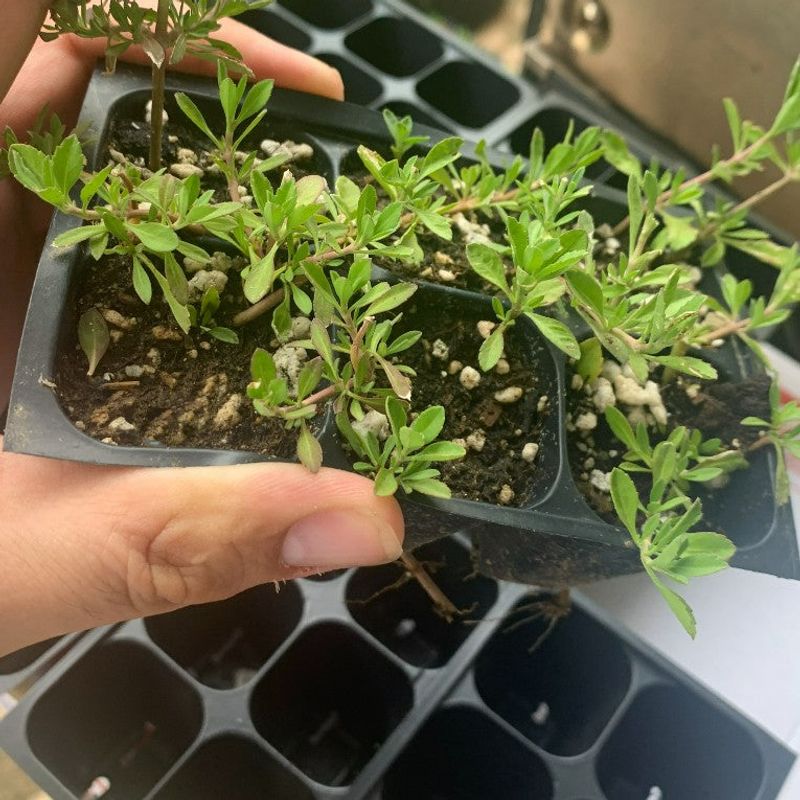
Frogfruit is drought tolerant after establishment, but new plugs and divisions need regular irrigation while their roots and stolons get settled into the soil.
Planting during the driest part of a water shortage, without checking your local rules first, can leave you with dead plugs and no legal way to water them back to life.
Before you pull a single piece of sod, contact your city, county, utility, and water management district to find out what establishment watering is currently allowed.
Rules vary by jurisdiction and can change during active water-shortage phases.
As one regional example, the Southwest Florida Water Management District’s Modified Phase II water-shortage framework provides a 60-day establishment period for new plants, with more frequent watering allowed in the first 30 days and more restricted watering in days 31 through 60.
That framework is specific to that district and may not apply where you live.
Local city and county rules can be stricter than district rules, and establishment allowances may require documentation of new plant material.
Watering basics guidance from the Southwest Florida Water Management District reinforces that all new plants need an establishment period, even drought-tolerant species.
Plan your installation during a season when you can legally and practically support that window.
Spacing affects how quickly the mat closes in.
UF/IFAS guidance shows frogfruit used at 2 feet on center in a landscape plan, which lowers your initial plant cost but stretches the time before stolons knit together into a continuous cover.
Planting divisions or plugs at about 12 inches on center costs more upfront but fills the area faster, which also shortens the window when weeds can sneak in between plants.
The Florida Department of Environmental Protection’s water conservation guidance frames Florida-Friendly Landscaping as matching plants to site conditions and using water efficiently, which means the best time to plan a frogfruit installation is before you need it, not the week restrictions begin.
Match the Plant to Sun, Soil, and Drainage
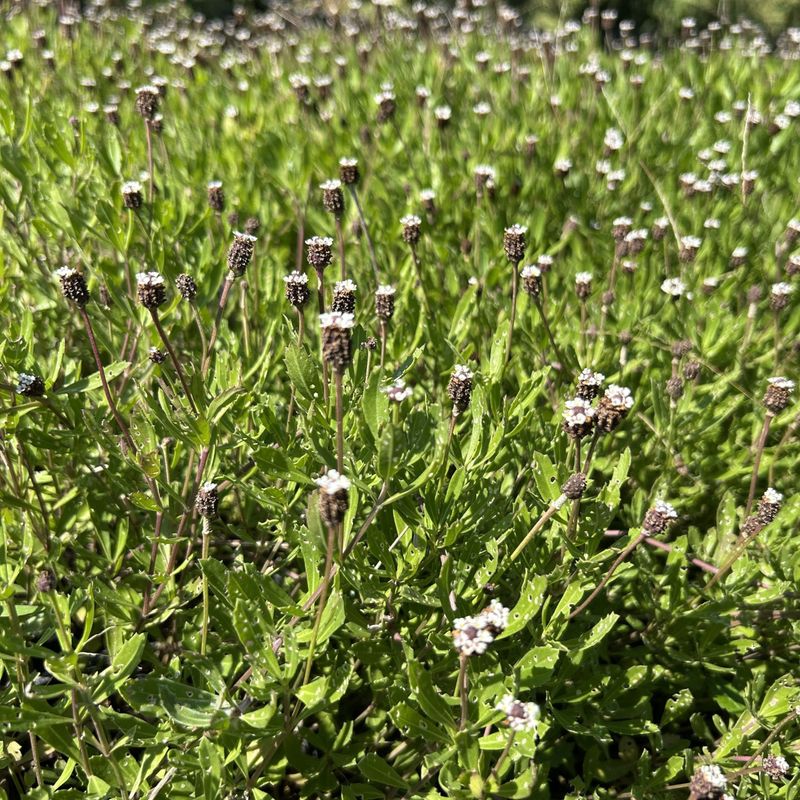
Frogfruit is flexible about soil, but it still rewards a site assessment before you buy plugs.
UF/IFAS guidance describes frogfruit as tolerating soil textures ranging from sand to clay and a broad pH range of approximately 4.5 to 8.0.
That covers most of what Florida yards offer, from the acidic sandy soil across much of the peninsula to the heavier soils found in parts of the Panhandle and Central Florida.
Sun exposure matters too.
Full sun to partial shade are both listed as suitable, which gives you flexibility for areas that get morning shade from a fence or live oak canopy.
A spot that bakes in full afternoon sun on the Gulf Coast is generally a better candidate than a shaded corner that stays damp.
Frogfruit needs light to spread aggressively and fill a lawn area, so deep shade under a dense tree canopy is not its best setting.
Drainage is where you need to be honest with yourself about the site.
UF/IFAS guidance supports well-drained to medium-drained conditions, and the plant does tolerate moist sites that still drain adequately between rain events.
What the evidence does not support is reliable performance in persistently saturated soil or spots where water stands for days after a storm.
Florida has plenty of low pockets that look like great candidates for a ground cover but actually hold water long enough to rot roots.
Walk your yard after a heavy rain and note where puddles linger for more than a day or two.
South Florida homeowners sometimes ask about shallow limestone-based soil in their area.
Frogfruit’s broad pH tolerance suggests it could perform in those conditions, but the honest answer is that local drainage and site-specific conditions matter more than soil chemistry alone.
Test a small patch before committing to a full conversion, and give it a full season to show you what it can do in your specific yard before pulling out more turf.
Use Frogfruit Where Foot Traffic Stays Light
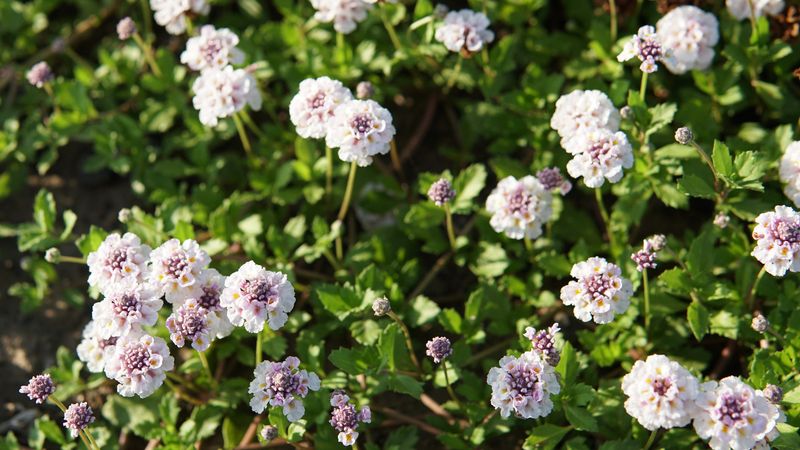
Frogfruit can take some foot traffic.
That is a genuine advantage over many ornamental ground covers that bruise and thin out the moment someone walks across them.
But “some foot traffic” and “a busy play lawn” are two very different things, and the distinction matters when you are deciding which part of the yard to convert.
UF/IFAS describes frogfruit as better suited to low-traffic lawn replacement and mixed lawn areas than to heavily used spaces.
A side yard that mostly sees foot traffic when you mow or walk to the gate is a good candidate.
The backyard where kids play pickup games on weekends, where the dog runs laps, or where you set up chairs for a cookout every other Saturday is not.
For those high-use zones, keep your turf, lay pavers, or use stepping stones through the frogfruit mat to protect the plants and give people a firm surface underfoot.
UF/IFAS guidance notes that occasional mowing at 4 inches or higher can improve frogfruit’s appearance and keep it looking tidy rather than scraggly.
You do not have to mow it on a lawn schedule, but a pass every few weeks during the growing season helps.
Edging along beds, walkways, and neighboring turf areas is also a regular task because frogfruit’s stolons can spread 8 to 10 feet and will move into adjacent lawn areas if you do not manage the edges.
The Florida Native Plant Society’s profile of Phyla nodiflora frames it primarily as a turf substitute for low-traffic areas, which aligns with the UF/IFAS positioning.
Think of it as a plant that earns its keep in the right zone, not one that replaces every lawn function across the whole yard.
Drought, Cold, and Salt Set the Boundaries
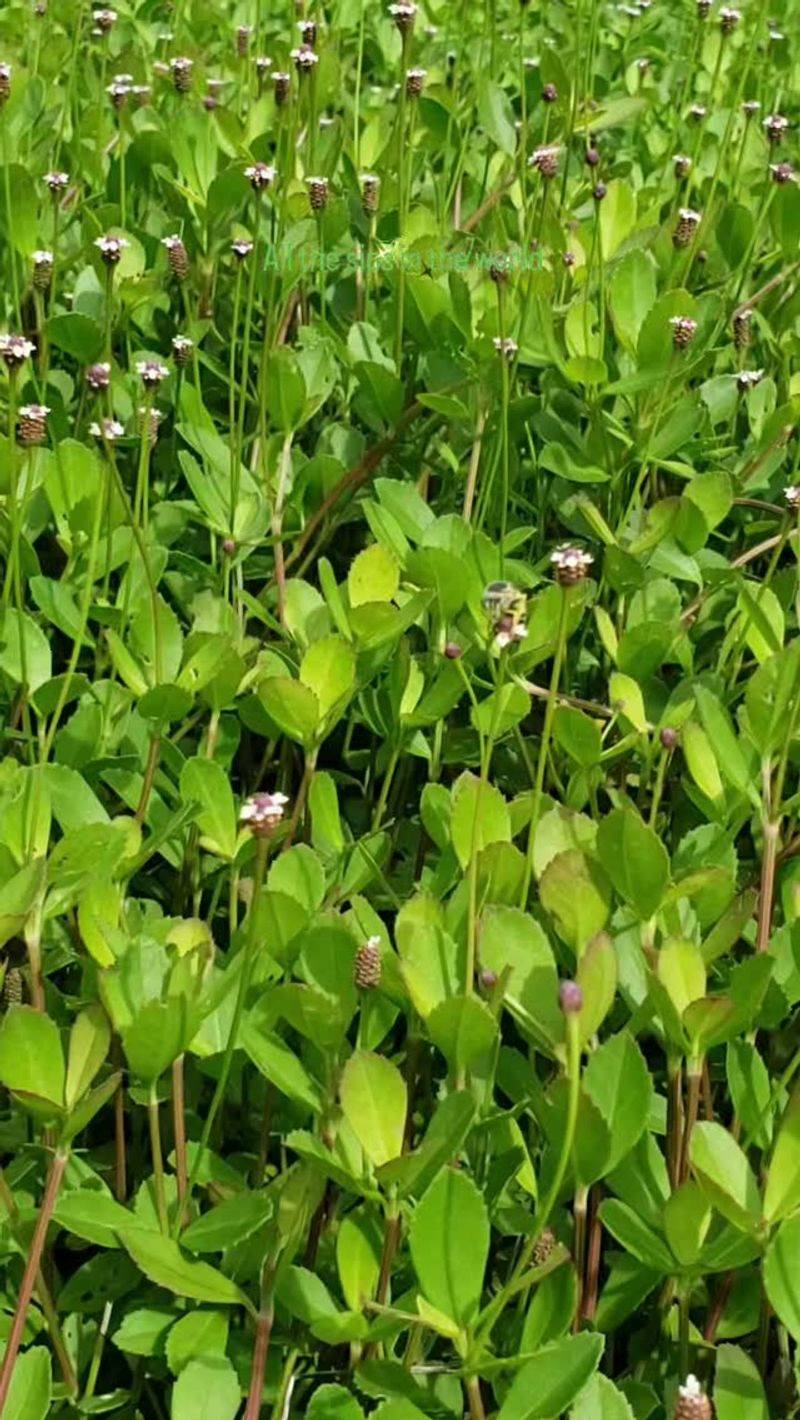
Drought tolerant does not mean permanently green or zero irrigation.
That is the most common misread of frogfruit’s reputation, and it leads homeowners to expect something the plant cannot reliably deliver.
UF/IFAS notes that frogfruit may appear dormant during drought and can die back during long, extended dry periods.
Recovery is possible when warm, moist conditions return, but the timing and completeness of that comeback depend on your specific site, soil, and how severe the dry period was.
Winter behavior varies more across Florida than most people expect.
UF/IFAS guidance describes frogfruit as evergreen in some conditions while also noting variable dormancy and freeze damage risk.
In North Florida and the Panhandle, where hard freezes can drop temperatures below 20 degrees Fahrenheit for several nights, frogfruit can suffer significant die-back and may not look like a lawn substitute through January and February.
Central Florida can see temporary cold damage during brief cold snaps that push into the low 30s.
South Florida and the Keys offer the best chance of continuous winter color, but even there a prolonged dry period can cause the mat to thin and pale.
Coastal placement requires a separate conversation.
The UF/IFAS Florida-Friendly Landscaping butterfly database rates frogfruit’s salt tolerance as low to none, which makes it a poor fit for exposed beachfront yards or areas that receive regular salt spray off the Gulf or Atlantic.
Inland coastal yards that do not get direct spray may perform differently, but directly exposed sites along both coasts need a different strategy.
Two other Florida-native options sometimes come up in this conversation.
UF/IFAS describes rhizoma perennial peanut, Arachis glabrata, as drought tolerant once established, but it may go dormant or lose leaves after frost and is not a statewide year-round green solution.
Sunshine mimosa, Mimosa strigillosa, is drought tolerant and mowable but may reduce growth or go dormant in winter.
Both are worth knowing about as context, but neither removes the need for site matching and honest expectations.
Make the Low-Water Choice Work in Practice
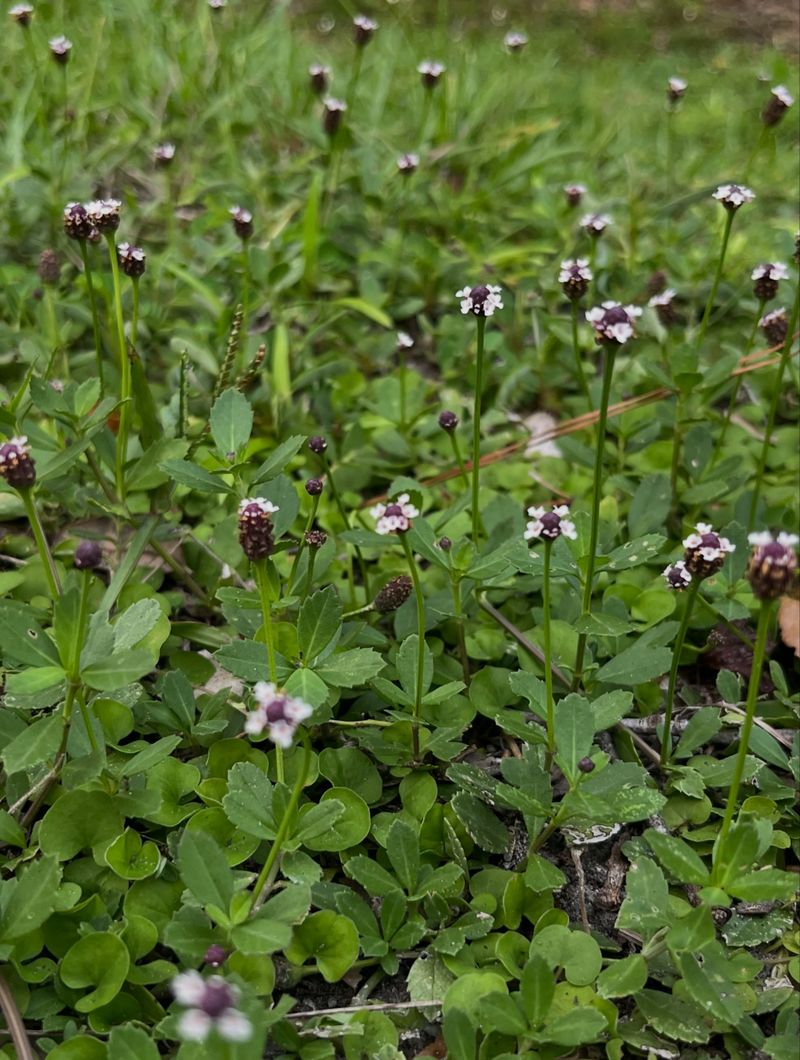
Before you buy a single plug, run through a quick site checklist.
Does the area get full sun to partial shade?
Does it drain within a day after heavy rain?
Is foot traffic light enough that you can redirect regular walkers to a paved or stepping-stone path?
Is the site inland or protected enough from salt spray?
Does your climate zone give frogfruit a reasonable chance of looking presentable through winter?
If most of those answers are yes, frogfruit is worth planning for that space.
Then check your local watering rules before you do anything else.
Contact your water management district, city, and utility to find out what establishment watering is currently permitted and whether new plant material qualifies.
Do not assume that drought-tolerant plants bypass water-shortage restrictions or that an establishment allowance applies automatically without documentation.
Plan your installation for a time when you can legally support the plants through their first 60 days in the ground.
Once frogfruit is established, water it only when the site genuinely needs it.
Southwest Florida Water Management District irrigation scheduling guidance recommends roughly one-half to three-quarters of an inch of water per irrigation event for established landscapes, applied only when plants show actual signs of stress.
A catch-can test, placing small cups around the irrigation zone and running the system, can tell you how many minutes your specific sprinkler heads need to deliver that amount.
That number varies by zone, head type, and water pressure, so run the test rather than guessing.
UF/IFAS identifies frogfruit as a larval host plant for the phaon crescent, common buckeye, and white peacock butterflies, and its small flowers draw bees and other pollinators throughout the warm months.
UF/IFAS butterfly gardening guidance supports native host plants as meaningful contributors to Florida’s pollinator habitat.
That ecological value is a real bonus, but it does not change the honest bottom line: frogfruit can reduce your irrigation demand and support wildlife in the right spot, and the site you choose, not the headline, is what determines whether it actually works.