
10 Native Texas Plants That Practically Grow Themselves All Season
Follow us on Google
You step outside before breakfast and the patio already feels warm, the air thick with that familiar Texas humidity.
Another scorching day is settling in, and you start to wonder if anything can truly thrive out here without babying it every evening.
The secret many Texas gardeners already know is simple, some plants have spent generations learning to handle this place.
Choose those quiet heroes, and your backyard practically takes care of itself all season long.
1. Live Oak Trees Offer Generations Of Shade
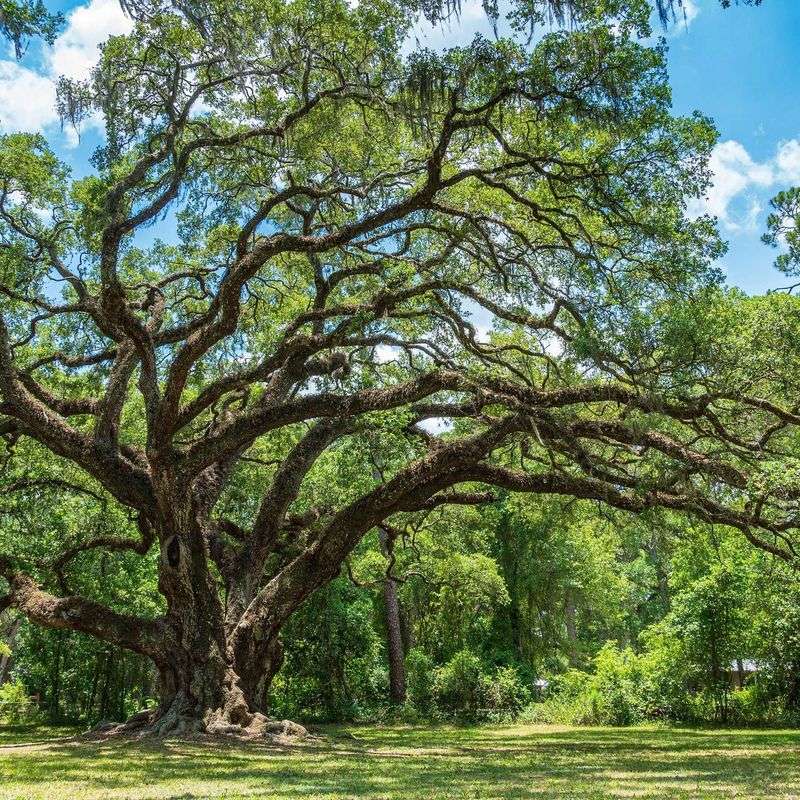
You might think a tree this grand demands a lifetime of fussing, but the mighty live oak, or Quercus virginiana, actually settles into much of Texas with surprising ease.
Its canopy can spread more than 100 feet in open ground, a genuine blessing when the porch thermometer reads triple digits.
The worry is that something this large must need constant water.
But once established, live oaks are drought tolerant and adapt to clay, loam, or sandy soils without complaint.
Give a young tree plenty of room, remembering it can reach 60 feet tall and easily live 150 years.
Here is where it gets tricky.
Prune live oaks only during the hottest and coldest months to help reduce the spread of oak wilt, a disease that troubles parts of Central Texas.
Paint every fresh cut immediately, as Texas A&M AgriLife Extension recommends, to close the door on beetles carrying the fungus.
Get that timing right and you are not just growing a tree.
You are planting shade your grandkids will nap under.
2. Texas Sage Flaunts Silver In The Sun
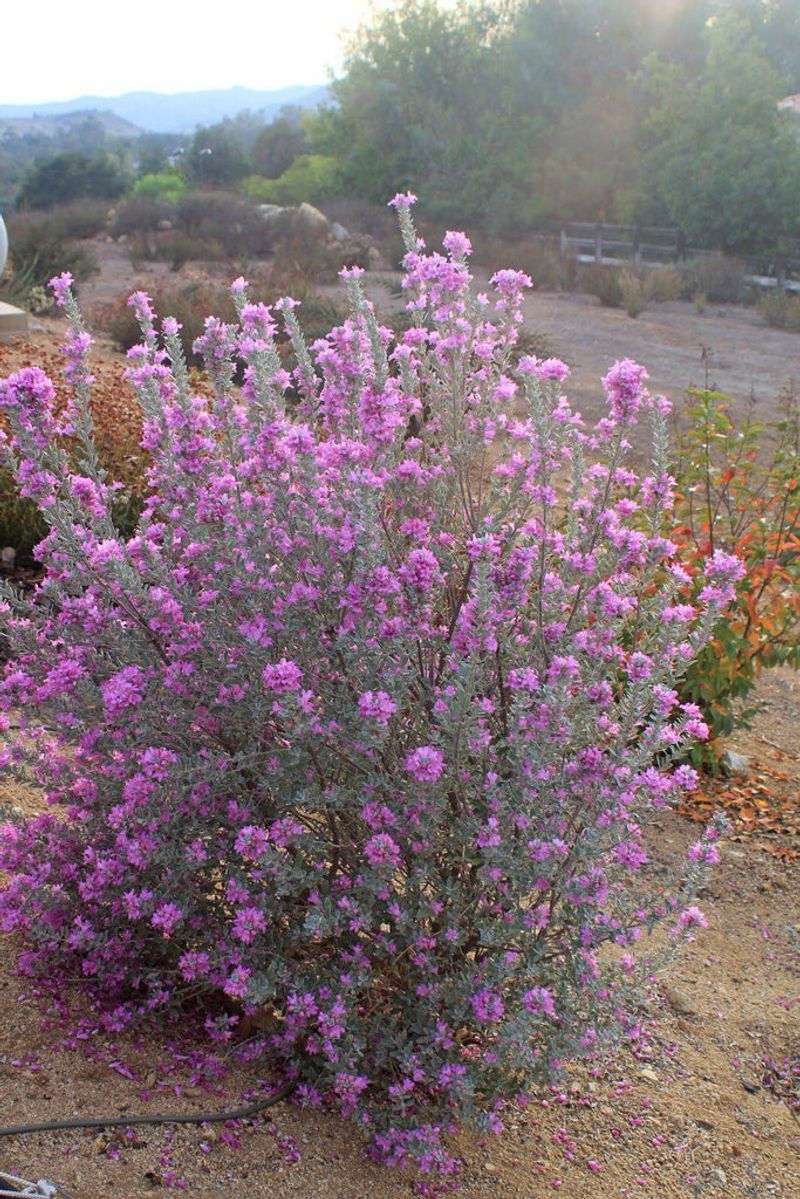
Nothing looks Texas tough quite like the silvery leaves of Texas sage, known botanically as Leucophyllum frutescens.
When humidity climbs and rain is on the way, it erupts in purple and magenta blooms, which is why old timers call it the Barometer Bush.
Here is the surprise for new gardeners, too much love actually hurts it.
This shrub wants dry, arid conditions and full sun, meaning at least six hours a day.
Kindness in the form of extra water can genuinely rot its roots.
The fix comes down to drainage.
Plant it in sandy or rocky soil and steer clear of heavy clay that stays soggy.
Once settled in, water it deeply but only every couple of weeks, letting the ground dry out completely between drinks.
A light shaping in spring keeps it tidy, but skip the hard shearing.
Give it room to reach 8 feet wide, then step back and let it forecast the weather for you.
3. Turk’s Cap Brings Summer Hummingbird Joy
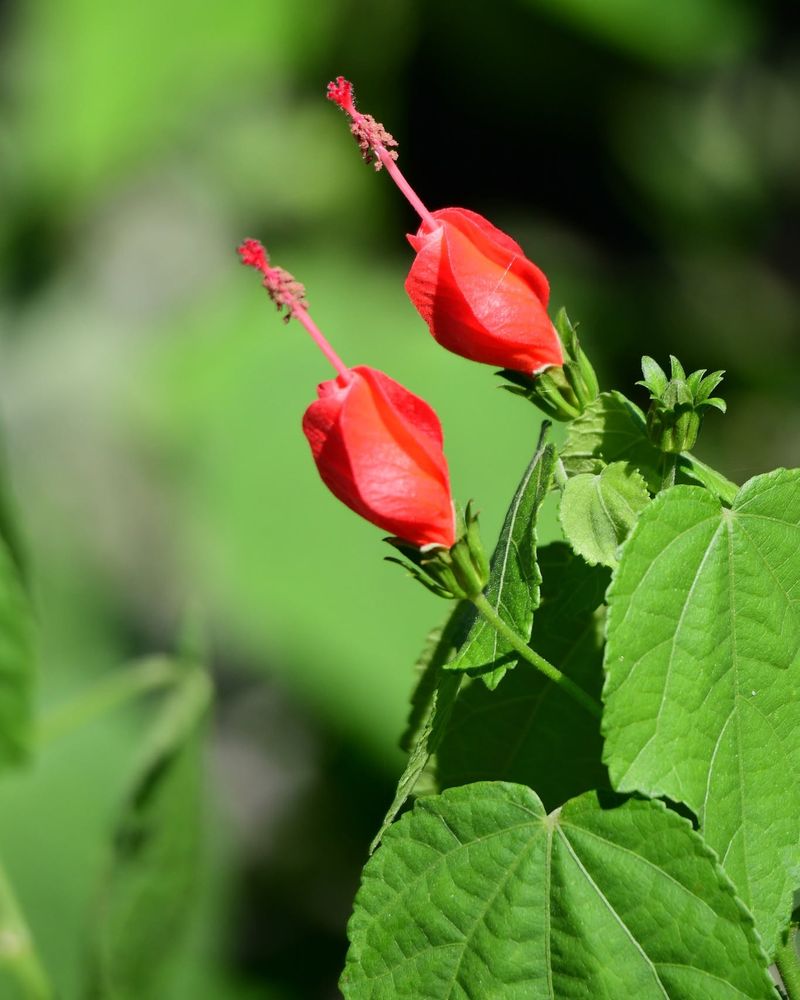
Picture bright red flowers, twisted like little turbans, spinning through your garden from June clear into November while hummingbirds line up to feed.
That is Turk’s cap, or Malvaviscus arboreus var. drummondii, one of the most generous natives Texas has.
The catch is that it likes to spread, forming loose colonies over time.
The reason is also its greatest gift, this plant is wildly adaptable.
It handles full sun or deep shade, and it grows in dry limestone or moist sandy ground with equal cheer.
Established plants shrug off dry spells, often needing water only every 5 or 6 days in the worst heat.
To keep it in bounds, simply pull unwanted shoots or divide big clumps in early spring, sharing the extras with a neighbor.
Cut it back to about 4 or 5 inches above the soil in winter and it rebounds beautifully.
Plant one hero like this and it can keep the show going for roughly 30 years.
4. Autumn Sage Blooms From Spring To Frost
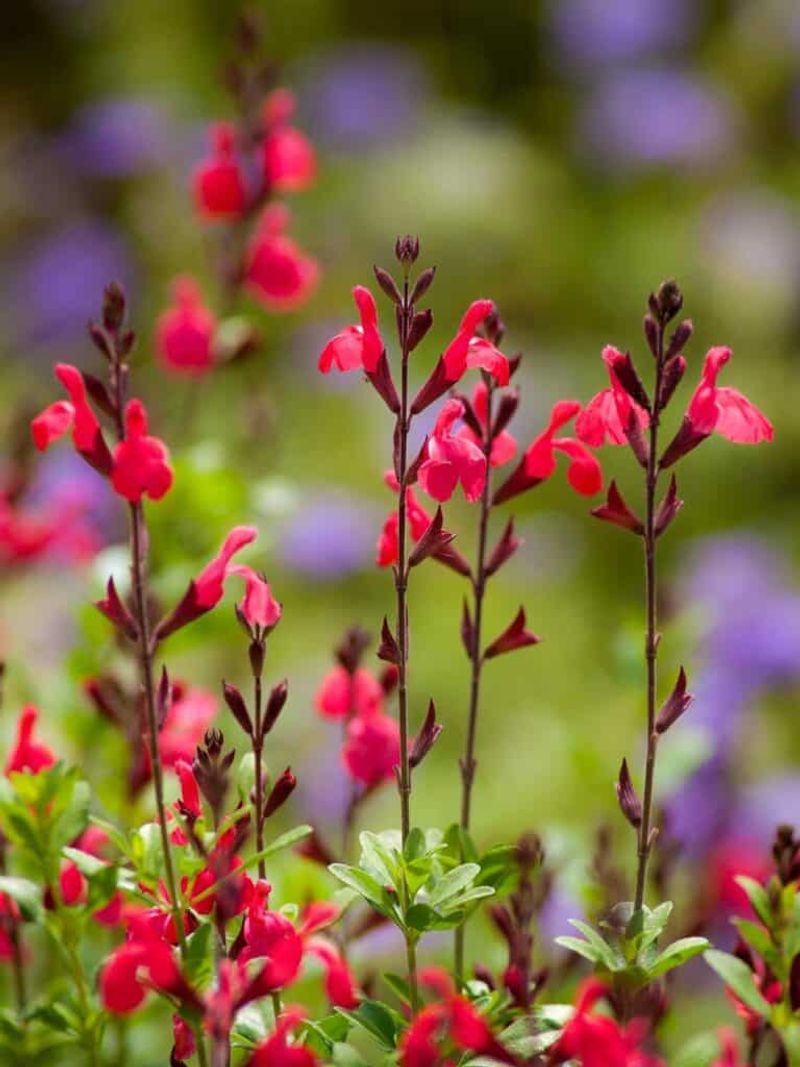
For color that keeps coming and asks for almost nothing, autumn sage earns its keep across Central, West, and South Texas.
Salvia greggii carries a nearly endless parade of tubular flowers in red, pink, coral, purple, or white from spring all the way to first frost.
The common worry is how to keep any plant flowering that long.
The turn is that a little light trimming does the heavy lifting for you.
In early spring, cut it back by a third to half to encourage bushy growth.
Then give it a lighter trim in mid-August, and it often pushes a fresh flush of bloom just as tired summer plants throw in the towel.
It craves full sun and well-drained, rocky soil, but it adapts to other ground too, even the acidic sands of East Texas, as long as water drains freely.
Hummingbirds and butterflies treat it like a corner diner that never closes, and you barely lift a finger.
5. Flame Acanthus Brings Fiery Color And Hummingbirds
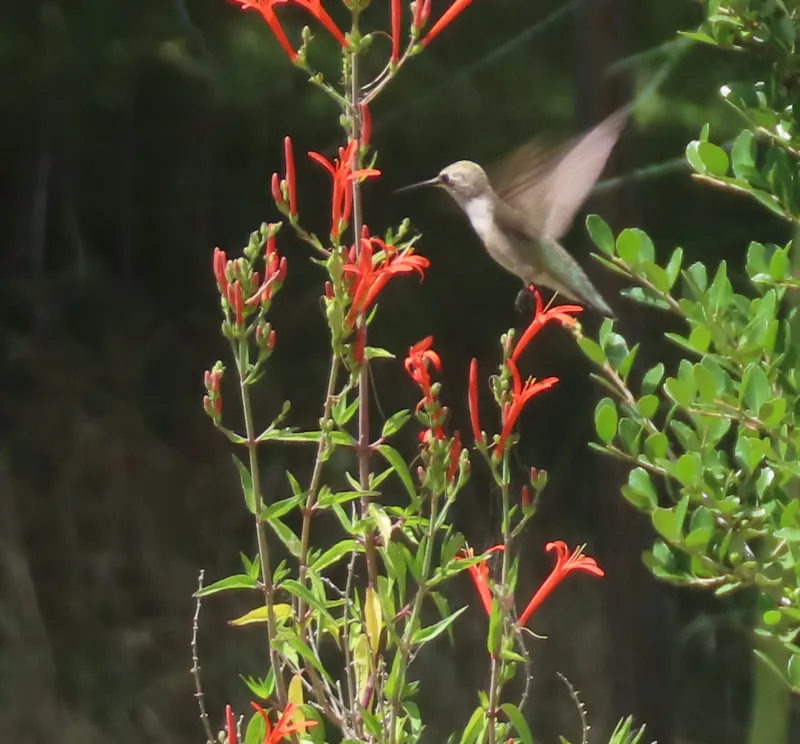
Want a plant that sizzles in the heat instead of surrendering to it?
Flame acanthus, or Anisacanthus quadrifidus var. wrightii, covers itself in slender orange and red tubular blooms from midsummer right up to frost, and hummingbirds treat it like a feast.
Many gardeners panic in early spring when it looks dead and bare.
But this native is only biding its time, waiting for real warmth before it wakes.
That late start is a feature, not a flaw.
Few plants are tougher in the scorching Hill Country and West Texas, where it thrives in poor, rocky soil and shrugs off long dry stretches.
It wants full sun but tolerates a little afternoon shade.
Give it a hard prune in late winter or early spring to spark denser growth and more flowers.
It fills a nice pocket at 3 to 5 feet tall and wide, and deer usually walk right past it.
That is fiery color exactly when your garden needs it most.
6. Gregg’s Mistflower Creates A Butterfly Haven
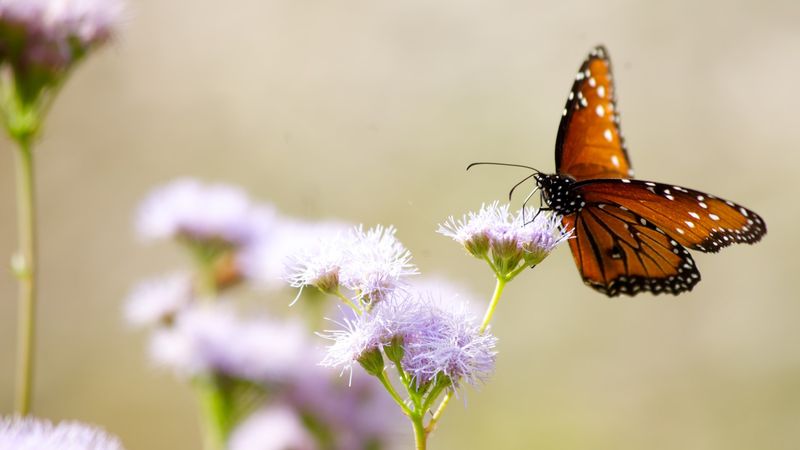
Imagine a hazy cloud of lavender-blue flowers alive with Queen butterflies and migrating monarchs, peaking in fall when most of the garden is fading.
Gregg’s mistflower, Conoclinium greggii, delivers exactly that from late spring deep into autumn.
The tension is its eagerness to roam.
This Central Texas native is root hardy down to 0 degrees and spreads by underground stems, behaving almost like a groundcover.
You can lean into that vigor or manage it easily.
Plant in groups with about 12 to 18 inches between plants for the fullest effect.
If it wanders too far, slice off chunks in early spring and move them, or shear the whole patch to the ground to rein it in.
It handles full sun or part shade and prefers well-drained loam, though it tolerates clay without sulking.
During the fall monarch migration, which funnels through Texas from late September into mid-November, a patch of this becomes the busiest corner in your yard.
That is genuinely low-effort magic.
7. Texas Lantana Offers Continuous Brightness
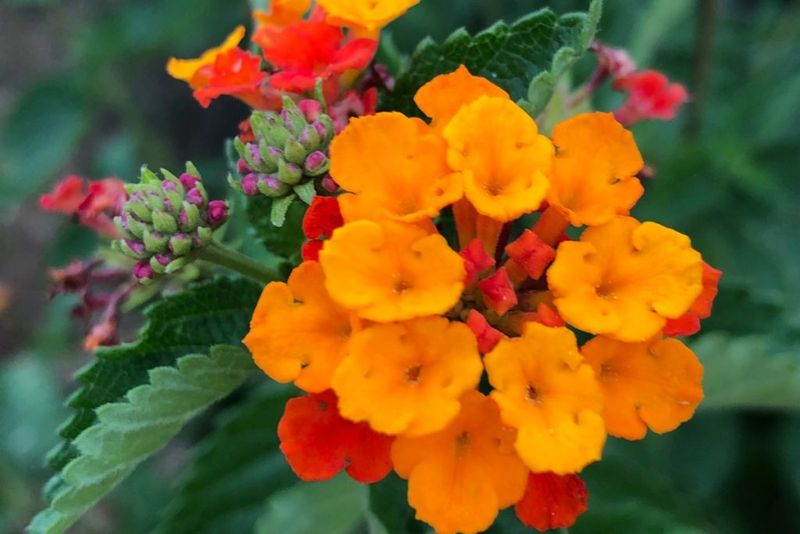
Here is a plant that seems to laugh at 100-degree afternoons.
Texas lantana, or Lantana urticoides, throws bright clusters of red, orange, and yellow from April through November, often blooming harder as the heat cranks up.
The struggle folks know is with pushy non-native lantanas that turn invasive.
This is the native version you actually want, well-behaved and perfectly suited to our soils.
It thrives in full sun on very little water once established.
Better still, it tells you when it is thirsty.
The leaves droop, then perk right back up after a drink, usually holding another 5 to 7 days even in brutal heat.
This deciduous shrub reaches 4 to 6 feet tall and wide and appreciates a hard cutback near the ground in winter, which fuels vigorous spring growth.
Butterflies, bees, and hummingbirds work the flowers while birds enjoy the dark ripe fruit, though those berries are poisonous to people, so keep that in mind around curious kids.
8. Bluebonnets Paint The Landscape Each Spring
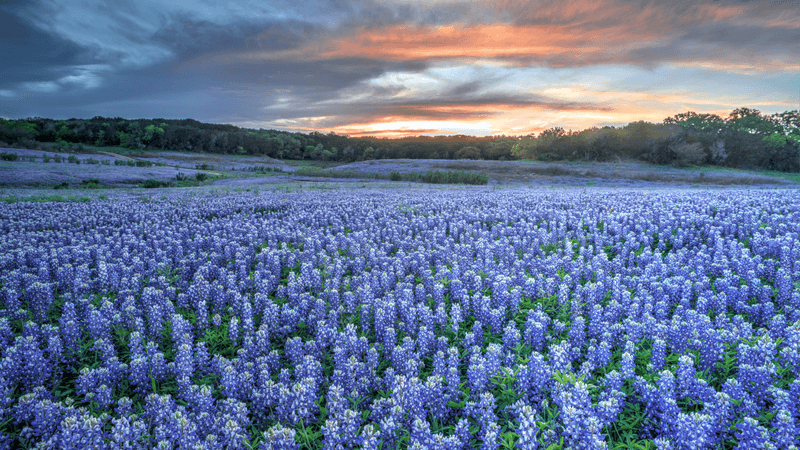
Nothing says Texas like a field of bluebonnets glowing along a spring roadside.
Lupinus texensis blankets prairies in deep blue and signals that winter has finally packed up and left.
They bloom for one glorious season, but their self-seeding habit means a single planting can return year after year with almost no help from you.
The tricky part is getting them started, since the seeds can be stubborn.
Timing and method are everything.
Sow between August and November so the roots build strength over winter.
Give them full sun, at least 6 to 8 hours daily, and well-drained, slightly alkaline soil.
Cover the seeds with only about an eighth of an inch of dirt for solid seed-to-soil contact.
For a bigger patch, aim for roughly 1 pound of seed per 700 square feet.
You are not just planting flowers.
You are growing a piece of Texas heritage that will make strangers slow their cars every March.
9. Butterfly Milkweed Feeds Our Monarchs
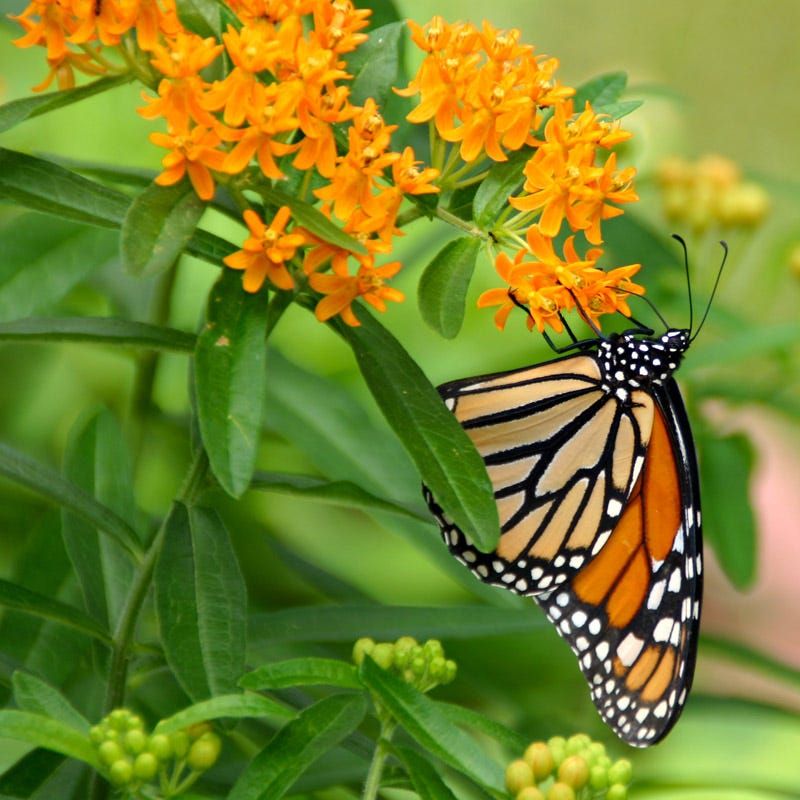
Few plants tie so directly to a beloved Texas spectacle.
Butterfly milkweed, Asclepias tuberosa, lights up with clusters of blazing orange and pulls in monarchs during their long journeys through the state.
Here is a fact that surprises people.
While it feeds adult monarchs generously, it is not their top pick for laying eggs, since its sap carries fewer of the protective toxins caterpillars rely on.
Even so, it remains a powerhouse nectar source, especially across the eastern two-thirds of Texas where it grows naturally.
It forms upright clumps 1 to 3 feet tall and loves full sun with well-drained soil, thriving even in poor, dry ground thanks to a deep taproot.
Be patient, as plants grown from seed can take 2 to 3 years to hit full bloom.
If aphids gather, a firm blast of water usually knocks them loose.
Plant this and you are directly supporting the migration that pours through Texas in March and again from late September into mid-November.
That is a quiet kind of pride.
10. Prickly Pear Cactus Stands Tall In Dry Times
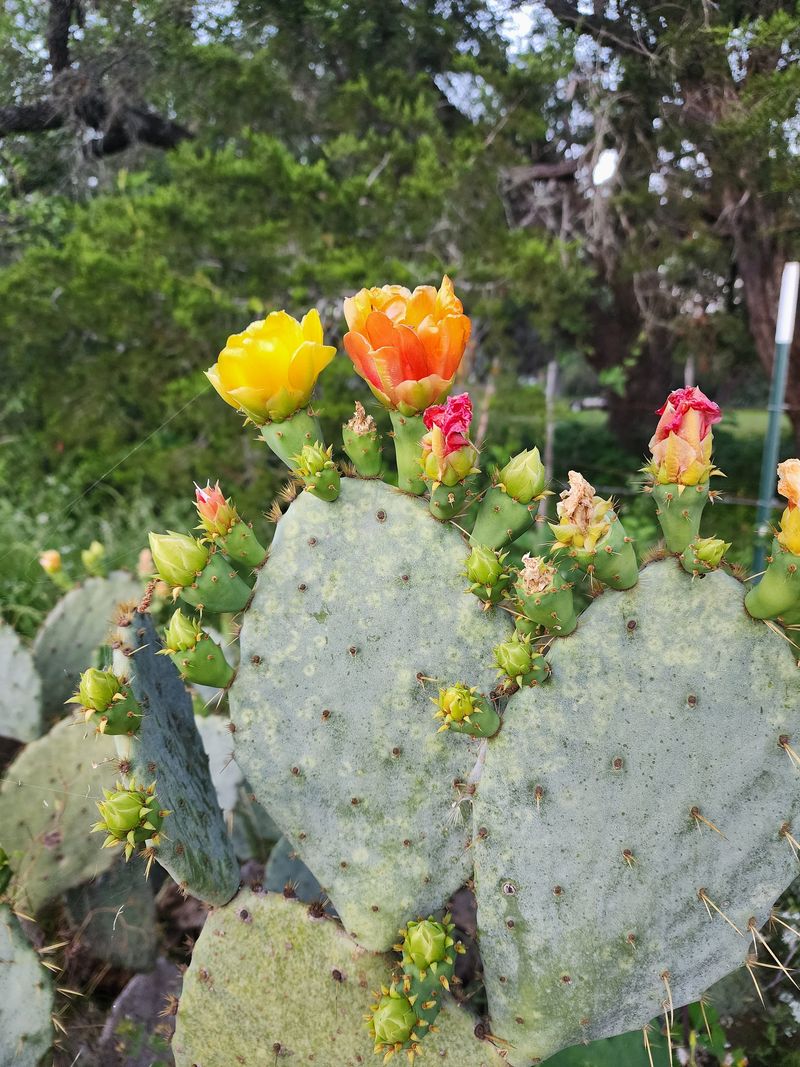
For pure self-reliance in the harshest corners of Texas, the prickly pear stands unbeatable.
Opuntia engelmannii var. lindheimeri raises its flat pads, sometimes blue-green, sometimes armed with spines up to 4.5 inches long, across South and West Texas.
In late spring it opens gorgeous yellow, pink, or red flowers, followed by edible purple fruits called tunas.
People assume cacti are difficult or aggressive, but this one practically begs to be ignored.
It genuinely thrives on neglect, wanting full sun and sharply drained rocky or sandy soil.
If your yard is heavy clay, plant it on a raised berm mixed with decomposed granite so winter wet does not rot the roots.
Give it space, because a clump can climb to 5 feet tall and spread 12 feet wide, and those spines do not belong beside a walkway.
Propagation is almost comical.
Snap off a pad, let it callous for a few days, then set it in dry soil.
Then walk away and let a little wild Texas take over.