
The Pennsylvania Native Shrubs That Pull In Tick-Eating Birds All Season Long
Follow us on Google
You step into the yard on a warm August evening in southeastern Pennsylvania, and cicadas hum in the humid air.
Then you spot a tiny dark speck clinging to your ankle, and that easy feeling drains away.
Ticks turn even a perfect backyard into a quiet worry.
But here is the good news.
A handful of Pennsylvania native shrubs can pull in the songbirds that patrol for insects all season, and turn your own yard into part of the fix.
1. The Quiet Guardians Are Already Here
That nagging worry about ticks crashing your family cookout is shared from the Poconos to the Lake Erie region.
Most homeowners feel powerless, so they reach for the wrong help.
Here is where it gets tricky.
The birds people imagine, like chickens or guinea fowl, actually do very little against nymphal ticks, the poppy-seed-sized ones that spread most disease.
Penn State Extension research suggests these birds do not meaningfully reduce nymphal tick numbers, and they can even become hosts themselves.
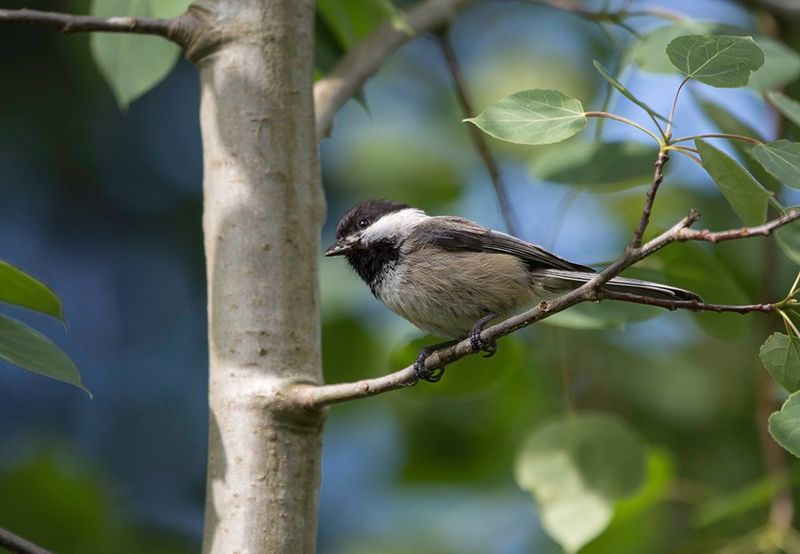
The genuine heroes are the small insect-eating songbirds already living around you.
Chickadees, wrens, and warblers feast on the caterpillars and bugs that thrive in the same damp, brushy edges ticks love.
Some will pick ticks straight off the ground.
So the real move is feeding and sheltering those birds from spring migration through late fall.
Native shrubs do exactly that, offering caterpillars in nesting season and berries when the weather turns cold.
You are not planting a magic bullet.
You are building one layer of a broader defense, and it starts with plants that were meant to grow here all along.
2. Highbush Blueberry Fuels Early Birds And Their Broods
Picture plump, juicy berries ripe in your own yard by early summer.
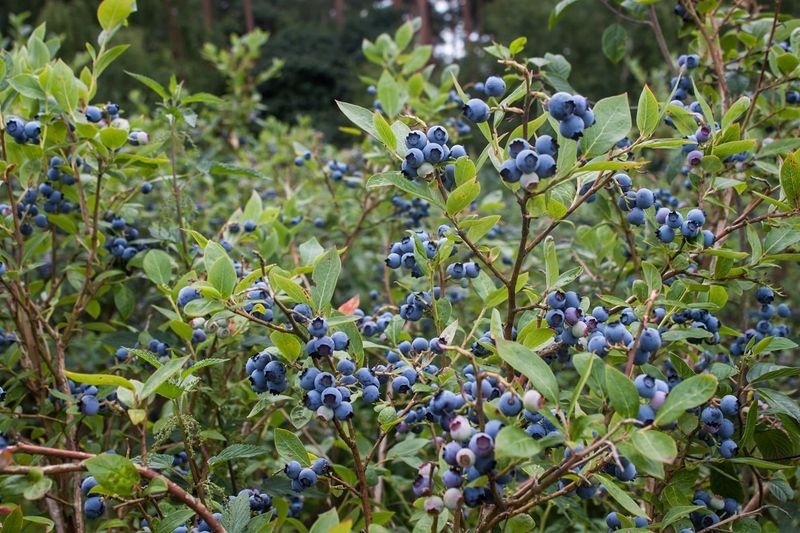
The Highbush Blueberry, or Vaccinium corymbosum, delivers that while quietly recruiting a feathered patrol.
Botanists call it a keystone species because it supports so much life.
A single blueberry shrub hosts over 200 species of caterpillars, and caterpillars are the fuel young birds run on.
One brood of chickadees needs thousands of them before the babies leave the nest.
The payoff does not stop at bugs.
Once the flowers fade, the shrub loads up with blue fruit that American Robins, Eastern Bluebirds, and Scarlet Tanagers cannot resist.
They flock in, and while they visit, they work the branches for insects too.
To thrive, these shrubs want full sun to part shade and acidic soil around a pH of 5.0, which suits much of the shale country across central and western Pennsylvania.
Plant several together, spaced 4 to 6 feet apart, for a better harvest.
They can reach 6 to 12 feet tall, offering food and cover for months.
Just be ready to share, or drape netting if you want a few pancakes worth for yourself.
3. Winterberry Brightens Bleak Days And Feeds Hungry Flocks
When the leaves drop across the central valleys and the Allegheny Plateau, most of the yard goes gray.
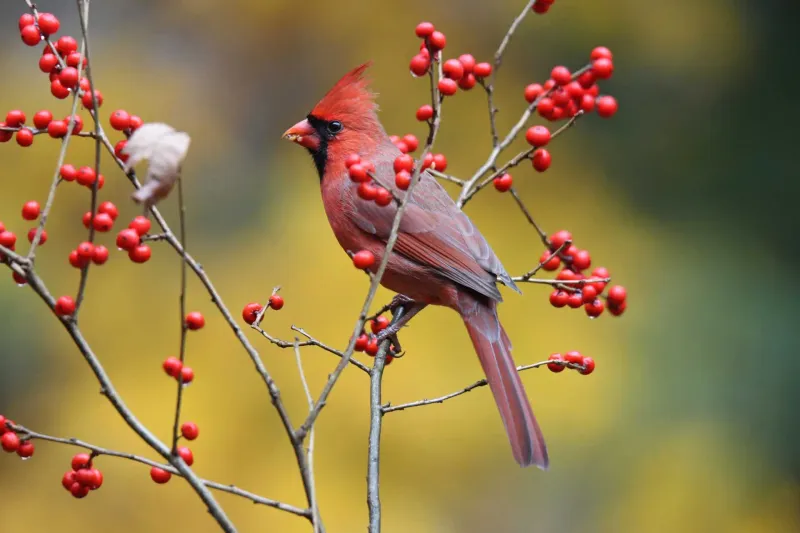
Then the Winterberry, or Ilex verticillata, lights up like a string of red beads.
This deciduous holly holds its bright berries deep into the cold months, long after other food has vanished.
Robins, Cedar Waxwings, Bluebirds, and Cardinals all lean on it when the pickings are thin.
The fruit even sweetens after a few hard freezes, becoming easier for birds to digest.
Growing 6 to 15 feet tall and spreading up to 20 feet through suckering, Winterberry builds dense thickets.
Those thickets double as cover and nesting spots, shielding birds from hawks and biting winter wind.
Here is the catch.
Winterberry is dioecious, meaning male and female plants are separate.
You need one male pollinator, such as a ‘Jim Dandy,’ within 50 feet of your females to get berries at all.
It handles moist, acidic soils best but tolerates heat, drought, and even some clay, which makes it forgiving in a wide range of Pennsylvania yards.
Plant it once, and it earns its keep through the bleakest stretch of the year.
4. Spicebush Offers Spring Bounty And Insect Havens
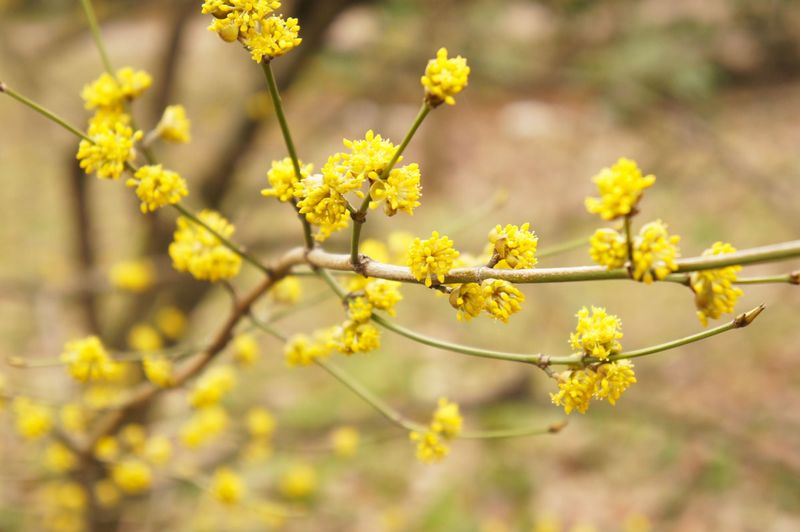
Late spring frosts are still fading from the northern tier when the Spicebush, or Lindera benzoin, jumps into action.
In March, before most plants stir, its bare branches fill with tiny fragrant yellow flowers.
Those early blooms feed emerging native bees and migrating birds returning to Pennsylvania, right when they are running on empty.
It is a gas station that opens before anything else in the neighborhood.
By late summer and early fall, female plants produce glossy red drupes that are nearly 50 percent fat.
That is rocket fuel for Cardinals, Blue Jays, and Catbirds bulking up before they head south.
Spicebush pulls a second shift too.
It is the exclusive host plant for the Spicebush Swallowtail caterpillar, which means more protein for parent birds stuffing hungry nestlings.
Growing 8 to 12 feet tall and wide, it prefers moist, organic soil and takes dappled light to full shade, making it a natural fit for wooded edges.
Deer tend to leave it alone, which is a genuine relief in yards where they treat everything else like a buffet.
Crush a leaf and you will catch its spicy scent, the reason for the name.
5. Arrowwood Viburnum Builds Bird Strongholds And Blue Berries
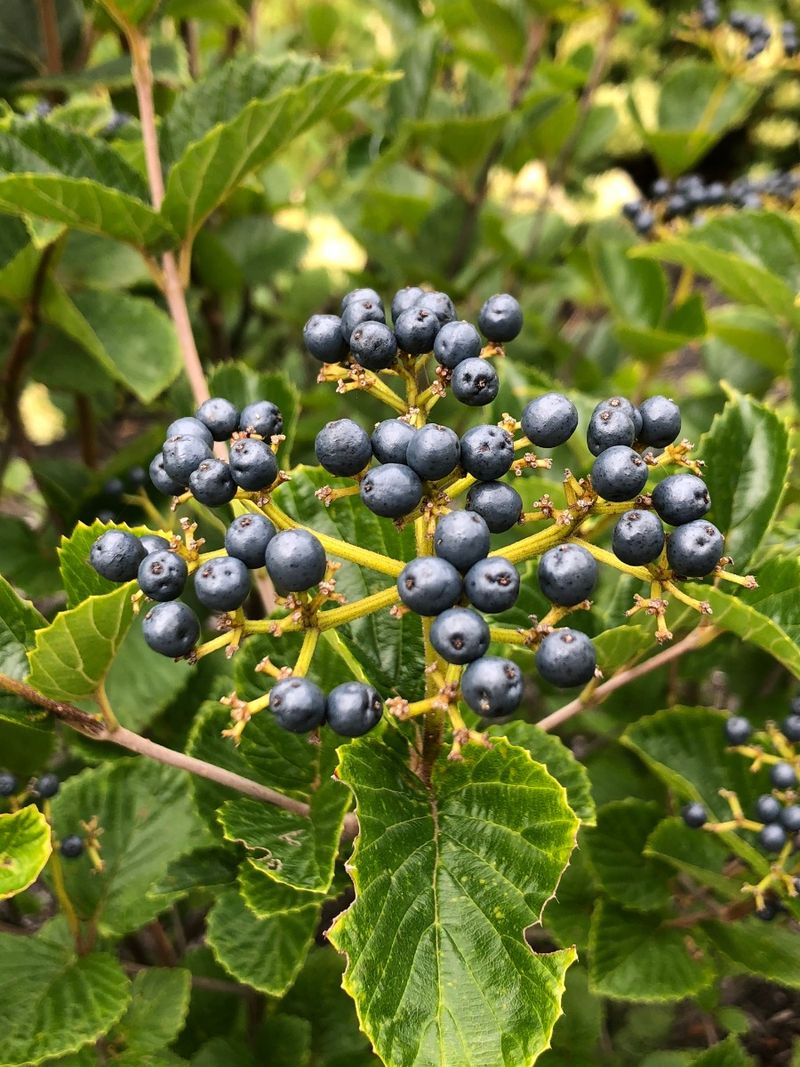
Native Americans once cut the straight, sturdy stems of Arrowwood Viburnum, or Viburnum dentatum, to make arrow shafts.
Those same strong branches now make some of the best bird real estate in the yard.
Dense and upright, the shrub gives songbirds protected spots to build nests away from predators during breeding season.
Many southeastern Pennsylvania gardeners already know its look without knowing its name.
In late spring and early summer, flat clusters of white flowers draw a crowd of native bees.
Those blooms ripen into dark blue berries by fall, and Eastern Bluebirds, Northern Flickers, and American Robins clear them fast.
Adaptability is its quiet superpower.
Arrowwood grows in full sun, part shade, or fairly deep shade, and tolerates soils from moist to dry and acidic to neutral.
It reaches 6 to 15 feet, adding real structure and layers to a planting.
Like Winterberry, some varieties fruit better with a compatible partner nearby for cross-pollination, so check the tag before you buy just one.
Give it room to fill in, and it becomes a busy little apartment building for the birds that hunt your ticks.
6. Serviceberry Kicks Off The Bird Season In June
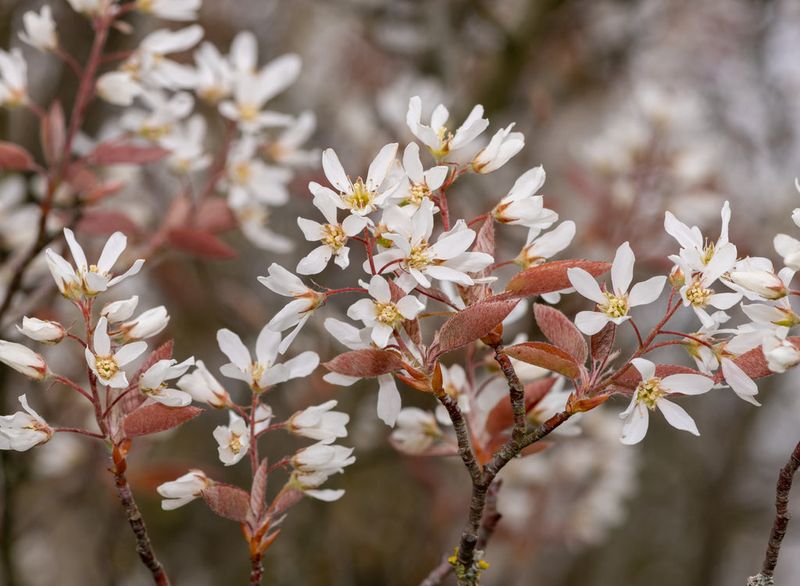
Before the strawberries are even ripe, the Serviceberry, or Amelanchier canadensis, has already fed half the neighborhood birds.
It fruits early, usually in June, filling a hungry gap when little else is ready.
White flowers open in April, one of the first shrubs to bloom after a Pennsylvania winter loosens its grip.
Then come small reddish-purple berries that taste like a blend of blueberry and almond, if the Cedar Waxwings and Baltimore Orioles leave you any.
Robins, thrushes, and tanagers pile in during those few sweet weeks, and while they gorge, they also sweep the branches and ground for insects.
That is the tick connection working quietly in the background.
Serviceberry handles a wide swing of conditions, growing well from the warmer Delaware Valley up into colder zone 5b pockets at higher elevations.
It takes full sun to part shade and reaches 6 to 20 feet depending on the type.
Give it well-drained soil and space of about 10 to 15 feet if you want a small multi-stem tree instead of a shrub.
Its fall color, glowing orange and red, is a bonus you did not have to pay extra for.
7. Red-Osier Dogwood Anchors The Wet Corners
Got a soggy corner where nothing seems happy?
Many gardeners fight it, but the Red-osier Dogwood, or Cornus sericea, actually loves the spot you keep apologizing for.
This shrub thrives in damp ground along ditches, low spots, and streambanks common across the Susquehanna Valley.
It fills those edges with thicket-forming growth that birds treat as both cafeteria and shelter.
White flowers in spring give way to pale berries by late summer, and more than 40 bird species have been recorded feeding on dogwood fruit across the region.
Warblers, vireos, and catbirds work its branches for insects too, right where damp ground would otherwise breed ticks.
The showstopper arrives in winter.
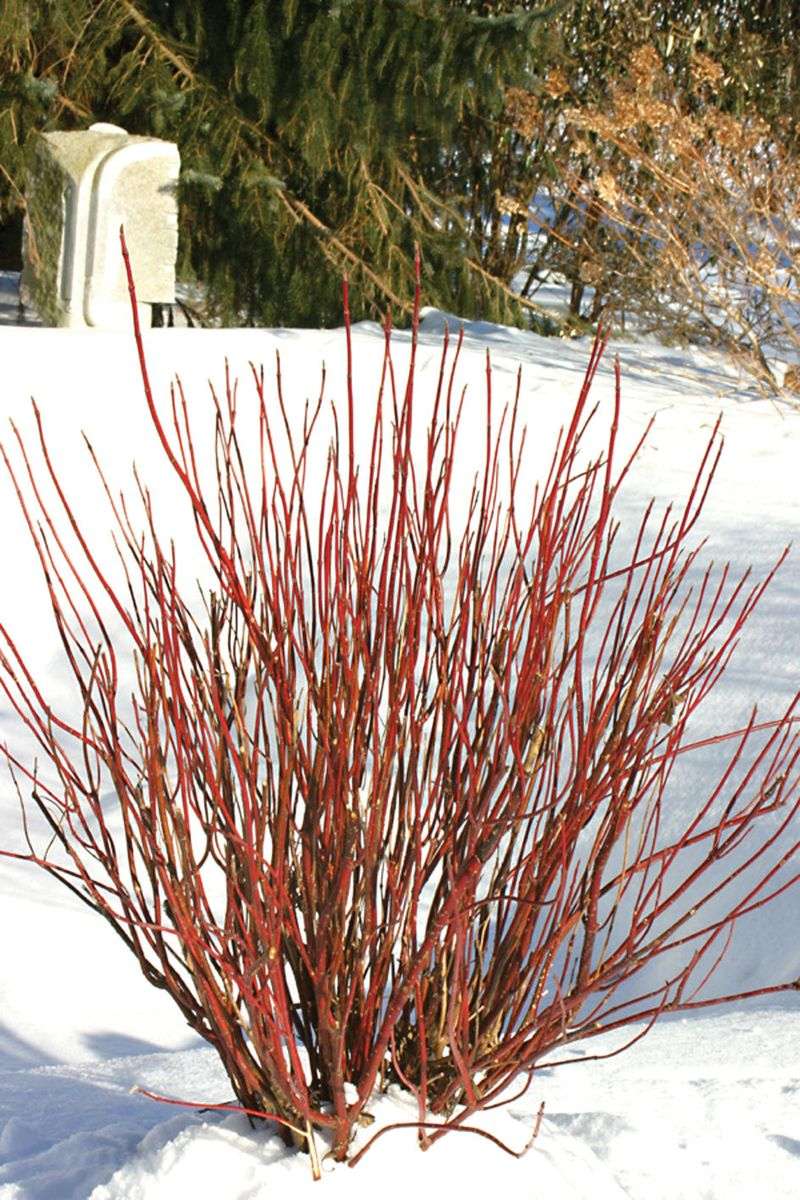
As leaves fall, the stems glow bright red against the snow, so it earns its keep even in January.
Red-osier spreads 6 to 12 feet wide and takes full sun to part shade.
Cut about a third of the oldest stems to the ground each late winter, and you keep the red color vivid, since the newest wood is the brightest.
Plant it where you would rather not mow, and let a problem corner become a bird magnet.
8. Crafting A Tick-Resistant Edge In Your Yard
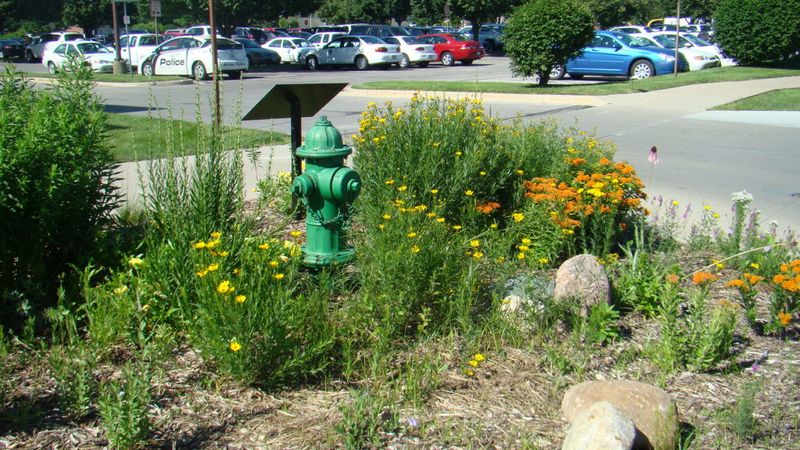
Ticks have a favorite address, and it is the messy transition zone where your mowed lawn meets the woods.
Humid, shady, and full of leaf litter, that edge is where they wait to hitch a ride.
You can turn that trouble strip into a working buffer instead of a hazard.
Plant your Highbush Blueberries, Arrowwood, or Serviceberry in a staggered row about 10 to 15 feet back from the patio or main lawn where the family gathers.
That layered planting gives birds dense cover and food, while keeping the humid brush away from where your kids run barefoot.
Different heights pull in different bird species, and more birds mean more insects eaten.
Give each shrub room to reach mature size, because that fullness is what makes good cover.
Remember the 50-foot rule for a single Winterberry male, so plan placement before you dig.
Keep a clean, sunny gap of a few feet between the shrub buffer and your lawn.
That dry break is genuinely uninviting to ticks, which do not like crossing open, sunbaked ground.
In wooded regions like the Laurel Highlands, this simple design stitches your yard into the landscape while pushing the risk to the far side.
9. What Else Actually Helps Keep Ticks At Bay
These native shrubs are quiet heroes, but they are one layer, not the whole wall.
Blacklegged ticks stay active any time it climbs above about 35 degrees Fahrenheit, so a few steady habits carry real weight.
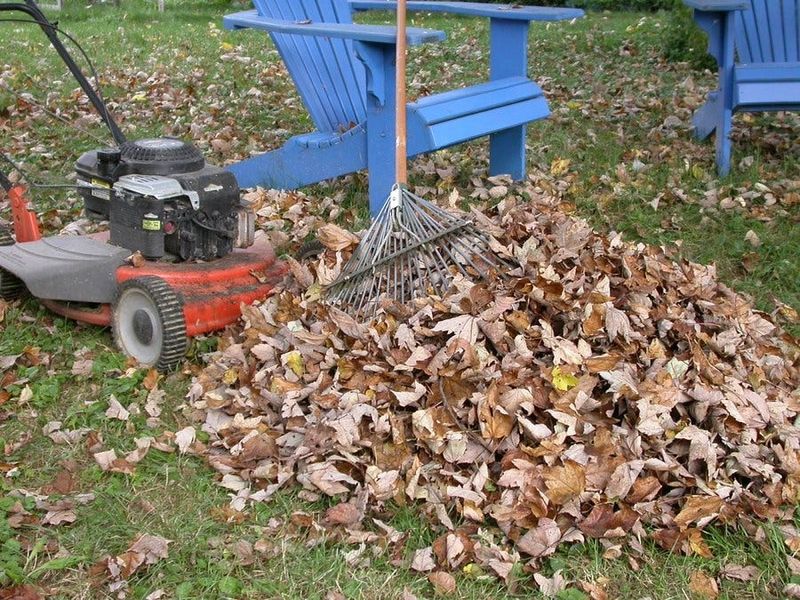
Mow short in the areas your family and pets use most, like play spots and seating.
Ticks quest on vegetation generally below waist height, so keeping grass low around 3 inches limits their reach.
Rake leaf piles and brush away from those high-traffic zones.
Ticks hide in leaf litter for the moisture they need, especially as nymphs, when they are about the size of a poppy seed and most likely to pass along Lyme disease.
Discourage mice too, since rodents are the main hosts for young ticks.
Move woodpiles well away from the house and seal gaps in stone walls where they nest.
Layer all of it together, the shrubs, the buffer, the mowing, the cleanup, and you build something better than any single trick.
You are not just planting pretty bushes.
You are raising a haven for birds that patrol the bugs, making the porch feel like yours again, which is a genuinely proud thing to pull off.