
The Only Pink Perennials Worth Planting In North Carolina Heat And Humidity
Follow us on Google
You step onto the porch in late July, sweat already gathering, and the flower bed you fussed over in spring looks tired and flopped. North Carolina summers are brutal on plants, all sticky heat and afternoon storms that come out of nowhere.
Most pink perennials the catalogs push simply cannot take it. But a handful genuinely thrive here, blooming through the worst of it while feeding bees, butterflies, and hummingbirds along the way.
Here are the seven that earn their spot.
1. Purple Coneflower
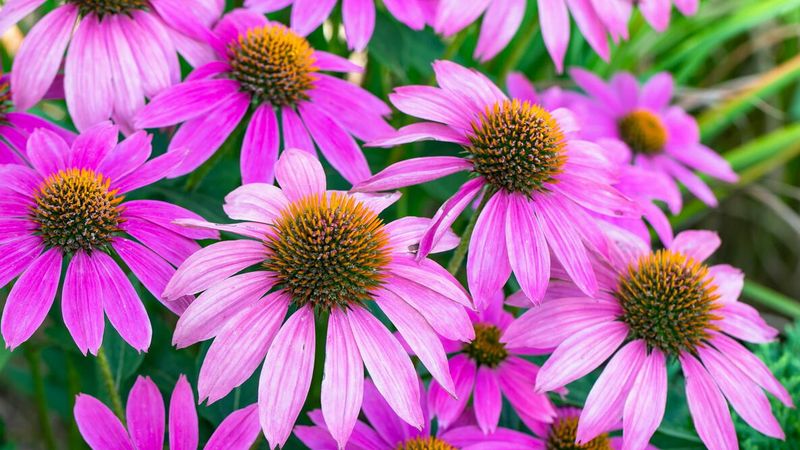
Picture the driest corner of your yard, the spot where nothing else wants to live. Purple coneflower, or Echinacea purpurea, will settle in there and bloom its heart out anyway.
This native daisy-family plant grows 3 to 4 feet tall and pushes out pinkish-purple flowers from early summer clear through mid-fall.
Here is the turn. Once its roots are established, this plant is one of the most heat, humidity, and drought resistant perennials you can put in the ground.
It handles USDA zones 3 through 9, which covers every county in North Carolina, and it shrugs off our red clay as long as the drainage is decent.
For a truly pink look, try the cultivar Sensation Pink, which stays compact at 16 to 18 inches tall. Deadhead spent blooms to keep new flowers coming, and let the soil dry between waterings.
Divide the clump every 3 to 5 years so it does not crowd itself out.
The kicker for wildlife lovers is real. Butterflies and bees work the flowers all summer, and if you leave the seed heads standing, goldfinches feast on them into winter.
NC State Extension suggests cutting old stems back to 12 to 24 inches and leaving them, since native bees nest in the hollow stalks. One plant, and your yard feels more alive.
2. Bee Balm
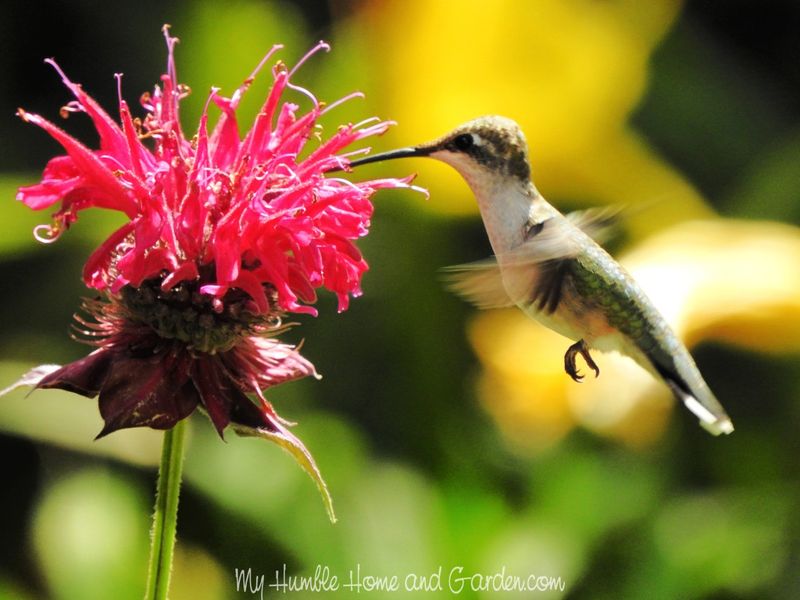
Bee balm has a shaggy, fireworks-looking flower that hummingbirds cannot resist. Monarda comes in hot pink, fuchsia, and soft pale pink, and it blooms from late spring into the thick of summer.
The plant belongs to the mint family, so the leaves smell wonderful when you brush past.
Now for the honest part. Bee balm and North Carolina humidity have a complicated relationship.
In muggy, still air, it can catch powdery mildew, that dusty white film on the leaves. The fix is good air circulation and choosing resistant cultivars.
Monarda didyma likes moist soil and a little afternoon shade, while Monarda punctata handles hot, dry summers better.
Space plants so air moves between them, and water deeply during that first growing season. Deadhead the flowers to cut down on self-seeding, and divide the clumps every few years.
Dwarf types like Leading Lady Pink stay tidy at 10 to 14 inches, perfect for a patio bed.
The payoff comes on summer evenings. Bees, butterflies, and hummingbirds treat a patch of bee balm like a buffet, and the aromatic foliage tends to keep deer and rabbits from nibbling.
Hardy in zones 4 through 9, it belongs in any yard where you want motion and color at once.
3. Stonecrop Sedum
Forget to water something for two weeks in August. Sedum will forgive you completely.
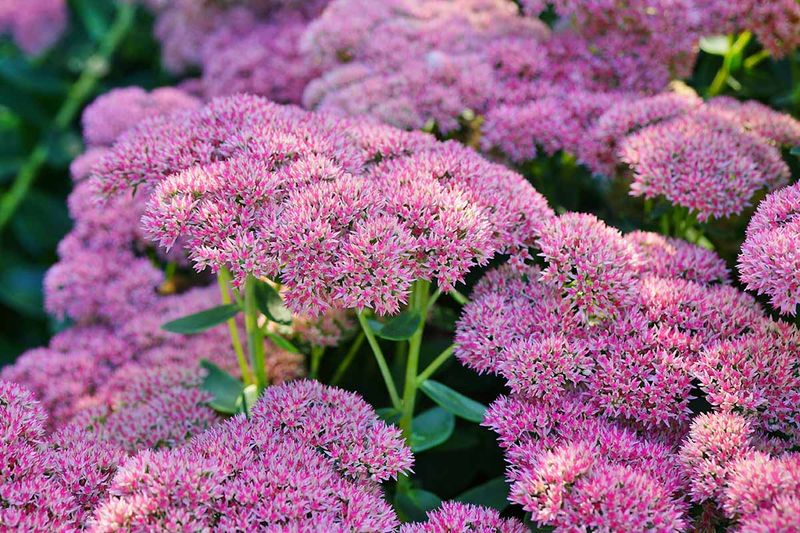
Also called stonecrop, this succulent perennial stores water in its fleshy leaves, which makes it maybe the toughest pink bloomer on this whole list.
Varieties range from low groundcovers just 3 to 6 inches tall to upright clumps hitting 1 to 2 feet. Autumn Joy opens pink and deepens to rose and coppery bronze as fall arrives, while Neon glows an almost electric pink.
Sedum spurium Tricolor even carries pink-edged leaves along with its blooms from May into July.
Here is where it gets tricky in our climate. Sedum handles heat and humidity fine, but it hates wet feet.
In North Carolina clay, sharp drainage is not optional, it is the whole ballgame. Plant it in coarse, lean soil, skip the fertilizer, and never pamper it with rich, soggy ground or the stems flop and the roots rot.
Give it full to part sun and pinch taller types back in spring for sturdier stems. When late summer arrives, the flat flower heads become landing pads for butterflies and bees right when other blooms fade.
Slugs occasionally nibble the leaves, but otherwise this plant asks almost nothing of you.
4. Garden Phlox
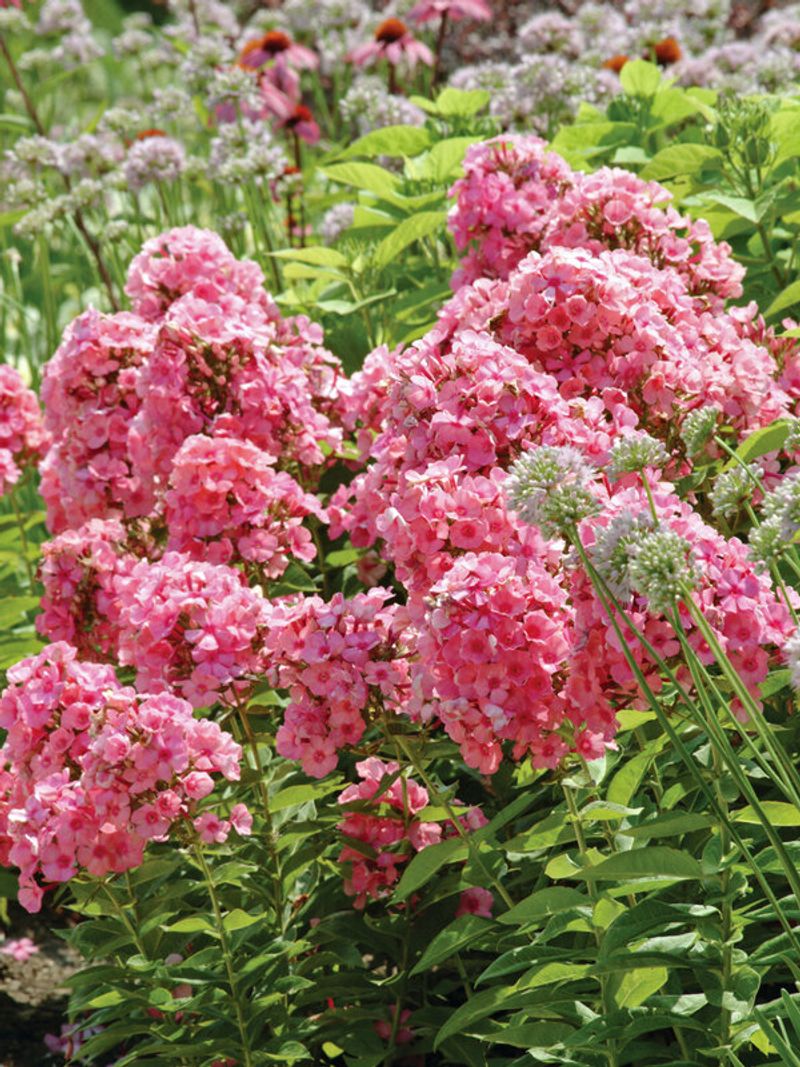
The scent hits you before you see it. Garden phlox, or Phlox paniculata, throws up big fragrant clusters of pink flowers that perfume a whole corner of the yard on a warm evening.
Depending on the cultivar, it stands anywhere from 1.5 to 5 feet tall.
Older phlox got a bad reputation for powdery mildew in our humid summers, and honestly, some of it was deserved. But breeders fixed that.
John Fanick, a light pink variety with a darker eye, shows very good mildew resistance along with strong drought and heat tolerance. Flame Pink Improved handles our sticky weather too with steady watering.
Plant phlox in moist, well-drained loamy or sandy soil, the kind you find across much of the Coastal Plain. Give it full sun, though a break from harsh afternoon rays helps in the hottest spots.
Water at the base rather than overhead, since wet leaves invite that dreaded mildew.
Prune the spent blooms and you often earn a second flush of flowers. Butterflies flock to it all season, turning a simple planting into a busy little airport.
Hardy through zones 4 to 9, phlox rewards a bit of attention with weeks of color and that unmistakable cottage-garden fragrance.
5. Hummingbird Mint
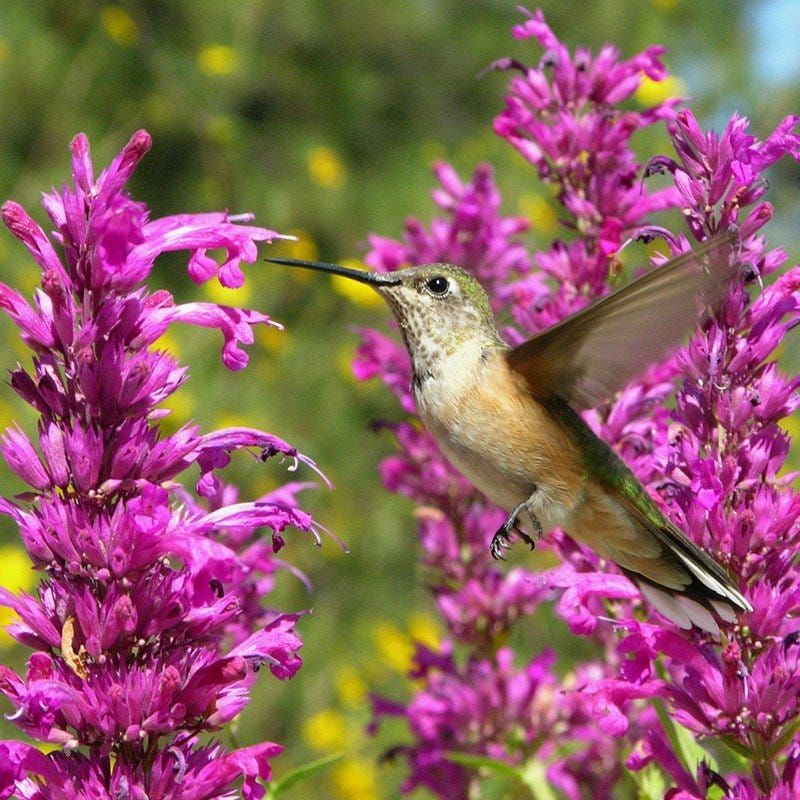
Rub a leaf of Agastache between your fingers and you get a burst of licorice-mint scent. Hummingbirds, meanwhile, are already lining up.
Known as hummingbird mint or giant hyssop, this plant sends up tall flower spikes from mid-summer straight through fall.
The cultivar Pink Pearl opens pale pink blooms from salmon-colored buds on compact plants. Those upright spikes act like little neon signs for pollinators, and once they find your yard they keep coming back.
A word of caution for us. Agastache loves heat and drought but distrusts our humidity.
Sitting in muggy, still air above 90 degrees, it can develop root rot, fungal trouble, and yellowing leaves. The answer is drainage and airflow.
Plant it in lean, well-drained soil, and if you garden in heavy Piedmont clay, a raised bed genuinely makes the difference.
Give it full sun and water regularly only until it establishes, then let the soil dry between drinks. Snip off spent spikes to keep new ones coming.
The aromatic foliage tends to send deer and rabbits looking elsewhere, which is a quiet bonus. Hardy in zones 6 to 10, it thrives where lesser plants would sulk in the heat.
6. Japanese Anemone
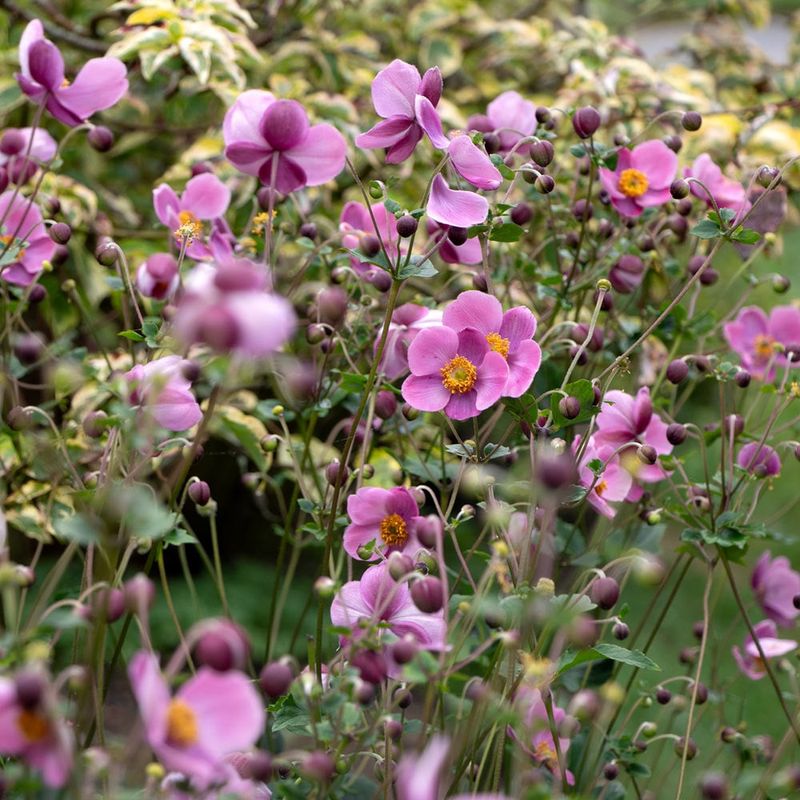
When most of your summer flowers are calling it quits, Japanese anemone is just warming up. Anemone x hybrida floats saucer-shaped pink blooms, 2 to 3 inches across, on wiry stems that can reach 3 feet when flowering.
The effect is airy and graceful, like the garden is winking at fall.
Cultivars give you options. Puff Pink carries pom-pom flowers that shift from rose to antique silver, Curtain Call Pink offers double rose-pink blooms, and Pink Saucer shows silvery rose petals.
All of them bring soft color when the yard needs it most.
Here is the catch for southern gardeners. Some anemones struggle in the deep South below zone 7, so this one fits the mountains and cooler Piedmont better than the sweltering coast.
In our heat, plant it in part shade or dappled light so the foliage does not scorch and dry out.
Keep the soil moist but never waterlogged, and be patient, since these plants take a season or two to settle in. Give them a heavy mulch the first two falls for protection.
Deer and rabbits usually pass them by. For a late-season pink glow that pollinators still visit, few things match it.
7. Perennial Salvia Pink Profusion
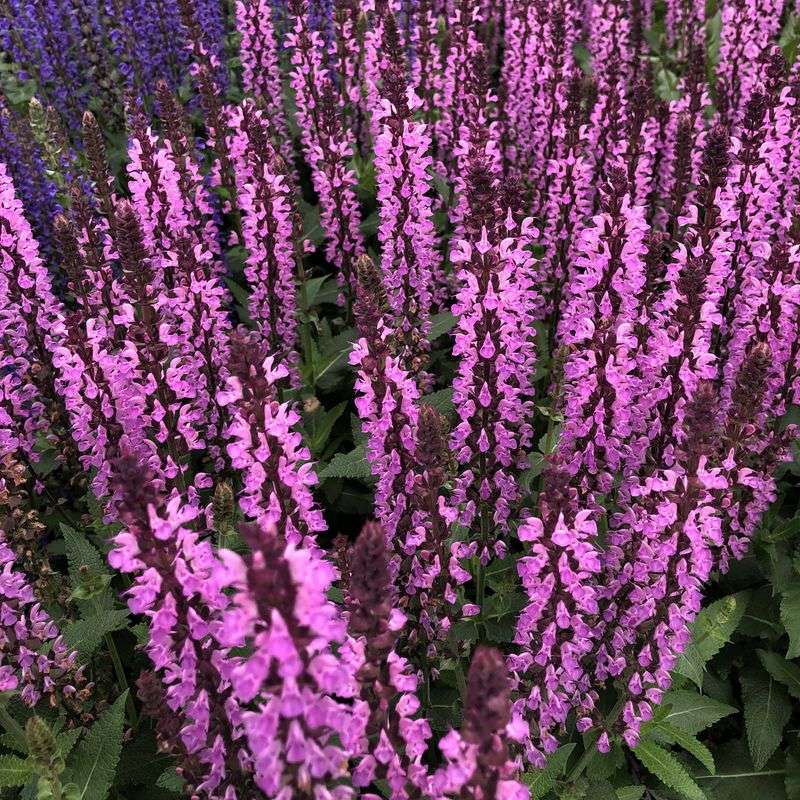
Named 2024 Perennial of the Year, and it earned it. Salvia nemorosa Pink Profusion sends up dense spikes of deep pink flowers set against dark purple calyxes, staying tidy at 14 to 16 inches tall and 16 to 20 inches wide.
The color is rich enough to stop you on the walkway.
What makes this one a closer for the list is how little it complains. Woodland sage tolerates North Carolina heat and humidity, handles moderate drought once established, and stands up to critter pressure that ruins softer plants.
Deer and rabbits skip it thanks to the aromatic leaves.
Plant it in full sun, meaning 6 or more hours of direct light even in our warm climate. It adapts to just about any soil, acidic or alkaline, as long as it drains and dries a bit between waterings.
Soggy, waterlogged ground is the one thing it will not stand.
Cut it back after the first flush of flowers and it reblooms, stretching the color across the season. Bees, butterflies, and hummingbirds all work the spikes.
Hardy in zones 3 through 8, low fuss, and genuinely dependable, Pink Profusion is the plant you thank yourself for come next July, sitting on the porch as the light fades and the bees still hum.