
These Florida Native Edible Plants Feed Your Family And Still Look Sharp From The Street
Follow us on Google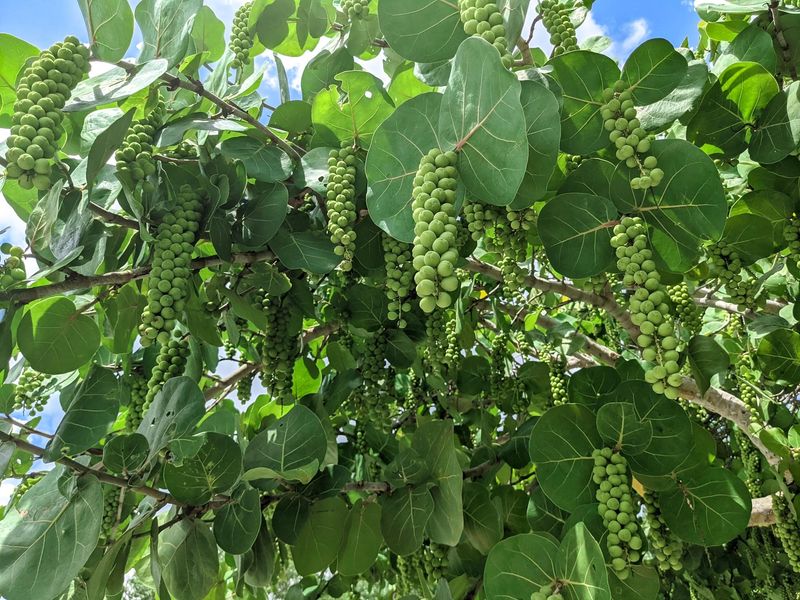
You step onto the patio after breakfast and the air already feels heavy, a typical Central Florida morning in late summer.
A distant rumble of thunder reminds you hurricane season is well underway.
Your neighbor’s manicured lawn looks green but a little lifeless, the same tired shrubs on every street.
What if your yard could feed your family, shrug off pests, and still make people slow down as they pass?
That is the real promise of Florida’s native edible plants.
1. American Beautyberry Delivers Unexpected Flavor
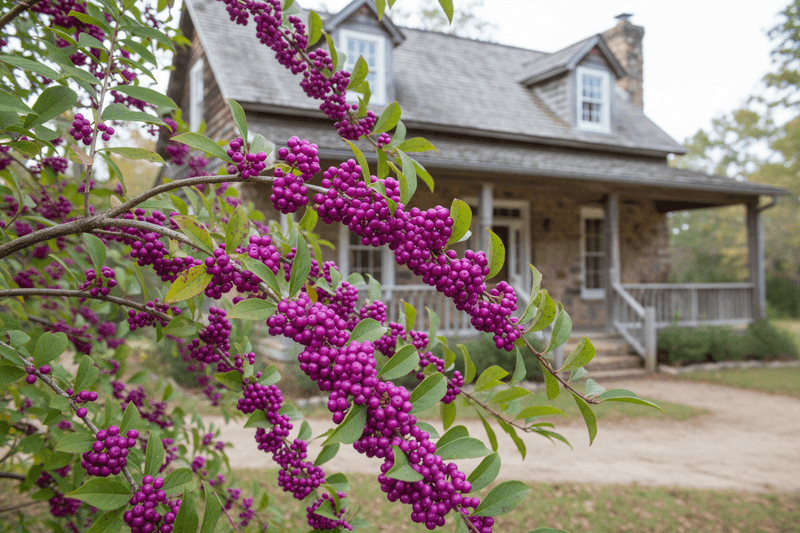
Most folks spot the American beautyberry (Callicarpa americana) and file those glowing purple clusters under decoration only.
You might remember them from a fall walk through a North Florida hammock, glowing along the trail like beads.
Here is the turn.
Those berries are astringent raw, but cooked with sugar they become gorgeous jelly, sauce, and even wine.
The flavor leans floral with a citrus edge, closer to hibiscus than grape.
Plant beautyberry in full sun to partial shade in well drained soil, though it forgives sandy ground with a little compost mixed in.
It reaches about 6 feet tall and 5 to 8 feet wide, and once established it needs only about 1 inch of water a week during dry spells.
Here is the quiet bonus.
The crushed leaves contain compounds that may help deter mosquitoes, which makes those porch evenings easier to enjoy.
It grows happily through USDA zones 7 to 11, so gardeners from the Panhandle to the Keys can use it.
You get real fall color, a secret kitchen ingredient, and fewer bites at dusk.
Not bad for a plant most people walk right past.
2. Simpson’s Stopper Offers Fragrant Blooms And Sweet Berries
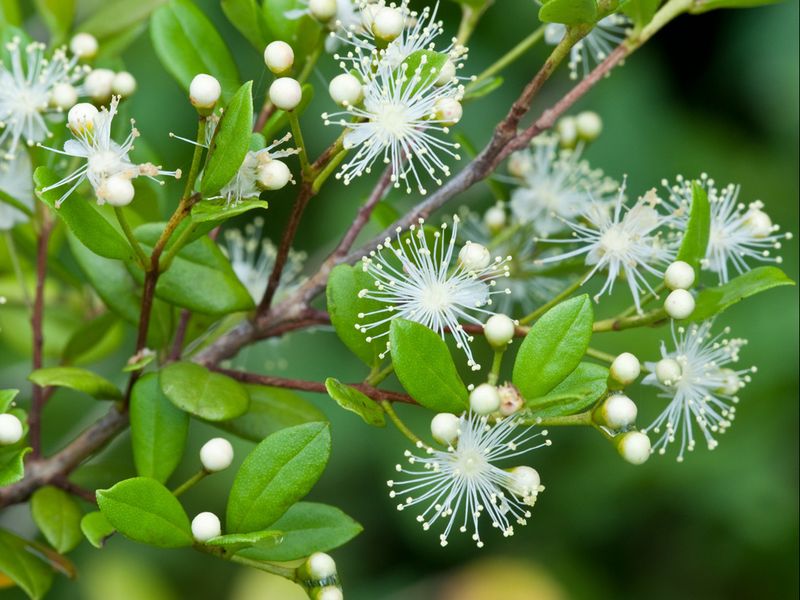
Walk past a Simpson’s Stopper (Myrcianthes fragrans) in a South Florida park and you probably read it as just another neat green hedge.
That glance sells it short.
Sometimes called Twinberry, this quiet hero does far more than hold a property line.
It pushes out delicate fragrant white flowers that pull in bees and butterflies, followed by small orange-red berries with a faint candied orange peel taste for anyone brave enough to try them fresh.
Mockingbirds, cardinals, and blue jays clean them off fast, so nothing rots on your walkway.
Placement is forgiving.
In full sun the foliage grows dense for a privacy screen, and in shade it thins to show off beautiful reddish-brown peeling bark.
It thrives across zones 8b to 11 and handles salty coastal wind along the Atlantic Coast once established.
It prefers moist, well drained soil during that first year.
Shear it to 6 to 8 feet as a hedge, or let it climb to 20 feet as a small multi-trunk tree.
You end up with year round green, a sweet scent on the breeze, food for birds, and the occasional snack for yourself.
It genuinely earns its spot out front.
3. Firebush Attracts Pollinators And Provides Edible Fruit
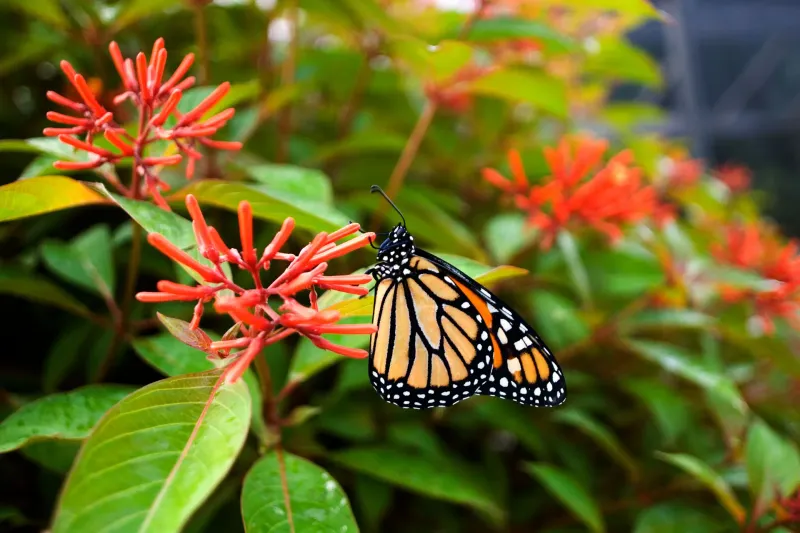
Those bright red-orange tubular flowers on firebush (Hamelia patens) catch your eye every time.
Across Central and South Florida you have seen them humming with butterflies and the odd hummingbird, and you filed the plant away as a living bird feeder.
Here is where it gets tricky.
This fast growing evergreen does more than feed the pollinators.
Its ripe black berries are edible, and while they are bland raw, they turn into good syrup, jelly, and even wine.
Firebush thrives across USDA zones 9 to 11 in full sun to partial shade, in well drained sandy, loamy, or clay soil with moderate water.
Keep it pruned as a dense 6 to 8 foot shrub, or let it stretch to its natural 12 feet and train it into a small tree.
One honest catch.
Heavy pruning cuts back the flowering, so a lighter hand keeps the show going.
It shows poor tolerance to salt in the soil but handles salt spray moderately, so coastal gardeners can use it behind a windbreak.
Once established it is moderately drought tolerant, meaning it does not demand daily fussing.
You get a steady parade of monarchs, gulf fritillaries, and zebra longwings, plus a fruit for your own kitchen.
That is a lot of movement for one shrub.
4. Sea Grape Offers Coastal Resilience And Tropical Flavor
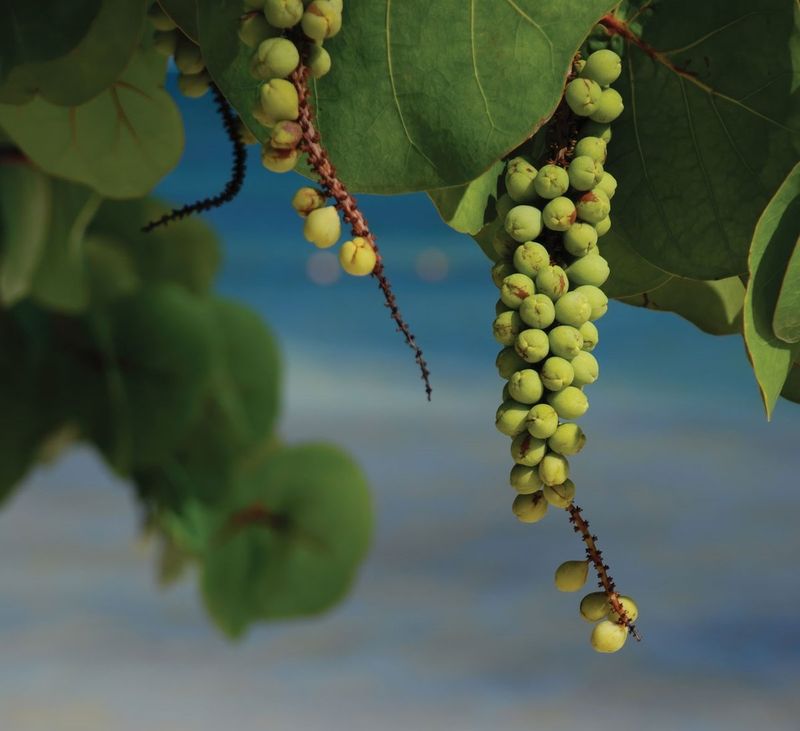
Along Florida’s coasts, especially in the Keys and stretches of the Gulf Coast, you see sea grape with its big round reddish-veined leaves and think dune stabilizer, nothing more.
Half right, and you are missing the good part.
Sea Grape (Coccoloba uvifera) fruit is genuinely worth harvesting.
The clusters look like tiny grapes and taste sweet-tart, perfect for jam, jelly, and wine.
Each is mostly pit with a thin peach-like layer, but they ripen from green to deep purple in fall and the flavor pays you back.
Give it full sun near the shore, where its heavy salt tolerance lets it grow as a dense shrub or a small tree.
It averages 10 feet but can reach 50 feet in prime spots, and a planted row makes a natural windbreak and privacy screen.
One thing to plan for.
Sea grape is dioecious, meaning plants are male or female, so you usually need both for fruit.
It suits USDA zones 10 to 11.
Take note of the law.
Sea grape is protected along Florida’s coastline, so you cannot damage or remove shoreline plants without a permit.
You get a storm-tough plant, a unique fruit, and a real link to Florida’s wild edge.
5. Wild Coffee Provides Shade Garden Beauty And A Unique Brew
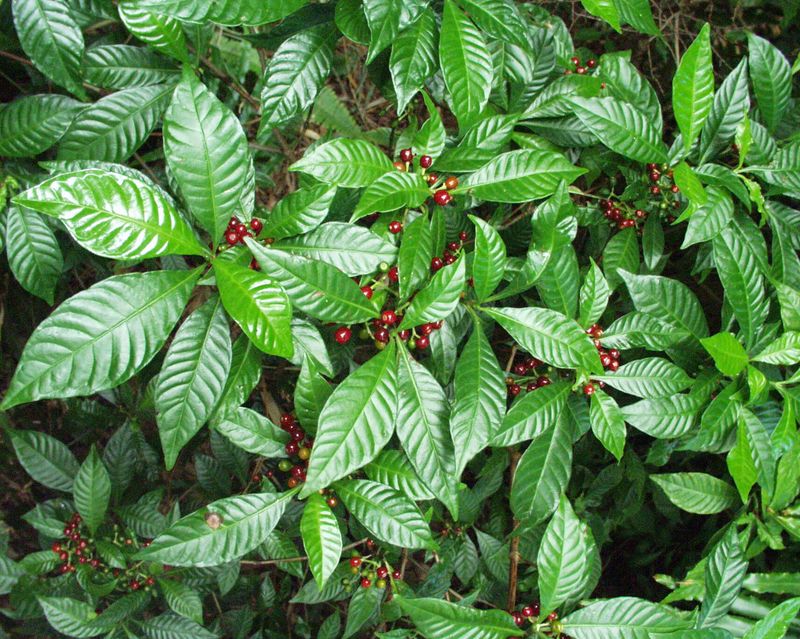
You have a shady corner in your North or Central Florida yard where most plants sulk and give you nothing to look at.
The usual answer is ferns, but there is a more interesting choice waiting.
Wild Coffee (Psychotria nervosa) fits that spot with glossy, deeply veined green leaves and bright red berries.
The berries are edible, though the pulp is bland and musty, and the roasted seeds grind into a caffeine-free brew that only loosely resembles coffee.
Professor Daniel Austin, author of Florida Ethnobotany, warns the brew can taste bad and even bring on a headache, so treat this one as a curiosity.
The shrub prefers partial to deep shade and moist, well drained soil, growing up to 10 feet tall and wide as an understory hedge or accent.
It is somewhat drought tolerant once established but does not handle saltwater spray, and it needs protection from hard freezes, which makes sheltered South Florida spots in USDA zones 9 to 11 ideal.
Small white flowers in spring and summer draw pollinators, including the atala and Schaus swallowtail butterflies.
You get an elegant evergreen for the tough shade, a story for your kitchen, and a layer of habitat working in your own backyard.
6. Saw Palmetto Offers Rugged Beauty And A Bold Flavor
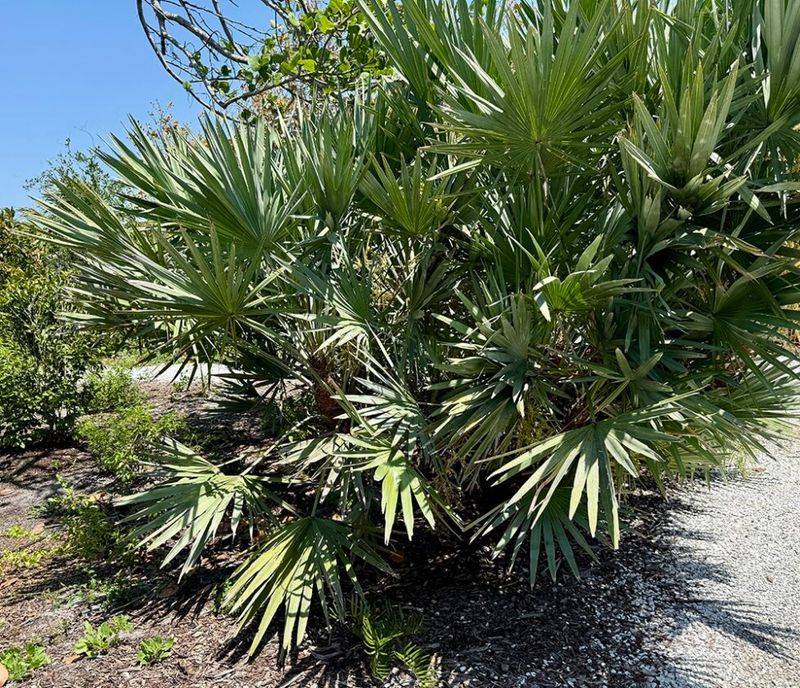
Plenty of homeowners eye the low, sprawling saw palmetto (Serenoa repens) with suspicion, reading it as wild scrub rather than a yard feature.
It is easy to underestimate a plant you see everywhere.
Look closer and the story shifts.
The fan-shaped fronds bring bold texture, and the bluish-black ripe berries are edible, though the flavor is a lot.
People describe it as strong, oily, and peppery, something like oily blue cheese chased by a sharp bite.
Native cultures used the fruit for food and medicine long before it lined the highways.
It grows in sandy soil across every Florida zone, from 8b in the Panhandle to 11b in the Keys, and asks for almost nothing once established.
It shrugs off drought, salt spray, and even natural fire cycles.
Plant it in mass groupings for a low naturalistic groundcover or as a single accent.
It usually reaches 7 to 10 feet and spreads wider than tall.
Here is the part that matters beyond your fence line.
Saw palmetto is a keystone species, feeding and sheltering over 100 kinds of animals.
Put it in the ground and you are holding onto a genuine piece of Florida, tough flavor and all.
7. Coontie Feeds A Rare Butterfly And Fills Tough Spots
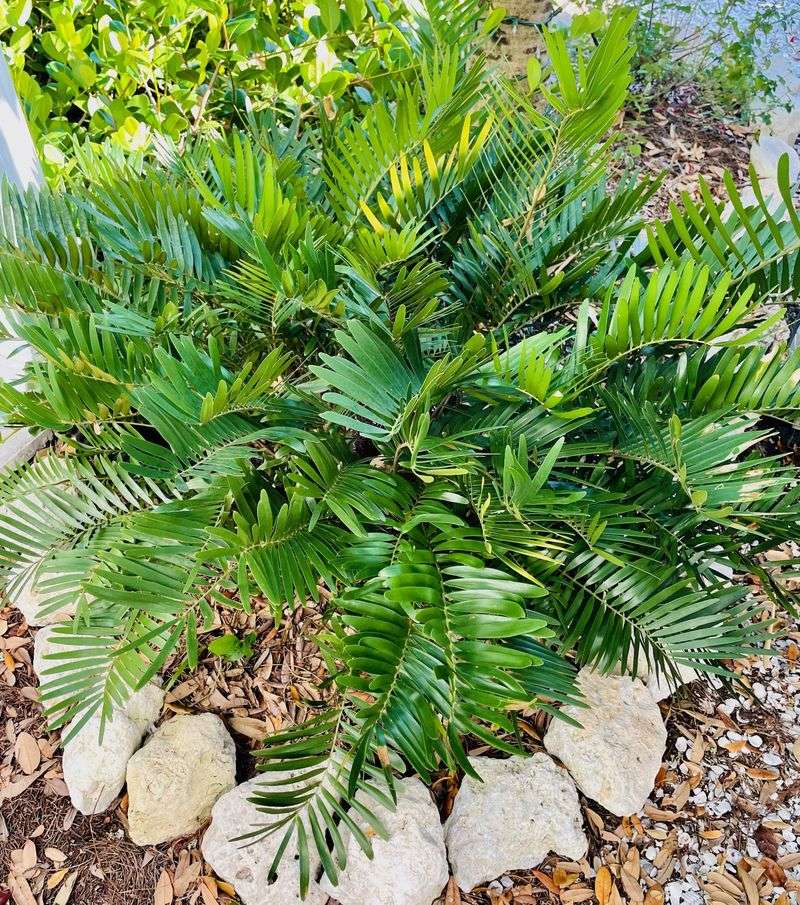
At first glance coontie (Zamia integrifolia) reads like a low, stiff fern that would look right at home in a formal front bed.
It behaves beautifully there, neat and slow and drought proof.
The surprise is history.
This is Florida’s only native cycad, and early settlers ground its starchy underground stem into flour after careful washing.
Skip that part completely, because the raw plant is toxic and the processing is not worth the risk for a home cook.
Grow it for looks and for what it does for wildlife instead.
Coontie is the sole host plant for the atala butterfly, a species that nearly vanished from South Florida before coontie plantings helped bring it back.
Watching those blue-spotted wings return to a yard is a genuine payoff.
Give it full sun to partial shade and well drained sandy or limestone soil, both common across South Florida and the Keys.
It grows slowly to about 3 feet tall and wide and needs almost no water once settled, making it a smart pick for a low water bill.
It holds through zones 8b to 11 and takes brief cold snaps in stride.
You get a clean architectural plant, a lower water bill, and a front-row seat to a comeback story most neighbors never notice.
8. Elderberry Turns A Wet Corner Into Syrup
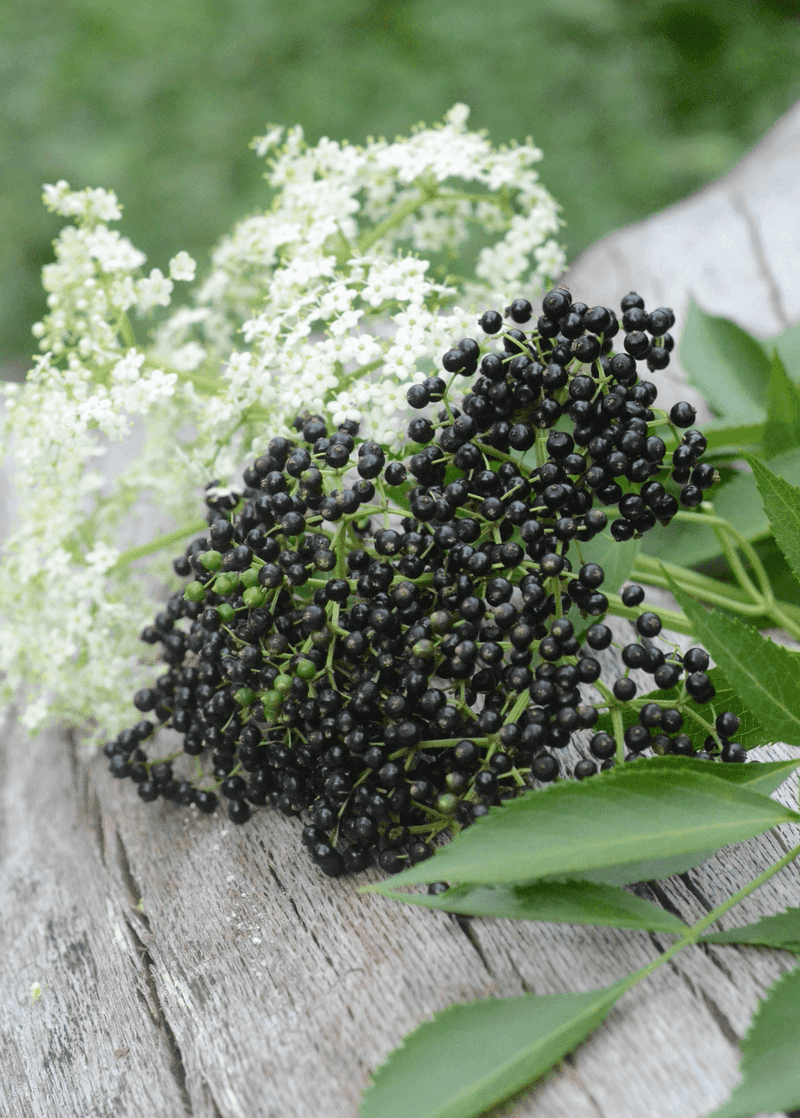
That soggy low corner where water pools after every summer downpour is the spot most gardeners give up on.
Florida elderberry (Sambucus nigra subspecies canadensis) actually wants that ground.
It thrives in the poorly drained pockets that drown other plants, turning a problem into a harvest.
The flat white flower clusters cook into fritters and cordial, and the dark purple berries become syrup, jelly, and wine once cooked.
Skip them raw, since uncooked berries, leaves, and stems can upset your stomach.
Plant it in full sun to partial shade, where it grows fast to 6 to 12 feet and can be cut back hard each winter to keep it tidy.
It handles zones 8b through 11 and blooms almost year round in warmer parts of the state, so you often get flowers and fruit at the same time.
Pollinators crowd the flowers and birds strip the berries, which means you share the crop.
Space plants about 6 feet apart if you want a loose screen along a fence.
You take the wettest, most useless slice of the yard and hand your family syrup for the winter cold season.
Few plants turn a drainage headache into breakfast quite like this one.
9. Beach Sunflower Feeds Bees And Beats The Water Bill
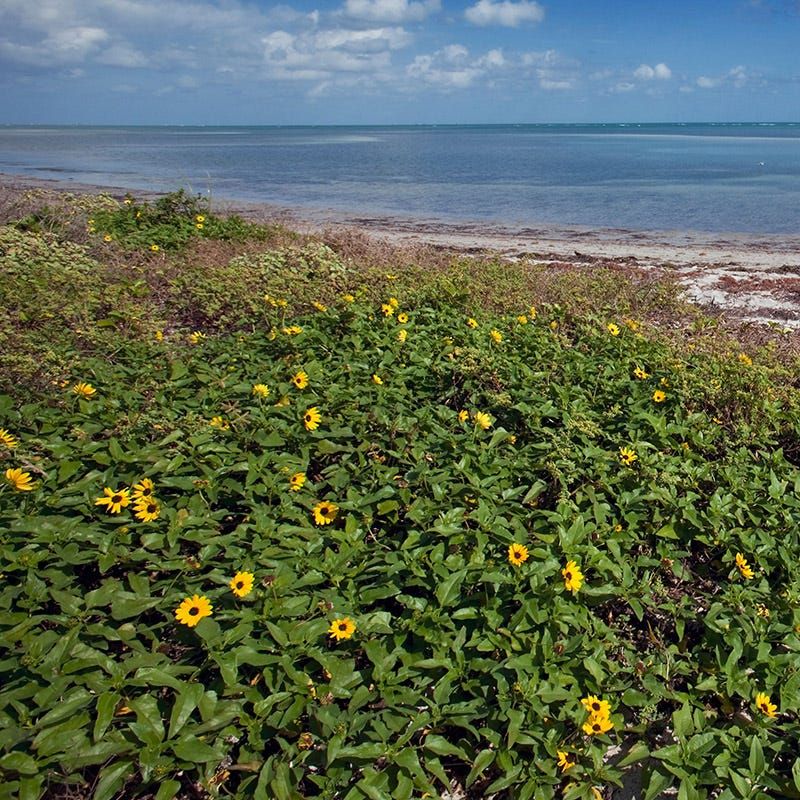
Picture the strip of yard that bakes hardest, full sun all afternoon, sandy and dry, the place your water bill goes to die.
Beach sunflower (Helianthus debilis) treats that harsh strip like a resort.
The cheerful yellow daisy-like flowers keep coming nearly year round in Central and South Florida, and the young leaves and flower petals are edible in small amounts as a mild green or garnish.
Keep it modest, since this is a garnish plant, not a salad base.
It spreads as a low groundcover, only about 1 to 2 feet tall but reaching several feet wide, so a few plants fill a bank fast.
Space them about 3 feet apart and let them knit together.
Salt tolerance is its calling card, which is why you see it holding sandy soil along both the Gulf and Atlantic coasts.
Once established it needs almost no irrigation, and it suits zones 8b to 11.
Bees and small pollinators work the flowers all day, and the dense mat helps crowd out weeds so you mow and pull less.
You cover a punishing, thirsty spot with color, cut the watering, and feed the bees at the same time.
That is a smart trade for the toughest ground you own.
10. Muscadine Grape Screens The Fence And Fills The Basket
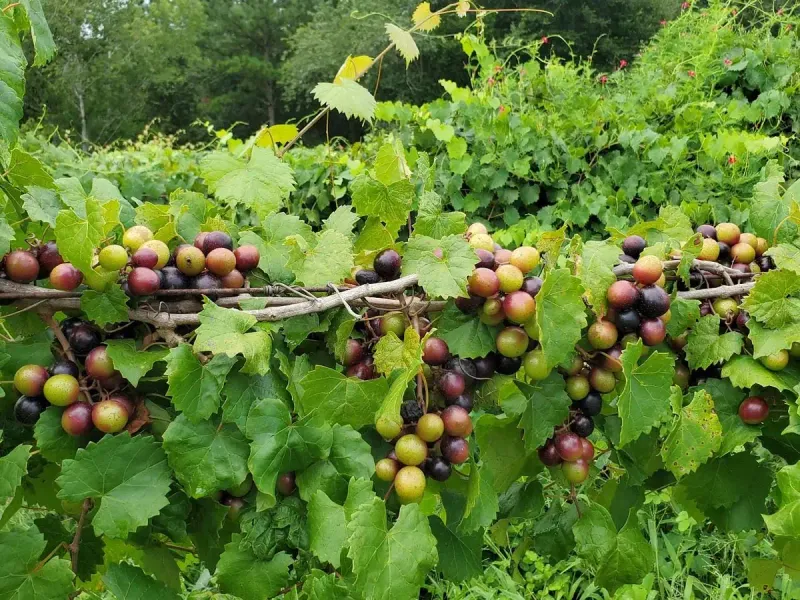
Come late summer in North Florida, the muscadine grape (Vitis rotundifolia) hangs heavy with fat bronze and purple fruit right when you want something cold and sweet off the vine.
It is the native grape built for this climate, not the fussy imported kind that melts in the humidity.
Trained along a fence or arbor, it doubles as a living privacy screen and a real crop.
The thick-skinned grapes eat fresh or turn into jelly, juice, and the wine the South has made for generations.
Birds want them too, so plan to net a section if you are serious about the harvest.
Give it full sun and well drained sandy soil, both easy to find across the Panhandle and North Florida in zones 8b to 9.
Space vines about 10 to 20 feet apart on a sturdy support, since a mature vine covers ground quickly and lives for decades.
Prune in winter while it is dormant to keep fruit coming, and pick self-fertile varieties if you only have room for one plant.
UF/IFAS Extension notes muscadines shrug off many pests and diseases that flatten other grapes here, which keeps spraying to a minimum.
You end the season with a shaded fence, a quiet porch, and a basket of grapes your family picked themselves.
That is Florida doing what it does best, calm and generous at once.