
You Can Sprout A Lemon Tree From A Grocery Seed With Zero Gardening Experience
Follow us on Google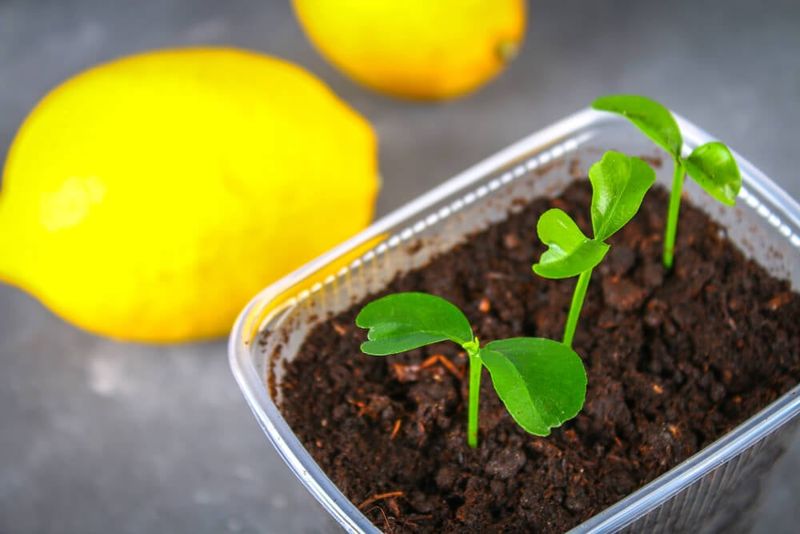
Slice open a grocery-store lemon and you might be holding a tiny citrus future in your hand.
A fresh seed from that lemon can sprout into a real, living citrus seedling right on your kitchen counter, no greenhouse or gardening background required.
The sprouting part is genuinely beginner-friendly, and that honest promise is worth keeping, even if the road from seedling to fruit tree is longer and less certain than the headline suggests.
A Grocery Seed Can Become a Citrus Seedling
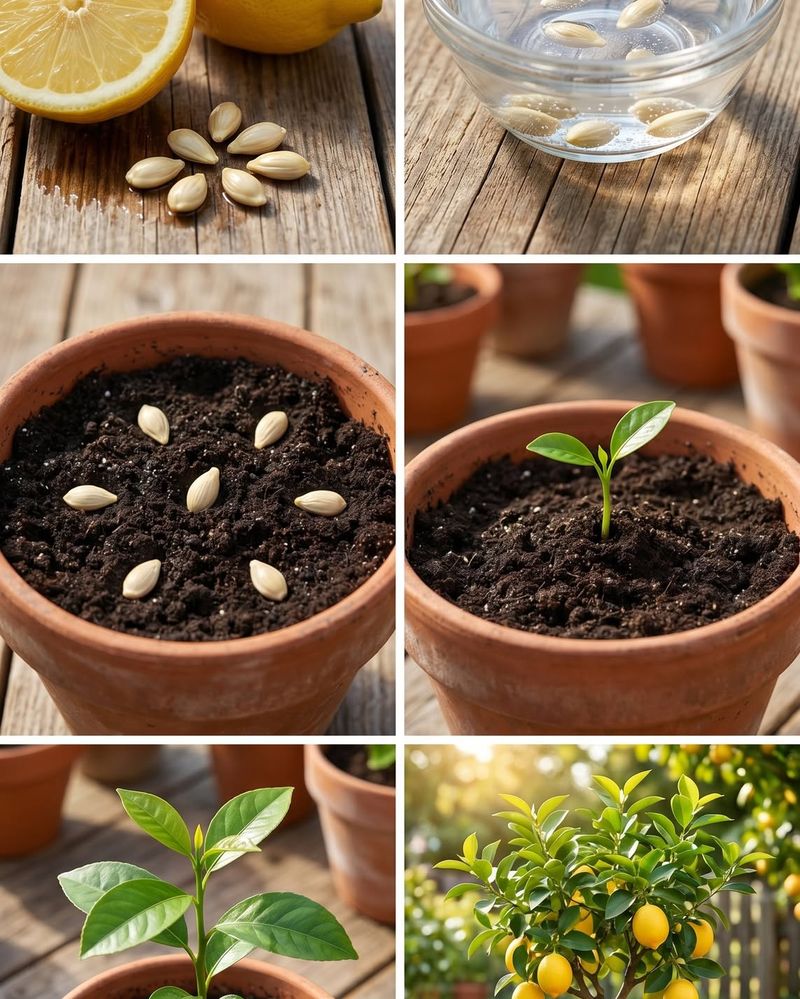
Cut into almost any lemon from the grocery store and you may find a handful of pale, plump seeds tucked inside.
Those seeds belong to Citrus limon, and under the right conditions indoors, they can push a shoot through potting mix and become a genuine citrus seedling.
UC Agriculture and Natural Resources guidance confirms that citrus seeds germinate indoors when planted in moist, well-drained potting mix and kept warm, with sprouts appearing in as few as 12 to 15 days under good conditions.
Not every grocery lemon cooperates.
Some commercial varieties are seedless or carry only a few seeds that never develop fully.
If you slice the lemon and find nothing inside, try a different fruit or a different variety before assuming something went wrong.
The honest goal here is a sprouted citrus seedling, not a guaranteed lemon tree loaded with fruit.
That distinction matters.
Iowa State University Extension notes that germination can take anywhere from two to eight weeks, and what emerges is a young plant that still needs warmth, light, and consistent care to survive.
A seedling is a real success worth celebrating on its own terms.
Beginners handle the sprouting stage well because it does not require special tools, chemicals, or prior experience.
What comes after sprouting, managing light, moisture, pot size, and eventually cold weather, asks a little more from you.
University of Minnesota Extension points out that citrus grown indoors can thrive as a houseplant for years, but it does require consistent attention.
Think of the seed as your entry point, and the seedling as the project you are actually signing up for.
Choose and Prepare a Fresh Seed
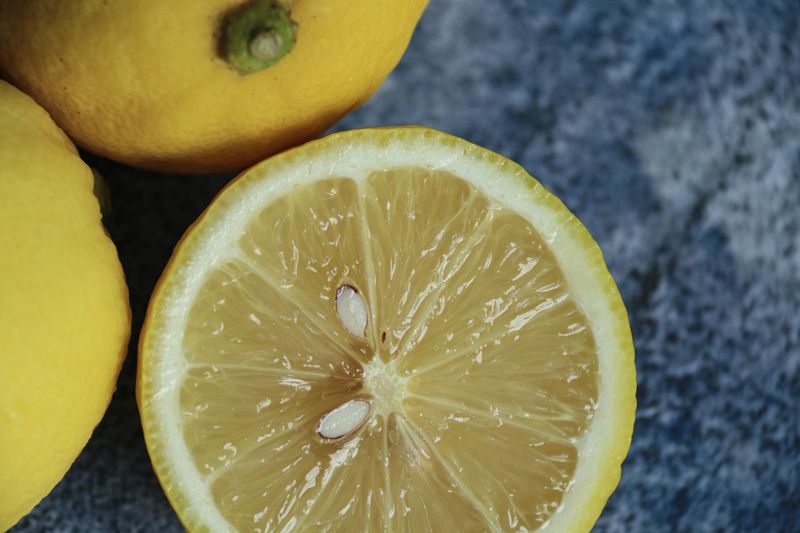
Start at the grocery store, not online.
Pick a lemon that feels heavy for its size, a sign the fruit is juicy and fresh.
Varieties like Eureka or Lisbon are common in US supermarkets and usually contain seeds, while Meyer lemons sometimes do and sometimes do not.
Buy two or three lemons so you have enough seeds to plant several at once.
Once you slice the fruit open, pull out the plump, cream-colored seeds and rinse them under cool water right away.
The sticky pulp clinging to the outside can encourage mold in the soil, so a quick rinse removes it without harming the seed.
New Mexico State University Extension guidance on growing a lemon tree from seed recommends planting fresh seeds promptly, because citrus seeds lose viability as they dry out.
Do not set them on a paper towel and walk away for a few days.
Skip anything that sounds like a nursery procedure.
You do not need to peel the seed, strip its coat, or soak it in bleach, concentrated sodium hydroxide, or any fungicide.
University of Florida IFAS guidance on citrus propagation describes chemical seed treatments as tools for commercial nursery production, not kitchen projects.
Those steps can involve caustic substances and are not appropriate for a beginner working without specialized equipment.
For the container, choose a small pot with drainage holes at the bottom, roughly 4 inches across for starting out.
Fill it with commercial potting mix or a sterile seed-starting mix, not garden soil from the yard.
UC ANR citrus guidance recommends a well-drained medium that stays consistently moist without becoming soggy.
Garden soil compacts too easily in containers and can carry pathogens that harm young seedlings.
Plant the Seed in Warm, Moist Mix
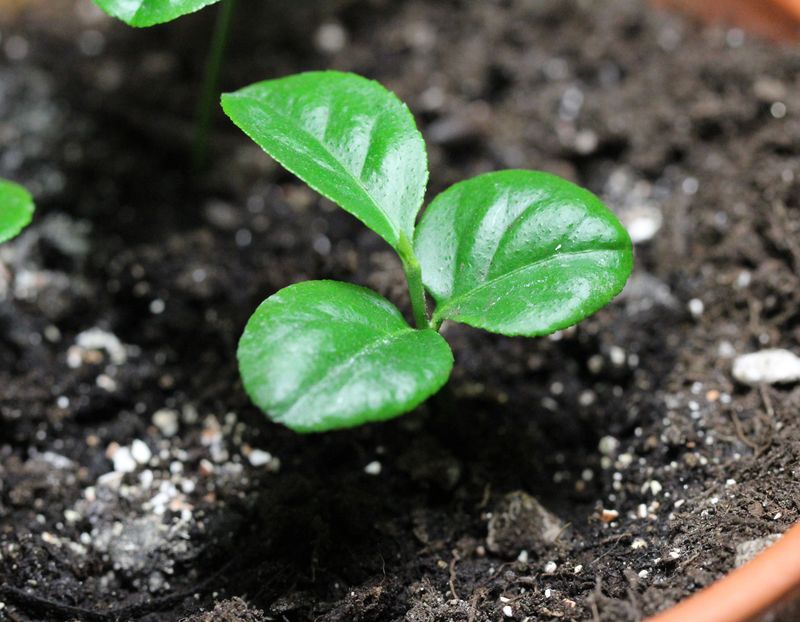
Moisten the potting mix before you plant, not after.
Watering a dry pot after the seed is in place can shift the seed too deep or wash it sideways.
Aim for a mix that feels damp like a wrung-out sponge, wet enough to hold together but not dripping.
Push each seed about 1/4 to 1/2 inch below the surface.
UC ANR recommends planting citrus seed two to three times deeper than the seed’s own length, which puts a typical lemon seed right in that quarter-to-half-inch range.
Iowa State University suggests closer to 1 inch for some citrus seeds, so the right depth depends partly on how large your particular seed is and how loose your mix is.
When in doubt, err toward 1/2 inch rather than burying the seed an inch down.
Place the pot somewhere that stays between 70 and 80 degrees Fahrenheit.
A spot near a heat vent or on top of the refrigerator often works.
Consistent warmth matters more than sunlight at this stage because the seed is not yet photosynthesizing.
Iowa State Extension notes that warmth is one of the key factors in citrus germination success.
A clear plastic bag or a piece of plastic wrap draped loosely over the pot can hold humidity around the seed without sealing it completely.
This mini-greenhouse effect helps keep the surface from drying out between checks.
Once a shoot breaks the surface, remove the cover or prop it open so stagnant, wet air does not encourage fungal problems at the soil line.
Germination timing is unpredictable.
Some seeds sprout in about 12 days, others take two to three weeks, and a stubborn seed can sit quietly for six to eight weeks before emerging.
University of Minnesota Extension advises planting several seeds to improve your odds, because not every seed will germinate even under ideal conditions.
Plant three to five seeds in the same pot or in separate small pots, and let the strongest one lead.
Give the New Seedling Very Bright Light
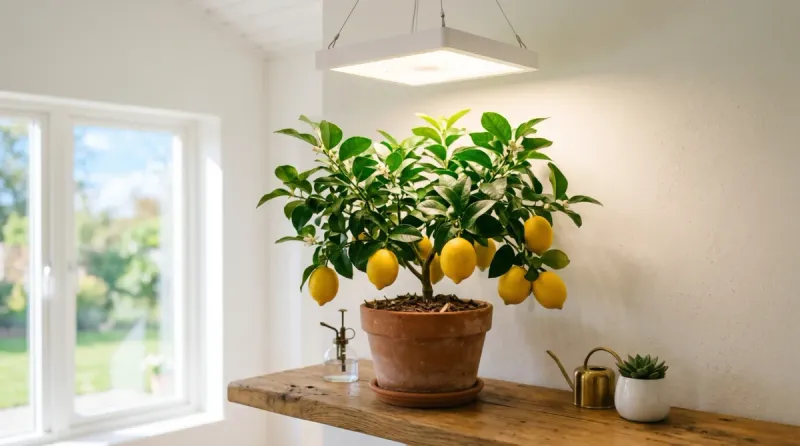
The moment a seedling unfurls its first leaves, light becomes the most urgent variable in the room.
Citrus is a sun-hungry plant that evolved in warm, bright climates, and a seedling that does not get enough light will stretch toward whatever source it can find, producing long, pale, weak stems that struggle to support themselves.
A south-facing or west-facing window is the best starting point in most US homes.
But even a strong window can fall short during winter months in northern states, when the sun sits low and daylight hours shrink.
University of Minnesota Extension explains that indoor citrus commonly needs supplemental grow lighting during low-light seasons to stay compact and healthy.
If you notice your seedling leaning hard toward the glass or the new growth looking spindly and pale, that is the plant telling you the window is not enough.
Supplemental grow lights can fill the gap, but the right duration depends on the type of fixture and your specific setup.
Iowa State University Extension recommends following the manufacturer’s instructions for your grow light rather than applying a single universal hour count across all lamp types.
A basic LED grow light is not the same as a high-output horticultural fixture, and treating them identically can leave a plant underlit or overlit.
One thing to keep separate from the light conversation is fruiting.
Iowa State Extension notes that even well-lit indoor citrus plants often remain in a juvenile stage and do not flower or produce fruit.
Good light keeps the seedling healthy and growing, and that is a worthy goal on its own without adding the pressure of a harvest timeline.
Manage Water, Feeding, and Pot Size
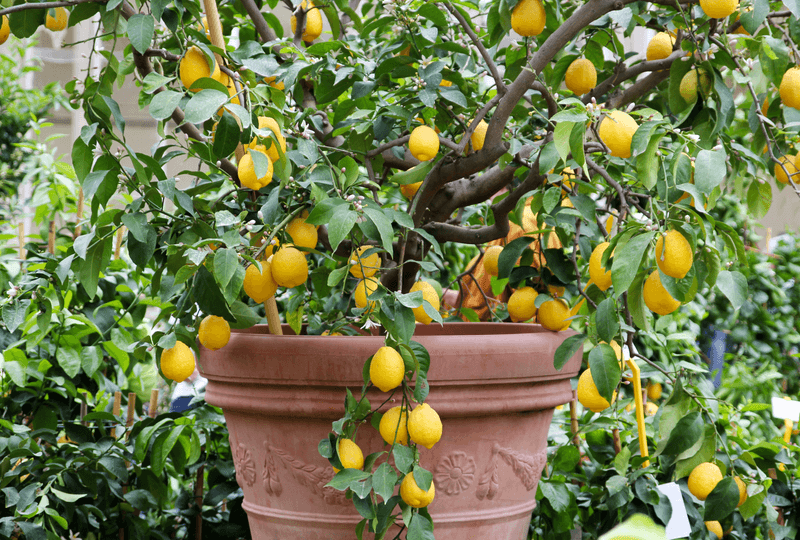
Watering on a fixed schedule is one of the most common ways to lose a seedling.
The mix in a small pot dries out faster on a hot, sunny day than on a cloudy one, and a rigid every-three-days routine ignores that reality.
Instead, press a finger about an inch into the soil.
If it feels dry at that depth, water thoroughly until it runs out the drainage holes.
If it still feels damp, wait another day and check again.
Drainage holes are not optional.
A pot without them holds water at the root zone, and citrus roots sitting in standing water can develop rot quickly.
UC ANR guidance on growing citrus in containers emphasizes that well-drained soil and a pot with drainage are foundational to keeping a container citrus plant alive long-term.
A saucer under the pot is fine for catching drips, but empty it after watering so the pot does not sit in pooled water.
Hold off on fertilizer until the seedling has produced several sets of true leaves, the real leaves that follow the first tiny seed leaves.
University of Florida IFAS citrus propagation guidance notes that the seed itself provides nutrients during early germination, and adding fertilizer too soon can burn delicate young roots.
Once the plant is established, use a diluted liquid fertilizer formulated for citrus or for container plants, and follow the product label for rates and timing.
When roots begin to circle the bottom of the pot or poke out the drainage holes, it is time to move up one pot size.
Iowa State Extension advises moving citrus into a slightly larger container rather than jumping to a very large pot.
A pot that is much bigger than the root ball holds excess moisture around the roots, which creates the same soggy conditions you were trying to avoid.
Go up by roughly 2 inches in diameter at a time and let the roots catch up before sizing up again.
A Seedling May Not Match the Parent Lemon
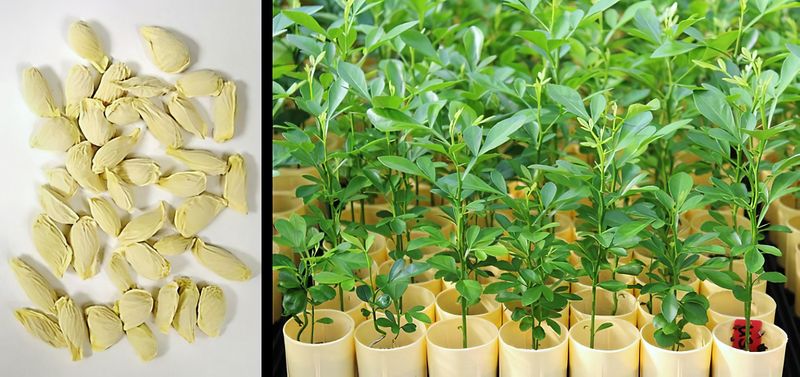
Here is the part most seed-sprouting articles skip over.
The seedling growing in your pot may not produce fruit that tastes anything like the lemon you bought.
Citrus seeds can contain embryos formed through two very different biological processes: sexual reproduction, which mixes genetic material from two parent plants, and asexual reproduction, which copies the mother plant more closely.
A single lemon seed can contain both types of embryo.
A seedling from an asexual embryo may resemble the parent lemon fairly well.
But a seedling from a sexually produced embryo can differ in growth habit, thorniness, time to maturity, and fruit quality in ways you cannot predict at the sprouting stage.
UC ANR’s citrus overview notes that very few citrus fruits produce seed that reliably comes true to type, and University of Georgia Extension states that citrus generally does not grow true from seed.
So if you planted a seed from a Meyer lemon, a Eureka, or a Lisbon, what grows is not a guaranteed copy of that variety.
This is exactly why commercial citrus growers use grafting rather than seeds.
Grafting attaches a cutting from a known, productive variety onto a rootstock selected for disease resistance, soil tolerance, or size control.
UC Cooperative Extension’s guide to growing citrus explains that grafted trees preserve the parent variety’s traits reliably, something seed propagation simply cannot promise.
The timeline to fruiting adds another layer of patience.
UC ANR reports that citrus grown from seed can take 10 to 15 years to mature enough to produce fruit.
University of Minnesota Extension notes that indoor citrus plants often remain juvenile and may never flower or fruit, even when they receive good care and adequate light.
Your seedling may grow into a handsome, fragrant houseplant for years before showing any sign of reproductive maturity, and for many growers, that turns out to be enough.
Protect the Plant From Cold and Quarantine Problems
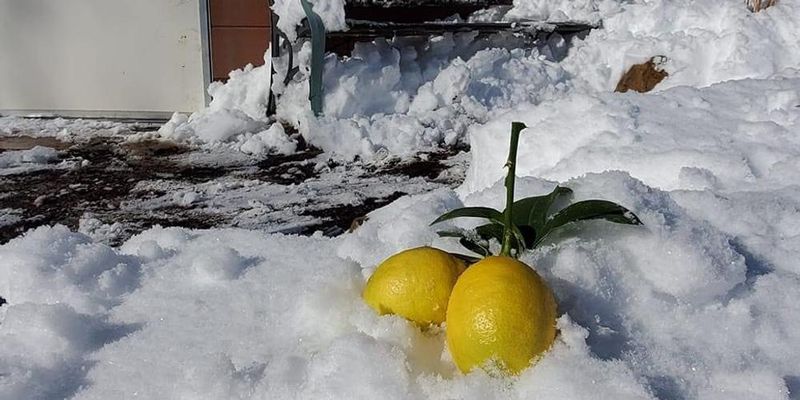
Lemons are among the most cold-sensitive citrus types grown in the US.
University of Georgia Extension warns that lemons and limes can suffer severe damage or die from freezing temperatures, and young container plants are especially vulnerable because their roots have no insulating ground mass around them.
If you live anywhere that sees winter frost, plan to bring the pot indoors before the first cold snap, not after.
USDA hardiness zones are a useful starting point for understanding your local winter cold, but they describe historical minimum temperature ranges, not a complete picture of whether a location can support outdoor citrus.
University of Minnesota Extension points out that zones do not account for heat, humidity, light levels, or growing-season length, all of which matter for citrus.
A zone number tells you how cold it gets in winter, not whether your specific yard, microclimate, or young seedling can handle outdoor life.
UC ANR’s guidance on container citrus recommends keeping plants in pots specifically so they can move indoors when cold weather arrives, which is the safest approach for growers in most US regions.
Before you move any citrus plant, cutting, or branch across state lines or mail it to a friend, check the rules first.
Citrus quarantine restrictions exist in several US states to prevent the spread of serious diseases like citrus greening, and those rules vary by location, material type, and destination.
USDA APHIS tracks citrus greening and related quarantine areas, and USDA APHIS citrus nursery stock protocol guidance advises residents in quarantined areas not to move or mail homegrown citrus plants, regulated material, or homegrown fruit without verifying current state and federal rules.
A quick check with your state department of agriculture costs nothing and can prevent a serious problem.
At the end of the day, a healthy green sprout pushing up through potting mix in your kitchen is a genuine success.
That seedling is a living citrus plant you started from scratch, and however the story unfolds from here, the beginning was entirely yours to make.