
8 Tips For Growing Lemon Trees In Containers Through A Texas Summer
Follow us on Google
You step outside before breakfast and the patio already feels warm, that first hint of a scorching day in Central Texas.
Your potted lemon tree looks green, but you catch yourself worrying about how it will handle another brutal summer.
Growing your own lemons, maybe a fragrant Meyer, is a sweet reward for iced tea and cookouts.
But the heat from May through September can turn a proud plant into a droopy mess if you are not ready.
Here are eight tips to keep your container lemon tree zesty and productive all summer long.
1. Embrace The Afternoon Shade When Texas Heat Is Relentless
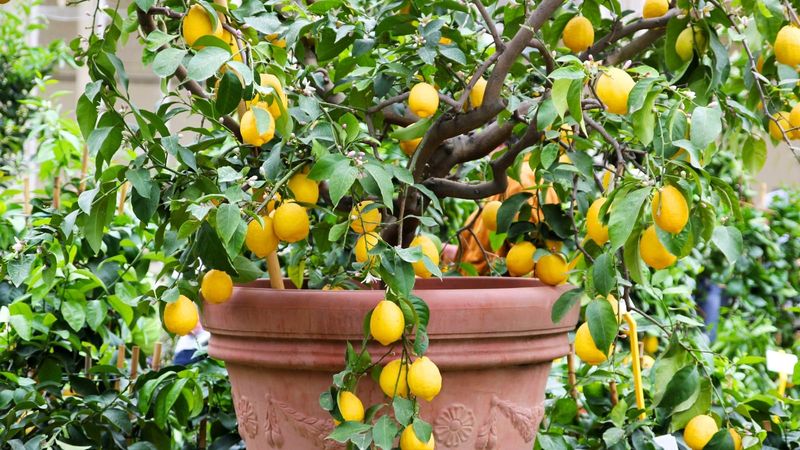
Most folks picture citrus baking happily in all-day sun, and it is true they love light.
But across the Hill Country and South Texas, full sun by mid-afternoon can feel like standing on hot asphalt on a 100-degree day.
Too much direct sun after 2 PM causes real stress.
Leaves scald and turn pale or brown, and the fruit itself can burn.
The tree exhausts itself just trying to stay cool.
The fix is finding that sweet spot of six to eight hours of morning sun followed by relief.
Move your container to an east-facing patio, or tuck it near a taller shrub or under a patio cover so the harshest rays skip it.
That one shift lets your tree spend energy on fruit instead of survival.
It is not pampering, it is genuinely understanding how to keep a tropical plant happy in an unforgiving climate.
2. Quench Their Thirst With Deep, Consistent Watering
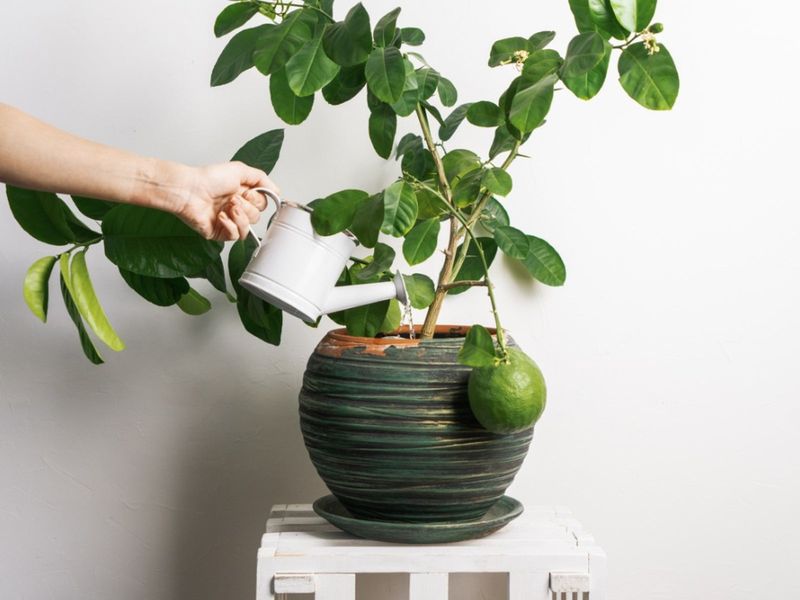
Watering a container lemon tree through a Texas summer is not a set-it-and-forget-it job.
Unlike a tree in the ground, your potted lemon cannot send roots deep to find moisture.
It relies entirely on you.
Here is the tricky part.
Too little water brings wilting, yellow leaves and dropped fruit, but too much drowns the roots and causes root rot.
It is a balance, especially when the mercury pushes 100 degrees Fahrenheit day after day in North or West Texas.
Check the soil daily by sticking your finger about one to two inches deep.
If it feels dry, water until it runs freely from the drainage holes so the whole root ball drinks, not just the top.
During peak heat waves you may water every day, or even twice a day, if your pot is small or made of porous terra cotta.
Deep watering actually trains roots to grow down, giving your tree the strength to push through a long, dry stretch.
3. Choose The Perfect Potting Mix For Happy Roots
The soil in your lemon tree’s container is its entire world.
And in Texas, that means you cannot just scoop up blackland clay from the yard.
Garden soil is too heavy, it compacts, and it holds water like a sponge that never wrings out.
New container gardeners are often surprised how picky citrus roots are about breathing room.
Soggy soil gives them what gardeners call wet feet, and the roots rot away.
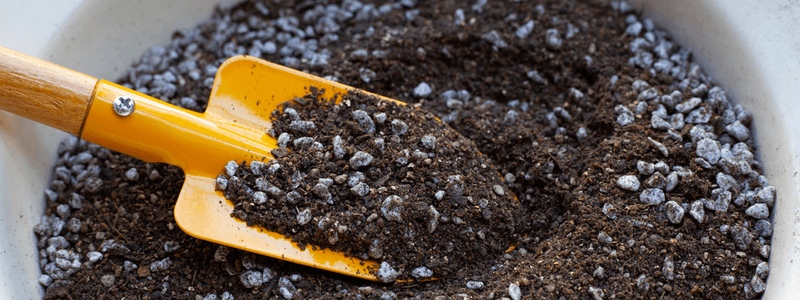
Reach for a high-quality, well-draining mix made for citrus, or a general potting soil amended with compost, perlite, and coco coir.
It should feel light and fluffy in your hand.
You can blend your own with one-third coarse sand, one-third perlite, and one-third coco coir or peat moss.
That mix drains fast while holding enough moisture, giving your tree’s roots the genuinely happy home they deserve.
4. Right-Size Your Container To Avoid Rootbound Woes
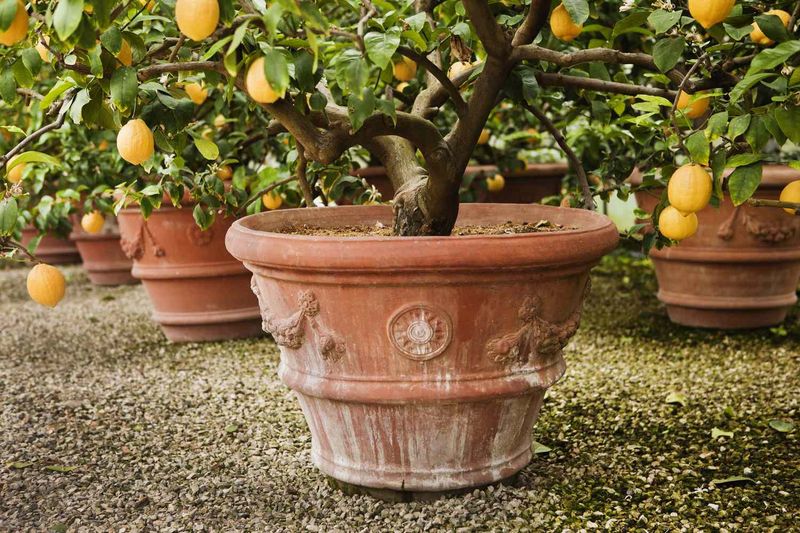
Thinking your lemon tree will stay content in the same small pot forever is a common misstep.
A pot that is too tight becomes a prison, and the roots start circling until they choke off water and nutrients.
A rootbound tree grows slow, yellows, and refuses to fruit.
It is like trying to grow a teenager in toddler clothes.
Repot in steps.
A new tree often arrives in a 5-gallon nursery pot, so bump it up just one size to a 7-gallon or 10-gallon, about 25 percent larger across.
Jumping too big traps unused wet soil and invites rot.
As the tree matures, work up to a 15-gallon or 20-gallon pot.
Plastic stays lighter for hauling indoors during a Panhandle freeze, while terra cotta breathes better but dries faster.
Every pot needs drainage holes, and those are genuinely non-negotiable.
5. Feed Your Tree Regularly For Zesty Fruit
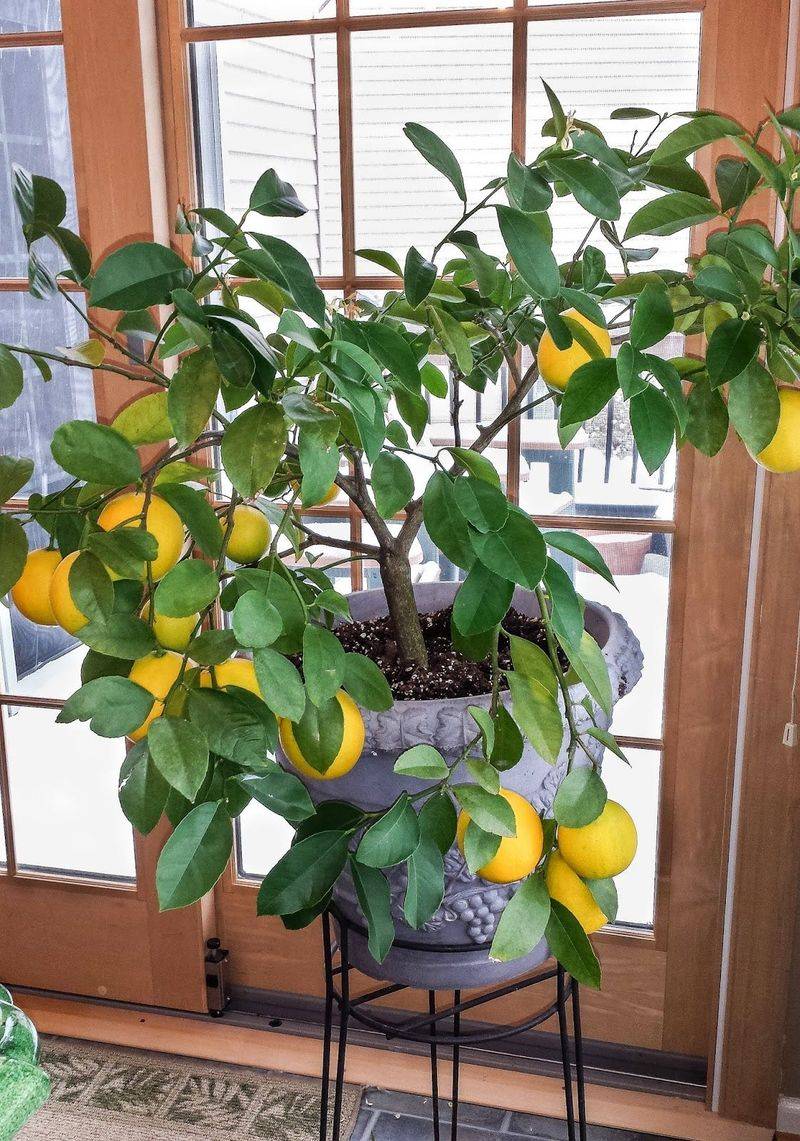
Many Texas gardeners are surprised how hungry container lemon trees actually are.
Potted citrus cannot forage for nutrients in the wide soil below, so every bite has to come from you.
A hungry tree makes small, flavorless fruit, or drops its blossoms altogether.
Pale, yellowing leaves are its way of telling you the pantry is empty.
Use a balanced, slow-release fertilizer made for citrus or acid-loving plants, something around a 6-6-6 or 8-8-8 ratio with iron and zinc mixed in.
From early spring through late summer, feed every four to six weeks, starting with about one tablespoon of granular per gallon of pot size.
Texas A&M AgriLife Extension often recommends a 15-5-10 for established trees over three years old, spread in smaller doses over time.
Skip feeding on the hottest days or when the tree is stressed, because that can burn the roots.
A well-fed tree pays you back in juicy fruit.
6. Protect Against Pests Before They Take Over
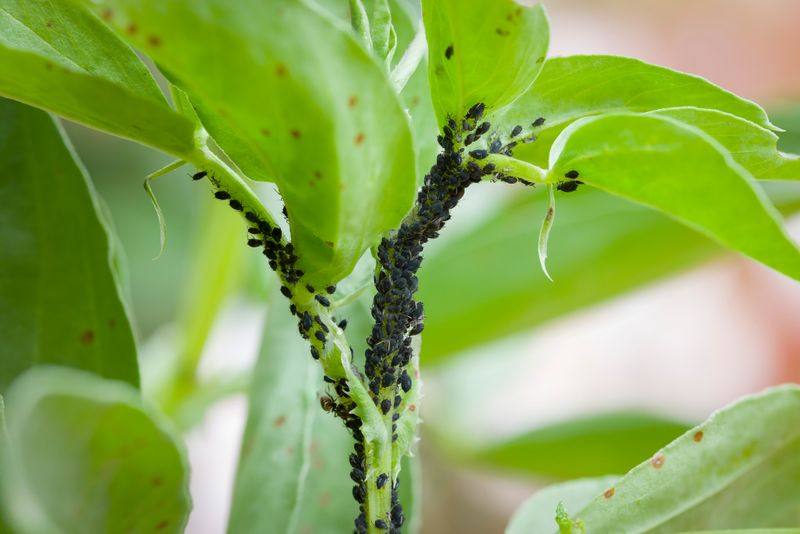
It is a genuine bummer to watch a thriving lemon tree suddenly crawling with tiny invaders.
In the warm, humid summers of East Texas and the Gulf Coast, aphids, spider mites, and scale love to move in.
These sap-suckers weaken the plant and leave behind sticky honeydew, which grows into black sooty mold.
Spider mites have a trick, they thrive when the air turns hot and dry.
Vigilance wins here.
Inspect your tree weekly, especially the undersides of leaves and the tender new growth where pests hide.
A strong blast of water from the hose knocks aphids loose, and raising the humidity may help deter mites.
If they persist, reach for insecticidal soap or horticultural oil, which smother pests while sparing beneficial insects.
Spray in the evening so the sun does not burn the wet leaves.
Act fast and you keep your quiet hero producing.
7. Guard Against Wind And Humidity Fluctuations
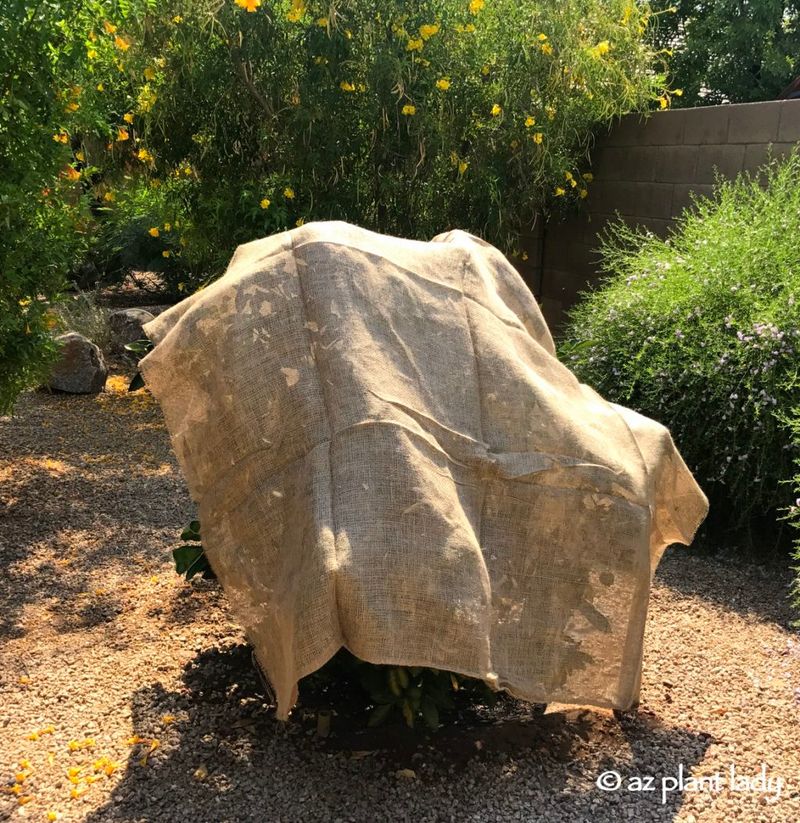
Texas weather swings hard, from long dry stretches to sudden thunderstorms and high winds.
Your container lemon tree, especially through a scorching summer in the Lower Rio Grande Valley, feels every shift.
Strong gusts snap branches, shred leaves, and tip over smaller pots.
And even in a humid climate, a dry, breezy spell strips moisture from the leaves faster than the roots can replace it, so foliage wilts and drops.
Placement solves most of this.
Set the pot near a fence or the side of the house to buffer the wind, and move smaller containers into the garage when a big storm rolls in.
When the air turns bone dry, a pebble tray filled with water under the pot builds a little pocket of humidity around the leaves.
Aiming for at least 50 percent humidity indoors keeps stress low.
Small tweaks give your tree a calmer microclimate.
8. Prune Wisely For Shape And Production
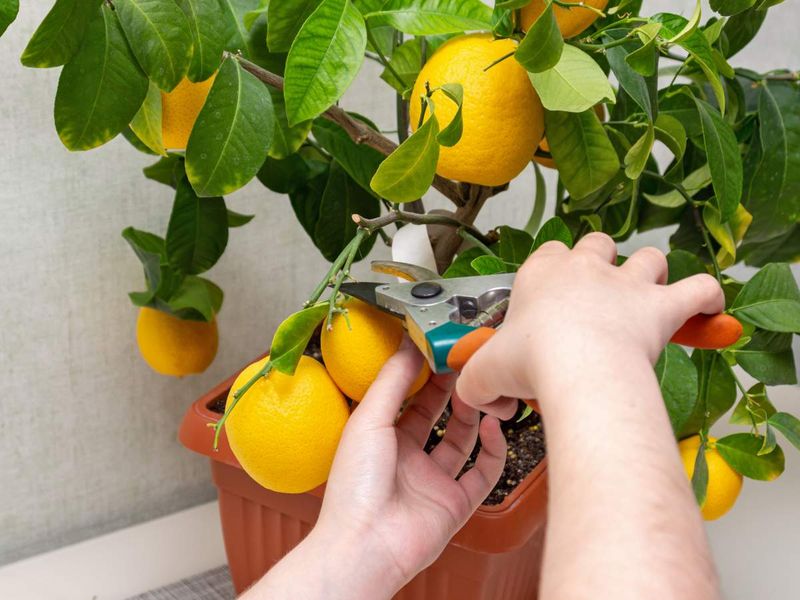
Cutting back a beautiful lemon tree feels backward, but strategic pruning is a real part of summer care in a container.
Without it, the tree grows leggy and lopsided, and the fruit shrinks in number and size.
You want a lush, full tree.
The catch is that unchecked growth pulls energy away from fruit and makes the plant awkward to haul indoors when a freeze threatens the colder parts of Texas.
Keep the pruning light.
Remove dead, diseased, or crossing branches whenever you spot them, and watch for suckers, those fast shoots that spring from below the graft union near the base.
They steal energy from your chosen variety, so cut them clean.
On a young tree in a heavy fruiting year, thinning some developing lemons lets the plant build stronger roots and branches for future harvests.
A well-shaped tree stays a manageable size and puts its resources where you want them, into those juicy lemons on the porch.