
8 Texas Herbs You Get In The Ground Now For A Loaded Fall Kitchen
Follow us on Google
You step outside before breakfast and the patio finally feels lighter, like the long Texas summer just took its first deep breath in months.
The heat is easing, and that quiet shift is your signal to grab a trowel.
Your summer beds may be fading, but a whole new season of flavor is waiting on you.
Plant these eight herbs now, and your fall kitchen will be loaded with fresh green for chili, roasted veggies, and warm cups of tea when the days go short.
1. Cilantro Brings Zesty Freshness All Season Long
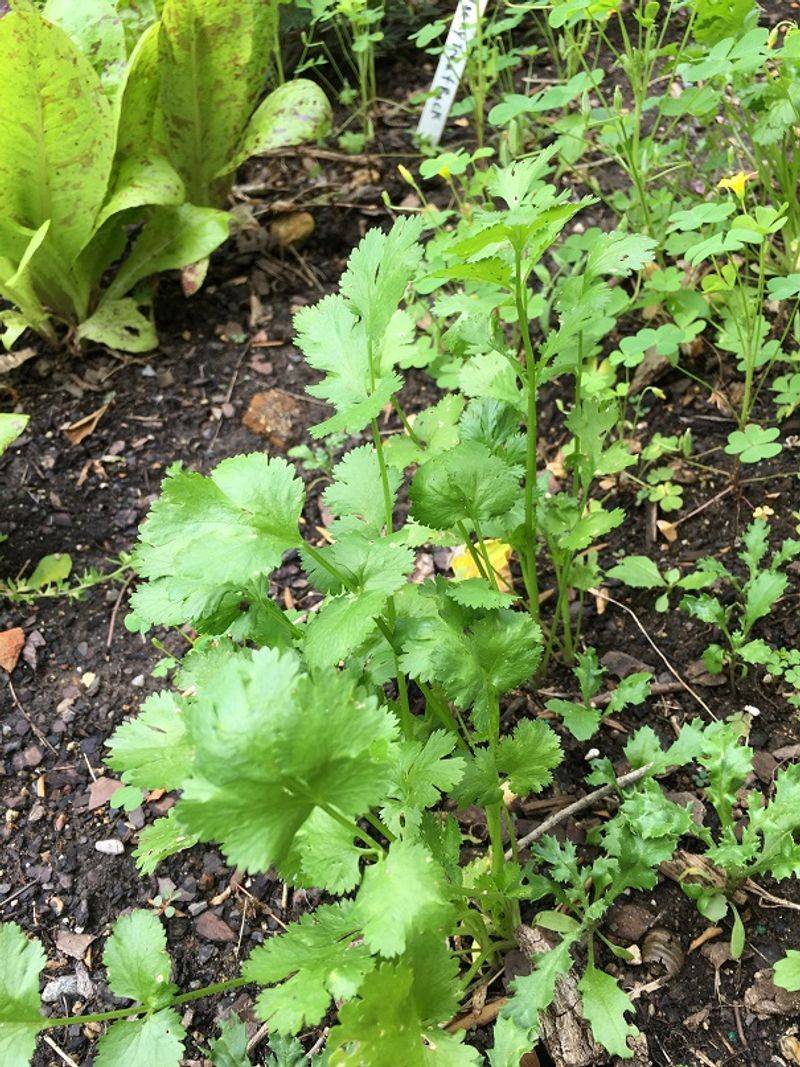
Many Central Texas gardeners have watched cilantro shoot up flower stalks and quit the moment spring turns warm.
Here is where it gets tricky.
Cilantro is a cool-season annual that sulks above 85 degrees Fahrenheit, yet it shrugs off cold down to about 10 degrees once it settles in.
That is exactly why fall planting wins.
Sow cilantro (Coriandrum sativum) seeds in September or October across Central and South Texas, saving February for a late run up in the Panhandle.
Pick a spot with well-drained, sandy loam soil and full to partial sun.
Drop the seeds about a quarter to half an inch deep, spacing them roughly two inches apart.
Keep the soil steadily moist until the seedlings poke through, then ease off the water.
Fresh leaves are ready in about 45 to 70 days.
Snip the outer leaves when they hit four to six inches, or shear the whole plant a couple inches above the soil for a big haul.
Your homemade salsa is about to taste like you meant it.
2. Dill Offers Delicate Flavor For Comfort Food
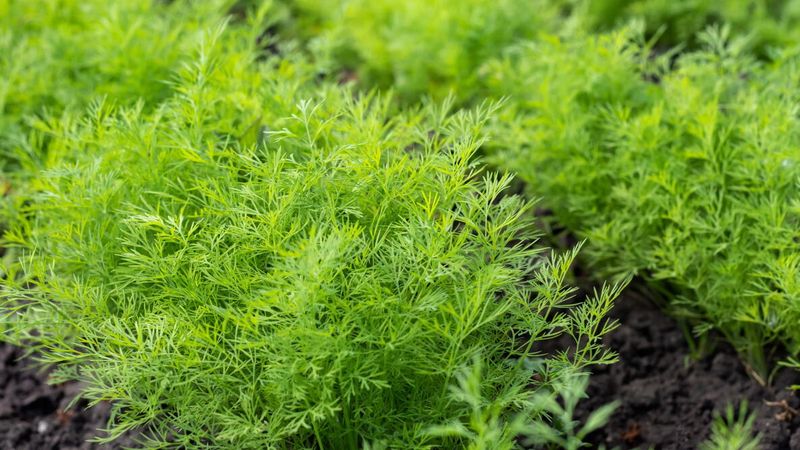
Most folks file dill under spring, but in the warmer stretches of Texas it actually runs beautifully from fall clear through spring.
This feathery annual, Anethum graveolens, loves cool air and holds up to about 25 degrees Fahrenheit.
That covers most of our mild winters, though a hard freeze below that calls for a light frost cover.
The trouble shows up when summer arrives, since dill bolts fast above 80 degrees.
So beat it to the punch and direct-sow seeds in fall, roughly October through January out in West Texas.
Dill is not fussy about poor ground, but it genuinely thrives in well-drained sandy or loamy soil with a slightly acidic pH between 5.8 and 6.5.
Give it full sun and a wind-sheltered corner, plus 12 to 18 inches of room, because it can climb two to four feet tall.
Dill grows a deep taproot and hates being moved, so plant it where you want it to stay.
Harvest the fronds before it flowers for fish, potatoes, and homemade pickles.
3. Parsley Keeps Its Green Through Winter Chills
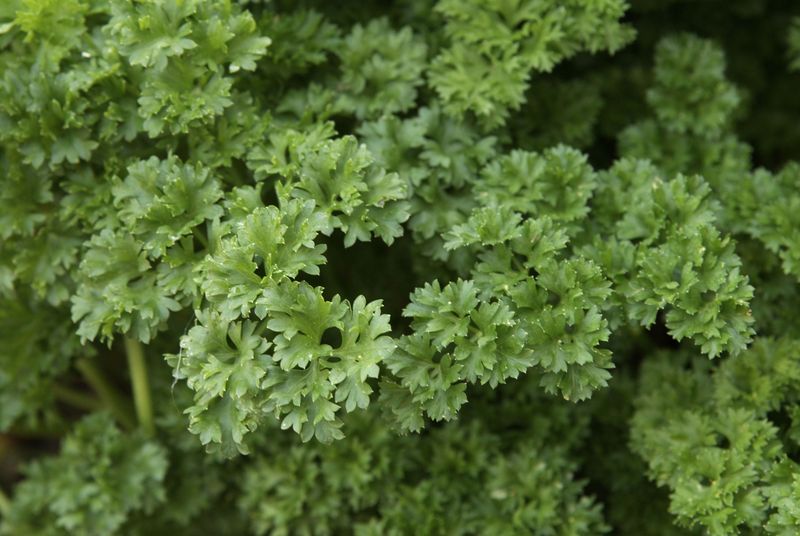
Poor parsley gets stuck on the edge of the plate as a garnish, and that is a shame.
Petroselinum crispum is a workhorse of flavor, and new gardeners are often surprised by its backbone.
It takes a light frost in stride but struggles with a hard freeze, which makes fall a prime planting window across much of Texas, especially East Texas and Gulf Coast yards in Zone 9.
Set out both curly and flat-leaf Italian parsley from transplants in September or October.
Starting from seed takes patience, since germination can crawl along for 14 to 28 days.
Tuck seeds about a quarter inch deep and an inch or two apart, in rows six to twelve inches apart.
Parsley runs shallow roots, so keep water and feeding steady.
It leans on cool weather and turns bitter once daytime highs sit above 75 degrees Fahrenheit for a stretch.
Enjoy those leaves in soups and sauces all winter, knowing they will bow out when spring heat returns.
4. Thyme Is A Low-Maintenance Evergreen Hero
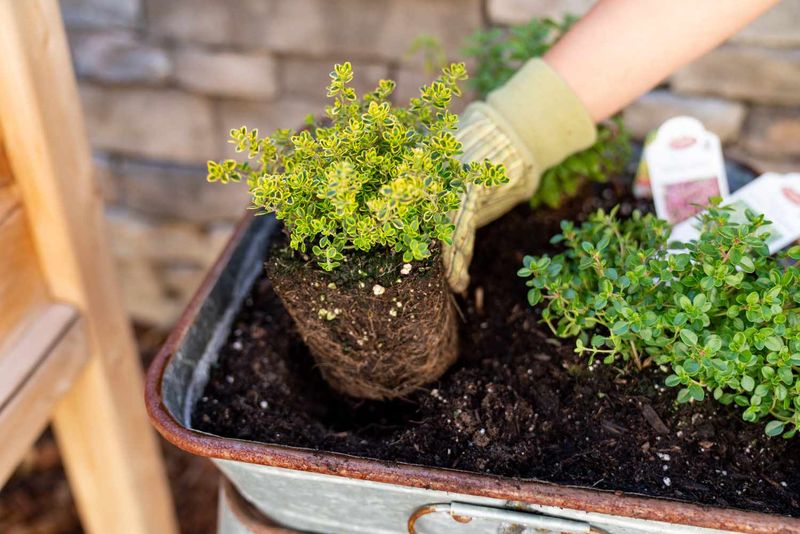
Thyme is one of those quiet heroes that keeps showing up when everything else has folded.
Thymus vulgaris is a perennial that survives below-zero temperatures and often stays green straight through a Texas winter.
So you can lean on it for fresh flavor even after a light freeze.
The worry is that it looks too dainty to last.
It is genuinely tough once established.
Plant thyme in fall, ideally before mid-October, so the roots dig in ahead of cold.
It craves full sun and sharp drainage.
If you garden in the heavy blackland clay of North or Central Texas, work in sand or gravel, or build a raised bed instead.
Thyme likes lean, low-fertility soil and a slightly alkaline pH.
Space plants about eight to twelve inches apart for good airflow.
Once it settles, thyme is remarkably drought-tolerant, which is one less line on the water bill.
Snip the tiny leaves for roasted chicken, stews, and a warm herb bread.
5. Sage Offers Earthy Warmth For Fall Cooking
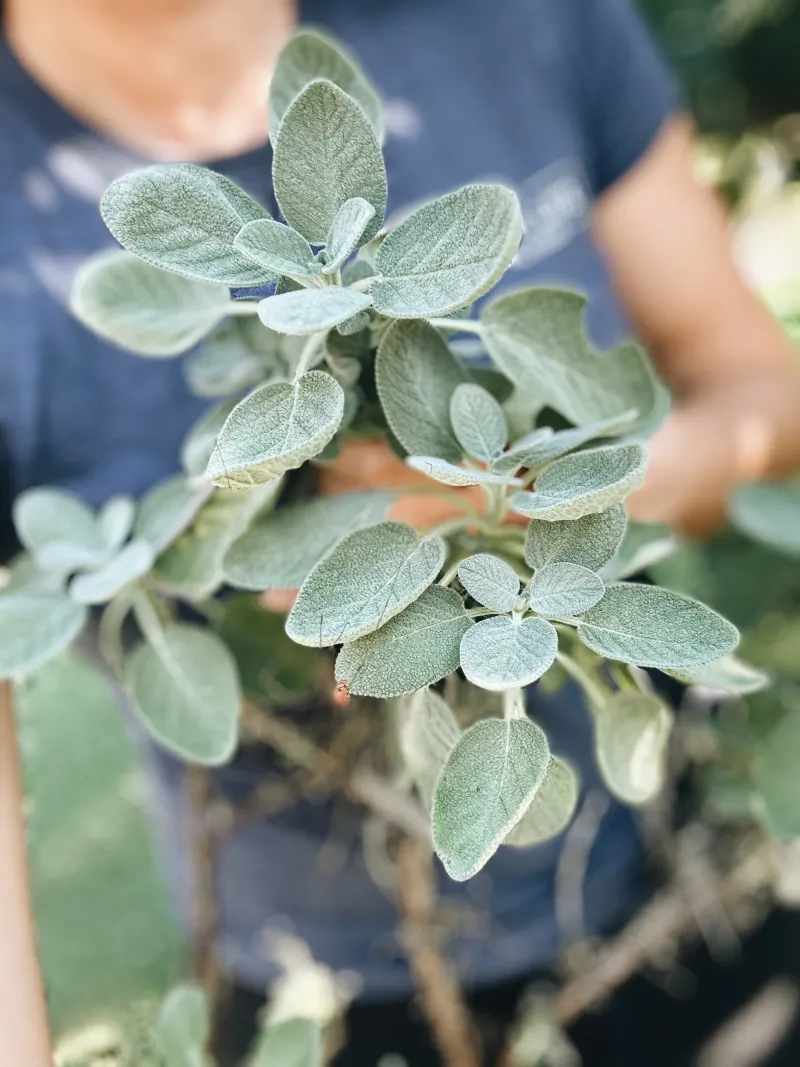
Common sage can be a little particular, but its earthy flavor is non-negotiable for fall and winter cooking.
In humid country like East Texas and the Gulf Coast, many gardeners treat Salvia officinalis as an annual, because it fights the sticky summer heat even though it acts perennial in cooler zones.
Fall is where the story turns in your favor.
Set out sage plants in autumn to give the roots a head start before the cool weather locks in.
Pick a sunny spot, though a little afternoon shade earns its keep during our scorching summers.
Sage demands well-drained soil, ideally a sandy loam with a pH between 6.5 and 7.0.
If you are working the shallow, alkaline soils of the Hill Country or West Texas, drainage is everything.
Space plants about 18 to 24 inches apart.
Skip heavy mulch at the base and use pea gravel or granite to keep it dry.
Fuzzy-leaved plants dislike wet foliage, so drip irrigation is your friend.
Nothing beats sage in cornbread dressing.
6. Rosemary Delivers Year-Round Fragrance And Flavor
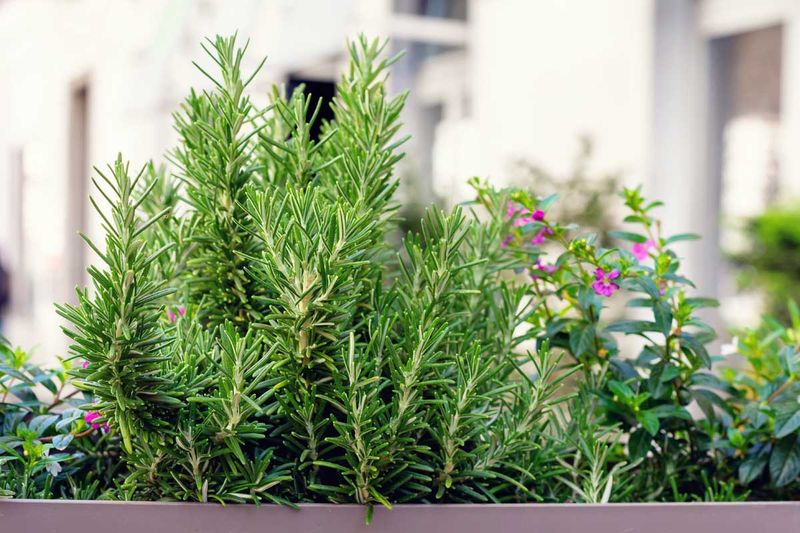
Rosemary is genuinely a gift to Texas gardeners, a sturdy evergreen perennial that holds strong year-round and really hits its stride in fall.
It is one of the easiest herbs to grow here, shrugging off conditions that flatten pickier plants.
The recognition beat lands when you notice it asks for almost nothing and hands back so much.
Give Salvia rosmarinus full sun and drainage that never lets water sit.
This Mediterranean native is drought-tolerant once rooted, and honestly it is far more likely to die from too much water than too little.
It does well in most Texas soils, from North Texas blackland clay to sandy Gulf Coast ground, as long as the water moves through.
Choose an upright variety for a fragrant shrub, or a trailing form to spill over a container or rock wall.
Once it takes hold, rosemary barely needs a second thought.
Its piney punch carries roasted meats, root vegetables, and a slow-infused olive oil that makes the whole kitchen smell like fall.
7. Oregano Is A Hardy Perennial For Italian Nights
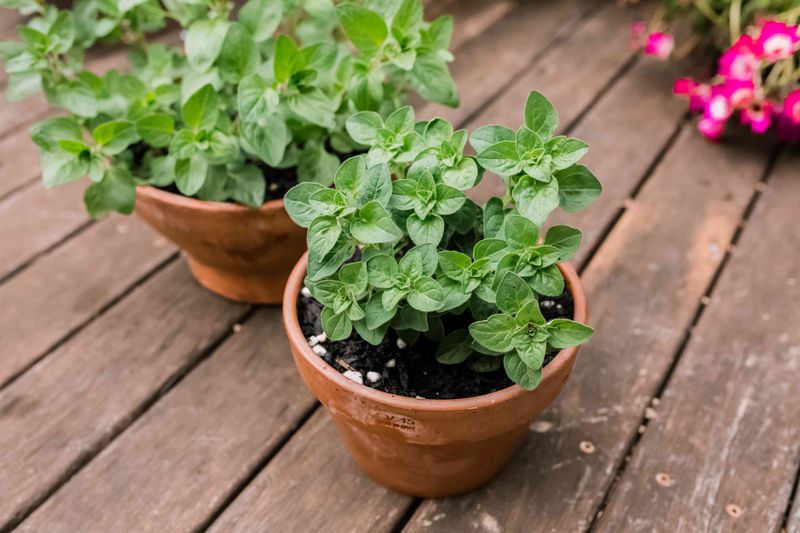
Oregano carries a taste of the Mediterranean straight into your Texas fall kitchen.
Origanum vulgare is an evergreen perennial that holds through most Texas winters, and it surprises people with just how hardy it is.
Down in South Texas and the Lower Rio Grande Valley, it often stays green the whole year.
The plant loves well-drained soil and a generous helping of sun, which suits the warm, dry summers and mild winters around Austin.
Get oregano in the ground in fall so it establishes before any real cold snap arrives.
Starting from seed tests your patience, since the seeds are tiny and slow to produce anything you can cook with.
Transplants or divisions get you there faster.
Space plants about eight to twelve inches apart.
Pinch the stems back often to keep growth bushy and slow the woody, leggy stage that tends to set in after three to five years.
Oregano brings real depth to Italian nights, marinades, and homemade bread.
8. Chamomile Offers Soothing Teas From Your Garden
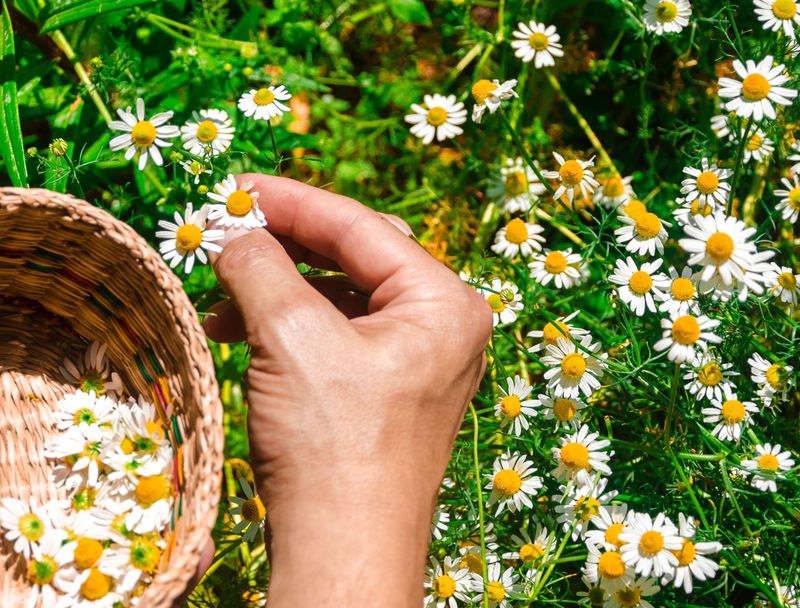
Growing chamomile in a state famous for triple-digit summers sounds like a losing bet.
But here is the turn.
German chamomile, Matricaria recutita, is a cool-season annual, and fall is genuinely its season.
Across South Central Texas it runs beautifully from autumn through mid-spring, scattering apple-scented flowers made for calming tea.
The seeds are tiny and need light to sprout, so just scatter them on top of moist, well-drained soil in a sunny to partly shaded spot.
Press them in gently without burying them.
Keep the soil steadily moist until germination, which usually takes 7 to 14 days.
Once the seedlings stand up on their own, thin them to about six to eight inches apart.
Chamomile is low-maintenance and fairly drought-tolerant, though young plants deserve a cover if a hard freeze below 30 degrees Fahrenheit is on the way.
It reseeds freely, so it may greet you again next year on its own.
Snipping those little flowers for tea is a slow, quiet reward, and a fine way to close out a season of getting your hands in Texas dirt.