
Every Morning In The Garden Feels Like Opening A Mystery Box, And Patience Is Nature’s Favorite Game
Follow us on Google
Stepping outside at dawn with a cup of coffee, you scan the beds for something new, a sprout, a bud, any sign that the garden moved overnight.
Sometimes you find it.
More often, you find the same quiet rows you left the evening before, and that stillness can feel like a small defeat.
But that daily walk is one of the most useful habits a backyard gardener can build, because it is not really about watching plants grow.
It is about reading what your garden is telling you before a small problem turns into a lost harvest.
The Garden Reveals More Than Growth
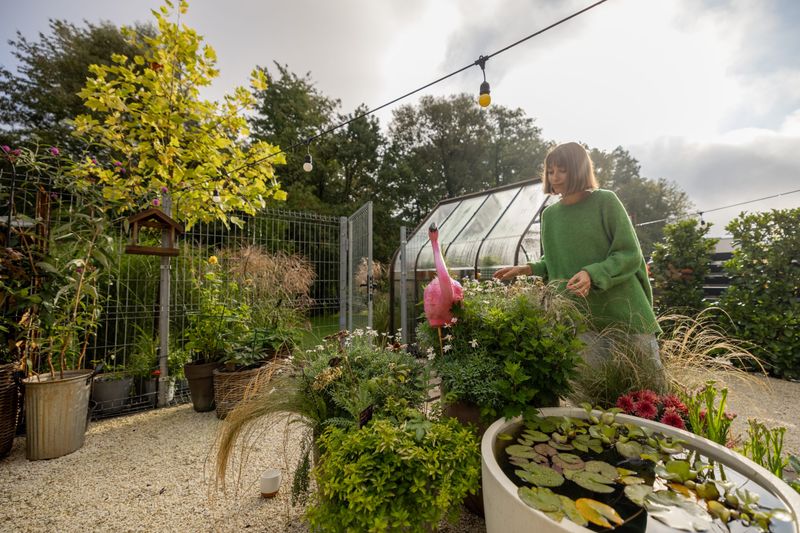
Early morning has a particular quality in the garden.
The light is low and even, the air is still, and every leaf holds a drop of dew that will be gone by eight o’clock.
You walk the beds not because you expect to see tomatoes that grew two inches overnight, but because this is when the garden shows you things it hides later in the day: a cluster of aphids on the underside of a pepper leaf, a squash vine that wilted slightly at the base, a seedling that was upright yesterday and is now leaning toward the fence.
That kind of noticing is called scouting, and it is the real payoff of the morning walk.
UMN Extension guidance on catching garden problems early recommends walking your garden every few days, using notes or photographs to track change over time, because regular observation catches pests, disease, drought stress, and weather effects before damage becomes severe.
The morning visit is not a performance review for your plants.
It is a check-in.
A quiet bed is not a failing bed.
Seeds germinate on their own schedule, roots establish before leaves do, and weather controls more than any gardener can.
But a quiet bed is also not automatically a healthy one.
The useful question is not whether the garden changed overnight.
The useful question is whether anything looks different from three days ago, and whether that difference points toward stress.
Reframing the daily walk this way turns a small disappointment into a reliable tool.
You stop waiting for the mystery box to open and start reading the clues it leaves on the soil surface and the leaf margins every single morning.
Roots May Be Working Before Leaves
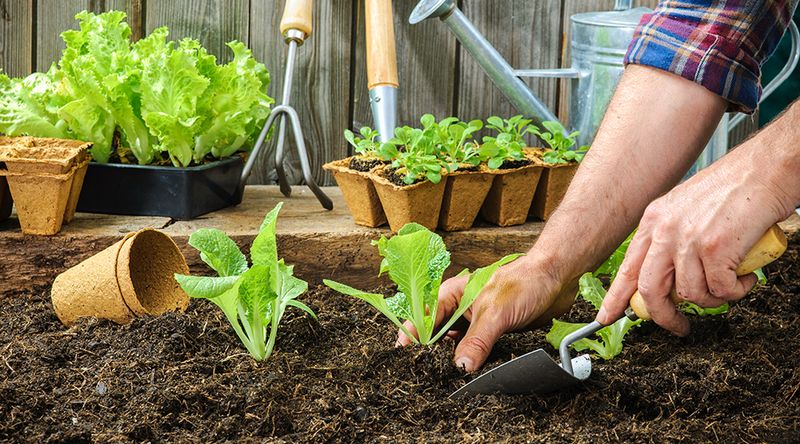
A transplanted seedling can look almost exactly the same for a week after you put it in the ground, and that stillness is genuinely difficult to interpret.
Is it settling in, or is it struggling?
The answer usually lives below the soil line, where roots that were disturbed during transplanting are working to reconnect with the surrounding soil and resume normal water uptake.
When roots are disturbed, a plant temporarily loses some of its ability to pull moisture from the soil.
That means the leaves may look slightly dull, growth may pause, and the plant may droop a little in afternoon heat even when the soil is moist.
Penn State Extension guidance on transplanting annuals explains that this recovery period is why proper hardening off and careful handling at planting time matter so much.
A plant that goes in gently, with its root ball intact and the soil firmed around it, will establish faster than one that was knocked around during the move.
The important distinction is between quiet recovery and visible decline.
A plant that holds its color, stays upright in the morning, and shows no new spots or rot is likely adjusting.
A plant that wilts even in the cool of early morning, shows yellowing leaves, develops soft or dark tissue at the stem base, or shows no change at all across two to three weeks is telling you something is wrong.
According to UNH Extension research on transplanting and landscape plant establishment, smaller plants handled carefully can actually recover from transplanting faster than larger specimens, so bigger does not always mean quicker to establish.
Watch the plant, not the calendar, and act on what you see rather than what you hope is happening underground.
Soil Temperature Sets the Pace
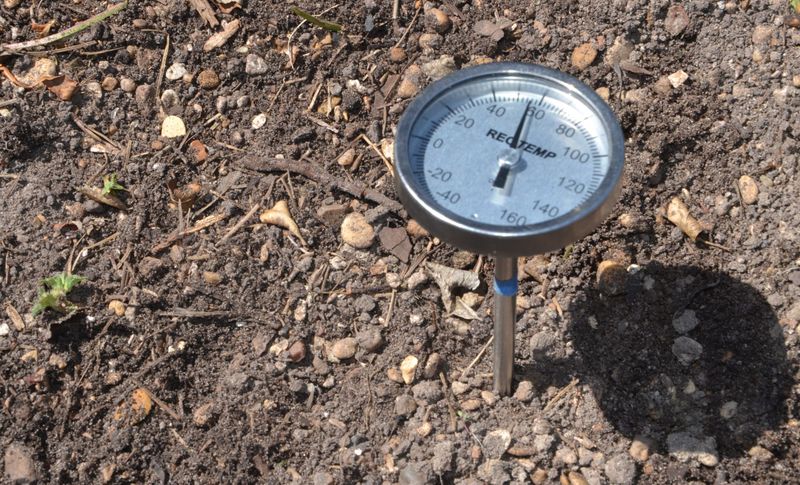
A warm afternoon in April or May can feel like a green light, the kind of day that makes you want to put everything in the ground at once.
But the air temperature and the soil temperature are two different readings, and the soil is the one your seeds actually care about.
Cold soil slows germination and root growth significantly.
Many cool-season crops, including peas, spinach, lettuce, radishes, carrots, beets, kale, and potatoes, can begin germinating in soil that ranges roughly from 40 to 50 degrees Fahrenheit, though the right threshold varies by crop and your local conditions.
Warm-season crops need more warmth.
UMN Extension’s Minnesota garden timing guide identifies cucumbers, melons, and squash as crops that need at least about 60 degrees Fahrenheit in the soil to germinate reliably, with best germination for some of those crops occurring near 95 degrees.
Planting warm-season crops into cold soil does not speed things up.
It often means the seed sits and rots, or germinates so slowly that it is overtaken by disease or pests before it can establish.
The fix is simple and inexpensive: push a soil thermometer about 4 inches deep in the morning, before the sun has warmed the surface, and compare your reading to the requirements on your seed packet.
These thresholds are not universal planting dates.
A 50-degree soil reading may be appropriate for cool-season crops in Minnesota in late April but may arrive weeks earlier in coastal California or weeks later in a high-elevation Colorado garden.
Follow your local extension service and your actual soil, not a national calendar.
Heat at the other end of the season creates a different problem.
UMN Extension’s heat management guidance notes that temperatures around 90 degrees Fahrenheit can cause tomatoes, peppers, and cucumbers to drop blossoms, stalling fruit set even when the plants look otherwise healthy.
The soil thermometer works in both directions.
Use it often.
Seedlings Need a Gentler Welcome
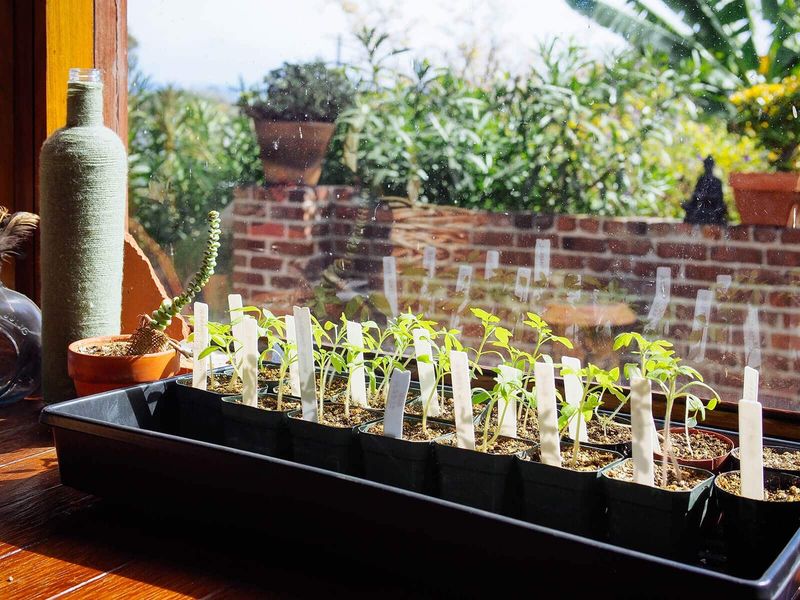
Seedlings started indoors live in a sheltered world.
The temperature barely changes, the wind does not blow, and the light, even from a bright south-facing window, is gentler and shorter than full outdoor sun.
Moving those seedlings straight from the windowsill to a garden bed on a breezy May afternoon is a genuine shock to their system, the plant equivalent of stepping from a dim room into full midday glare.
Hardening off is the process of introducing indoor seedlings to outdoor conditions gradually, giving them time to thicken their cell walls, adjust their water use, and build tolerance to wind and temperature swings.
OSU Extension’s seed-starting guidance describes a 7 to 10 day hardening process, while Penn State recommends beginning at least two weeks before transplanting for some annuals.
Neither number is a rigid rule.
The right schedule depends on your weather, your plant’s sensitivity, and how sheltered or exposed your outdoor space is.
Start with an hour or two of morning shade outdoors, add time and sun gradually over several days, and bring plants in if a cold night or strong wind is forecast.
Indoor light is a separate issue worth addressing before transplanting ever comes up.
UMN Extension’s damping-off prevention guidance and their indoor plant lighting recommendations both note that seedlings benefit from 12 to 16 hours of supplemental light per day.
A sunny windowsill often falls short, especially in late winter or early spring when day length is short and cloud cover is common.
Seedlings that do not get enough light grow tall and thin, with weak stems that struggle outdoors even after a proper hardening period.
Patience here means slowing down the transition, not skipping it.
A seedling that spends ten days adjusting to the outdoors will almost always outperform one that was rushed into the ground and spent the next two weeks trying to recover.
Water and Fertilizer Reward Restraint
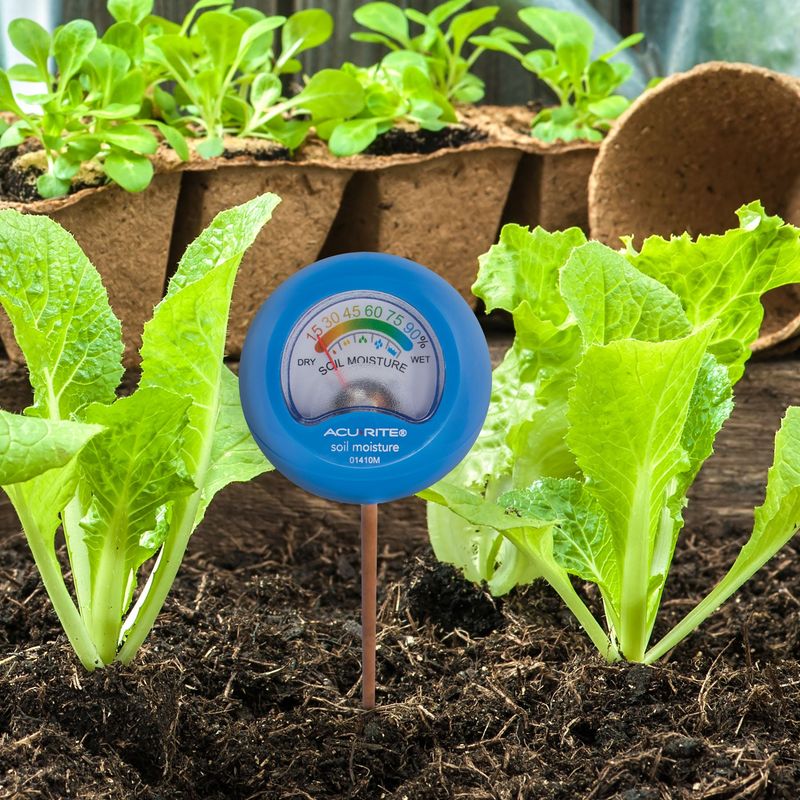
Newly planted seedlings need consistent moisture around their roots while they establish, but there is a real difference between consistently moist and continuously wet.
Soil that stays waterlogged pushes out the air pockets that roots depend on for oxygen.
Roots deprived of oxygen weaken quickly, and wet, oxygen-poor soil is where damping-off fungi and root rot diseases thrive.
CSU Extension’s vegetable garden irrigation guidance recommends checking soil moisture rather than watering by habit.
For many established garden beds, the practical check is whether the top 2 to 4 inches of soil have dried out.
If they have not, wait.
Containers are a different situation entirely: CSU Extension’s container gardening resource notes that pots dry out faster than in-ground beds, especially in heat and wind, and may need more frequent attention.
Adjust for your soil type, recent rainfall, temperature, and what you are growing.
Morning is a reasonable time to water when you do water, because moisture applied early gives foliage time to dry before evening, which reduces fungal disease pressure.
But morning observation does not require morning watering every day.
Check the soil first, then decide.
Fertilizer is a separate conversation from water, and the two are often confused when a plant is growing slowly.
Slow growth is not automatically a sign of nutrient deficiency.
It may reflect cold soil, low light, root damage, or the plant’s natural pace.
UMN Extension recommends testing garden soil every 3 to 5 years and warns that excess nutrients can harm plants and create environmental problems.
Utah State University Extension’s seedling culture guidance adds that overfertilizing seedlings can produce fast, soft, succulent growth with weak stems that are more attractive to pests and diseases.
Test before you feed, and feed according to what the test actually shows.
A Camera Can Make Patience Visible

One reason the morning walk can feel frustrating is that human memory is not very good at tracking slow change.
You look at a pepper plant every day and it seems identical each time, then one morning you realize it doubled in size sometime in the past two weeks and you missed the whole thing.
The fix is not to look harder.
The fix is to look with a record.
Pick one plant per bed and photograph it from the same angle every 3 to 7 days.
Use a fixed landmark, like a stake or a pot edge, so the frame stays consistent.
Then measure new growth with a ruler once a week and write down the number alongside your rain or irrigation notes.
UMN Extension’s scouting guidance supports this kind of systematic observation, framing regular garden walks as a way to detect trends rather than demand daily drama.
Each visit, flip a few leaves and check the undersides for aphids, spider mite webbing, or eggs.
Look at the stem base for soft or discolored tissue.
Note whether any leaves have new spots, curling edges, or unusual color.
UMN Extension’s irrigation scheduling guidance reinforces that water needs vary with soil, crop, planting date, weather, and growth rate, so your notes on rainfall and irrigation become genuinely useful context when you are trying to decide whether a plant is struggling or simply slow.
The photograph record turns patience from a feeling into evidence.
When you compare this week’s image to the one from ten days ago, you can see whether the plant is establishing, stalling, or deteriorating, and that distinction is what tells you whether to wait or act.
Patience Has a Seasonal Limit
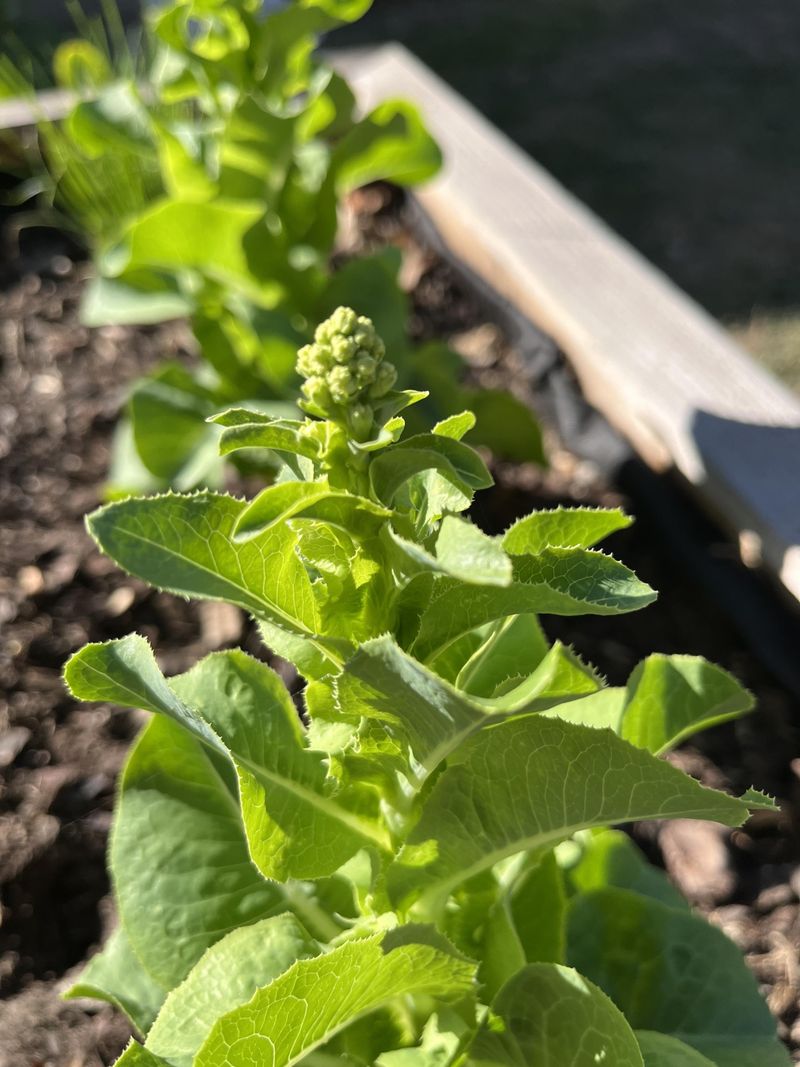
Slow growth is not automatically healthy.
A plant that sits unchanged for three weeks may be adjusting to its new home, or it may be telling you that something is wrong.
The two look similar from a distance, but up close they carry different signals.
Cold soil, low light, drought, excess water, transplant shock, and seasonal dormancy can all pause visible progress.
So can pests, disease, and root damage.
UMN Extension’s heat stress guidance points out that temperatures around 90 degrees Fahrenheit can stall growth and cause blossom drop in tomatoes, peppers, and cucumbers, so a plant that looked fine last week may simply be waiting out a heat wave rather than declining.
That kind of pause is worth monitoring, not panicking over, but it is also not a reason to do nothing.
Other situations require prompt action.
Roots drying out in a container, damping-off spreading through a flat of seedlings, pest populations doubling every few days, an approaching frost, or a cool-season crop that has sat in warming soil too long, these are not moments for patience.
UMN Extension’s guidance on cool-season crop problems notes that heat, water stress, and plant age can all cause spinach and lettuce to bolt or turn bitter.
Waiting longer in those cases does not help the plant or improve the harvest.
Patience must also match the crop.
Radishes can go from seed to table in about 25 days.
Lettuce and peas move quickly too.
Trees, shrubs, perennials, and many native plants establish over months or years, and UNH Extension’s water efficiency guidance notes that smaller, carefully handled plants often establish faster than larger ones, so matching your expectations to the plant’s biology matters.
The goal is condition-based action, not calendar-based panic.
Check what you see, compare it to what you recorded, consult your seed packet and local extension guidance, and respond to what the plant is actually showing you rather than what you wish it would do.
Penn State Extension’s transplanting guidance frames this well: good establishment comes from matching care to conditions, not from hoping the plant figures it out on its own.
Let Each Morning Teach You Timing
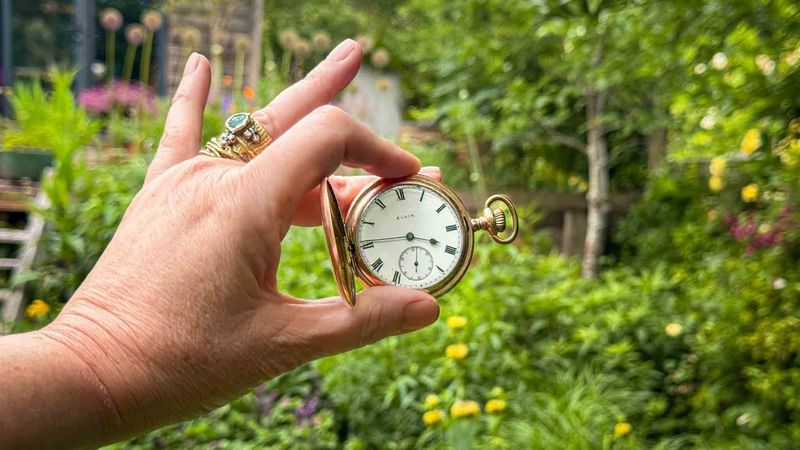
The best question to bring to the garden each morning is not whether anything changed overnight.
A better sequence is: observe what is there, compare it to what you recorded a few days ago, check the conditions that drive growth, and act when the evidence calls for it.
Seed packets are underused tools.
They carry germination time ranges, planting depth, spacing, and often a soil temperature recommendation that is more accurate than any general advice you will find online.
OSU Extension’s seed viability guidance recommends testing a sample of 10 seeds over 5 to 10 days when you are unsure whether older seed will germinate, which turns an anxious wait into a quick, informative experiment.
Pair that with a soil thermometer reading and the timing guidance from your local extension service’s garden timing resources, and you have a timetable grounded in actual conditions rather than wishful thinking.
USDA hardiness zones come up often in planting conversations, but they have a specific and limited job.
The USDA Plant Hardiness Zone Map describes average annual extreme minimum winter temperatures in 10-degree Fahrenheit bands, using climate data from 1991 to 2020.
Zones help you choose perennials that will survive your winters.
They do not describe summer heat, soil temperature, rainfall, humidity, frost timing, or when to plant warm-season vegetables.
Use them for what they actually measure.
Patience in a garden is not the same as leaving things alone and hoping.
It is showing up each morning with enough knowledge to tell a quiet recovery from a quiet decline, and enough calm to act on what you find rather than what you feared.
The garden keeps teaching, every single day, if you keep showing up to read it.