
The Native North Carolina Ground Covers That Hold Red-Clay Slopes Better Than English Ivy Ever Did
Follow us on Google
You pull your patio chair into the shade of that old oak, and the rest of the yard still bakes in the afternoon sun. That is when you spot it again, another little gully carved into your red-clay slope after last night’s storm.
You are tired of watching soil wash away, and the English ivy you inherited is not helping, just climbing the trees and making a mess. Good news, though.
You can hold those slopes with North Carolina natives that anchor the soil and bring the yard back to life.
1. The Problem With That Old Standby And Our North Carolina Clay
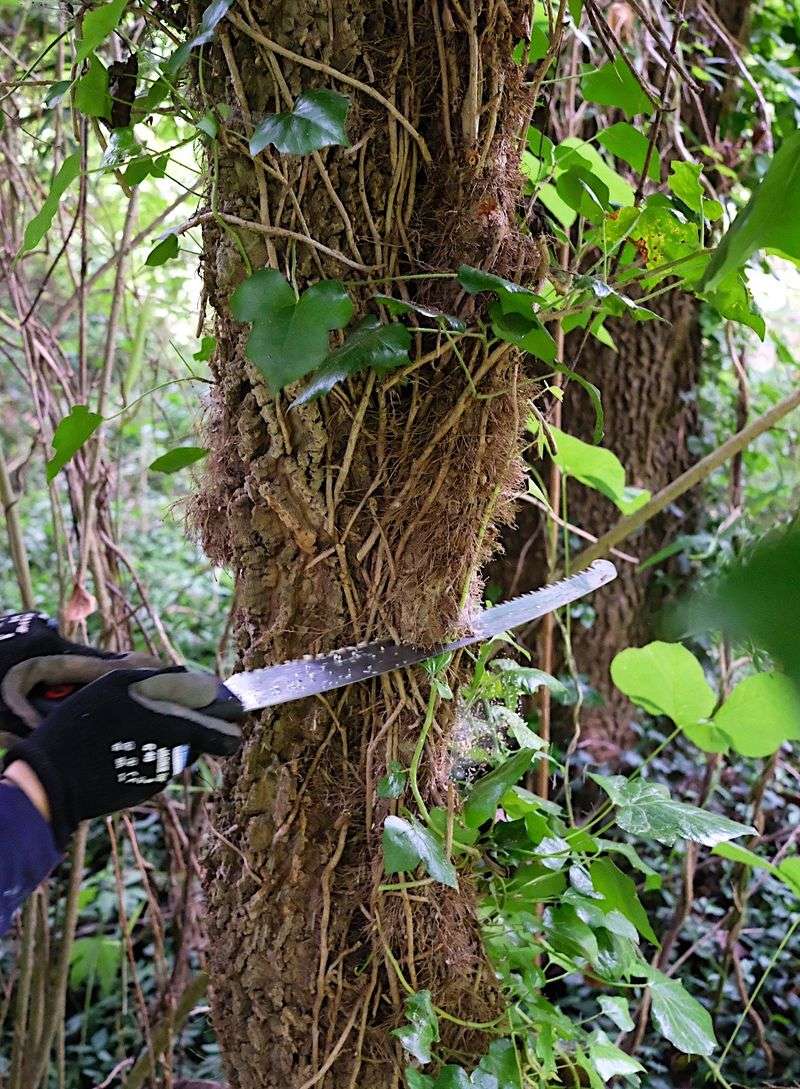
English ivy (Hedera helix) looks like an easy win. It spreads fast and forms a thick green carpet that seems to lock the soil in place.
But look closer and the trouble shows up.
Ivy is a master of deception. It is invasive here in North Carolina, choking out native plants and climbing trees, then smothering them by blocking sunlight.
All that added weight can bring a tree down during a hurricane or a surprise winter storm. Once it settles in, it is a relentless antagonist, genuinely hard to remove.
Our red clay adds another layer to the fight. It runs naturally acidic, usually a pH between 5.0 and 6.0, and it is low in organic matter.
The soil compacts easily, turning rock-hard when dry and a gooey mess when wet.
That combination makes slopes vulnerable. Rainwater sheets right off the surface, carrying away nutrients and loosening your bank a little more each storm.
You need plants that drive deep, fibrous roots and play nice with the local ecosystem. So it is time to swap a plant pest for a genuine garden hero.
2. First, Give Your Clay A Helping Hand
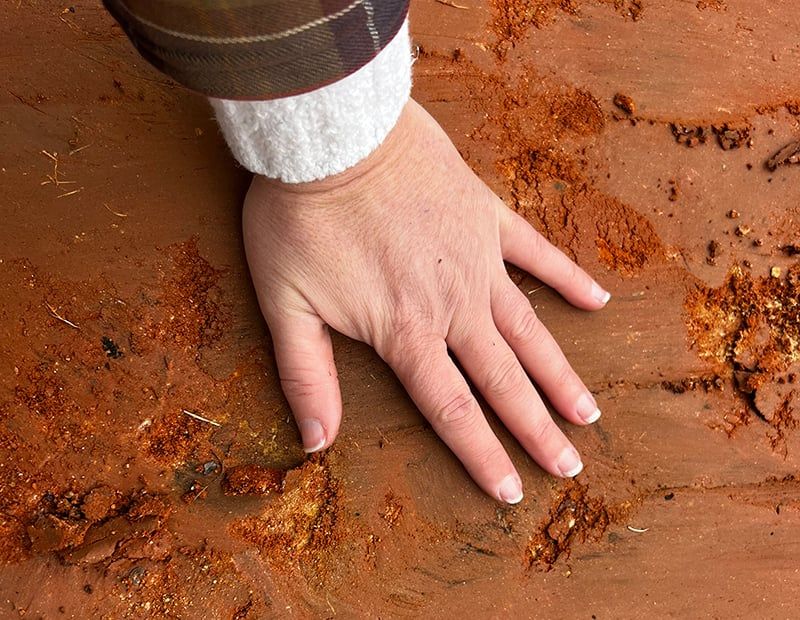
You cannot drop a plant into raw North Carolina red clay and expect miracles. That dense, iron-rich soil compacts and drains poorly, and it will make even the toughest native struggle.
The stakes are real here, because if roots cannot dig in, the slope keeps eroding.
The fix starts with smart soil prep. The best amendment for our heavy clay is a generous helping of organic matter, like well-rotted compost or finely ground pine bark fines.
On a new bed, work 4 to 6 inches of compost into the top 6 to 12 inches of soil.
That breaks up the clay, improves drainage, and feeds the ground. Skip pure sand, which mixes with clay into something close to concrete.
To learn what your soil actually needs, send a sample to the NC State Extension Soil Testing Lab. That service is free for North Carolina residents most of the year, and it gives you precise numbers, including whether to add lime to nudge your pH toward a friendlier 6.0 to 6.5.
Healthy, amended soil is the quiet secret weapon against erosion.
3. For That Tricky Shady Slope: Allegheny Spurge
Deep shade can make a slope feel hopeless. Most plants sulk without light, and erosion just keeps winning.
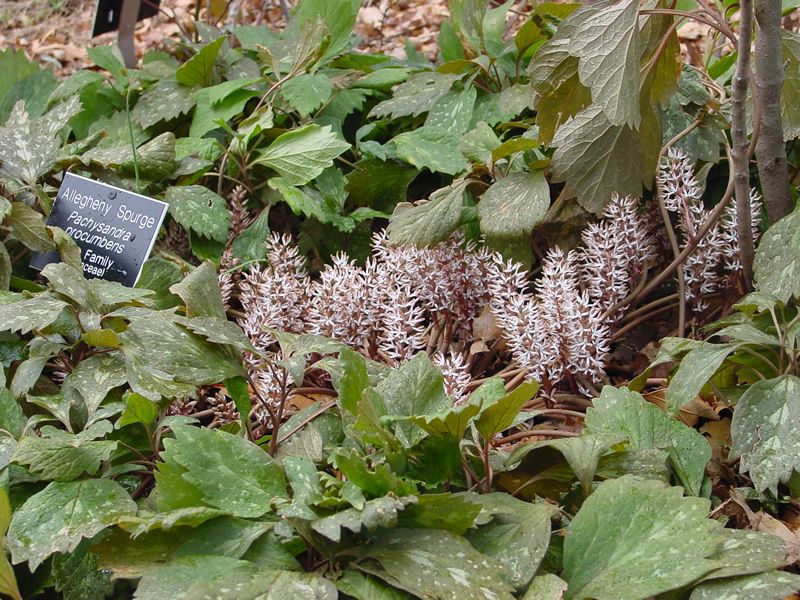
Here is the turn. Allegheny spurge (Pachysandra procumbens) is a North Carolina native that genuinely thrives in part to full shade, building a dense, semi-evergreen mat that outworks English ivy any day of the week.
This quiet hero spreads slowly by underground rhizomes, weaving a connected web of roots that grips the soil. Its leaves often carry a soft silver mottling, so it holds year-round interest.
In early spring, small fragrant white flower spikes rise before the new foliage fully unfolds.
To settle it on your red-clay slope, work in plenty of organic matter so the ground stays moist, humus-rich, and well-drained. Space plants about 6 to 12 inches apart, and they knit into a solid carpet 6 to 12 inches tall.
Give it a couple of seasons and you get a calm green cover where nothing else wanted to grow.
4. A Springtime Showstopper For Sun Or Part Shade: Creeping Phlox
Sunny slopes bake dry through our hot, humid North Carolina summers, and plenty of plants wilt under the pressure. You want color and erosion control, and it feels like you have to pick one.
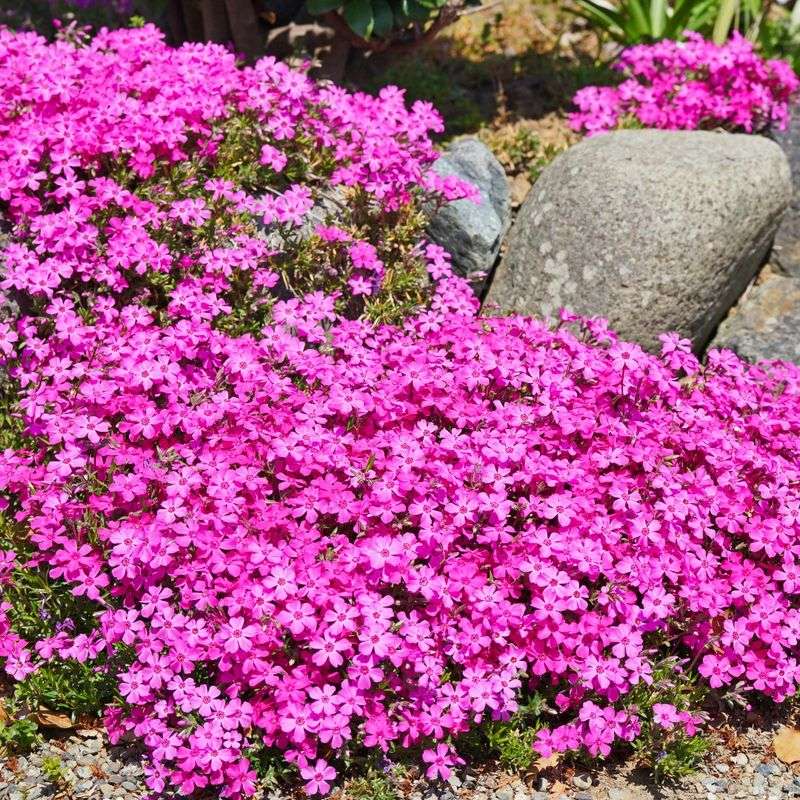
You do not. Creeping phlox (Phlox subulata) is a tough native perennial that handles full sun to partial shade and puts on a genuine show while anchoring the ground.
It forms dense mats of needle-like, semi-evergreen foliage that hold through winter. Then, from late March into April, usually for 3 to 4 weeks, the whole planting vanishes under small starry flowers in pink, purple, or white.
Its creeping habit fills in quickly and crowds out weeds.
Space plants about 12 inches apart. They spread vigorously, often reaching 2 feet or more across, forming a living tapestry down even steep banks.
Phlox tolerates lean clay once established, but a shot of compost gives it a stronger start and better drainage. Picture a cascade of color that holds your soil and shows up every single spring.
5. The Quietly Resilient Choice For Shade: Foamflower
Sometimes you want a ground cover that looks delicate and graceful, but deep down needs to be tough enough for serious erosion on a shaded bank. That sounds like a contradiction.
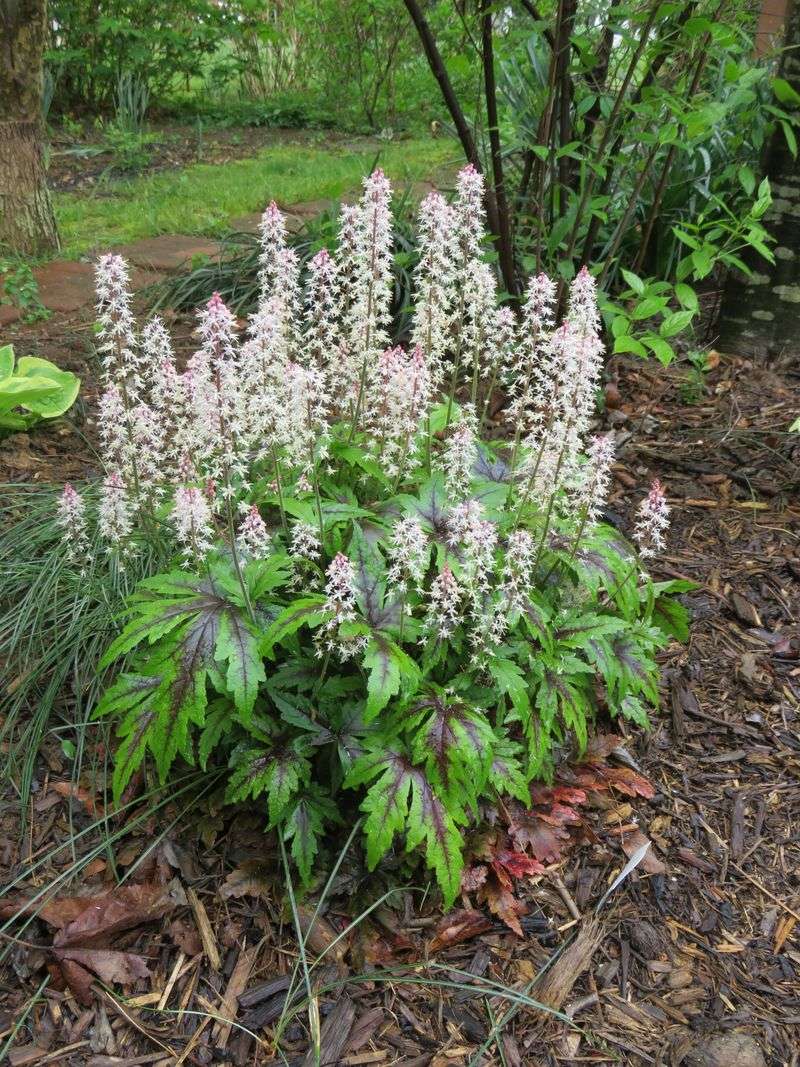
Foamflower (Tiarella cordifolia) genuinely delivers both. This North American native tolerates a range of soils, including clay, as long as drainage is decent and the ground carries some organic matter.
Its heart-shaped, lobed, semi-evergreen leaves form tidy clumps, often veined in red or purple that deepens to bronze when the weather cools. From March into July, foamy white to soft pink flowers float above the foliage on slim stems, feeding early native bees.
Foamflower creeps by stolons that root where they touch the soil, building a solid erosion-control mat with none of ivy’s bad habits. Plant them about 12 to 18 inches apart.
They grow 6 to 12 inches tall and knit into a low-maintenance carpet that steadies shaded slopes. It is a delicate beauty that pulls heavy-duty work.
6. For Shady, Moist Spots: Plantain-Leaf Sedge
What about the shaded slope that stays a little wetter than the rest, especially after another muggy North Carolina afternoon dumps a soaking storm on you? The trick is finding a plant that likes steady moisture without rotting, and still grips that red clay.
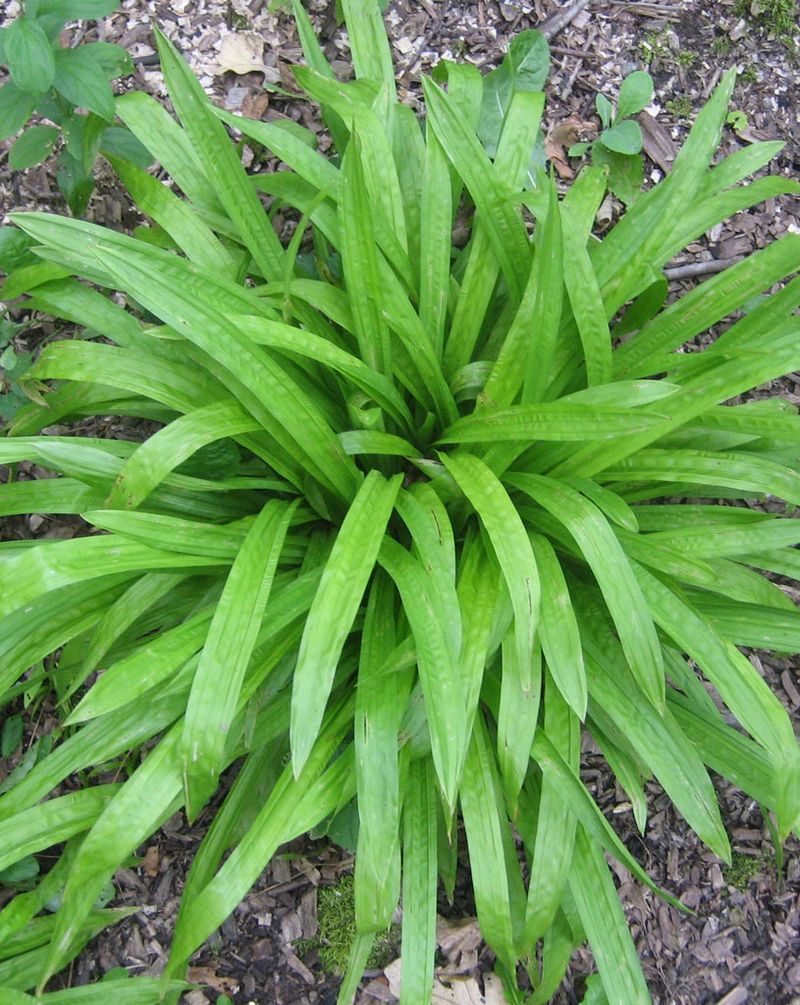
Reach for a native sedge. Plantain-leaf sedge (Carex plantaginea) is an evergreen, grass-like perennial that genuinely thrives in moist, shaded ground.
It forms clumps of broad, puckered, bright green leaves, unusually wide for a sedge, so it brings real texture to a bare bank. Its fibrous roots bind soil beautifully, and the evergreen foliage stays handsome through our mild winters, protecting the ground all year.
Plantain-leaf sedge likes humus-rich, well-drained soil and light to full shade. It can take dry shade once established, but full sun will scorch it and leave it struggling.
Space the clumps about 10 to 12 inches apart. They reach 8 to 12 inches tall and spread up to 24 inches wide, giving you dependable year-round green in those damp, tricky corners.
7. The Versatile Ground Cover For Mixed Light: Green-And-Gold
Plenty of slopes get a strange mix of light, maybe morning sun and deep afternoon shade. That shifting light makes plant picking a headache, especially when you also need erosion control and something cheerful to look at.
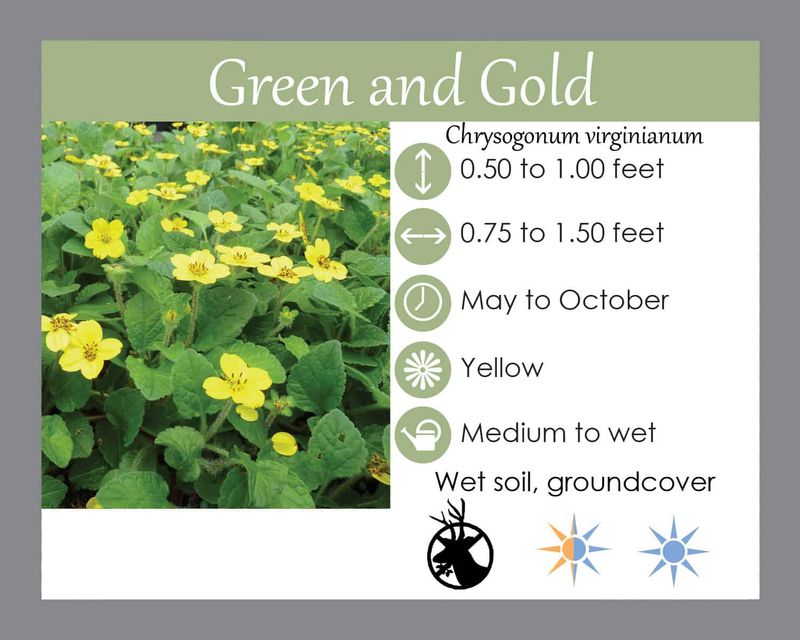
Green-and-gold (Chrysogonum virginianum) shrugs it off. This North Carolina native adapts to mixed light and brings genuine brightness to a stubborn bank.
It throws cheerful yellow, daisy-like flowers from spring through fall, often reblooming hard in a cool autumn. Its semi-evergreen foliage forms a spreading mat, usually 2 to 6 inches tall and up to 18 inches wide, so it stabilizes slopes and smothers weeds at the same time.
Green-and-gold takes part shade and full shade, and even full sun if the soil stays consistently moist. Work compost or pine bark fines into your red clay first, since it wants good drainage to settle in.
Space plants 12 to 18 inches apart so they spread into a dense mat. These golden stars hold the ground and brighten every season in the backyard.
8. What Else Actually Helps Keep Your Slopes In Place
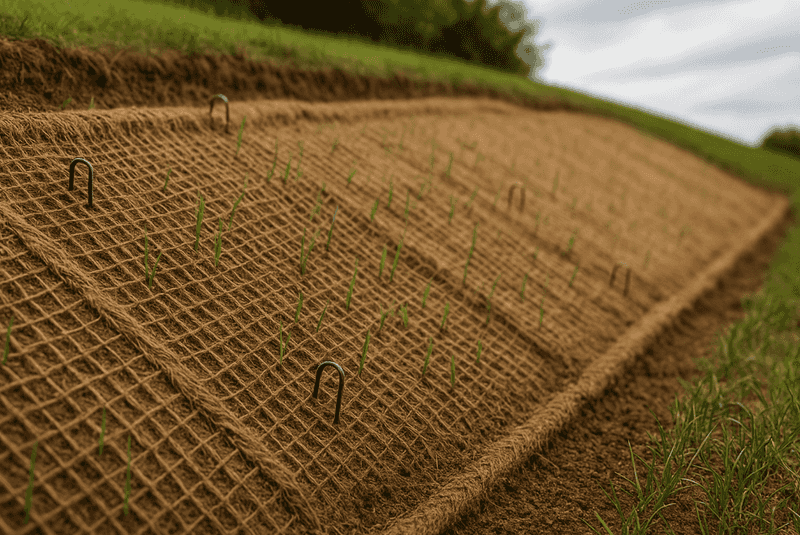
Even with the best natives in the ground, a red-clay slope sometimes needs backup. Our muggy summer downpours and hurricane season from June through November can wash out a young planting before its roots ever grab hold.
The answer is a layered approach. Before you plant, roll out a biodegradable erosion control fabric like jute or coconut coir matting.
It physically holds the soil while your natives build their deep root systems, and you can plant right through it. Over time it simply breaks down.
After planting, spread a 2 to 3 inch layer of shredded hardwood mulch over the fabric and around the plants. That holds moisture, blocks weeds, and softens the punch of heavy rain.
For truly steep banks, roughly steeper than a 3-to-1 grade, planting alone may not cut it. In those spots, regrading or building terraces gives you a stable foundation before anything goes in the ground.
Stack these layers together and your native heroes get their best shot. What you end up with is a slope that stays put, looks alive, and finally stops washing into the driveway.