
The Florida Yard Setup That Keeps Cardinals Coming Back To The Same Feeder All Year
Follow us on Google
Step onto your porch on a quiet Florida morning and you might catch a flash of red moving through the shrubs at the edge of the yard.
Northern Cardinals are one of the few birds that stay put year-round in Florida, and a well-placed feeder can make your yard a regular stop on their daily route.
Getting that setup right takes a little more thought than just hanging something from the nearest branch, but the payoff is real.
This guide walks you through exactly what works, what to skip, and how to keep cardinals coming back without creating new headaches along the way.
A Nearby, Open Feeder Gives Cardinals The Best Start
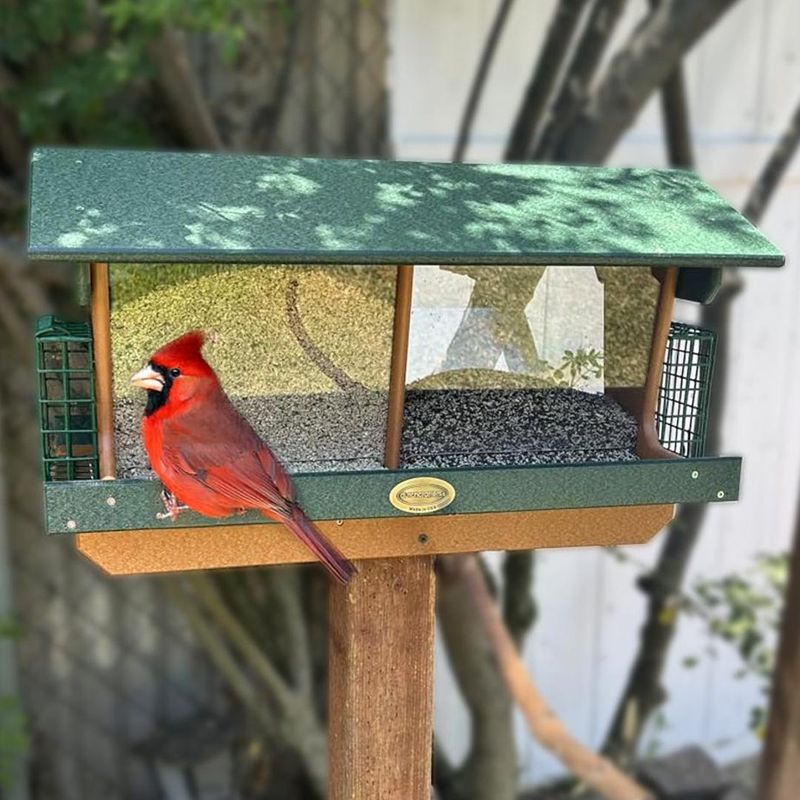
Pick a spot in your yard that sits roughly 10 to 15 feet away from your nearest dense shrub, tree trunk, or overhanging limb.
That gap is not random.
UF/IFAS guidance on backyard bird feeder selection recommends this spacing because it keeps escape cover close enough for birds to reach in a hurry while keeping the feeder far enough from vegetation that cats cannot crouch and wait undetected and squirrels cannot launch themselves across from a branch.
A pole-mounted platform or hopper feeder sitting about 5 feet above the ground is the right starting point.
That height puts the feeder in a cardinal’s natural comfort zone, well above the reach of a crouching cat but low enough that birds do not feel exposed the way they might at a tall hanging feeder swinging over an open lawn.
A patio edge, a corner of the porch railing, or a clear patch of lawn near a garden bed can all work, as long as you keep that 10-to-15-foot buffer from the densest nearby cover.
One thing worth saying plainly: no feeder location can guarantee that the same cardinals will visit every single day all year.
Cardinals are non-migratory and often stay within a familiar home range, so a consistent, well-stocked station may encourage repeat visits from birds already using your neighborhood.
But natural food sources, nesting season, weather, and territorial shifts can all pull them in a different direction on any given week.
The goal is to make your yard a reliable option, not to control where they go.
If you have a patio or porch, a spot visible from a window at about 10 to 12 feet from the nearest shrub line is a practical first choice.
You get the view, and the birds get a clear approach.
Cardinals Revisit Familiar Home Ranges, Not Guaranteed Feeders
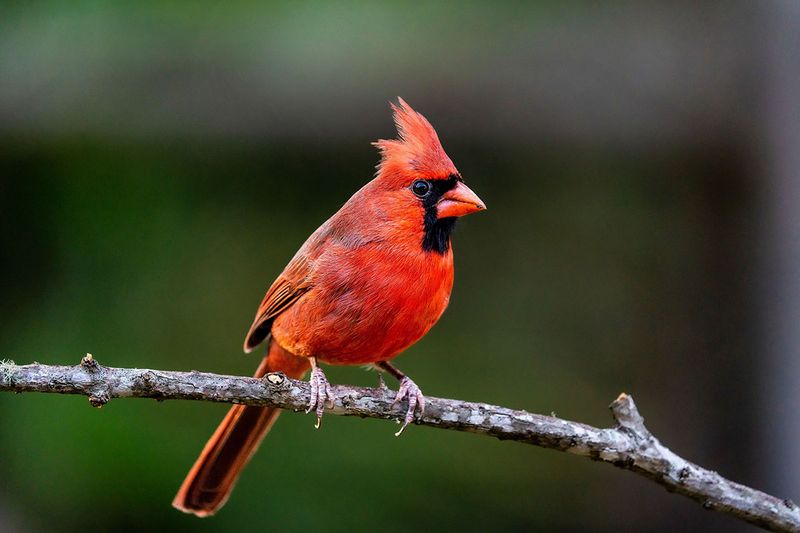
Most Florida homeowners who put up a cardinal feeder picture the same pair showing up every morning like clockwork.
That can happen, and it is genuinely satisfying when it does.
But understanding why it happens, and why it sometimes does not, saves a lot of frustration.
Northern Cardinals, Cardinalis cardinalis, are non-migratory birds.
Cornell Lab of Ornithology’s cardinal life history profile describes them as birds that use suburban yards, dense shrubs, hedgerows, and forest edges, making short flights between thickets and foraging in low shrubs, on the ground, and at feeders.
A pair may stay within the same home range through the year, which is what gives that impression of loyalty to a particular spot.
The distinction worth keeping in mind is that a bird using a familiar home range is not the same as a bird committed to one specific feeder.
Cardinals respond to what is available.
During spring and summer nesting season, insects become the priority, especially for feeding nestlings, so seed from a feeder matters less than it does in fall and winter.
When wild berries ripen in a nearby thicket, birds may disappear from your feeder for days at a time.
A territorial dispute with a neighboring male can shift a pair’s movements entirely.
Weather plays a role too.
A tropical storm rolling through the Gulf Coast or a stretch of unusually cold nights in North Florida can disrupt even the most established visiting patterns.
Predators near the yard, a new outdoor cat in the neighborhood, or a competing feeder two houses down can all reduce visits without any fault on your part.
What a good feeder setup actually does is lower the friction for birds already in the area.
It makes your yard one of the easier, safer stops on a route they are already traveling.
That is a realistic and worthwhile goal.
Build The Station Around An Open Approach
Here is where a lot of feeders go wrong before a single bird ever shows up.
Many people hang a feeder from the nearest convenient branch or tuck it inside a dense shrub because it looks natural.
Both choices create problems that a well-placed pole avoids entirely.
A feeder hanging from a branch gives squirrels a direct highway.
They will figure it out within a day or two, sometimes hours.
A feeder buried in a shrub may feel sheltered, but UF/IFAS guidance on managing backyard wildlife conflicts makes clear that hidden placement increases the risk of ambush from cats and gives squirrels more cover to work from.
The feeder looks protected, but the birds are actually more vulnerable.
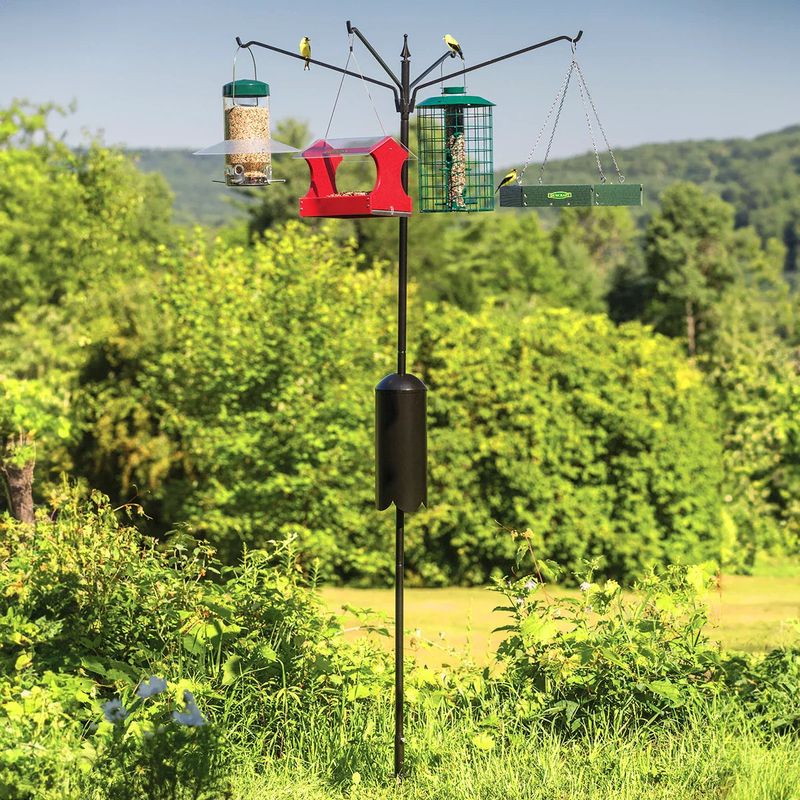
A freestanding metal or powder-coated steel pole, with a squirrel baffle mounted below the feeder, changes the math.
Squirrels cannot jump straight up a smooth pole with a baffle blocking the way, and cats have no shrub to crouch behind.
The open approach that makes the feeder feel exposed to you is actually what makes it safer for the birds.
Florida’s weather adds another layer to consider.
Summer afternoon storms can be intense, and a platform feeder on a well-anchored pole handles wind better than a feeder swinging from a cord.
Audubon’s winter bird feeding guide recommends mounting hopper feeders on poles about 5 feet above the ground, and that height also keeps the seed tray from collecting standing water after a downpour if you choose a platform design with drainage.
The nearby shrubs still matter.
Cardinals want to know that cover is 10 to 15 feet away, close enough to reach in two or three wing beats if something startles them.
But the shrub is the escape route, not the dining room.
Keep the feeder itself in the open, and let the birds decide when to use the cover.
Start With Black-Oil Sunflower Seed
Walk into any Florida feed store or garden center and you will find a wall of seed options.
Most of them are fine for some birds and irrelevant to cardinals.
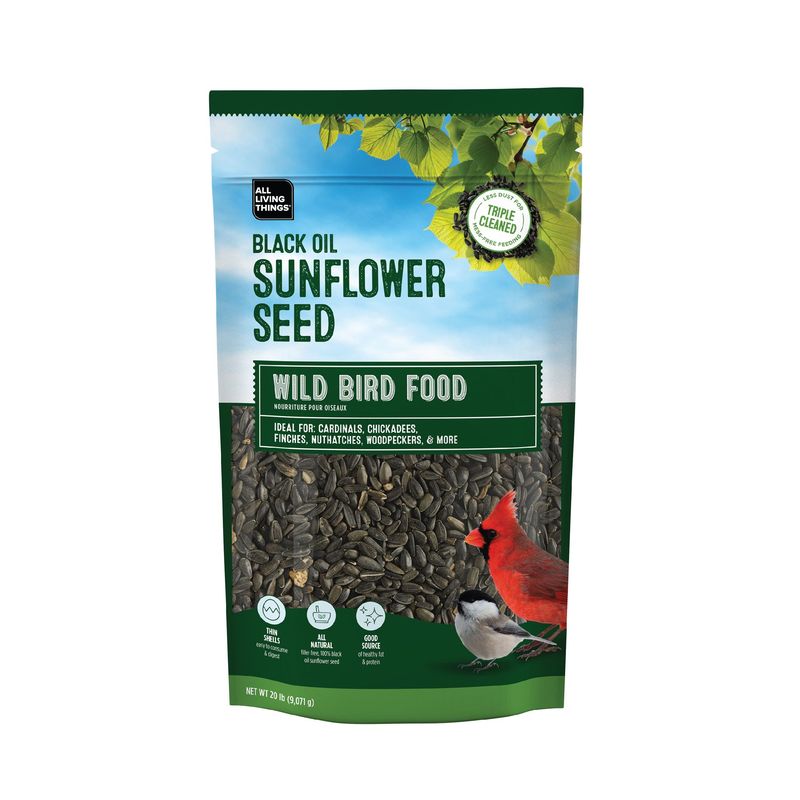
Black-oil sunflower seed is the place to start.
Cornell Lab’s guide to bird seed types explains that black-oil sunflower has a thinner shell than striped sunflower, which makes it easier for cardinals to crack open with their strong, conical bills.
Cardinals eat it readily, and it attracts a range of other birds you probably would not mind seeing either.
Fill the platform or hopper with black-oil sunflower and you have covered the basics.
Safflower seed is a reasonable second option and works well in a platform or hopper feeder.
Some sources suggest squirrels dislike safflower, but Cornell notes that squirrels and certain other birds can develop a taste for it over time.
Offer it if you like, but do not count on it to solve a squirrel problem.
The baffle and pole placement handle that more dependably.
One thing a feeder full of sunflower seed does not do is replace everything else a cardinal needs.
Audubon’s guide to attracting Northern Cardinals notes that cardinals also eat fruits, buds, insects, and other seeds throughout the year.
During nesting season, adults feed nestlings almost entirely on insects, not seed.
The feeder is one part of the picture, a reliable and attractive part, but not the whole story.
Keep the seed dry and fresh.
Wet or clumped seed in a Florida summer can go bad within a day or two.
A hopper design that protects seed from rain helps, and checking the feeder every few days during the wet season takes less time than you might think.
Dump any damp or discolored seed immediately and refill with fresh stock.
Add Water And Region-Appropriate Cover
Seed gets cardinals to the feeder.
Water and cover can turn your yard into a place they actually want to spend time in.
The difference between a yard that gets occasional visits and one that cardinals treat as a regular stop often comes down to whether those two elements are present and well-maintained.
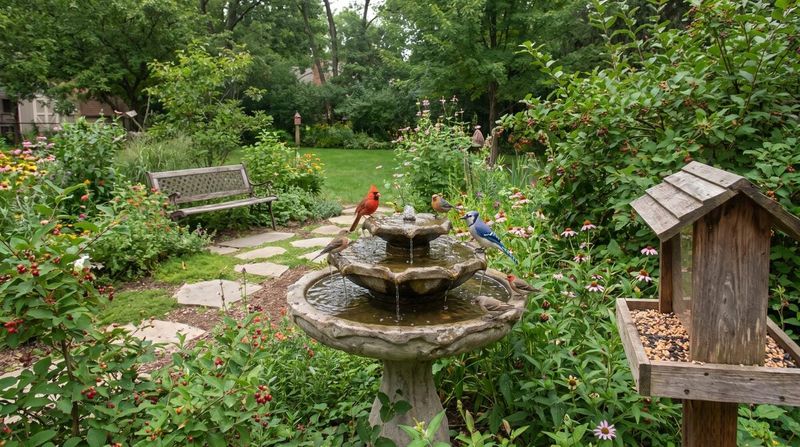
American Bird Conservancy’s winter backyard bird guidance recommends a birdbath no deeper than 3 inches, with a textured or rough surface that birds can grip.
Florida’s heat evaporates water fast and can turn a stagnant bath into a mosquito nursery within days.
Refresh the water every one to two days during summer and place the bath away from the feeder so falling seed hulls and droppings do not foul the water before birds even get a drink.
Native shrubs add another layer.
UF/IFAS Gardening Solutions lists several Florida-native, bird-friendly plants that provide fruit, insects, and cover.
American beautyberry, Callicarpa americana, is one worth knowing.
It produces clusters of bright purple berries that cardinals eat, grows in Florida’s sandy soils, and tolerates part shade reasonably well.
UF/IFAS notes that beautyberry is not salt-tolerant, so if you live along the Gulf Coast or the Atlantic Coast with regular salt spray, it is not the right choice for an exposed spot.
Region matters for every plant decision in Florida.
In the Panhandle and North Florida, a shrub like firebush, Hamelia patens, can die back after a hard freeze, though it often returns from the roots in spring.
In Central Florida, brief cold snaps can set back tender growth without killing it outright.
In South Florida and the Keys, shallow limestone soil, heavy tropical rains, and salt exposure all narrow the list of what actually thrives.
No single native shrub works everywhere in the state, so check with your local UF/IFAS Extension office before planting for birds.
Reducing pesticide use around the yard can also help by leaving more insects in place, and cardinals need those insects, especially when they are raising young.
That is not a guarantee of more birds, but it supports a more complete habitat that gives cardinals reasons to stay beyond the seed.
Clean Food Keeps The Welcome Safe
A feeder that goes weeks without cleaning in Florida’s heat and humidity is not just unpleasant to look at.
Wet seed, mold, and accumulated droppings create conditions that can spread illness among the birds you are trying to help.
The maintenance side of feeding birds is not glamorous, but skipping it can quietly undo everything else you set up correctly.
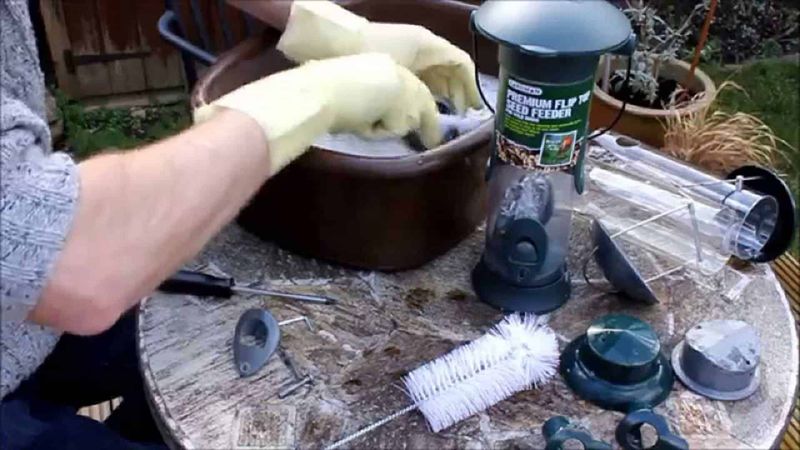
UF/IFAS recommends cleaning seed feeders with a 10 percent bleach solution for glass, ceramic, and plastic feeders, followed by thorough rinsing and complete drying before you refill them.
Every 2 to 3 weeks is a reasonable baseline.
During Florida’s hot, wet summer months, more frequent cleaning, every week or even more often, is appropriate because mold can develop in damp seed within a day or two of a good afternoon storm.
Clear out the area beneath the feeder regularly as well.
Spilled seed and seed hulls pile up fast, and that debris can attract rodents and harbor bacteria.
A small rake or a quick sweep every few days keeps the ground below the station from becoming its own problem.
The USGS National Wildlife Health Center’s guidance on feeder safety reinforces that poorly maintained feeders can contribute to the spread of disease among wild bird populations.
If you notice multiple birds acting lethargic, losing feathers in unusual patterns, or if you find more than one dead bird near the feeder, take the feeder and the birdbath down temporarily.
Do not handle sick or dead birds with bare hands.
Keep pets away from the area.
Contact the Florida Fish and Wildlife Conservation Commission or a licensed wildlife rehabilitator for guidance before putting the station back up.
There is no current statewide bird illness outbreak in Florida that should alarm every feeder owner, but responsible feeder maintenance is always the right habit regardless of what is happening elsewhere.
A clean feeder is simply a better feeder, and birds can tell the difference.
Protect Cardinals From Glass, Cats, And Ground-Level Risks
You can get everything else right and still lose birds to a problem that has nothing to do with seed or placement.
Windows, outdoor cats, and the temptation to set a feeder too low are three risks that a good setup needs to account for directly.
Window collisions are a genuine hazard for cardinals and many other species.
Advice on feeder-to-window distance varies among different authorities, and no single distance eliminates the risk entirely.
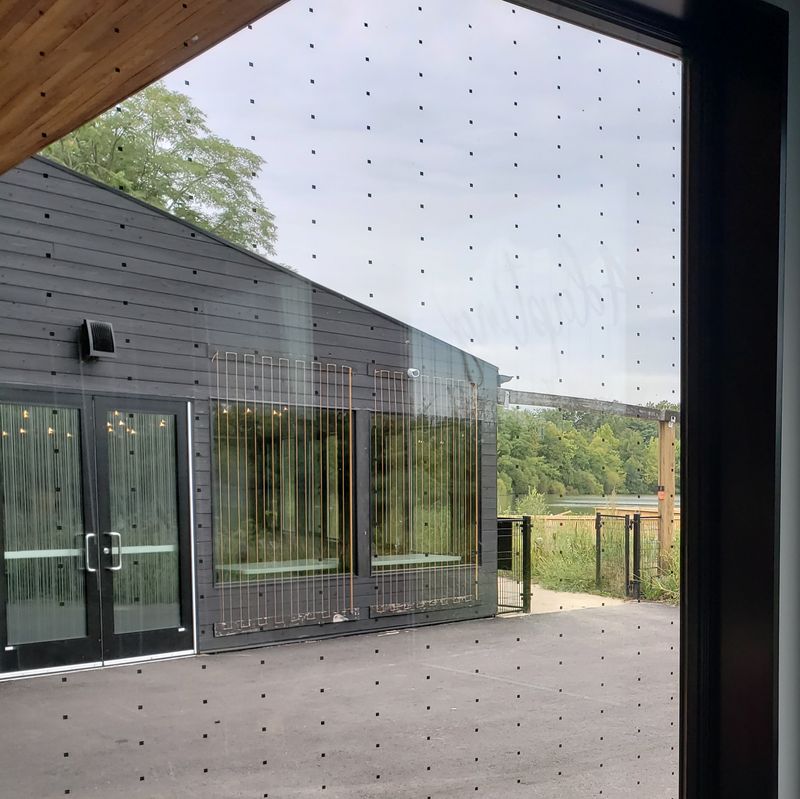
USGS guidance on preventing bird window strikes recommends applying outside markers in a 2-inch-by-2-inch grid pattern across reflective glass.
That spacing is specific and matters.
Larger gaps let birds try to fly through.
The treatment goes on the outside of the glass, not the inside, because reflections on exterior surfaces are what fool birds in the first place.
Window screens, exterior shade cloth, or commercially made bird-safe films applied to the outside all work on the same principle.
Monitor your windows after setting up a feeder.
If you find a stunned or dead bird near the glass, that window needs treatment before you refill the feeder.
American Bird Conservancy emphasizes that window treatments are necessary because distance from the feeder alone does not make glass safe.
Outdoor cats are a separate issue that feeder placement can reduce but not eliminate.
The open pole setup with a baffle removes the most obvious ambush points near the feeder itself.
But a cat that roams freely can still wait at the edge of cover or patrol the area at dawn when cardinals are most active.
Audubon has documented that free-roaming cats pose a significant risk to ground-feeding and low-foraging birds like cardinals.
Keeping cats indoors is the most effective solution, and talking with neighbors about their cats is a reasonable step if the problem is ongoing.
Low does not mean ground-level.
A feeder at 5 feet on a pole is low relative to a canopy feeder, not low enough to be within easy reach of a cat or a child.
Keep that distinction clear and the setup stays safer for everyone.
Support A Cardinal Routine Instead Of Trying To Control It
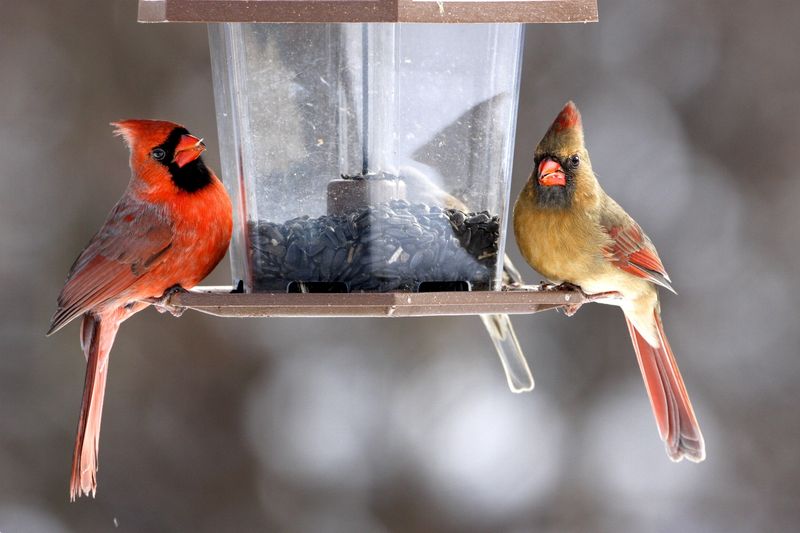
Cardinals are not house pets.
They do not owe you a daily appearance just because you filled the feeder.
What a well-designed yard can do is lower every barrier that might send them somewhere else, and raise the chances that when a cardinal is already moving through the neighborhood, your yard is the obvious next stop.
The feeder placement, the seed, the water, the clean conditions, and the safe windows all work together.
UF/IFAS describes Northern Cardinals as birds that use suburban yards, shrubby edges, and ornamental landscaping as part of a broader home range.
When your yard offers reliable food and water in a setting that feels safe, it becomes part of that range.
When it does not, birds find another route.
Insects matter more during nesting season than anything in your feeder.
Cornell Lab notes that cardinal nestlings are fed mostly insects, not seed, during the weeks after hatching.
Reducing pesticide use around the yard supports the insect populations that cardinals need to raise young, and native plants support those insects.
But neither measure is a switch you flip to summon more cardinals.
They are investments in a fuller habitat that gives birds more reasons to stay beyond the sunflower seed.
Plant choices stay local.
Firebush, Hamelia patens, works well in Central and South Florida but can die back after a hard freeze in the Panhandle.
Beautyberry suits inland Florida yards with sandy soil but struggles in salt-exposed coastal spots.
The feeder guidance in this article travels across the state more reliably than any single plant recommendation does.
Set up the station, keep it clean, protect the windows, manage the cat risk, and let the cardinals decide the schedule.
A yard that earns regular visits is a better outcome than one that promises them, and honestly, the flash of red showing up on its own terms is what makes it worth doing.