
Why North Carolina Asparagus Takes A Few Years Of Patience But Feeds The Same Bed For Decades
Follow us on Google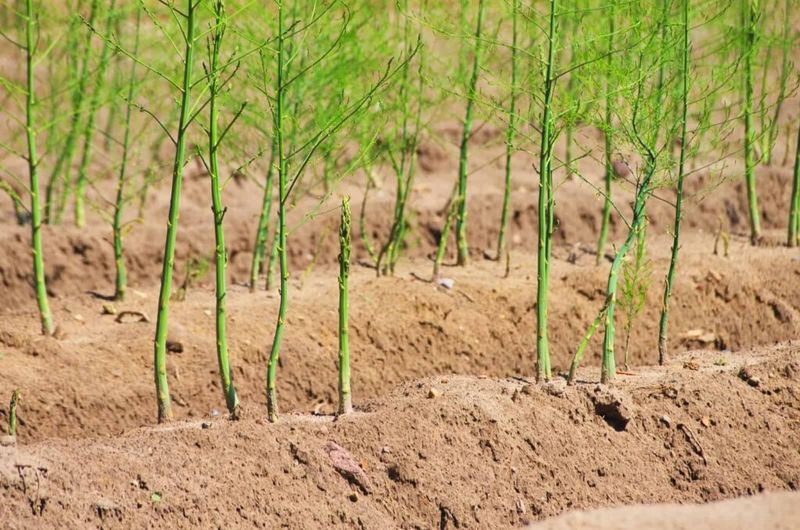
Plant asparagus crowns in your North Carolina yard this winter and the bed might look like a complete waste of space for the first two springs. That is not failure, that is the plant doing exactly what it needs to do underground.
A well-sited, well-managed bed of Asparagus officinalis can produce spring spears for 15 years or more from a single planting, and with the right conditions, two decades is a real possibility. The trick is understanding what those first quiet seasons are actually building.
The Sparse Bed Is Building Its Future
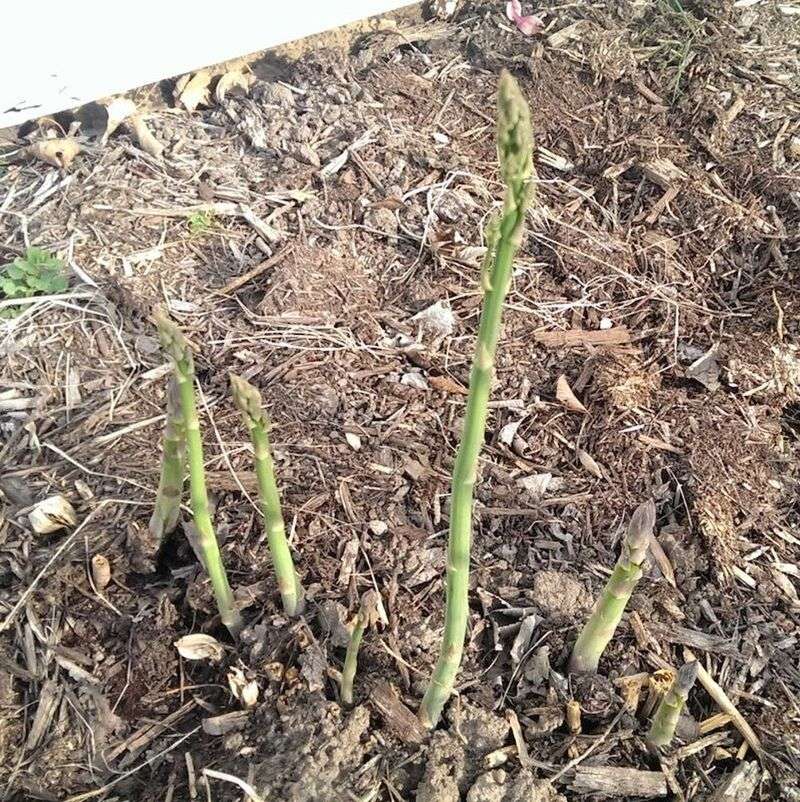
Pull back the mulch on a freshly planted asparagus bed in February and you will find almost nothing worth bragging about at the garden center. A few pale nubs poking up, some scraggly root tangles, and a whole lot of dirt.
That sparse look is not a warning sign, it is the plant keeping its promise to itself underground.
Newly planted crowns spend their first season building roots and underground storage tissues called rhizomes. Those tissues are what the plant will draw on every spring to push up the spears you actually want to eat.
Harvest those first shoots before they can mature into tall ferns, and you rob the plant of its chance to build that reserve. NC State Extension’s home-garden asparagus guide is clear on this: skip harvest entirely during the first growing season, and keep any second-year harvest to no more than two weeks.
After that short second-year window, let every spear grow into fern. Production increases gradually from there, not all at once.
Some gardeners choose to skip the second-year harvest too if the plants look thin or weak, waiting until year three for the first real taste.
The payoff for that patience is significant. NC State reports a properly planted and managed bed can produce for 15 years or more, and Penn State Extension’s home-garden guidance puts the range at 15 to 20 or more years.
Two decades is genuinely possible, but it depends on how you manage the bed from day one, not just how long you wait.
One important distinction: this timeline applies to crowns, not seed. Asparagus started from seed takes longer because the first season goes entirely to seedling growth.
If you buy one-year-old crowns from a nursery, you are already a year ahead.
Choose Ground That Can Support A Permanent Crop
Asparagus is not a crop you move around. Once those crowns are in the ground and the roots spread out, that spot belongs to asparagus for the next 15 to 20 years.
Choosing the wrong location is the kind of mistake you will remember every spring when the bed underperforms or fails outright.
Full sun is non-negotiable. Asparagus needs at least eight hours of direct light daily to build the energy reserves that fuel next year’s spears.
Deep, well-drained soil matters just as much. NC State’s asparagus production guide specifically warns against saturated conditions, noting that prolonged wetness and poor drainage can shorten a bed’s useful life considerably.
North Carolina’s variable soils create real differences across the state. Piedmont red clay holds water after heavy rain and can stay soggy for days, which is hard on asparagus roots.
If that describes your yard, work in organic matter well before planting, or build a raised bed to keep the crowns above the waterline. Sandy Coastal Plain soils drain fast but may need closer attention to moisture during dry stretches.
Disease is another reason to think hard about site history. Avoid any ground where asparagus has grown before, because Fusarium pathogens can persist in the soil for years and ambush a new planting before it ever gets established.
Planting time varies by region. Eastern North Carolina gardeners can generally get crowns in the ground in February when soils are workable.
Piedmont and mountain gardeners should wait until after the danger of hard freezes has passed but before growth begins in earnest, usually late winter into early spring. Plant dormant crowns, not crowns that have already begun to sprout.
Perennial weeds are one more thing to clear before you plant. Nutgrass and other deep-rooted weeds are nearly impossible to remove once asparagus fills in, and NC State’s home-garden guide flags weed competition as a serious threat during establishment.
Prepare And Plant Crowns For Longevity
Here is where it gets tricky: asparagus rewards careful preparation more than almost any other vegetable because you only get one good shot at it. Rush the soil work, buy cheap crowns, or skip the soil test, and you will spend the next decade managing a bed that never quite delivers.
Start with a soil test before you add anything. NC State’s guidance places the ideal pH for asparagus in a near-neutral range, generally around 6.0 to 7.0, with some production guidance favoring the upper end near 6.7 to 7.0.
Do not guess at lime or fertilizer rates. Follow your North Carolina soil-test report and amend accordingly.
The NC State asparagus gardening page recommends working organic matter into the soil well ahead of planting to improve structure and drainage.
Buy one-year-old, disease-free crowns from a reliable nursery. For North Carolina home gardens, NC State lists Jersey Giant, Jersey Knight, and Jersey Gem as solid cultivar choices.
Modern all-male hybrids like these generally produce more spears and avoid the seed production that pulls energy away from root reserves, though cultivar performance can vary and regional adaptation matters in the humid Southeast.
For spacing, the older NC State home-garden guide recommends rows 5 feet apart with crowns 12 inches apart within the row. Newer NC State crown production guidance uses a broader crown-spacing range of 5 to 8 inches, so 12 inches is a practical, easy-to-follow number for a homeowner bed with a little extra breathing room.
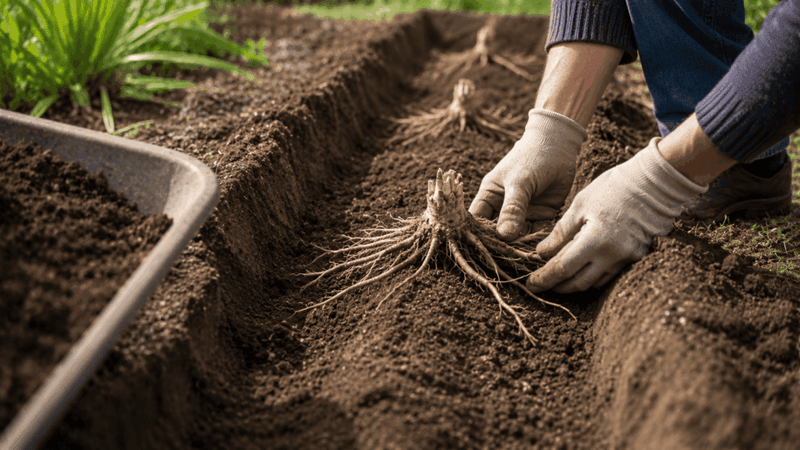
Set each crown with the buds pointing upward in a trench about 6 to 8 inches deep. Cover the crowns with roughly 2 inches of soil at first, then add more soil gradually as shoots emerge until the trench is level with the surrounding bed.
Burying them too shallowly can expose the crowns, while planting too deep can slow emergence.
Let Harvests Grow With The Bed
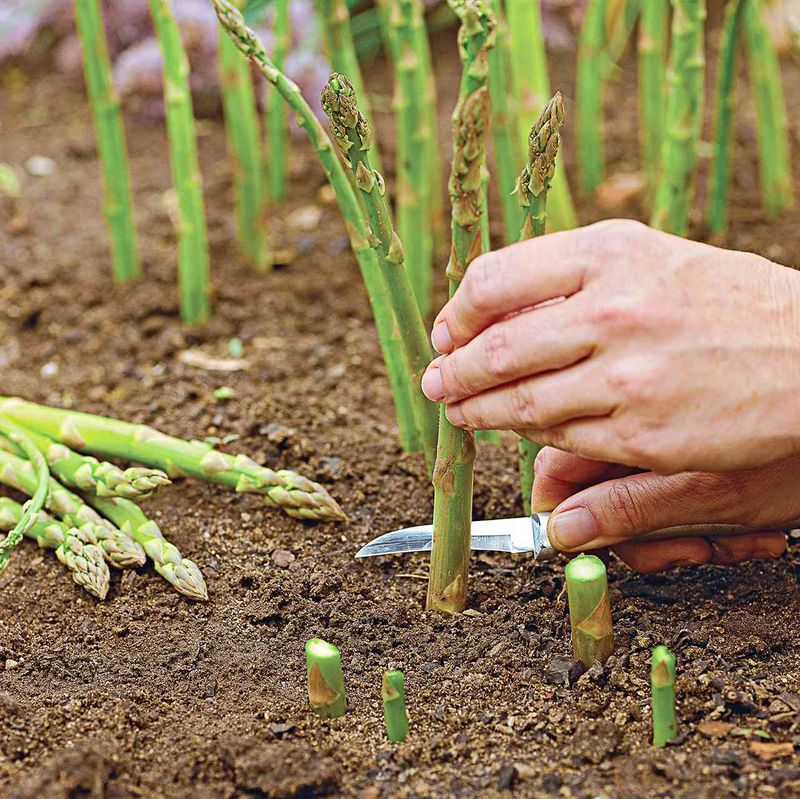
Many gardeners plant asparagus expecting a full spring harvest by year two, then feel shortchanged when the bed produces a handful of thin spears and stops. That is not the bed failing, it is the bed asking for more time.
Think of the harvest window as something that grows alongside the planting. First-year crowns get no harvest at all.
Second-year crowns may receive a light harvest for no more than two weeks, and only if the plants look strong. Some gardeners skip the second-year harvest entirely and wait until year three, which is a reasonable choice if the bed got off to a slow start.
Penn State’s asparagus production guidance describes the progression in practical terms: roughly one week of harvest in the first harvest year, about two weeks in the second, three weeks in the third, and eventually six to seven weeks near full maturity. Home beds vary, so treat those figures as a general pattern rather than a fixed calendar.
NC State’s home-garden guide describes working up to six- to eight-week harvests after the second year, with other guidance suggesting full maturity arrives closer to the fourth or fifth year.
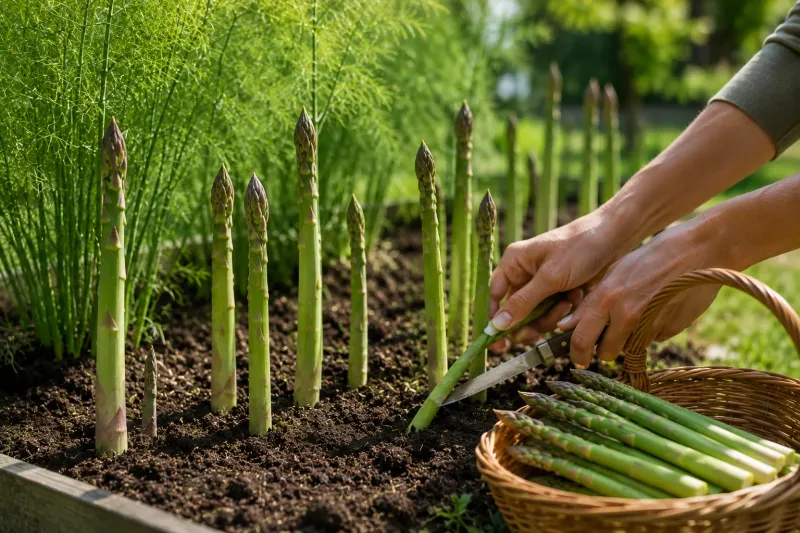
When you do harvest, cut young, tender spears at ground level when they reach about 6 to 8 inches tall. Stop harvesting when the bed starts producing mostly thin, pencil-width spears.
That shift is the plant telling you the crown’s energy reserves are running low for the season.
Restraint in the early years actually builds future production. Every spear you leave to become fern is a deposit into next spring’s harvest.
Pushing the harvest too hard too soon is one of the fastest ways to shorten a bed’s productive life.
Protect The Fern That Powers Next Spring
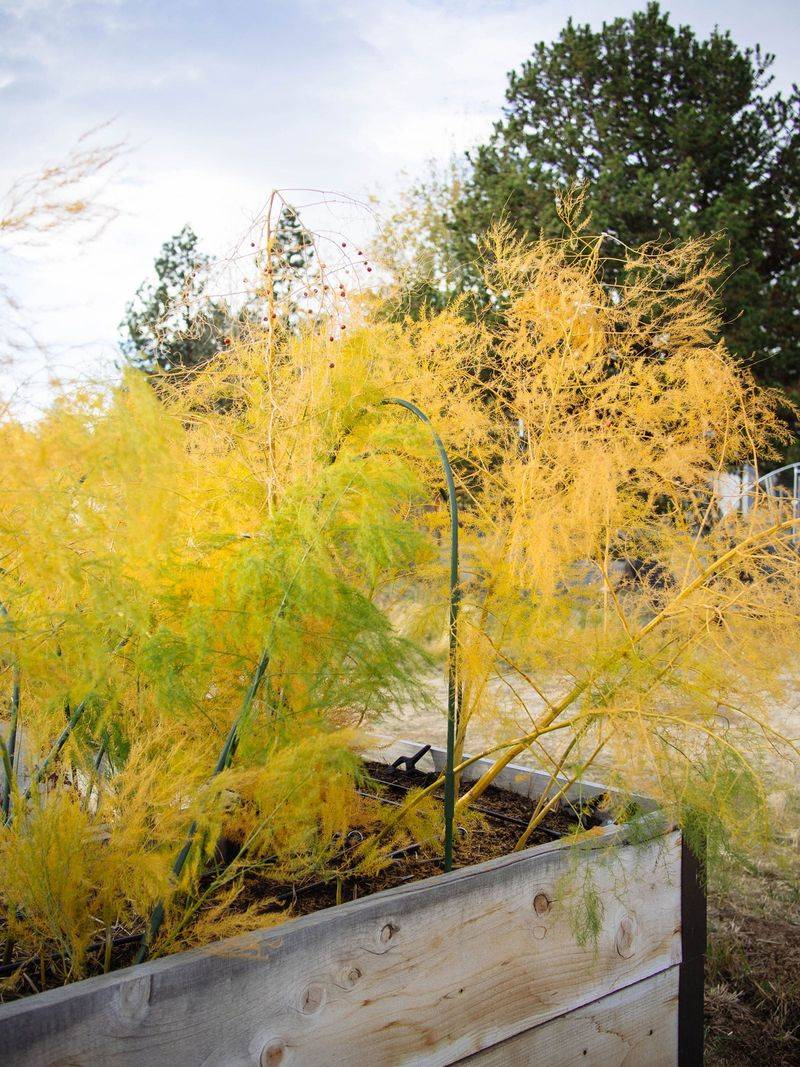
Once harvest ends, those leftover spears shoot up into tall, feathery fern growth that can reach 4 to 6 feet by midsummer. A lot of gardeners look at that tangle of green and wonder whether they should just cut it down and tidy things up.
Do not.
The fern is not waste and it is not bolting. It is the plant’s solar panel for the entire off-season.
Those fern fronds photosynthesize sunlight and send carbohydrates down into the crown’s root system, rebuilding the energy reserves that will push up next spring’s spears. Research on asparagus carbohydrate dynamics found that storage reserves in the crown drop during harvest and then recover as the fern matures through summer and fall.
Cut the fern early and you interrupt that recovery.
NC State specifically warns that cutting fern before it turns brown can reduce the following year’s spear crop. In North Carolina, that means leaving the fern standing through summer and into fall, even when it starts to look ragged.
Wait until it turns brown and dies back naturally before cutting it down.
After cutting, remove or destroy the dead foliage rather than leaving it on the bed. Old fern material can harbor disease pathogens that carry over into the next season.
Michigan State Extension’s post-harvest management guidance reinforces this approach, emphasizing that healthy fern growth after harvest is central to long-term bed productivity, not an unwanted aftermath. Keep weeds out of the fern too.
They compete for light and nutrients, and clearing them once the fern is tall is genuinely difficult without damaging the crowns below.
Manage Wetness, Disease, And Weeds
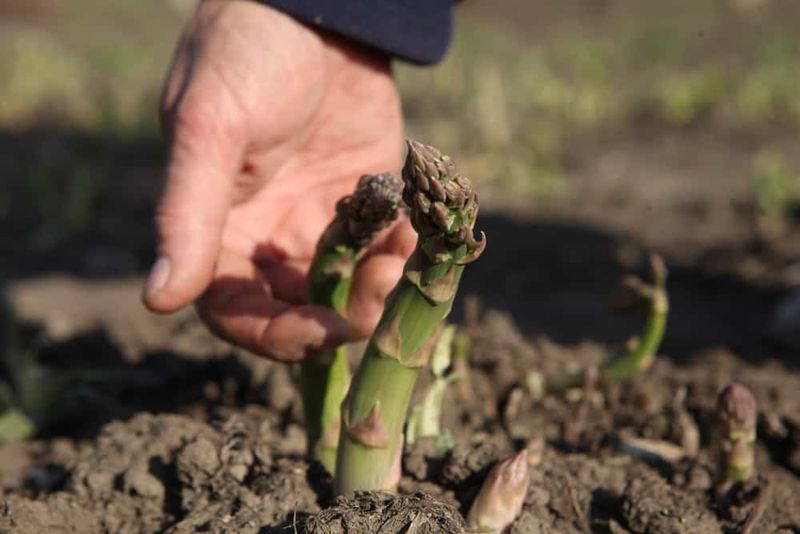
North Carolina is a genuinely challenging place to grow a long-lived asparagus bed. Humid summers, heavy seasonal rain, and occasional stretches of saturated soil create conditions where disease can take hold faster than many gardeners expect.
Fusarium crown and root rot is the biggest threat to asparagus longevity in the state. The pathogen responsible can persist in the soil for many years, which is why NC State’s production guide advises choosing ground with no history of asparagus production.
Once Fusarium establishes in a bed, it is very difficult to eliminate, and it can cause a planting to decline years before its natural lifespan ends. UC IPM’s Fusarium documentation confirms the pathogen’s persistence and the importance of site selection and disease-free planting material.
Prolonged wetness and saturated soil after heavy rain create exactly the conditions Fusarium needs to spread. Good drainage is your best defense, and a raised bed is worth the extra work if your yard holds water.
Compaction is a related problem: foot traffic over the bed can squeeze out the air spaces that asparagus roots need, so keep people and equipment off the planting area.
If an older bed starts declining, do not assume it has simply run out of years. Disease pressure, poor drainage, weed competition, and a history of overharvesting are all common causes of early decline.
NC State’s home-garden guidance points to these factors rather than age alone.
Asparagus beetles are the main insect pest to watch for in North Carolina. Scout the bed during harvest and fern seasons and consult the NC State asparagus pest guide for current management options.
Any pesticide use must follow the current product label, including crop listing, preharvest intervals, and protections for beneficial insects. Weed pressure compounds every other problem, so stay consistent with cultivation and mulch from day one.
Decide Whether The Long Wait Fits Your Yard
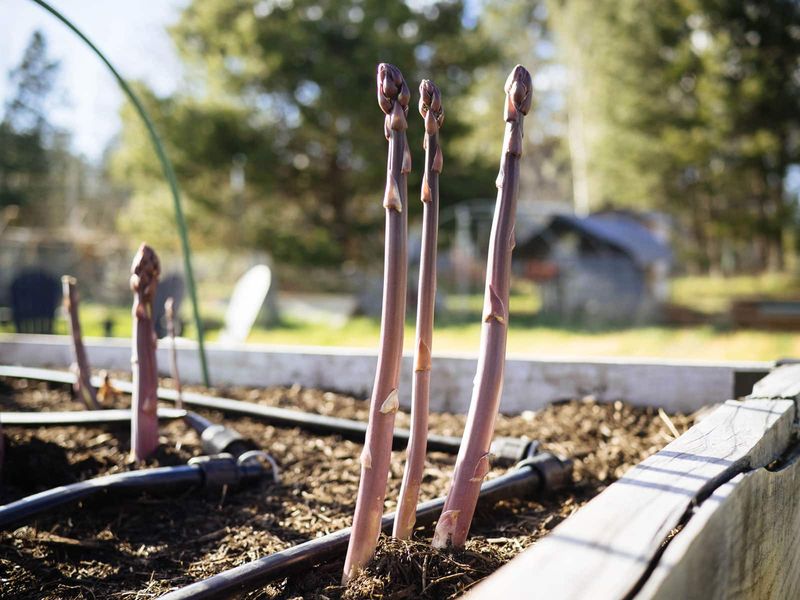
Asparagus asks for something most vegetables do not: a permanent piece of your yard and a few seasons of restraint before it gives much back. That is a real commitment, and it is worth thinking through honestly before you plant.
A well-sited North Carolina bed can produce for 15 years or more under good management, and Penn State’s home-garden guidance puts the upper range at 15 to 20 or more years. But Utah State Extension gives a more conservative estimate of 10 to 15 years, which is a reminder that neither a long nor a short lifespan is guaranteed.
Actual longevity depends on drainage, disease prevention, cultivar choice, weed control, healthy fern growth, and disciplined harvesting, not any one factor alone.
One safety note before you plant: female asparagus plants produce small red berries in late summer. Those berries are not edible.
NC State’s Plant Toolbox warns that eating them may cause gastrointestinal problems. Keep children and visitors away from them, and consider all-male hybrid cultivars partly for this reason.
The decision comes down to a simple question about your yard. Do you have a sunny, well-drained spot you can protect from foot traffic, perennial weeds, and future renovation projects for the next 15 years or more?
If yes, asparagus is one of the most rewarding permanent investments a North Carolina gardener can make. If the spot might become a patio or a play area in five years, a different crop will serve you better.
Plant it right, protect the fern every summer, and treat the first two springs as deposits rather than delays. The bed that looks like nothing today is quietly deciding how many springs it will feed you.