
Plant These Native Texas Vines Instead Of Wisteria That Cover A Fence Without Taking Over
Follow us on Google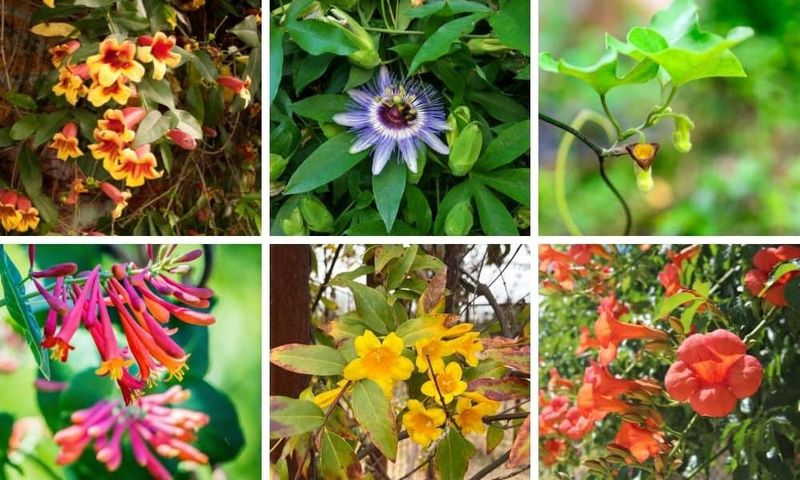
You step outside before breakfast and the patio already feels warm, carrying the sweet scent of something blooming down the street.
It is a lovely smell, and you might picture that same purple cascade softening your own fence.
But pause before you grab that wisteria at the nursery, because many Texas homeowners learn the hard way that its charm comes with a fight.
The good news is you can get that gorgeous, fence-covering vine without battling a green monster every summer.
Texas offers native climbers that behave themselves, feed hummingbirds, and genuinely stay on their side of the fence.
1. The Problem With Pretty Invaders
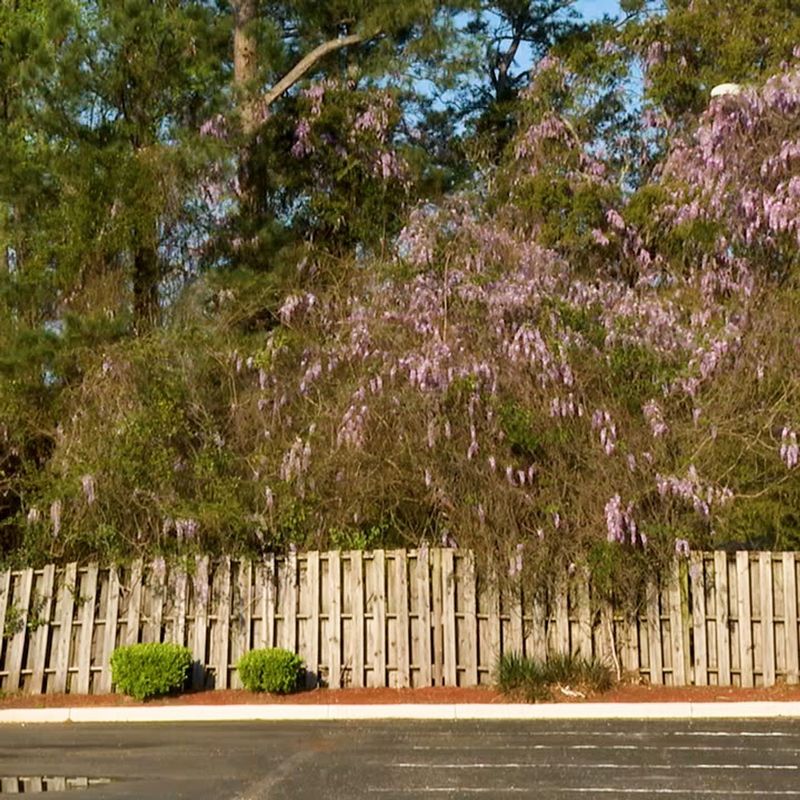
You buy one small wisteria in a gallon pot, and three years later it is trying to eat your garage.
That is the honest story of the wisteria most folks plant across Texas, which is almost always Chinese wisteria (Wisteria sinensis) or Japanese wisteria (Wisteria floribunda).
Neither one is native here, and both are aggressive beyond belief.
They can shoot out 10 feet of new growth in a single season, and their woody stems wrap tight enough to strangle a mature tree, cutting off its circulation until it dies.
Picture that same grip on your fence posts or the eaves of your house.
Texas A&M AgriLife Extension and texasinvasives.org both flag these as escape artists that spread by seed and by underground runners that root wherever they touch.
So you are not just planting a vine, you are signing up for a yearly wrestling match.
If you want a climber that actually knows how to stay put, these foreign wisterias are not it.
The next few vines are.
2. Meet The Good Neighbor Vine Crossvine
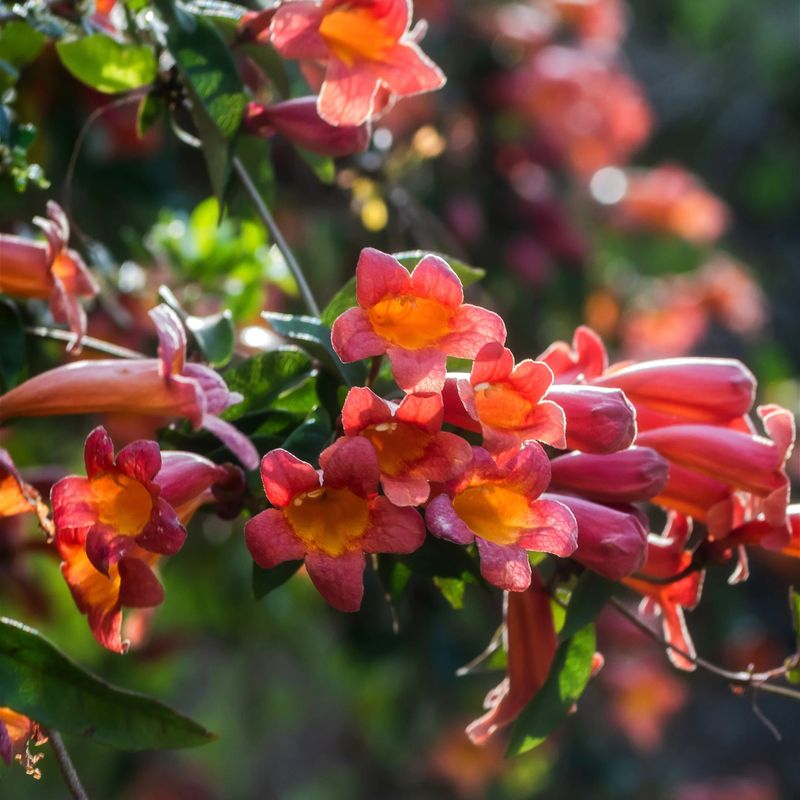
Imagine a vine that climbs on its own, blooms like a sunset, and never once tries to sneak into your neighbor’s yard.
That is crossvine (Bignonia capreolata), a Texas native with glossy, semi-evergreen leaves and trumpet-shaped flowers that stop you mid-step.
You will find it winding through the moist woods of East Texas naturally, but it shines in gardens across North Texas, Central Texas, and even drier West Texas once established.
It grows vigorously, sure, but it is a good neighbor and not a bully.
Here is the part that saves your weekends.
Crossvine climbs using tendrils tipped with tiny sticky disks, so it grabs a fence, brick wall, or arbor without you tying every stem.
It genuinely wants to go up, reaching 30 to 50 feet for a lush privacy screen.
The ‘Tangerine Beauty’ cultivar, with orange-red blooms and yellow throats, is the crowd favorite.
Hummingbirds treat it like a diner.
You get the drama of wisteria with none of the destruction.
3. Crossvine Loves Texas Living
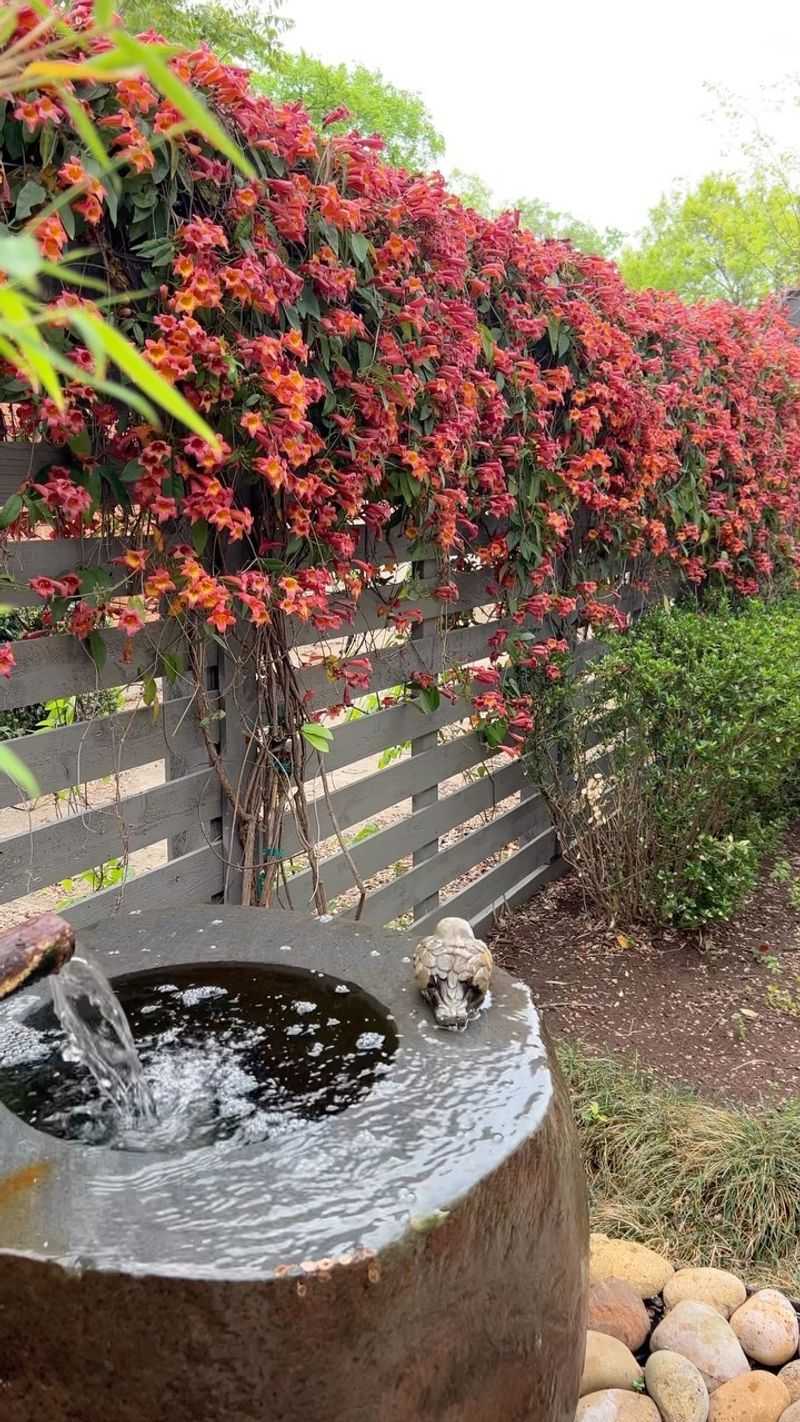
One thing that makes crossvine so easy to love is how little it complains about our soil.
It grows happily in blackland clay, acidic sandy East Texas ground, or the shallow alkaline caliche of the Hill Country, as long as water drains reasonably well.
Give it sun and it rewards you.
Six to eight hours of full sun a day brings the heaviest bloom, though it will tolerate a little afternoon shade in a pinch.
Once the roots settle in, usually about a year with steady watering, crossvine turns genuinely drought tolerant.
It shrugs off those long dry summer stretches without you dragging the hose out every evening.
Water new plants deeply to about 6 inches, roughly once a week that first year.
The main flush of orange and red trumpets arrives March through May, right as hummingbirds migrate through Texas.
Trim it lightly after the spring show and you will coax scattered blooms all season.
It is not a magic plant, but it is close.
4. Coral Honeysuckle Is A Hummingbird Welcome Mat
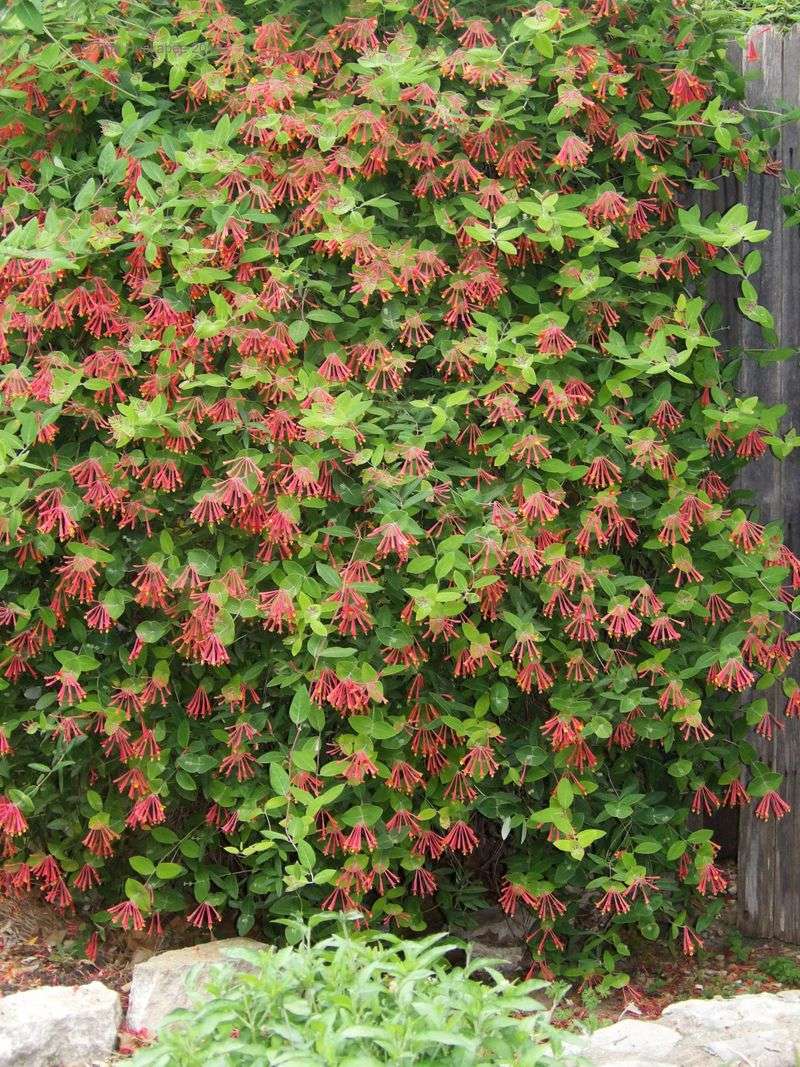
Forget the ropey Japanese honeysuckle that smothers ditches and roadsides across the South.
Its well-mannered cousin, coral honeysuckle (Lonicera sempervirens), gives you the same twining charm without the takeover.
Native across East and Central Texas, and thriving in Hill Country gardens too, this woody vine stays manageable.
It genuinely will not swallow your yard while your back is turned.
The show is the flowers.
Clusters of bright coral or red trumpets, often with cheerful yellow throats, act like a flashing neon sign for hummingbirds.
Butterflies and bees crowd in for the nectar, and later in the year birds pick at the small red berries.
Coral honeysuckle stays semi-evergreen in North Texas and can hold its leaves year-round in warmer South Texas and along the Gulf Coast.
So you get greenery when the rest of the fence goes bare.
That is a quiet win on a gray January afternoon.
5. Keeping Coral Honeysuckle Happy And Healthy
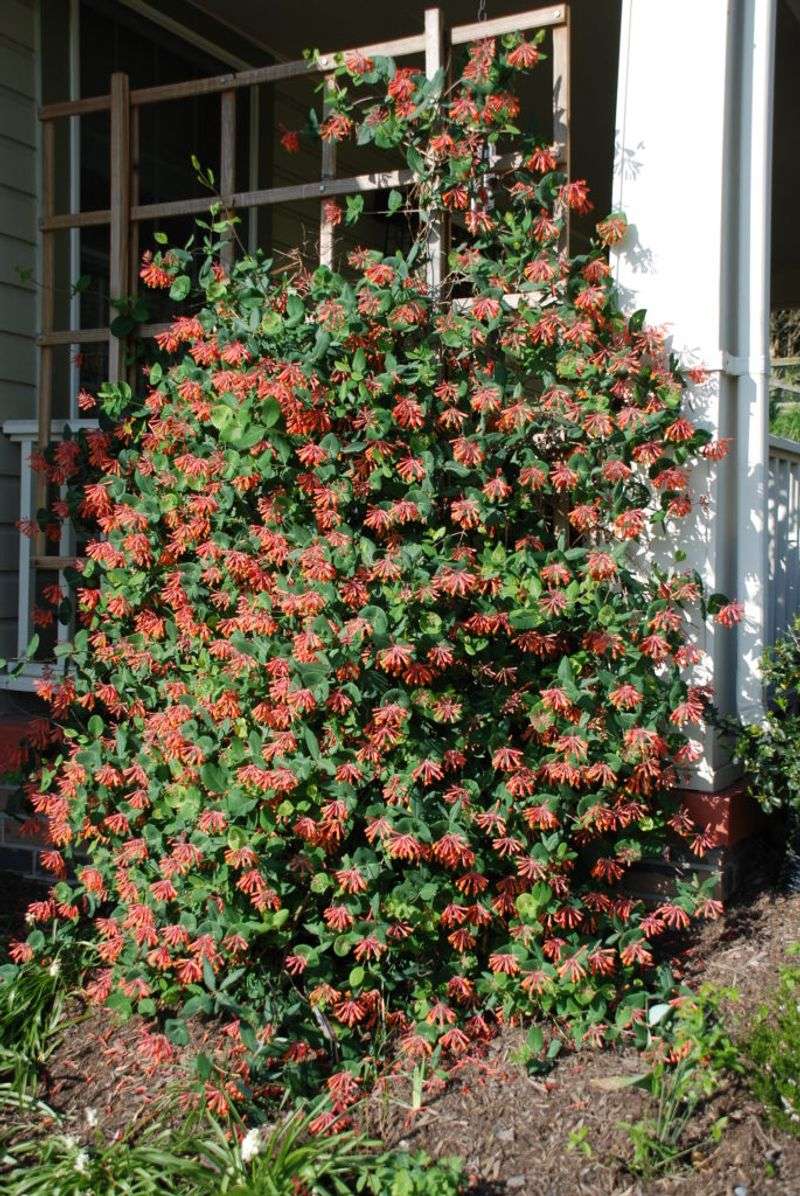
Coral honeysuckle is easygoing, but it does hold a couple of preferences.
It wants well-draining soil, though it forgives heavier clay if you work in a few inches of compost first.
Sun drives the bloom count.
Give it at least six hours a day for the fullest flowering.
In brutal Central Texas summers, a spot with morning sun and afternoon shade protects the foliage from scorching past 100 degrees.
Being a twining vine, it needs something to wrap around, so set it against a sturdy fence, trellis, or arbor.
Guide the new growth through the supports its first year or two and it takes over the job from there.
It typically climbs 10 to 20 feet tall and spreads 3 to 6 feet wide, plenty of cover without a fight.
Prune lightly after the spring bloom to shape it.
And if you garden in the Hill Country, cage young plants, because deer will nibble the tender leaves before it toughens up.
6. A Wisteria You Can Actually Trust
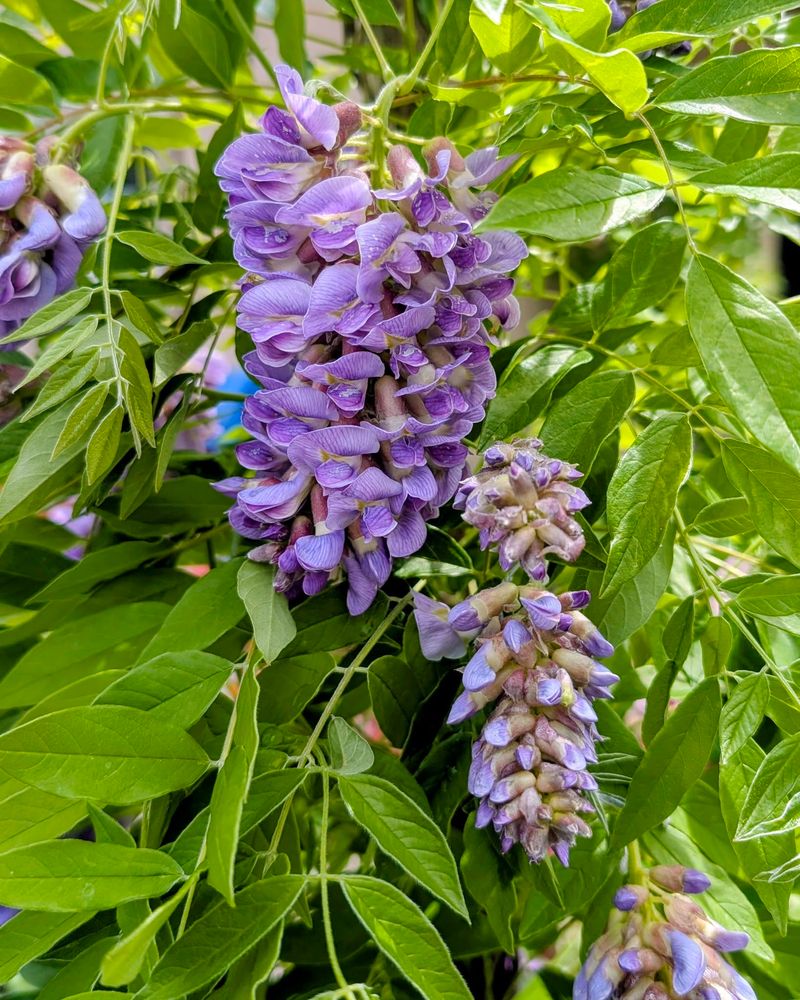
A well-behaved wisteria sounds like a tall tale, especially if you have ever hacked back its Asian cousins.
But Texas has its own, and it delivers the beauty without the wreckage.
Meet American wisteria (Wisteria frutescens), sometimes called Texas wisteria, native to East Texas and the wider Southeast.
It knows how to be a gracious guest.
The difference is pace.
It climbs to around 30 feet, but slowly and manageably, so it will not dismantle your fence or choke your prize live oak.
You get fragrant lilac-purple clusters, sometimes pink or white, cascading down in late spring, often reblooming through summer for a longer season than the invasive kinds.
Here is the kicker that wins people over.
It can flower in its very first year.
The Asian invaders might make you wait a decade for a single bloom, then punish you for the privilege.
This one pays off right away.
7. Other Texas Climbers That Play Nice
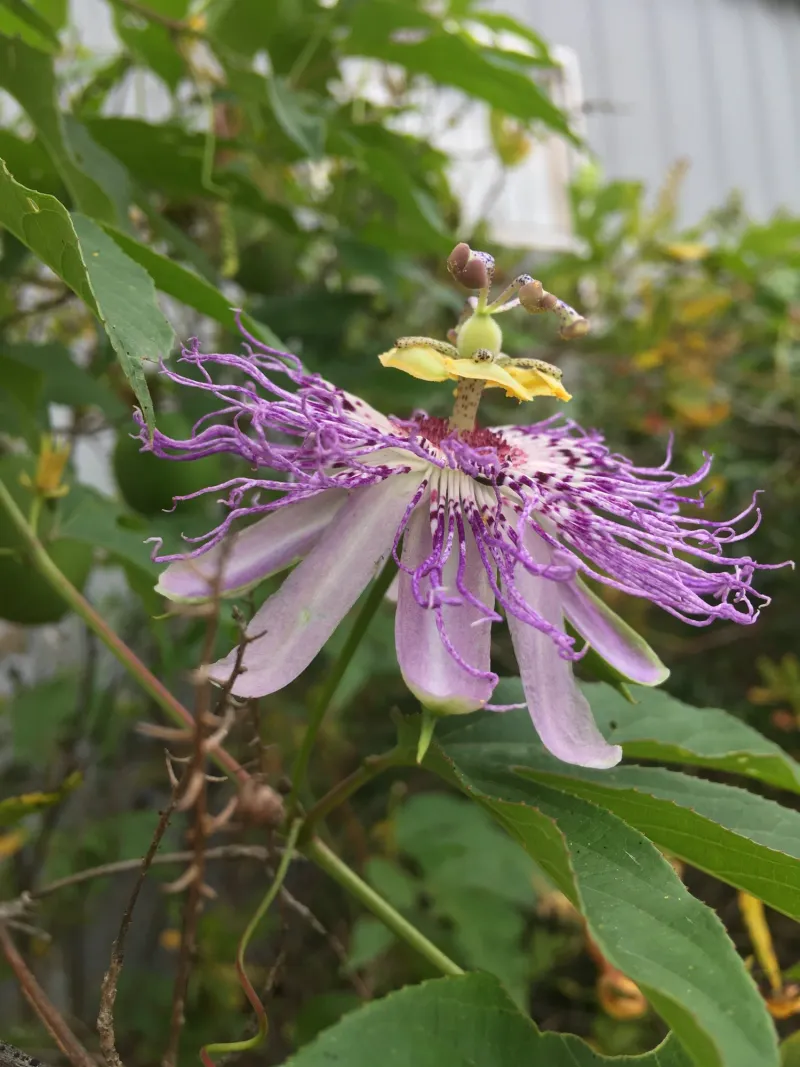
Three great vines still leave room for a few honorable mentions worth planting.
Carolina jessamine (Gelsemium sempervirens), native to East Texas, is an evergreen that erupts in fragrant yellow trumpets each spring.
It handles some shade, resists deer, and works from the Gulf Coast to West Texas.
For pure wonder, try native passionvine (Passiflora incarnata), also called maypop.
It dies to the ground in cold winters, then returns from the roots with otherworldly purple blooms.
It is a host plant for the Gulf Fritillary butterfly, and that yearly dieback keeps it from ever taking over like a woody bully.
North Texas gardeners wanting something daintier can plant purple leatherflower (Clematis pitcheri), a drought-tolerant native with nodding bell-shaped flowers that climbs about 10 feet up a trellis.
Pick any of these and you choose a partner that understands balance.
Your fence gets covered, hummingbirds and monarchs get fed during migration, and you spend your Saturdays relaxing instead of wrestling rogue tendrils.
That is a yard that finally feels like yours.