
Skip Boxwood Along Your Pennsylvania Driveway And Plant These Tougher Native Shrubs
Follow us on Google
You step out onto your Pennsylvania driveway on a raw March morning and eye those boxwoods you planted years ago.
Their glossy green leaves look mottled with brown, whole branches sit dead, and that tidy shape you loved has gone ragged.
It is a familiar story across the Keystone State.
Between unpredictable winters, new invasive pests, and stubborn diseases, boxwood demands more than it gives.
Your driveway deserves better, something that genuinely thrives here.
So let us talk about tough native shrubs that shrug off Pennsylvania weather, look good all year, and feed local wildlife too.
1. The Boxwood Blight Battle Is Actually Real
You chose boxwood for reliable evergreen structure, a look that feels timeless along a driveway.
Yet a silent enemy has marched across Pennsylvania, turning those favorites into a headache.
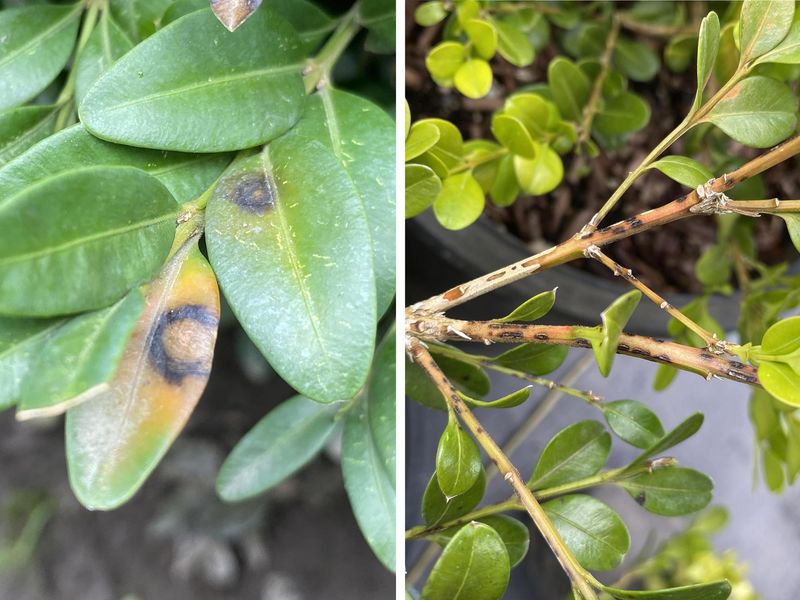
Boxwood blight, caused by the fungus Calonectria pseudonaviculata, first showed up in our state in 2011.
It means complete leaf loss and blighted stems, and there is no known cure.
The Pennsylvania Department of Agriculture has even declared it a regulated pest to slow the spread.
But blight is not the only antagonist scheming against your shrubs.
Our wild winters, with repeated freeze-and-thaw cycles and sudden cold snaps, bring what gardeners call winter burn.
Dry, cold winds pull moisture from the leaves faster than frozen roots can replace it, and whole sections turn brown and brittle.
Tiny boxwood leafminers tunnel inside leaves, raising unsightly blisters.
And a highly destructive newcomer, the box tree moth (Cydalima perspectalis), was found in Erie County in 2024.
Its caterpillars strip plants bare and gnaw on bark, which can kill a shrub outright.
So if you are seeing dead patches, odd colors, or a general slide downhill, your boxwoods are genuinely losing the fight.
That is not your fault.
2. Why Native Plants Are Always The Tougher Choice
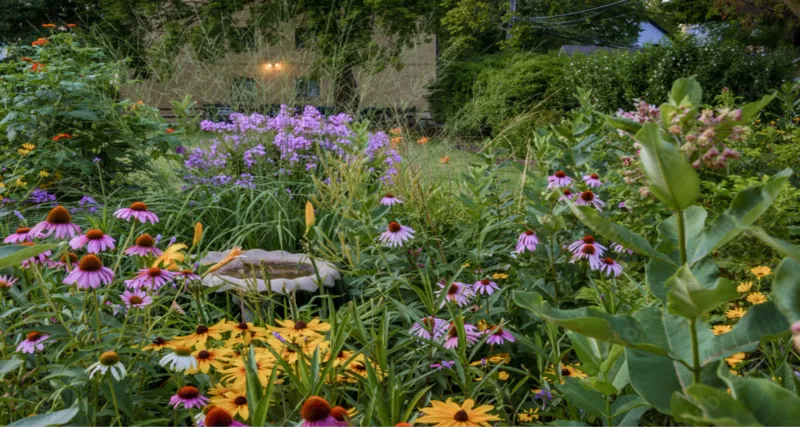
It often feels like you are fighting nature when you force plants that were never at home here.
Non-native ornamentals like boxwood never evolved with Pennsylvania weather, soils, or local pests, and that mismatch leaves them wide open to trouble.
A native shrub has had thousands of years to adapt to everything our state throws down.
Humid summers, sudden thunderstorms, lake-effect snow near Erie, and the shorter growing seasons of the Allegheny Plateau are all part of its history.
When you plant native, you get quiet heroes that are genuinely tough.
They ask for less fuss once settled, often needing little extra water in dry spells and shrugging off common diseases.
Beyond easing your workload, these shrubs feed the neighborhood.
They offer food and shelter for native bees, migrating songbirds, and the beneficial insects that keep pests in check.
You are rebuilding a little of the natural web right along your own driveway.
It is a smart move that pays you back for years.
3. Virginia Sweetspire’s Sweet Success Story
Picture a late spring evening, soft light across the yard, and a faint honey-like scent drifting on the breeze.
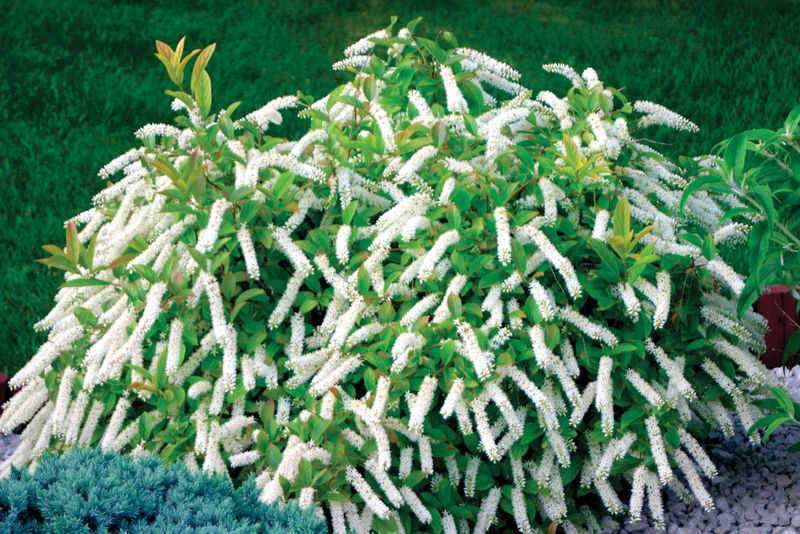
That is the calling card of Virginia sweetspire (Itea virginica), a resilient native found throughout Pennsylvania.
It bursts into arching clusters of fragrant white flowers in May or June, and those blooms hold for weeks while butterflies and bees line up.
The plant works overtime and never seems to tire.
What makes it a driveway champion is pure flexibility.
It grows in full sun to full shade, though you get the heaviest bloom with at least four hours of direct sun.
It handles rich moist ground, shrugs off dry stretches once established, and even tolerates brief standing water, so uneven rainfall does not rattle it.
Many types are genuinely deer resistant, a real plus where browsing pressure runs high.
Expect it to reach 3 to 10 feet tall and 3 to 8 feet wide, closing the season with fall foliage in blazing red, orange, and burgundy that often lingers into winter.
For a neat edge, look for the cultivar Little Henry, which stays near 3 feet tall with a 5-foot spread.
Space plants 3 to 4 feet apart so that mounding form can breathe.
4. Black Chokeberry’s Berry Tough Spirit
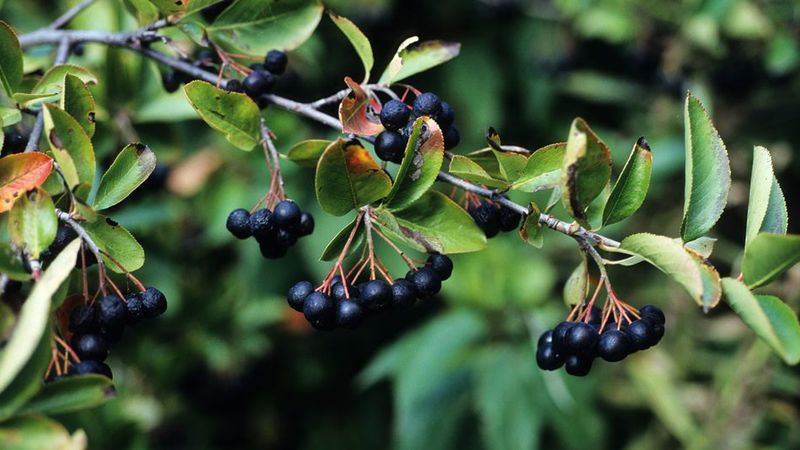
Late summer, the backyard cookout in full swing, and along the driveway a shrub hangs heavy with glossy black berries while its leaves blush deep red.
Meet black chokeberry (Aronia melanocarpa), an unsung hero of Pennsylvania yards.
Few shrubs are this stubborn about survival.
It grows native across the state, from the rocky soils of the northern tier to the heavy clays of the southeast, and it barely blinks at hard conditions.
Chokeberry thrives in full sun to part shade and does not fuss over soil, taking dry, moist, or wet spots in stride.
Here is where it earns the driveway spot, it tolerates urban grit, soil compaction, and even road salt, the very things that sabotage other plants.
In late May to early June, masses of small white flowers with pink-red anthers throw an early feast for bees.
Then fall arrives, and the foliage catches fire in red and purple.
The dark, dime-sized berries feed songbirds and small mammals well into the cold months.
Plants reach 3 to 10 feet tall with a matching spread, so set them 3 to 6 feet apart.
Deer usually leave them be, though young shrubs may want protection where browsing runs heavy.
5. Inkberry Holly Brings Evergreen Grace
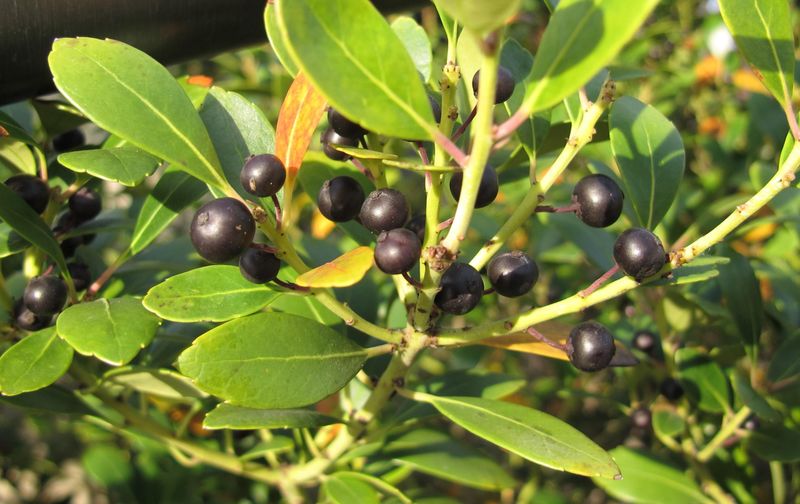
Missing the crisp formal look boxwood used to give you?
Inkberry holly (Ilex glabra) is your native evergreen stand-in, and it does the job without the drama.
Dark, glossy green leaves hold their color straight through winter, giving you that year-round backbone along the driveway.
It is native to coastal plains of the Northeast, including parts of Pennsylvania, so our climate suits it fine.
Inkberry adapts well, taking full sun to partial shade and preferring moist, acidic ground.
Our soils vary though, and spots in the Ridge and Valley region with limestone may need a little amending to nudge the pH down.
Growing 5 to 8 feet tall and wide, it takes pruning gracefully, so you can keep a tidy hedge or let it relax into a looser shape.
Slightly prickly leaves mean deer generally pass it by.
A female plant will set small black berries in fall when a male grows nearby, giving birds one more reason to visit.
For compact needs, try Shamrock or Gem Box, or reach for Squeezebox when you want a narrow, upright form around 2 to 3 feet wide and 4 to 6 feet tall.
6. Running Serviceberry’s Steady Strength For The Slopes
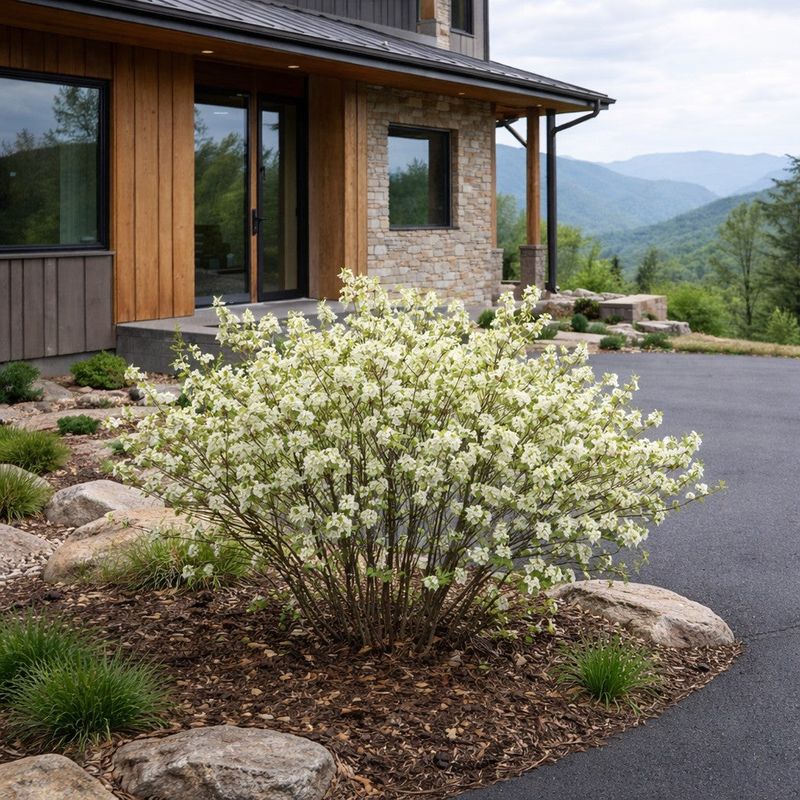
A spring morning in the Laurel Highlands, and a sloped driveway edge glows with delicate white flowers welcoming the season.
Running serviceberry (Amelanchier stolonifera) is that quiet performer most people walk right past.
Its real gift shows up on the tough spots.
The plant spreads by underground stems, called stolons, forming dense low thickets that lock down soil and fight the erosion that follows heavy Pennsylvania downpours.
Growing about 4 to 6 feet high and colonizing outward, it shines in mass plantings along a bank or as a naturalistic border.
Early spring flowers arrive before most plants stir, handing native bees critical first pollen.
Those blooms turn into small, edible dark blue berries by early summer, a treat you might share with the birds if you are quick enough.
Running serviceberry handles many soils, heavy clay included, and once rooted it carries moderate drought tolerance.
It tends to resist deer thanks to its thicketing habit, though young plants may need a guard early on since it sits right in the browse line.
Give it room to run and it steadies the whole slope.
7. What Else Actually Helps Create A Tough Driveway Edge
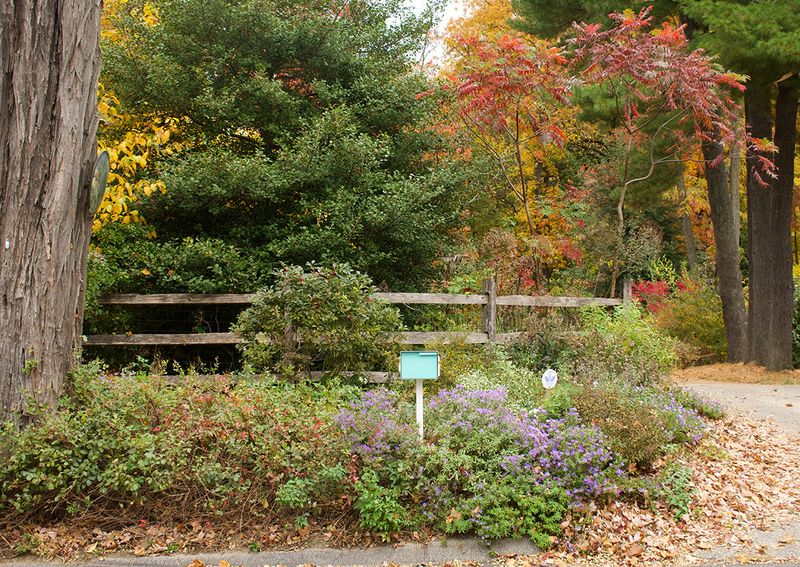
Picking the right native shrub is a big step, but a little groundwork makes it stick for the long haul.
Before you plant anything, get to know your soil.
Pennsylvania dirt swings wildly, from rocky glacial till in the northern tier to fertile limestone in some valleys and the dense clay of the southeast.
A soil test from Penn State Extension, running about 10 to 15 dollars, tells you your pH and nutrient levels so you amend only what actually needs it.
Most natives like slightly acidic, well-drained ground, though chokeberry stays flexible.
When you plant, dig a hole twice as wide as the root ball but only as deep, keeping the top of the ball level with the surrounding soil.
Water it in well right away.
Through that first growing season, especially during humid summers and the drought stretches that sneak between downpours, young shrubs need steady water to root deep.
Aim for about one inch a week from rain or hose, soaking down 6 to 8 inches.
After they settle, these natives mostly fend for themselves, genuinely thriving with little from you.
What you are left with is a resilient driveway edge that feels right at home, feeds the wildlife, and frees you up to enjoy those quiet Pennsylvania evenings.