
The Best Texas Nurseries For Native Wildflower Seed That Actually Comes Up In Clay
Follow us on Google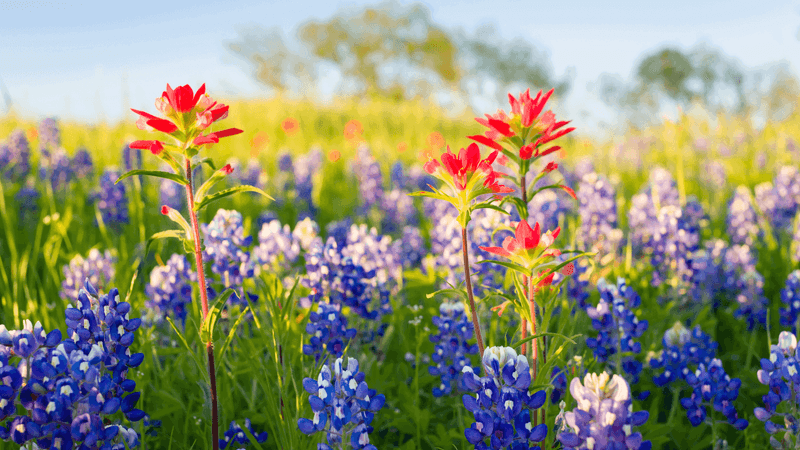
You step outside before breakfast and the patio already feels warm, even in early fall.
That old Texas heat lingers, but you can feel a whisper of change, and you start picturing your yard washed in bluebonnets and Indian blanket.
Then you remember the stubborn blackland clay out back, the kind that swallows seed packets whole and gives you nothing but bare dirt.
The good news is you can genuinely turn that heavy clay into a wildflower show, and it starts with buying seed from folks who breed it for our soil.
1. Your Clay Yard Can Grow Stunning Wildflowers
You buy a pretty seed packet, scatter it with hope, and then watch nothing much happen.
That story plays out across North and Central Texas every single spring, and it is not your fault.
Blackland clay is dense stuff.
It compacts hard, it holds water until seeds rot, then it bakes into a brick that tiny sprouts cannot crack.
Fragile seedlings genuinely need oxygen and steady moisture, and raw clay hoards both.
Here is the turn.
Clay holds nutrients better than almost any soil in the state, so you are not fighting a poor yard, you are fighting a texture problem.
Open the surface just enough and the seed you buy later will already be adapted to these conditions, because its ancestors grew right here.
You can prep heavy soil without back-breaking tilling.
Clear the area completely first, even smothering a 1,000 square foot patch with black plastic for a full season to knock down the weed seed bank.
Then rake the top one inch loose, no deeper.
Going deeper only drags up dormant weed seeds, which sets you back.
Shallow scuffing gives your future flowers good seed-to-soil contact and a fighting chance.
That one small change is where the whole thing turns around.
2. Native American Seed In Junction Sets The Standard
The name you hear most over the fence is Native American Seed, a family farm out in Junction, in the Texas Hill Country.
They have spent decades collecting and growing local ecotypes, which means seed pulled from plants that already survive our soil and heat.
Why does that matter for clay?
A generic mix off a big-box shelf might be bred for Ohio loam.
Native American Seed offers blends like their Native Texas Mix, built with species suited to Blackland Prairie clay, Hill Country limestone, and East Texas sand all at once.
Their catalog leans on proven clay performers.
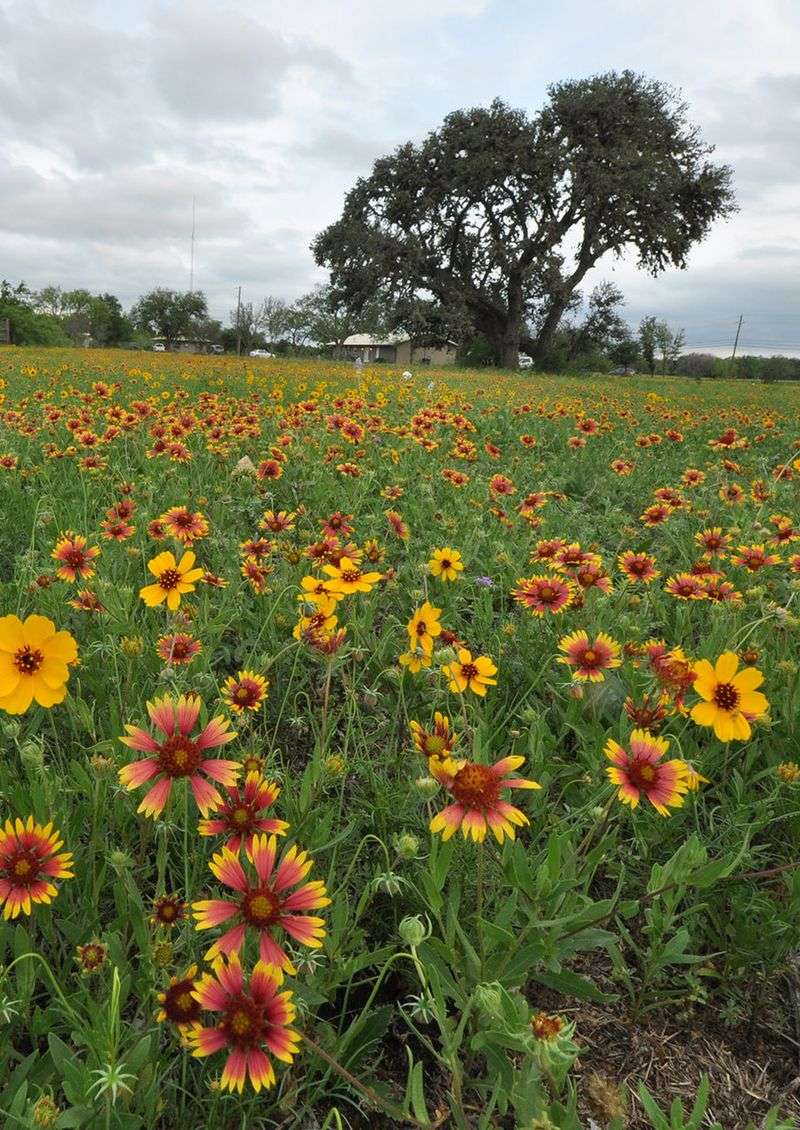
You will find Texas bluebonnet (Lupinus texensis), Indian blanket (Gaillardia pulchella), plains coreopsis (Coreopsis tinctoria), and Mexican hat (Ratibida columnifera), all species that genuinely handle heavy ground when started right.
Order early, since popular clay-friendly mixes sell out ahead of the September planting window.
A quarter pound covers roughly 500 square feet at their recommended broadcast rate.
Buying local ecotype seed is like handing your garden a head start it did not have to earn.
You are not gambling on a mystery blend, you are planting the same wild strains that color Texas roadsides every April.
3. Douglass King And Turner Seed Serve The Working Land
Not every good source looks like a boutique.
Douglass King Seeds in San Antonio and Turner Seed near Breckenridge in North Texas have supplied ranchers, restoration crews, and highway plantings for generations, which tells you their seed actually establishes.
These are the folks who fill orders by the pound for people who cannot afford failure.
When a rancher reseeds a Central Texas pasture on clay, the seed has to come up or the money is gone.
That pressure keeps their germination rates honest.
For a homeowner, buying from a working-land supplier means you get regionally correct species without designer pricing.
Ask for their South Texas or Blackland Prairie mixes, and you will pick up hardy natives like lemon mint (Monarda citriodora) and plains coreopsis suited to heavy soil.
Turner Seed publishes seeding rates for pounds per acre, so scale it down.
Figure about 8 to 10 pounds per acre for a diverse mix, which pencils out to a small handful per 100 square feet in your yard.
There is quiet confidence in buying where the pros buy.
You are not the first person trusting these bags with tough ground, and that track record genuinely stacks the odds in your favor.
4. Fall Planting Is The Secret Weapon
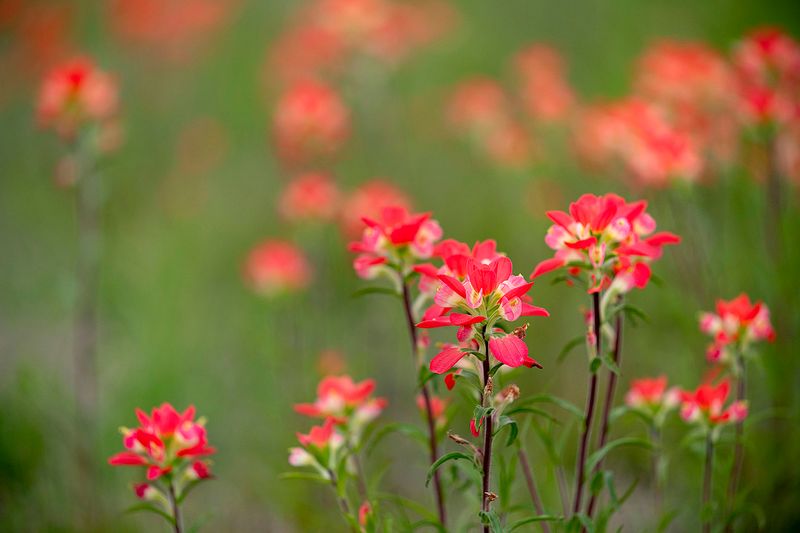
Spring feels like planting season, but for most Texas wildflowers headed into clay, fall is genuinely the winning move.
It runs against instinct, so a lot of folks miss it.
Many native seeds need a stretch of cold, moist weather to break dormancy, what gardeners call stratification.
Sow in fall and winter does that chilling for free, priming the seed to explode when spring warms up.
Aim to broadcast between September 1st and November 30th for most of the state.
Up in the Dallas area, you can stretch the window from August through about December 1st.
Bluebonnets especially need this, they often refuse to bloom if you wait until spring.
Fall seeding also lets roots dig down before the first triple-digit summer day arrives.
According to Texas A and M AgriLife Extension, established natives tolerate drought far better once their roots run deep.
Think of it as setting a clever trap using the weather itself.
Cool nights and winter rain do the heavy lifting while you sip coffee on the porch.
Plant now, and you are quietly loading the spring show months before anyone else notices.
5. The Right Amount Of Water Makes The Difference
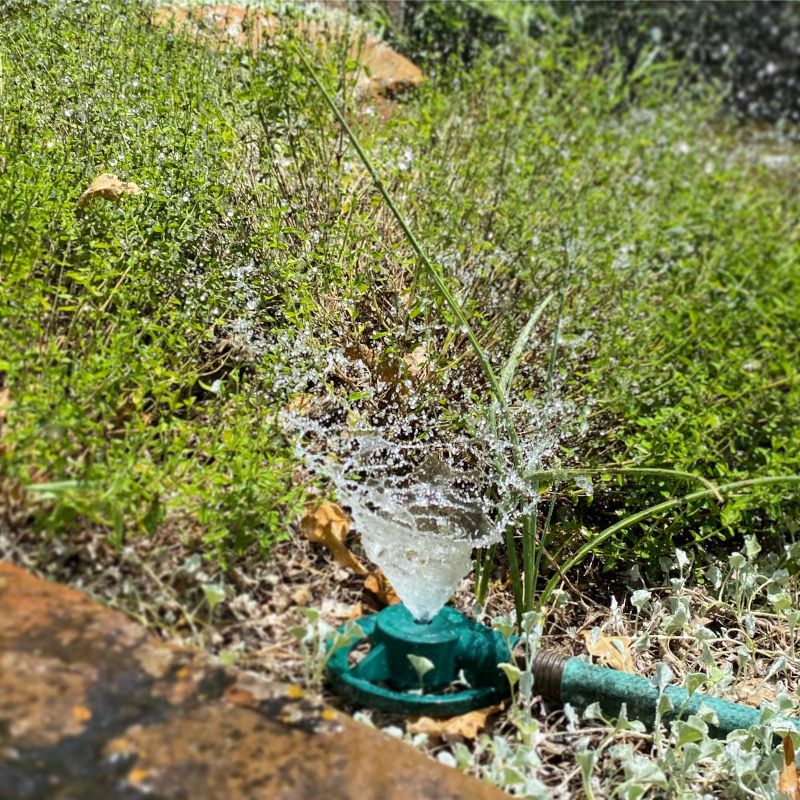
Watering clay is a tightrope.
It clings to moisture so long that seeds can drown, then it dries into a slab that repels every drop.
The first few weeks after sowing decide everything.
Press your seed into the surface for good contact, no deeper than one sixteenth to one eighth of an inch.
Bury it further and it never sees daylight.
Then start watering right away.
For the first 7 to 14 days, until green shows, keep the surface consistently moist but never soupy.
That usually means a light daily misting on warm fall afternoons.
A fine-spray nozzle stops you from washing tiny seeds into a corner.
Once seedlings hit about an inch tall, flip your strategy.
Water less often but deeper, every three to five days for the next 4 to 6 weeks, letting the top layer dry between drinks.
That coaxes roots downward.
Established natives barely need you at all.
During cooler dry spells they get by on water every two to three weeks, or nothing when rain falls.
And that is the payoff, a bed that shrugs off water restrictions while your grass turns crispy.
6. Give Your Wildflowers Plenty Of Texas Sunshine
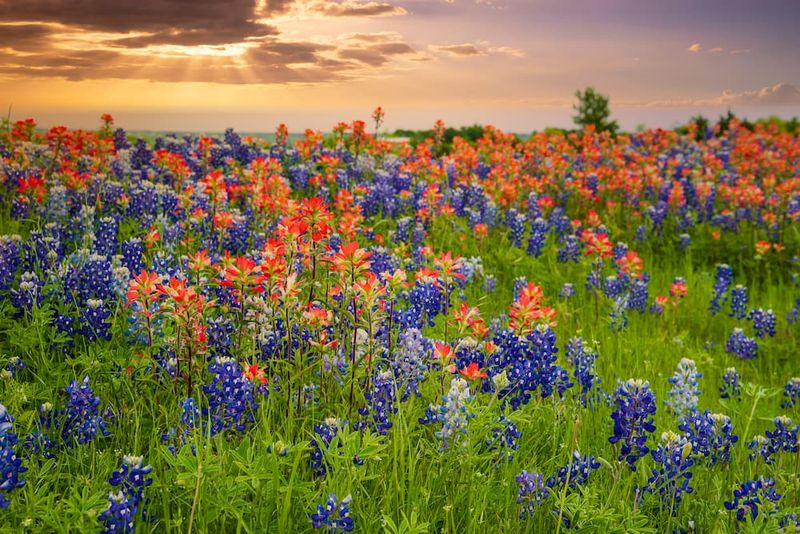
Wildflowers earned the wild in their name out on open prairies and roadsides, blasted by sun all day.
Tuck them in a shady corner and they sulk.
Most native Texas bloomers want full sun, meaning at least five to eight hours of direct light daily.
Give them eight or more and you get the thick, roadside-worthy show.
Drop below four to six hours and plants stretch leggy, throwing leaves instead of flowers.
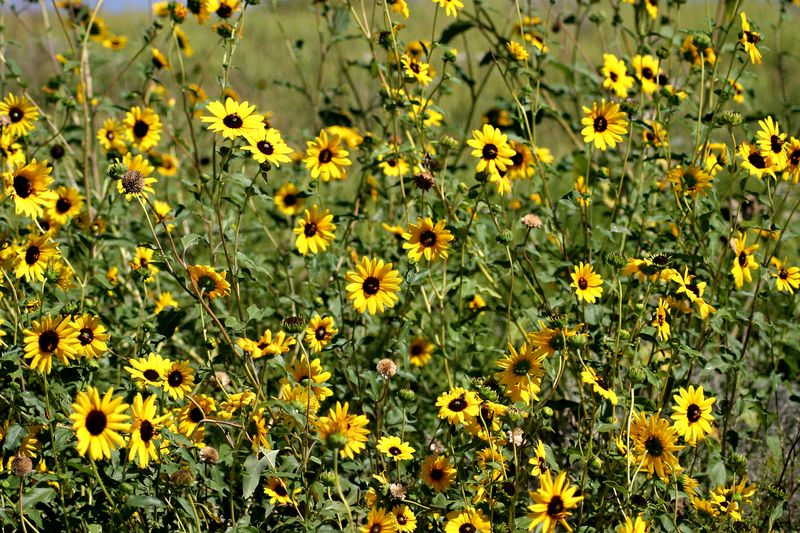
That sun craving runs from the low-growing bluebonnet all the way up to Maximilian sunflower (Helianthus maximiliani), which can top six feet in a bright Central Texas spot.
Before you commit a single seed, spend a day watching your yard.
Note where morning light lands, where afternoon shadows creep, and where trees steal the show.
Pick the brightest patch you have got.
Choosing that sunny corner is like handing your seed a battery pack.
It powers strong stems and heavy blooming, turning a forgotten strip along the fence into the spot neighbors slow down to admire.
7. Protect Your Seedlings From Relentless Weed Competition
Weeds are the scheming villain in this story, and clay soil is packed with their dormant seeds waiting for a chance.
They will muscle tiny wildflowers out of light, water, and root room without a second thought.
A lot of new gardeners scatter seed straight over an existing lawn and hope.
That never works.
Bermuda grass and broadleaf weeds win every time, because they already own the ground.
The fix is a clean slate.
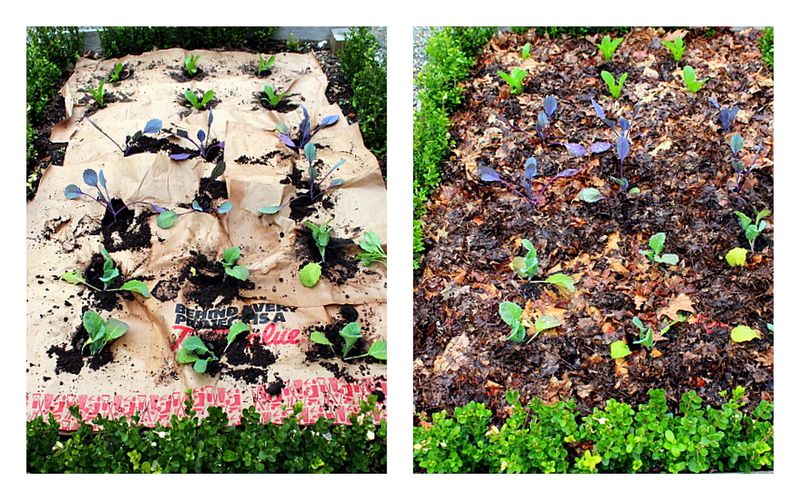
Clear all existing growth before sowing, using hand-pulling, solarization with clear plastic through the hot months, or smothering under cardboard.
For bigger areas, scalp the grass as low as your mower goes, then lightly rake for seed contact.
After germination, stay watchful.
Young wildflower sprouts look a lot like weeds, so learn what your chosen species look like in their baby stage before you yank anything.
Pull aggressive invaders while they are small.
It feels tedious, but this is how you hand the quiet heroes their space.
Guard them through those first weeks and they reward you by crowding the weeds out themselves next season.
8. Patience Is The Key To A Flourishing Display
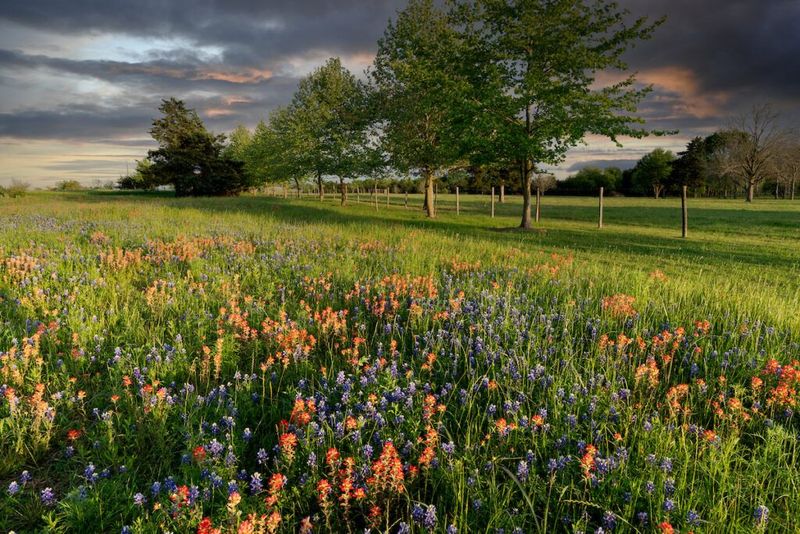
You picked the right clay-adapted seed, prepped the soil, planted in fall, and watered with care.
Now comes the part that trips up most folks, the waiting.
Native seed does not sprout on command.
Many species carry built-in dormancy, so some come up fast while others hold back a full season, testing the soil for the right moment.
Plant a mix and you will see germination arrive in waves, not one tidy carpet.
That patchiness is genuinely normal.
It means your plants are reading Texas weather the way their wild ancestors did, hedging their bets against a late freeze or a dry spell.
Do not judge the whole project by year one.
Native beds thicken and spread in the second and third seasons, and by then bluebonnets reseed themselves and the show gets richer without you buying more.
So let it unfold on nature’s clock instead of yours.
Every unexpected sprout is a small win, and by next April, when the monarchs drift through on their spring migration and your yard hums with bees, you will stand on that warm patio feeling capable and a little proud.