
The Florida Plants Quietly Inviting Snakes Into Your Yard Without You Knowing
Follow us on Google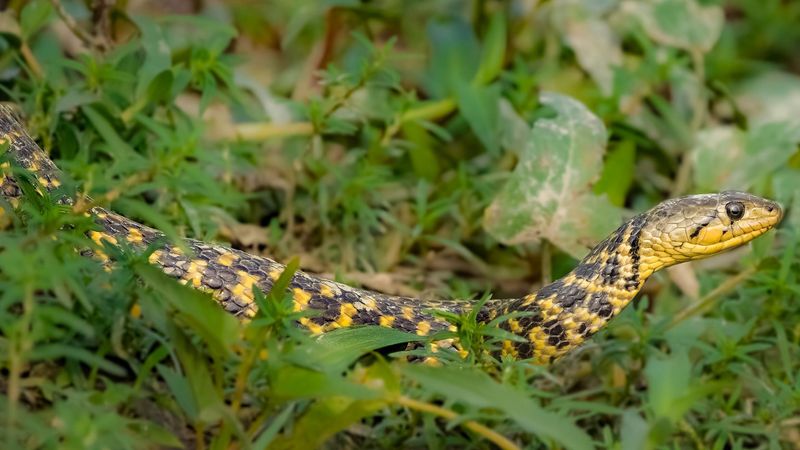
You step onto the patio after breakfast and the air already feels heavy, thick with the promise of another Central Florida summer day.
A dark shape slides under the shrubs along the fence, quick and quiet, and your stomach drops.
Was it a shadow, or something with scales?
Here is the surprise most Florida homeowners miss.
The plants you picked for beauty and easy care might be rolling out the welcome mat for snakes, and you would never know it.
1. The Hidden Lairs Beneath Your Low Ground Cover
Across Florida, from the Panhandle’s sandy loam to South Florida’s shallow limestone soil, homeowners fall for ground cover.
It promises a lush green carpet, less weeding, and a tidy finish.
But here is where it gets tricky.
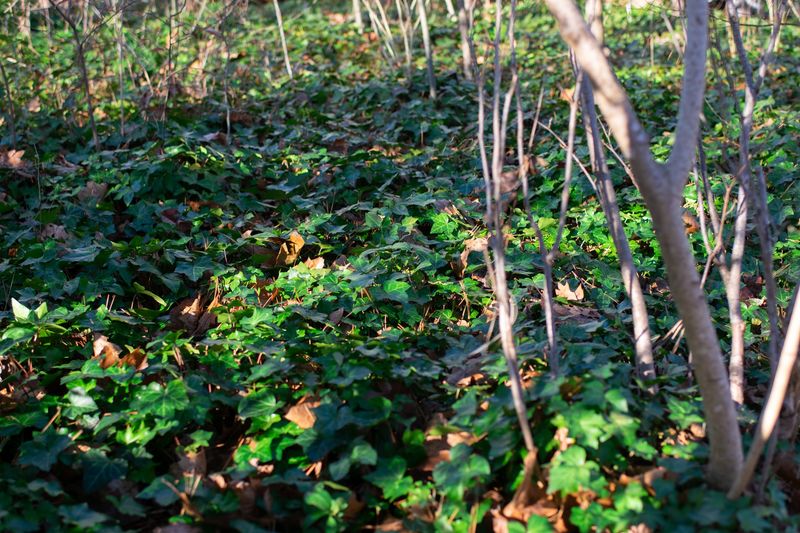
Plants like English ivy (Hedera helix) and periwinkle (Vinca minor) build a dense, low canopy that snakes find genuinely irresistible.
Picture a snake dodging the intense summer sun.
Under that matted greenery it finds cool, damp shade and total cover from hawks and owls.
These beds hold moisture long after a sudden downpour, staying cool even when the rest of your yard bakes at 90 degrees.
So you get low maintenance, and a slithering tenant gets a private tunnel system.
The fix is simple.
Pull ground cover back from your foundation by at least 18 inches so sunlight dries the soil.
A little open, sunbaked space is exactly what a snake wants to avoid.
2. Your Fruit Trees Are Serving A Rodent Feast
Many Florida yards celebrate the bounty of fruit trees, a real joy from the Atlantic Coast to the Gulf.
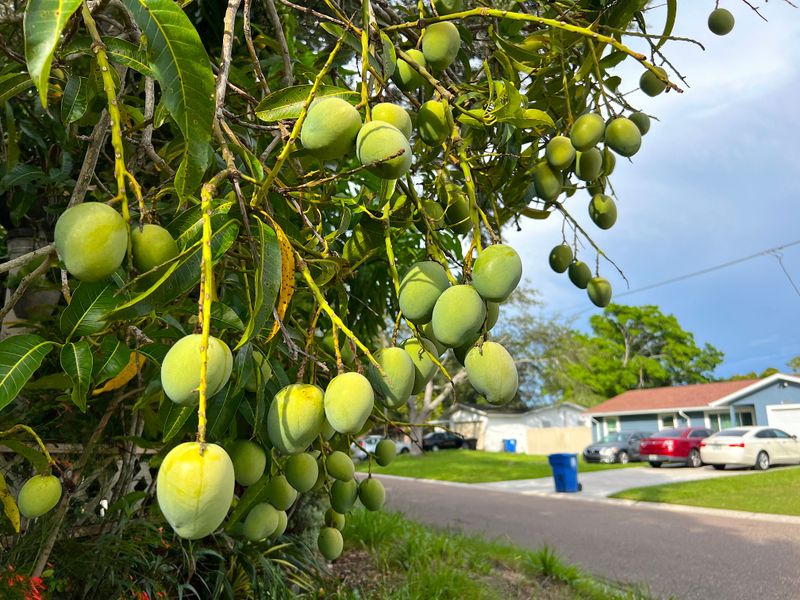
Mangoes (Mangifera indica), avocados (Persea americana), and citrus (Citrus spp.) thrive in the warmth of Central and South Florida.
But that sweet harvest, especially the fruit that drops and rots on the ground, works like a magnet for rodents.
Roof rats, called fruit rats here, treat a fallen mango as a free buffet.
They climb well and nest happily in an unpruned canopy.
Where rats gather, snakes follow.
A black racer (Coluber constrictor priapus) or a larger eastern ratsnake sees a plump rat as a perfectly sized dinner, so your fruit tree quietly feeds the whole chain.
Break the cycle.
Prune the lowest branches to stay 5 to 6 feet from your roofline, fences, and walls.
Then clean up fallen fruit daily, because a single mango can call in a foraging rat from a surprising distance.
3. The Shady Secrets Of Your Bushy Borders
Dense shrubs and palms give a yard structure and privacy, and they anchor landscaping all over Florida.
Hardy hollies (Ilex spp.) hold the line in North Florida, while areca palms (Dypsis lutescens) sway down in the Keys.
Trouble starts when those branches sweep all the way to the soil.
That shadowy skirt becomes a shelter from midday sun and from predators, and snakes settle right in.
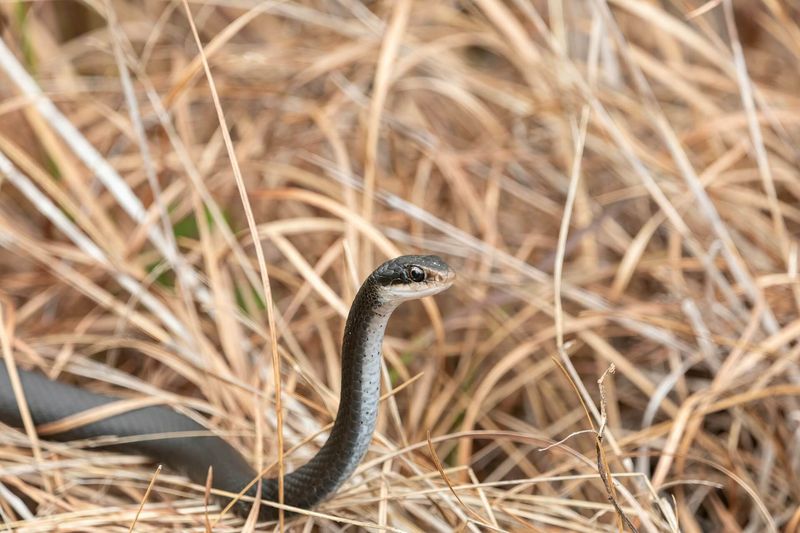
You might host a harmless black racer, or on occasion a pygmy rattlesnake (Sistrurus miliarius).
The layered leaves build a cool, secret microclimate that frogs and lizards love too, and their presence is the dinner bell that draws snakes in.
Make it less inviting.
Trim the lower branches so there is a clear gap of about 2 feet between the foliage and the ground.
That one cut removes the hiding spot and opens up sight lines, and suddenly the corner feels exposed instead of safe.
4. Those Pretty Ornamental Grasses Are Prime Hiding Spots
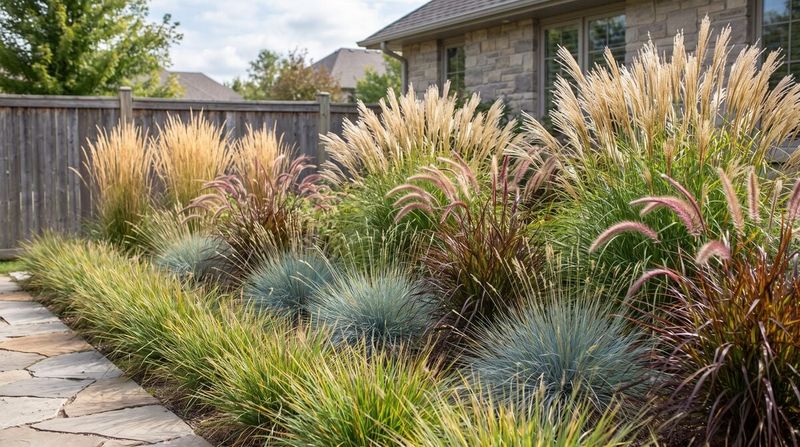
Ornamental grasses show up everywhere in Florida for their texture, movement, and drought tolerance.
Fountain grass (Pennisetum setaceum) and maiden grass (Miscanthus sinensis) add graceful motion to a bed.
Beautiful, yes.
But their tight, clumping habit is basically a snake motel.
The thick base stays cool and concealed, a tidy place to duck away from the sun or a passing hawk.
Those clumps also shelter insects and small amphibians, which pulls in insect eaters like the rough green snake (Opheodrys aestivus).
That one is harmless, but its presence tells you the neighborhood is welcoming.
Think of each grass clump as a tiny savannah for small creatures.
If you love the look, keep it.
Just plant grasses away from patios and walkways, and leave a buffer of short, open lawn around them.
Cut the previous year’s growth back to a few inches in late winter or early spring, which strips out the dense cover before snake season ramps up.
5. Overgrown Mulch Beds That Trap The Damp
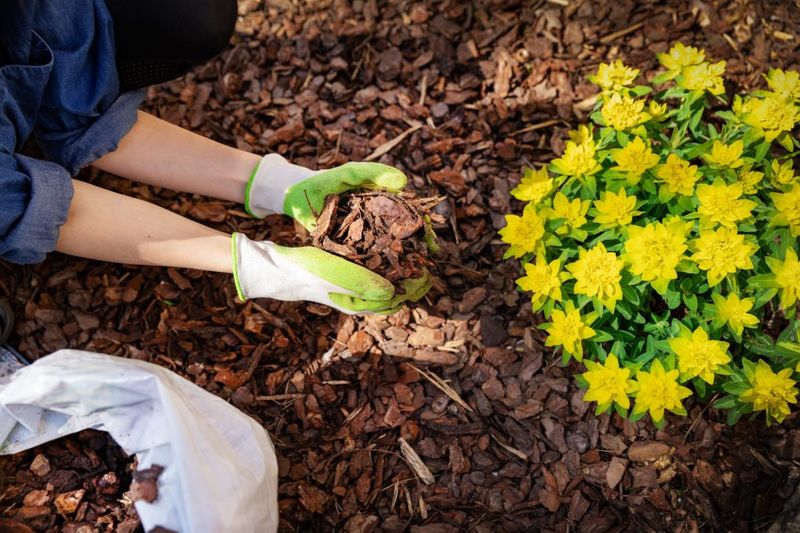
Mulch feels like the responsible choice.
It locks in moisture, blocks weeds, and keeps roots cool through a brutal Florida summer.
There is a catch, though.
Pile pine straw too thick and it turns into a warm, damp blanket that snakes tunnel under with ease.
Deep, loose mulch traps humidity after every downpour and hides everything moving beneath it, so a snake can cross your bed unseen.
It also shelters the crickets, roaches, and small frogs that many snakes hunt.
So the mulch feeds the prey and hides the predator at the same time, a quiet two-for-one you never signed up for.
Keep mulch to 2 or 3 inches deep, which UF/IFAS Extension recommends for most Florida landscape beds anyway.
Switch loose pine straw to larger bark or pine bark nuggets, which pack down less and give snakes far less to burrow into.
Then pull the whole layer back at least 12 inches from your foundation.
Drier edges, fewer surprises.
6. Water-Loving Plants That Hold A Hidden Puddle
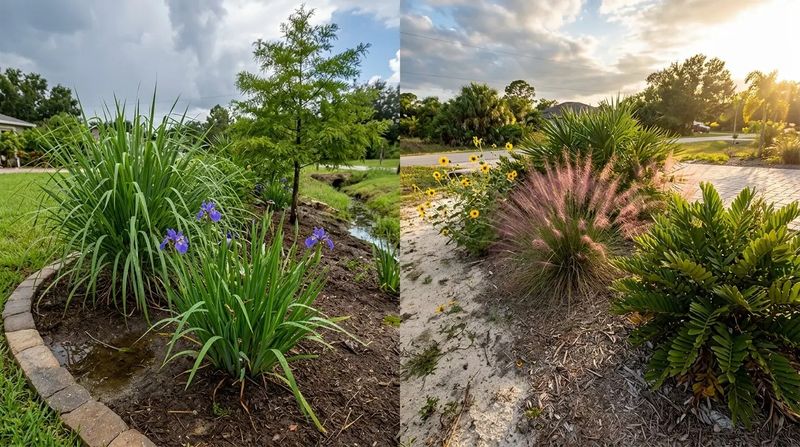
Water features and moisture-loving plants make a yard feel like a private oasis, and in Florida the humid air keeps them thriving.
Elephant ears, cannas, and thick reeds around a pond edge do genuinely look lush.
But snakes need water as much as food and shelter, and these plantings offer all three in one spot.
The Florida cottonmouth (Agkistrodon piscivorus conanti) in particular favors damp, densely planted margins near standing water.
Any low pocket that stays wet after rain becomes a magnet, and Florida has plenty of poorly drained low areas.
A saucer under a potted plant, a clogged birdbath, a swampy corner of the lawn, each one is a small invitation.
Drain what you do not need.
Empty standing water within a day or two, keep pond edges trimmed and open, and grade low spots so water does not sit for more than 24 to 48 hours.
Keeping dense waterside plants pruned back a few feet from your walking paths is not a cure, but it strips away the cover snakes count on.
7. What Else Actually Helps Keep Them Away
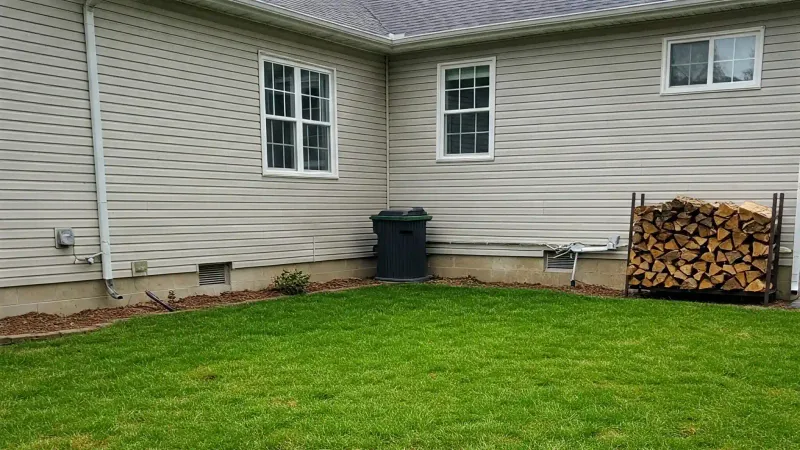
Beyond any single plant, your everyday yard habits decide how welcoming your Florida property feels.
Snakes chase three things, food, water, and shelter.
Take those away and you win most of the fight.
Mow often and keep grass under 4 inches, which exposes snakes to owls and hawks and strips their sense of safety.
Clear leaf piles, brush, and loose logs, because each one is a ready-made den.
Stack firewood on racks at least 18 inches off the ground and away from the house.
Bird feeders spill seed, seed draws rodents, and rodents draw snakes, so sweep beneath feeders and store pet food in sealed containers.
Seal any foundation cracks wider than a quarter inch to keep them from moving indoors.
Remember, most of Florida’s 46-plus native snake species are non-venomous and genuinely useful, quietly eating the rats and roaches you dislike.
UF/IFAS Extension can point you to native plant choices that give beauty without the low, dense hiding spots.
None of this guarantees a snake-free yard, but stacked together it turns your property into a place that is yours, not theirs.
You will step onto that patio tomorrow feeling a little more in control.