
The North Carolina Vegetables You Should Plant Now For A Heavy Fall Harvest
Follow us on Google
You drag your patio chair into the shade, the late August air still thick and heavy, and you figure the gardening year is basically over. It is not.
Right now, with the kids back in school and the soil still warm, North Carolina hands you the best planting window of the whole year. Get these vegetables in the ground over the next few weeks, and your family eats fresh greens and sweet roots long after the summer tomatoes quit.
Some of these crops even turn sweeter after the first frost, so the cold works for you instead of against you.
1. Spinach Sprouts Best In Warm August Soil
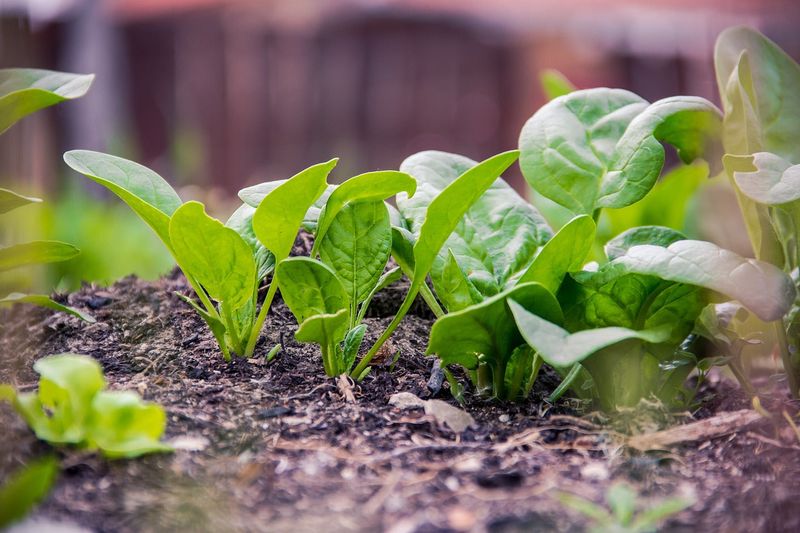
Spinach has a stubborn streak. Plant it in spring and it bolts to seed the second the heat hits, leaving you bitter leaves and a shrug.
Fall flips that story. Spinach (Spinacia oleracea) loves cooling days, but here is the catch that trips up many Piedmont gardeners.
The seed refuses to germinate once soil climbs above 85 degrees, and August soil in Charlotte and Greensboro often sits near 80 degrees two inches down.
So you give it an edge. Plant seeds about half an inch deep where the soil holds cooler moisture, then lay a thin layer of straw mulch over the row to shade the surface.
Water so the top stays consistently damp, roughly an inch a week, until the seedlings stand up.
Once it sprouts, spinach genuinely races. You can pull tender outer leaves in about 40 days and keep picking as the plant fills out.
And after a light frost, those leaves turn noticeably sweeter, a small reward for planting when everyone else has packed up.
2. Kale Only Gets Sweeter After A Freeze
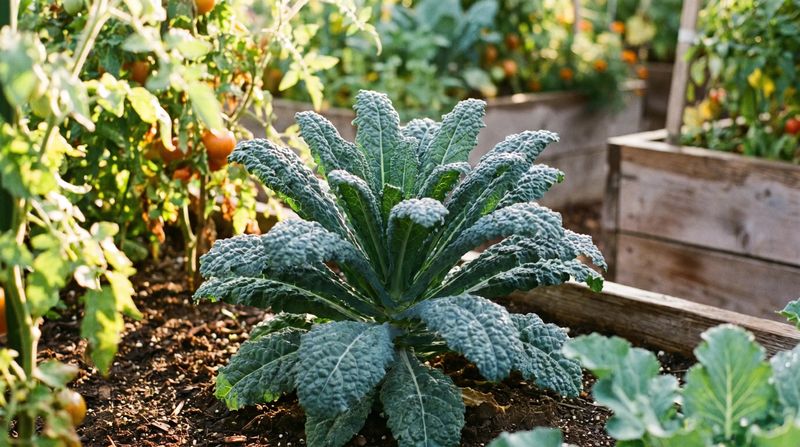
Most vegetables surrender at the first hard cold. Kale leans in.
Kale (Brassica oleracea var. sabellica) is the quiet hero of the fall bed, and its trick is turning starch into sugar when temperatures drop. That is why the leaves you pick in November taste milder and sweeter than anything you grew in July.
Set transplants out from August 15 through September 15 across most of the state, spacing them 12 to 18 inches apart so each plant has room to bush out. Give it six to eight hours of sun and steady water, and it barely asks for anything else.
Cabbage worms will try to lace the leaves with holes. NC State Extension recommends weekly sprays of Bacillus thuringiensis, a natural bacterium that targets the caterpillars without bothering pollinators or the honeybees working your yard.
Pick the lower leaves first and leave the growing tip alone. A single row of kale can feed a family straight through a mild Piedmont winter, and that is a genuinely satisfying thing to look out on from the porch.
3. Collards Are The Backbone Of A Carolina Fall
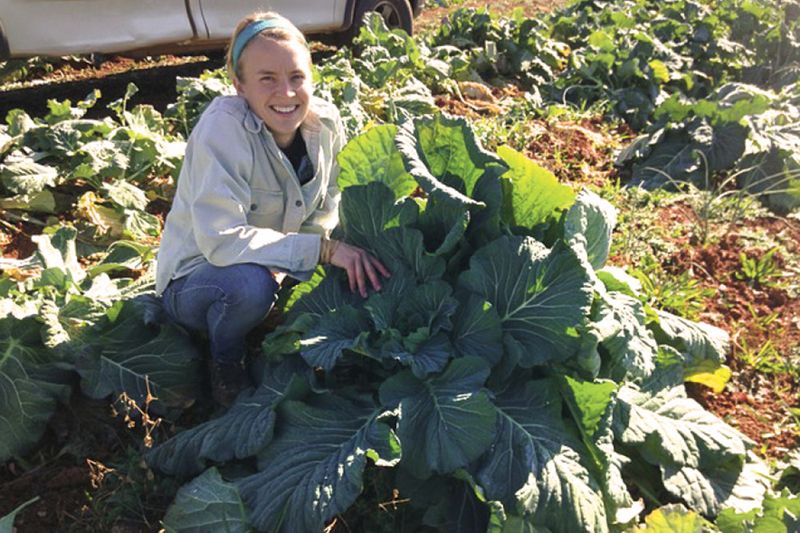
Ask an old-timer in eastern North Carolina what belongs in a fall garden and collards come up before you finish the question.
Collards (Brassica oleracea var. viridis) earned that loyalty honestly. They shrug off cold snaps that flatten lettuce, and like kale, the leaves sweeten after frost kisses them.
A patch of collards is basically insurance against a hungry January.
Transplant them in mid to late August, spacing plants 18 inches apart in rows about two feet wide. They grow tall and broad, so crowding them just means smaller leaves and more competition.
Coastal Plain gardeners working sandy soil should mix in a couple inches of compost first, because collards are hungry feeders and sand lets nutrients wash right through. Water deeply once or twice a week rather than a daily sprinkle.
Harvest from the bottom up, snapping off the largest leaves and letting the center keep producing. Done right, one planting feeds you for months, which is the whole point of putting them in now.
4. Mustard Greens Deliver Fast Peppery Rewards
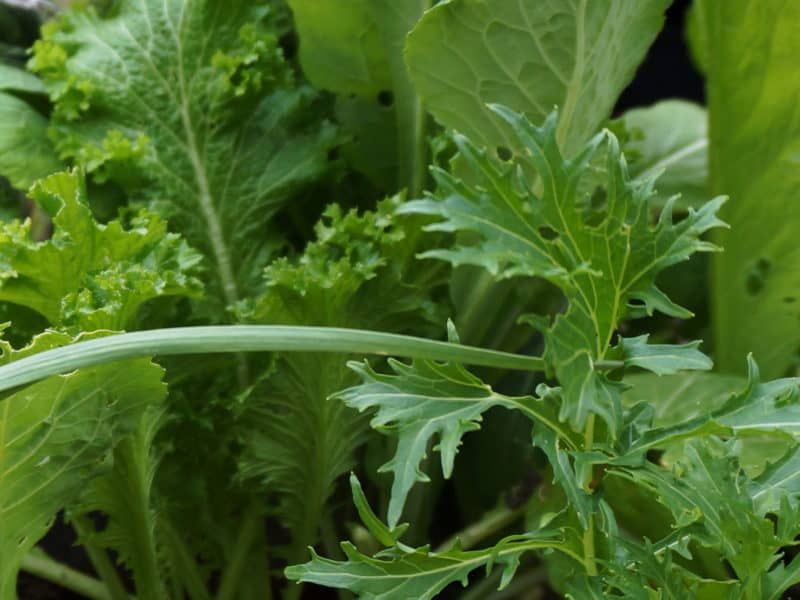
Patience is not required here. Mustard greens are for the gardener who wants results before the leaves finish falling.
Mustard greens (Brassica juncea) sprint from seed to salad, often ready to pick in 30 to 40 days. That speed makes them perfect for filling gaps between slower crops or squeezing in a second round before real cold arrives.
Sow seeds directly, a quarter inch deep, and thin the seedlings to about six inches apart once they are a few inches tall. The thinnings go straight in your dinner, no waste.
They carry a sharp, peppery bite when young that mellows as the weather cools. Flea beetles have a habit of peppering the leaves with tiny shot holes, so a lightweight row cover over the seedbed can keep them off during the vulnerable first weeks.
Succession plant a short row every two weeks into early September, and you stagger the harvest instead of drowning in greens all at once. It is a small trick that pays off at the kitchen table.
5. Carrots Turn Piedmont Clay Into Sweet Roots
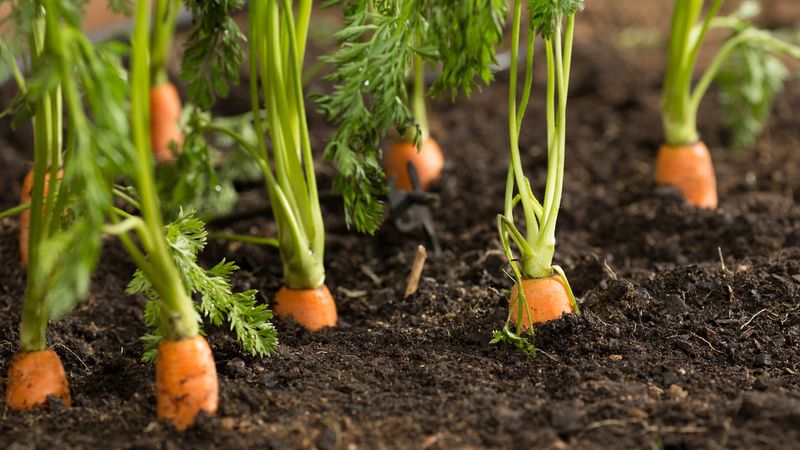
There is a particular pleasure in pulling a carrot from the ground you were sure would give you nothing but clay.
Carrots (Daucus carota subsp. sativus) build their sweetness slowly underground as the days shorten. Plant them August 1 through 15 across the Piedmont and Coastal Plain, and they mature into crisp, sugary roots by late fall.
Here is where it gets tricky. Carrot seed is tiny and slow, and it hates dry August soil.
Sow it a quarter inch deep, then cover the row with a board or thin mulch to hold moisture until you see green threads, then pull the cover off.
Heavy red clay fights the roots, so work in two or three inches of compost to loosen things up. Otherwise you get stubby, forked carrots instead of the long ones you pictured.
Thin ruthlessly to two inches apart. It feels wasteful, but crowded carrots stay skinny.
After the first light frost, dig one and taste it. The difference will genuinely surprise you.
6. Beets Give You Two Crops In One Plant
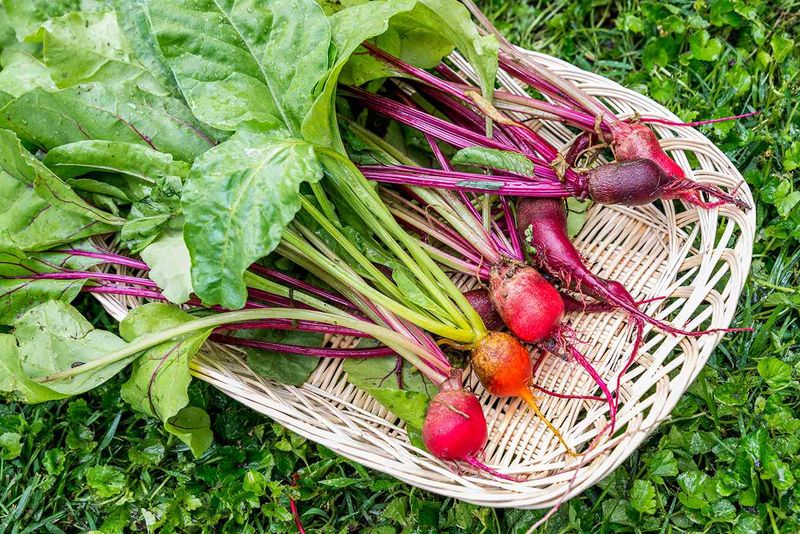
Beets quietly hand you two vegetables for the price of one seed, and most people only harvest half of it.
Beets (Beta vulgaris subsp. vulgaris) grow a sweet root below and a stack of tender, colorful greens above, both worth eating. Plant them alongside your carrots, August 1 through 15, for a fall pull.
Each wrinkled beet seed is actually a little cluster, so several seedlings pop up from one spot. Thin them to three or four inches apart, and toss the young thinnings into a salad.
They handle North Carolina clay better than carrots but still appreciate loose, compost-rich soil and steady moisture, about an inch of water a week. Uneven watering leaves them woody, which nobody wants.
Snip a few outer leaves as they grow without hurting the root below. Then pull the beets once they reach golf-ball to tennis-ball size, usually around 55 days.
Small and sweet beats big and tough every time.
7. Radishes Are The Quickest Win In The Garden
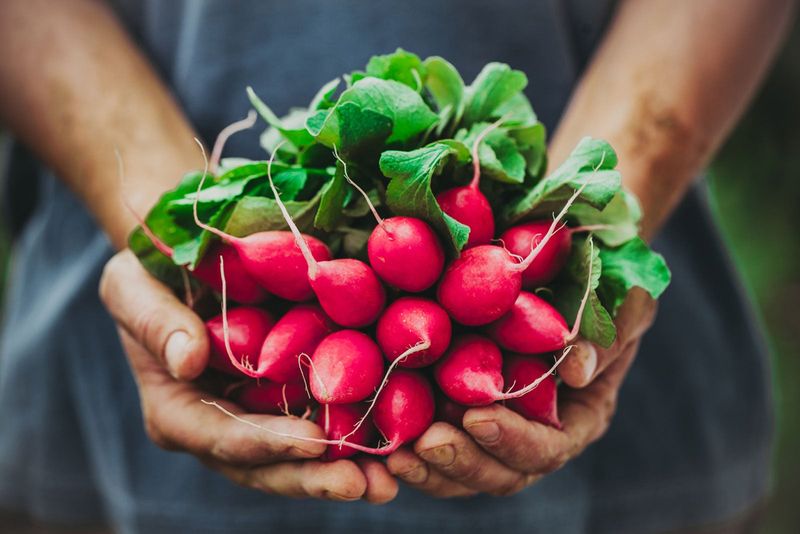
If you need proof the fall garden works, radishes deliver it in about a month.
Radishes (Raphanus sativus) are the instant gratification crop, ready to pull in as little as 30 days. Sandy Coastal Plain soil suits them perfectly, giving you crisp, round roots without much fuss.
Sow seeds a half inch deep and thin to an inch apart once they sprout. Crowded radishes put all their energy into leaves and never bulk up the part you actually want.
Keep the soil evenly moist so they grow fast and mild. Slow, dry growth turns them woody and fiery hot, the kind you spit back out.
Because they finish so quickly, radishes make a great marker crop. Sow them in the same row as slow carrots, and the radishes sprout first to show you where the row is, then get pulled before the carrots need the space.
Two jobs, one packet of cheap seed.
8. Turnips Feed You Top And Bottom
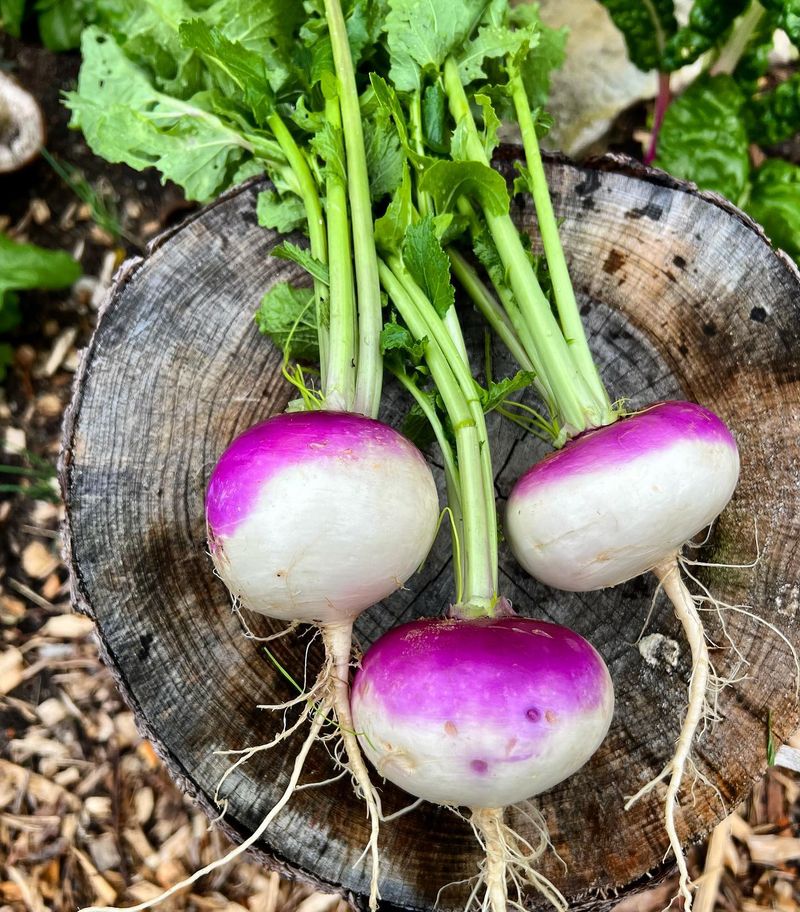
Turnips are the underrated cousin at the fall table, and they earn their spot twice over.
Turnips (Brassica rapa subsp. rapa) give you a mild, sweet root and a pile of cookable greens, both thriving in cool weather. Plant them a little later than carrots, from August 20 through September 15, and they cruise right into the crisp days they love.
Sow seed a half inch deep and thin seedlings to four inches apart. The roots swell fast, often ready in 45 to 55 days, and they turn sweeter as temperatures fall.
They are forgiving about soil but still want steady water to stay crisp instead of pithy. A frost only improves them, so do not rush to dig everything at the first cold night.
In the Sandhills and Coastal Plain, turnips practically plant themselves. Pull the roots young and tender, and simmer the greens the same night.
Few crops give this much food for so little effort this time of year.
9. Broccoli Rewards A Little August Planning
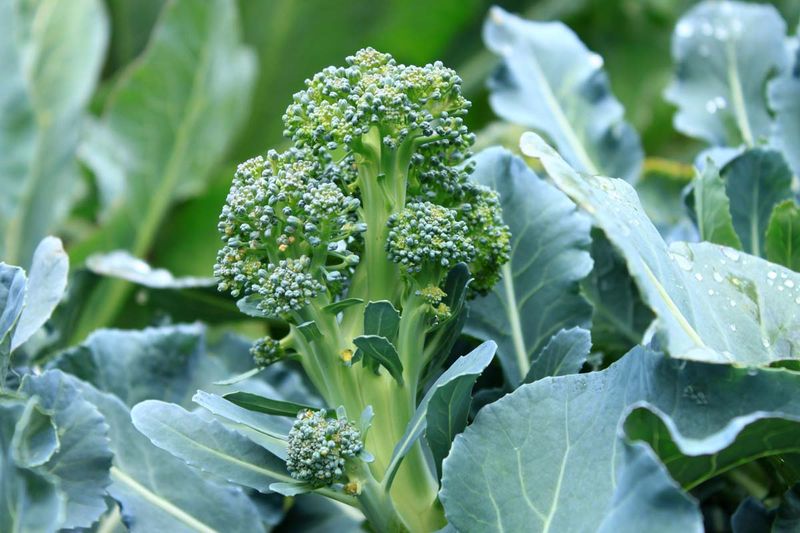
Broccoli looks intimidating, like a crop for serious gardeners only. It is not.
Broccoli (Brassica oleracea var. italica) simply wants cool weather to form a tight head, which is exactly what a North Carolina fall provides. Set transplants out from August 15 through September 15, and space them 18 inches apart to give each plant elbow room.
Consistent moisture is the whole game. Let it dry out during a hot spell and the head opens up loose and flowers early, what gardeners call bolting.
Keep the soil evenly damp, about an inch of water a week, and you get the firm central head you were hoping for.
Cut that main head while the buds are still tight and dark green. Then leave the plant standing, because it pushes out smaller side shoots for weeks afterward.
Aphids sometimes cluster on the new growth. A spray of insecticidal soap aimed at the undersides of the leaves can clear them out without harsh chemicals near your food.
That second harvest of side shoots is the quiet payoff most beginners never expect.
10. Cabbage Forms Tight Heads In Cooling Weather
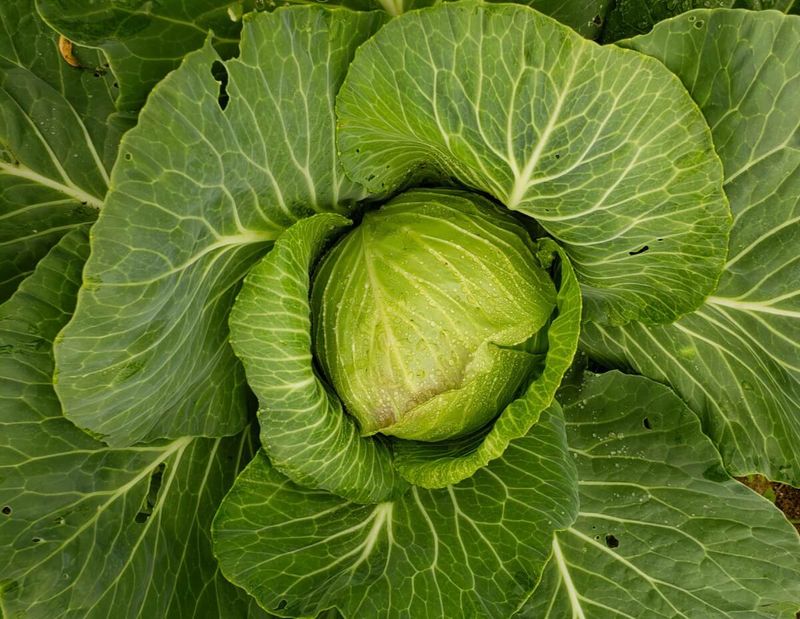
A solid cabbage head feels like the garden showing off. All those layers wrapped tight, waiting for coleslaw.
Cabbage (Brassica oleracea var. capitata) builds those dense heads best as the season cools, which is why August 15 through 31 is your window across much of the state. Transplants give you a head start toward maturity before real cold sets in.
Give each plant 12 to 18 inches of space and rich soil packed with compost, because cabbage is a heavy feeder that resents crowding. Steady watering keeps the heads from splitting later on.
Cabbage worms are the usual villains here, chewing ragged holes right through the outer leaves. Weekly Bt sprays handle them safely, and a floating row cover keeps the white cabbage moths from laying eggs in the first place.
Harvest once the head feels firm when you squeeze it. Cut it clean at the base and leave the roots, because sometimes a few small secondary heads sprout for a bonus round.
That is a genuinely nice surprise for a beginner.
11. Lettuce Loves The Shade You Once Ignored
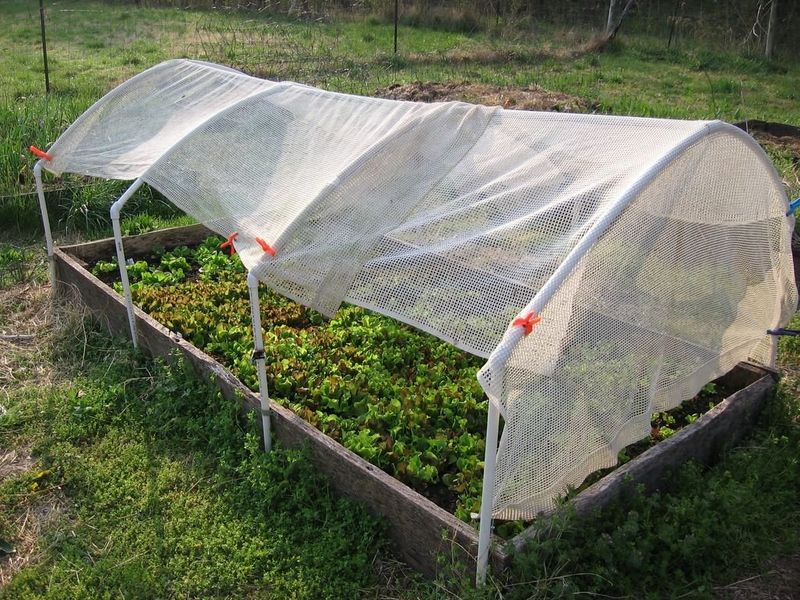
Lettuce is picky about heat, and that pickiness is exactly why fall suits it.
Lettuce (Lactuca sativa) turns bitter and shoots to seed in summer, but plant it as the days shorten and you get tender, mild leaves for weeks. Like spinach, the seed stalls out if the soil sits above 80 degrees, so timing and a little shade matter.
Tuck seeds in the cooler side of the garden, maybe where a taller crop throws afternoon shadow, and barely cover them since lettuce seed needs a touch of light to sprout. Keep the surface moist until you see green.
Loose-leaf types are the most forgiving. You can pick outer leaves as a cut-and-come-again crop, snipping what you need and letting the center keep growing for a month or more.
Sow a short new row every two weeks into September so the harvest keeps rolling instead of arriving all at once. Fresh salad on a cool October evening, from your own bed, is a small pride worth planting for.
12. Your First Frost Date Sets The Whole Plan
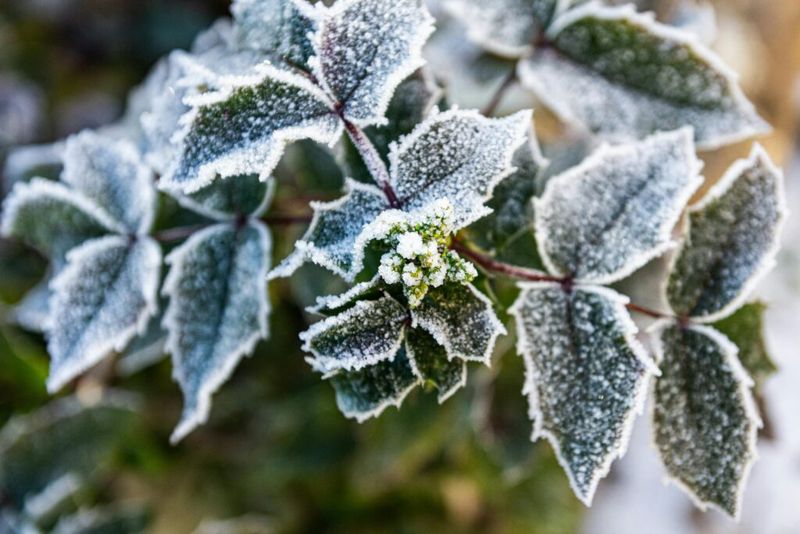
Knowing when your first frost lands is like having the answer key before the test.
North Carolina spreads across so much terrain that the dates swing widely. Up in the mountains around Asheville and Boone, expect that first frost between October 1 and 20.
Across the Piedmont from Charlotte to Raleigh, you are usually looking at October 16 to November 10, and along the coast near Wilmington, it can hold off until November 1 to 20.
Those numbers are averages, and Mother Nature enjoys a surprise cold snap. Still, they tell you which crops to prioritize now, since long-season plants like cabbage and broccoli need every week they can get.
For the quick crops, lettuce and radishes and mustard, keep succession planting into early September and let the frost dates be your deadline. A spun-woven row cover draped over tender plants can buy you an extra two or three weeks past that first cold night.
Pulling a crisp carrot or a firm head of lettuce while the leaves turn is a quiet kind of satisfaction. You worked with the season instead of against it, and your North Carolina garden is far from finished for the year.