
Skip Arborvitae For Privacy In Pennsylvania And Plant These Shrubs Deer Leave Alone
Follow us on Google
You step into your yard on a crisp November morning, ready for the stillness, and there it is again.
Another row of stripped branches on the privacy hedge you were so proud of.
That gut-punch feeling is familiar to so many of us across the Susquehanna Valley and beyond.
You planted those evergreens for a peaceful backyard, not a winter feeding station.
The good news is you can still get that dense, private screen you wanted.
You just need shrubs that deer tend to walk right past.
Here are proven picks that hold their ground across Pennsylvania.
1. Arborvitae Is A Deer Favorite
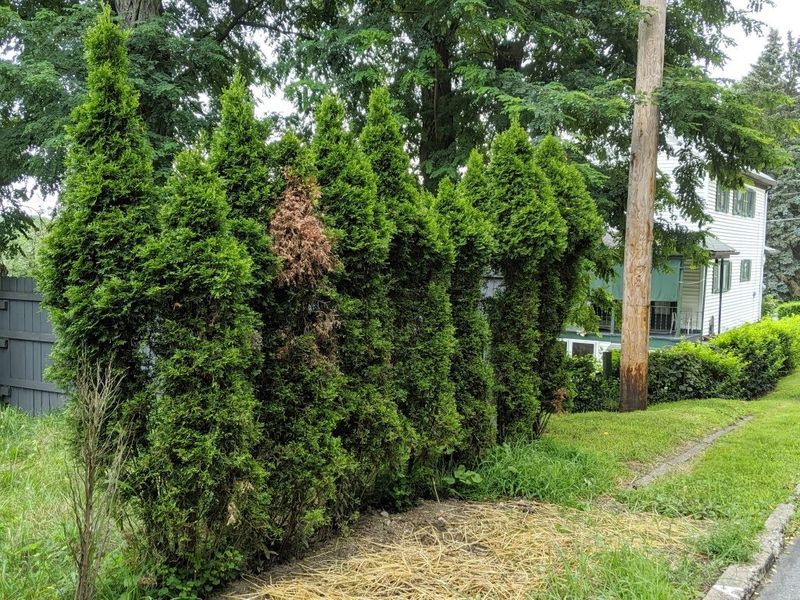
You bought those arborvitae, botanical name Thuja occidentalis, with the best intentions.
They grow fast, they look neat along a property line, and half the nurseries in Pennsylvania point you toward them for a screen.
But then the deer show up.
Especially once winter sets in and their other food runs thin.
Your tidy green wall starts looking like it got trimmed by a very hungry, very sloppy gardener.
Deer have no upper front teeth, so they tear rather than snip, leaving jagged branch ends as their signature.
Standing on their hind legs, they can strip growth up to 10 feet high.
Once a section loses all its green needles, those bare spots usually never fill back in.
That is the real heartbreak.
A pruned shrub recovers.
A stripped arborvitae just stays hollow.
Some types like Green Giant hold up a little better once mature, but young plants stay wide open, from the colder northern tier down to the warmer Delaware Valley.
You need a plant hero here, not a snack.
2. Japanese Holly Brings Year-Round Dense Greenery
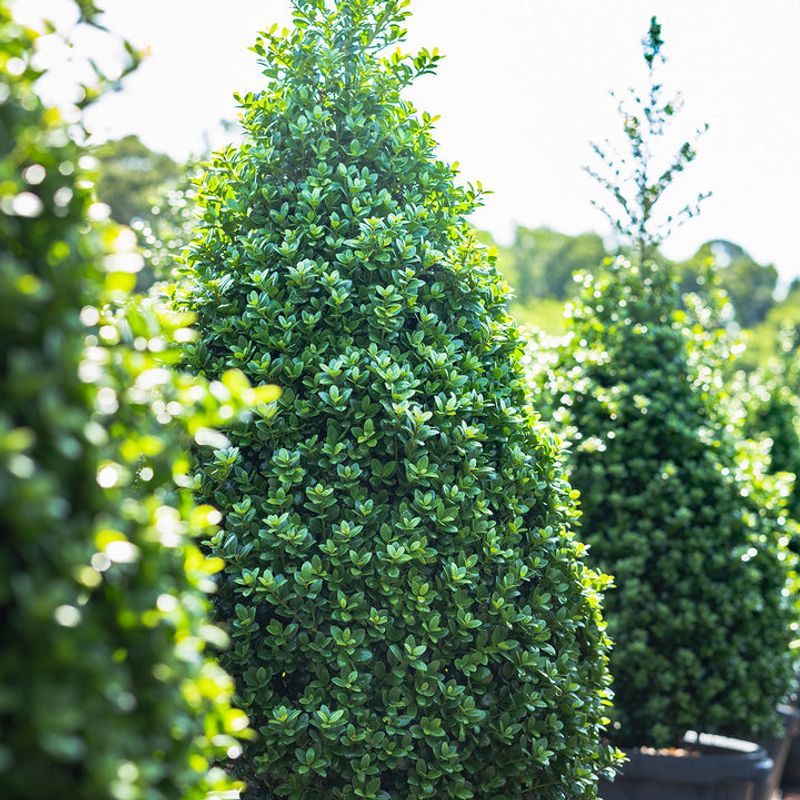
Say holly and most people picture prickly, spiny leaves that fight back.
Japanese holly, or Ilex crenata, throws that image out completely.
Its leaves are small, glossy, and spineless, looking more like tiny boxwood than a holiday wreath.
And it is genuinely tough against deer.
Penn State Extension and other university trials consistently rank it as rarely damaged by white-tailed deer.
The reason lives in the leaf.
Thick waxy coatings make chewing a chore, and bitter compounds make the whole thing taste wrong to a browsing deer.
So they move on to the neighbor’s yard instead.
Japanese holly keeps its dark green color through humid summers and icy winters, thriving in USDA Zones 5 through 9, which covers nearly all of Pennsylvania.
It likes full sun to part shade and moist, well-drained, slightly acidic soil, though it tolerates clay and some drought once settled in.
For a dense hedge, space plants about 3 to 4 feet apart.
The cultivar Steeds grows 6 to 8 feet tall and stays narrow at 2 to 3 feet, perfect for a tight side yard.
Your neighbors will wonder how the hedge stays so neat, and you will just smile.
3. Inkberry Holly Is A Native Evergreen Hero
Picture that soggy corner of your yard where every evergreen you try just melts away by August.
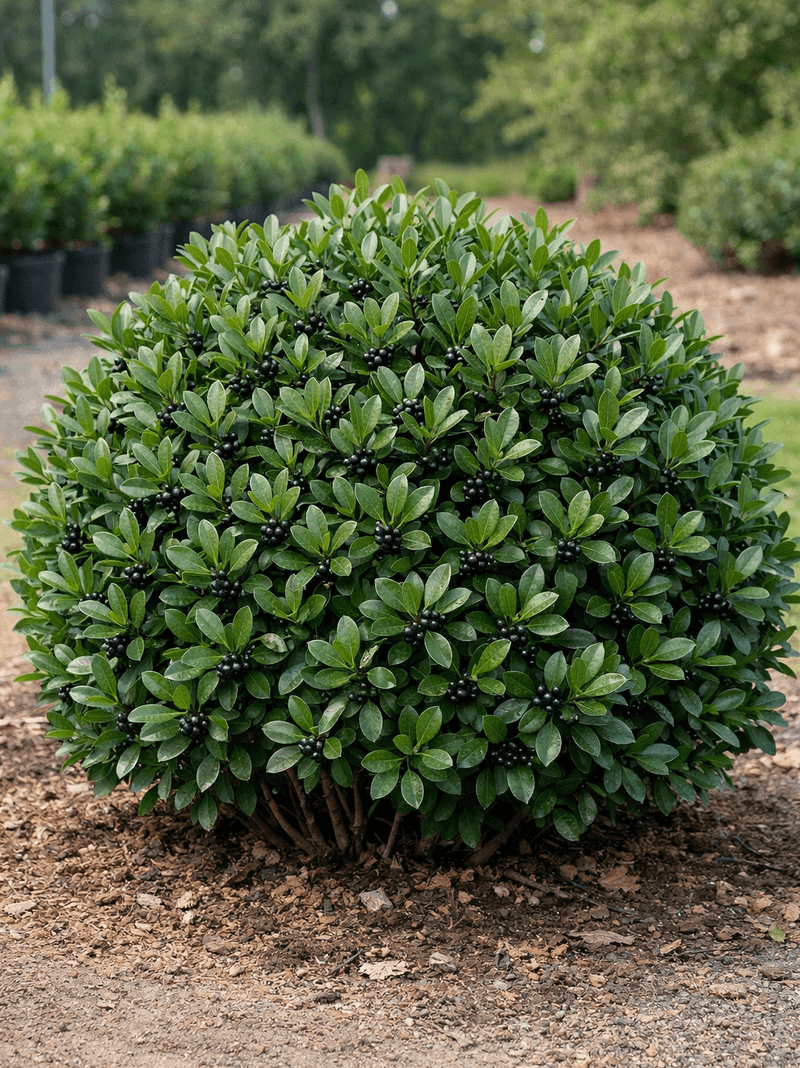
Inkberry holly, Ilex glabra, is the quiet hero built for exactly that spot.
Plenty of homeowners in southeastern Pennsylvania fight heavy clay and standing water, then watch their screening plants sulk or drown.
You want year-round green without babysitting it, and without laying out a deer buffet.
Here is the turn.
Inkberry is a native that shrugs off wet feet, and deer leave it alone thanks to mild compounds in its leaves they simply do not like.
Unlike its spiny cousins, it wears smooth, oval, dark green leaves that stay handsome through the depths of winter.
It handles full sun to part shade and adapts from sandy to clay soil, tolerating moist and even occasionally wet ground, which makes it a natural for rain gardens.
Mature plants reach 5 to 10 feet tall and 5 to 8 feet wide, forming a dense screen, especially as they sucker into colonies.
For berries the birds love, plant both male and female shrubs, and setting out 3 to 5 improves your odds of fruit.
Space them 4 to 6 feet apart.
You get deep green privacy that feels right at home from the Lake Erie region down through the central valleys.
4. Mountain Laurel Stands Tall And Beautiful
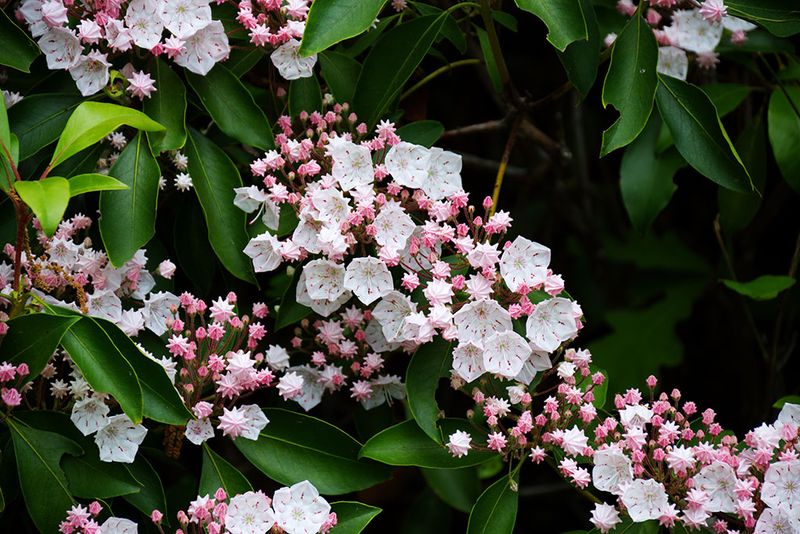
There is a moment every spring when Pennsylvania’s woods light up with the blooms of mountain laurel, Kalmia latifolia.
It is our state flower, and it happens to make a stunning privacy plant that deer avoid.
Most folks never think of a flowering shrub for a screen.
They assume anything that pretty must be the first thing deer target.
It is a familiar frustration when the deer seem to enjoy your garden more than you do.
But this one flips the script.
Its leathery, dark green evergreen leaves stay attractive all year, and deer reliably pass it by.
In late spring, usually May or June, you get clusters of unique bell-shaped flowers in white, pink, or deep rose.
Mountain laurel prefers part shade, which matters in hotter pockets around Philadelphia and Pittsburgh, though it takes fuller sun in cooler regions with steady moisture.
It genuinely needs acidic, well-drained soil that mimics its woodland home.
Expect 5 to 15 feet tall and 5 to 10 feet wide over time, so give it room.
Space plants about 5 to 8 feet apart for a natural, dense barrier.
You end up with privacy that also happens to stop you in your tracks each June.
5. Boxwood Offers Classic Formal Charm
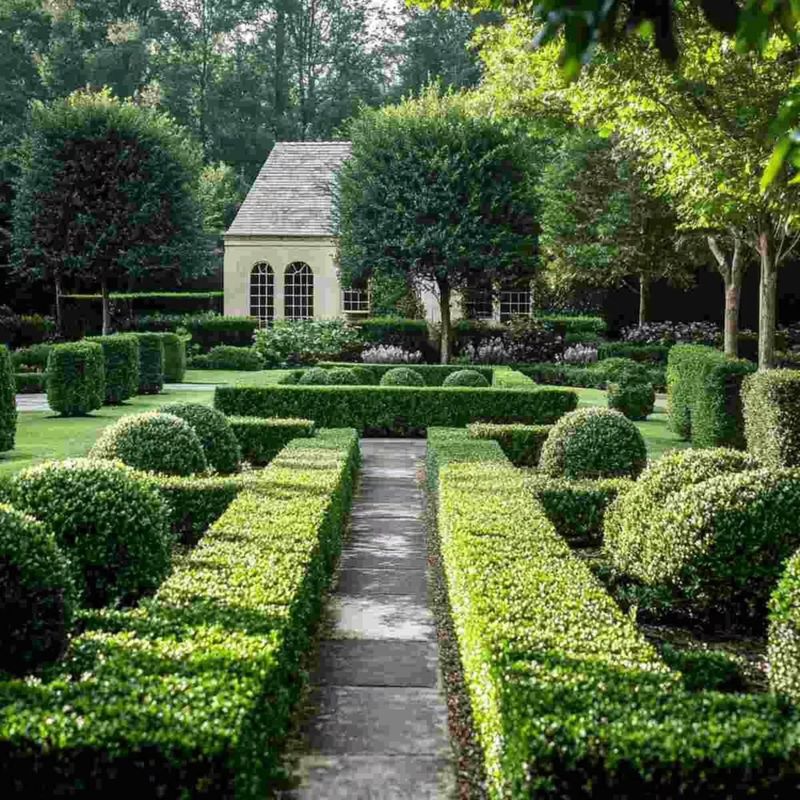
Boxwood, the Buxus family, has anchored formal gardens for centuries.
Clipped hedges, tidy spheres, that crisp tailored look you cannot fake with anything else.
Homeowners around suburban spots like Chester County love that dense evergreen shape but worry deer will ruin the whole effect.
You want elegance, not a ragged, nibbled mess along the walkway.
The relief is that boxwood is genuinely deer-resistant, thanks to bitter alkaloids in its leaves.
No plant is fully deer-proof if a herd is starving through deep snow on the Allegheny Plateau, but boxwood ranks consistently as rarely damaged.
It is remarkably flexible, growing in full sun to full shade, though a little afternoon shade helps prevent summer leaf scorch.
It prefers loamy, well-drained soil with a pH between 6.5 and 7, but adapts to heavier clays common in southeastern Pennsylvania.
Sizes run wide.
Dwarf types top out at 2 to 3 feet, while larger cultivars climb 10 to 12 feet.
Space small varieties 18 to 24 inches apart for a tight hedge, and give larger ones 3 to 4 feet.
You can build those clean green walls and trust them to stand guard.
6. PJM Rhododendron Blooms In Early Spring
Everybody knows deer love rhododendrons.
So planning a rhododendron into a deer-resistant screen sounds like a setup for disappointment, especially in the high-deer Poconos or higher elevations.
Here is the surprising part.
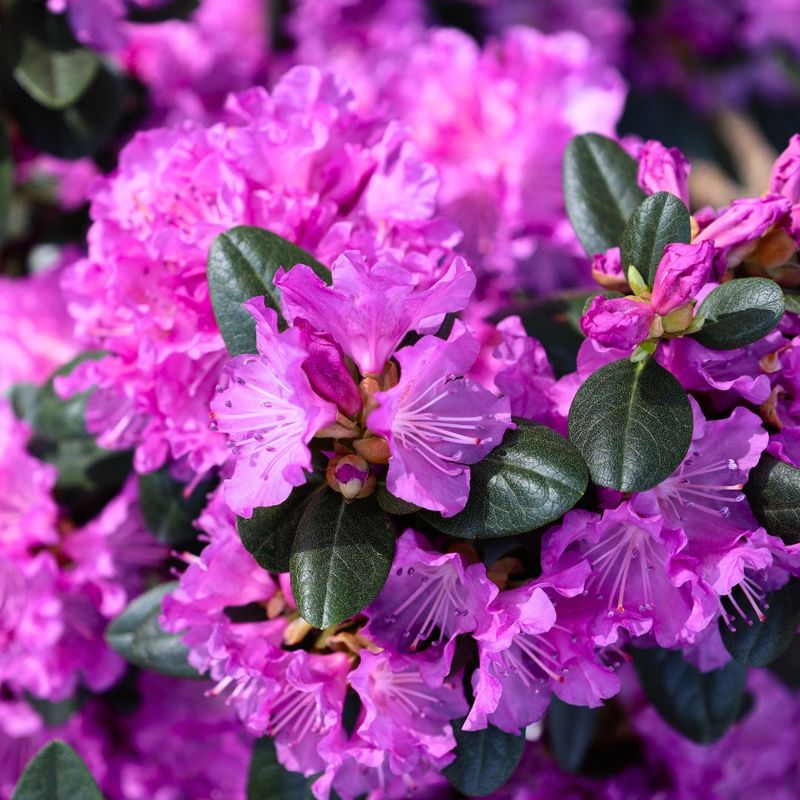
The PJM Rhododendron, Rhododendron PJM, stands out for real deer resistance while most of its relatives get chewed to nubs.
It is the exception worth planting.
As a broadleaf evergreen, it holds its leaves all year, and those leaves take on a handsome purple-bronze tint in cold weather for winter interest.
Then in early spring, often April, before most plants even wake up, it erupts in pinkish-lavender flowers.
PJM wants acidic, well-drained soil and part shade to dappled sun, with shelter from harsh afternoon sun and drying winter wind.
It is hardy across USDA Zones 4 through 8, which suits Pennsylvania’s range nicely.
Over about 10 years it reaches 3 to 6 feet tall and 3 to 7 feet wide, filling into a dense barrier.
Space plants 3 to 5 feet apart for a solid screen.
You get an early color show and steady evergreen privacy, with far less worry about browsing.
7. Virginia Sweetspire Offers Fragrant Fall Color
You want a shrub that earns its keep.
Something that blooms, feeds pollinators, and shrugs off tough soil through those humid Pennsylvania summers.
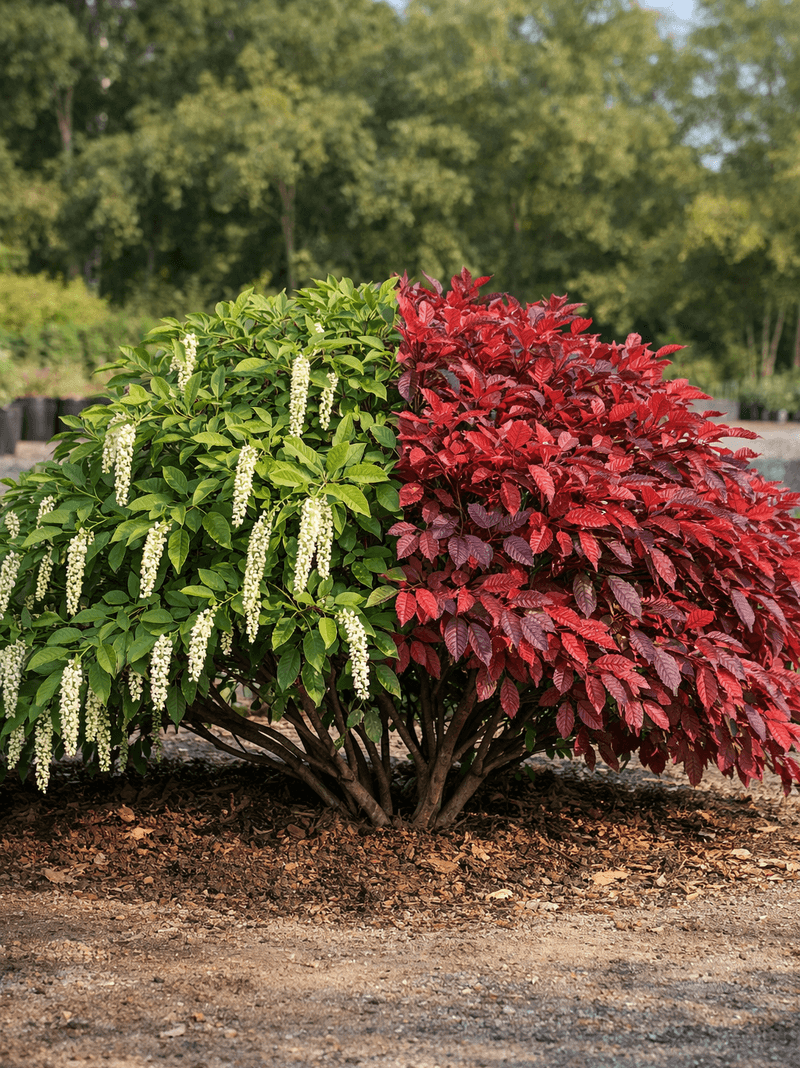
Virginia sweetspire, Itea virginica, is a native that does all of it, and deer generally leave it be.
It is a smart fix for that awkward spot, maybe a rain garden in the central valleys or a shaded border out in western Pennsylvania where the soil is far from perfect.
Its aromatic foliage is the secret.
Deer tend to avoid the scent, so it survives where fussier plants become dinner.
In late spring into early summer, usually May and June, it sends out fragrant, bottlebrush-like white flower spikes that pollinators swarm, and those blooms can last 4 to 6 weeks.
The showstopper comes later.
Fall turns the leaves to burning orange, red, and burgundy that often hang on well into December.
Sweetspire handles full sun to full shade and tolerates heavy clay, wet sites, and even short flooding.
It grows 3 to 5 feet tall and wide, slowly suckering into a dense thicket, so space plants 3 to 4 feet apart.
Low fuss, high reward, and the deer keep walking.
8. Fothergilla Shines With Fall Color
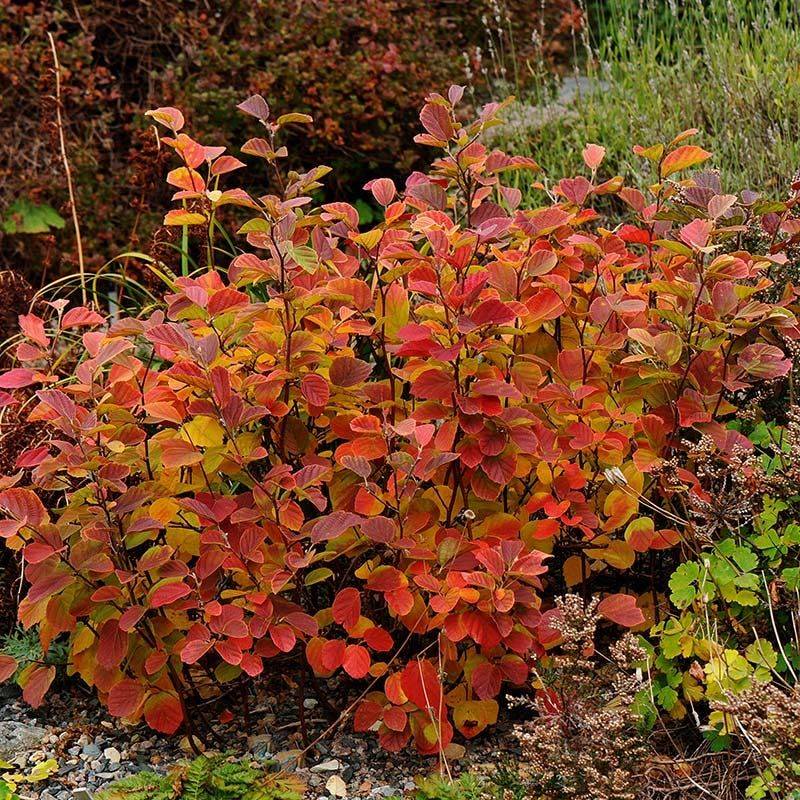
Picture your backyard in late October, glowing with orange, red, and yellow, while the deer just wander past without a nibble.
Fothergilla, Fothergilla gardenii, sometimes called dwarf witch alder, delivers that scene with dependable deer resistance.
Lots of Pennsylvania homeowners chase fall drama but fear any showy plant becomes a deer magnet.
In places like the Laurel Highlands and the Poconos, that pressure is genuinely intense.
What surprises people is that this shrub, native to the southeastern states yet perfectly happy here, carries compounds deer find unpalatable.
They taste it once and lose interest.
In early spring, typically April, before the leaves fully open, it puts out fragrant white bottlebrush flowers that feed early pollinators.
Through summer, its blue-green leathery leaves add cool texture.
Then the first crisp snaps of fall set the foliage on fire, holding color often into November.
Fothergilla likes sun to part shade and well-drained, acidic soil, though it adapts as long as things do not stay bone dry.
The dwarf F. gardenii stays 2 to 3 feet tall and wide, while F. major can reach 6 to 10 feet.
Space dwarf types 2 to 3 feet apart for a dense planting and enjoy a multi-season show.
9. Winterberry Holly Brightens Winter
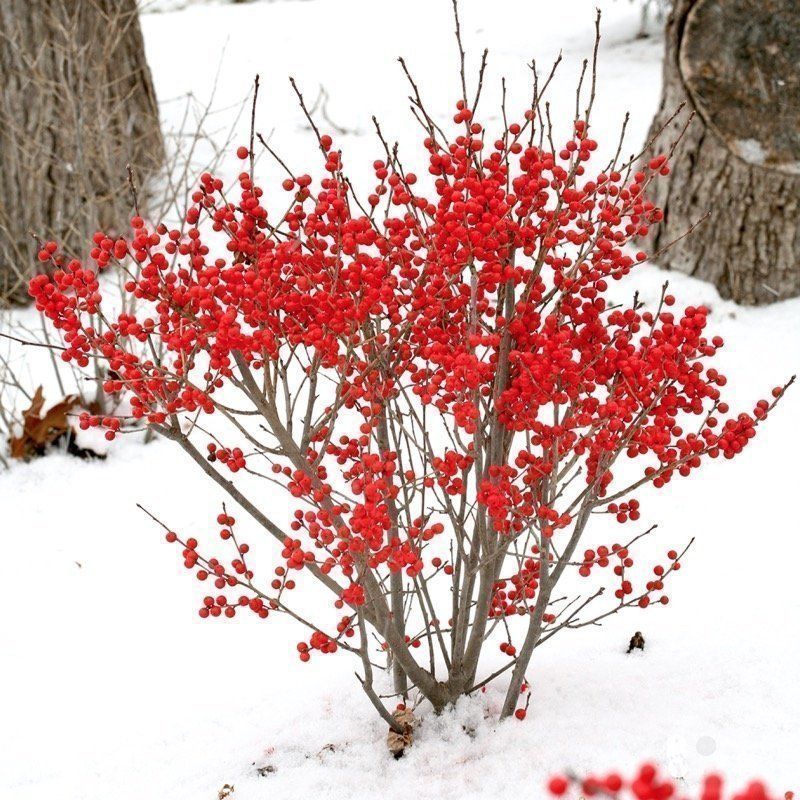
Even when snow blankets the northern tier and the fields near Lake Erie lie flat and gray, your screen can still throw off color.
Winterberry holly, Ilex verticillata, drops its leaves in fall and reveals branches loaded with brilliant red berries that cling all winter.
The usual letdown with deciduous privacy plants is what happens after fall color fades.
You are left with bare sticks, no interest and no real screening.
You want a plant that works even while the yard is asleep.
Winterberry flips that weakness into its whole point.
The berries feed birds through the cold and glow against the snow, and the shrub is moderately deer-resistant, meaning deer usually skip it or nibble only lightly.
It thrives in full sun to part shade, with the heaviest berry set in full sun, and it genuinely prefers acidic, moist to wet soil, so it shines in poorly drained corners and rain gardens across Pennsylvania.
Expect 6 to 10 feet tall and wide, with dwarf options available.
To get those berries, you need male and female plants.
One male like Jim Dandy pollinates up to five females, and they must sit within 50 feet of each other.
Space females 4 to 6 feet apart for a berry-heavy screen, and let the color carry you through the quietest part of the year.