
What Pennsylvania Blueberries Need Right Now For A Heavier Crop Next Summer
Follow us on Google
Right now, while your blueberry bushes are still loaded with late-season fruit, next year’s harvest is already being decided underground.
The flower buds that will open next spring are forming on new shoot tips this very month, and how you treat the plants in late summer shapes how many of those buds survive winter.
You can’t guarantee a bumper crop, but you can genuinely protect what’s developing and avoid a few common mistakes that quietly cost Pennsylvania gardeners berries every year.
The care window is shorter than most people think, and the right moves are simpler than you’d expect.
Late Summer Protects Next Year’s Buds
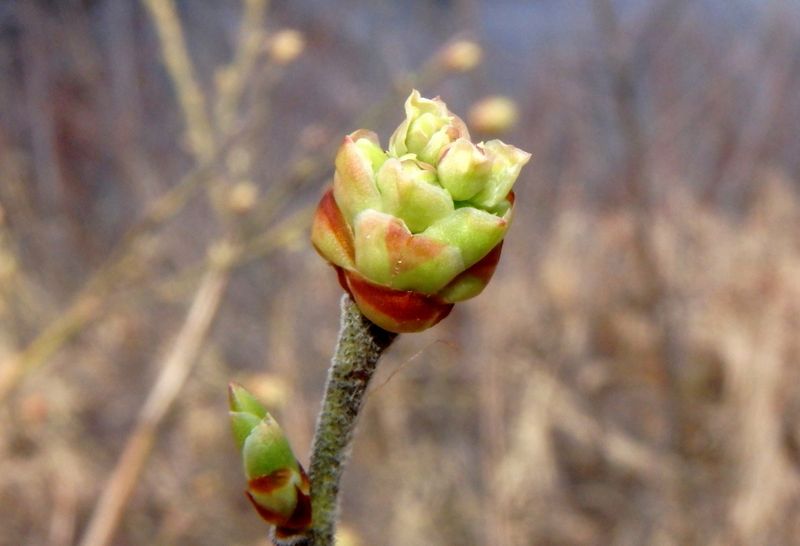
Step outside on a warm August afternoon and look closely at the tips of your blueberry canes.
Those small, rounded buds sitting at the ends of this year’s new shoots are not leftovers from the current season.
They are next summer’s flowers, and they are forming right now while the plant is still managing heat, ripening fruit, and whatever rainfall Pennsylvania has thrown at it lately.
That timing matters more than most backyard growers realize.
Highbush blueberry (Vaccinium corymbosum) roots are shallow, sitting mostly in the top several inches of soil where moisture evaporates fastest.
A commercial blueberry production guide from University of Minnesota Extension notes that drought stress during this period can reduce both shoot growth and fruit-bud development for the following crop.
That means a dry August in the Susquehanna Valley or a hot, rainless stretch across the Laurel Highlands is not just uncomfortable for the plant today.
It can quietly thin next summer’s harvest before the leaves even drop.
The honest version of the title’s promise is this: late-summer care can improve the odds of a heavier crop, but it cannot guarantee one.
What mid-August actually favors is a focused set of tasks.
Keep root-zone moisture steady.
Maintain mulch.
Remove overripe and rotting fruit.
Avoid stimulating tender new growth with nitrogen fertilizer.
Those four things matter most right now.
Major pruning does not belong on this list.
That work waits until the end of winter dormancy, usually around March in Pennsylvania, when buds are easier to read and the risk of triggering frost-vulnerable shoots is past.
Trying to do everything in August is one of the most common ways growers accidentally hurt the crop they are trying to protect.
Local conditions vary enough across the state that no single calendar date applies everywhere, so watch your soil, your weather, and your plants rather than a fixed schedule.
Water By Root-Zone Conditions
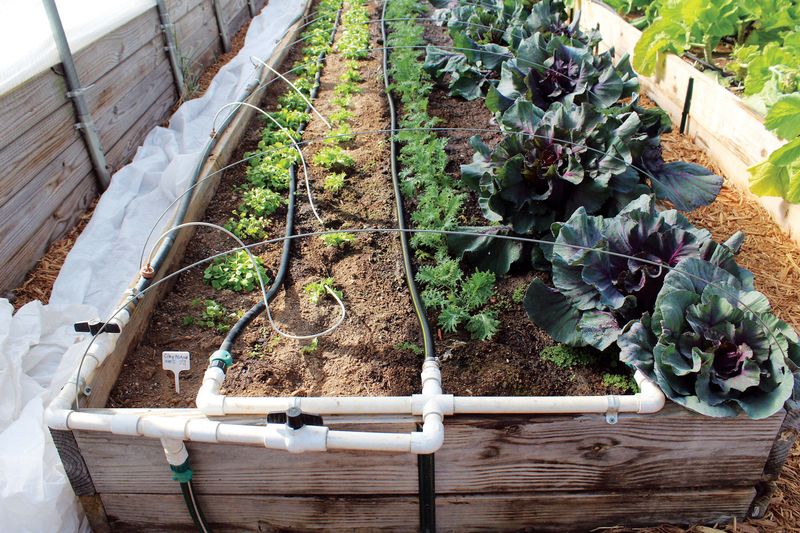
Many gardeners water their blueberries by the calendar or by feel from three feet away.
That approach tends to leave the root zone either too wet after a heavy storm or quietly dry during the stretches between Pennsylvania’s summer thunderstorms, which can be longer than they look on any given week.
A soaker hose or drip line placed beneath the canopy, close to the root zone, is the most reliable way to deliver water where the plant actually uses it.
After watering, push a finger or a trowel blade a few inches into the soil near the drip line of the plant and check whether the root zone is genuinely moist or starting to dry.
Water again when it needs it, not before.
Overwatering is a real risk, especially in yards with heavier clay soil that drains slowly and holds moisture longer than sandy ground does.
Some commercial guides offer weekly water targets as planning references.
A University of Minnesota and Wisconsin commercial production guide, for example, mentions a range of roughly 0.75 to 1.75 inches per week as a general figure for the growing season.
That number reflects specific regional conditions and is not a Pennsylvania prescription.
Rainfall, soil texture, mulch depth, plant size, heat, and how well your site drains all determine how often your particular plants actually need water.
A plant in a well-mulched raised bed in the Delaware Valley behaves very differently from one in a clay-heavy yard in western Pennsylvania after a two-inch rain.
Penn State Extension’s highbush blueberry production guidance emphasizes that blueberries need porous, well-drained soil alongside consistent moisture.
Clay-heavy ground that stays wet after rain can restrict drainage, compact around shallow roots, and create conditions that damage the plant over time.
If your site tends to hold standing water, the answer is improving drainage or choosing a better location, not simply adding more irrigation.
Maintain A Four-Inch Mulch Layer
Blueberry roots are doing quiet, critical work in the top few inches of soil, and they are genuinely vulnerable to the temperature swings and moisture losses that hit Pennsylvania yards in late summer and early fall.
A properly maintained mulch layer is one of the most practical tools a backyard grower has for protecting that shallow root environment between rain events.
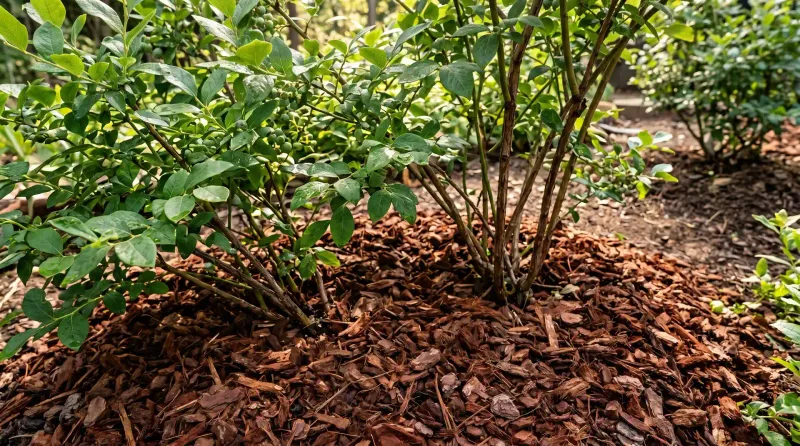
Aim for about 4 inches of hardwood bark, aged sawdust, or another organic material that has been tested and confirmed to be non-alkaline.
Keep the mulch pulled a few inches away from the crown of the plant so moisture does not sit against the base of the canes.
As mulch settles and breaks down over the season, renew it to hold that 4-inch depth.
Penn State Extension’s home blueberry planting guidance specifically recommends mulching to moderate soil temperature and protect shallow roots through Pennsylvania’s freeze-thaw cycles.
Mulch does a real job of reducing moisture swings between rain events, and that consistency matters while flower buds are developing.
But mulch is not a substitute for irrigation when soil is dry, and it does not replace drainage on a site that stays wet.
It also does not correct soil pH on its own, which is a separate problem that requires a soil test.
A word on material choices: not every organic mulch is a safe option for blueberries.
Mushroom compost, for example, tends to have a high pH and can actually work against the acidic conditions blueberries need.
Pine needles are sometimes assumed to acidify soil reliably, but the sources do not support treating them as a dependable pH correction.
Check the pH of any mulch material before applying it, and when in doubt, stay with hardwood bark or aged sawdust that you know to be suitable.
Skip Routine August Nitrogen
The impulse to fertilize is strong when you want a better harvest next year.
Sprinkle something on the roots now, the thinking goes, and the plant will reward you with more fruit.
For blueberries in August, that impulse is worth resisting firmly.
Late or excessive nitrogen can push the plant into producing soft, tender new growth during a period when it should be hardening off for fall.
That growth does not have enough time to mature before cold arrives, and Oregon State University Extension’s guide on blueberry plant development notes that late nitrogen can increase vulnerability to frost and winter injury.
Some regional guides use July 1 as a practical cutoff for nitrogen applications.
If you believe your plants need fertilizer, get a soil or leaf-tissue test and follow a qualified recommendation rather than guessing from leaf color or last year’s crop size.
The sanitation task that actually belongs in August is fruit removal.
Harvest ripe berries completely and promptly, then walk the bed and pick up any rotting or shriveled fruit from both the plant and the ground beneath it.
Leaving overripe fruit behind creates conditions that invite disease and pests to linger into fall.
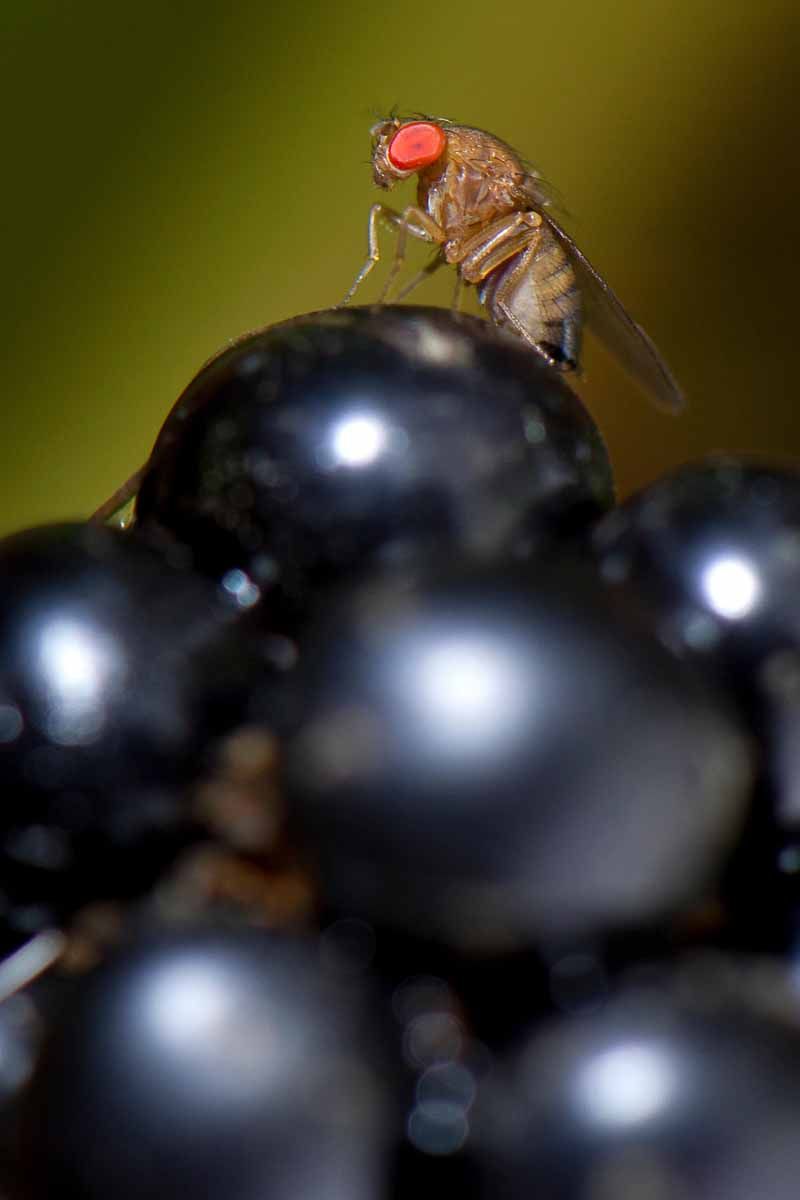
One pest worth knowing about is spotted wing drosophila (Drosophila suzukii), a small fly that sets it apart from common fruit flies by attacking healthy, ripening fruit rather than waiting for damage or fermentation.
Penn State Extension’s 2024 spotted wing drosophila update for Pennsylvania covers current monitoring and management approaches.
Any pesticide decision should follow Pennsylvania recommendations and the product label carefully.
Protecting pollinators matters here too, so avoid broad-spectrum insecticide applications unless monitoring confirms a genuine need and timing allows for pollinator-safe application.
Test Soil Before You Amend It
No amount of careful watering and mulching in August can fix a planting site where the soil pH is working against the plant every single day.
Blueberries are genuinely demanding about soil chemistry, and the problems created by the wrong pH are persistent, not seasonal.
Highbush blueberries perform best in soil with a pH between 4.5 and 5.0.
When pH climbs above that range, the plant cannot take up iron efficiently even when iron is physically present in the soil.
When pH drops too far below it, manganese or aluminum can reach levels that become toxic.
Neither problem shows up cleanly as a single symptom, and diagnosing pH from leaf color alone is unreliable.
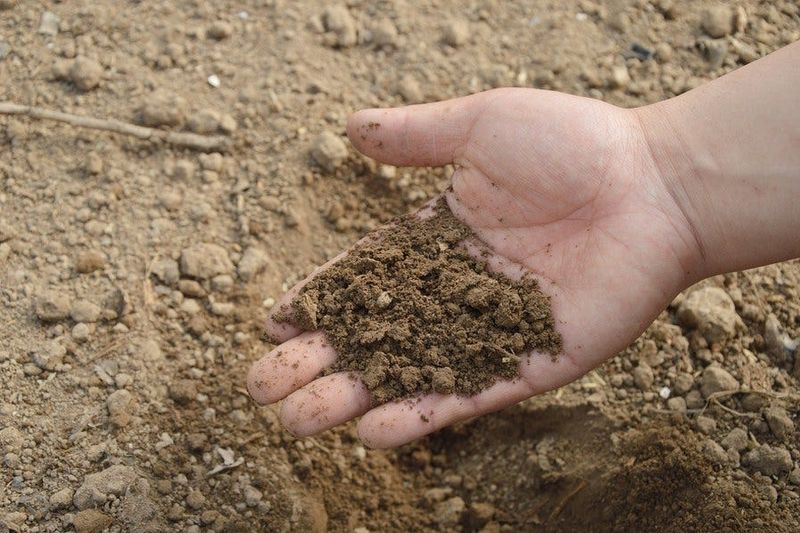
A soil test from Penn State Extension or a certified lab gives you actual numbers to work with.
Penn State’s site selection and preparation guidance states that production is generally not recommended where native soil pH exceeds 6.2 unless substantial, well-planned measures are taken.
That is a meaningful threshold.
Yards across central and western Pennsylvania with shale-based or limestone-influenced soils can sit well above that number, and no surface amendment will fix the problem quickly.
Sulfur is the standard tool for lowering pH, but it works slowly and is most effective when incorporated into the bed before planting.
Surface applications after plants are established are far less reliable.
Aluminum sulfate is sometimes suggested as a faster option, but Penn State identifies it as toxic to blueberries and does not recommend it.
Coffee grounds, pine needles, and compost are not substitutes for a tested amendment program.
Some composts, including mushroom compost, can actually raise pH and make conditions worse.
Test first, then act on what the test actually shows, including checking drainage and compaction alongside pH.
Wait For Dormant-Season Pruning
Every fall, some gardeners look at their blueberry bed after harvest, decide it looks messy, and start cutting.
That cleanup instinct is understandable.
For blueberries, though, it is one of the most reliably counterproductive things you can do to a plant that is otherwise in good shape.
Fall pruning can stimulate new shoot growth at exactly the wrong moment, producing soft growth that has no time to harden before cold arrives.
Penn State Extension’s pruning guide for home fruit plantings is clear that fall pruning is not recommended because those triggered shoots are vulnerable to winter injury.
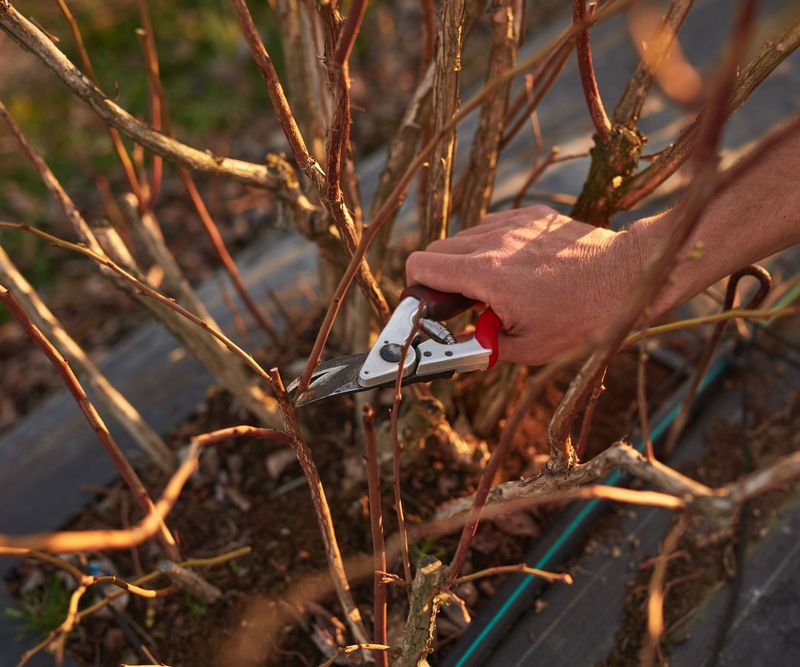
The right time for major pruning is near the end of the dormant season, usually around March in Pennsylvania, when flower buds and leaf buds are easier to tell apart and the worst cold has passed.
Dormant-season pruning has a clear set of goals.
Remove dead, damaged, diseased, or weak wood first.
Then thin crowded interior growth so light and air can move through the plant.
Over several seasons, gradually replace older, less productive canes with the vigorous new canes that grow from the base, since Penn State Extension’s highbush blueberry production resource notes that older canes become less fruitful over time.
Here is where growers sometimes make a costly mistake.
If last summer’s crop was light, the temptation is to cut healthy fruiting canes, reasoning that something must be wrong with the wood.
But a poor harvest can come from inadequate pollination, a late spring frost, winter injury, drought, disease, or simply too heavy a crop load the previous year.
Pruning healthy canes does not fix any of those causes.
Identify what actually went wrong before reaching for the pruners in March, and cut only what the plant genuinely does not need.
Match Care To Plant Age
Mature-plant advice does not translate cleanly to a shrub that went into the ground last spring.
Applying the same routine to a one-year-old plant as to an established five-year-old can actually slow the young plant down at a time when it needs to be building roots and canes, not producing fruit.
Penn State’s guidance is specific on this point.
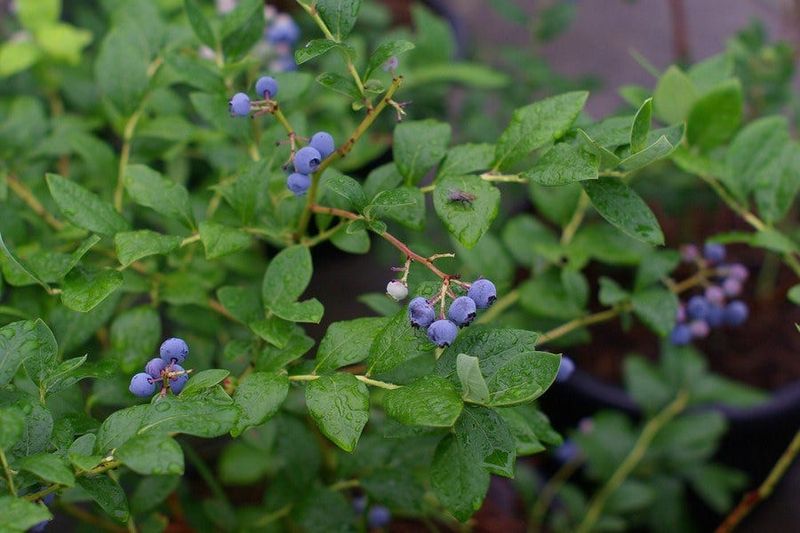
During the first two years after planting, remove all flower buds so the shrub puts its energy into root and cane development rather than an early crop.
In the third year, removing up to half the buds is still appropriate.
A young blueberry that is allowed to carry a heavy fruit load too soon may stay stunted and underperform for years, which is a longer setback than one missed harvest would suggest.
Penn State Extension’s highbush blueberry production page lays out this establishment approach clearly, and it applies across the state whether you are growing in the warmer Delaware Valley or in a shorter-season yard on the Allegheny Plateau.
An established plant, generally one that has been in the ground for four or more years and has developed multiple strong canes, is ready for the full late-summer routine: steady moisture, 4 inches of suitable mulch, fruit sanitation, and properly timed dormant pruning.
Even with established plants, crop size each year depends on more than late-summer care.
Cultivar genetics, winter survival, spring frost timing, pollination conditions, disease pressure, bird activity, and spotted wing drosophila all play real roles in the final harvest.
Careful late-summer attention can protect developing buds and reduce avoidable stress, but it cannot override every variable that a Pennsylvania growing season puts in front of the plant.
Prepare Now For Better Spring Pollination
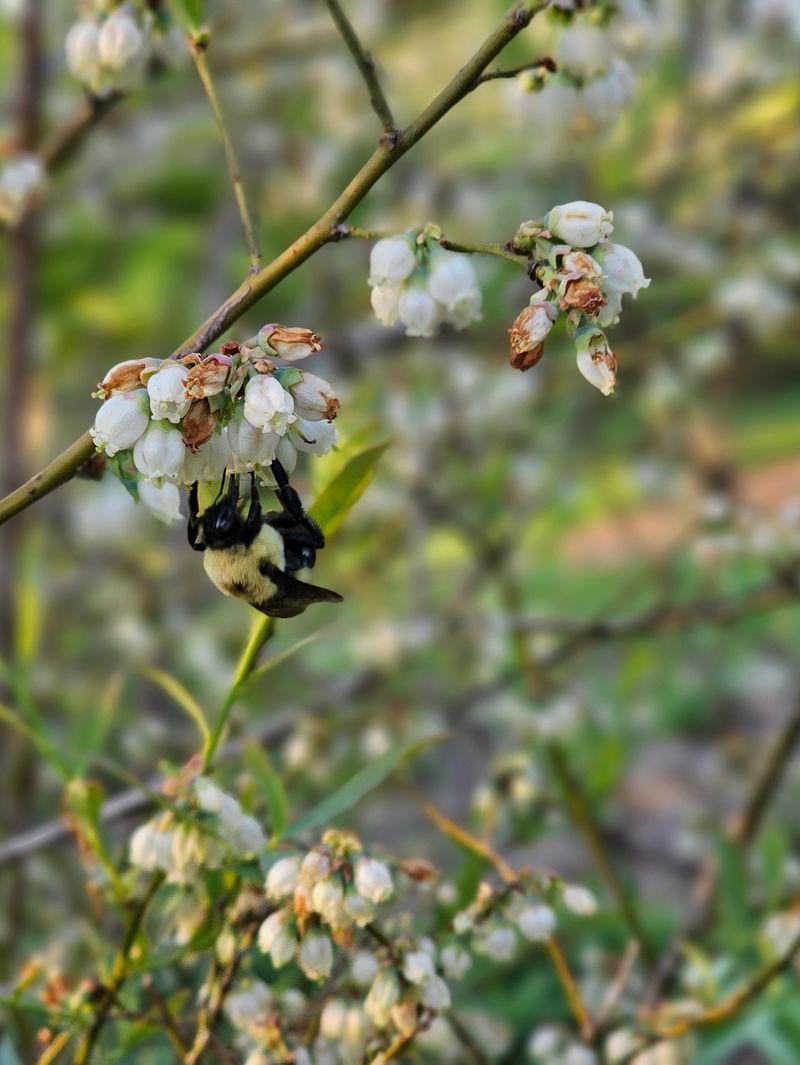
Pollination is a spring event, but the conditions that support it are built over time, and August is actually a useful moment to think about what you are doing or not doing that affects next May’s pollinators.
Highbush blueberries can set some fruit on their own, but Penn State Extension’s blueberry pollination research for Pennsylvania reports that growing more than one compatible cultivar can produce larger berries and heavier crops when bloom periods overlap.
Wild bees, including bumble bees and native mining bees, are especially valuable because blueberry flowers release pollen through small pores that respond best to buzz pollination, a vibration technique that honey bees perform less effectively.
That means the wild bee population in and around your yard matters more than most growers expect.
The connection to August is straightforward.
Unnecessary insecticide use during the late-season fruit window can reduce the populations of ground-nesting bees that will be doing critical work next May.
Avoiding broad-spectrum sprays when they are not genuinely needed is one of the most useful things you can do right now for next spring’s pollination.
Adding flowering plants in August will not boost the current crop, but maintaining habitat and forage resources over time builds the pollinator community that shows up when the blueberry flowers open.
Protecting that community is one layer of a broader approach.
Weather during bloom, frost timing, cultivar compatibility, and plant health all still control much of what happens.
But reducing unnecessary chemical pressure on native bees is a practical, low-effort action that pays forward into conditions you cannot fully control.
That is genuinely useful preparation, even if the payoff is months away.
Use A Calmer Fall Checklist
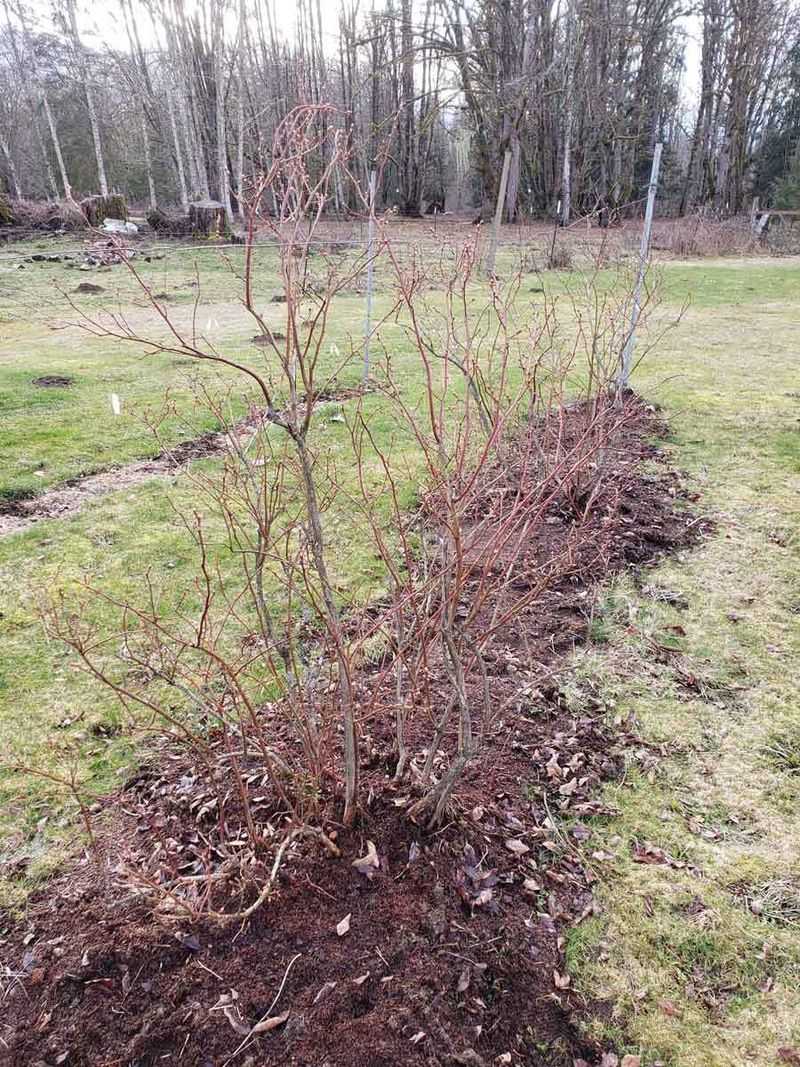
When you pull all of this together, the late-summer blueberry routine is actually shorter than the anxiety around it suggests.
Check the root zone before you water and irrigate only when the soil is genuinely starting to dry out.
Keep mulch at about 4 inches deep with a clear gap around the crown, and renew it as it settles through fall.
Pick every ripe berry and clear rotting fruit from the plant and the ground.
Skip routine nitrogen fertilizer unless a soil or leaf-tissue test and a qualified recommendation say otherwise.
If you have doubts about soil pH, drainage, or compaction, get a site-specific soil test now so you have results in hand before next spring.
And hold off on major pruning until late winter dormancy, usually around March, as both Penn State Extension’s pruning guidance and general regional blueberry production research consistently support.
Pennsylvania is not one climate.
A grower in the northern tier or the Poconos may see first frost weeks earlier than someone in the warmer Philadelphia suburbs.
Watch local soil moisture and frost risk rather than a single statewide date, and adjust accordingly.
These steps protect developing flower buds and reduce avoidable stress.
They cannot guarantee a heavy harvest or fix poor drainage, unsuitable pH, plant-age limitations, winter injury, disease, or pollination problems.
What they can do is give next summer’s crop the best honest chance you have to offer it right now, and that is a reasonable thing to feel good about.