
The Meaning Behind Seeing Mourning Doves Nesting In Your Florida Yard
Follow us on Google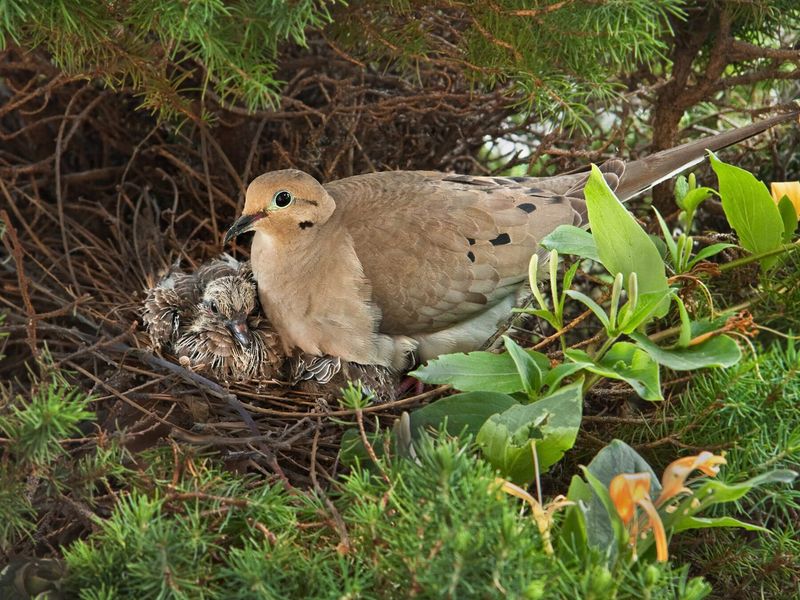
You step onto the patio after breakfast and the air already feels heavy with that familiar Florida humidity, and there they are, two soft gray birds tucked into the crook of a shrub just a few feet away.
A Mourning Dove pair has decided your yard is worth something to them.
What that actually means for your property is more practical than mystical, and more modest than most websites will tell you.
This article decodes what the nest reveals about your yard’s cover and seed access, and shows you exactly how to protect the family without making costly mistakes.
What A Nesting Pair Most Likely Means
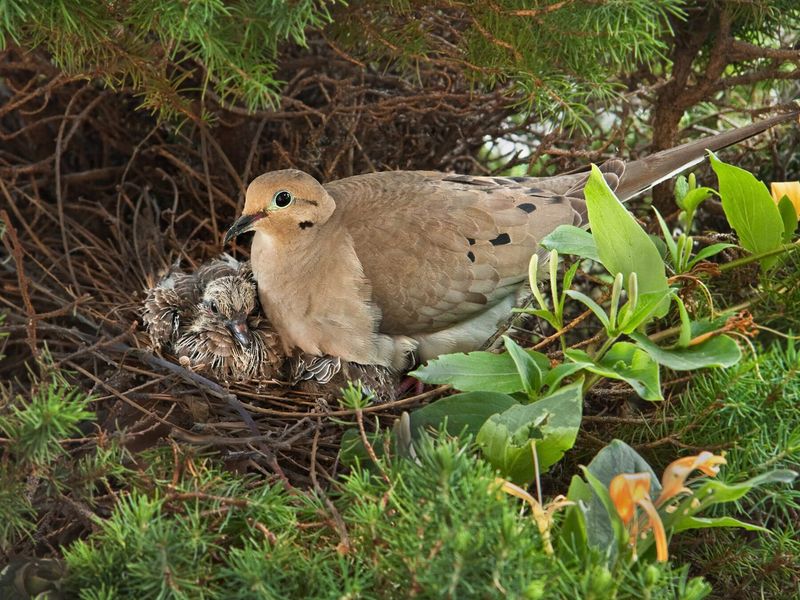
Two categories of meaning come attached to a Mourning Dove nest, and they pull in very different directions.
Many homeowners feel a personal or cultural connection when doves appear, and those feelings are genuinely worth honoring.
But the wildlife explanation is a separate matter, and it comes down to something much simpler: your yard offered a horizontal place to set a nest and open ground nearby where seeds could be found.
Mourning Doves are year-round Florida residents.
Florida Fish and Wildlife Conservation Commission describes them as birds that thrive in suburbs, cities, open woods, fields, and other altered environments.
They are not picky about human company.
The pair on your property did not necessarily choose your yard because the whole landscape is safe, pesticide-free, or perfectly managed.
They chose a specific branch or ledge that worked, and a feeding area somewhere nearby where seeds were visible on or near the ground.
That feeding area may not even be in your yard.
It could be a neighbor’s lawn, a roadside edge, an undeveloped lot, or a weedy patch two houses down.
The nest tells you about the cover they accepted, not about every corner of your property.
Before drawing any conclusions, confirm you are actually looking at a Mourning Dove.
Cornell Lab of Ornithology describes Mourning Doves as slender birds with long, pointed tails and white outer tail feathers that flash in flight.
The Eurasian Collared-Dove, an introduced species now common across Florida, is noticeably larger, carries a squared-off tail, and shows a distinctive black crescent on the back of the neck.
Getting that identification right matters before you apply any habitat interpretation to what you are seeing.
The Nest Identifies The Cover They Accepted
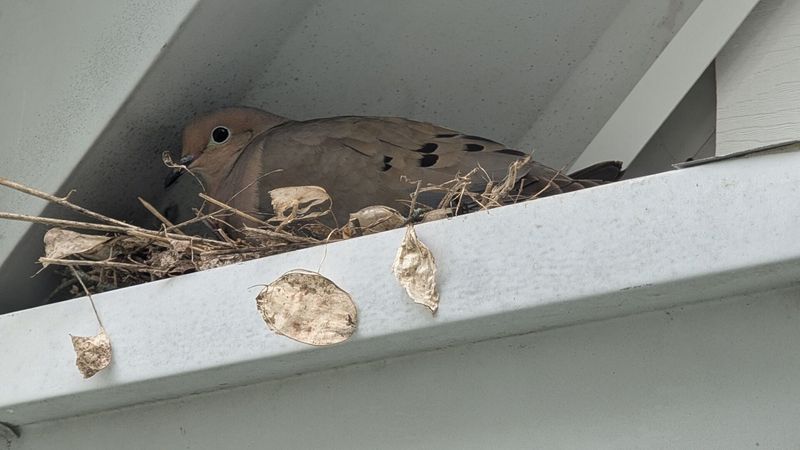
The nest itself is a physical clue, and once you know what you are looking at, it tells a clear story.
Mourning Dove nests are famously flimsy, just a loose platform of twigs, pine needles, or dry grass balanced on a horizontal branch or tucked into a shrub fork.
Cornell Lab documents that a typical nest measures about 8 inches across and can be assembled in as little as 2 to 4 days.
The usual clutch is 2 white eggs, incubation runs about 14 days, and nestlings generally stay in the nest for 12 to 15 days before fledging.
The pair is not always working with a tree or shrub.
Mourning Doves in Florida regularly use gutters, eaves, ledges, outdoor equipment, and hanging planters when those surfaces offer the right horizontal support.
Any stable, roughly horizontal surface at a comfortable height can qualify.
The fact that they accepted your specific spot means it met their minimum standard at the time they were building, not that it represents the safest or most ideal option in the neighborhood.
Here is where it gets tricky.
Accepted cover is not the same as secure cover.
UF/IFAS Extension in Escambia County recounts a Florida case in which a low Mourning Dove nest fell and left young birds exposed to danger.
Storms, predators, falling branches, disturbance, and even poor construction can cause a nest to fail even when the location looked reasonable on day one.
The nest is evidence of what the birds tried, not a guarantee of what will succeed.
Accessible Ground Helps Them Find Seeds
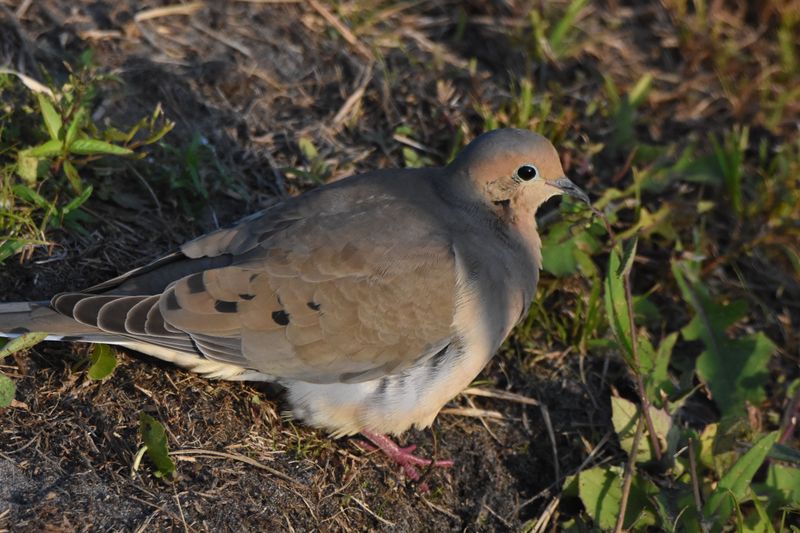
Ground is the second half of the habitat equation.
Mourning Doves feed almost entirely on seeds, with seeds making up roughly 99 percent of their diet according to Cornell Lab life-history records.
They do nearly all of that foraging at ground level, walking slowly and picking up whatever is exposed and reachable.
A lawn edge, a thin patch of weeds, an area of bare soil with scattered seed, or any lightly vegetated surface can serve as useful foraging habitat when seeds remain visible.
UF/IFAS dove habitat guidance and FWC management material both emphasize that doves need open feeding areas where seeds can be reached from the ground.
The relevant ground may not be in your yard at all.
A neighbor’s unmowed edge, a roadside strip, a weedy lot nearby, or even a bird feeder several houses away could be supplying the pair’s food while your shrub supplies the nesting site.
A feeder in your yard remains completely optional.
Adding one will not cause a dove pair to nest, and removing one will not necessarily drive them away.
What actually helps is keeping a few small, clean, accessible areas where seeds can land and be seen, without stripping every plant from the yard.
A completely bare yard is not automatically better foraging habitat.
The goal is a balance: enough vegetation to provide cover and natural seed sources, with a few open patches where fallen seeds stay visible and reachable rather than getting buried under heavy mulch or dense ground cover.
Protect An Active Nest Before Changing The Yard
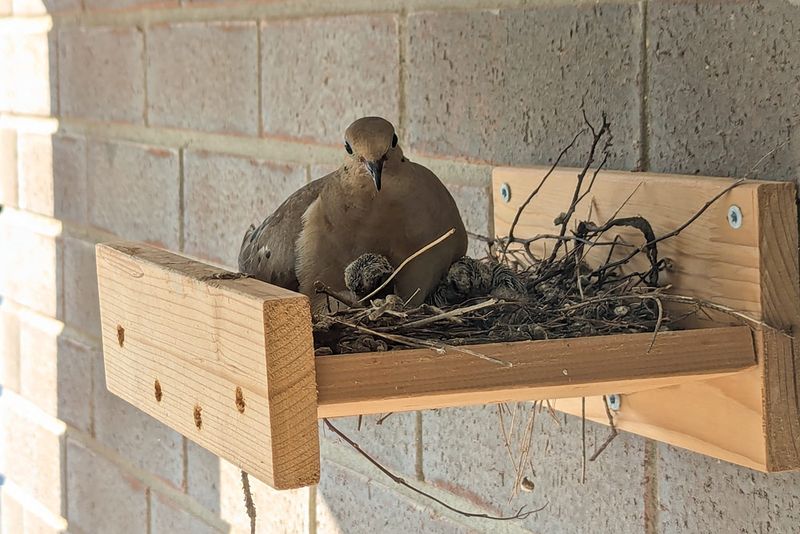
Finding an active nest is the moment to stop all nearby yard work, full stop.
Leave the nest, eggs, and any dependent young exactly where they are.
Keep pruning, pressure-washing, roof repairs, and pesticide applications away from the area until the birds finish using it.
The 14-day incubation period plus the 12 to 15 days nestlings spend in the nest means you are typically looking at a commitment of roughly 4 to 5 weeks from the time eggs appear, though the adults may linger around the site afterward.
Fish and Wildlife Service explains that the Migratory Bird Treaty Act protects many migratory birds along with their eggs, young, and active nests.
Legal treatment can depend on the species and specific circumstances, particularly for inactive nests, so homeowners facing a safety or building problem should contact the U.S.
Fish and Wildlife Service or a qualified wildlife professional before any removal or disturbance rather than improvising.
Do not attempt to move the nest to a safer branch.
Mourning Dove nests are fragile structures, and relocating an active nest can harm eggs or chicks and may create legal problems.
The advice to move a nest sounds helpful, but it rarely ends well for the birds.
UF/IFAS Florida-Friendly Landscaping material notes that Florida pairs can nest from roughly February through October and that a single pair may attempt as many as 6 broods in a season.
That figure comes from variable conditions involving weather, food availability, predators, and individual birds, so 6 broods is a ceiling, not a standard expectation.
Cornell Lab confirms that multiple broods per season are common.
Plan accordingly: the same spot may be used again before fall arrives.
A Flimsy Nest Can Still Face Ordinary Risks
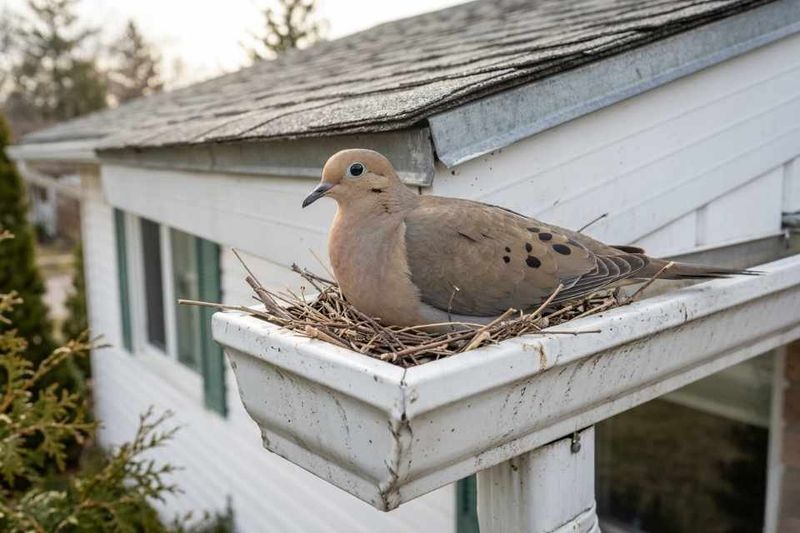
A location can be acceptable to a pair of doves and still be genuinely vulnerable.
Mourning Dove nests are among the flimsiest in the bird world, and Cornell Lab confirms that storms, predators, and disturbance are documented causes of nest failure.
UF/IFAS Extension specifically recounts a Florida case in which a low nest fell and left nestlings exposed.
Falling branches and routine human activity near the nest site round out the list of real risks.
Florida’s weather adds a layer of general concern worth keeping in mind.
Sudden afternoon downpours are common across Central Florida from June through September.
Tropical storms and hurricanes moving through between June and November can bring the kind of wind that snaps branches and dislodges even well-placed nests.
Along the Gulf Coast and Atlantic Coast, salt-laden wind and storm-related branch failure are reasonable homeowner considerations.
These are general possibilities based on the region’s climate, not documented statewide Mourning Dove response patterns, but they are worth factoring into how you manage vegetation near the nest.
Avoid any unnecessary branch work near the nest while it is active.
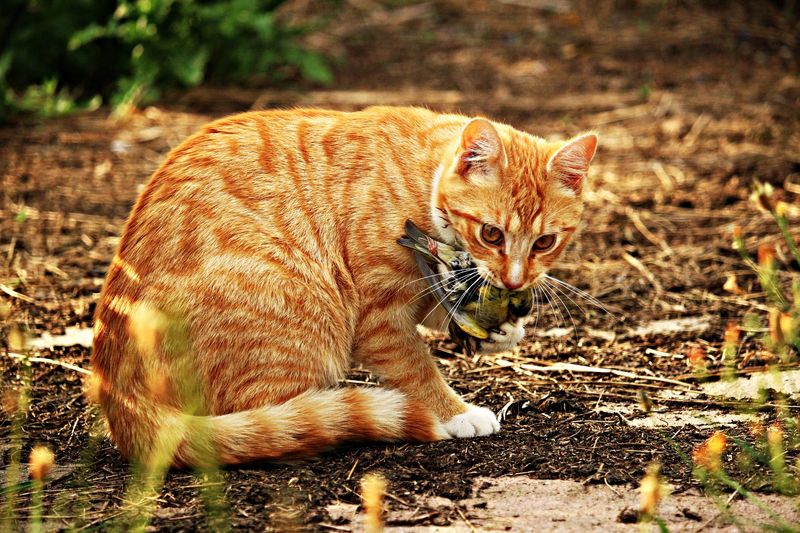
UF/IFAS backyard wildlife guidance and FWC pet management advice both flag cats and free-ranging pets as serious threats to ground-level and low-nesting birds.
Keep pets indoors or supervised during the nesting period.
If the nest ultimately fails, that does not mean you misread the habitat clue or caused the problem.
Flimsy nests fail even in well-managed yards, and the pair may simply try again nearby.
Improve Habitat Without Promising A Dove Magnet
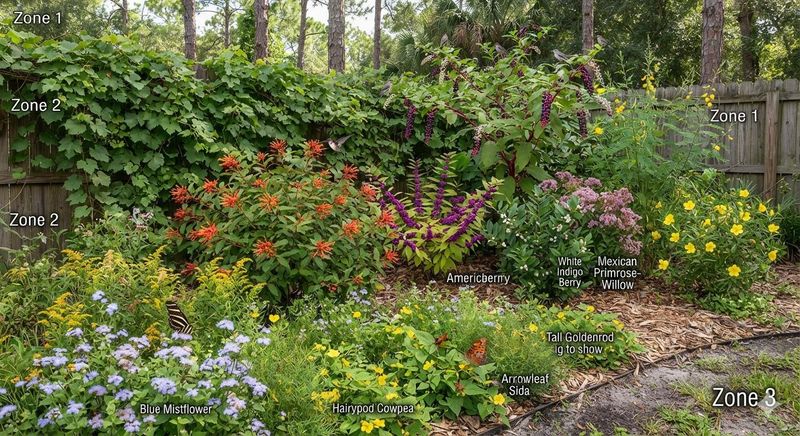
Habitat improvement after a nest visit is a reasonable and satisfying project, as long as you go in with realistic expectations.
No single plant will guarantee that another Mourning Dove pair chooses your yard next season.
UF/IFAS native plant guidance explains that native plantings generally provide natural food and cover, require fewer resources once established, and support a broader range of insects and wildlife than non-native alternatives.
UF/IFAS backyard wildlife habitat guidance recommends varied structure: a mix of shrubs, small trees, and other vegetation at different heights, combined with small open or thinly vegetated areas where seeds can be found at ground level.
Plants like firebush (Hamelia patens), American beautyberry (Callicarpa americana), and muhly grass (Muhlenbergia capillaris) are documented Florida natives that contribute to that varied structure and support seed production, but the reviewed sources do not show that any one of them reliably causes Mourning Doves to nest.
The combination of cover types and open foraging space matters more than any single plant choice.
UF/IFAS dove habitat research makes clear that doves need accessible open ground alongside vegetative cover.
In a residential yard, that means preserving a few clean, open patches where seeds can land and remain visible rather than burying everything under thick mulch or dense ground cover.
The payoff is a more functional wildlife yard overall.
Whether another dove pair decides to nest there next spring depends on factors well beyond your control, and that is an honest result worth building toward anyway.
Keep Feeding Optional And Keep Cats Indoors
A feeder is not required to support a nesting Mourning Dove pair, and more seed is not automatically better for the birds.
If you choose to use one, UF/IFAS backyard bird feeding guidance is clear: offer clean commercial birdseed only.
Never use seed treated with the fungicide captan, which is marked with red or pink dye and sold for planting purposes.
That treated seed is extremely toxic to birds and has no place near a feeder or a nesting site.
Feeder hygiene matters more than feeder size.
Cornell Lab recommends cleaning feeders about every 2 weeks under normal conditions and more often during wet weather or heavy use.
Use a dilute bleach solution of no more than 1 part bleach to 9 parts water, rinse thoroughly, and let the feeder dry completely before refilling.
Remove old seed and hulls from the ground regularly, because spilled and moldy seed can attract rodents, spread disease among birds, and create sanitation problems that outweigh any feeding benefit.
The single most protective action you can take for a nesting pair is keeping cats indoors.
FWC advises against allowing pets to free-range, citing risks to both wildlife and the pets themselves.
UF/IFAS specifically recommends keeping cats inside from sunrise through roughly 3 hours afterward, when doves and other birds are most active on the ground.
That window covers the peak foraging period and the moments when low-nesting birds are most exposed.
The pair outside revealed something real about your yard: a usable branch and seed access somewhere nearby.
That is a modest, practical message, and it is enough to work with.