
The One Thing You Must Do To North Carolina Fig Trees In August Before The Main Crop Finishes Ripening
Follow us on Google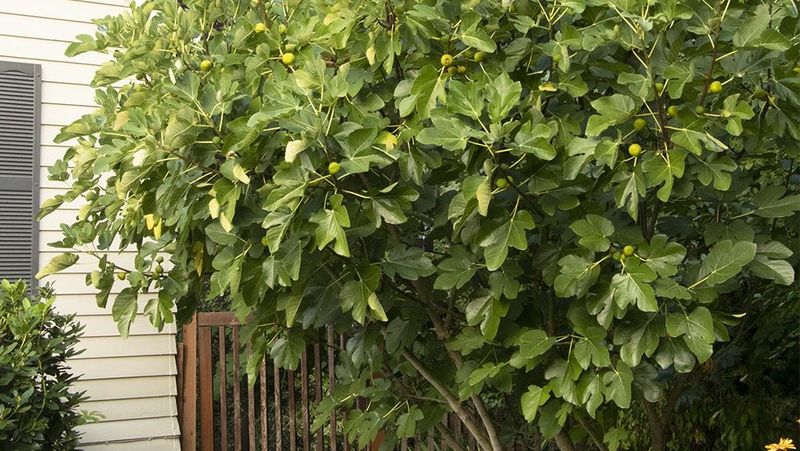
Late August in North Carolina, and your fig tree is loaded with small green fruit that just will not budge.
You water when you remember, the summer heat is relentless, and you are wondering if those figs will ever soften before the season runs out.
Steady soil moisture during dry spells is the best-supported step you can take right now to give developing figs a real chance.
It is not a magic guarantee, but it is the one move that actually lines up with what the tree needs at this stage.
Reframe the August Must-Do
Straight talk first: no single August task works the same way for every North Carolina fig tree in every yard.
The headline promises one must-do, and the honest answer is that maintaining even soil moisture during dry spells is the best-supported action you can take, but whether your tree actually needs extra water right now depends on how much rain has fallen, what your soil holds, how well it drains, which cultivar you are growing, and how healthy the tree is overall.
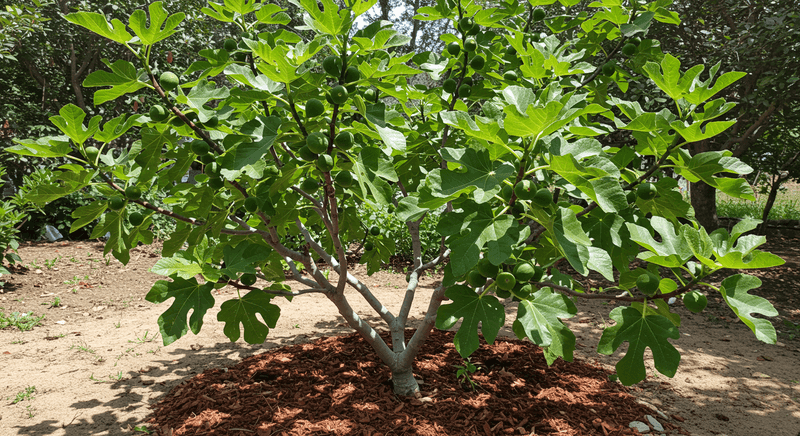
That said, when an in-ground fig is actively carrying a developing late-summer crop and the soil is drying between rains, consistent moisture is what the tree needs most.
Pender County Cooperative Extension guidance on figs confirms that drought stress can cause developing fruit to stay small, drop early, or ripen poorly, and that supplemental watering and mulch can reduce those problems.
That is a meaningful connection, not a coincidence.
Mulch earns a supporting role here, not a starring one.
A layer of organic mulch around an in-ground tree slows evaporation and buffers moisture swings, especially on hot Coastal Plain or Sandhills sites where sandy soil loses water fast.
The goal is moist, well-drained soil, not a saturated root zone.
Growers in the mountains, the Piedmont, and along the coast will all experience August differently.
A tree near Wilmington may face sandy soil and intense heat, while one outside Asheville may have had more rainfall and a shorter season overall.
NC State Extension’s fig culture guide makes clear that cultivar choice, region, and site conditions all shape what a tree needs.
Use this advice as a framework, then adjust it to what is actually happening in your yard.
Why August Moisture Can Affect the Main Crop
Here is where it gets tricky.
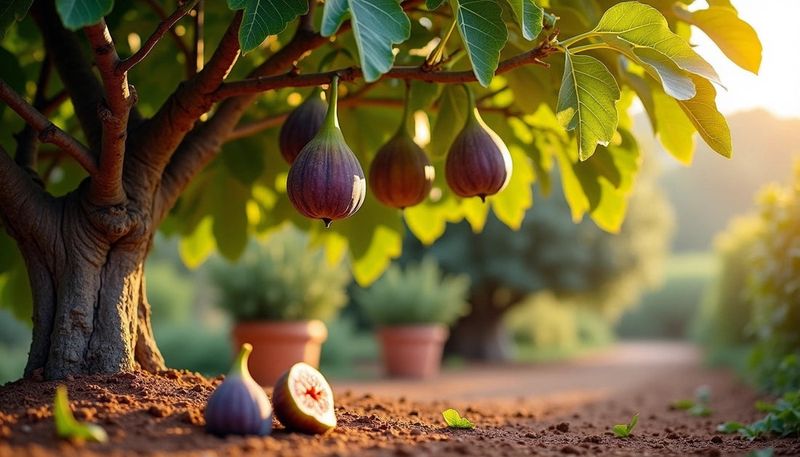
A fig tree can look perfectly healthy from across the yard, full of leaves, no obvious problems, and still be carrying fruit that will never properly ripen.
When the root zone dries out repeatedly during the final stretch of development, the tree pulls back resources from fruit to protect itself, and those small green figs pay the price.
Drought stress can leave developing figs hard, undersized, and prone to dropping before they ever soften.
NC State Extension’s fig culture guide lists drought among the recognized contributors to poor fruiting and premature fruit drop.
The connection makes sense when you consider what the tree is doing in late summer: the main crop generally develops on current-season growth and ripens in late summer or early fall, so August is genuinely a critical window for that fruit to swell and finish.
Some varieties also produce a smaller breba crop earlier in the season on older wood, what gardeners call old wood, but that earlier flush is largely done by mid-summer.
Penn State Extension’s home garden fig guide explains this two-crop structure clearly.
The late-summer main crop is the one most North Carolina growers are watching in August, and it still needs time and resources to finish.
Moisture is only one piece of the picture.
Cultivar, winter injury, crop timing, regional season length, and overall tree health can all shift the outcome.
A tree in the Sandhills that lost root mass to nematodes or took cold damage last February may struggle regardless of how carefully you water.
Steady moisture gives the fruit a better chance, it does not override every other variable the tree is dealing with.
Check Soil or Potting Medium Before Watering
Forget watering on a fixed schedule.
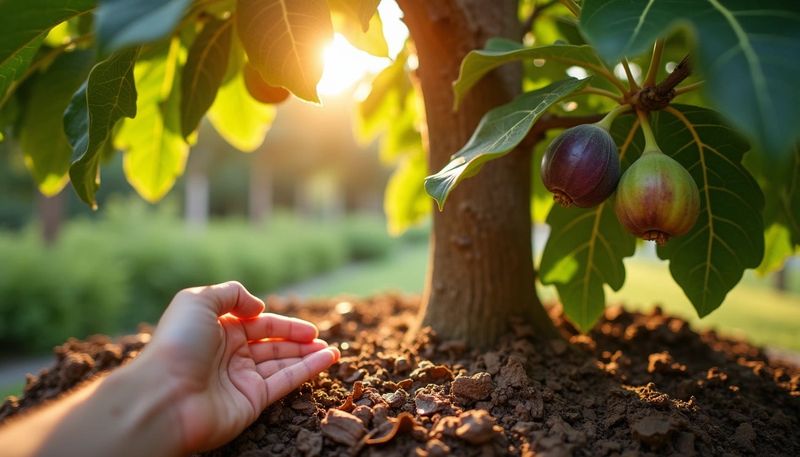
The most useful thing you can do before turning on the hose is actually check what the soil is doing several inches down.
The surface of a mulched bed can feel dry and crumbly while the soil beneath is still adequately moist, and watering on top of that just wastes water and risks pushing the root zone toward saturation.
For an established in-ground tree, move the mulch aside and push your finger or a wooden dowel four to six inches into the soil.
University of Georgia Cooperative Extension’s home garden fig guide reinforces that figs need consistent moisture but are also sensitive to waterlogged conditions, so the check-before-you-water habit protects against both problems at once.
If the soil at that depth feels moist and cool, hold off.
If it feels dry and crumbly, water.
Container trees need more frequent attention because the restricted root volume and limited potting medium can dry out surprisingly fast during a hot August week.
Check the potting medium daily during heat waves, and make sure the drainage holes are actually working.
NC State’s fig culture guidance notes that figs grown in containers need careful attention to both moisture and drainage.
Recent rainfall changes the math entirely.
After a good soaking rain, wait a day or two and check again before adding more water.
NC State’s fig disease guide points out that poor drainage and persistently wet conditions can contribute to weak growth and fruit problems just as drought can.
The check itself takes thirty seconds and tells you more than any calendar ever will.
Water In-Ground Trees Slowly and Broadly
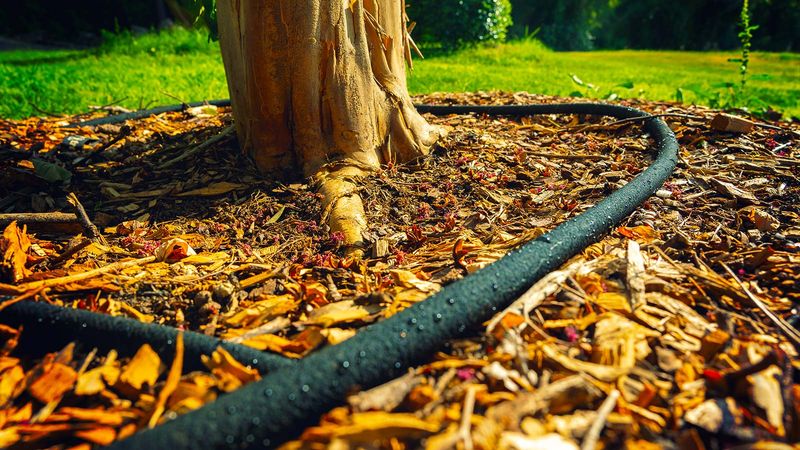
Most people water their fig tree by standing at the trunk and running the hose for a few minutes.
That approach misses most of the root zone.
Figs have relatively shallow, spreading roots that extend well beyond the canopy edge, and water applied only at the trunk tends to stay near the surface rather than reaching where the roots actually are.
Apply water slowly and broadly, moving the hose around the drip line of the tree rather than concentrating it at the base.
A soaker hose or drip line laid in a ring around the tree works well for this.
UGA Cooperative Extension guidance suggests that about 1 to 1.5 inches of total water per week from rain or irrigation is a useful starting point for established in-ground trees during hot, dry weather.
Treat that as a general target, not a rigid rule, and adjust it based on what your soil check is telling you.
Soil type changes the whole approach.
Sandy Coastal Plain and Sandhills soils drain fast and may need more frequent, lighter applications to stay consistently moist.
Piedmont red clay holds water longer but can become compacted and shed runoff if you apply too much too quickly, so slow application gives it time to actually absorb.
NC State Extension acknowledges these regional soil differences matter for fig culture across the state.
After a heavy rain or a slow afternoon storm, let the excess drain away before watering again.
NC State’s fig disease publication notes that poor drainage is associated with weak growth and fruit quality problems.
A tree sitting in standing water after a storm is not better off than one that was slightly dry, it is just dealing with a different problem.
Use Mulch Differently Around In-Ground Trees and Containers
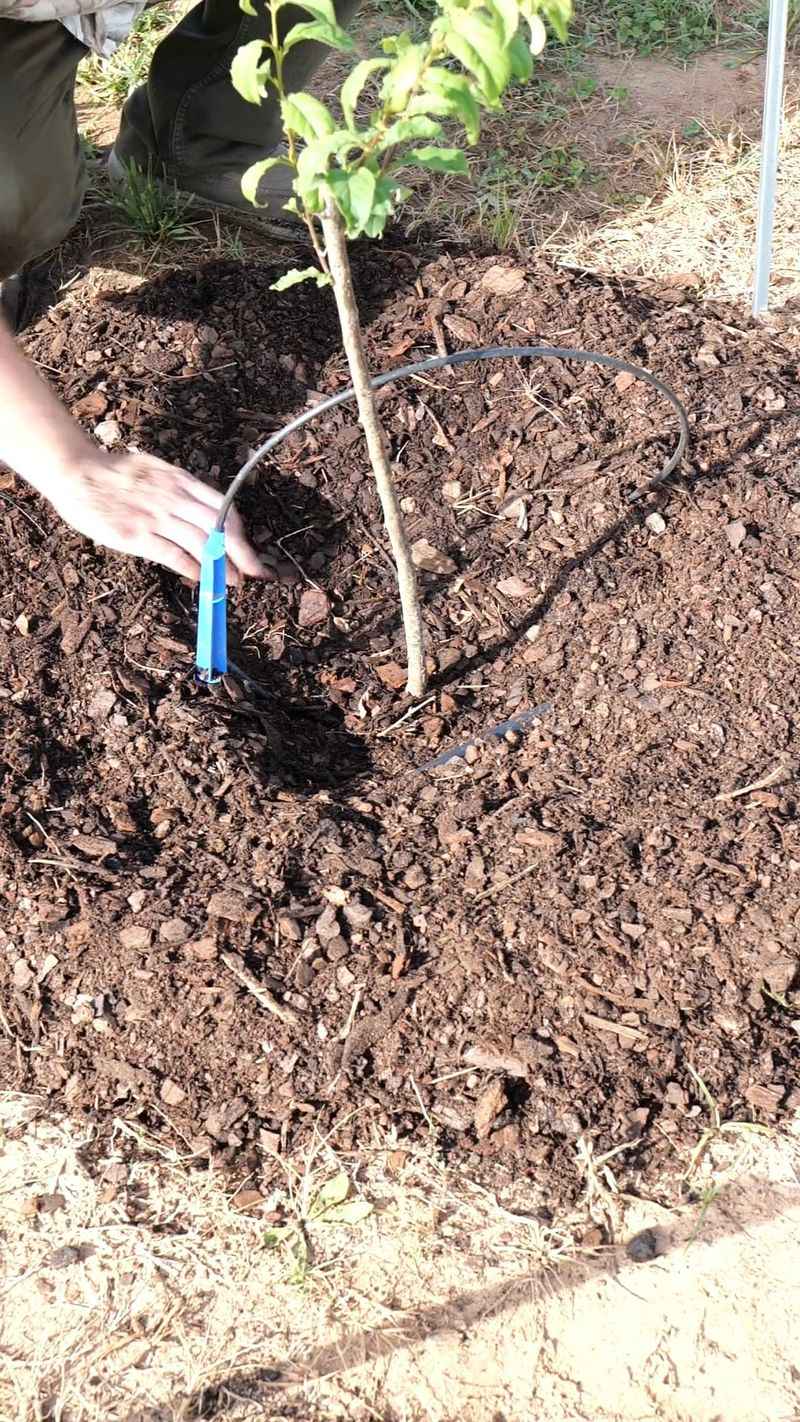
Organic mulch is genuinely one of the better tools available for managing summer moisture around an in-ground fig tree.
Spread in a wide ring around the tree, a good mulch layer slows evaporation from the soil surface, moderates soil temperature during August heat, and reduces the boom-and-bust moisture swings that stress developing fruit.
NC State Extension guidance on fruit plantings commonly recommends a 3- to 5-inch layer of organic mulch for in-ground trees.
Keep it pulled back several inches from the trunk so it does not trap moisture against the bark or create a hiding spot for pests.
Shredded leaves, wood chips, or pine straw all work well and break down over time to improve the soil underneath.
Here is the catch that trips up a lot of growers: the mulch surface can look and feel bone dry while the soil beneath it is still adequately moist.
NC State’s fig culture guide reinforces checking below the mulch layer rather than judging by the surface.
Move it aside, check the soil, then decide whether to water.
Container growers should not borrow the in-ground mulch approach directly.
A 3- to 5-inch layer of mulch on top of a pot is not the right move, and the 1- to 1.5-inch weekly water target does not translate to containers either.
UGA’s fig guide notes that container figs need close attention to drainage and potting medium condition.
Prioritize drainage holes that actually drain, a potting mix that does not compact and shed water, and frequent checks of the medium itself.
The principles are similar, but the scale and speed of change are completely different.
Skip the August Fixes That Can Backfire
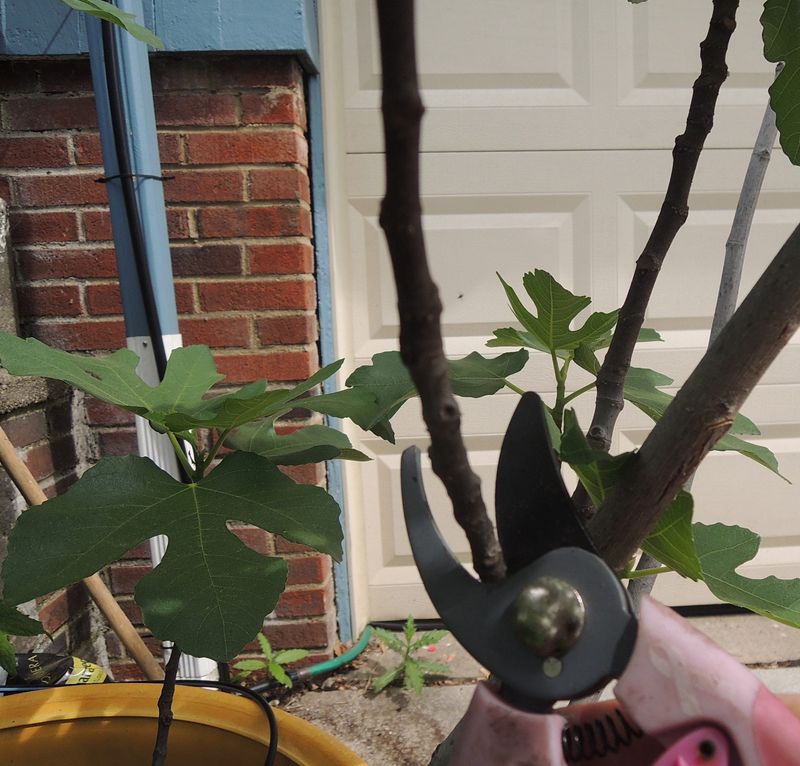
Walk into any gardening group online and someone will suggest pinching the growing tips of your fig in August to push energy into the remaining fruit.
It sounds logical.
Redirect the tree’s resources away from new growth and toward the figs that are already there.
The problem is that NC State Extension guidance does not support tip-pinching as a universal ripening technique for North Carolina fig trees, and the reviewed sources point toward moisture management, appropriate fertility, and late-winter pruning instead.
Major pruning belongs in late winter, just before growth begins.
NC State’s fig culture guide is clear on this timing.
Pruning for plant size management can also happen after harvest.
But removing substantial amounts of foliage during the August ripening period reduces the canopy that is actively producing the food and energy the developing fruit depends on.
A fig tree with fewer healthy leaves is not better positioned to ripen its crop, it is working with less.
Extra nitrogen is an equally tempting but risky move.
If your tree is already producing more than 1 to 2 feet of new shoot growth each season, adding fertilizer now will likely push more leafy growth rather than improving fruit quality.
NC State warns that excessive nitrogen can cause light fruiting, fruit splitting, souring, and even greater vulnerability to winter injury later in the year.
A tree that looks lush and vigorous but carries little mature fruit is often a tree that has been overfed, not one that needs more.
The fixes that feel active and decisive are sometimes the ones that cause the most trouble.
Steady moisture, appropriate mulch, and leaving the canopy intact give the tree what it actually needs to finish the job August started.
When Even Moisture Does Not Explain the Problem
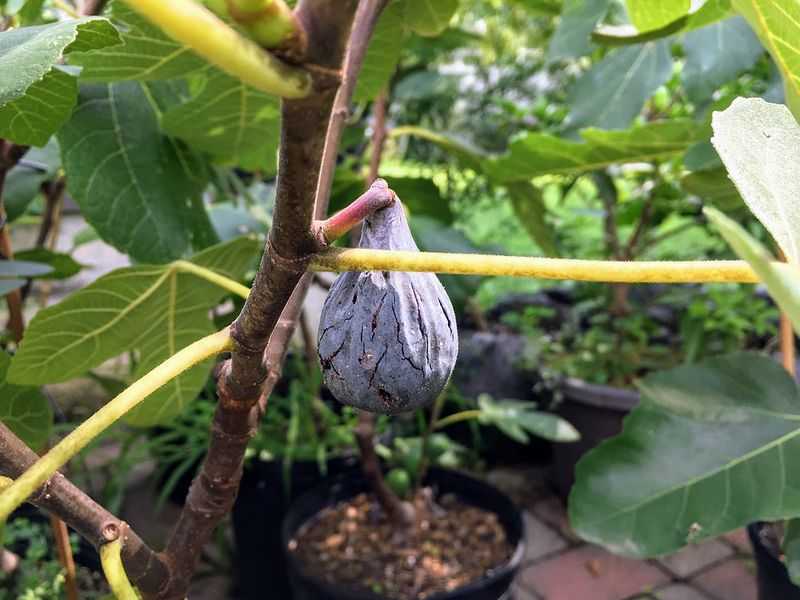
You have been watering carefully, the mulch is in place, the soil check looks right, and the figs are still small, hard, and dropping.
At that point, moisture management has done what it can do, and the problem likely lives somewhere else.
Several other conditions can produce exactly the same symptoms, and knowing the difference saves a lot of frustration.
Shade is one of the most common overlooked culprits.
Figs need full sun to fruit well, and a tree that was planted in a sunny spot ten years ago may now be sitting under a canopy of taller trees or surrounded by a growing privacy screen.
Poor drainage causes problems that look a lot like drought stress but respond to the opposite treatment.
Nematodes are a serious concern on Coastal Plain sandy soils, where these microscopic root pests can quietly undermine a tree’s ability to take up water and nutrients regardless of how well you irrigate.
Winter injury is another variable that plays out slowly.
A fig that took cold damage in February may carry fewer viable buds, produce a weak crop, or drop fruit early without showing obvious signs of the original injury.
NC State Extension’s fig culture guide lists winter injury, excessive nitrogen, shade, poor drainage, and nematodes among the recognized causes of poor fruiting and premature drop alongside drought.
Cultivar matters too.
Smyrna-type figs require pollination by a specialized fig wasp that does not exist in North Carolina, so they will not set reliable fruit here regardless of care.
Common varieties like Celeste (Ficus carica ‘Celeste’) and Brown Turkey can set fruit without that pollination and are the types most NC growers are working with.
NC State’s fig disease guide also notes that extended rainy periods during ripening can contribute to disease pressure, and that fig rust and leaf-spot diseases can reduce the healthy foliage needed to support the crop.
Regional timing adds another layer: a mountain fig near Boone operates on a shorter season than one near the Outer Banks, and what looks like a ripening problem may simply be a calendar problem.
Harvest Figs When They Show Reliable Ripeness
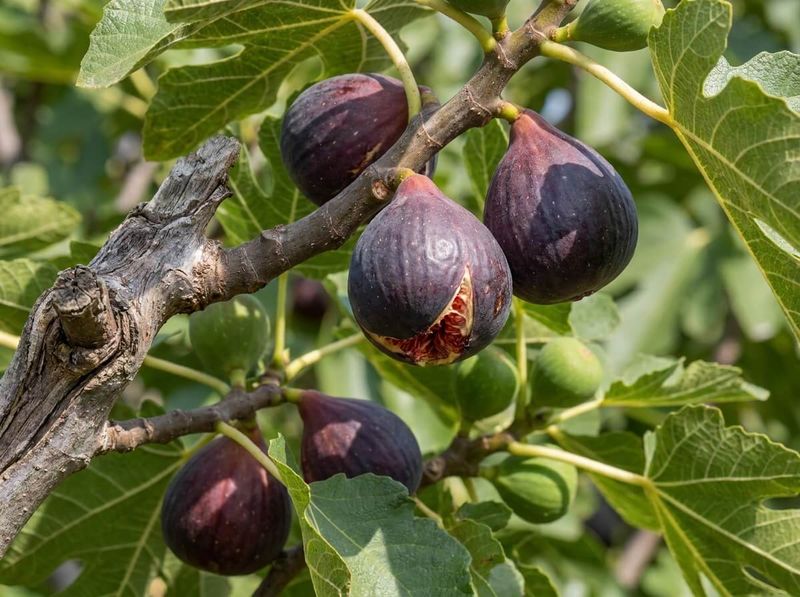
All that August moisture management has one clear payoff moment: the day a fig softens and bends downward at the stem.
That gentle droop is the most reliable signal that the fruit is actually ready.
NC State Extension’s fig culture guide describes ripe figs as softening and bending downward, and notes that fresh figs are highly perishable once they reach that stage.
During a muggy North Carolina August, ripe figs can go from perfect to fermenting in less than 24 hours.
Check the tree every day or two once fruit starts coloring and softening.
Pick promptly and use or refrigerate quickly.
Do not leave ripe fruit on the tree hoping it will hold, it will not.
A word on picking figs while they are still firm and green: fully hard, green figs are not likely to ripen reliably once picked.
Partially colored fruit that has begun to soften may continue to soften in a cool spot indoors, but do not count on a hard green fig becoming something worth eating off the counter.
The tree does the ripening work, not the kitchen windowsill.
Wear gloves if your skin reacts to the milky latex that figs release when picked.
Some people find it irritating, especially during repeated harvests in hot weather.
It is a small precaution that makes the whole harvest more comfortable.
Steady moisture through August gives developing fruit a better chance to reach that drooping, ready-to-pick stage.
It cannot overcome every limitation the tree faces, but it removes one of the most common obstacles standing between a load of small green figs and a bowl of sweet ones on your counter.
The tree did most of the work all summer, August moisture just helps it finish.