
Texas Homeowners Are Ripping Out Struggling St. Augustine Grass For These Low-Water Plants
Follow us on Google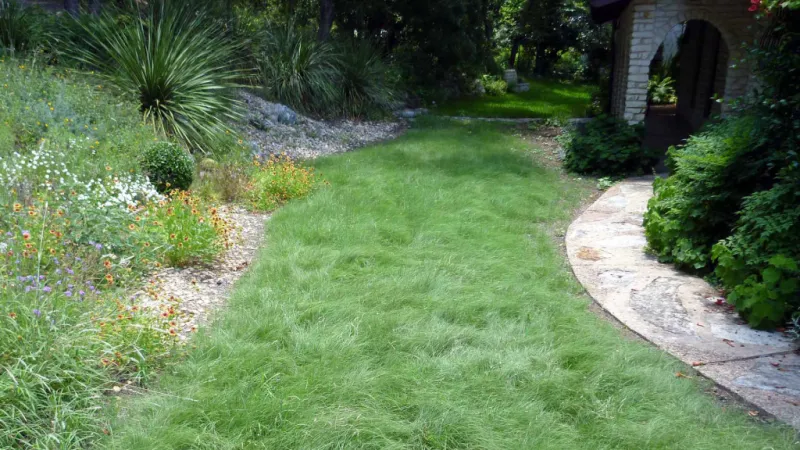
You step outside before breakfast and the patio already feels warm, the air thick with the promise of another triple-digit Texas day.
You glance at the lawn and there it is again, that tired St. Augustine gone patchy and yellow in the corners.
It is not just you.
All over Texas, folks are digging out thirsty grass and planting things that shrug off the heat, sip water, and hand you your weekends back.
Here is what they are planting instead, and why each one earns its spot.
1. St. Augustine Struggles Harder Every Texas Summer
That thick emerald carpet many of us grew up with is losing the fight, from the blackland clay of North Texas down to the sandy edges of the Gulf Coast.
The trouble usually starts underground, where the roots quietly give out before the blades ever brown.
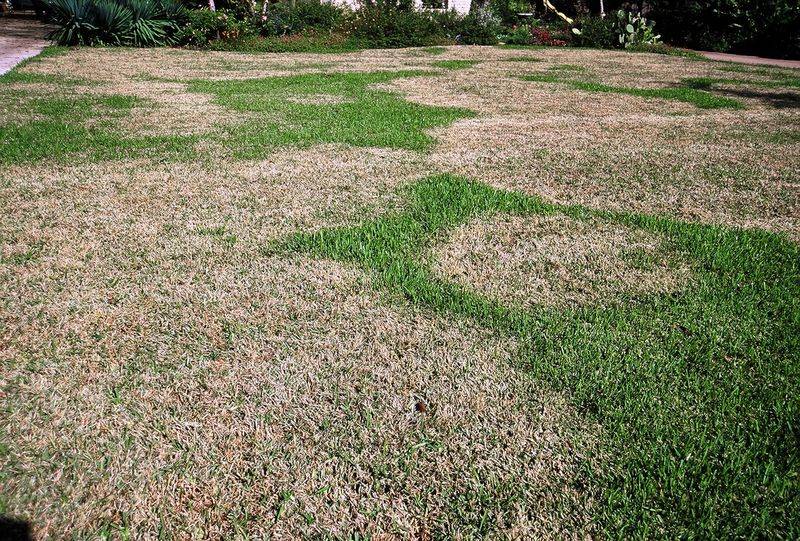
Brown patch fungus shows up as circles of yellow grass in late summer, when heat and humidity gang up together.
Gray leaf spot leaves little gray lesions on the blades.
Take-all root rot, what many gardeners just call TARR, chews on roots and loves the alkaline soils common across Central Texas and the Hill Country.
Then there is St. Augustine Decline, a virus that yellows and weakens a lawn with no real cure once it settles in.
Texas A&M AgriLife Extension notes these problems worsen fast under stress.
So when a three week dry stretch rolls through and your grass is already sick, a normal drought turns into a death sentence.
You water more, the bill climbs past a hundred dollars, and the yard still looks rough.
That is the moment most people finally set down the hose and reach for a shovel.
2. The Smart Shift To Less Thirsty Texas Yards
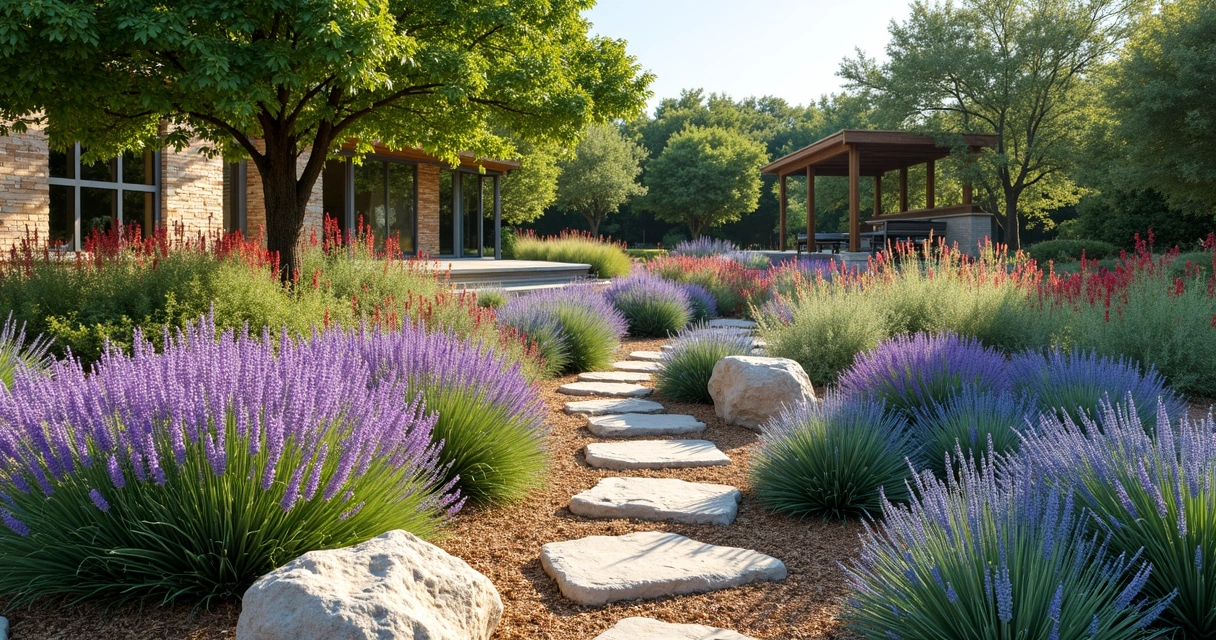
Low-water landscaping, sometimes called xeriscaping, is not some passing fad.
It is a genuine answer to hotter summers and the watering restrictions cities now hand down every dry season.
Outdoor watering can account for more than 30 percent of a household’s total water use, and up to half of that gets lost to evaporation or runoff before roots ever taste it.
Cut that in half and you feel it on the bill and in your Saturday mornings.
But water-wise does not mean a lonely field of rocks and cactus, unless that is the look you actually want.
It means picking plants that already belong here.
These are the quiet heroes that take 100 degree afternoons and keep their color.
They handle the heavy Houston Black clay of the Blackland Prairie and the shallow stony ground of the Edwards Plateau alike.
Choose right, and you trade mowing and watering for evenings on the porch.
And the pollinators show up too, which the old turf never gave you.
3. Texas Sage A Silver Star That Shines Brightly
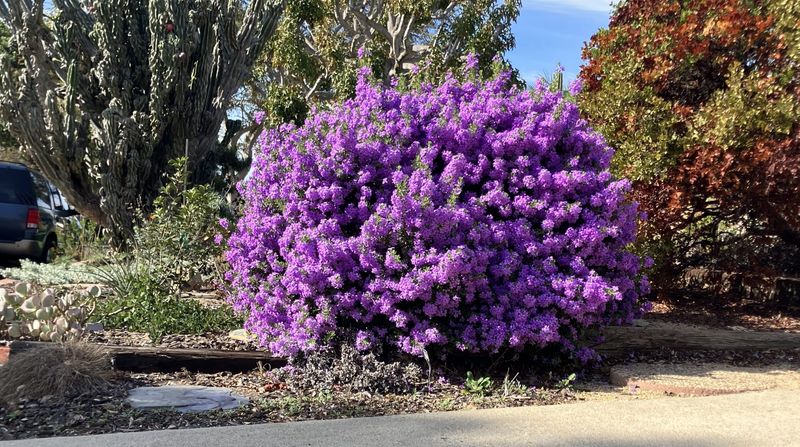
Drive through West or Central Texas and you have already met this one, the soft silvery mounds that suddenly erupt in purple after a rain.
Texas Sage (Leucophyllum frutescens) is a genuine standout for a thirsty yard.
It wants full sun, at least six hours of direct light a day, and once established it practically ignores you.
Water it deeply and rarely during dry spells and that is about it.
It shrugs off cold down to about 10 degrees Fahrenheit, comfortable across USDA Zones 8 through 11, which covers most of the state.
Here is where it gets tricky.
It hates wet feet.
If you garden on heavy clay, mound the soil a few inches at planting time so water drains away from the crown.
Skip the heavy fertilizer.
A light feeding in spring is plenty, and a gentle prune in early spring keeps the shape tidy.
Most plants settle in around 6 feet tall and wide, making a loose informal hedge that blooms summer into fall.
Locals nicknamed it barometer bush because it flowers after humidity spikes, like it can smell the storm coming.
4. Turk’s Cap A Hummingbird Haven, Texas Tough
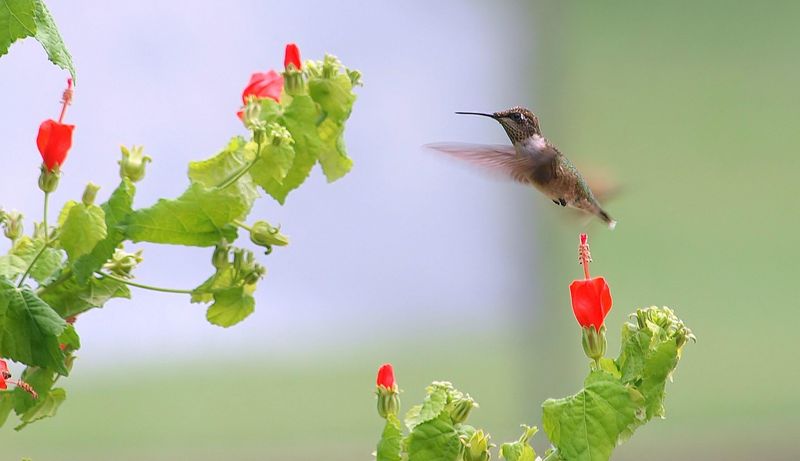
Picture a shady corner where nothing wants to grow, then picture it lit up with little red flowers and a hummingbird buzzing through.
That is Turk’s Cap (Malvaviscus arboreus) doing what it does best.
Few natives are this forgiving.
It runs from the acidic sandy soils of East Texas to the alkaline clays of the Hill Country without complaint, and it takes full sun or part shade, though sun brings more blooms.
The plant grows fast, anywhere from 3 to 10 feet depending on the spot and variety.
Once settled, it only asks for water every five or six days through a long dry stretch, and less if the sky helps out.
Cut it back hard in late winter, down to about 4 or 5 inches from the ground, and it comes roaring back bushier than before.
The twisted red flowers, shaped like a little Turkish fez, open from late spring clear through fall.
It turns a dead shady patch into the busiest corner of the yard, and that is a quiet kind of pride.
5. Flame Acanthus Fiery Blooms For The Hottest Days
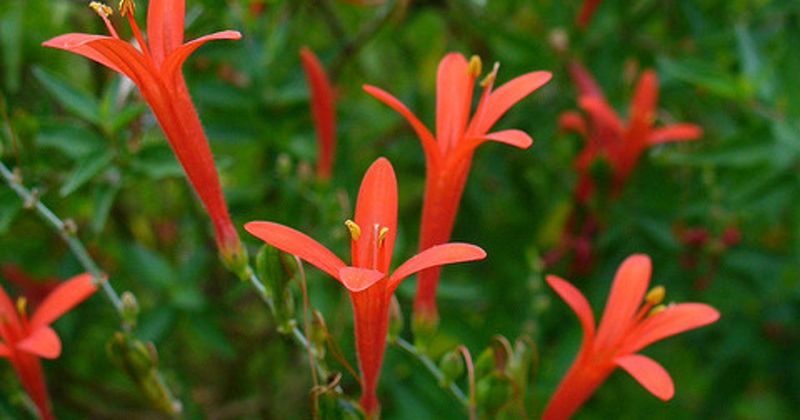
When the sun turns cruel and everything else wilts, Flame Acanthus (Anisacanthus quadrifidus var. wrightii) just gets going.
This deciduous shrub throws out red-orange tubular flowers that pull in hummingbirds from June all the way through November.
It grows wild on rocky stream banks and floodplains across South Central and West Texas, which tells you everything about its grit.
Plant it in that hot exposed strip along the driveway where you have already killed three other things.
Expect a plant about 3 to 5 feet tall and wide.
Full sun gives the heaviest flowering, though it tolerates a little afternoon shade.
It is drought-tough once rooted and takes cold down to 5 degrees Fahrenheit, fitting USDA Zones 7 through 10.
Soil hardly matters.
Sand, loam, clay, even caliche, that hard limy stuff so common in the Hill Country and West Texas.
Give it a severe prune in late winter and it rewards you with a wall of fiery bloom the next season.
It is not a magic plant, but it is about as close to unkillable as a flowering shrub gets here.
6. Gregg’s Mistflower The Butterfly Magnet With Low Needs
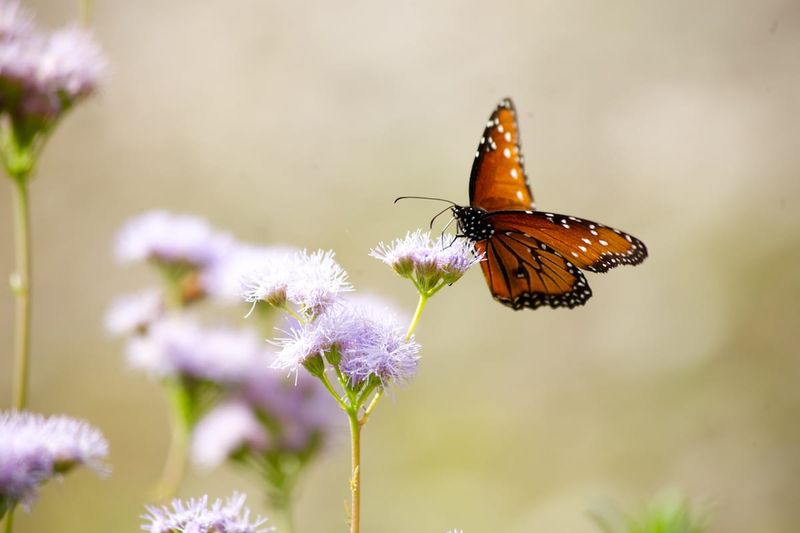
Some fall afternoon you will walk past a low mound of fuzzy lavender-blue flowers and stop cold, because it is covered wing to wing in butterflies.
Gregg’s Mistflower (Conoclinium greggii) does that, especially during the fall monarch migration.
Named a Texas Superstar by AgriLife, it blooms from late spring into late fall with its big show landing in late summer and autumn.
Monarchs and Queens treat it like a roadside diner on their long trip south.
It is root hardy to 0 degrees Fahrenheit, so a hard freeze does not scare it.
Give it full sun to light afternoon shade and well-drained ground, and it adapts to most soil types and pH.
The catch is that it spreads by underground runners, what gardeners call rhizomes, so it wanders.
Space plants 18 to 24 inches apart if you want a groundcover, and give a light prune in early spring to keep it dense and mannerly.
Plant it once and you become the house the butterflies remember.
7. Bluebonnets Bring Spring Color Back Every Year
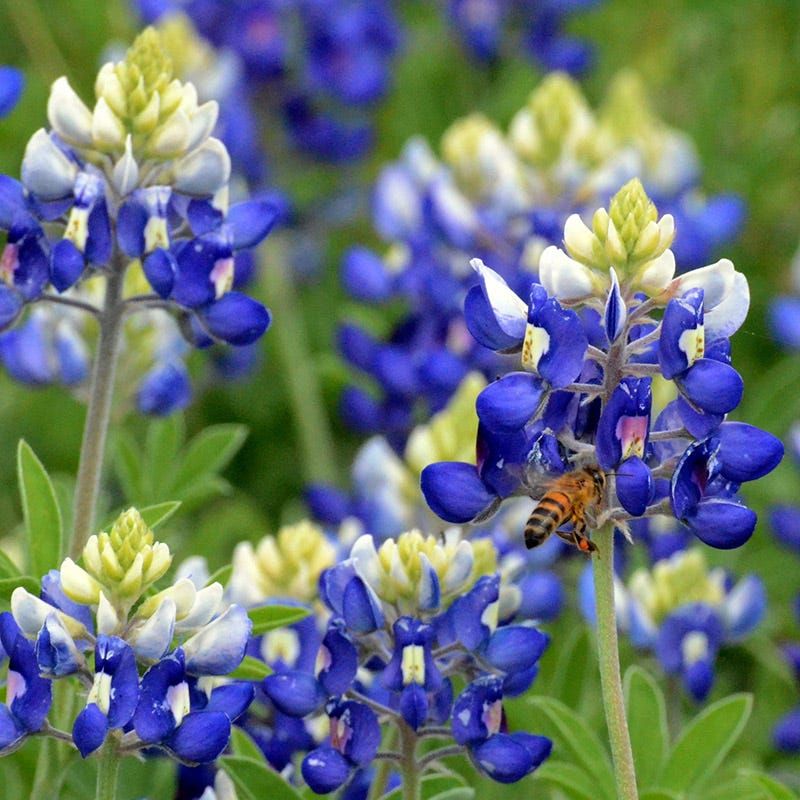
Nothing says home to a Texan like a spread of Bluebonnets (Lupinus texensis), the state flower that turns roadsides electric blue every spring.
With a little planning, that same show lands in your own yard.
They are annuals, but they are stubborn self-seeders, so one good planting tends to return year after year on its own.
They handle heat and drought once up and running, and they demand full sun, at least 8 hours a day.
Timing is the whole game.
Plant the hard-coated seeds in fall, around October or November, about a quarter inch deep, so the roots settle in before the spring bloom from early to late spring.
They love rocky alkaline well-draining soil, the kind the Hill Country hands out for free, and they want no fertilizer at all.
Overwatering rots them, so once established, keep the hose away.
Space them 12 to 18 inches apart.
Come April, your yard becomes the photo everyone slows down for.
8. Native Milkweeds Feed The Monarch Migration
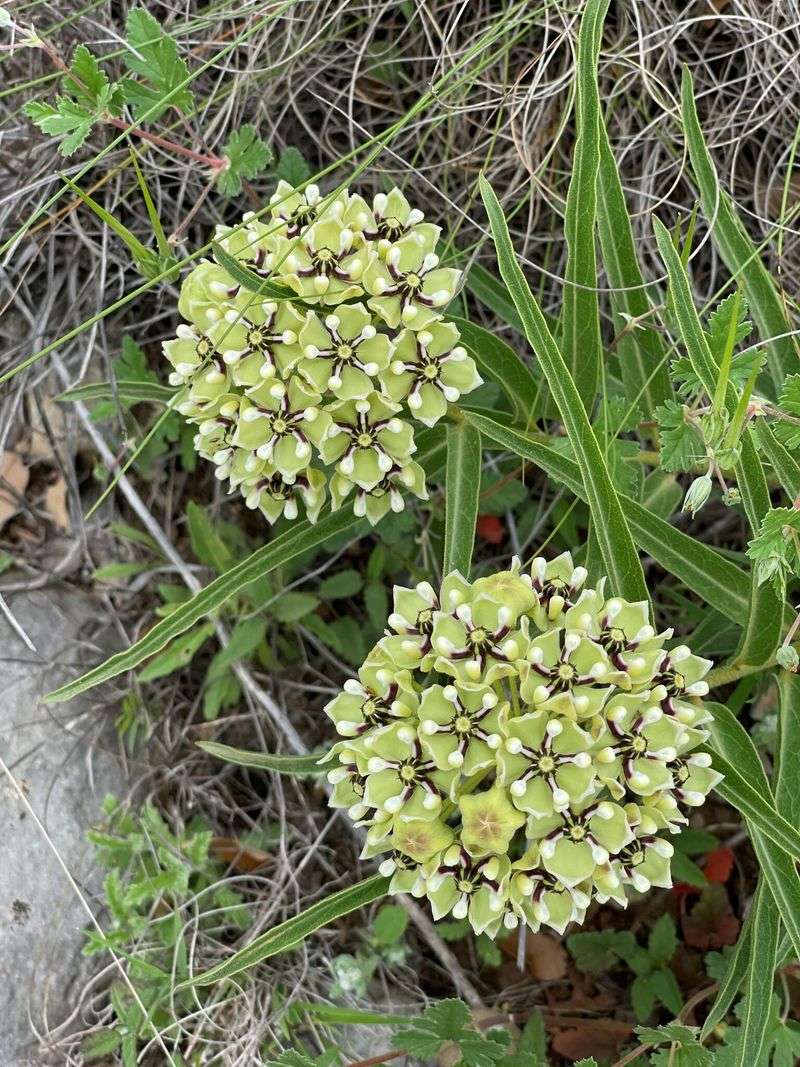
Monarch caterpillars will eat exactly one thing, milkweed, and nothing else.
Plant it, and you are handing the migration a fighting chance right in your own beds.
Texas Milkweed (Asclepias texana) is a perennial that reaches 2 to 3 feet tall and 1 to 2 feet wide, topped with white flower clusters from late spring through summer.
It wants full sun to part shade, at least six hours of light, and holds up through drought in USDA Zones 7 through 10.
Once it settles in, a deep soak about once a week during dry spells is plenty.
Like most natives, it does not care for fertilizer, so save your money.
Want more options for a hot dry corner?
Zizotes Milkweed (Asclepias oenotheroides) and Whorled Milkweed (Asclepias verticillata) are both tough as nails and equally beloved by pollinators.
Watching the first monarch lay eggs on a plant you put in the ground genuinely feels like being part of something bigger than your fence line.
9. Smart Groundcovers Replace Thirsty Grass For Good
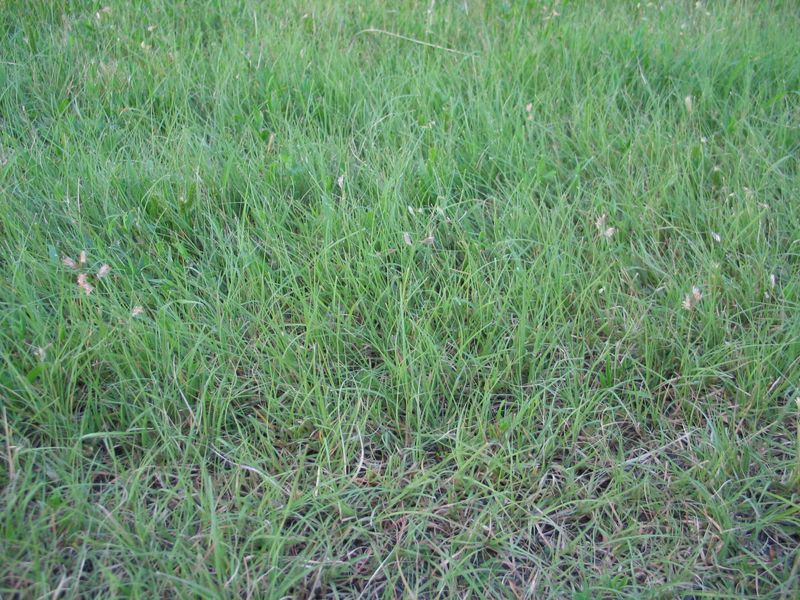
Shrubs and flowers get the attention, but the real water hog is all that open turf, and there are quiet groundcovers ready to take its place.
Buffalograss leads the pack, a true Texas native that barely needs mowing, sometimes just once or twice a year, and rides out long dry spells without irrigation.
It shines across the drier stretches of North, Central, and West Texas.
For paths with light foot traffic, creeping thyme stays low, smells wonderful underfoot, and hums with bees when it flowers.
Sedum, what folks call stonecrop, forms a nearly bombproof green mat that survives drought and even a brief frost in full sun.
For the awkward spots, native Texas frogfruit, yellow oxalis, and horseherb fill in beautifully across sun and shade in most regions, asking for almost nothing.
None of these is a single fix on its own.
Think of them as one layer, working alongside your sage and your mistflower to build a yard that stays green and sensible.
You end up watering less, mowing less, and standing on the porch at dusk actually enjoying the place, which was the whole point all along.