
Skip The Boxwood By The Front Steps And Plant These North Carolina Natives Instead
Follow us on Google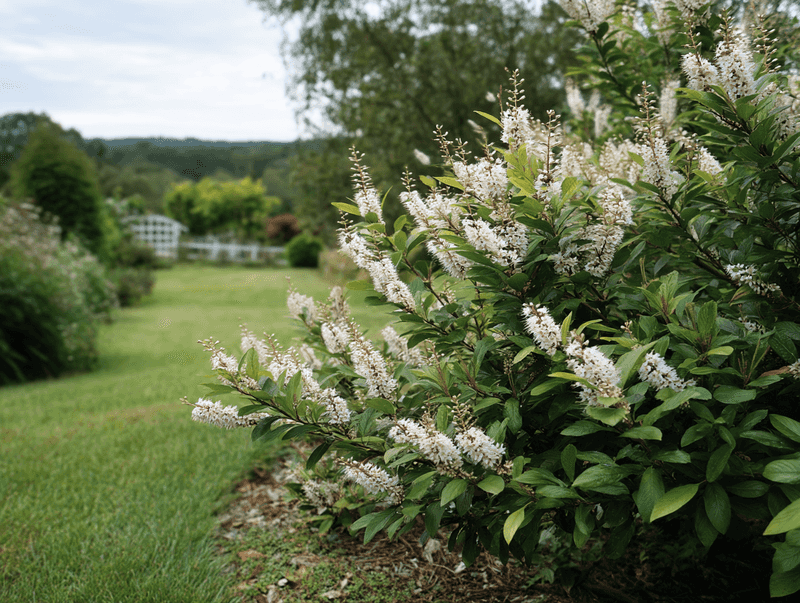
You walk up your own front steps on a muggy July evening in North Carolina, and there it sits again.
The boxwood by the door has that faint sour smell, a few bare branches, and leaf miners chewing tunnels through the middle.
Boxwood is a fine plant, but it is fussy, thirsty, and it does almost nothing for the bees and birds trying to make a living in your yard.
So here are four native shrubs that hold a clean shape by the steps, shrug off our red clay and surprise cold snaps, and actually feed the wildlife you want back.
1. Inkberry Holly Looks Like Boxwood And Feeds Birds
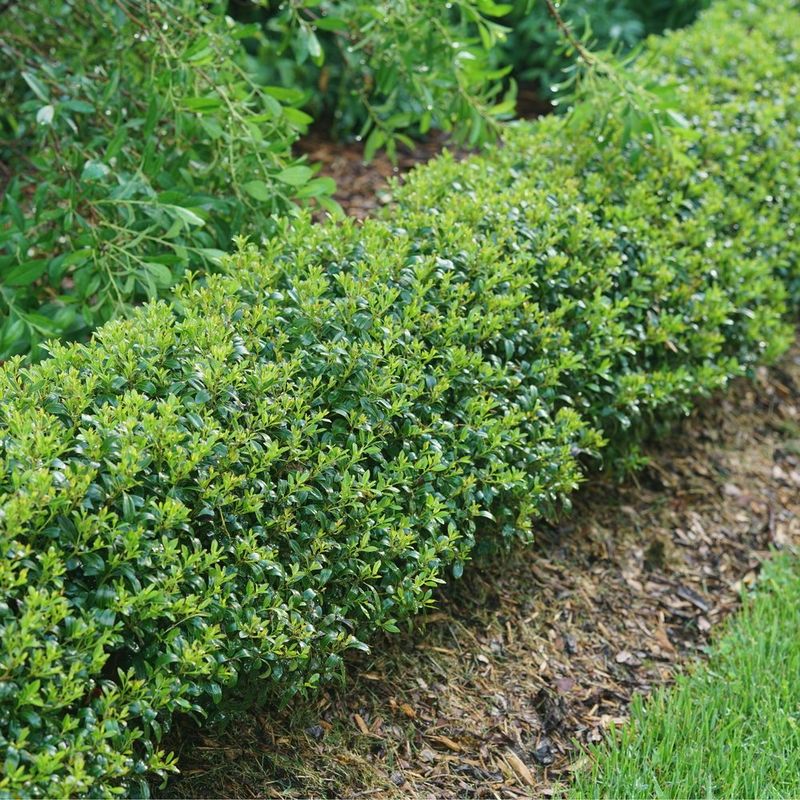
Stand back from a well-grown inkberry holly and you would swear it was boxwood.
Same small, glossy, oval leaves.
Same tidy green mound.
But this one belongs here, and it does not sulk.
Inkberry holly (Ilex glabra) is genuinely native to North Carolina, common through the Coastal Plain and outer Piedmont.
It handles full sun to full shade, hardy in USDA zones 5 to 10, and once it settles in it takes both drought and soggy spots without complaint.
That matters when you get a week of afternoon storms followed by three dry weeks.
Here is the boxwood-beating part.
The spring flowers pull in bees, butterflies, and small pollinators, and female plants carry black berries from mid-fall into late winter that feed songbirds when little else is out there.
Deer tend to leave it alone too.
For the front steps, skip the big species that can hit 10 feet and go leggy.
Plant a compact cultivar like Gem Box or Strongbox, both bred to stay around 2 to 3 feet tall and wide with branches right to the ground.
Space them about 3 feet apart for a low hedge.
Shear it in late winter before new growth, exactly the way you would a boxwood.
Trim stray suckers off the edge of the root zone and you have a formal, well-behaved plant that quietly runs a bird buffet.
2. Virginia Sweetspire Blooms White Then Burns Red
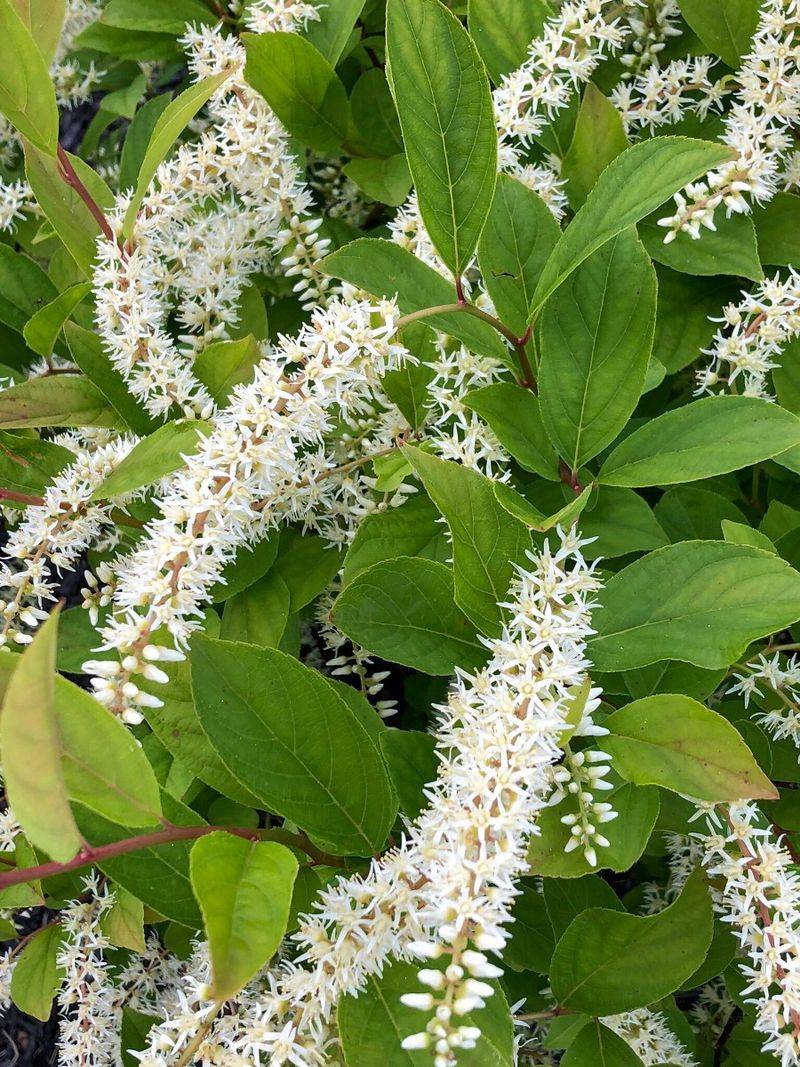
Most foundation shrubs give you one good week and then just sit there being green.
Virginia sweetspire refuses to be that boring.
In late spring and early summer it throws out white, fragrant, bottlebrush flower clusters 3 to 6 inches long that droop and sway for two to three weeks.
Then in fall the whole plant catches fire, turning yellow, orange, crimson, and deep burgundy, and it often holds that color until December or until temperatures drop below 15 to 20 degrees.
Virginia sweetspire (Itea virginica) grows statewide across North Carolina in moist woods and along streambanks, hardy in zones 6 to 9.
It is one of the few shrubs that genuinely does not care about our heavy red clay, and it takes standing water and dry spells alike once established.
Those long-blooming flowers are a magnet for bees, butterflies, and moths, and the dense roots hold slopes in place, handy if a hurricane dumps six inches on a bank.
The catch is timing your cuts.
It blooms on old wood, meaning last year’s growth, so prune it right after the flowers fade in late spring.
Wait too long and you snip off next year’s show.
For a compact plant by the steps, choose Little Henry at 2 to 3 feet, or Henry’s Garnet at 4 to 5 feet, spaced roughly 3 feet apart.
3. Sweet Pepperbush Perfumes The Porch In August
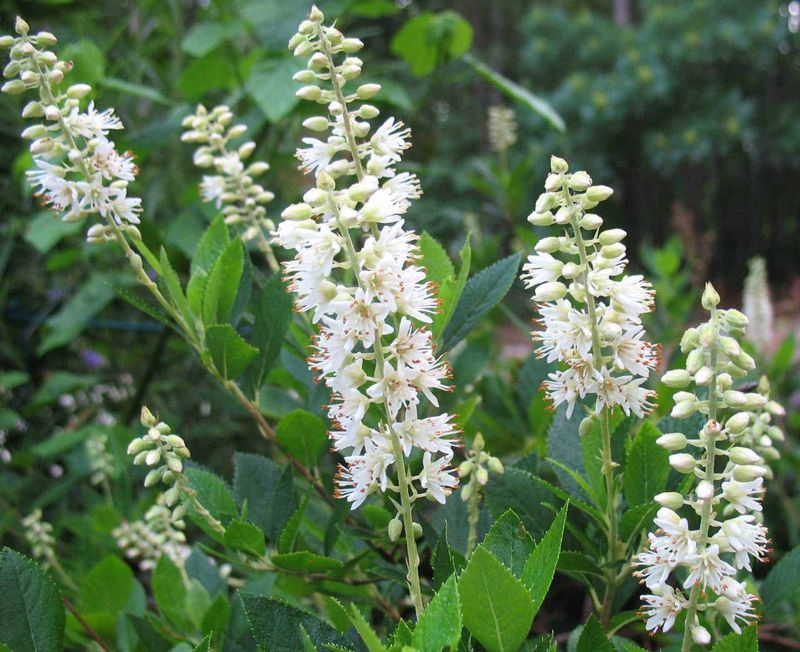
Picture a still, heavy August evening on the porch, the kind where nothing else is blooming and the yard feels tired.
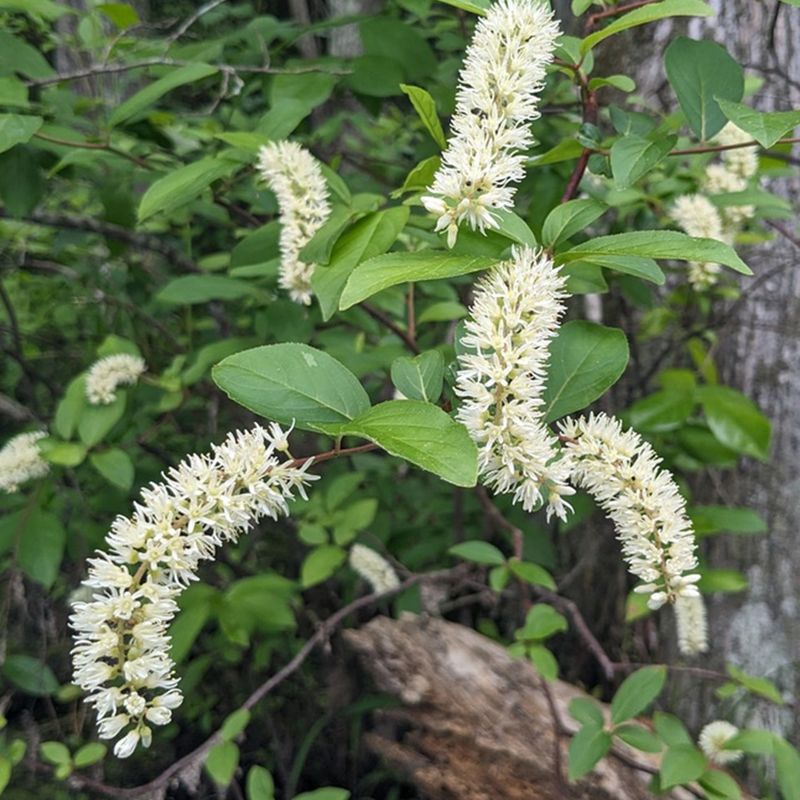
Sweet pepperbush picks exactly that moment to fill the air with a spicy, honey-sweet scent.
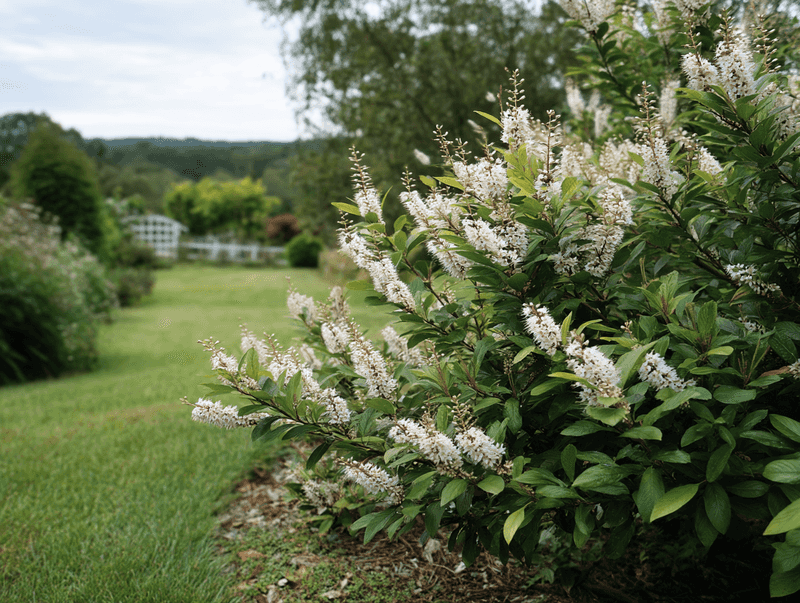
From July into August its white or pink flower spikes, 3 to 6 inches long, bloom for four to five weeks when almost every other shrub has quit.
That off-season timing is the whole point.
Pollinators are desperate for food by then, so the flowers hum with bees, butterflies, wasps, and even hummingbirds.
Sweet pepperbush (Clethra alnifolia) is native to North Carolina swamps and moist woods, mostly in the Coastal Plain and outer Piedmont, and it is tough, hardy in zones 3 to 9.
It shines where boxwood struggles, in part shade to nearly full shade, though it will not forgive a hot, dry spot.
Give it moist soil and a layer of mulch and it settles in on clay, sand, or loam.
Because it flowers on new growth, prune in late winter or early spring before buds form.
It suckers slowly into a thicket, so clip stray shoots at the base each year, or dig them and start a new patch elsewhere.
For a shady front entry, plant Hummingbird or Sixteen Candles around 3 feet tall, or Ruby Spice for pink blooms that hold color even in Coastal Plain humidity.
Deer walk right past it.
4. Oakleaf Hydrangea Delivers Four Full Seasons
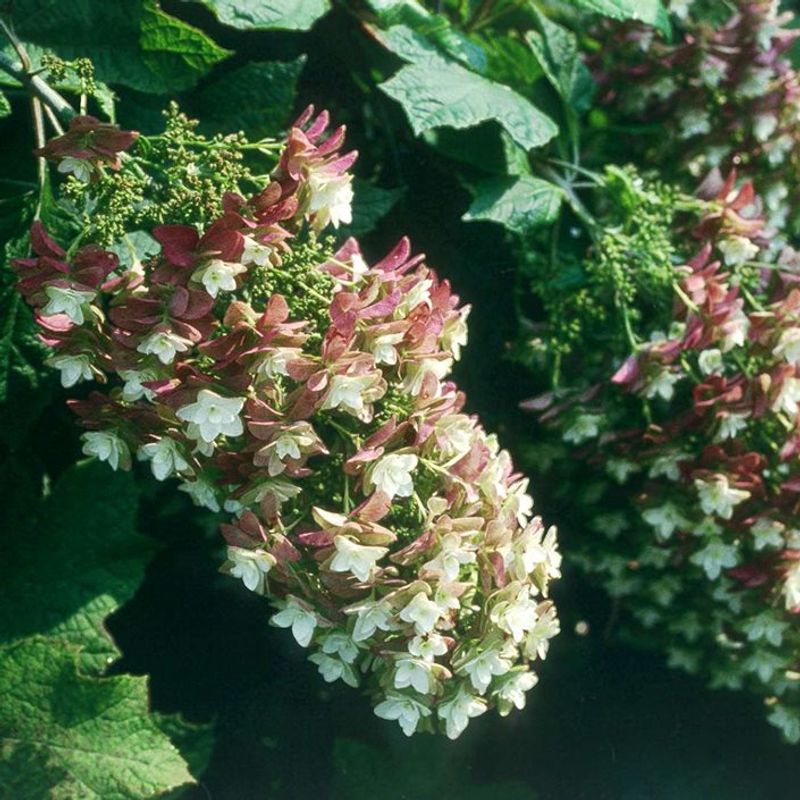
If you want one shrub by the steps that never has a dull month, this is the one.
Oakleaf hydrangea works a four-season shift and takes no breaks.
Late spring and early summer bring big cone-shaped clusters of creamy white flowers, 4 to 12 inches long, that fade to pink, then tan as they age.
Fall turns the large oak-shaped leaves into bronze, burgundy, purple, and crimson.
Then winter reveals cinnamon-colored bark that peels in ragged strips, a real standout when the yard is bare.
Oakleaf hydrangea (Hydrangea quercifolia) is native to the Southeast and right at home across North Carolina, hardy in zones 5 to 9.
It wants what a front porch bed often gives naturally, morning sun and afternoon shade.
That mix keeps blooms lasting longer and stops our brutal summer sun from scorching the leaves.
It handles drier soil better than other hydrangeas, but it will rot in soggy ground, so it needs decent drainage.
Prune only if you must, and only right after flowering, because it blooms on old wood from last year’s stems.
The dried flower heads hold on for winter arrangements if you leave them.
For a smaller footprint near the door, plant Pee Wee at 3 to 4 feet, Munchkin at about 3 feet, or Ruby Slippers, spacing them 4 to 5 feet apart to give those bold leaves room.
5. These Natives Beat Boxwood On Water And Care
Boxwood asks a lot for what it gives back.
It wants steady moisture, good drainage, and protection from wind and heat, and it still turns bronze and thin in a rough winter.
All four of these natives handle North Carolina red clay, sandy Coastal Plain soil, and the swing from muggy storms to dry stretches without a sprinkler running every other day.
Once established, usually after their first full year, inkberry, sweetspire, and pepperbush all take drought and wet feet.
That is money staying in your pocket instead of on the water bill.
Care is simpler too.
Water new plants deeply twice a week for the first summer, then back off.
Mulch 2 to 3 inches deep, keeping it a couple inches off the stems, and you cut watering and weeding at the same time.
Boxwood also fights a rough lineup of trouble, from leaf miners to boxwood blight, which NC State Extension warns can wipe out a whole hedge fast.
None of these four carry that risk.
You are trading a plant that needs babysitting for shrubs that mostly run themselves.
6. Deer And Japanese Beetles Mostly Leave Them Alone
You plant something pretty by the steps, and by morning the deer have treated it like a salad bar.
That gut-punch is why so many gardeners give up on nice foundation plants.
All four of these shrubs are reported deer resistant, which in real terms means hungry deer will nibble almost anything in a hard winter, but they skip these when other food is around.
Inkberry, sweetspire, pepperbush, and oakleaf hydrangea are far down the menu.
Japanese beetles are the other summer villain.
From about June into August they swarm roses, crepe myrtles, and cherries and turn leaves to lace.
These natives are not top targets, so your front bed stays looking clean while the beetles work elsewhere.
None of this is a force field.
Think of it as one strong layer, not a magic solution.
Pair these plants with good spacing so air moves through, and skip the flimsy stuff deer love right beside them.
A little planning here means your entry keeps its shape through the seasons when the beetles and the deer are both out doing their worst.
7. Plant In Fall So Roots Beat The Summer Heat
Timing is the quiet difference between a shrub that thrives and one that limps.
And in North Carolina, fall beats spring for planting almost every time.
From late September through November the air cools but the soil stays warm, so roots keep growing while the top of the plant rests.
By the time next July hits with 95-degree afternoons and pop-up storms, those roots are deep and ready.
A spring-planted shrub spends its first summer just trying to survive.
Dig the hole twice as wide as the root ball but no deeper, so the plant sits at the same level it grew in the pot.
In our heavy red clay, resist the urge to build a rich pocket of fluffy soil, because water pools there and drowns the roots.
Backfill with the native dirt you dug out, water it in well, and mulch 2 to 3 inches deep.
Space compact cultivars about 3 feet apart for a hedge look, or give oakleaf hydrangea 4 to 5 feet.
Water deeply through the first fall and into any dry winter stretch, since our mild winters still throw surprise cold snaps and dry spells.
Do the work now and next summer you get the good part, flowers and shade instead of hauling a hose around.
8. A Front Bed That Feels Alive All Year
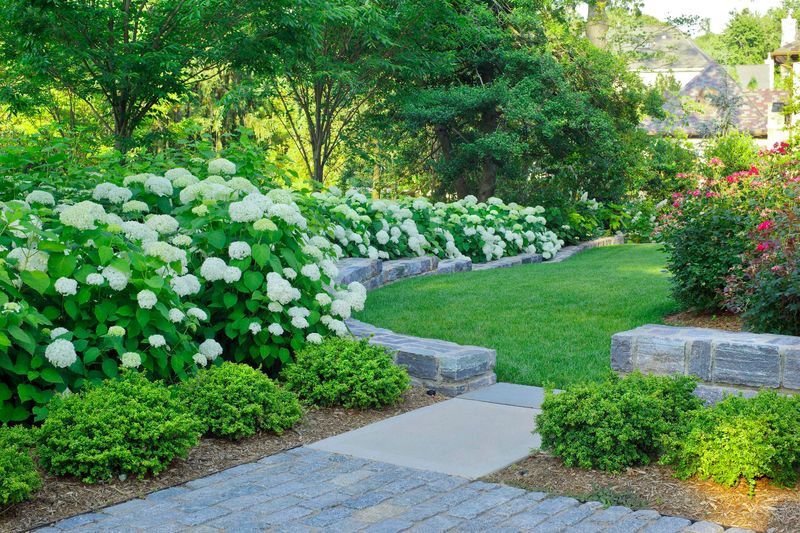
Walk back up those front steps a year from now and picture what changed.
In May the sweetspire drips white blooms.
In August the pepperbush perfumes the whole porch while hummingbirds work the spikes.
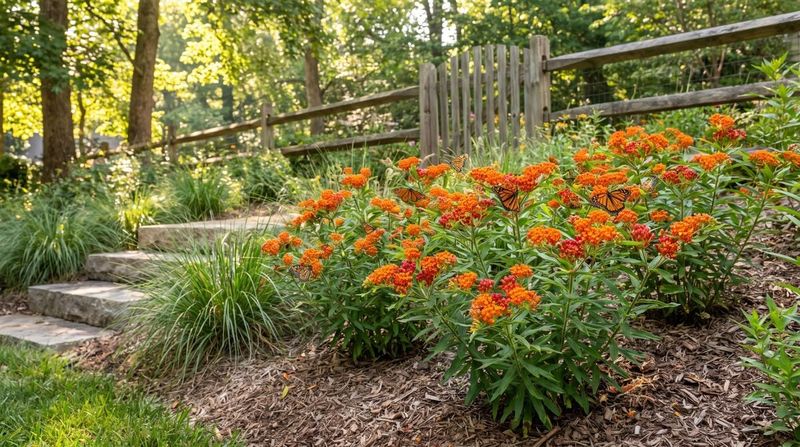
Come fall the oakleaf hydrangea turns crimson and the sweetspire glows, and monarchs drift through the yard heading south.
Through winter the inkberry stays green and full of black berries, and cardinals and other songbirds show up to eat when the rest of the yard is quiet.
The oakleaf’s peeling cinnamon bark gives you something to look at in January.
That is the real trade.
Boxwood gives you a green wall that feeds nothing and asks for constant attention.
These four give you a tidy, formal look by the door plus flowers, fall color, winter interest, and a steady stream of bees, butterflies, and birds.
You do not have to rip everything out at once.
Swap one struggling boxwood this fall, watch what shows up, and go from there.
A front bed can hold its shape and still hum with life, and getting there is genuinely easier than keeping a boxwood happy.