
The Best Florida Nurseries For Rare Native Plants Serious Gardeners Drive Hours To Find
Follow us on Google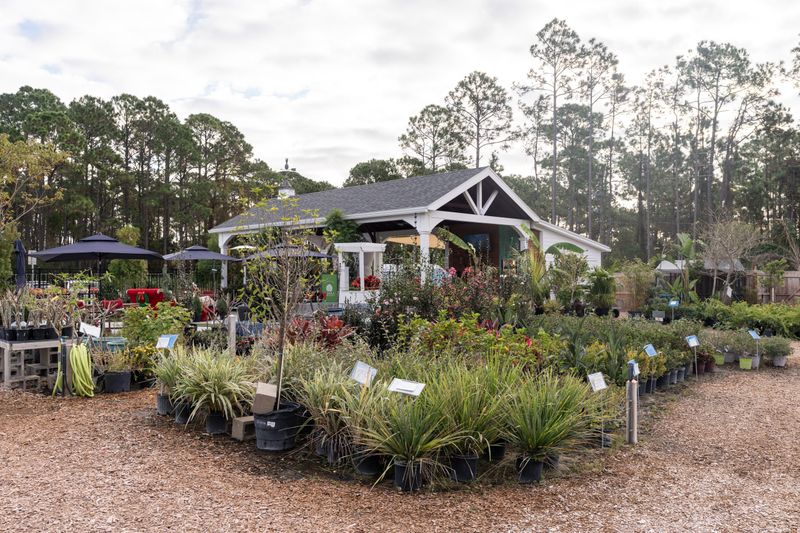
You pull into a gravel lot on a Saturday morning, coffee gone lukewarm in the cup holder, and the air already smells like pine duff and wet soil.
Somewhere past the shade cloth sits a plant you have chased for two years, one no big-box garden center will ever stock.
Florida hides a handful of nurseries that grow the rare stuff, the endangered flatwoods species and the coastal survivors that shrug off salt and sun.
Serious gardeners drive three, four, even five hours to reach them, and they come home with something genuinely special.
Here are the ones worth the gas.
1. Sweet Bay Nursery, Parrish
Butterflies do the advertising here.
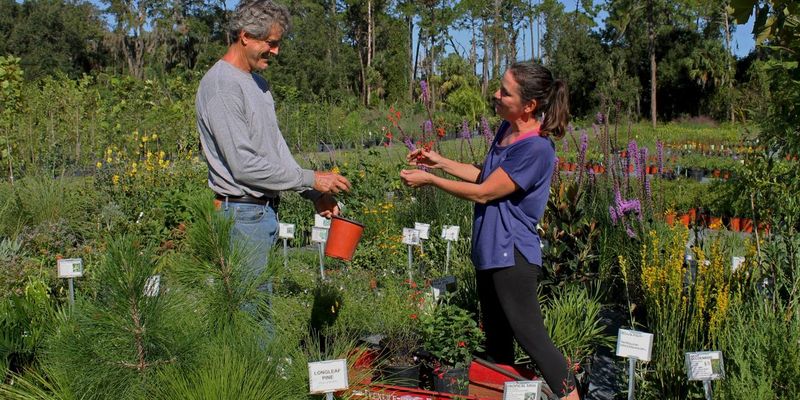
Walk the rows at Sweet Bay in northern Manatee County and you will see gulf fritillaries working the passionvine before you even reach the register.
The pull for serious gardeners is the sheer range of Florida native butterfly and wildlife plants, perennial wildflowers, shrubs, trees, ferns, and grasses grown for Central Florida yards.
You can build an entire pollinator corridor from one visit, firebush (Hamelia patens) for hummingbirds, native milkweed for monarchs, muhly grass for that pink fall haze.
The staff have decades of hands-on knowledge, so you leave knowing whether a plant wants your dry sand or a damp low pocket.
That advice alone saves a wasted planting season.
Native Plant Society members get a discount, which softens the drive a little.
Space firebush about 3 to 4 feet apart and it will fill in within one warm summer.
Genuinely, folks call the trip completely worth it, and their cars prove it.
2. Green Isle Gardens, Groveland
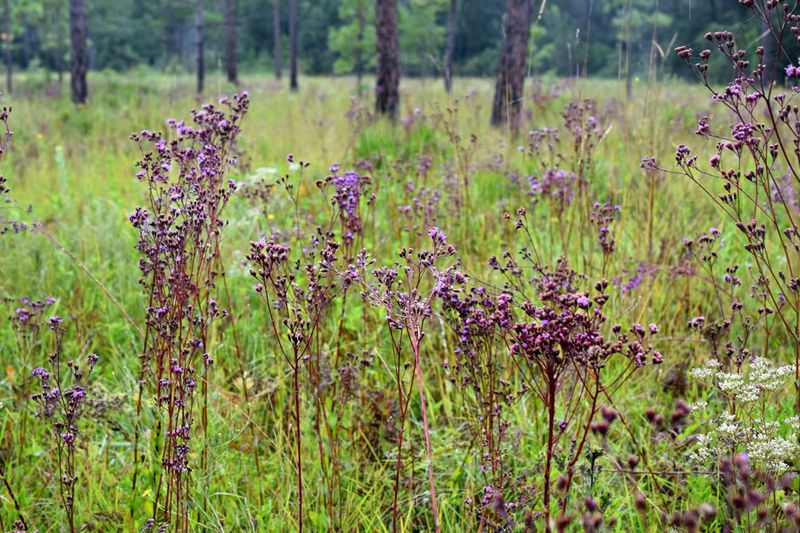
Eight acres in Lake County, more than 150 native species, and not a drop of pesticide in the mix.
That combination makes Green Isle Gardens a pilgrimage for gardeners who want plants that were never doused before they got home.
The real treasure is the rare stuff, endangered and hard-to-find flatwoods and sandhill species that almost no retail nursery bothers to grow.
If your yard sits on dry, acidic Central Florida sand, these upland plants are already adapted to it, no coddling required.
Green Isle even partners with Bok Tower Gardens to propagate endangered plants for conservation, so buying here quietly supports the wild populations too.
Your backyard becomes one small link in a bigger rescue.
Retail hours run Tuesday through Friday, 9 a.m. to 4 p.m., and Saturday 8 a.m. to 2 p.m.
Go with a plant list and questions, because the knowledge here runs as deep as the selection.
3. Sandhills Native Nursery, Fountain
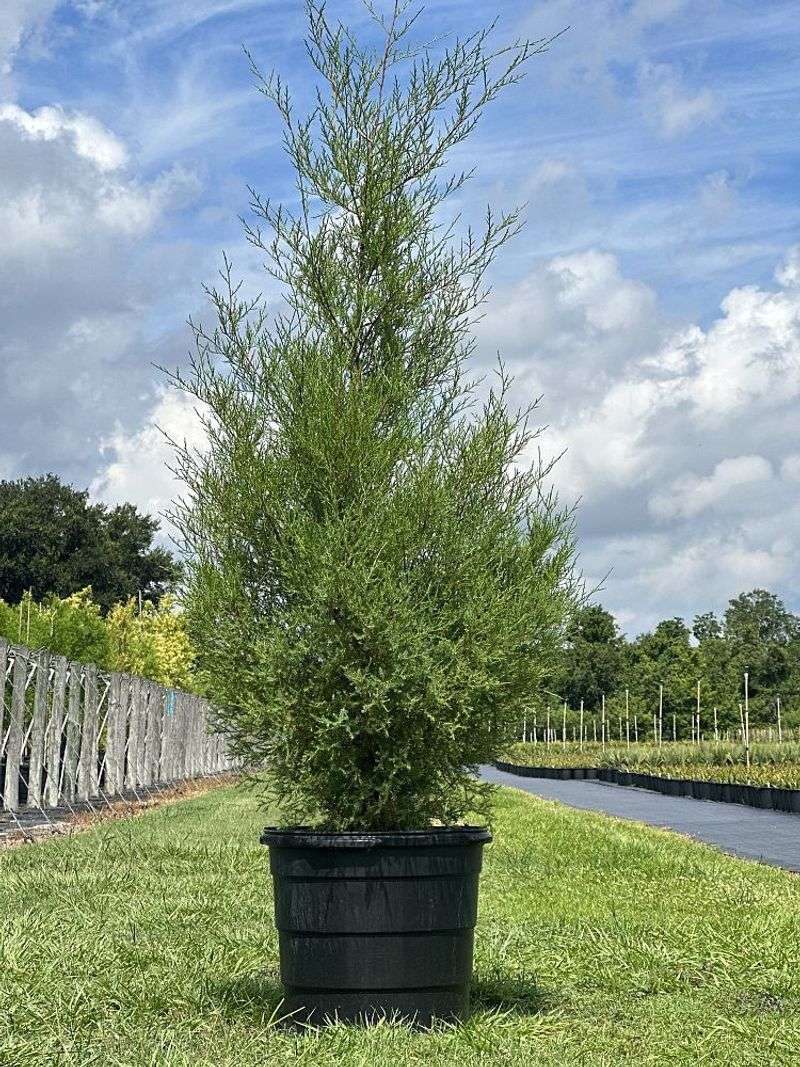
Tucked about 10 minutes off Highway 231 in Bay County, this Panhandle nursery keeps a category most places will not touch, plants labeled rare, threatened, or endangered.
For anyone restoring coastal dunes, wetlands, or sandhill in North Florida, it is close to a promised land.
The list reads like a botanist’s wish book.
Ashe magnolia (Magnolia ashei), Chipola tickseed (Coreopsis integrifolia), corkwood (Leitneria floridana), Ocala anise (Illicium parviflorum), and wild rosemary (Conradina canescens) all show up in the pots.
The Panhandle can drop into hard freezes near 20 degrees in winter, so plants sourced here already know how to take that cold.
That local toughness matters when a January cold snap rolls through.
Call it a destination drive, because that is exactly what it is.
You do not stumble onto Fountain by accident, you point the truck there on purpose and fill the bed.
4. Bok Tower Gardens Nursery, Lake Wales
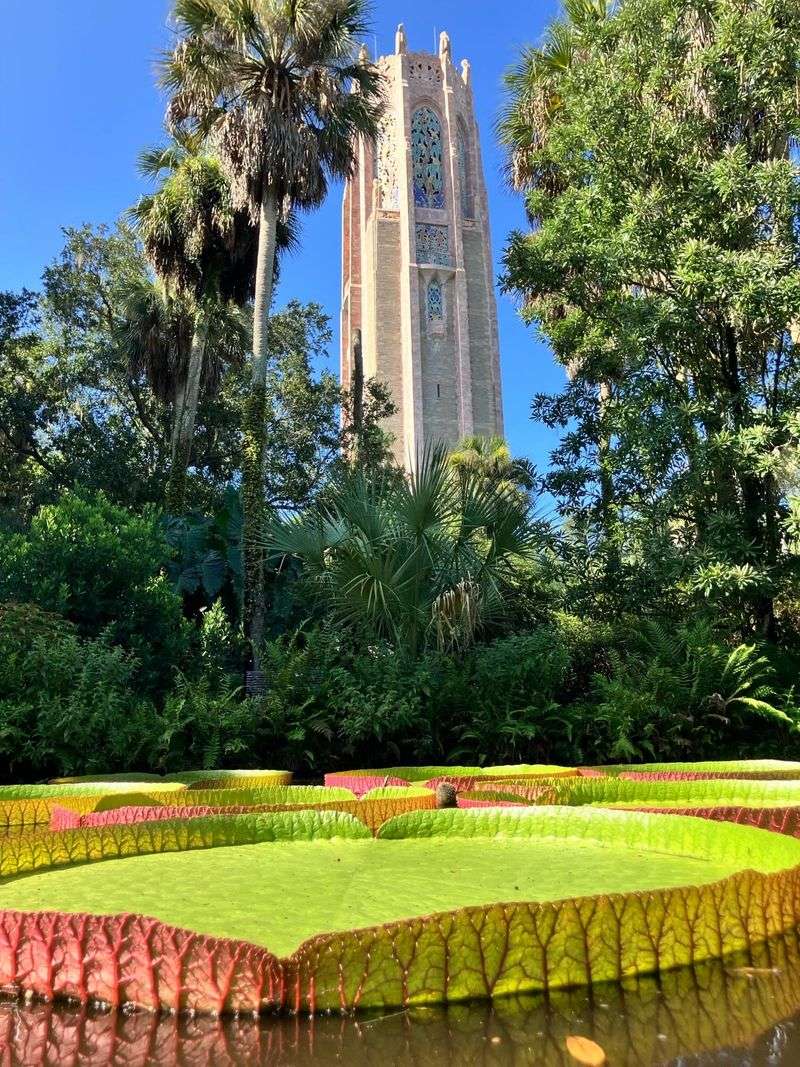
Most people come to Lake Wales for the 205-foot Singing Tower, that pink marble carillon rising over the ridge.
Serious gardeners come for the nursery around the corner.
Bok Tower Gardens sells plants native to sand scrub and sandhill habitats, the fussy specialists that are almost impossible to find anywhere else in Central Florida.
The gardens run an Endangered Plant Program and actively partner in conserving Florida’s rarest species, so the stock has real conservation muscle behind it.
Time your trip around a seasonal plant sale, like the fall event usually held in October, and you get a broader selection as outside vendors join in.
That is the day to load up.
You will find them at 1151 Tower Boulevard, open daily 8 a.m. to 6 p.m. with last admission at 5 p.m.
Wander the gardens, hear the carillon, then buy a scrub plant you cannot get at home.
Genuinely, few trips pack that much into one morning.
5. The Institute for Regional Conservation Nursery
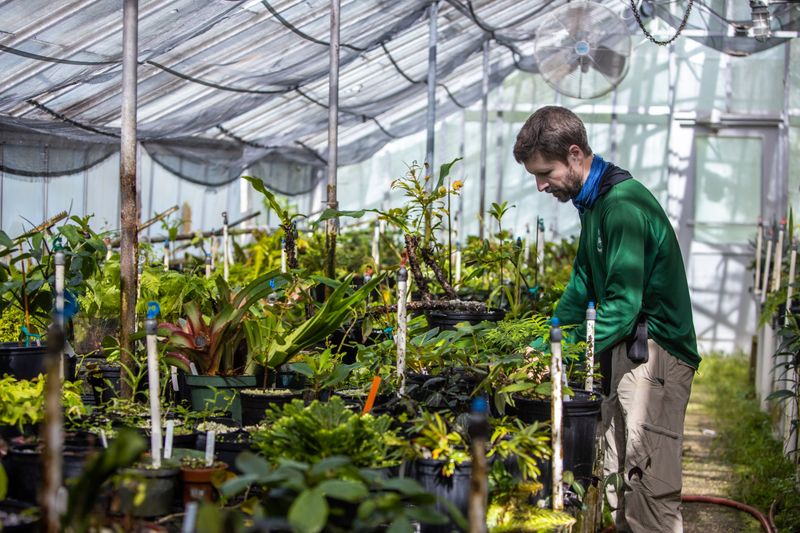
Small nursery, enormous stakes.
The Institute for Regional Conservation runs a modest South Florida operation that puts true rarities into the hands of the public, plants most gardeners will only ever see in a herbarium.
Picture finding Opuntia triacanthos, a tiny prickly-pear cactus on the state endangered list, also called Spanish lady, a survivor of coastal dune and grassland.
IRC also works to conserve federally endangered species like deltoid spurge (Euphorbia deltoidea ssp. deltoidea), found nowhere but Miami-Dade’s pine rocklands.
South Florida’s soil is its own puzzle, shallow limestone barely covering rock, so these plants are matched to conditions that break ordinary landscape stock.
That is exactly why the ecological precision here matters.
For conservation-minded gardeners in the far south, where warmth holds year round, this is a vital resource, not a weekend browse.
You come with a purpose and a species in mind, and you leave part of a rescue effort.
6. Native & Uncommon Plants, Jacksonville
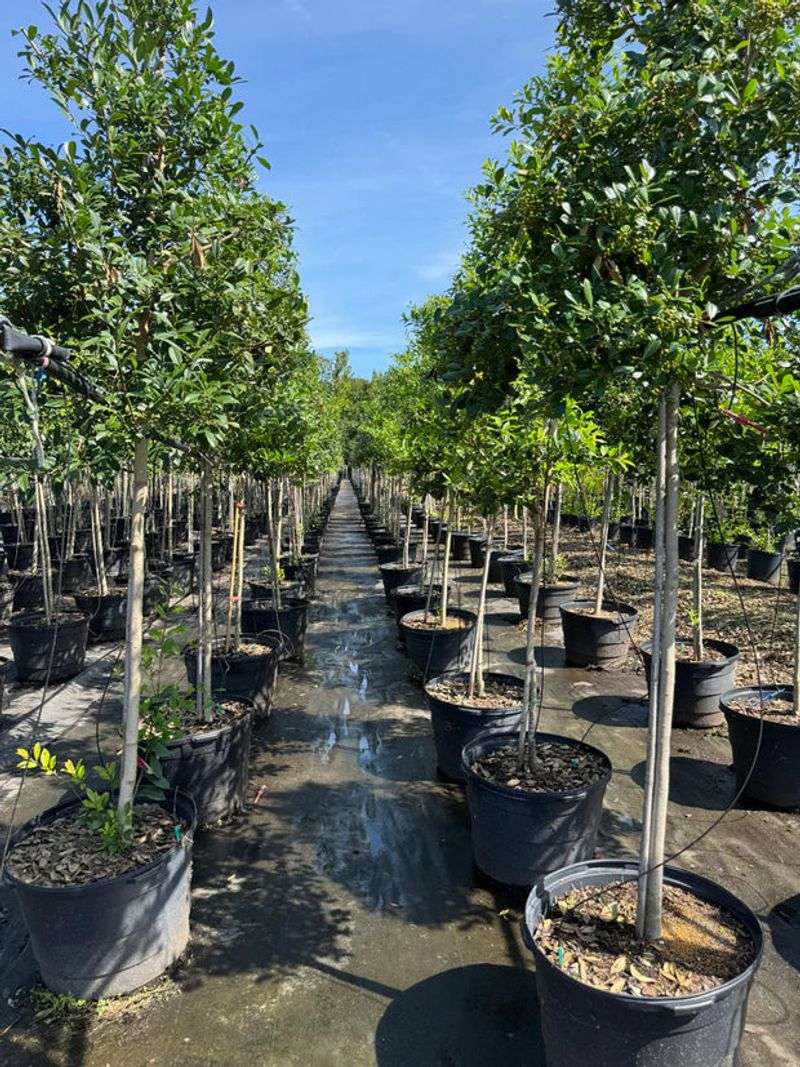
The name is a promise, and this Jacksonville nursery has kept it since 2001.
Native & Uncommon Plants set out to be a specialty retail supplier of select native and hard-to-find plants, the ones that vanish from ordinary shelves.
Working out of North Florida, they focus on sustainable natives for restoring real landscapes, not just filling a front bed.
That mission shapes the whole inventory toward plants with an ecological job to do.
Here is the catch worth knowing before you drive.
It functions mainly as a wholesale nursery and serves the public by appointment only, so calling ahead is not optional, it is the whole plan.
North Florida sits around zone 8b to 9a, and the Atlantic Coast throws salt spray into the mix, so ask which of their stock handles both.
Book the visit, show up ready, and you tap a source most people scroll right past.
7. Asclepias Acres, Edgewater
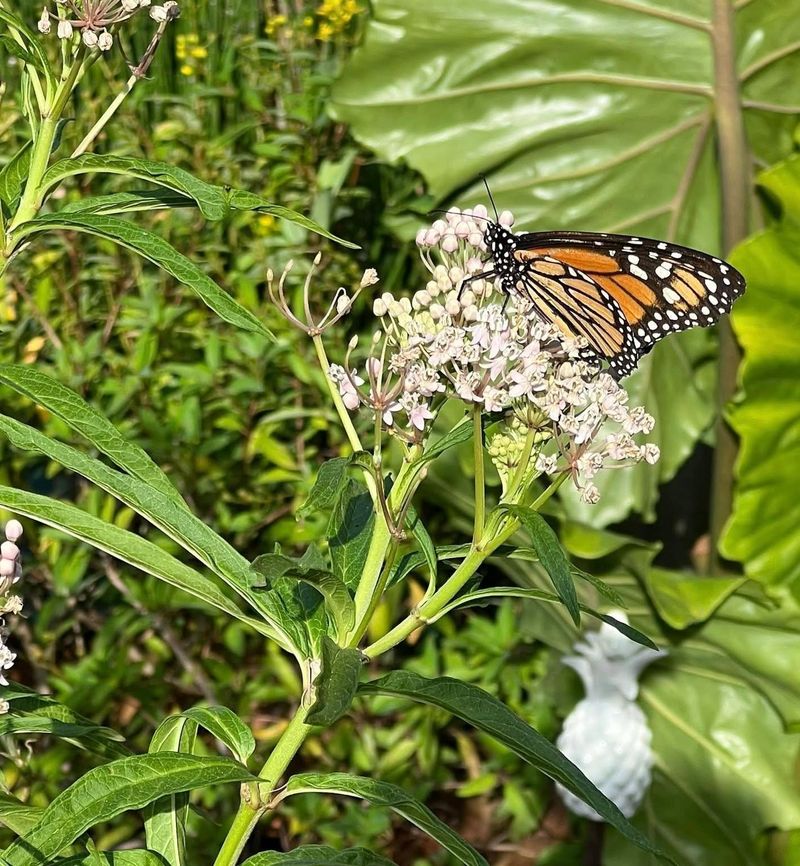
Monarchs have a picky side, and this nursery respects it.
Asclepias Acres in Volusia County grows high-quality native milkweed (Asclepias spp.) along with other natives, and the difference is genetic.
What sets them apart is their specialization in Central Eastern Florida ecotypes, plants adapted to the exact conditions of that stretch of the Atlantic Coast.
An ecotype is simply a local strain shaped by its home ground, and it survives and blooms better where it belongs.
That regional matching is not a small detail for pollinators.
Local milkweed timed to the local season supports the monarch migration and feeds the caterpillars right when they arrive, no guesswork.
Skip tropical milkweed for these natives, and cut back any lingering stems by late fall so butterflies keep moving instead of stalling.
Space plants about 18 to 24 inches apart for a fuller patch by summer.
Genuinely, few plants earn their spot in a Florida yard the way native milkweed does.
8. Why Rare Native Plants Beat The Big-Box Rack
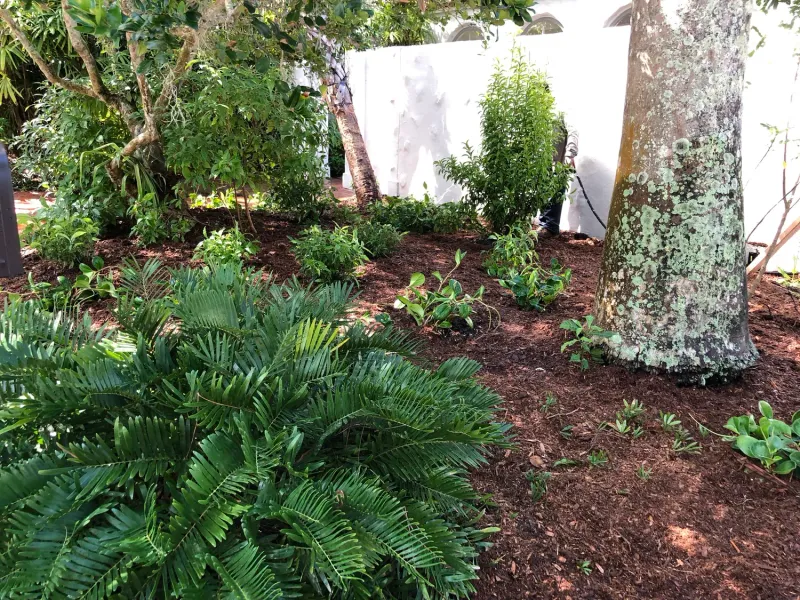
Stand at a big-box rack and everything looks the same, glossy leaves, perfect blooms, and a tag that says almost nothing about your yard.
That polish hides a problem.
Many of those plants were grown far away in rich potting mix and pumped with fertilizer they will never get again.
Native plants from a specialty nursery play a longer game.
Coontie (Zamia integrifolia), for example, laughs at drought and feeds the rare atala butterfly, but you will rarely find a good one on a chain shelf.
The turn is simple.
A plant matched to Florida’s acidic sandy soil and brutal summers, sometimes 95 degrees with 90 percent humidity, needs far less water and coddling once it roots in.
UF/IFAS Extension points out that right-plant-right-place is the foundation of a low-maintenance Florida yard, and natives from these nurseries arrive already suited to the job.
Your water bill notices, and so does every gulf fritillary passing through.
9. How To Plan A Nursery Road Trip Right
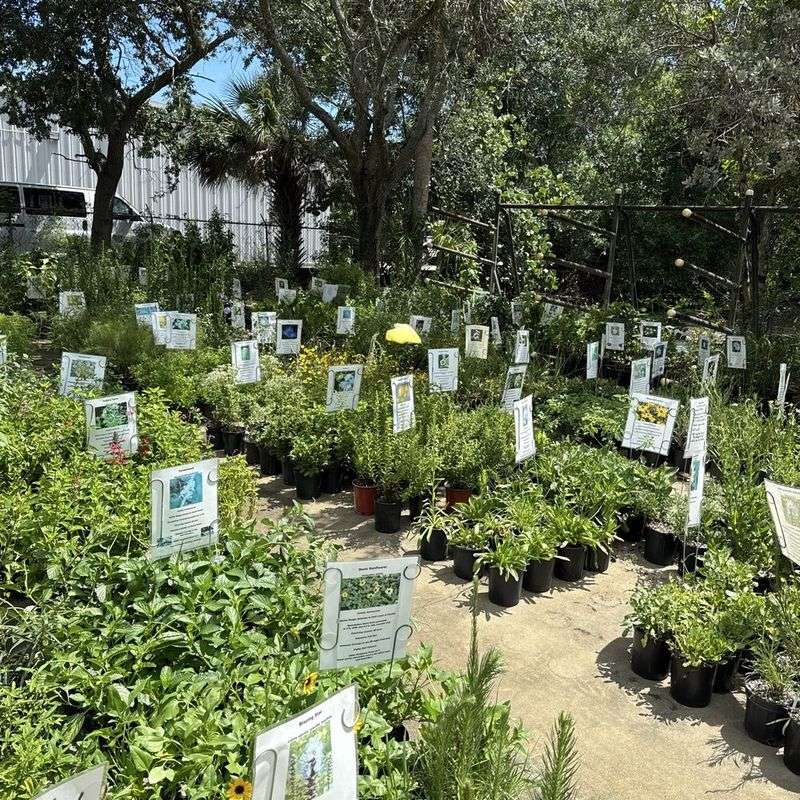
The worst nursery trips are the ones where you drive four hours and arrive to a locked gate.
Hours at these places are quirky, appointment-only in Jacksonville, closed Mondays in Groveland, so a phone call the day before saves the whole adventure.
Bring a list, and be honest about your conditions first.
Note your USDA zone, which runs from 8b in the Panhandle to 11b in the Keys, plus your soil, sun, and any soggy low spots.
Pack smart for the ride home.
A tarp in the truck bed, a couple of milk crates to keep pots upright, and a jug of water go a long way when it is 90 degrees and the plants are baking.
Water everything the evening before you drive, then get plants in the ground within a day or two.
Dig holes twice as wide as the pot, water to a depth of about 6 inches, and mulch 2 to 3 inches deep.
So the drive pays off long after the odometer forgets it.
10. What These Nurseries Do For Florida’s Wild Places
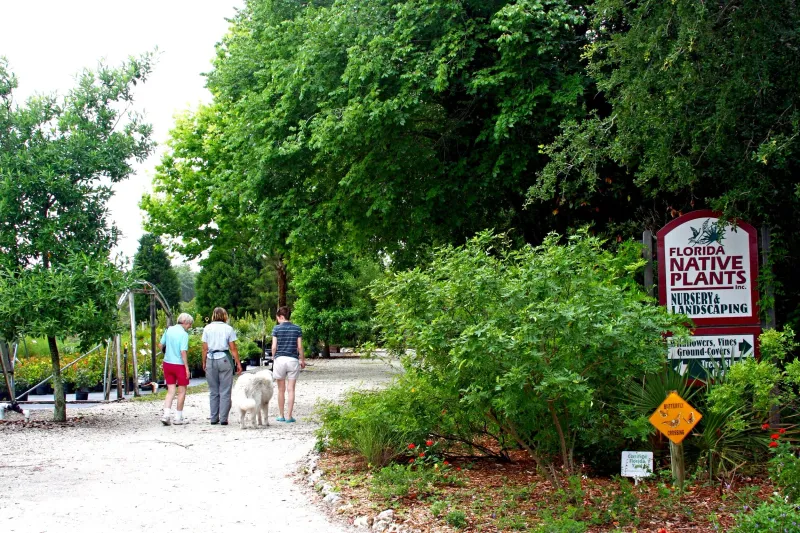
Every rare plant on those benches has a backstory, and it usually involves habitat that is shrinking.
Florida’s pine rocklands, scrub, and sandhill have been paved and drained for decades, taking their specialist plants with them.
Specialty nurseries push back in a quiet, practical way.
Green Isle Gardens partners with Bok Tower to propagate endangered species, IRC works on federally listed plants, and Sandhills stocks threatened natives you cannot legally dig from the wild.
The payoff reaches beyond any single yard.
Plant native milkweed and firebush and you feed monarchs, zebra longwings, and gulf fritillaries along their travel routes, stitching backyards into a corridor.
Florida’s state wildlife agency and UF/IFAS both stress that private landscapes now carry real weight for pollinators, since so much wild ground is gone.
Your scrub mint or Ashe magnolia is one small ark.
That is a genuinely satisfying thing to grow on purpose.
11. The Drive Home Is The Best Part
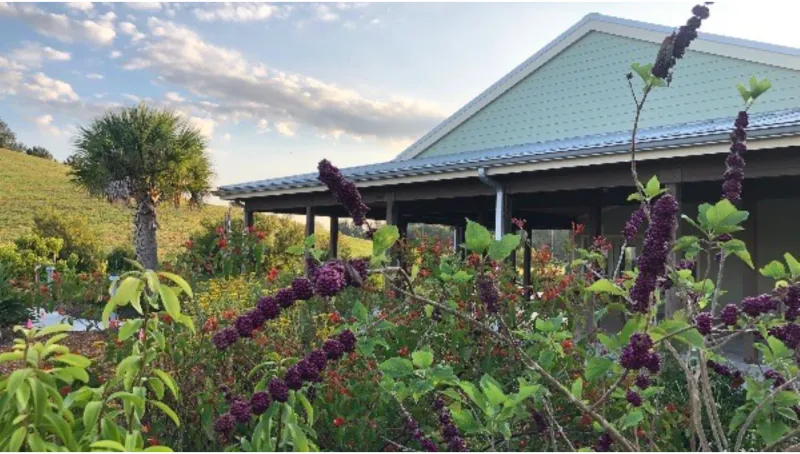
There is a particular quiet on the way back, windows cracked, the smell of damp soil filling the cab, a rare plant riding shotgun that you finally tracked down.
That feeling is the real souvenir.
Getting these plants settled is the last step, and it is forgiving if you keep it simple.
Water new natives every two to three days for the first two weeks, then stretch it out as roots take hold and the plant learns your ground.
Watch for the usual Florida troublemakers, whiteflies, scale, and fungal leaf spots that love the humidity, and check the undersides of leaves once a week.
Catching them early keeps a small problem small.
Give it a season.
By the next warm stretch, that hard-won plant will be doing its job, feeding butterflies, holding sandy soil, shrugging off drought while your neighbors baby their thirsty sod.
And you will already be planning which nursery gets the next Saturday.