
The Native Florida Ground Covers Quietly Replacing The Mulch You ReBuy Every Year
Follow us on Google
You step onto the patio after breakfast and the air already feels heavy, a wet towel of Central Florida humidity draped over the yard.
You glance at that pine bark mulch, faded and thin, and you already know what is coming.
Another year, another stack of bags, another sore back spreading them out before the summer sun and downpours chew them right back down.
Here is the quiet secret spreading through Florida yards.
A handful of native ground covers can take that job over for good, living plants that knit into a green carpet, shrug off our heat, and stop asking you for money every spring.
They fight weeds, hold soil during storms, and feed pollinators while they do it.
So let us walk the fence line and meet the nine that are genuinely retiring your mulch pile.
1. Frogfruit Blankets Bare Ground For Free
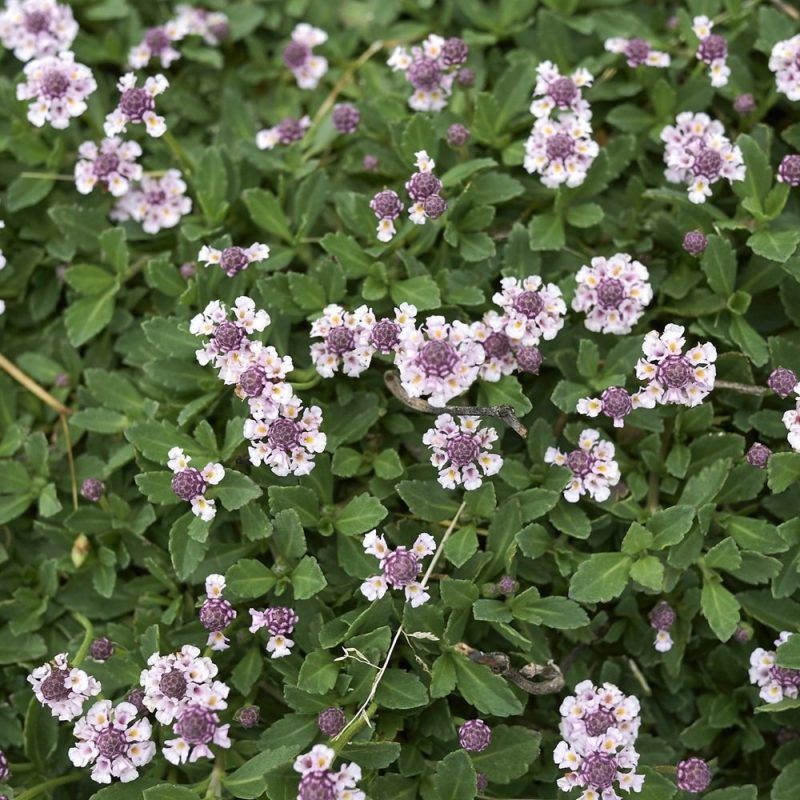
Chances are you have already stepped on frogfruit and never knew its name.
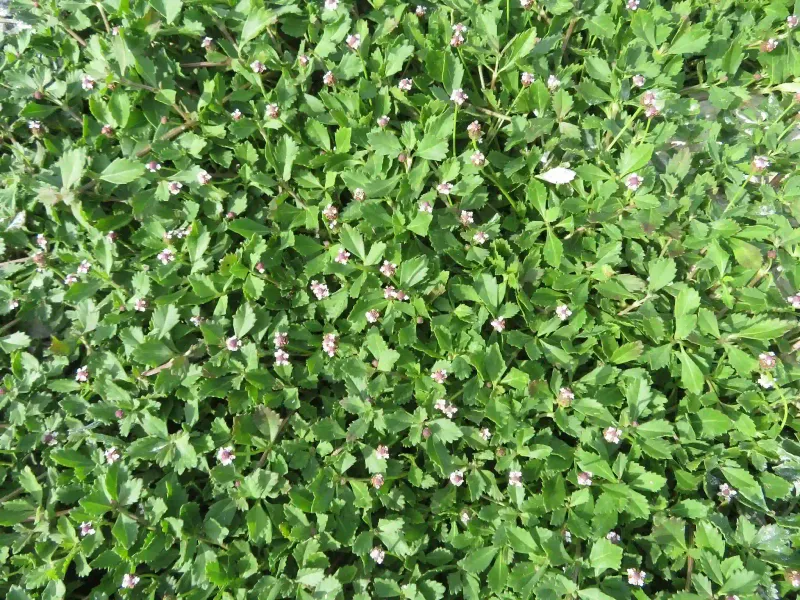
Phyla nodiflora shows up along Florida roadsides and in neglected yard corners, throwing out tiny purple and white flowers while it spreads low and wide, ignoring the heat and short dry spells.
Here is where it gets tricky for mulch lovers.
Organic mulch breaks down in about six months to a year under our sun and rain, then you pay to do it all again.
Frogfruit does the opposite.
It grows just 1 to 6 inches tall and forms a dense living mat that gets thicker every season instead of thinner.
The plant is genuinely unfussy about soil, comfortable in acidic sand and even the shallow limestone pockets of South Florida and the Keys.
It wants full sun but tolerates part shade, so it fits most spots you are tired of remulching.
Plant plugs 18 to 24 inches apart and water them in.
Once it fills in, you stop buying bags.
And the butterflies show up as a bonus, because frogfruit is a larval host for the phaon crescent, buckeye, and white peacock.
You get free ground cover and a free butterfly show.
2. Your Water Bill Quietly Shrinks Each Month
The summer water bill lands and you feel it in your chest.
During a Central Florida dry spell, thirsty turf and ornamental beds drink like they are trying to bankrupt you.
Native ground covers flip that math.
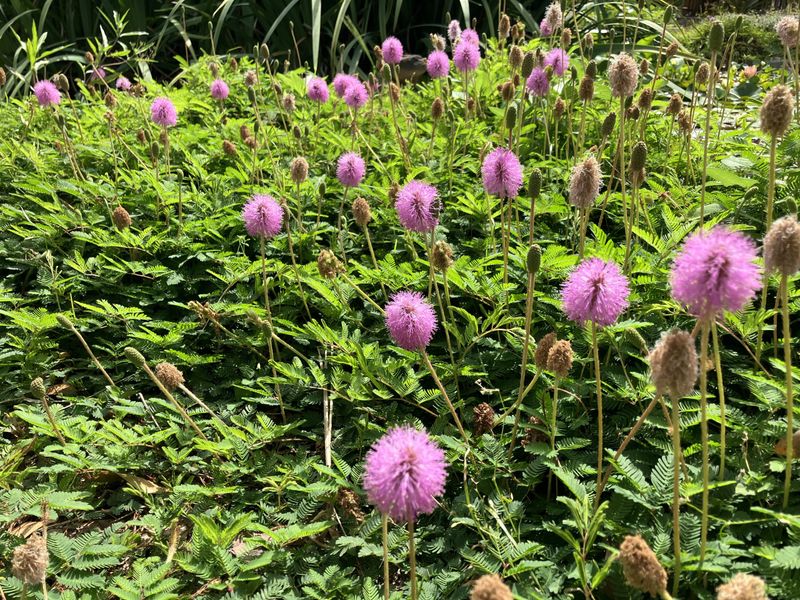
Once established, plants like frogfruit and sunshine mimosa are genuinely drought tough.
Native landscaping can cut a yard’s water use by roughly 60 to 80 percent compared with traditional plantings, according to guidance echoed by UF/IFAS Extension.
Thousands of years of Florida summers built these plants deep roots that hunt for moisture on their own.
New plantings still need help.
Water them deeply every two to three days for the first few weeks when highs top 75 degrees, soaking the soil to at least a 4 inch depth so roots dive down instead of sideways.
That early effort pays you back fast.
After a few months, established plants only ask for water during real droughts, meaning more than 14 days with no rain and daytime highs above 90 degrees.
Watering restrictions stop being a stress.
The lower bill is the quiet win you feel every single month, and your yard still looks green while the neighbor’s crispy sod does not.
3. A Living Shield Against Chinch Bugs And Whiteflies
You have watched a brown patch spread across St. Augustine grass and known instantly that chinch bugs were feasting.
Or seen whiteflies rise off a hibiscus like smoke when you brushed it.
Pests are the scheming antagonist in every Florida backyard.
Native ground covers change the plot.
Because these plants grew up alongside our local insects, they carry natural defenses and rarely collapse into the pest disasters that thirsty turf invites.
Frogfruit, for one, stays largely untroubled while it works.
But it does more than resist.
It actively recruits help.
Frogfruit and sunshine mimosa pull in bees, butterflies, and the tiny predatory insects that hunt aphids and whitefly larvae.
You are hiring a volunteer pest patrol that never clocks out.
That balance means you reach for chemical sprays far less often, which keeps your yard safer for kids, dogs, and the pollinators drifting through.
Fewer sprays, fewer bare brown patches, fewer emergencies.
Your cookout guests are not swatting at a chemical haze, and you are not standing in the garden aisle reading pesticide labels on a Saturday.
The plant fights that fight for you, quietly.
4. Roots That Hold Firm When Storms Hit
Hurricane season runs June through November, and every Florida homeowner knows the bracing feeling of dragging patio furniture inside while the sky turns green.
A sudden downpour can float loose mulch clean off a bed and dump it in the driveway, leaving bare soil to wash away with it.
Native ground covers answer with muscle you cannot see.
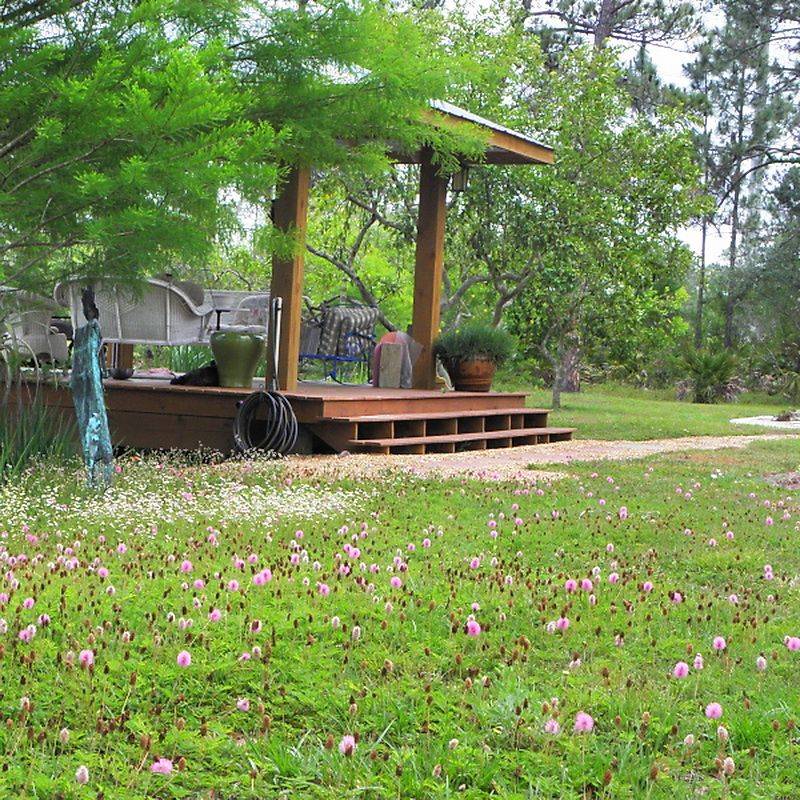
Their interconnected roots act like a living net stitched through the soil, holding it in place when tropical storm rain comes sideways.
The bed stays put instead of ending up in the street.
Sunshine mimosa, Mimosa strigillosa, is a standout here, with deep taproots and sprawling stems that root at every node into a stable mat.
It grips far better than most non-native fillers when the wind picks up.
Along the Gulf Coast and Atlantic Coast, where salt spray burns tender plants, tough natives like railroad vine, Ipomoea pes-caprae, and sea purslane, Sesuvium portulacastrum, are built for the abuse.
They anchor dunes and yards through weather that shreds softer choices.
Choosing plants that already belong here is genuinely an investment in fewer replant bills after the next storm rolls through.
5. Sunshine Mimosa Fills A Yard In One Season
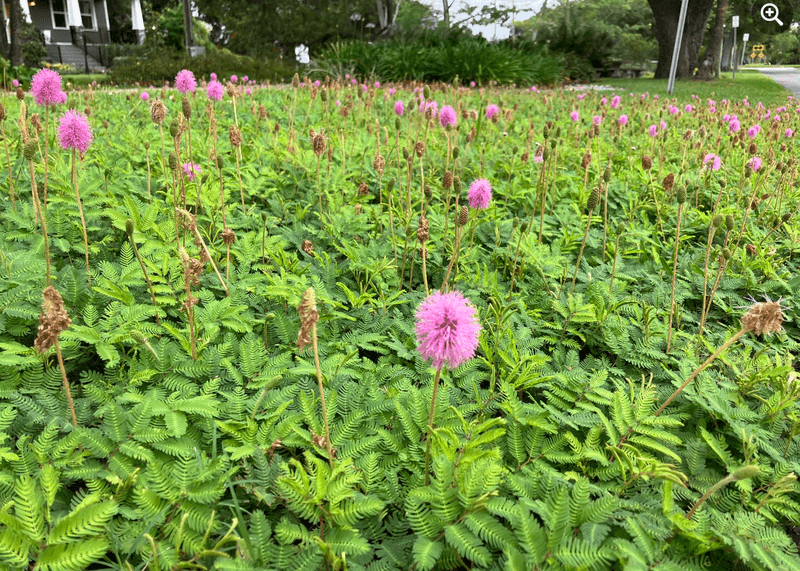
Speed is the reason gardeners fall for sunshine mimosa.
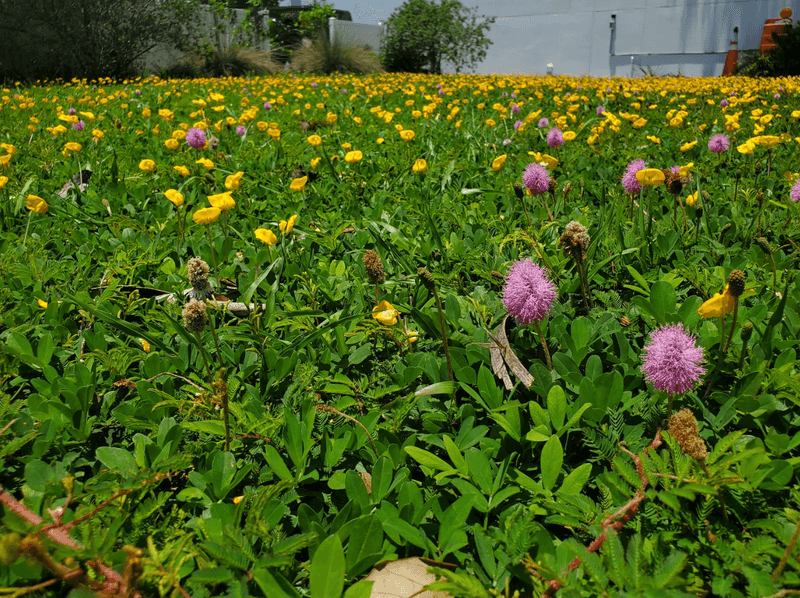
Plant it in spring and by fall it can carpet a wide stretch of yard, sometimes hundreds of square feet in a single growing season.
Few natives fill in this fast.
Mimosa strigillosa thrives in full sun from the Panhandle down through the Keys.
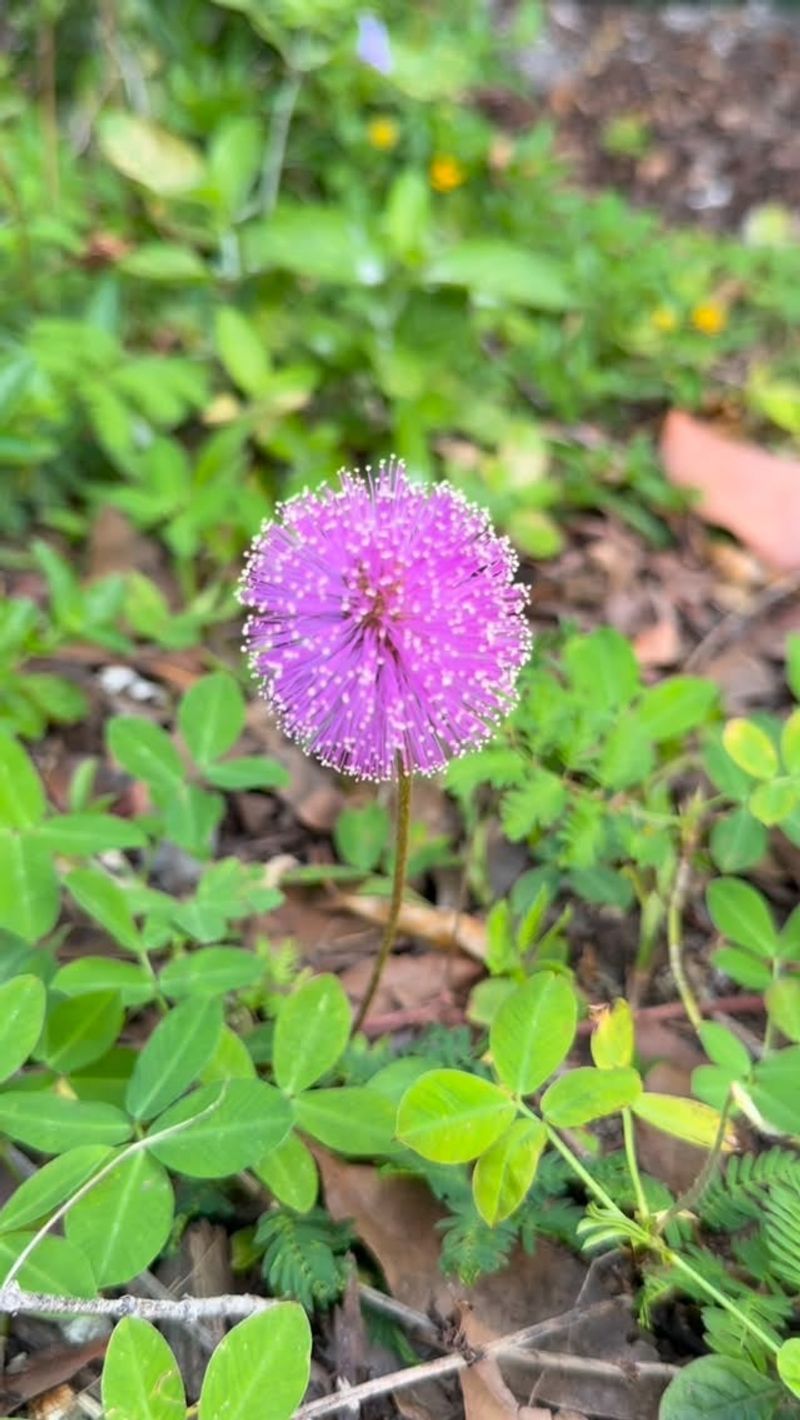
Its fern-like leaves fold shut the second you touch them, a trick that turns any kid in the yard into an instant fan.
Then come the pink powderpuff blooms that bees and the little sulphur butterfly cannot resist, since it hosts that butterfly’s caterpillars.
Here is the part your soil loves.
This plant is a nitrogen fixer, meaning it pulls nitrogen from the air and feeds it back into the ground, so you fertilize less around nearby trees and beds.
Free soil improvement while it spreads.
Set plugs 12 to 18 inches apart and keep them watered through establishment.
It is tough enough to take occasional foot traffic, and you can mow it to about 4 inches for a tidy lawn look.
So you get coverage, flowers, and pollinators without waiting three years to see results.
6. Shady Spots Under Oaks Finally Get Cover
That patch under the live oak has beaten you for years.
Grass thins out, mulch washes into ruts, and the dirt just sits there.
Deep shade is where most ground covers quit, but a few Florida natives were born for it.
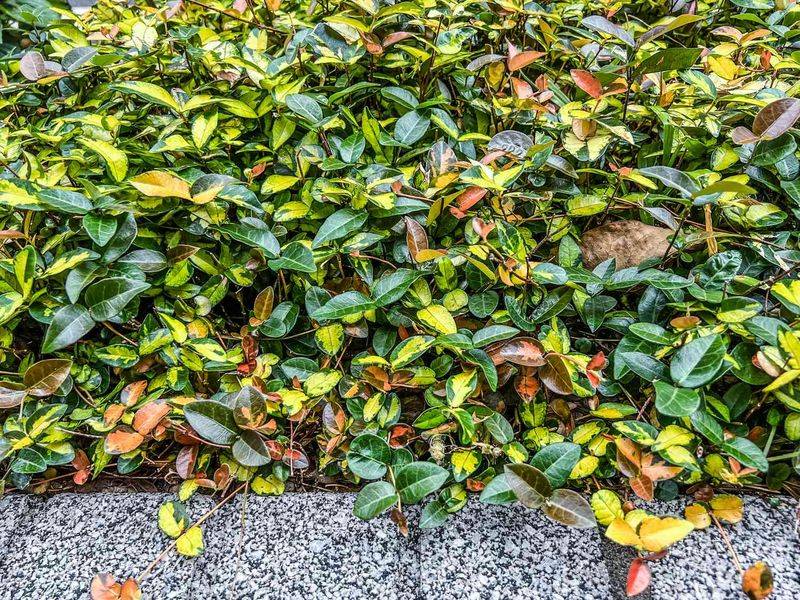
In North Florida yards shaded by mature live oak or sabal palm, try native ferns, partridgeberry, Mitchella repens, or lyreleaf sage, Salvia lyrata.
They love dappled light and slightly moist, well-drained soil, spreading into green cover where turf refuses to grow.
Wild coffee, Psychotria nervosa, is another quiet winner for shade, with glossy leaves and red berries that birds pick clean.
It handles the low light and gives your shady corner some structure instead of bare earth.
The turn here matters.
Grass fails in shade because it needs six hours of sun, so fighting it is a losing game.
These natives want exactly what that spot offers, which means you stop reseeding and remulching a place that will never grow lawn.
Give them about two years to fully knit together.
After that, the ugliest corner of your yard becomes the one that takes care of itself.
7. Beach Sunflower Owns The Blazing Sun
Some corners of a Florida yard are just brutal.
Full afternoon sun, sandy soil, salt drifting in off the water along the Atlantic Coast.
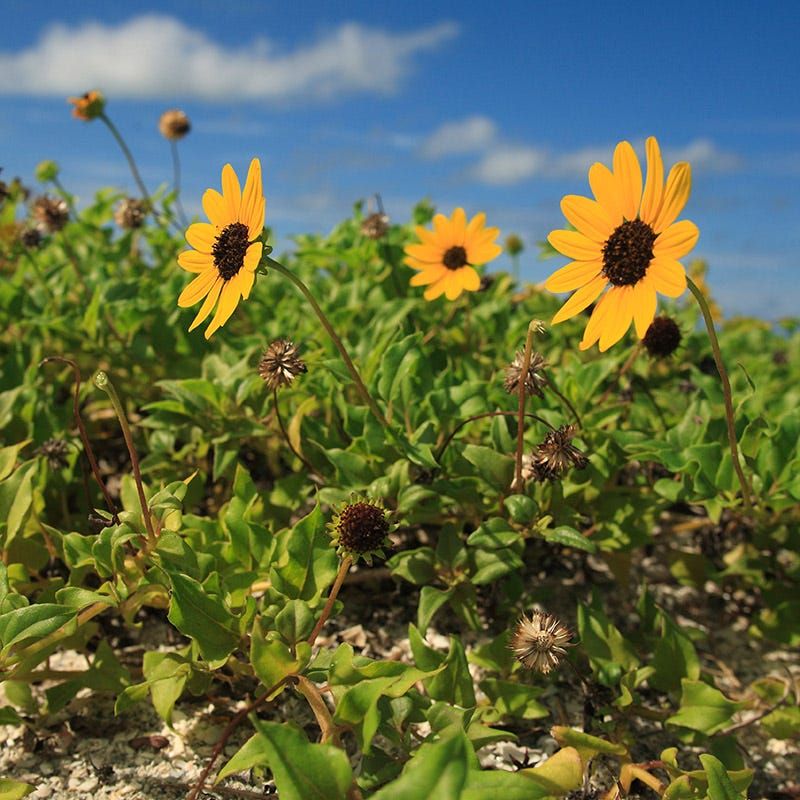
That is exactly where beach sunflower, Helianthus debilis, decides to throw a party.
Blunt truth.
Most plants cook in those spots, but this one blooms cheerful yellow flowers straight through the heat, sprawling into a low mound that shades the soil and chokes out weeds.
It wants at least six hours of direct sun a day and honestly does better when you leave it alone.
The plant sips water once established, so it belongs in the hot upland beds where irrigation feels like pouring money into sand.
It reseeds itself, quietly patching any thin spots without you lifting a finger.
Pollinators clock in too.
Bees and butterflies work the blooms all season, and small birds pick at the seed heads later.
For a mulched bed that bakes and browns every July, beach sunflower is a genuine trade up, one layer of a smarter, tougher yard.
You get color where you expected struggle, and you stop refilling that bed with bags you resent buying.
8. Prep The Ground So Weeds Do Not Win
Skip the prep and you will regret it by August.
Weeds and old grass will punch up through your new plugs faster than they can spread, and you will be back to hand pulling.
A little work up front decides everything.
Clear the area first.
One clean method is solarization, laying clear plastic over the spot during the hottest months so trapped heat bakes and kills the weeds and grass underneath.
It costs almost nothing and works with the Florida sun instead of against it.
Sheet mulching is the other favorite.
Lay down wet cardboard, top it with a layer of compost, and plant your plugs right into that enriched base.
The cardboard smothers weeds while it feeds the soil, so your ground cover gets a head start on the competition.
Now plant.
Space frogfruit 18 to 24 inches apart and sunshine mimosa 12 to 18 inches apart, then water deeply to settle the roots.
A thin half inch of pine straw between young plants suppresses weeds while the living cover fills in.
Do this once, correctly, and you will not be fighting the same patch every spring.
That is the whole point.
9. What Else Actually Helps Your Florida Yard
Swapping mulch for living cover is one strong layer, not a magic fix for every problem in the yard.
Walk the property and notice the spots that always struggle, the corner that stays soggy after rain, the strip that bakes by 2 p.m.
Matching plant to place is the heart of Florida-Friendly Landscaping, the right plant, right place idea that UF/IFAS Extension has pushed for years.
Build in a few native shrubs while you are at it.
Firebush, Hamelia patens, and American beautyberry, Callicarpa americana, feed birds and pollinators, and crushed beautyberry leaves have long been used to help keep mosquitoes off your skin.
In the sandy loam of the Panhandle, muhly grass, Muhlenbergia capillaris, throws up pink fall plumes and asks for almost nothing.
Layering these plants creates a small ecosystem that resists pests and disease on its own, so you spray less and worry less.
The monarchs passing through on migration and the zebra longwings and gulf fritillaries drifting by will treat your yard like a rest stop.
You end up with a yard that feels calmer, costs less, and holds its ground when the weather turns.
And you finally stop making that spring trip for bags you never wanted to buy again.