
Why A Horned Lizard-Type Sighting In Your North Carolina Yard Feels So Meaningful When Wildlife Returns
Follow us on Google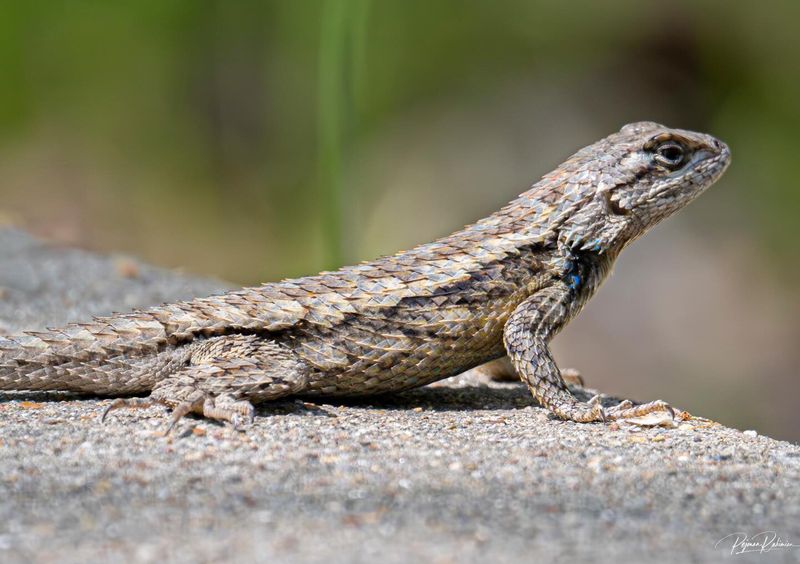
You drag your patio chair into the afternoon shade, glance down at the fence post, and freeze.
Something small and spiny is staring back at you, looking like it wandered in from a desert documentary.
That jolt of wonder is real, and it is worth paying attention to, but what you are actually seeing probably has a very specific name and a perfectly ordinary reason for being there.
Understanding both things makes the moment more useful and just as satisfying.
The “Horned Lizard” Is Usually an Eastern Fence Lizard
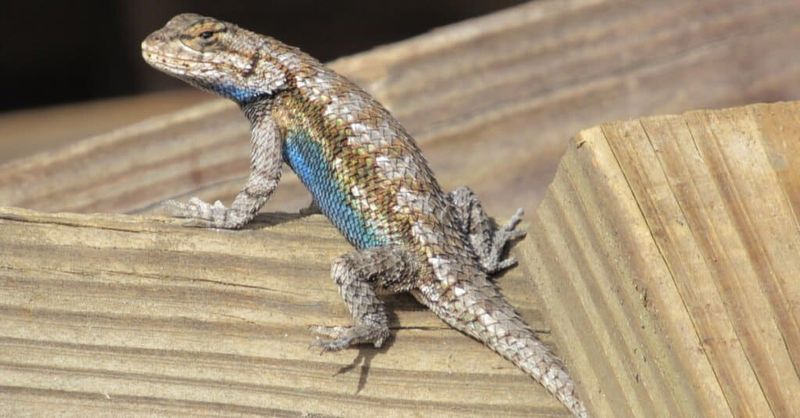
Rough, spiny scales and a habit of sitting perfectly still can make a common native lizard look like something rare and exotic.
The animal you spotted is almost certainly an Eastern Fence Lizard, Sceloporus undulatus, the only native rough-scaled or spiny-looking lizard found throughout North Carolina.
According to North Carolina Wildlife Resources Commission species guidance, this lizard commonly uses sunny trees, logs, rocks, fences, buildings, and brush piles across the state, from the Blue Ridge foothills to the Lower Coastal Plain.
Here is where the identification actually matters.
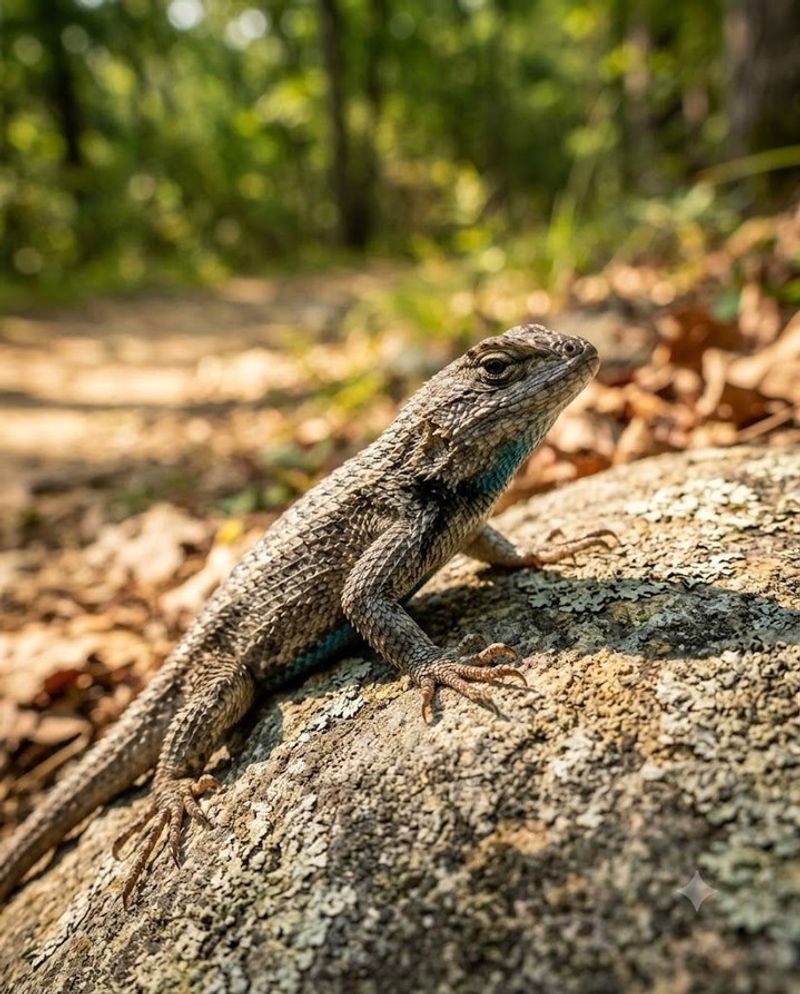
Eastern Fence Lizards have rough, keeled scales that catch the light in a way that looks almost prehistoric.
Adult males often show blue patches on the throat and belly, and both sexes carry wavy dark bands across the back.
A blurry phone photo can make those markings look far more dramatic than they are, which is how a familiar backyard reptile ends up reported as something exotic.
A true horned lizard looks noticeably different.
It sits flatter against the ground, carries obvious horn-like projections from the back of the head, and has a rounder, almost toad-shaped body.
The North Carolina Biodiversity Project identifies the Eastern Fence Lizard as the only native member of its family in the state, while noting that a small number of introduced Texas Horned Lizard populations may exist.
The National Park Service lizard gallery shows side-by-side comparisons that make the distinction clear.
Before telling anyone a rare species has returned to your yard, take a clear photograph.
You will most likely confirm a native Eastern Fence Lizard, and that is genuinely a good thing.
It is a real North Carolina animal that still deserves your attention, even without the exotic label.
One Sighting Can Reveal Habitat, Not a Population Return
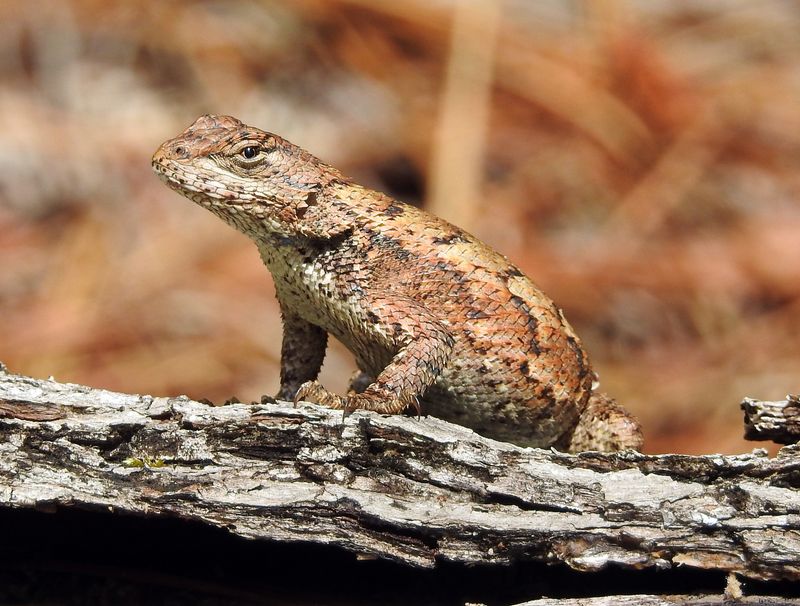
Seeing a lizard once is exciting.
It does not mean the species has returned to your property, that its numbers are climbing, or that the yard has been restored to some earlier ecological state.
Wildlife biologists are careful about this distinction, and homeowners can be too, without losing any of the pleasure the moment brings.
Detection and occupancy are two different things.
USGS research on estimating site occupancy and detection probability shows that failing to see an animal on a given visit does not mean it is absent, and seeing it once does not confirm a stable population.
Season, weather, time of day, vegetation height, and the lizard’s own behavior all affect whether you notice one at all.
Cut back a shrub that was blocking a sunny fence section, and suddenly a lizard you never saw before is visible every morning.
The lizard was probably always there.
USGS work on dynamic occupancy models reinforces this point: population trends require repeated, systematic observations over time, not a single excited sighting from the back porch.
Nearby habitat changes, a neighbor clearing brush, or even an unusually warm week in early spring can push a lizard into a newly visible spot without any actual increase in numbers.
The emotional meaning of the sighting does not have to depend on a population comeback story.
What one Eastern Fence Lizard can genuinely tell you is that some part of your yard or the landscape nearby offers enough sunlight, perching structure, cover, and small prey to be worth using.
That is a real signal, and it is worth building on, even if it cannot prove recolonization or restoration all by itself.
What the Lizard Needs From Your Yard
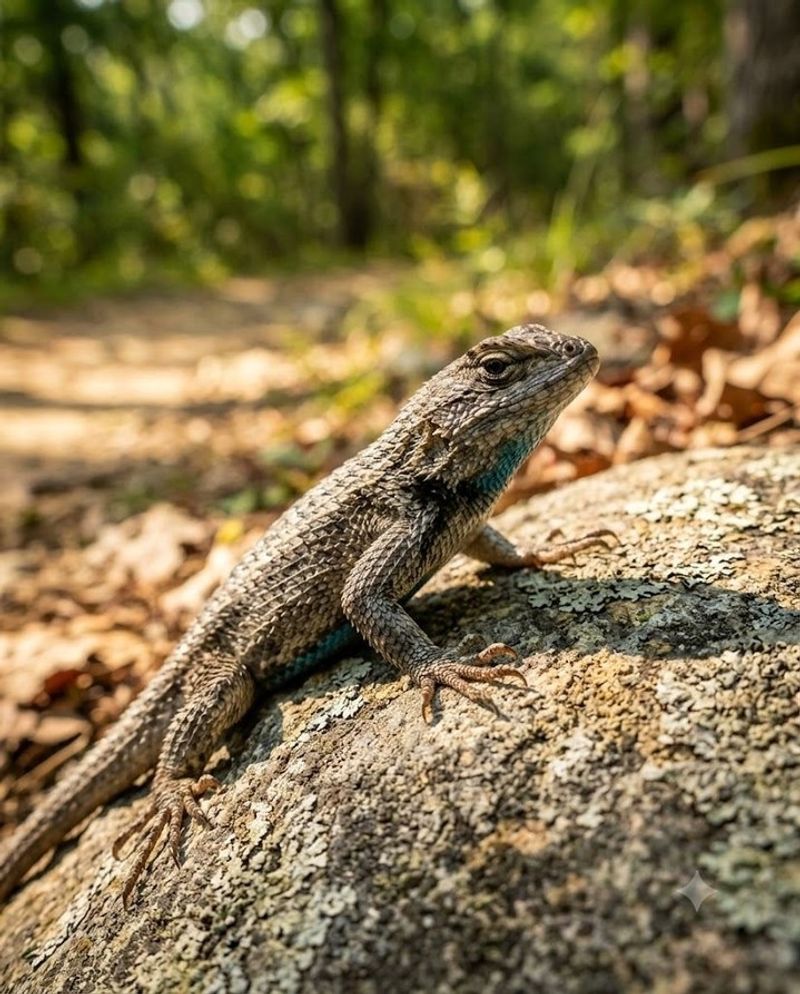
An Eastern Fence Lizard is a daylight animal.
It spends its active hours basking in sunny spots, warming up enough to hunt, then retreating into cover when temperatures spike or a threat appears.
That behavioral loop tells you almost everything you need to know about what your yard is or is not offering.
According to North Carolina Biodiversity Project documentation, the species is associated with relatively dry, open pine or hardwood woodland and avoids heavily shaded or very wet habitat.
Useful yard features include sunny tree trunks, fence rails, logs, stumps, rock outcrops, old buildings, rock piles, and brush piles near woodland or open habitat edges.
Walk your property at midday and look for places where sunlight actually reaches the ground for at least a few hours.
Those spots are the ones that matter most.
The lizard’s diet is built around small arthropods.
Ants are a major food item, with beetles, caterpillars, spiders, and other small invertebrates also documented.
A yard with some leaf litter, a few stable logs, and an unmowed edge near a fence line will generally support more of those prey items than a fully manicured lawn.
You do not need to rewild the whole property, just leave a modest corner alone.
What actually helps most is retaining a few stable natural features rather than trying to plant a specific recipe.
A single sun-warmed log near a fence line, a small rock pile in a dry corner, or a brushy edge along the back property line can do more practical good than a complete landscape overhaul.
The lizard is already telling you something works.
Your job is to figure out what that something is and avoid removing it by accident.
North Carolina’s Regions Change the Clues
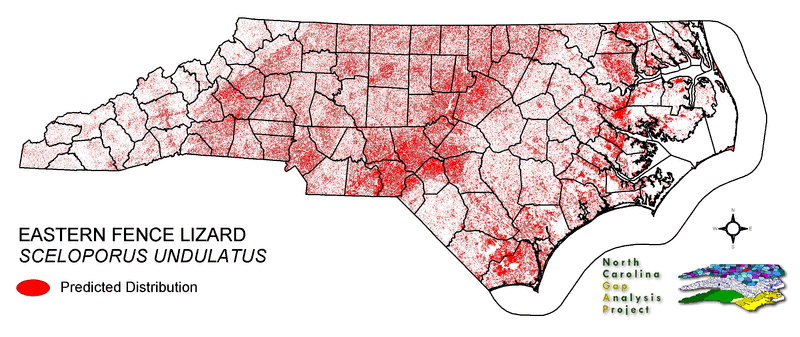
North Carolina stretches from mountain elevations above 6,000 feet down to barrier islands barely above sea level, and the conditions that favor an Eastern Fence Lizard shift considerably across that distance.
A Piedmont homeowner finding one on a sunny fence post is having a different experience than a Tidewater homeowner puzzling over the same sighting.
The North Carolina Biodiversity Project notes that Eastern Fence Lizards occur broadly from the Blue Ridge to the Lower Coastal Plain but are generally absent from barrier islands and many Tidewater areas.
Flood exposure, heavy clay soils that stay wet after rain, cold mountain winters with extended freezes, and dense shade from mature forest canopy can all reduce habitat suitability.
The Sandhills region, with its dry sandy soils and open longleaf pine woodland, offers some of the most consistently favorable conditions in the state.
Piedmont yards with red clay soil and afternoon sun can work well if there is enough dry structure and open edge.
Coastal Plain properties with sandy soil and scrubby woodland patches are similarly promising.
Mountain yards above about 3,500 feet face shorter active seasons and cooler overnight temperatures, which limits how much time the lizard can spend foraging.
This matters because a single sighting in a less typical setting, say a damp wooded lot near the Neuse River floodplain, might mean less about stable habitat use than the same sighting on a sunny Sandhills property.
Geography does not cancel your excitement, but it does help you read the clue more accurately.
Knowing your region helps you decide whether that one sighting is a likely regular visitor or a genuinely unusual observation worth noting.
A Wildlife Edge Belongs Away From Family Spaces
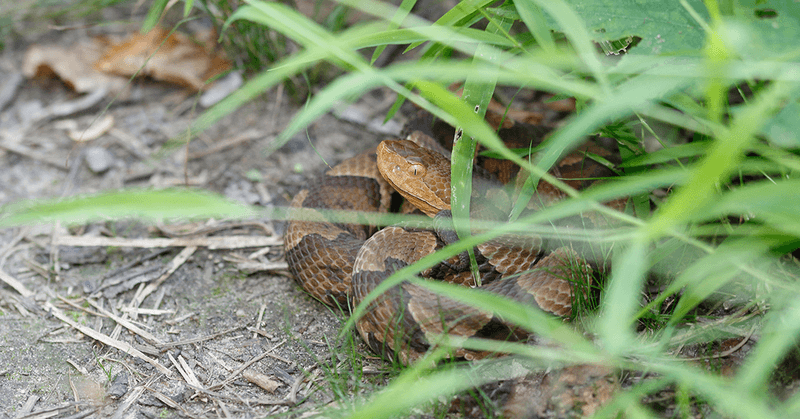
Welcoming a lizard into your yard does not mean converting every square foot into a wildlife refuge.
The practical goal is zoning, not transformation.
A back corner with a log pile, a few native shrubs, and some leaf litter can support lizards, insects, and other small wildlife without turning your patio into an obstacle course of brush and cover.
North Carolina Wildlife Resources Commission guidance on suburban backyards recommends layered plantings, native plant islands, brush piles in suitable corners, and responsibly managed water features.
The key phrase is suitable corners.
A brush pile or log placed right next to a back door, a play structure, or a patio seating area creates unnecessary contact between family members and whatever else decides to use that cover.
Keep play areas, patios, outdoor seating, and entry points in open, regularly maintained zones.
Mow those areas on a normal schedule, keep the grass short, and avoid stacking wood or leaving debris within about 10 feet of spots where kids or pets spend time.
The wildlife edge lives along the back fence line or in a low-traffic corner of the yard, not in the middle of daily family activity.
This separation genuinely works better for the wildlife too.
Animals that use brush piles and log cover tend to avoid heavily trafficked spaces anyway.
Giving them a quiet corner means they are more likely to actually use it.
CDC tick prevention guidance supports the same zoning logic: keeping wooded edges and dense cover away from high-use family areas reduces tick contact without requiring you to clear every natural feature from the property.
You get a livable yard and a habitat edge, both at the same time.
Your Yard Still Needs Real Tick and Mosquito Protection

An Eastern Fence Lizard is not a pest control service.
Its documented diet runs to ants, beetles, caterpillars, and spiders, and there is no reliable basis for counting on one to reduce the ticks or mosquitoes in your yard in any meaningful way.
Feeling good about a lizard sighting is fine.
Skipping your tick check because of it is not.
Mosquito control starts with water.
Remove or refresh any standing water at least once a week.
EPA guidance on integrated mosquito control identifies source reduction as the foundation of any effective approach.
Check gutters, buckets, plant saucers, birdbath basins, tarps, and kids’ toys after every rain.
A bottle cap holds enough water to produce mosquito larvae in a North Carolina summer.
For ticks, CDC tick prevention recommendations include mowing regularly, removing leaf litter from high-use areas, clearing tall grass and brush within about 3 feet of the home, and placing a wood-chip or gravel barrier between the lawn and any wooded edge.
CDC Lyme disease prevention guidance frames these steps as ways to reduce tick movement and exposure, not as guarantees that ticks will disappear entirely.
Results vary depending on your property’s shade, woodland density, and deer or rodent activity nearby.
When pest pressure justifies a chemical response, use integrated pest management principles: identify the specific pest, assess whether the actual damage or health risk justifies action, start with physical or cultural controls, and apply pesticides only when necessary and exactly as the label directs.
Blanket spraying on a routine schedule is not the same as targeted treatment, and EPA guidance on reducing pesticide impacts on wildlife advises treating only areas that need it, keeping products away from water, and following every label direction.
A product being registered for residential use does not automatically make it harmless to lizards or other non-target wildlife.
Let the Sighting Change How You See the Yard
One lizard on a fence post is not a restoration certificate.
It cannot tell you that every corner of the property is ecologically healthy, that invasive plants are under control, or that runoff from the driveway is not reaching the creek.
A yard can support one adaptable reptile while still having real problems.
The sighting is a small piece of information, not a complete report card.
What it can honestly do is shift how you look at the place.
North Carolina Wildlife Resources Commission guidance frames the Eastern Fence Lizard as a native species that uses the kind of sunny, structured habitat many yards already offer without the homeowner realizing it.
NCWRC habitat conservation recommendations suggest that even modest improvements to suburban properties can support broader wildlife use over time.
So observe, and photograph when you can.
Protect a small sunny edge with a log or two.
Keep the family spaces maintained and separated from the habitat corner.
Check for repeated sightings over the next few weeks, because as USGS occupancy research makes clear, multiple detections over time carry more meaning than a single one.
Note the time of day, the weather, and where exactly the lizard was sitting.
Many Piedmont and Sandhills homeowners find that once they start looking, they notice more than they expected.
A familiar yard, managed with a little intention, can hold more life than it first appears to.