
The Only Pink Perennials Tough Enough To Hold Their Color Through A Florida Summer
Follow us on Google
You step onto the patio after breakfast and the air already feels heavy, promising another day of that thick Florida heat.
And there it is, that soft pink bloom you planted in April, now bleached pale and drooping like it gave up before lunch.
Most of us have been there, hauling home a pretty pink flower only to watch our summer sun cook the color right out of it.
But a handful of pink perennials genuinely hold their own here, staying bright while the weaker ones fade.
Here is the short list of the tough ones, plus what to give them so they actually keep their color all summer long.
1. Pentas Bloom Nonstop When Everything Else Quits
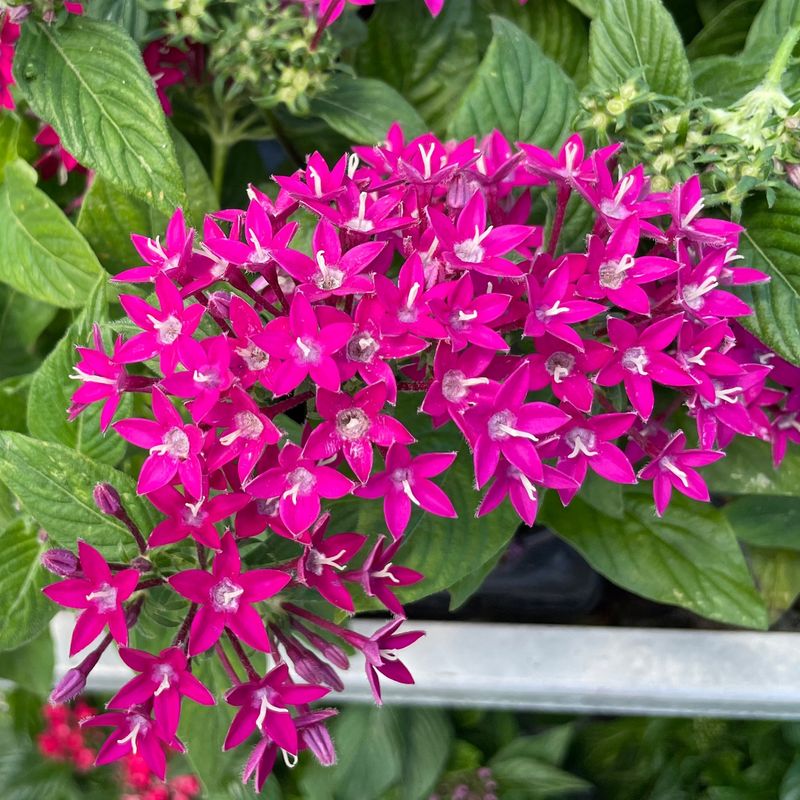
Walk past a bed of pentas in July and you notice something odd.
While the impatiens next door look half-melted, these star-shaped pink clusters stand up straight, holding color like the heat is not even happening.
Pentas (Pentas lanceolata), often sold as Egyptian starcluster, earned that toughness honestly.
UF/IFAS Extension and the Florida-Friendly Landscaping program both point to it as one of the most dependable summer bloomers we have, flowering from March through November with peak color from May through September.
Here is where it gets tricky.
Pentas wants full sun, meaning at least 6 hours of direct light, or blooming drops off hard and the plant goes leggy.
It likes well-drained, slightly acidic soil around a pH of 6 to 7, which most of our sandy Florida yards can hit with a little compost mixed in.
Water established plants every 2 to 3 days from April through June, then every 1 to 2 days in the hottest stretch if the rain skips you.
Space them 18 to 24 inches apart for a full mass, and pinch the early growth so they bush out.
In Central and South Florida, Zones 10 to 11, pentas returns year after year.
Up north in the Panhandle it may die back after a freeze.
Give it a 2-inch layer of pine bark mulch and it holds pink through the worst of it.
2. Purple Coneflower Opens Flowers In Peak Heat
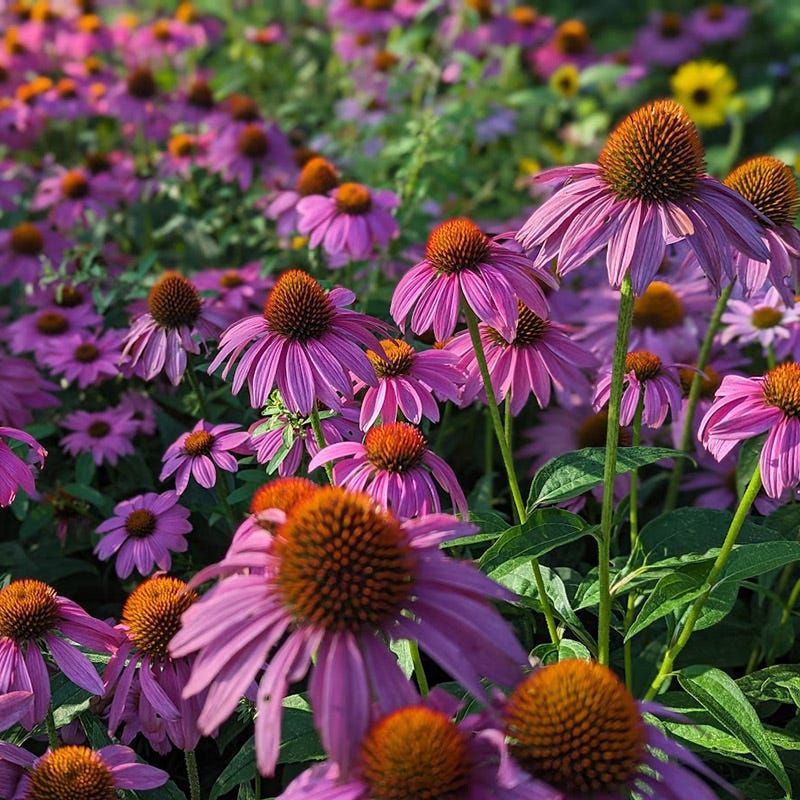
Most flowers slam shut when the thermometer climbs past 90 degrees.
Purple coneflower does the opposite, cracking open fresh rosy-pink petals in the exact heat that flattens everything around it.
Purple coneflower (Echinacea purpurea) brings a pinkish-purple, almost dusty-rose tone that reads soft up close but reads bold from across the yard.
It shrugs off drought, humidity, and lean soil once its roots settle in, and it grows well through most of Florida in Zones 8 to 10.
But do not let the drought-tolerant label fool you.
In our sandy soils, coneflowers actually drink more than folks expect, especially the first summer.
Plant them in full sun in North Florida, but give them morning sun with a little afternoon shade in the hotter southern and Central regions so the petals do not scorch.
Drainage matters more than almost anything else here.
Wet feet will rot them fast.
They climb 2 to 4 feet tall, self-seed freely, and reward you the following spring with volunteers you did not plant.
One honest warning.
In very sandy ground, root-knot nematodes can shorten their life, so divide clumps every 4 years to keep them vigorous.
Butterflies work the blooms all summer, and come fall the seed heads pull in goldfinches, a small bonus for leaving them standing.
3. Muhly Grass Turns Pink Right When Hurricanes Roll
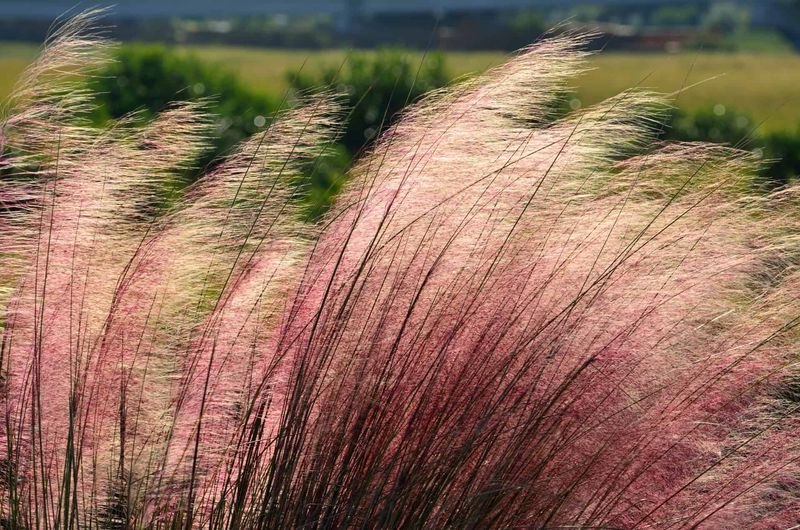
Come late September, when storm season has your nerves frayed, a bank of muhly grass throws up a cloud of cotton-candy pink that catches the low afternoon light.
It looks fragile.
It is anything but.
Pink muhly grass (Muhlenbergia capillaris) is a Florida native, which means it already knows the drill here.
It handles our sandy soil, salt spray along both the Gulf and Atlantic coasts, and the sudden downpours that drown fussier plants.
UF/IFAS lists it as a low-maintenance workhorse for Zones 8 through 11.
The airy pink plumes arrive in fall and hold their color for weeks, a soft haze that moves with every breeze.
Between blooms the fine green blades still earn their spot, softening a fence line or driveway edge without asking for much.
So what does it want?
Almost nothing.
Plant in full sun, space clumps 24 to 36 inches apart, and water deeply once a week the first season.
After that, rainfall usually covers it.
It grows 2 to 3 feet tall and about as wide.
Cut it back to a few inches once in late winter, and that is genuinely the whole chore list.
For a homeowner tired of babying plants, muhly is the quiet hero that fights heat, drought, and salt while still handing you pink.
4. Firebush Cousins Carry Pink Where Natives Belong
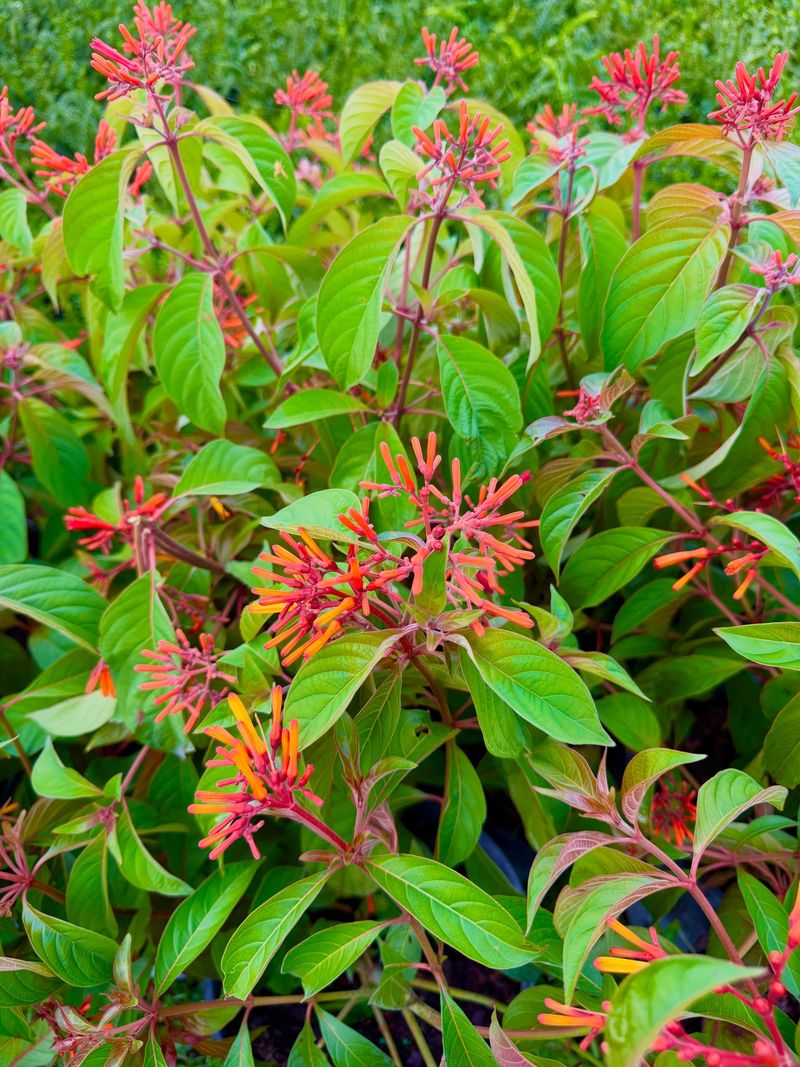
Firebush is famous for red, but its softer relatives and pink-toned selections quietly do the same tough job with a gentler color.
Hummingbirds do not seem to care about the shade, they show up either way.
Native firebush (Hamelia patens) anchors a bed with heat-proof reliability, and its tubular blooms lean coral-pink in cooler light.
It is one of the most drought-hardy shrubs we have once established, thriving across Central and South Florida in Zones 8b through 11.
What makes it different from the smaller perennials on this list is size and staying power.
Firebush wants room, often reaching 4 to 6 feet in a single season, and it blooms right through the hottest months without complaint.
Whiteflies and other pests mostly leave it alone, which saves you the spray bottle.
Plant it in full sun for the heaviest bloom, space shrubs about 3 feet apart, and water deeply twice a week until the roots take hold.
After the first couple of months it coasts on rainfall through most of the year.
In North Florida it may die to the ground after a hard freeze below 28 degrees, then return in spring.
Zebra longwings and gulf fritillaries work the flowers all summer, turning a heat-defense planting into a butterfly stop without extra effort on your part.
5. Coneflower’s Rival Rock Rose Blooms Every Morning
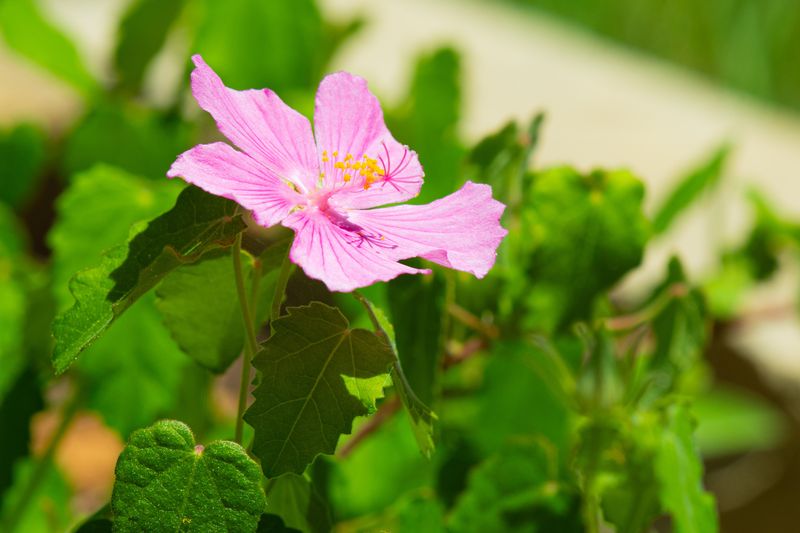
There is a small pink shrub that opens a fresh crop of flowers every single morning and drops them by evening, then does it all over again the next day.
That daily reset is the whole trick.
Pink rock rose (Pavonia hastata and its relatives) is a scrappy, low fuss plant that laughs at Florida heat.
The hibiscus-like blooms glow a clear soft pink, and because they refresh daily, the plant always looks tidy without any deadheading from you.
Here is the part people miss.
Rock rose actually prefers to be left a little dry, making it a smart pick for that sandy, fast-draining corner where nothing else settles in.
It grows 3 to 4 feet tall in Zones 8 through 10 across North and Central Florida.
Give it full sun to light shade and space plants about 30 inches apart.
Water it in for the first month, roughly twice a week, then back way off.
Overwatering is the fastest way to lose it, so let the top 2 inches of soil dry between drinks.
It self-seeds gently, filling gaps on its own over a season or two.
For a water bill that already climbs every summer, a plant that wants less rather than more is a quiet win, and the daily pink show keeps the porch view fresh.
6. Tropical Milkweed Feeds Monarchs In Pinkish Bloom
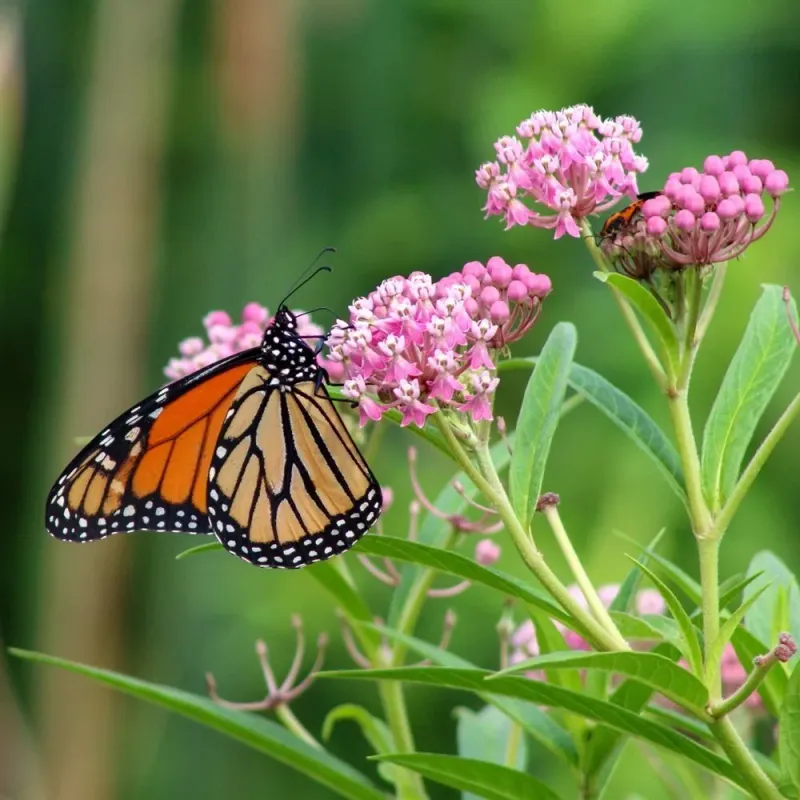
Picture a monarch drifting into your yard in October, mid-migration, looking for one thing.
Native milkweed with its pink-tinged clusters is the fuel stop that keeps that ancient journey alive.
Swamp milkweed (Asclepias incarnata) is the pink standout among Florida’s native milkweeds, carrying dusty rose to mauve-pink flower heads through the warm months.
Unlike some perennials that only look pretty, this one earns its place as a working host plant for monarch caterpillars.
It handles the wet spots most plants hate, which sets it apart from everything else here.
That poorly drained low corner that stays soggy after a downpour?
Swamp milkweed actually thrives there, growing 3 to 4 feet tall in Zones 8 through 10 across much of the state.
Plant it in full sun to part shade, space clumps about 24 inches apart, and keep the soil consistently moist, which for once means you do not have to obsess over drainage.
Skip the pesticides entirely, since the whole point is feeding caterpillars.
UF/IFAS encourages native milkweeds over the non-native tropical types to support healthy monarch migration.
So this pink perennial does double duty, holding color through summer while turning your yard into a genuine pit stop on a journey that runs thousands of miles.
7. Blanket Flower Throws Pink Along The Salty Coast
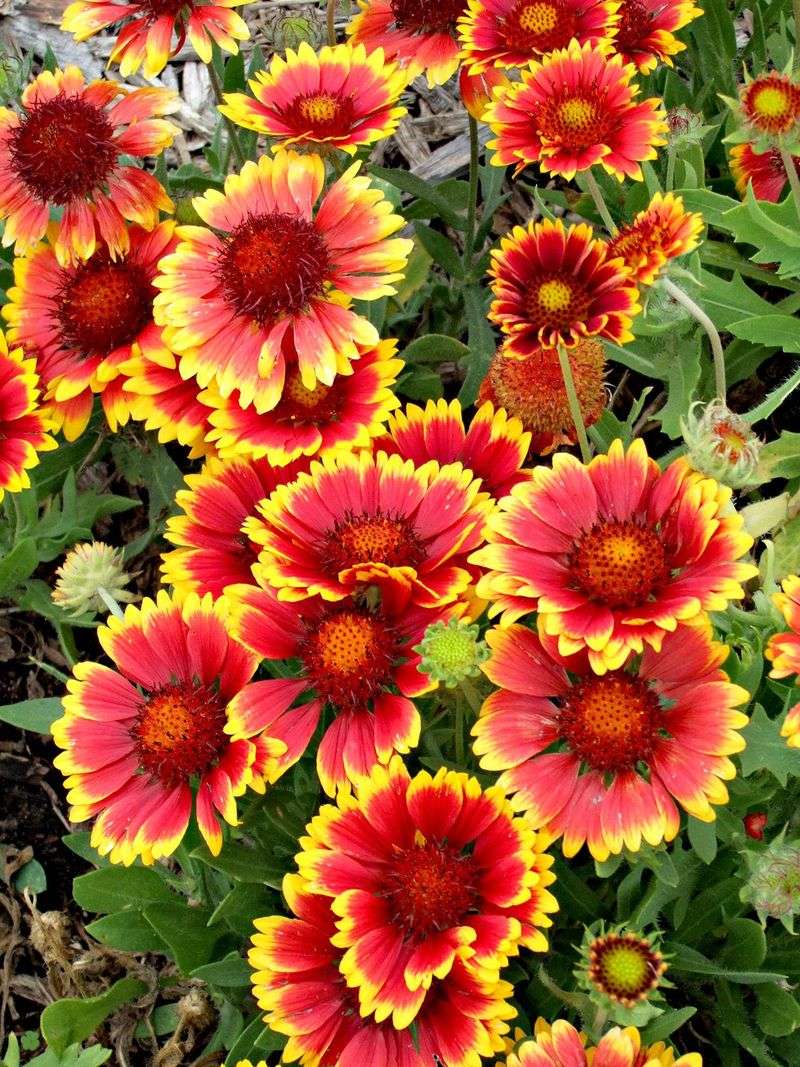
Down where the salt spray coats everything within a hundred feet of the beach, most flowers surrender fast.
Blanket flower plants itself in that sand and blooms like the ocean air is a favor.
Blanket flower (Gaillardia pulchella) usually shows up in fiery reds and golds, but its pink and rose-tinged forms bring the same iron toughness with a softer face.
It is a Florida native built for dunes, which means salt, drought, and blistering sun barely register.
What separates it from the rest of this list is sheer coastal grit.
Along both the Gulf and Atlantic coasts, in Zones 8 through 11, it handles conditions that would fry a garden-center bloom in a week.
It stays low, around 12 to 18 inches, spreading into a cheerful patch.
Sow or plant it in full sun, space plants about 12 inches apart, and water lightly until established, maybe twice a week for the first month.
After that it wants to be left alone in fast-draining sandy soil, the drier the better.
It self-seeds so willingly that one planting often becomes a permanent fixture.
For anyone battling a beachside lot where the HOA still wants color, blanket flower is the low-effort ally that keeps blooming while the salt does its worst.
8. What Else Actually Helps Keep Pink Bright
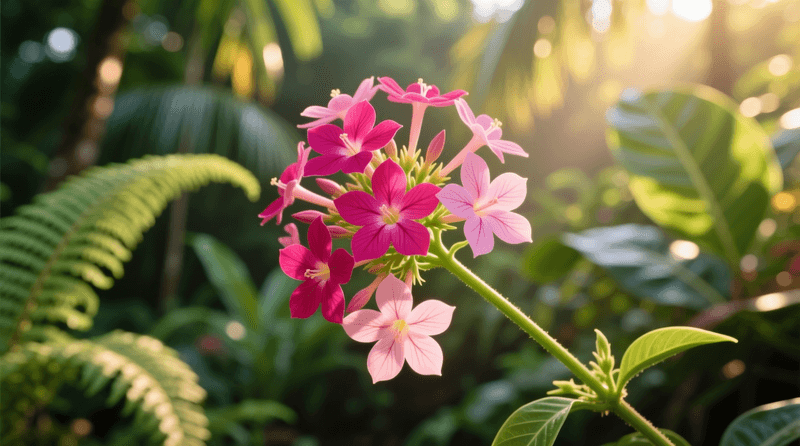
Picking a tough plant is only half the fight.
The other half happens underground and overhead, in the parts of your yard you rarely think about until a bloom fades early.
Drainage comes first in Florida.
Our sandy, acidic soil drains fast in most spots, but low pockets trap water after a downpour and rot roots on even the toughest perennials.
Mix in compost at planting, or build a raised bed a few inches high in wet corners, and give plants room so air moves between them and fungal leaf spots have a harder time taking hold.
Watering is the next lever.
For the first 2 to 3 months, keep new plants consistently moist.
After that, even drought-tolerant species do better with deep, infrequent watering, letting the top 2 inches of soil dry fully before you soak again.
Shallow daily sprinkling actually trains lazy, heat-prone roots.
Then there is the sun itself.
Intense summer light can bleach even a tough pink over time, so a spot that catches morning sun and a little afternoon shelter from a shrub or wall can stretch the color longer.
Lay down a 2-inch layer of pine bark mulch to cool the roots and cut evaporation.
None of this is a magic fix, it is a set of small layers that stack up.
Get them right and your pink holds while the neighbors wonder how you did it.