
North Carolina Shade Plants That Do More For A Dark Bed Than Another Row Of Hostas
Follow us on Google
You drag your patio chair into the shade, hoping for a break from the sticky North Carolina afternoon. The air hangs thick, and a storm is probably building somewhere over the Piedmont.
As your eyes adjust, you spot that same tired row of hostas lining your dark bed. They are fine, sure, but you have always wondered if that shadowy corner could do something more.
It can, and these ten plants genuinely pull their weight for your yard and the wildlife that visits it.
1. Oakleaf Hydrangea Earns Its Space All Year
Most Piedmont gardeners hit the same wall. You find a great shady spot under a mature oak, and the brain reaches for hostas out of habit.
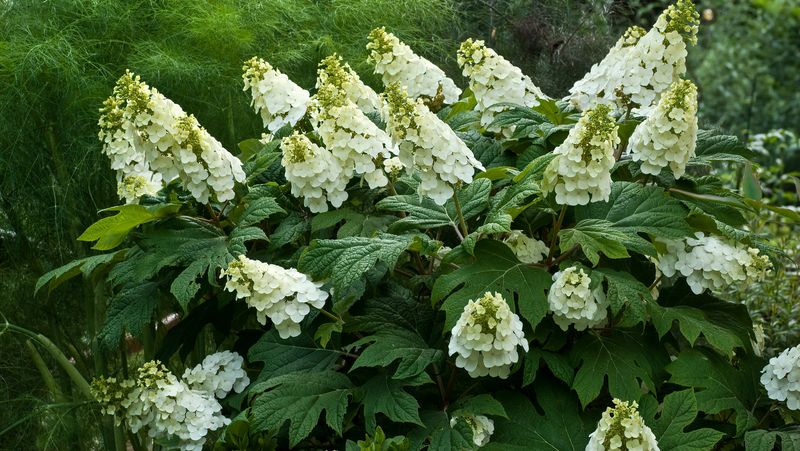
But picture a shrub that hands you huge, cone shaped blooms from late spring into fall while shrugging off deep shade. That is the oakleaf hydrangea (Hydrangea quercifolia), and it works like a quiet anchor for the whole bed.
It climbs 6 to 8 feet tall, giving smaller shade plants a backdrop instead of leaving them stranded.
What people miss is the year round payoff. The flowers open white, blush to pink as they age, then dry to a soft tan that hangs on through winter storms.
Come autumn, the leaves turn deep burgundy and bronze, and the peeling bark gives you something to look at in January.
Small birds tuck into the branches for cover, so you get habitat along with structure. Space them about 5 feet apart for a layered, full look.
Once established, oakleaf hydrangea handles North Carolina red clay far better than you would expect. And that is a plant genuinely earning its keep.
2. Cardinal Flower Turns Shade Into A Hummingbird Stop
Deep shade means no bold color, right? Not even close.
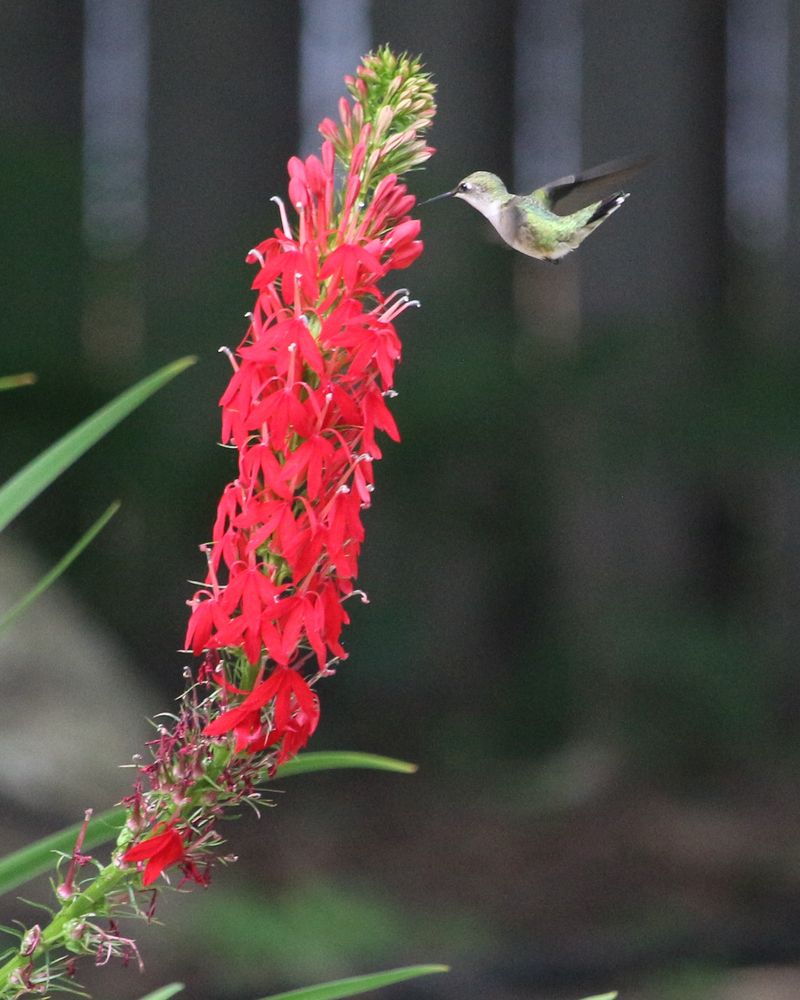
Step outside on a humid July afternoon in the Coastal Plain and you might catch a flash of pure red near the tree line. That would be cardinal flower (Lobelia cardinalis), a native perennial hummingbirds chase down like their next meal depends on it, because it kind of does.
The tubular red blooms stack up on spikes 2 to 4 feet tall, and hummingbirds are built to reach right into them. So you get a pollinator show in a spot you figured was a dead zone.
The plant comes back year after year and slowly forms tidy little clumps rather than taking over.
Here is where it gets useful. Cardinal flower actually craves the damp ground you have been fighting, so plant it near a downspout, in a low swale, or in a rain garden.
NC State Extension points to native lobelias like this for consistently moist, shady spots. Pair it with ferns for contrast, and that soggy corner becomes the liveliest seat in the yard.
3. Mayapple Brings Woodland Whimsy To Bare Ground
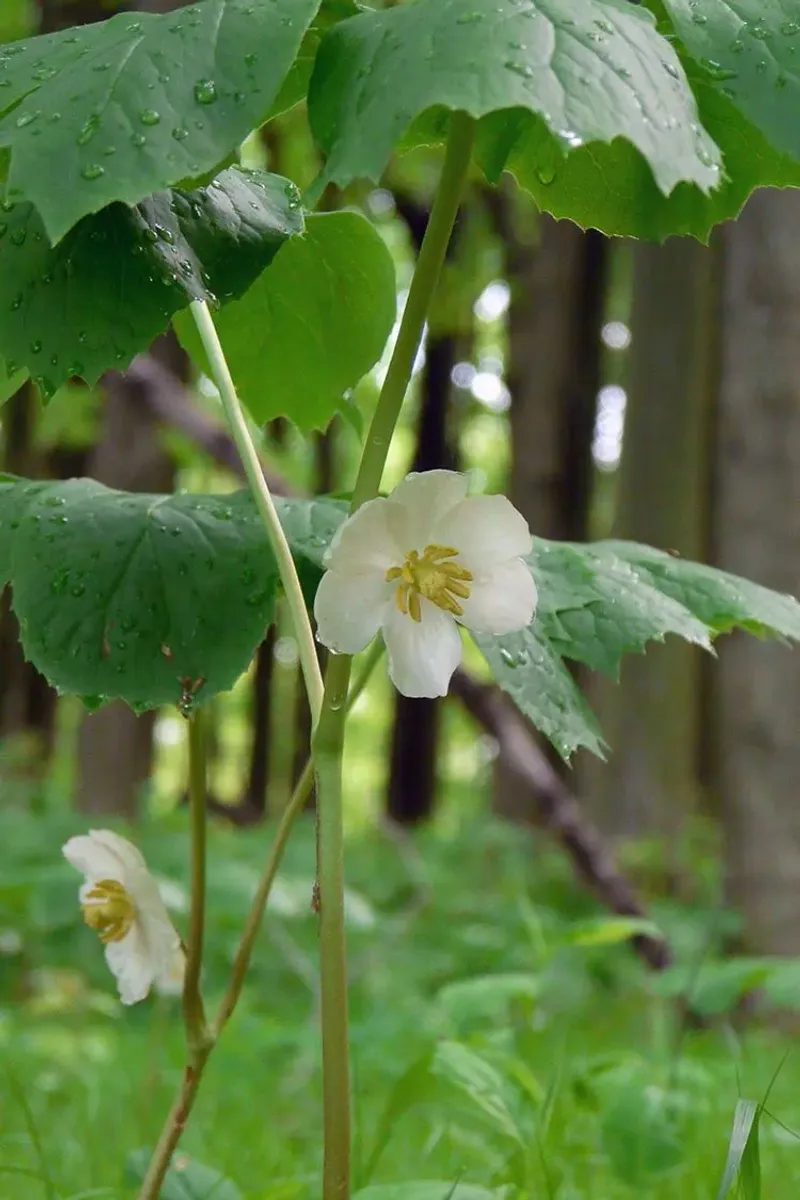
Plenty of us remember wandering North Carolina woods as kids and finding those little umbrella shaped leaves poking up from the leaf litter. That is mayapple (Podophyllum peltatum), and it carries real woodland mystery into a shady bed.
The surprise is that shade plants do not have to look stiff or formal. Mayapple proves it.
Under those broad, split leaves hides a single white flower in spring, followed by a small fruit in early summer that wildlife will find before you do.
It spreads slowly by underground stems, what gardeners call rhizomes, building a soft colony over a few seasons. Expect it to reach about 1 to 1.5 feet tall.
Here is the catch worth knowing. Mayapple is ephemeral, meaning the foliage yellows and disappears by midsummer as the heat cranks up.
So plant it alongside later risers like ferns that fill the gap when it fades. Give it rich, moist soil and dappled light, the way a forest floor would.
You end up with texture, an early food source, and a genuine sense that your bed belongs to the woods.
4. Evergreen Ferns Shrug Off The Deer
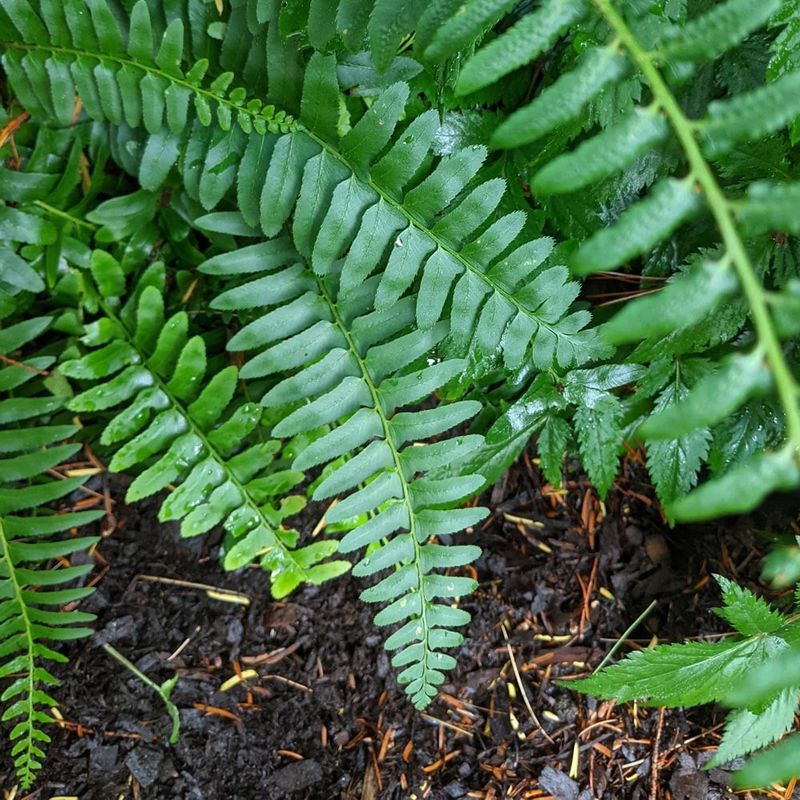
Deer are the true villains of the North Carolina garden. You spend a Saturday planting, and by Tuesday your bed looks like an all you can eat buffet closed early.
Ferns give you a real answer for shade, and many of them barely register on a deer’s radar. And you do not have to settle for plain green either.
Autumn fern (Dryopteris erythrosora) pushes coppery new fronds that deepen to glossy dark green. Christmas fern (Polystichum acrostichoides) holds its rich green fronds straight through winter.
That evergreen habit matters during our mild winters, when so much else has gone brown and flat. Both prefer moist, well drained soil and partial to full shade.
Christmas fern is especially tough, thriving in the deep shade of mountain hollows and Piedmont forests where little else bothers.
Group them in drifts of five to nine plants for that lush, natural sweep that also crowds out weeds. They settle in around 1 to 2 feet tall and widen slowly.
No fences, no spray, just structure the deer walk right past.
5. Spicebush Quietly Runs A Butterfly Nursery
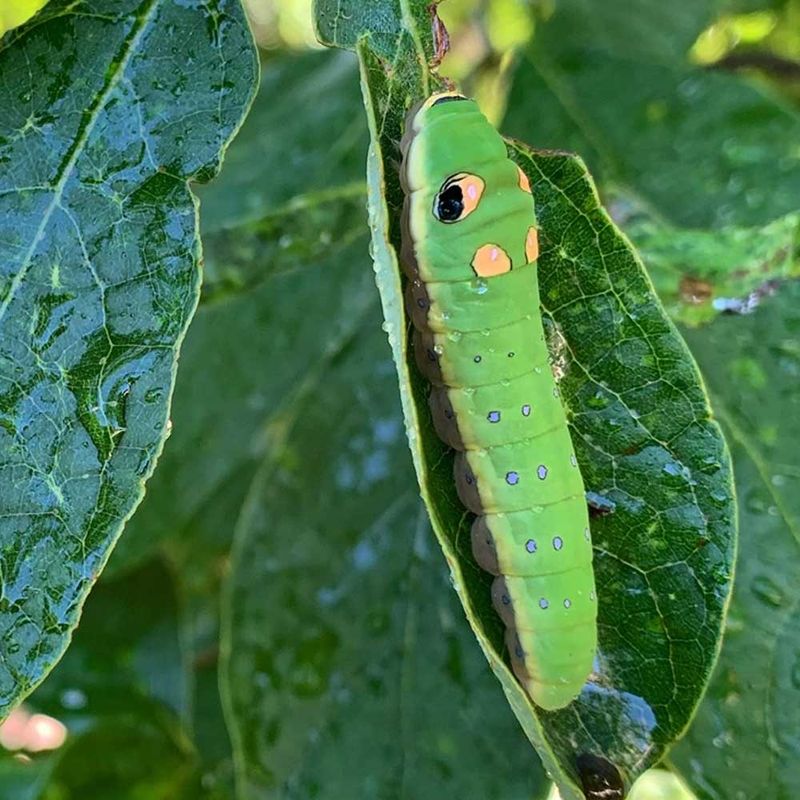
You want to help pollinators, but your yard is mostly shade, and everyone keeps telling you full sun is the only game in town. Not this time.
Native spicebush (Lindera benzoin) actually thrives in partial shade and pulls double duty for local butterflies. It is a deciduous shrub reaching 8 to 15 feet tall and wide, filling that awkward mid layer between tall trees and ground plants.
In late winter, before the leaves even show, tiny greenish yellow flowers open and feed early pollinators when almost nothing else has.
Here is where it gets interesting. Spicebush is a host plant for the spicebush swallowtail and Palamedes swallowtail.
That means these butterflies lay eggs on the leaves and the caterpillars grow up feeding right there in your bed.
Picture those big swallowtails drifting through the shade all season long. The foliage turns bright yellow in fall for one more show.
If you keep a male plant nearby, the female produces red berries that birds clean out fast. That is genuinely a lot of work from one shrub.
6. Winterberry Holly Sets A Table For Winter Birds
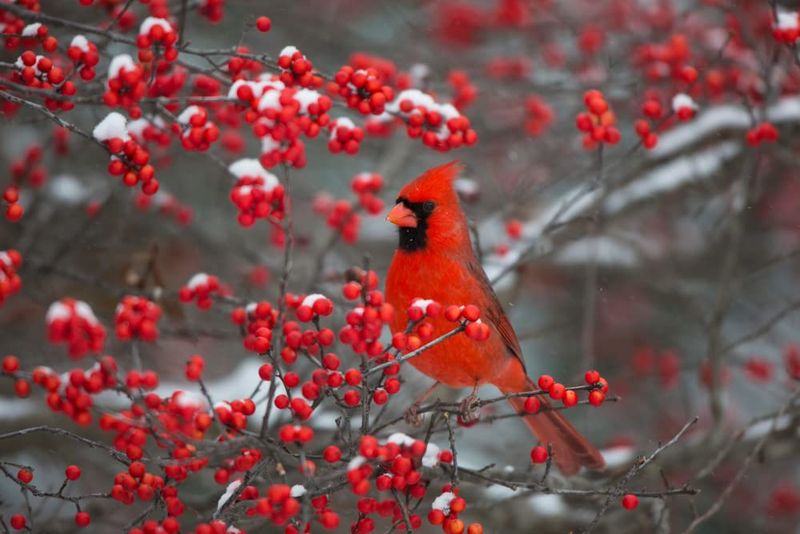
Winter beds have a way of looking bare and forgotten. Everything goes dormant, and the yard loses its pulse right when you want a little life out the window.
Winterberry holly (Ilex verticillata) flips that script. It is a deciduous shrub that drops its leaves and then blazes with bright red berries just as the rest of the bed fades out.
Picture a frosty morning in the mountains or a clear cold day in the Sandhills, and there it is, loaded with fruit.
The berries are not just for your view. Cedar waxwings and robins lean on them hard through the lean months.
Here is the one rule you cannot skip. For berries, you need both a male and a female plant, and a single male can pollinate several females if you keep them within about 50 feet.
These shrubs run 6 to 10 feet tall and wide and prefer moist to wet ground, though they adapt once settled. The fruit often hangs on from fall into early spring, until the birds finally strip it clean.
7. Sweet Pepperbush Loves The Soggy Corner
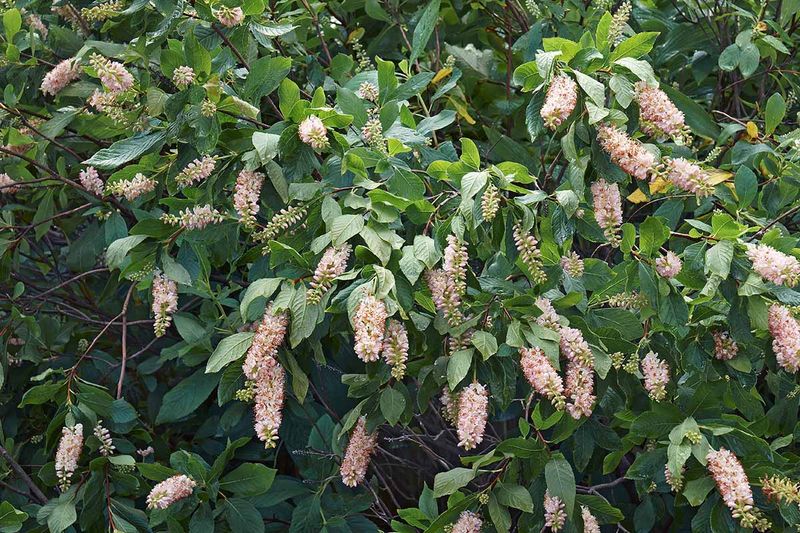
That one corner stays damp no matter what, and after a summer thunderstorm it turns downright soggy. It is shaded, it is stubborn, and nothing you have tried wants to live there.
Meet sweet pepperbush (Clethra alnifolia), also called summersweet. This native shrub genuinely thrives in wet, shady ground, so it becomes the hero of low spots in Coastal Plain yards and heavy Piedmont clay alike.
Bonus, the deer tend to leave it alone.
In mid to late summer, when the shade garden usually runs out of steam, sweet pepperbush throws up fragrant bottlebrush spikes of white or pink. Bees and butterflies mob them, and that dark corner suddenly hums with traffic.
The scent is the part that catches people off guard. Stand near it on a warm evening and the sweetness carries.
The shrub settles in around 4 to 8 feet tall and wide, then closes fall with soft yellow leaves. A wet problem becomes the best smelling seat on the property.
8. Wild Ginger Carpets The Ground And Holds Moisture
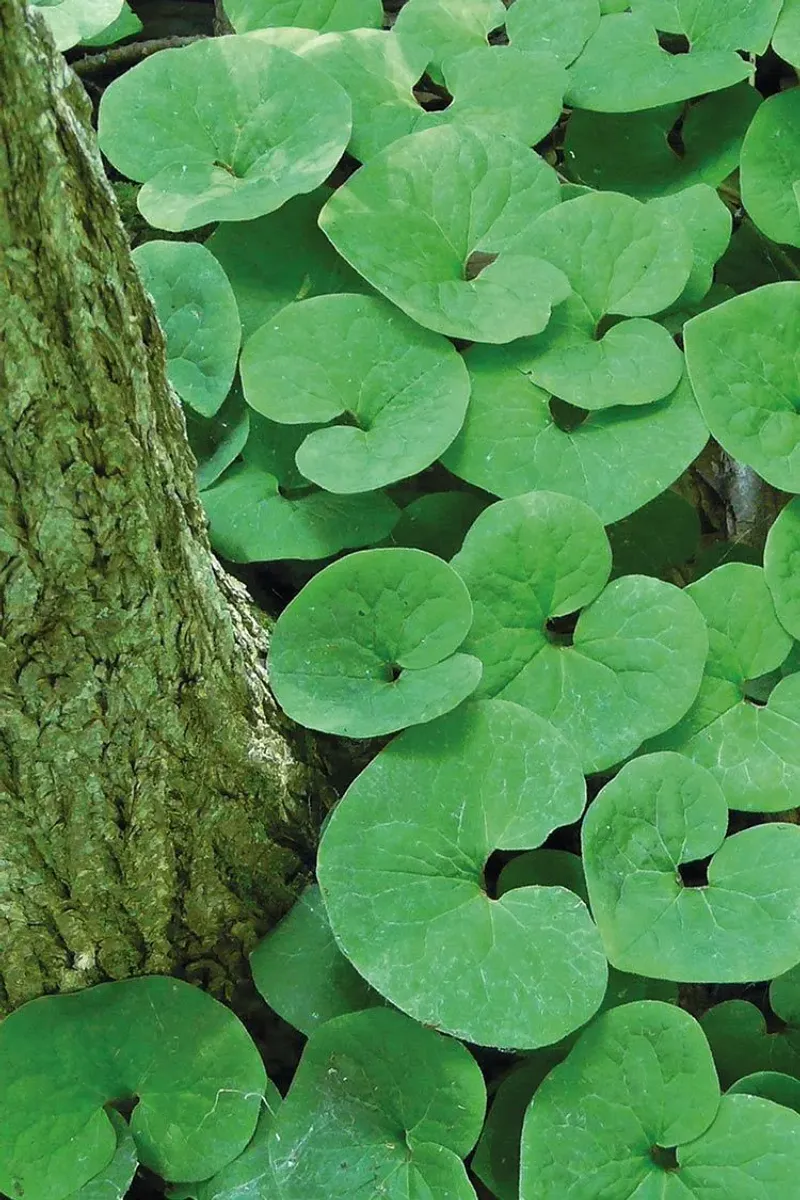
Bare dirt under a shady bed is an open invitation. Weeds move in, rain washes soil away, and the whole area looks unfinished no matter how nice the shrubs above it are.
Wild ginger (Asarum canadense) fixes that from the floor up. It is a low native groundcover, only about 6 to 8 inches tall, with heart shaped leaves that overlap into a soft green blanket.
The roots knit together and slowly spread to cover ground you would otherwise be mulching every spring.
The clever trick is hidden. In early spring, wild ginger tucks a small maroon flower right down at soil level, where ground beetles and other crawlers pollinate it out of sight.
You will rarely notice it, and that is part of its charm.
Under that leaf cover, the soil stays cooler and holds water longer, which eases your watering during a dry Piedmont August. Tuck it around ferns and mayapples where they go dormant.
One planting, and you stop fighting the bare spots for good.
9. Mountain Laurel Builds The Upper Story
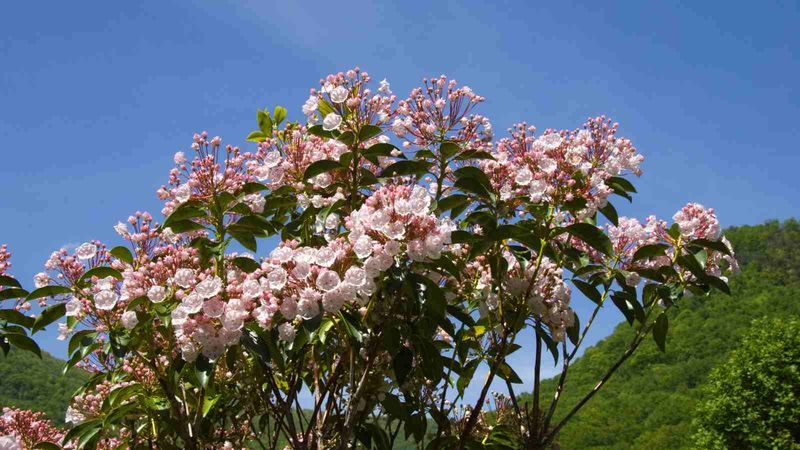
Tall shade shrubs feel like a mountain thing, something you admire on a hike and forget at home. Worth rethinking that.
Mountain laurel (Kalmia latifolia) is a native evergreen that anchors the top layer of a shade bed and looks good doing it twelve months a year. It holds glossy leaves through winter, then in late spring opens clusters of pink and white cup shaped flowers so precise they look folded by hand.
Bees work them steadily.
It grows slowly to 5 to 10 feet tall, so it fills that space between the canopy and your mid sized shrubs without racing out of bounds. It suits the acidic, well drained soils common across the North Carolina mountains and upper Piedmont, the same ground rhododendrons enjoy.
One honest warning. Every part of mountain laurel is toxic if eaten, so keep it away from spots where small kids or pets nibble.
Give it shade with a little morning light, steady moisture, and room overhead. In return you get evergreen cover, nesting shelter for birds, and a spring bloom that stops people mid step.
10. Layer The Whole Bed Like A Forest Floor
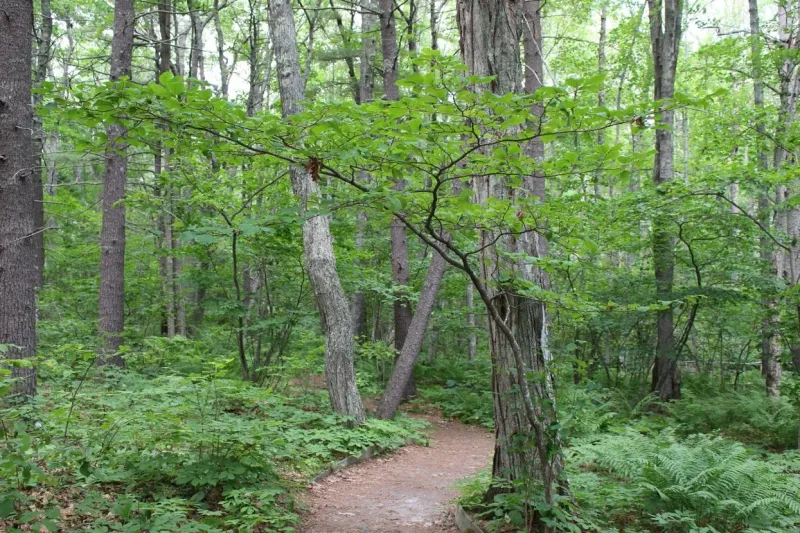
Turning your dark bed into more than a row of hostas comes down to one idea. Build in layers, the way a North Carolina state park does it without any help from us.
Start up top with tall players like mountain laurel and rhododendron for spring flowers, evergreen cover, and nesting spots. Drop to the middle with spicebush and sweet pepperbush, where the pollinators feed and the caterpillars grow.
Then finish at ground level with ferns, mayapple, and wild ginger knitting a living carpet that keeps roots cool and weeds out.
Stacked this way, the bed does not just look more natural, it works harder. Birds get places to nest and forage, beneficial insects get refuge, and something is feeding wildlife from the first spring bloom to the last winter berry.
You are not only planting pretty things anymore. You are running a small, working habitat a few feet from the patio chair you dragged into the shade back at the start.
And that is a yard that feels safer, more usable, and genuinely more alive.