
The Comeback Plant That Shrugs Off Texas Heat And Looks Stunning In Pots Till Fall
Follow us on Google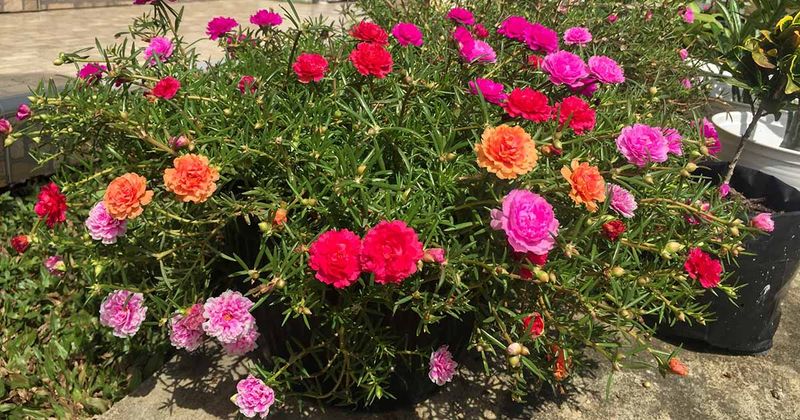
Every summer, Texas patios turn into a kind of elimination round, and most flowering annuals do not make it past July.
Something keeps blooming through the triple-digit afternoons, though, and it’s been quietly doing it for years while flashier plants wilt by noon.
That plant is most likely moss rose, Portulaca grandiflora, a low-growing annual that handles heat, poor soil, and dry spells better than almost anything else you can drop into a pot.
Get the basics right and it can carry color from planting day all the way to the first hard freeze.
Moss Rose Is The Most Likely Answer
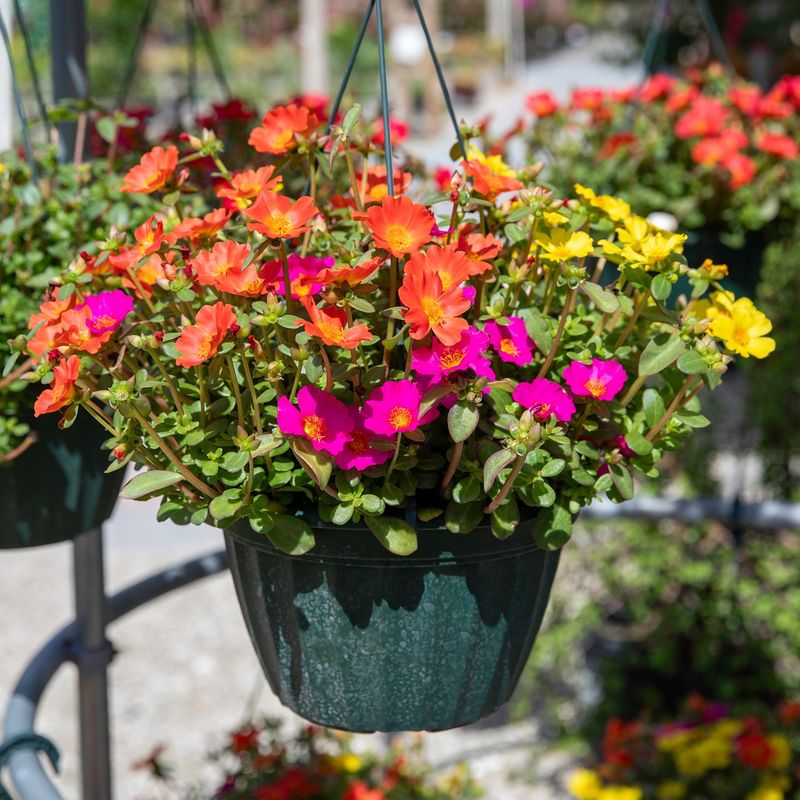
A June 2026 article on a Texas container gardening feature points to portulaca as the headline plant, and the horticultural evidence lines up well.
The plant behind this headline is most likely moss rose, Portulaca grandiflora, though the original withheld reference has not been independently confirmed.
Consider this a strong educated match, not a locked identification.
Moss rose is a low-spreading annual that typically stays 6 to 8 inches tall and can spread roughly 12 inches or more across a pot.
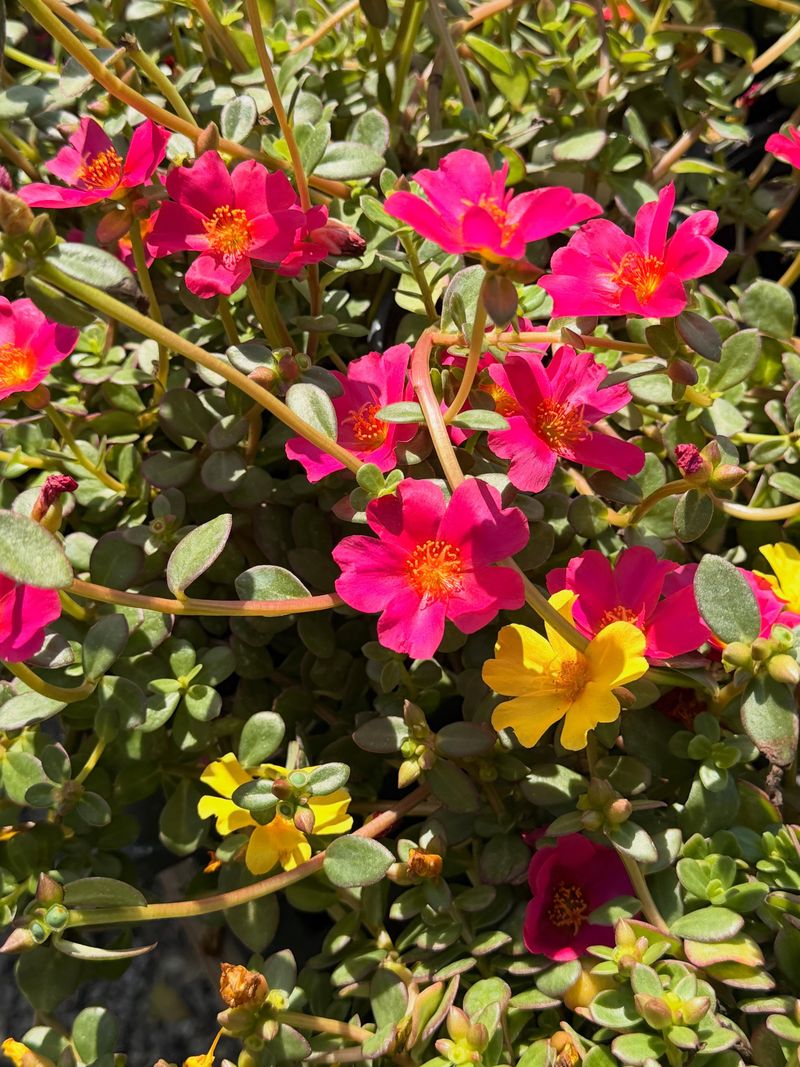
Missouri Botanical Garden describes flowers in red, pink, orange, yellow, white, and lavender, in single, semi-double, and double forms.
That color range is part of why it earns shelf space at every Texas nursery from late spring onward.
At the nursery, look for the botanical name Portulaca grandiflora on the tag.
Do not confuse it with common purslane, Portulaca oleracea.
They are related but not the same plant.
Common purslane is often treated as a garden weed and edible green, while moss rose is the ornamental species bred for showy flowers.
The pet-safety distinction matters here too.
ASPCA’s plant toxicity listing identifies Portulaca oleracea, common purslane, as potentially harmful to dogs, cats, and horses because of soluble calcium oxalates.
That listing does not automatically apply to Portulaca grandiflora, since they are separate species.
Until you have confirmed the botanical name on your specific plant, keep pets from chewing any unidentified portulaca in the pot.
Its Fleshy Growth Helps It Handle Dry Spells
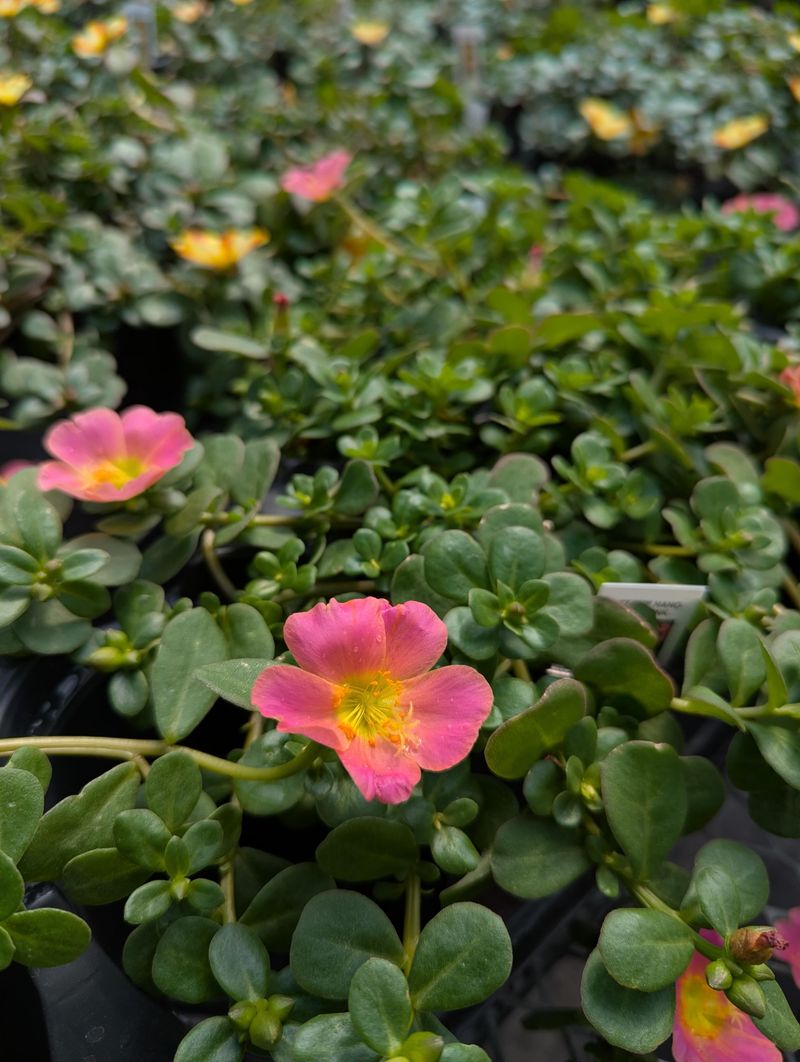
Run your fingers along a moss rose stem and you will notice it does not feel like a typical flower.
The leaves are thick and needle-shaped, almost succulent, and the stems have the same fleshy quality.
That tissue stores water, which gives the plant a small buffer when the soil dries out faster than you expected.
The biology behind that buffer is genuinely interesting.
Peer-reviewed research on CAM photosynthesis in Portulaca grandiflora documents that this species can use both C4 and CAM-related photosynthetic processes, with the CAM-related activity becoming stronger under water stress.
In plain terms, when the plant senses drought coming, it shifts some of its gas-exchange activity to nighttime, which reduces water loss through its leaf pores during the hottest part of the day.
That flexibility is real, and it is one reason moss rose outlasts many other flowering annuals on a Texas patio.
But the research does not establish a precise water-saving percentage compared to every other flower you might grow, so treat this as a meaningful advantage, not a superpower.
The practical limit is important.
Fleshy tissue can buy the plant time during a short dry spell, maybe a day or two longer than a thinner-leaved annual might tolerate.
It does not eliminate the need for water, and it does not guarantee recovery if the roots dry out completely.
Severe dehydration can kill moss rose just as it can kill anything else.
The stored water is a cushion, not a substitute for paying attention to the pot.
Give It Full Sun, Then Watch The Flowers
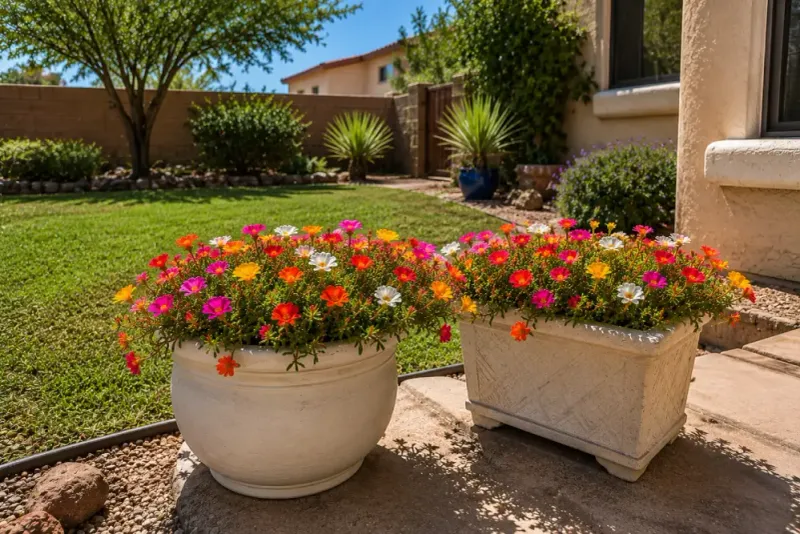
Placement is the first decision and it is not complicated.
Moss rose wants full sun, which means at least 6 hours of direct sunlight daily, and it generally performs better with more.
Missouri Botanical Garden recommends full sun, and North Carolina Extension describes it as highly heat tolerant, which is exactly what a south- or west-facing Texas patio demands.
Here is something that catches people off guard the first time they grow it.
The flowers close at night and may stay closed on cloudy or rainy days.
You walk outside after a summer thunderstorm and the pot looks like it shut down.
That is normal behavior, not a distress signal.
Once the sun returns and the blooms open back up, the plant is doing exactly what it is supposed to do.
Bright conditions support flowering, so a shadier spot will produce fewer blooms and a leggier plant.
If you have a patio corner that gets strong morning sun but sits in shade by early afternoon, moss rose will still grow there, just with a reduced flower count.
The sweet spot is a location that gets sun through the hottest part of the day, which in most of Texas falls between 10 a.m. and 4 p.m.
For Texas homeowners choosing between spots, the Texas A&M AgriLife Earth-Kind plant selector rates plants by heat tolerance, drought tolerance, and regional suitability, and it is a useful cross-check when you are deciding what goes where on a patio that faces a particular direction or sits in a particular part of the state.
Drainage Matters As Much As Heat Tolerance
A drought-tolerant plant can still drown.
That sounds backward, but it is one of the most common ways gardeners lose moss rose in a container.
The same biology that helps it handle dry spells makes it genuinely vulnerable to sitting in wet soil for too long.
Missouri Botanical Garden’s profile for moss rose specifically warns that root rot can occur in poorly drained soils.
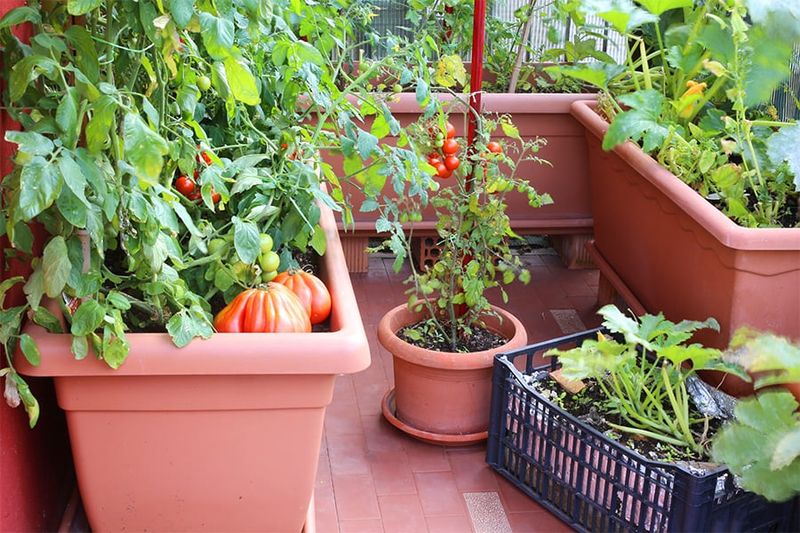
So before you plant, confirm that your pot has at least one drainage hole at the bottom.
If it does not, water has nowhere to go, and the roots will stay wet long after a rain or a watering session.
The potting mix matters just as much as the hole.
Use a loose, well-drained container mix rather than dense garden soil or straight topsoil.
A mix that stays fluffy and drains quickly gives the roots the air they need between waterings.
After a heavy Texas downpour, check that the pot is not sitting in a saucer full of standing water.
Empty the saucer within an hour or two if water has pooled there.
A thin layer of mulch on the soil surface can slow evaporation and moderate the temperature of the mix on a blazing afternoon.
University of Minnesota Extension guidance on container plants supports mulch as a water-conservation tool while also cautioning against soggy conditions.
Keep the mulch layer light and pull it back from the plant’s stems and crown so moisture does not collect right where the plant meets the soil.
A little breathing room at the base goes a long way toward keeping root rot out of the picture.
Check The Pot Instead Of Following A Fixed Schedule
Some gardening advice will tell you to water portulaca once or twice a week and move on.
That works fine in a garden bed with deep soil, but a container on a Texas patio in July is a completely different situation, and that schedule can get the plant into trouble fast.
A pot holds a limited volume of soil.
On a hot, dry, windy afternoon in Central Texas, that volume can go from moist to bone dry in less than 24 hours, especially in a small or shallow container.
University of Minnesota Extension warns that container plants may need daily watering during hot, dry weather, and in some cases more than once a day.
A fixed weekly schedule is not a substitute for actually checking the pot.
The method is simple.
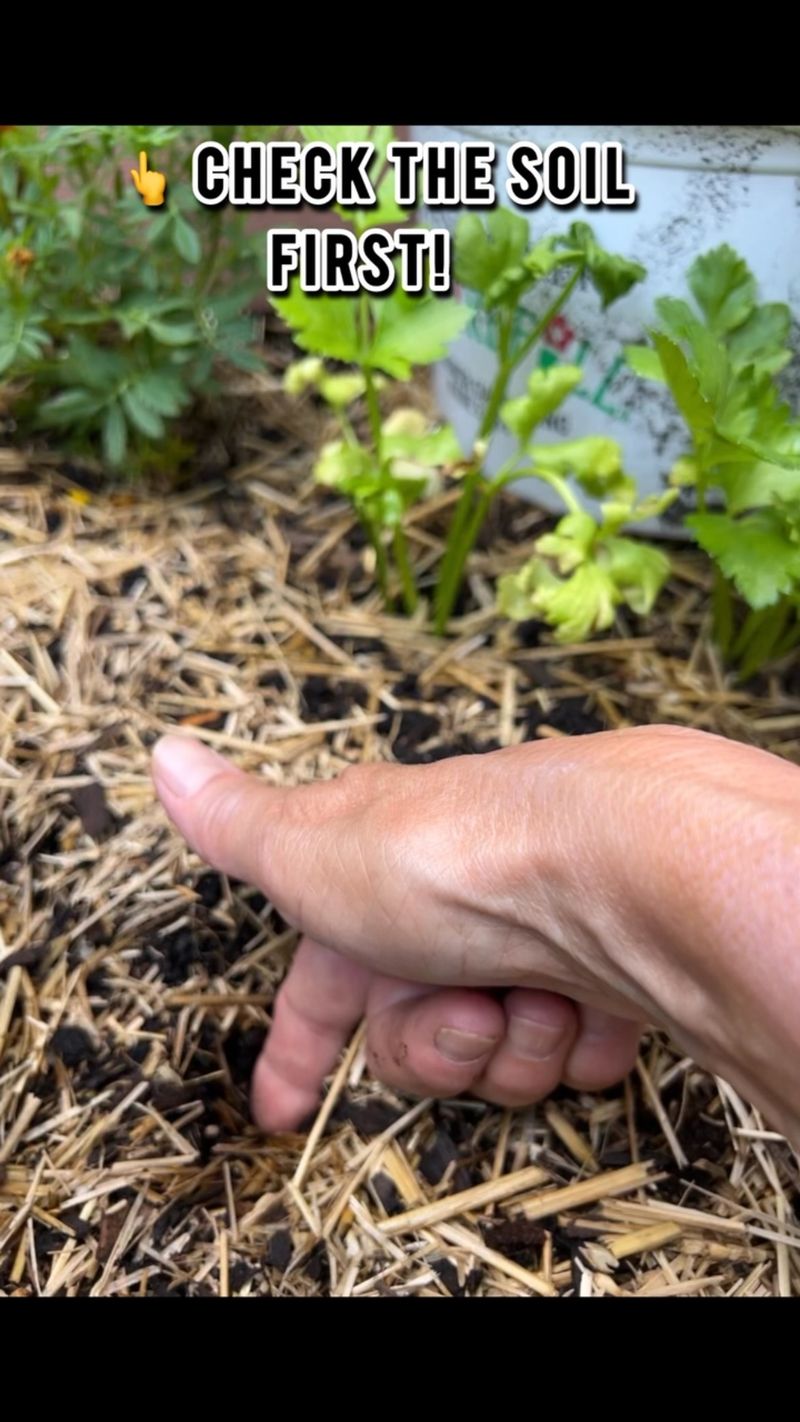
Push a finger about an inch into the potting mix.
If it feels dry at that depth, water thoroughly until it drains from the bottom.
If it still feels moist, wait and check again in a few hours.
That finger test takes about 3 seconds and tells you more than any calendar reminder.
Newly transplanted moss rose needs closer attention than an established plant.
The first 2 to 3 weeks after planting, the root system is still spreading into the new mix and has less capacity to pull water from a larger volume of soil.
Check those newly planted pots more often, especially if they are small or sitting in a windy spot.
Pot material and color also change how fast the mix dries.
Dark plastic or metal containers absorb more heat and dry faster than light-colored ceramic or glazed pots.
A small 6-inch pot on a west-facing wall in San Antonio in August may genuinely need water every single day.
Monitor your specific setup rather than following a one-size schedule that was written for a different climate.
Protect The Container During Extreme Heat
Full sun is the right call for moss rose under normal Texas summer conditions.
But normal and extreme are two different things, and a sustained heat wave with triple-digit temperatures, reflected heat off concrete, and hot dry wind creates a root-zone environment that can push even a heat-tolerant plant toward the edge.
Small pots are the most vulnerable.
A 6-inch black plastic nursery container sitting on a south-facing concrete patio can reach root-zone temperatures that are significantly higher than the air temperature around it.
The reflected heat from a light-colored stucco wall or a pale concrete slab adds another layer of stress that the plant cannot photosynthesize its way out of.
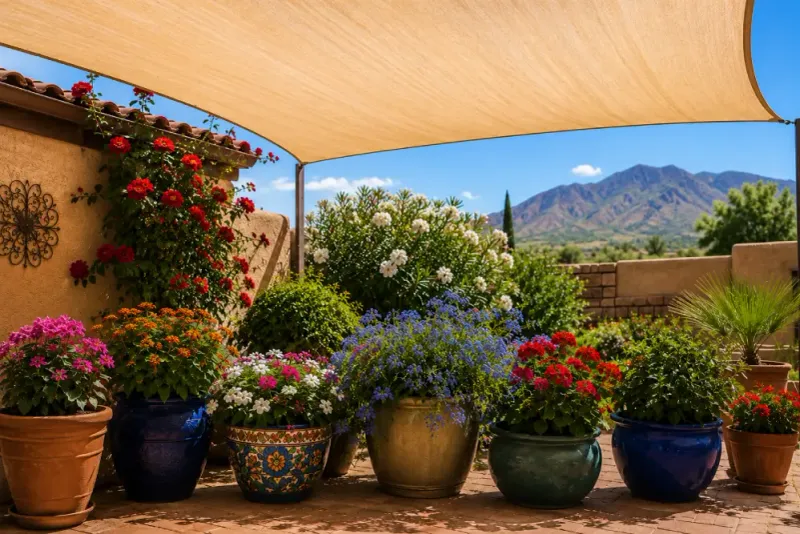
University of Minnesota Extension guidance on keeping gardens through extreme heat supports moving containers to a spot with morning sun and afternoon shade during peak heat events, grouping pots together so they shade each other’s sides, and using temporary shade cloth to cut the intensity during the hottest hours of the day.
These are short-term adjustments, not a permanent change to the plant’s placement.
Choosing the right container from the start also helps.
Light-colored or glazed ceramic pots stay cooler than dark plastic.
Larger pots hold more soil volume, which buffers temperature swings better than a small container does.
If you are planting for a west-facing patio in West Texas or the Hill Country, where reflected heat and afternoon sun combine, starting with a larger, lighter-colored pot gives moss rose a better baseline before any heat event arrives.
Full sun stays the goal, and protecting the root zone during extremes is how you keep it there through the whole season.
Use Light Maintenance To Extend The Display
Timing the season right starts at the nursery.
Plant purchased moss rose after local frost danger has passed in your part of Texas, which can mean late February in South Texas and the Rio Grande Valley, mid-March in Central Texas, or April in North Texas and the Panhandle, where late cold snaps remain a real possibility through early spring.
Once the plant is in the ground, it can carry color through the hottest months and into fall, with Missouri Botanical Garden listing the bloom period as June through frost.
A hard freeze can end the display quickly, especially in an exposed container that has no ground insulation to protect the roots.
Deadheading is optional.
Moss rose will continue producing flowers without it, which is part of what makes it genuinely low maintenance.
North Carolina Extension notes that deadheading can reduce self-seeding, so if you want to keep the pot tidy or prevent volunteers from sprouting nearby, removing spent blooms and developing seed capsules is worth a few minutes every week or two.
It is a preference, not a requirement.
Fertilizer falls into the same optional category.
Moss rose is adapted to lean soils and does not need heavy feeding.
For a container where frequent watering gradually leaches nutrients from the mix, a conservative application of fertilizer following the product label is reasonable maintenance.
Overfeeding can push the plant toward foliage at the expense of flowers, so less is usually better here.
Serious pest problems are uncommon with moss rose, but aphids can appear, and root rot remains a risk if drainage is poor.
Catching either problem early, before it spreads through the pot, is much easier than reversing it after the fact.
Treat Moss Rose As A Strong Choice, Not A Magic Plant
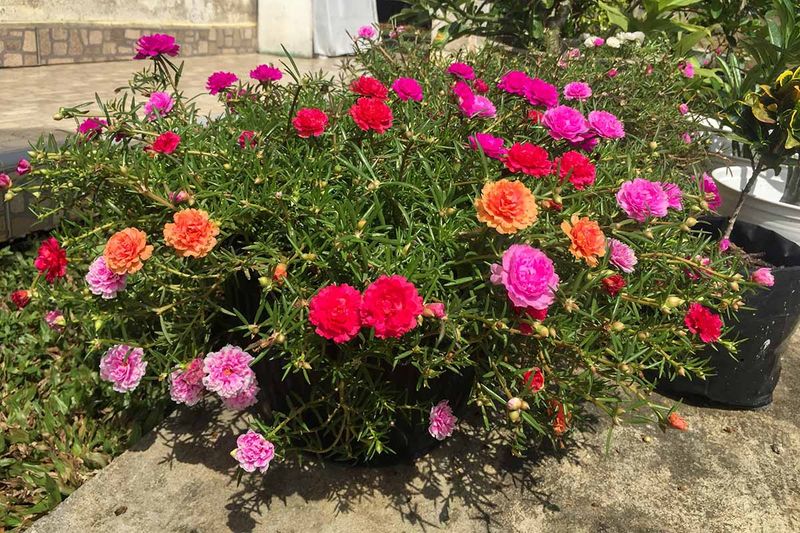
Moss rose earns its reputation on a sunny Texas patio.
It handles heat, tolerates dry spells better than most flowering annuals, and can keep blooming from planting day through the first fall frost when the conditions are right.
That is a genuinely strong performance record for a container plant in a state where summer can run from May through October.
But the headline promise needs one honest qualification.
Shrugging off Texas heat does not mean the plant can ignore watering, drainage, pot temperature, or frost.
A container with no drainage hole, a pot that bakes on a west wall during a heat wave, or a plant that goes a week without water in July can all end the display early, even for a drought-tolerant species.
The plant is forgiving, not indestructible.
Use the Texas A&M AgriLife Earth-Kind plant selector to cross-check moss rose against your specific region before buying.
Texas is not one climate, and a plant that thrives on a Gulf Coast patio in Corpus Christi may need different management on a dry, alkaline patio in Midland.
Match the monitoring to your actual exposure.
At the nursery, ask for Portulaca grandiflora by botanical name, confirm the pot has drainage, check the mix daily during the first few weeks, and give it the sun it needs.
Do all of that and moss rose will likely be the last pot still blooming when your neighbors have already given up on their patio for the year.