
Florida Plants That Bring Barn Owls In, And What That Does To The Snakes In Your Yard
Follow us on Google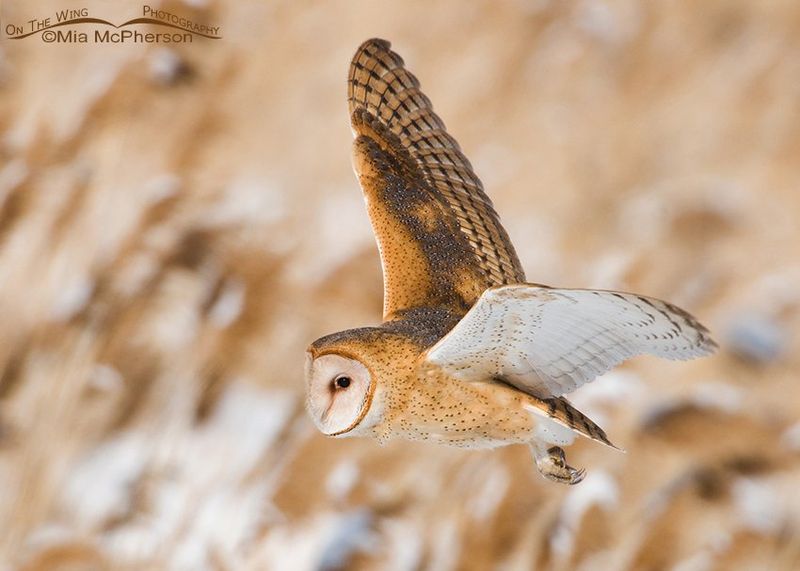
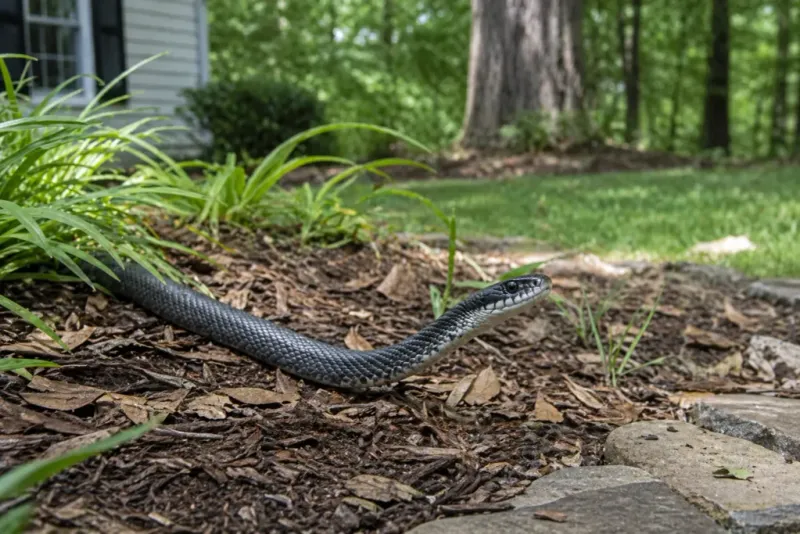
You step onto the back porch one evening and spot a thick black snake sliding under the shed, and your first thought is: how do I make that stop happening.
You’ve probably seen headlines promising that the right plants will bring barn owls swooping in to clean up every snake in the yard.
That headline needs a correction before it costs you time and money, because the actual science points somewhere more useful.
Native plants, open hunting ground, and smarter rodent management are the real tools here, and understanding how they work together is what gives Florida homeowners a fighting chance.
Barn Owls Are Not A Snake-Control Service
Here is the truth the headline owes you: no plant has been shown to bring barn owls into a yard, and barn owls are not in the business of clearing out snakes.
UF/IFAS research on Florida barn owls confirms that rats, mice, rice rats, cotton rats, and other small mammals make up the overwhelming majority of the barn owl diet.
Reptiles show up only occasionally, almost as an afterthought.
Barn owls are native to Florida, but the Florida Fish and Wildlife Conservation Commission lists them among the least common owl species that actually breeds in the state.
They average about 16 inches long, weigh roughly 1 pound, and carry a wingspan of approximately 3.5 feet.
That is a capable hunter, but it is hunting rodents, not patrolling your property for snakes.
Any connection between barn owls and fewer snakes runs through rodents, not through direct predation.
If a barn owl reduces the local rat population over time, some snake species that rely on rodents for food may have less reason to linger near your shed.
That is a plausible food-web effect, not a guaranteed outcome you can count on after planting a row of firebush.
The concern about a snake near the porch is real and worth solving.
But the path forward runs through habitat management and rodent control, not through a plant list promising owl delivery.
The next several sections explain what actually matters and what you can realistically do about it.
Open Hunting Ground Beats A Plant List
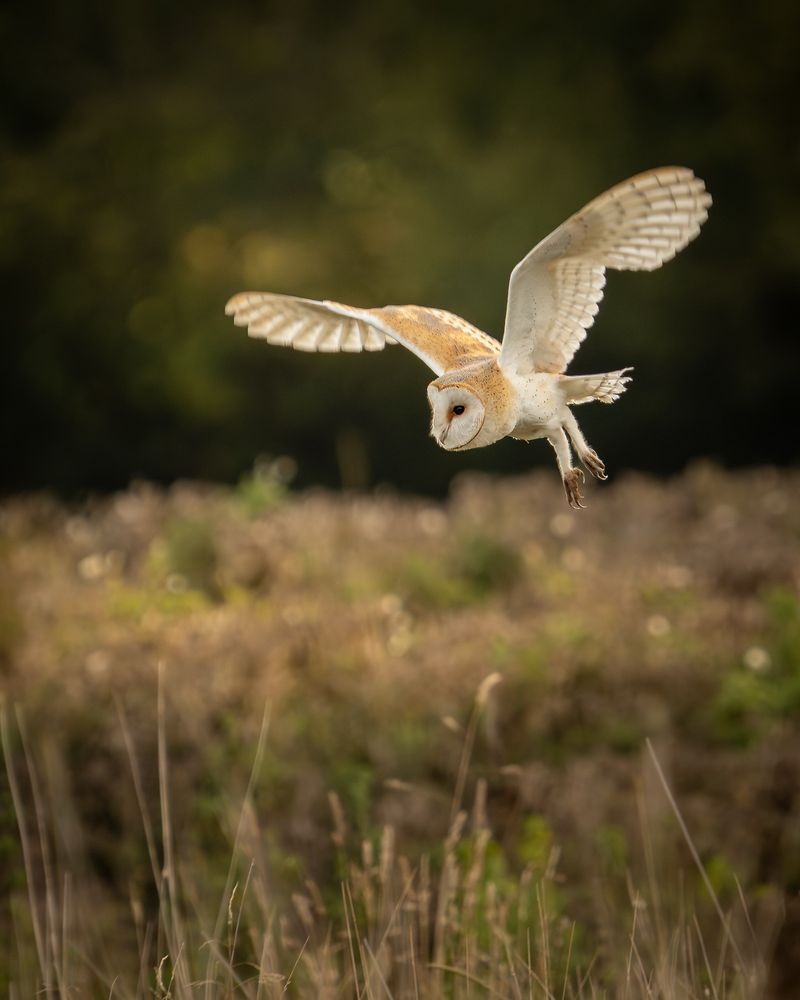
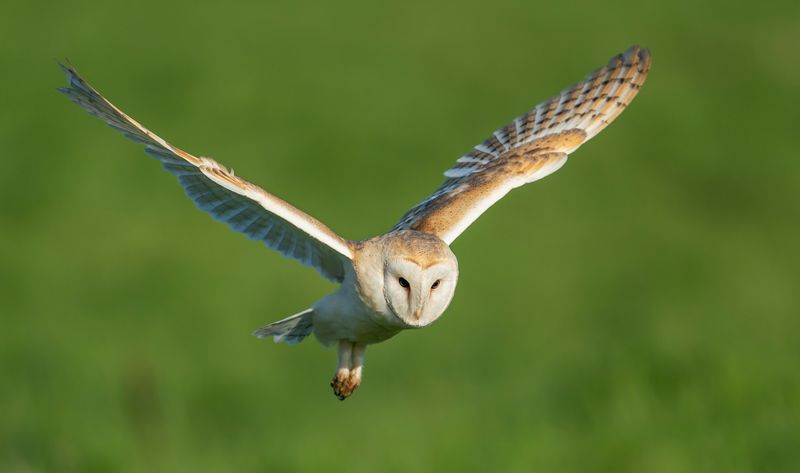
Barn owls are built for open country.
They hunt low over grasslands, marshes, agricultural fields, and field edges, using both sharp eyesight and extraordinary hearing to pinpoint a mouse moving through grass in near-total darkness.
A yard packed with dense shrubs, canopy trees, and layered plantings does not give them the clear sightlines and unobstructed flight paths they need to work efficiently.
Think about the landscape around a working cattle ranch in Central Florida or a sugarcane field near Lake Okeechobee.
That open, low-cover terrain is where barn owls actually thrive.
A typical quarter-acre suburban lot surrounded by fences, sheds, and mature oaks is a different world entirely.
UF/IFAS reports barn-owl home ranges varying from about 0.6 to 12.3 square miles, depending on food availability and local conditions.
Your property may fall inside an owl’s wider hunting territory without ever supporting a resident nesting pair.
The barred owl tells a useful contrast story.
FWC documents that barred owls use denser foliage, oak hammocks, cypress swamps, and mixed woodlands, and their diet does include snakes.
If your yard is shaded and heavily planted, a barred owl is actually the more likely visitor.
Whether it shows up regularly depends on the same basic factors: prey, nesting habitat, and enough territory to hunt.
University of Missouri Extension guidance on attracting barn owls emphasizes proximity to grassland, cropland, or open habitat as the single most important factor.
A plant list cannot substitute for that landscape condition, and a homeowner near dense suburban canopy should set realistic expectations before investing in an owl box.
What Native Plants Can Actually Do
Native Florida plants genuinely earn their place in a wildlife-friendly yard, just not by pulling barn owls out of thin air.
What they actually do is support the food web from the ground up.
FWC’s research on the native plant and wildlife connection shows that native species support far more native insects than most nonnative ornamentals do, and those insects feed the birds, lizards, frogs, and small mammals that form the prey base an owl depends on.
Live oak (Quercus virginiana) supports hundreds of caterpillar species and provides cavity nesting opportunities for multiple wildlife species.
Sabal palm (Sabal palmetto), Florida’s state tree, offers roosting and nesting structure.
Coontie (Zamia integrifolia) provides dense ground cover that shelters small animals.
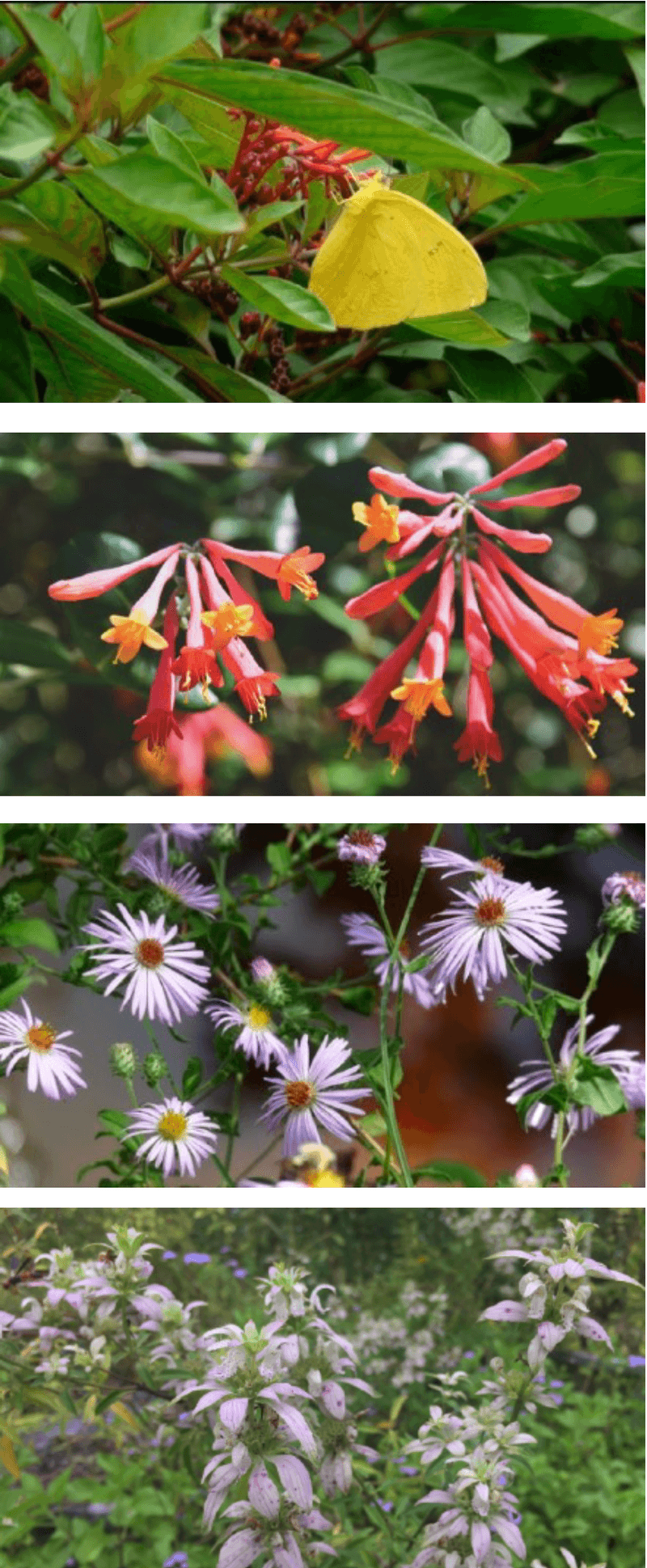
Firebush (Hamelia patens), American beautyberry (Callicarpa americana), muhly grass (Muhlenbergia capillaris), blanket flower (Gaillardia pulchella), Simpson’s stopper (Myrcianthes fragrans), saw palmetto (Serenoa repens), and native milkweeds all add layers of insect and wildlife habitat.
None of them will reliably attract a barn owl by themselves, and none should be planted with that expectation.
FWC’s habitat guidance consistently frames native landscaping as a system, not a species-by-species owl magnet.
Every plant on that list has regional, soil, drainage, sun, and drought requirements that vary across Florida’s zones, from the sandy loam of the Panhandle to the shallow limestone of South Florida and the salt-exposed yards of the Gulf Coast.
Before you plant any of them, check with your local UF/IFAS Extension office or a Florida native plant nursery to confirm what actually fits your site.
Keep open sightlines where you can.
A native planting that stays low and open near a field edge does more for barn-owl habitat than a dense thicket planted right up to the house.
Structure and placement matter as much as the species list.
Wildlife-Friendly Cover Can Also Feed Rodents
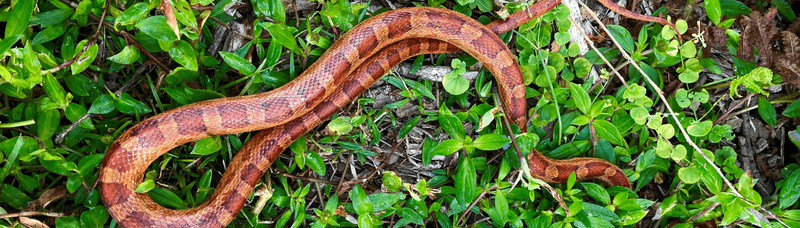
A yard with lush native planting is a genuinely good thing, right up until the dense cover starts sheltering rats.
Tall unmanaged grass, thick brush piles, fallen fruit, open compost bins, pet food left outside overnight, livestock feed in unsealed containers, and spilled bird seed are all invitations.
Rodents move in quietly, and snakes follow their prey just as quietly, often ending up under a porch or inside a garage before anyone notices.
UF/IFAS guidance on modifying habitat to discourage nuisance wildlife is specific: clear debris and brush piles, keep grass trimmed short near structures, pick up dropped fruit promptly, and secure all food and waste in sealed containers.
Moving those attractants away from the house and outbuildings is the single most effective step most Florida homeowners can take before anything else.
The tradeoff is worth understanding clearly.
Native landscaping planted away from structures and maintained at a reasonable height does not automatically create a rodent problem.
The risk rises when dense plantings touch the foundation, when brush piles accumulate near the shed, or when food sources go unmanaged for weeks.
UF/IFAS research on preventing snake encounters in residential areas points directly at habitat modification as the most reliable route to fewer snakes around the home.
A 10-foot buffer of short, open ground between dense native plantings and any structure gives you wildlife habitat on one side and a much cleaner defensive perimeter on the other.
That gap is cheap, requires no special tools, and works in every Florida region from the Panhandle to the Keys.
A Nest Box Only Helps In The Right Landscape
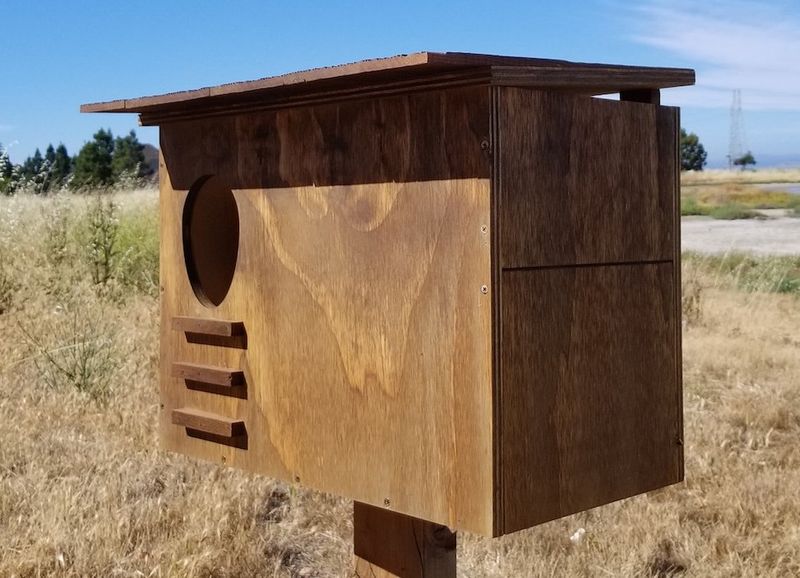
A barn-owl nest box is a real tool, not a decoration, and it comes with real specifications.
UF/IFAS guidance on helping cavity-nesters in Florida describes a box approximately 22 inches wide by 18 inches high, with a 10-inch-square entrance hole and about 2 inches of wood chips on the floor.
The recommended placement is inside an open building, mounted near the roof where it stays dark and sheltered.
That is a very different setup from a decorative birdhouse nailed to a backyard tree.
UF/IFAS Extension Polk County gives a broader height range of 8 to 25 feet for barn-owl boxes in Florida.
University of Missouri Extension recommends about 12 feet high, in a dark and secluded spot near grassland, cropland, or another open hunting area.
Both sources agree that the surrounding landscape matters far more than the box itself.
A box placed in a densely shaded suburban yard surrounded by houses is unlikely to attract a nesting pair regardless of how well it is built.
Occupancy depends on prey density, landscape openness, and whether a pair is actively looking for a site in your area.
A typical Florida suburban lot may be too small and too enclosed to support a resident pair, though it could fall within a hunting bird’s wider range.
The box gives a willing pair a place to nest, nothing more.
Do not feed barn owls or place live prey inside the box to attract them.
Leave the box alone once it is occupied.
Fish and Wildlife Service guidance on bird nests makes clear that most active nests with eggs or dependent young are protected under the Migratory Bird Treaty Act.
Disturbing an occupied box is not just counterproductive, it may be illegal.
The Rodent Evidence Has Limits
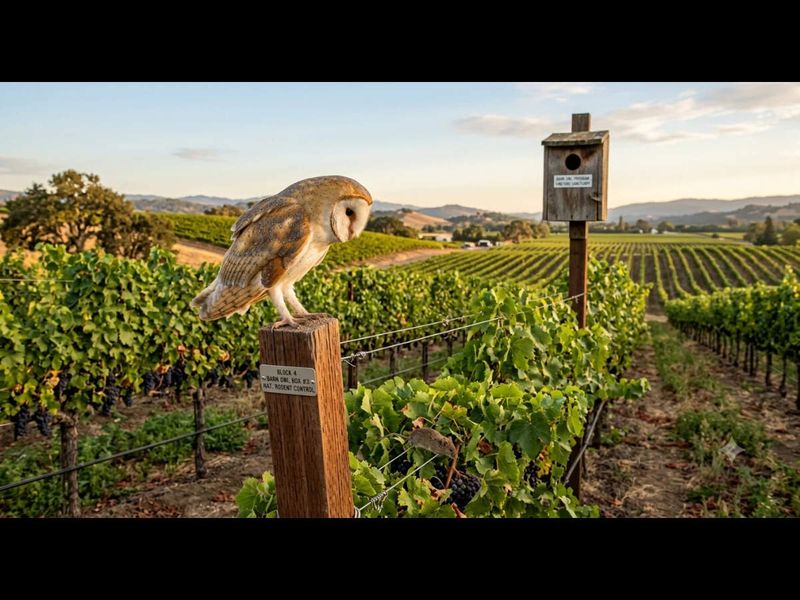
Before anyone sells you an owl box as a rodent-control system, the evidence deserves an honest look.
A 2025 study on barn owls and rodent pest abundance found 38 to 52 percent lower rodent numbers under certain conditions.
That sounds impressive until you read the fine print: those results came from California vineyards, not Florida residential yards.
The habitat, the rodent species, the climate, and the landscape scale are all different.
Applying vineyard findings to a half-acre lot in Sarasota or a townhouse yard in Jacksonville is a stretch the data does not support.
A 2024 cost-effectiveness study on barn owl boxes found that boxes worked best as one layer inside a broader integrated pest management plan, not as a standalone solution.
The researchers recommended reducing rodent numbers first through targeted trapping and habitat changes, then using owls to help hold those numbers down.
They were clear that boxes should not be the first response to an active infestation, especially during a population spike.
A broader review of avian predators as biological control in agricultural systems found that evidence for consistent rodent suppression is limited, often short-term, and highly variable with prey density, season, and landscape.
Agricultural results simply do not transfer cleanly to small residential lots.
The food-web logic connecting fewer rodents to fewer snake encounters is plausible.
UF/IFAS notes that some snake species follow rodent prey, so reducing that prey could reduce the incentive for certain snakes to linger near a structure.
That is an ecological inference, not a proven residential outcome, and it should be treated as one possible benefit, not a promise.
Reduce Snake Encounters Without Handling Snakes
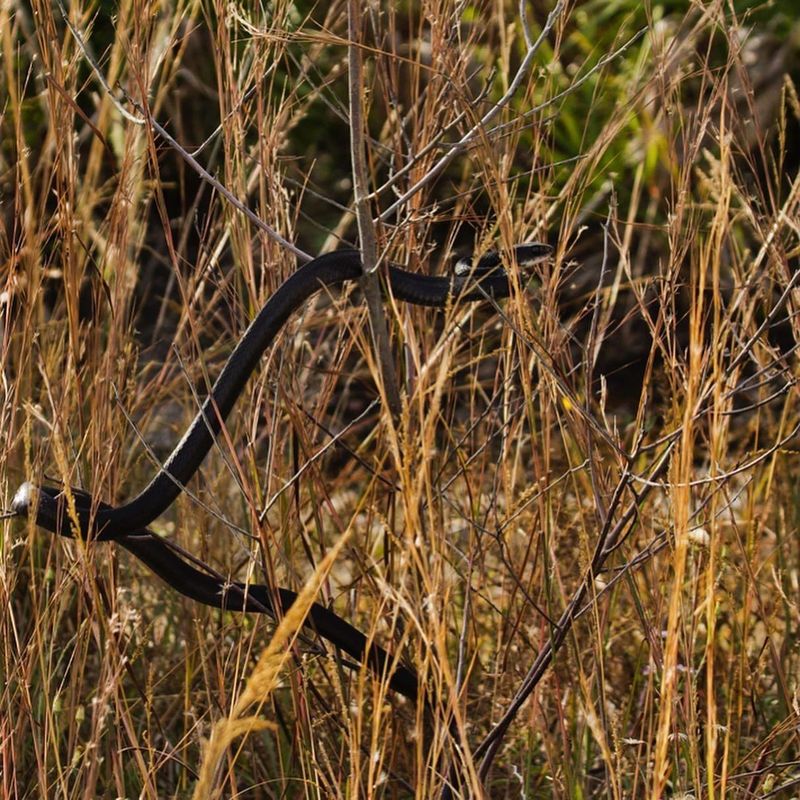
Most Florida snakes are harmless, and a few are genuinely useful.
Rat snakes consume rodents that would otherwise gnaw through your garage insulation or contaminate stored feed.
Kingsnakes eat other snakes, including venomous ones, and they are not interested in you.
UF/IFAS guidance on preventing snake encounters in residential areas is direct: only six of Florida’s roughly 50 snake species are venomous, and the practical goal is reducing encounters, not eliminating every snake from the property.
Habitat modification is the tool that actually works.
Remove the hiding places and food sources that bring snakes close to structures: clear debris piles, seal gaps under sheds and porches, keep grass trimmed to about 4 inches or shorter near the house, and store firewood at least 12 inches off the ground and away from the foundation.
UF/IFAS Gardening Solutions confirms that commercial snake repellents do not work and that habitat changes are the reliable path forward.
Save your money on the repellents.
If you see a snake you cannot identify, do not touch it, do not try to move it, and do not attempt to kill it.
Bites happen most often when people try to handle or capture a snake, and a dead snake can still deliver a reflex bite.
The Florida Museum’s guidance on coexisting with snakes recommends keeping people and pets at a safe distance and contacting a licensed wildlife or nuisance-wildlife professional if a snake appears venomous or if it is inside a structure.
Most snakes that show up near a Florida home are passing through.
Give them a reason to keep moving by removing the food and cover that would make them stay.
Build Habitat And Manage Rodents Directly
Putting this all together into a practical plan starts with the landscape you already have.
Where open ground exists near your property, preserve it.
A mowed buffer around structures, a cleared strip beside the fence line, or a view across a neighboring field all give a hunting barn owl better working conditions than another layer of dense shrubs ever could.
FWC’s habitat guidance consistently frames native planting as a system that works best when it supports the whole food web rather than targeting a single species.
Choose native plants with help from your local UF/IFAS Extension office, confirm they suit your soil and drainage, and keep dense plantings at least 10 feet from any structure.
Seal every gap larger than a quarter-inch in foundations, soffits, and shed walls, because rodents do not need much space.
Secure garbage, pet food, livestock feed, and compost in containers with tight lids.
Remove fallen fruit within 24 hours, especially during the long Florida summer when it ferments fast and draws rats from a wide area.
UF/IFAS guidance on modifying habitat to discourage nuisance wildlife covers each of these steps in detail.
For an active rodent infestation, use targeted snap traps or contact a licensed pest management professional.
Avoid second-generation anticoagulant rodenticides if you are trying to support owls or other raptors, because a barn owl that eats a poisoned rodent can be harmed or killed.
The 2024 cost study on barn owl boxes recommended reducing rodent numbers first through trapping and habitat changes before relying on owls to maintain lower levels.
That sequence works.
Owls first, rodents second does not.
If a snake appears near the house and you cannot identify it, follow the same rule every time: keep people and pets away and call a professional.
UF/IFAS snake-encounter guidance makes clear that the safest outcome is always distance, not confrontation.
A yard managed for open habitat, clean food storage, and sealed structures is a harder place for rodents and snakes to settle into, and that is the kind of quiet win that actually lasts.