
North Carolina Native Ground Covers That Look Better Than Pine Straw By Fall
Follow us on Google
You drag your patio chair into the shade of the big oak, and the muggy air still hangs from an afternoon storm.
Your eyes land on the pine straw you wrestled into place last spring, already thinning and fading.
By Thanksgiving it will need another back-breaking refresh, and you know it.
But you can trade that yearly chore for a living carpet that spreads wider, looks better, and feeds the birds and butterflies you actually want in your yard.
Here are nine North Carolina native ground covers that beat pine straw by fall and keep on giving.
1. Green-and-Gold Offers Bright Evergreen Cheer All Year
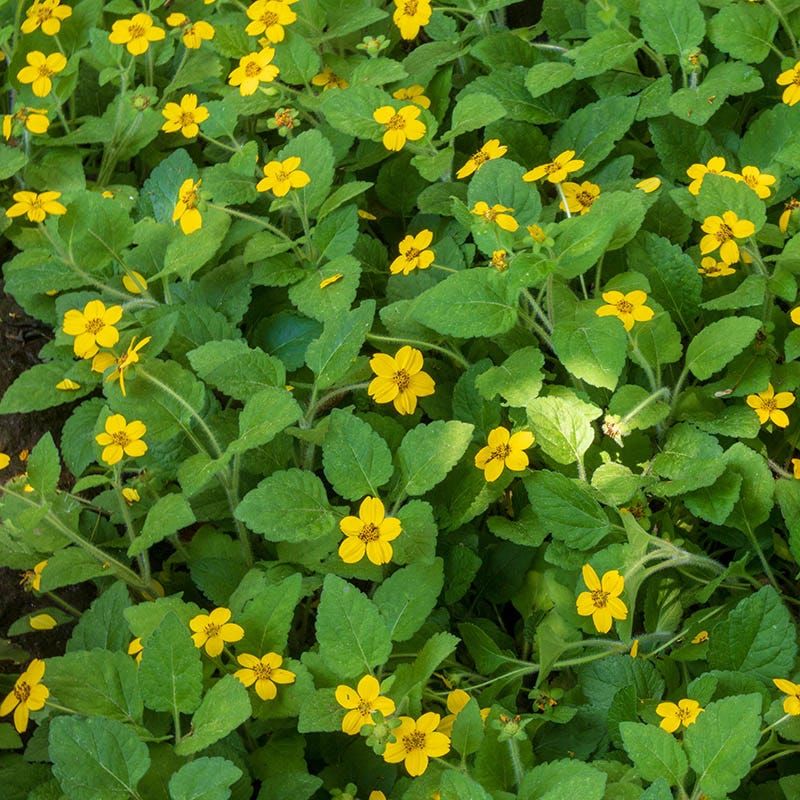
Spring’s first warm days arrive, and a low carpet of sunny yellow flowers pops open against deep green, evergreen leaves.
That quiet hero is Chrysogonum virginianum, or Green-and-Gold, and many Piedmont gardeners stumble onto it and wonder why they waited so long.
Its dense, low habit crowds out weeds like a living mulch that stays put no matter how hard the storm hits.
Pine straw needs replacing every year or so.
Green-and-Gold settles in for the long haul.
Here is where it gets tricky.
Some ground covers spread too fast and bully their neighbors.
But this one creeps gently by rhizomes, forming a tidy mat that does not take over the bed.
It prefers part to full shade and moist, well-drained soil, though it will handle heavier shade and a little sun if the ground stays damp.
Once established, it shrugs off the dry spells that sneak into North Carolina summers.
Plant small plugs about 10 to 12 inches apart, and they fill in within a season or two.
Pollinators genuinely lean on it too, sipping nectar from spring right into cooler fall days.
You get months of bloom instead of a layer of browning needles, and a little habitat besides.
2. Wild Strawberry Spreads Happily And Feeds Wildlife
You know the frustration of coaxing pine straw to stay on a gentle slope.
It always migrates downhill after the first good rain.
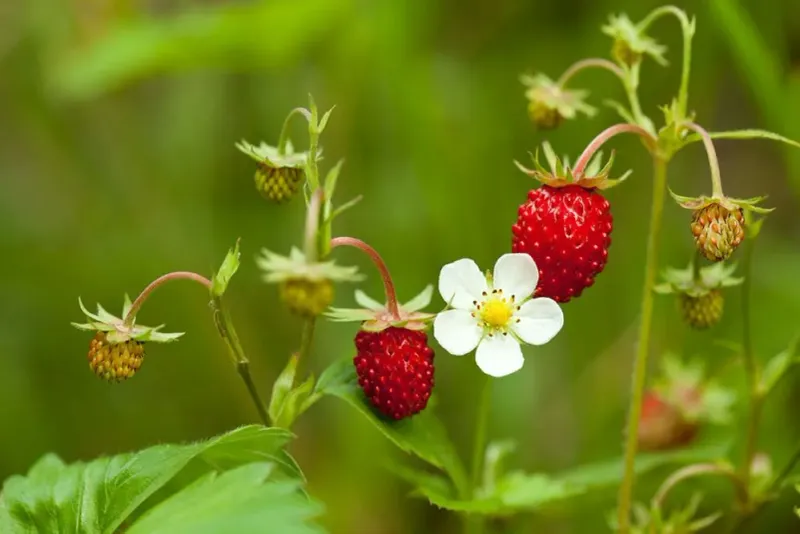
Fragaria virginiana, our native Wild Strawberry, solves that with roots that grip.
The plant spreads fast by runners, weaving a green, mostly evergreen mat that locks the soil in place.
Those roots hold ground on the Coastal Plain’s sandy soil and the Piedmont’s red clay alike.
The surprise is not the pretty white spring flowers.
It is the tiny red berries that follow, small and sweet, a treat for you and a real food source for songbirds and small mammals.
Sterile pine straw feeds nothing.
Wild Strawberry hosts several butterfly and moth species, so you are building a little food web underfoot.
It adapts from full sun to mostly shade, though it thins out in the darkest corners.
Space plants about a foot apart for solid coverage within a year.
Once it settles in, it takes light foot traffic, which makes it handy along a path or a spot where kids and dogs cut through.
A yard that feeds your family and the local wildlife is a genuine win, not a compromise.
3. Wild Ginger Blankets Shady Spots With Heart-Shaped Leaves
Deep shade under a mature tree is where pine straw looks saddest, faded and patchy within months.
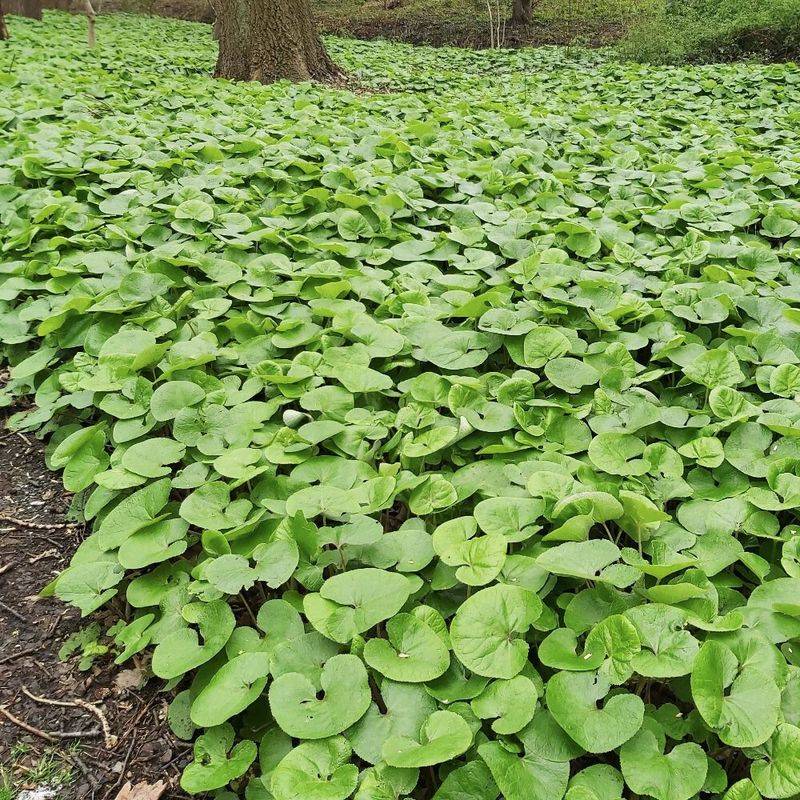
Asarum canadense, or Wild Ginger, treats that same dim corner like prime real estate.
Its large, velvety, heart-shaped leaves form a lush carpet that brings real texture to the gloom.
The foliage is deciduous, so it dies back in winter, but from spring through fall it does far more visual work than any mulch.
The turn here is simple.
Shade does not have to mean bare ground.
Wild Ginger is a woodland plant at heart, wanting moist, rich soil that mimics the forest floor, and it feels right at home in the cool coves of the mountains and across the Piedmont.
Its quiet superpower is hosting the Pipevine Swallowtail butterfly, feeding the caterpillars that most yards leave with nowhere to go.
That matters if you want more beneficial wildlife stopping by.
Set plants about 8 to 12 inches apart in late fall or early spring.
They spread slowly and steadily, filling the space and turning a forgotten corner into something worth walking past.
4. Creeping Phlox Drapes Color Over Bare Ground
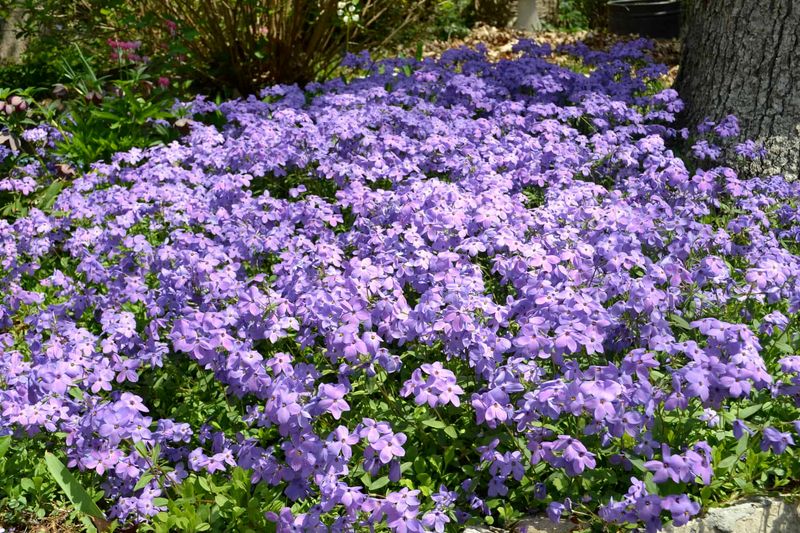
Think about the spots where pine straw always looks thin and messy, draped over a rock wall or crumbling at the edge of a bed.
Phlox stolonifera, or Creeping Phlox, fixes that with grace.
The mat-forming perennial keeps loose green foliage through much of the year, staying semi-evergreen even in mild Coastal Plain winters.
Come spring it erupts in clusters of lavender, blue, or white flowers that make brown pine straw look downright sad by comparison.
Folks often assume ground covers are just for foliage.
But this one delivers reliable greenery and a real flower show, both.
It thrives in part shade to shade and likes moist, well-drained soil, which makes it a natural for underplanting shrubs or filling in where turf gives up.
The Piedmont and mountain regions suit it especially well.
Plant plugs about 12 to 18 inches apart, and they slowly knit into a tapestry that shrugs off weeds.
Early pollinators genuinely crowd those blooms when little else is open, so you get color and a buzz of life at the same time.
Not a bad trade for a chore you were dreading.
5. Partridge Berry Offers Evergreen Leaves And Red Berries
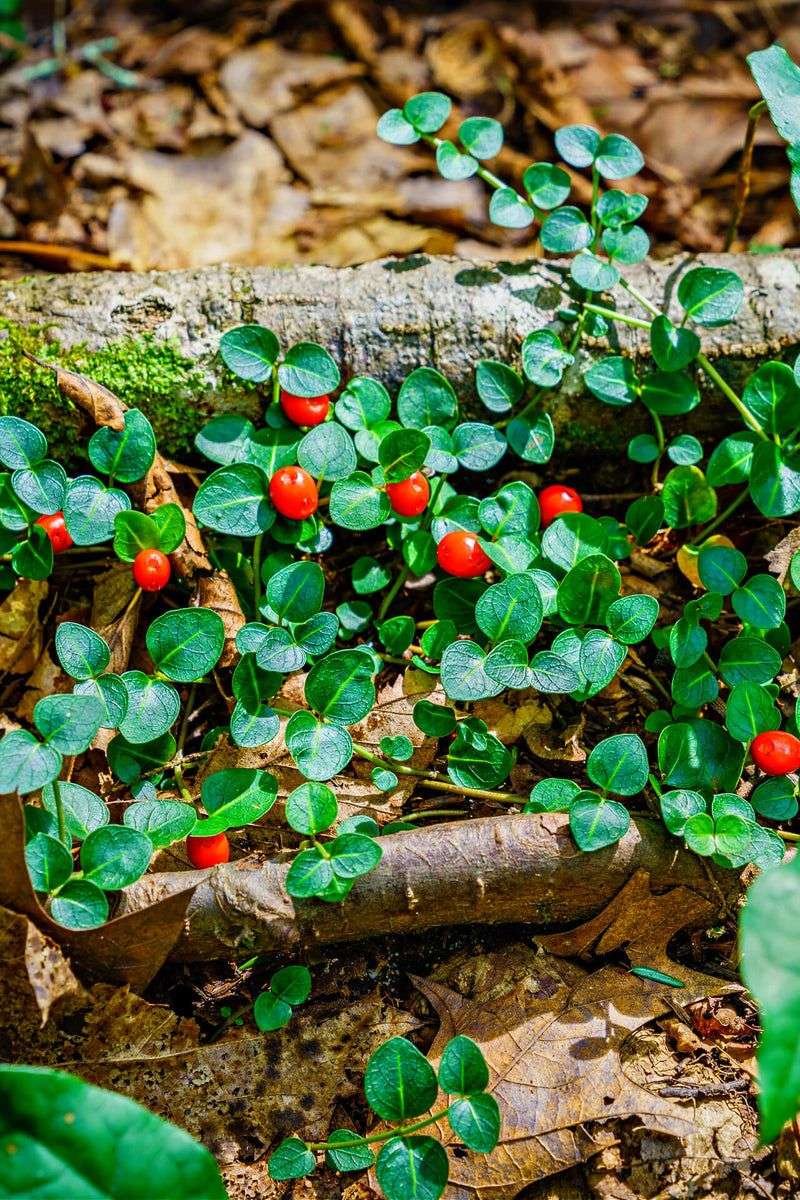
Pine straw gives you exactly one color in a quiet shady corner, and that color is brown.
Mitchella repens, known as Partridge Berry, hands you something far more charming for the same spot.
The plant forms a low, creeping mat of tiny round evergreen leaves that hold their color all year.
The real payoff lands in fall and winter, when bright red berries appear and cling on, dotting the dormant landscape with something festive.
People sometimes worry natives look weedy.
Partridge Berry answers that with genuine refinement.
It is a slow grower, so patience helps, but once established it is tough and dependable.
It wants cool, moist, acidic soil in full to part shade, which describes the understory of North Carolina’s pine and hardwood forests from the Sandhills to the mountains almost perfectly.
Those berries feed small birds through winter, turning a formerly sterile patch into a working food stop.
Tuck small groupings about 6 to 8 inches apart in those shaded spots.
Watch this little hero slowly transform the corners you had all but given up on.
6. Coral Bells Bring Varied Foliage And Drought Tolerance
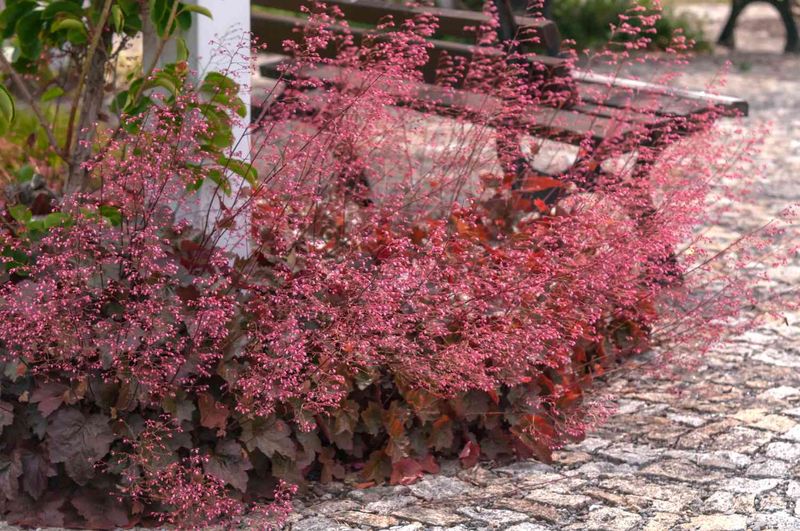
Most people file ground covers under filler, but Heuchera americana, our native Coral Bells, brings texture and subtle color that pine straw cannot touch.
The semi-evergreen leaves come in green, silver, and bronze and hold on through mild North Carolina winters.
The foliage forms neat, tidy clumps that suppress weeds and hold soil moisture without looking scruffy.
A lot of ornamental plants demand constant fuss.
Coral Bells do not.
Once established, this plant is genuinely drought-tolerant, needing less water than many landscape staples during those long dry stretches that test your patience and your water bill.
It takes partial shade to full sun in well-drained soil and adapts across the Piedmont and mountain regions.
Space plants about 1 to 1.5 feet apart for a cohesive run.
In late spring and summer, delicate bell-shaped flowers rise on slender stems, and hummingbirds actually seek them out.
You end up with good looks, low upkeep, and a little wildlife support all at once.
That is a triple threat against the flat blandness of a fresh bag of needles.
7. Common Blue Violet Thrives On Pure Neglect
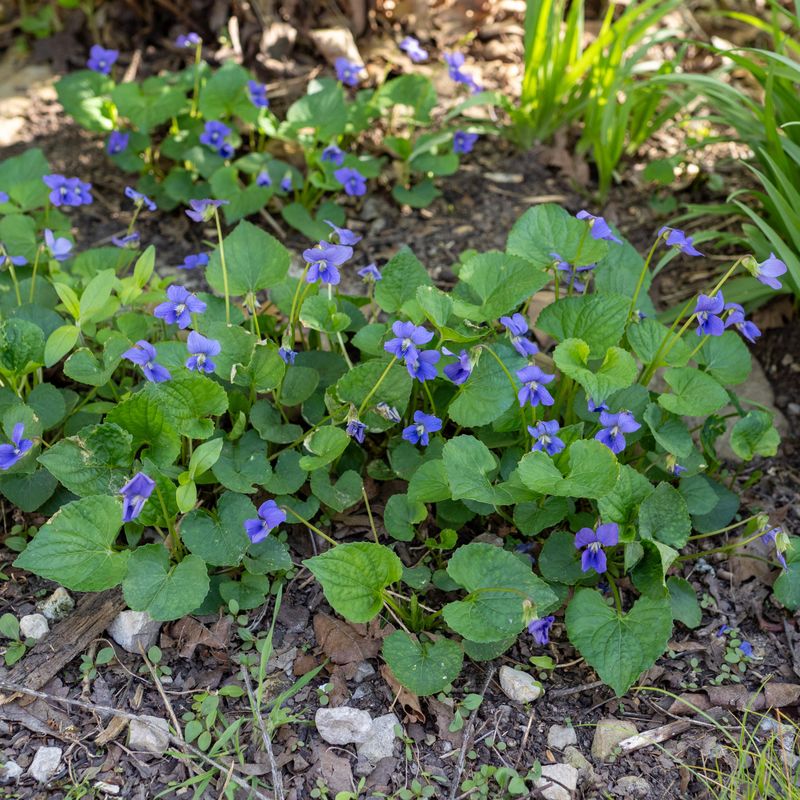
Ever fought persistent weeds in a tough, half-sunny patch and wished for something both pretty and stubborn?
Viola sororia, the Common Blue Violet, is the unlikely ally you already dismissed.
Manicured-lawn folks treat it as a weed.
In truth it is a resilient evergreen ground cover built for challenging North Carolina soils.
The dense foliage forms a mat that chokes out invaders, and it tolerates the heavy clay so common across the Piedmont.
The plot twist is learning to welcome a plant you were trained to pull.
Violets spread readily by seed, so they fill bare spots and knit into a low, living carpet on their own schedule.
Deer tend to leave them alone, which is a real relief in a lot of yards.
Famous for purple spring flowers, they keep green foliage the rest of the year, a far cry from bleached-out pine straw.
Transplant clumps or sow seed in full sun to part shade.
The humble violet stabilizes soil, feeds early pollinators, and hosts fritillary butterfly caterpillars, all while thriving on neglect.
That leaves you more evenings to just sit and enjoy the yard.
8. Green Sedge Weaves A Soft No-Mow Meadow
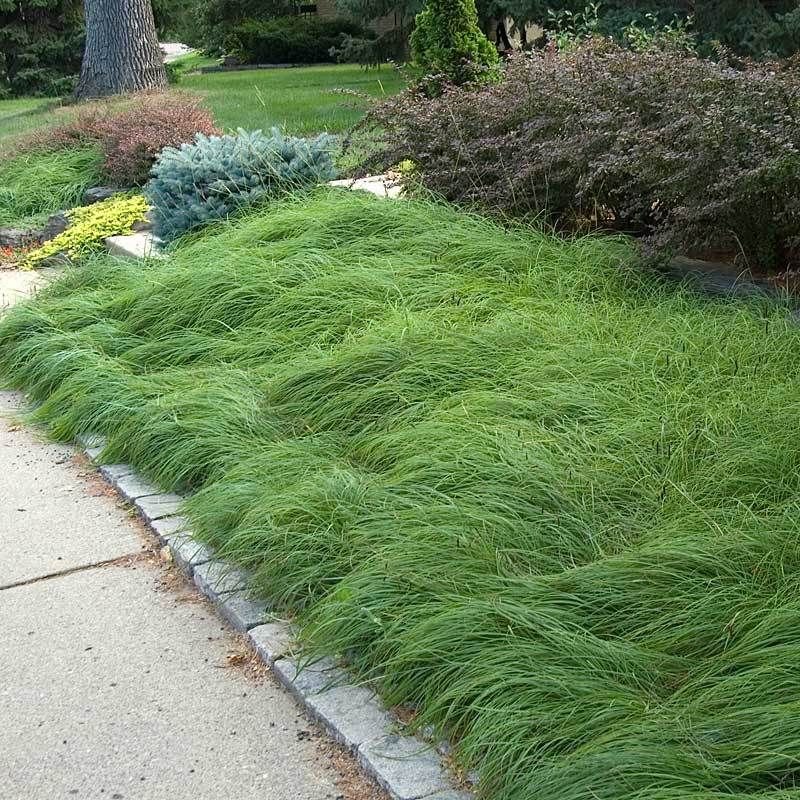
Grass under a shade tree is a losing battle, and pine straw just admits defeat.
Carex pensylvanica, or Pennsylvania Sedge, offers a third option that looks like a soft, wavy lawn without the mower.
The fine-textured, arching blades form a gentle green meadow that sways in the breeze after a summer storm.
It is not turf, and it is not mulch, it is somewhere better in between.
Here is the part that surprises people.
This sedge stays low, roughly 6 to 8 inches, so it rarely needs cutting, and you can mow it once or twice a year if you want it crisper.
It spreads slowly by rhizomes into a dense, weed-smothering cover.
Dry shade is exactly where it shines, which describes a lot of ground beneath oaks and pines across the Piedmont.
Set plugs about 12 inches apart for a filled-in look within a couple of seasons.
Native sedges quietly shelter ground beetles and other insects that many songbirds hunt for.
So the yard stays useful for family evenings and genuinely more alive at the same time.
9. Golden Ragwort Lights Up Damp Spots In Spring
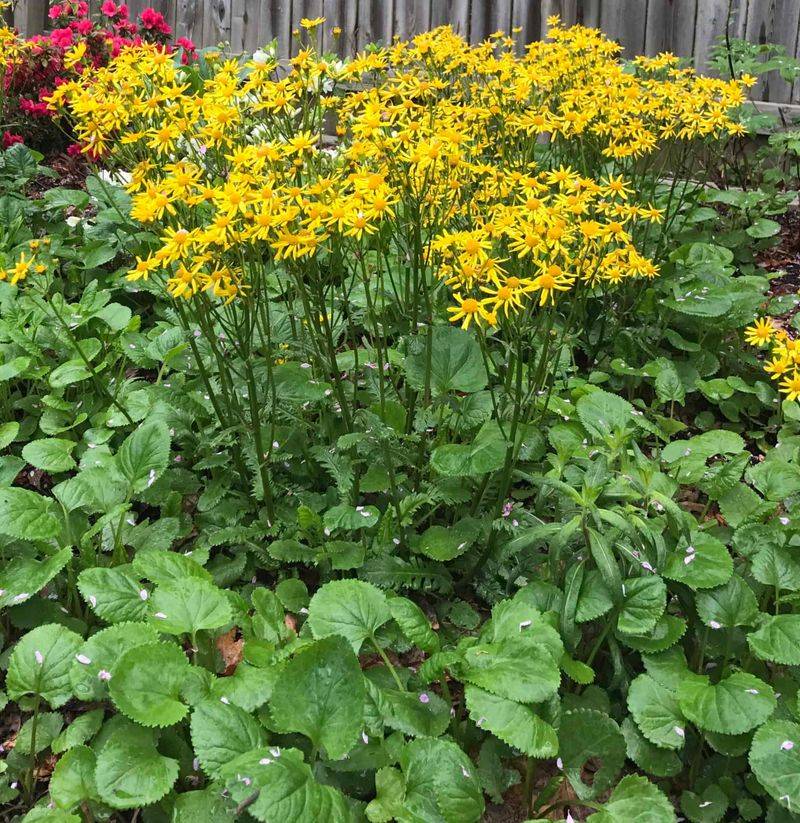
Low, soggy corners are where mulch rots and pine straw floats away after every downpour.
Packera aurea, or Golden Ragwort, actually wants that moisture, so it thanks you for the spot everything else hated.
Through the cooler months it holds a rosette of rounded, semi-evergreen leaves that stay green and tidy near the ground.
Then in spring it throws up airy clusters of yellow daisy-like flowers that light the whole patch for weeks.
People expect wet-tolerant plants to look coarse and weedy.
Golden Ragwort keeps it clean and cheerful instead.
It handles full sun to shade and moist to average soil, which makes it forgiving across the Piedmont and Coastal Plain.
It spreads by seed and short runners into a dependable mat, so plant plugs about 12 to 18 inches apart and let it fill.
Early-season bees and other small pollinators find those flowers when few other things are open.
You turn a problem drainage spot into a bright, low-care corner that carries interest from that first spring glow right through the fall.
And you never haul another wet bag of needles to that end of the yard again.