
The 8 Plants Pennsylvanians Are Growing To Keep Ticks Off The Patio
Follow us on Google
You walk out onto the patio on a warm June evening, drink in hand, ready for that first cookout of the season.
Then you spot it, a tiny dark speck crawling up your kid’s ankle, and the whole mood shifts.
Ticks have gotten worse across Pennsylvania, and the deer that carry them treat your yard like a buffet.
Here are eight plants your neighbors are tucking around their patios to make ticks think twice, no fancy gear or weekend-long project required.
1. Lavender
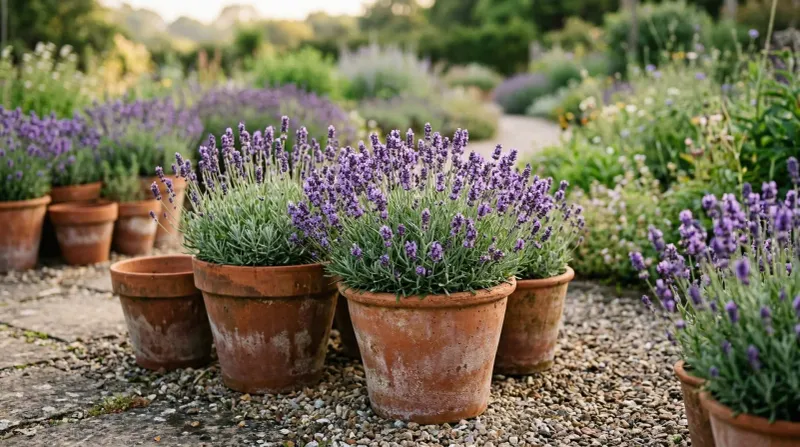
Picture the far end of your patio in July, the air thick and humid, and a low row of silvery-purple spikes humming with bees.
That soft scent you love is the exact thing ticks cannot stand.
Lavender (Lavandula angustifolia) carries a compound called linalool, and ticks read it like a locked door.
The plant is not trying to please you here, it is quietly warning pests off the whole corner where your family sits.
To make it happy, give lavender at least six hours of direct sun and sharp drainage.
That second part matters in Pennsylvania, where humid summers rot plants that sit in soggy ground.
If you garden in the heavy clay of the Delaware Valley or southeastern Pennsylvania, skip the open bed.
Plant lavender in a raised bed or a container of gritty potting mix right along the patio edge instead.
Space plants 1 to 3 feet apart, since a mature clump can reach 3 feet across.
After the purple spikes fade, give it a light trim to keep the shape tidy and coax out fresh growth.
It is hardy in USDA zones 5 to 10, which genuinely covers our whole state, and once it settles in, it shrugs off dry spells.
Not a force field, but a fragrant first layer, and one that smells wonderful when you brush past it.
2. Rosemary
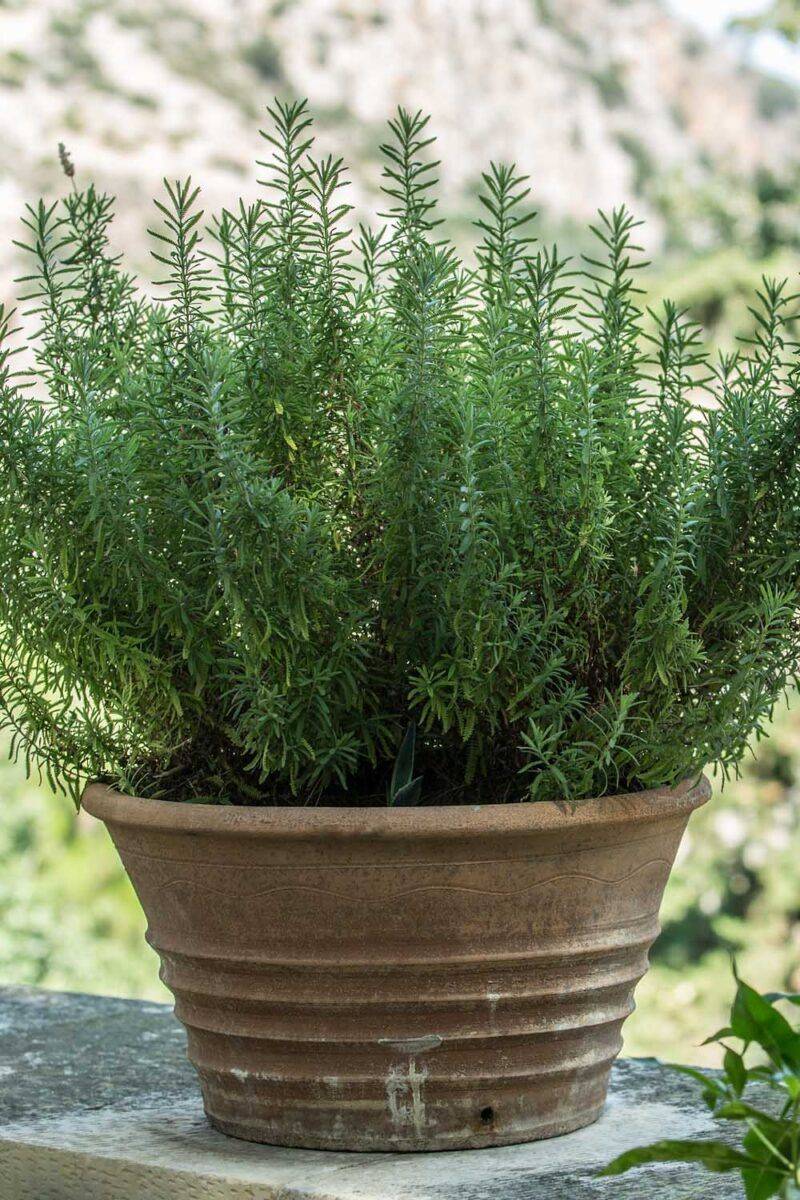
Rub a sprig of rosemary between your fingers and the woody, piney smell sticks to your skin for an hour.
Ticks catch that same blast of scent and want nothing to do with it.
Rosemary (Salvia rosmarinus) is loaded with camphor and limonene, oils that stay stable and keep working long after the leaves stop moving.
The plant sets up a scent wall around your sitting area, steady and unbothered.
It wants full sun and drainage even sharper than lavender likes.
Wet feet are its one true enemy, so keep it out of any low spot where rain pools.
A big container or raised bed on the patio suits it perfectly.
Here is where it gets tricky for us.
Rosemary loves USDA zones 8 to 10, and most of Pennsylvania runs colder.
In the milder southeast, an established plant may pull through winter with a thick mulch around the base.
Up on the Allegheny Plateau or the northern tier, though, you are better off growing it in a pot and hauling it indoors before the first hard freeze.
Give shrub types 2 to 4 feet of room and trim lightly through the season to keep them full.
Once rooted, rosemary handles a dry Pennsylvania August without complaint.
And you get free seasoning for the grill a few steps away.
3. Mint
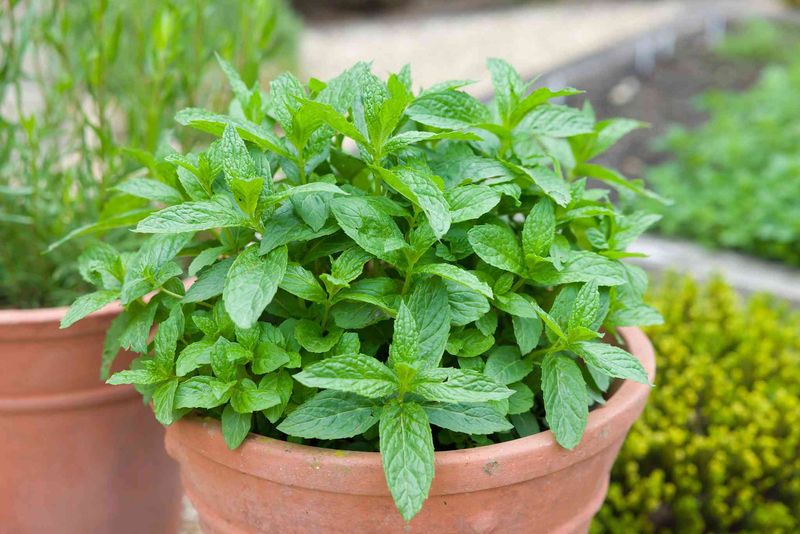
Plant mint straight into your garden bed and by next summer it will own the place.
That aggressive streak is exactly why smart gardeners keep it on a short leash.
Mint (Mentha spp.) puts out menthol and pulegone, a sharp cooling scent that ticks find flat-out unpleasant.
The aroma also helps mask your own smell, which is part of how a tick finds you in the first place.
The plant is almost impossible to kill.
It tolerates partial shade, wants steady moisture, and grows across every Pennsylvania USDA zone without fuss.
The catch is its wandering roots, which is why the whole trick is a container.
A pot 10 to 12 inches across holds one plant nicely.
Set a few of those around the patio and you get the pest-deterring benefit with none of the takeover.
Trim it often so it stays bushy instead of leggy, and each cut gives you more fragrant leaves.
If you would rather plant a Pennsylvania native that behaves and still pulls its weight, look at mountain mint (Pycnanthemum spp.).
It spreads far more politely and doubles as a magnet for native pollinators through late summer.
Either way, mint is the low-effort hero that asks almost nothing and comes back on its own year after year.
4. Thyme
The active ingredient in a lot of store-bought tick sprays is thymol, and thyme grows it in every tiny leaf.
So you can plant the pharmacy right under your feet.
Thyme (Thymus vulgaris) releases that thymol most strongly when the leaves get stepped on or brushed.
That makes it genuinely useful in the busiest parts of the patio, where people actually walk.
It craves full sun and shrugs off dry, rocky, or sandy soil.
Rich dirt is not its thing, which makes it a natural fit for the thin, stony ground common across northern Pennsylvania.
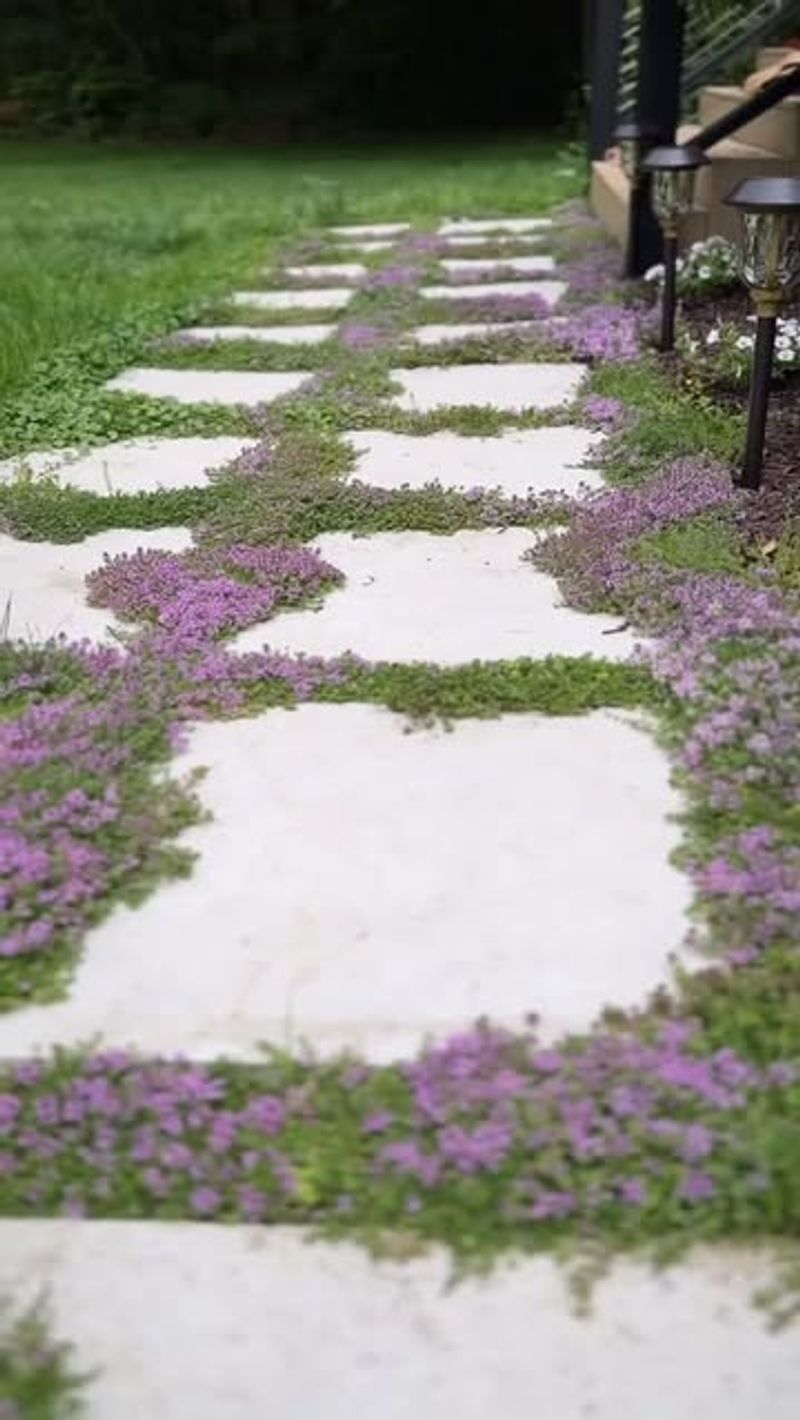
The plant hugs the earth, so tuck it between patio pavers or along a path edge where a creeping variety can knit into a fragrant green carpet.
Give plants 6 to 12 inches of space and let them fill in slowly.
Thyme is a tough perennial across most of the state, and once established it barely needs watering.
A light trim after it flowers keeps it compact and neat.
Every step you take across it sends up a little cloud of scent, working while you are just crossing the yard to flip a burger.
That is a lot of protection for a plant that asks for poor soil and gets out of your way.
5. Catnip
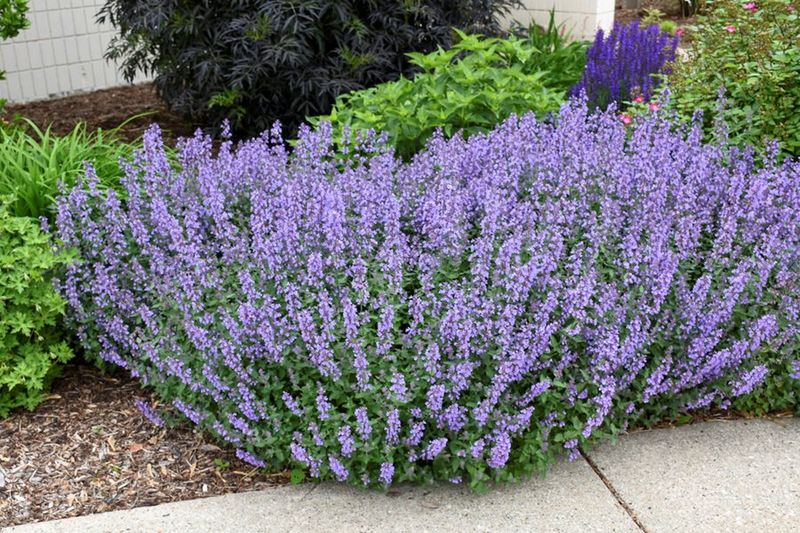
Your cat may lose its mind over catnip, but ticks and mosquitoes flee from it.
Studies have found the compound behind that scent works about as well as DEET.
Catnip (Nepeta cataria) makes nepetalactone, and it turns out that pests find the stuff deeply repellent.
The plant your tabby treats like a party is running off the bugs you actually care about.
Adaptable is an understatement here.
Catnip handles full sun or partial shade, tolerates a wide range of soils, and is hardy in USDA zones 3 through 8.
That means it thrives from the cold Poconos down to the warmer Delaware Valley without special treatment.
It does like to roam.
A plant grows 2 to 3 feet tall and wide, so either hand it a spot with room to sprawl or set it in a large container 18 to 24 inches across to keep it in line.
Deadhead the spent flowers now and then so it does not seed itself all over the yard.
Here is the honest part.
Do not be surprised if the neighborhood cats start treating your patio like a lounge.
That is the small price for a plant that guards the space where your family gathers, and it comes back on its own every spring.
6. Chrysanthemums
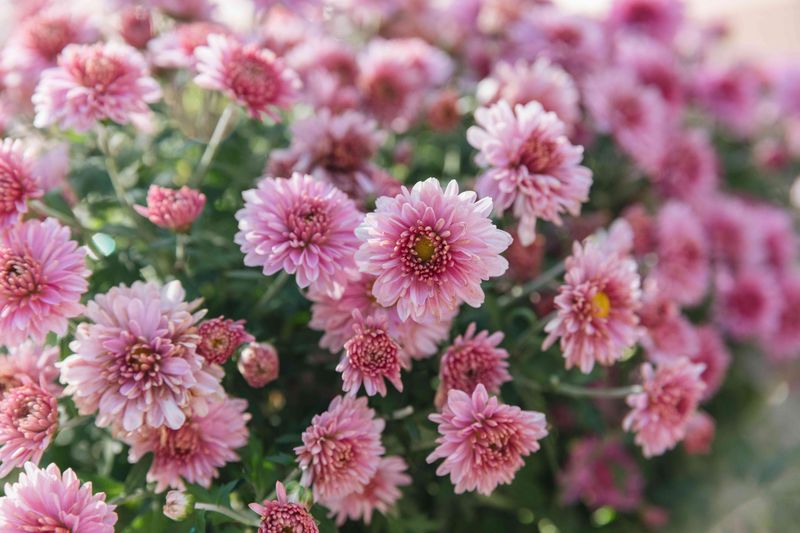
Most of the plants on this list simply tell ticks to leave.
Chrysanthemums go a step further and can actually kill them on contact.
The secret is pyrethrum, a natural compound packed into the flowers that shows up in countless commercial pesticides.
Chrysanthemums (Chrysanthemum spp.) are less a scarecrow and more a quiet trap for pests wandering too close.
They want at least six hours of full sun a day and rich, well-draining soil kept moist but never soggy.
Consistent, moderate watering keeps them happy through a Pennsylvania summer that swings from downpour to drought.
Now for the mix-up so many people fall into.
The showy mums stacked outside every grocery store in September are sold as throwaway decorations.
If you want a plant that lasts, buy hardy mum varieties, which are perennial in USDA zones 3 to 9 and can overwinter across much of our state.
Plant them in spring, not fall, so the roots dig in before cold weather arrives.
Space them 1 to 2 feet apart as a tidy border around the patio, and deadhead old blooms to keep new ones coming.
As a bonus, permethrin, the tick-fighter Penn State Extension recommends spraying on clothing, is a synthetic cousin of the very compound these flowers make.
7. Wormwood

Ticks do not just wander into your yard on their own.
Deer carry them in, dropping hungry hitchhikers along the way, and wormwood goes after the whole supply chain.
Wormwood (Artemisia absinthium) is packed with bitter compounds like thujone and absinthin that both taste and smell foul to grazing deer.
When deer refuse to browse near it, they stop delivering ticks to your patio in the first place.
The plant is less a bodyguard and more a roadblock set out where trouble comes from.
It genuinely demands hardship to thrive.
Give it rocky, dry, sandy, poor soil and full sun.
Pamper it with compost or heavy watering and the stems flop over while the roots rot, so resist the urge to be kind.
Wormwood is perennial in USDA zones 3 through 9, which suits every corner of Pennsylvania.
Plant it as a low hedge along the patio or, better yet, at the property line where your lawn meets the woods.
Space plants 2 to 3 feet apart.
One firm warning.
Make sure you are buying true Artemisia absinthium and not mugwort (Artemisia vulgaris), which is invasive and will cause its own headaches.
Get the right one and you have a tough, silvery barrier standing guard where the deer used to stroll.
8. Lemongrass
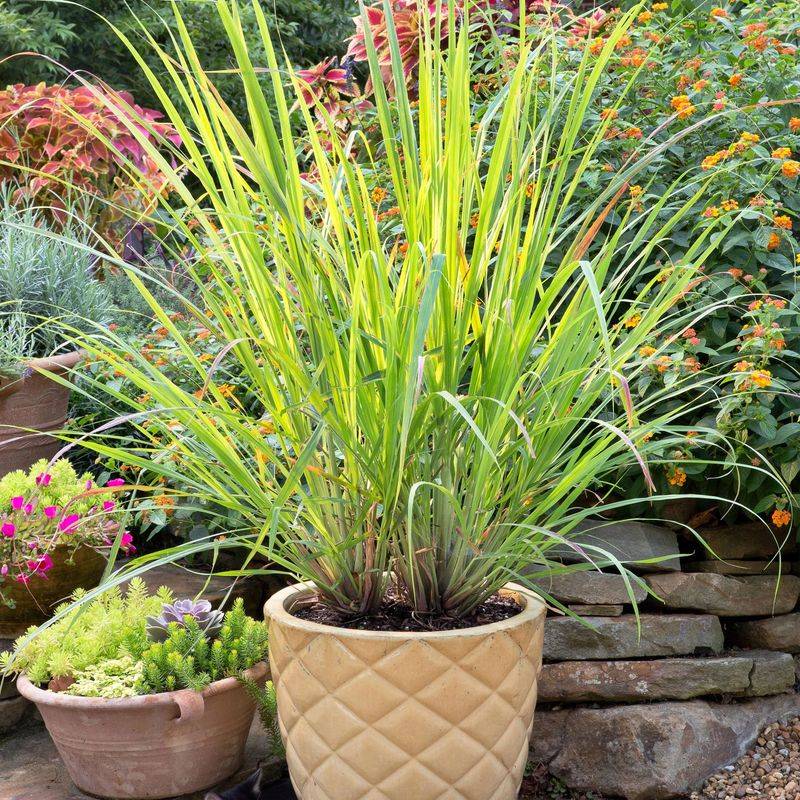
That fresh citrus punch you smell in citronella candles comes straight from lemongrass.
Ticks and mosquitoes both find it a genuine turnoff.
Lemongrass (Cymbopogon citratus) is rich in citronella oil, releasing a bright lemony aroma that pests would rather avoid.
It works like a tall green candle you never have to light.
The plant loves warmth, full sun, and rich, well-drained soil, and it grows fast into a big, arching clump.
In most of Pennsylvania, roughly USDA zones 5b to 7a, it will not survive winter outdoors, since it is only reliably hardy down to zone 9.
So we treat it as an annual, or grow it in a pot and bring it inside once the nights turn cold.
That container trick matters most in the higher elevations and up in the Lake Erie region, where lake-effect snow and short seasons cut things close.
Lemongrass can hit 3 to 5 feet tall.
In the ground, space plants 24 to 36 inches apart, and for a pot, pick one 12 to 18 inches across.
Keep the soil steadily moist but never waterlogged.
Beyond the tick defense, it gives your patio a graceful, grassy texture and a scent that turns the corner into your family gathers into somewhere you genuinely want to linger.
Pair these plants with mowing to 2 to 3 inches, raking leaf litter, and a gravel border between lawn and woods, and you have layered a real defense, not one magic fix.