
The 8 Florida Plants That Let Fireflies Finish Their Whole Life Cycle
Follow us on Google
You step onto the patio after breakfast and the air already feels heavy, thick with the promise of another long Florida summer day.
As you sip your coffee, a quiet thought drifts in, where did all the lightning bugs go?
You remember childhood evenings full of their magical flicker, but now those glowing dots seem fewer and farther between.
The truth is, fireflies spend almost two years hidden as hungry larvae, not just a few weeks as flashing adults, and the right native plants can genuinely bring those lights back to your yard.
1. Frogfruit Provides Perfect Groundcover Protection
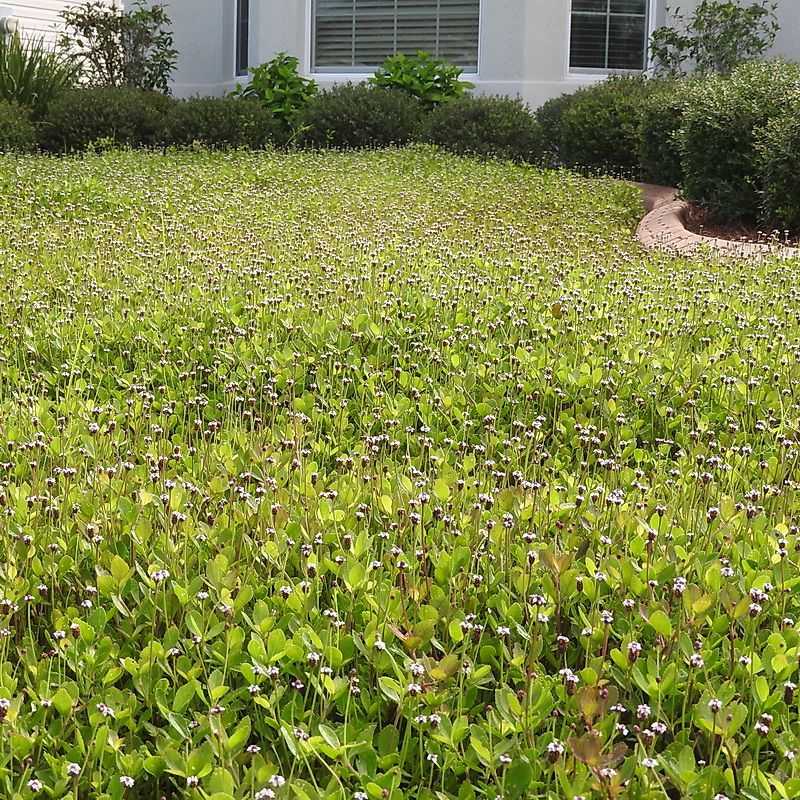
You could walk right over frogfruit (Phyla nodiflora) without ever noticing it, but for a firefly, that low green carpet is a life raft.
This native groundcover hugs the earth in a way turf grass simply cannot match.
Here is where it gets interesting.
Female fireflies lay their eggs in moist soil, and frogfruit holds that damp, shaded layer right where the larvae hatch.
Those tiny glowing hunters, often called glowworms, spend months creeping through it looking for snails and slugs.
Many Florida homeowners in sandy areas love that frogfruit needs far less water than a lawn, sometimes cutting irrigation by half.
That saved water keeps the soil damp enough for larvae to survive our long dry winter spells.
UF/IFAS Extension lists it as a tough, low mowing groundcover that tolerates foot traffic and drought.
Space plugs about 12 to 18 inches apart and they knit together within a season.
The small purplish white flowers bloom nearly year round, feeding adult fireflies before their evening dances.
So one humble plant shelters the young and fuels the old.
Not a bad trade for something you barely have to touch.
2. Native Milkweeds Offer More Than Butterfly Fuel
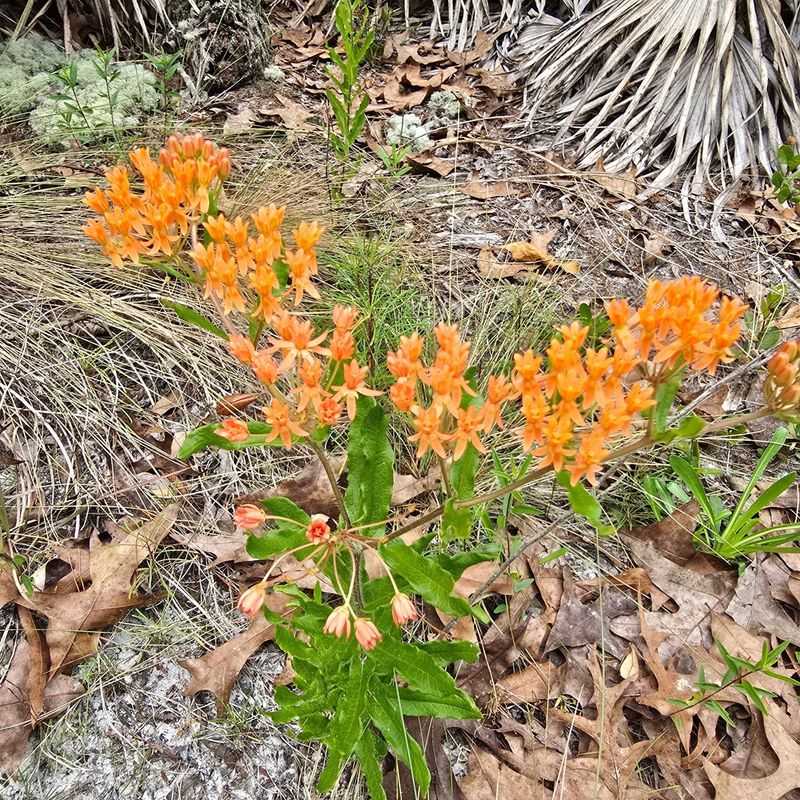
Say milkweed and most Florida gardeners picture monarchs drifting through on their fall migration.
But native milkweeds (Asclepias species) quietly pull double duty for fireflies too.
The broad leaves and clustered stems shade the ground below, and that shade traps the dampness firefly larvae need to hunt soft-bodied prey in the leaf litter.
Adult fireflies also tuck into the plant during the day, resting out of sight until dusk.
It works like a shady apartment building with a diner on the roof.
When evening comes, the nectar-rich blooms become a fueling station for adults gearing up for their light shows.
Plant native species like Asclepias tuberosa or Asclepias incarnata, and skip the tropical milkweed that can throw off monarch timing.
Give each plant about 18 to 24 inches of room and expect yellow or orange flowers from spring through fall depending on your region.
In Central Florida a small cluster of three to five plants supports both monarchs and fireflies at once.
That is a genuine two-for-one for a corner of your yard that might otherwise sit empty.
3. Inland Sea Oats Create Crucial Larval Hideouts
Picture a quiet, rustling corner where your lawn meets a shadier patch.
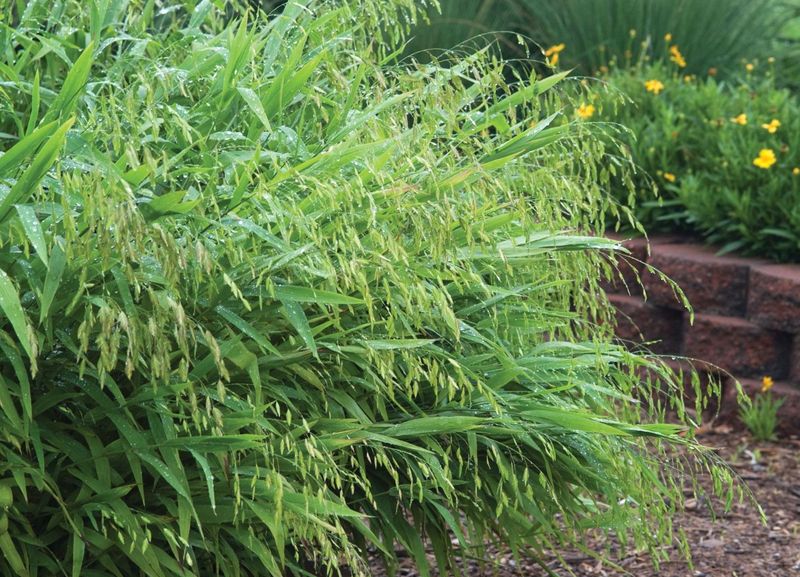
That is exactly the spot inland sea oats (Chasmanthium latifolium) love, and it happens to be a firefly nursery.
Firefly larvae develop for up to two years, spending most of that time down in the soil and leaf litter.
This native grass grows in graceful clumps 2 to 3 feet tall, and its deep roots stabilize the ground while trapping moisture.
That steady dampness is where larvae find slugs, worms, and other small prey.
The arching seed heads also give adult fireflies a safe daytime perch, hidden from birds until they lift off at dusk.
Leave the clumps undisturbed at a garden edge in North or Central Florida and you build a miniature glowworm habitat without lifting a finger.
Set plants roughly 2 feet apart in part shade and let them reseed gently.
Resist the urge to rake every fallen blade, because that litter is the larvae’s grocery aisle.
A slightly messy corner turns out to be the most alive corner you have.
4. Live Oak Provides A Towering Sanctuary
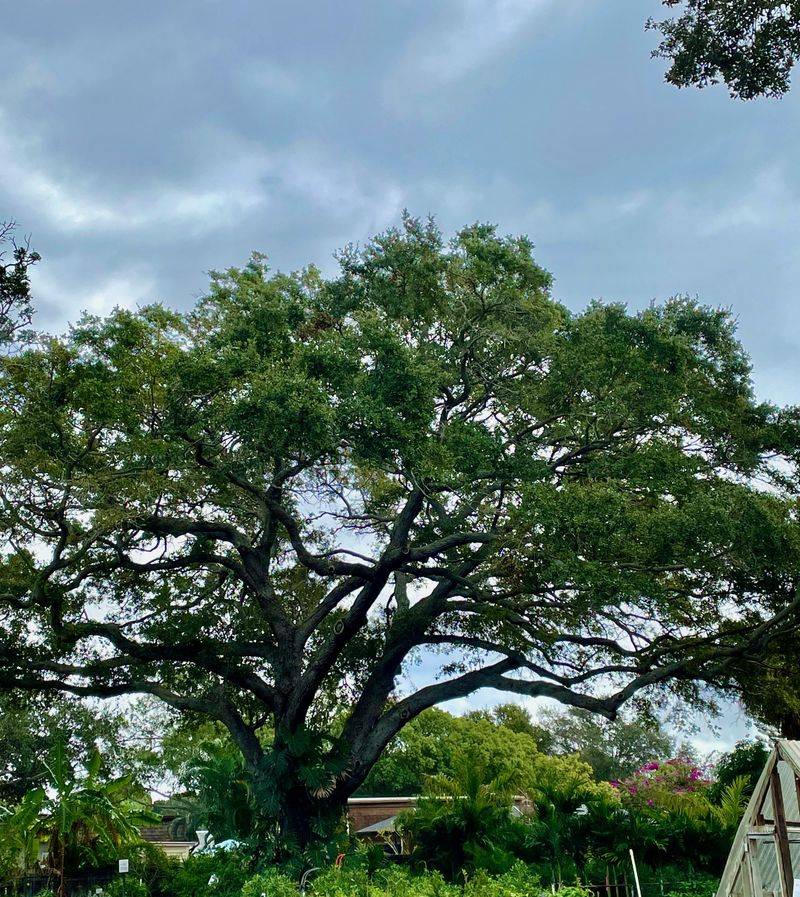
A grand live oak (Quercus virginiana) looks like an obvious Florida yard choice, but its role in a firefly’s life runs deeper than shade for your car.
These long-lived natives spread wide canopies that keep the ground beneath cool and moist for years on end.
Firefly larvae need that steady coolness.
The leaves a live oak drops build a thick litter layer that shelters the young and feeds their prey, from earthworms to snails.
It is a whole food web running quietly under one tree.
Adults find cover in the dense foliage during the day, then emerge to flash their signals in the darker air beneath the boughs.
That darkness matters, because bright porch lights drown out their courtship.
From the Panhandle down to South Florida, a mature live oak acts as a cornerstone for local firefly numbers.
Give a young tree at least 25 to 30 feet of clearance from your house, since the canopy can eventually stretch 60 feet or more.
Rake leaves into beds instead of bagging them, and let a shady ring stay natural.
Plant it now and your grandkids may chase lightning bugs under it.
5. American Beautyberry Adds Understory Essentials
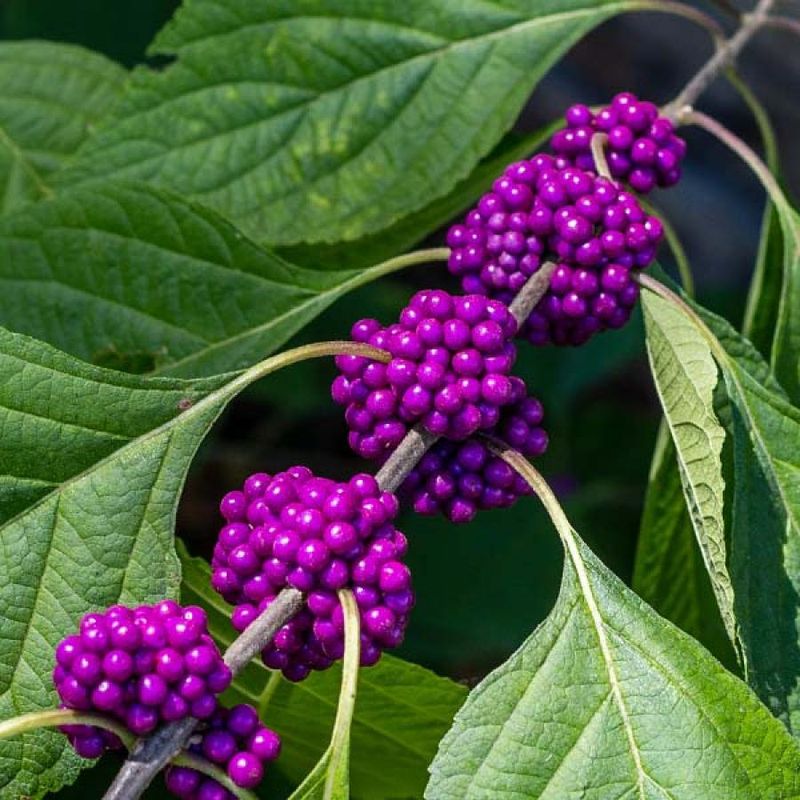
Come fall, American beautyberry (Callicarpa americana) lights up shady spots with electric purple berry clusters that birds cannot resist.
That show gets all the attention, but the shrub does quieter work for fireflies underneath.
Growing up to 8 feet tall and wide, beautyberry casts a dense shade that keeps the soil from baking dry in Florida’s brutal summer sun.
Firefly eggs and predatory larvae depend on that moisture to survive and hunt through the leaf litter below.
The branches also give resting adults a hiding place during daylight hours.
Tuck a plant into a partly shaded corner of your Central or North Florida yard and you create a pocket of steady dampness right where larvae grow.
Space multiple shrubs about 4 to 6 feet apart and water new plantings deeply, roughly an inch a week, until they root in.
Skip the pesticides here, because the same insects that feed on the plant help feed young fireflies.
One shrub earns its keep in every season, purple berries up top and a living nursery down below.
6. Firebush Fuels Adult Flyers And Shelters Young
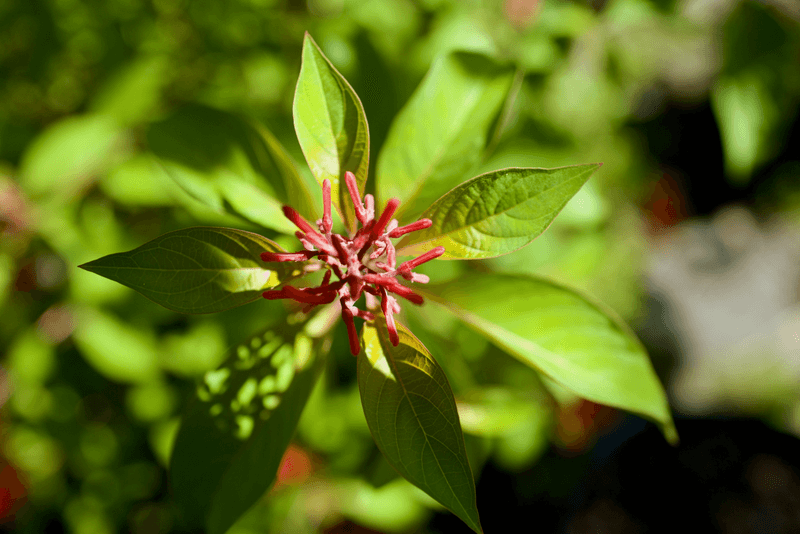
Firebush (Hamelia patens var. patens) puts on a show that hummingbirds and gulf fritillaries flock to, with red-orange tubular flowers blooming almost nonstop.
For adult fireflies, those steady blooms are a nectar filling station during their short, frantic mating season.
The plant does more than feed the flyers, though.
Its dense, multi-stemmed growth builds a humid, sheltered pocket beneath the canopy, and that shade keeps the ground moist for the larvae crawling below.
Whether you garden along the Atlantic Coast or near the Gulf, firebush handles salt spray and heat with ease.
It can shoot up to 15 feet in frost-free South Florida, though a cold snap in Central Florida may knock it back to the ground before it returns each spring.
Plant it in full to part sun and give it 4 to 5 feet of room to spread.
Ask for the native Hamelia patens var. patens, not the compact non-native lookalike, since the true native serves pollinators best.
So you get flowers for the adults and cover for the next generation, all in one fast, forgiving shrub.
7. Buttonbush Thrives In Moist Spots Fireflies Love
Got a soggy low spot that collects rainwater after every summer downpour and refuses to drain?
Most plants sulk there.
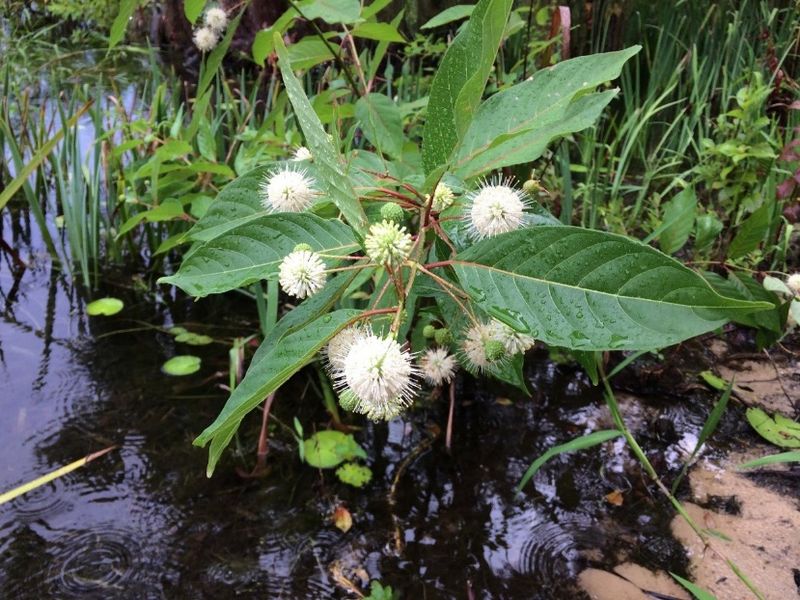
Buttonbush (Cephalanthus occidentalis) treats it like paradise.
This native shrub grows 5 to 12 feet tall and genuinely thrives in wet, poorly drained soil, the kind found in low pockets all over Florida.
And that is a firefly jackpot, because fireflies need consistent moisture through every stage, from eggs in damp soil to larvae hunting in wet earth.
The leafy structure shades the ground so it does not dry out between rains, and the tangled branches shelter adults during their daytime rest.
Round, fragrant white flowers, shaped like little pincushions, draw in clouds of insects, some of which become dinner for hungry larvae.
Set it near a pond edge, a rain garden, or that stubborn wet corner, and water is one problem you will never have to solve.
Buttonbush turns your yard’s worst-draining trouble spot into its most productive firefly habitat.
Sometimes the fix is just the right plant in the wrong-seeming place.
8. Goldenrod Provides Layered Protection And Nectar
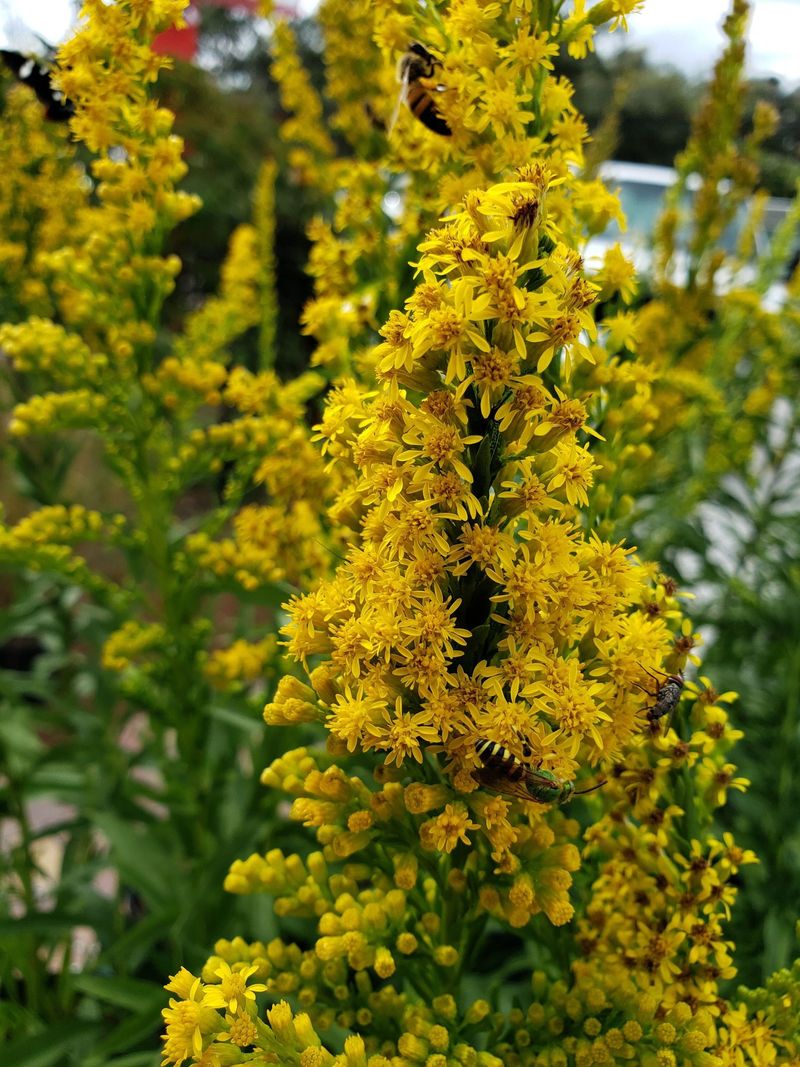
Goldenrod (Solidago species) gets blamed every autumn for the sneezing and stuffy noses, but that is a case of mistaken identity.
Ragweed is the real allergy culprit, and goldenrod is actually a powerhouse for Florida pollinators and fireflies.
Reaching 2 to 6 feet tall, its sturdy stalks and plumes of yellow flowers build a dense, layered thicket.
Adults rest hidden in that cover during the day, and females find protected soil at the base to lay their eggs.
The plant keeps the ground beneath it damp, which the larvae need to develop over their long two-year climb to adulthood.
Those late-season blooms also pull in swarms of small insects, and some of those become prey for the carnivorous young fireflies.
From the Panhandle to Central Florida, a patch of goldenrod feeds the whole cycle.
Give it a sunny spot and space clumps about 2 feet apart, then leave the stalks standing through winter for overwintering insects.
Creating a firefly haven is less about grand gestures and more about small, patient choices.
Ease up on the mower, dim the porch light, skip the sprays, and those enchanting lights will find their way back.