
What It Really Means When A Horned Lizard Turns Up In Your Texas Yard Again
Follow us on Google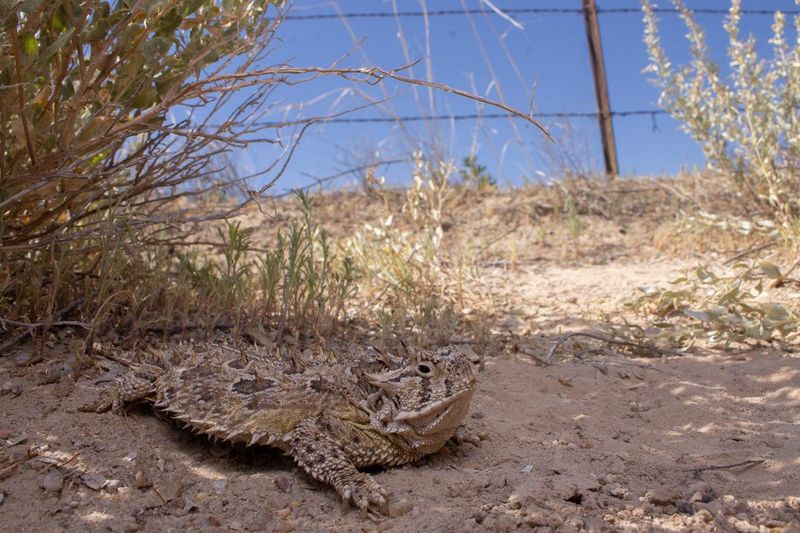
You step outside on a warm May morning and there it is, sitting in the sun on bare dirt near your fence line, a spiky, flat little creature that looks like it crawled out of a prehistoric painting.
Most Texas homeowners who grew up here know exactly what they’re looking at, or think they do.
Whether you spotted one last summer and now it’s back, or this is your first sighting in years, that small visitor is carrying a bigger story about your yard than you might expect.
Getting that story right means asking a few careful questions before drawing any big conclusions.
First Confirm Which Horned Lizard You Saw
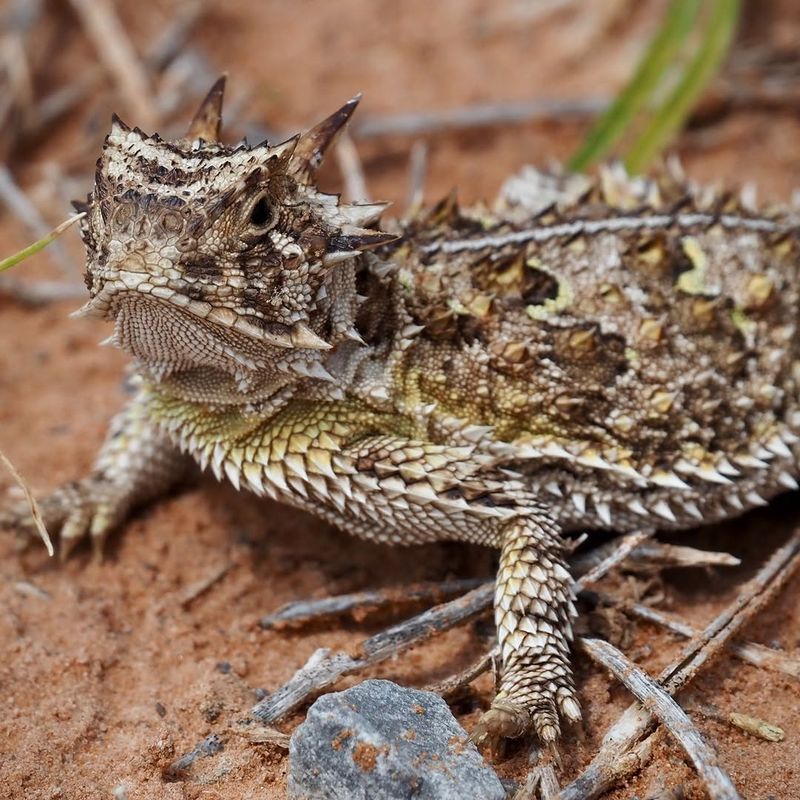
Before anything else, take a breath and look at your photograph.
Texas is home to three different horned-lizard species, and their ranges do not overlap neatly across the state.
Calling every spiky, round-bodied lizard a Texas horned lizard is a reasonable first guess, but it is not always the right one, and the species you saw changes everything about how you should read the sighting.
The Texas horned lizard, Phrynosoma cornutum, is the one most people picture: a flattened, wide-bodied reptile with a crown of real horns at the back of the head, two center horns notably longer than the rest, and a pattern of brown, tan, and rust tones that blends into open ground.
TPWD’s Texas horned lizard species page describes the full field marks and range in detail, and a clear photograph from multiple angles gives you the best chance of a confident match.
If you are not certain after comparing your photo, hold off on applying any habitat, legal, or population interpretation until you can confirm the species.
Why does the distinction matter so much?
Because the Texas horned lizard is listed as threatened by the State of Texas, and it has disappeared from a large portion of its former range.
It still turns up in documented parts of West Texas, South Texas, the Rolling Plains, the Panhandle, and localized Central Texas sites, but its presence is no longer something you can assume across the whole state.
The TPWD horned lizard background report maps that range contraction clearly.
If a careful look at your photo lines up with the field marks for Phrynosoma cornutum and your property sits in a part of Texas where the species is still documented, then the rest of this article is written for you.
Confirm the species first, then read on.
A Repeat Sighting Is Not a Population Count
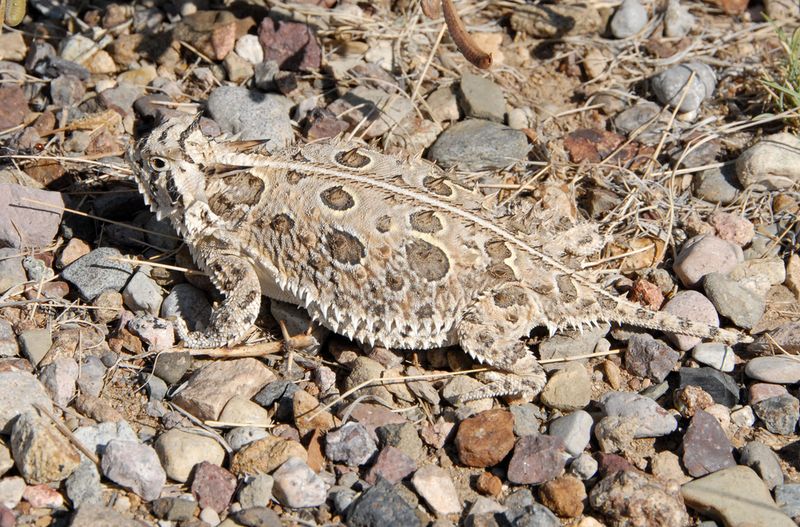
Here is where a lot of people take a wrong turn.
You saw one last year, now there is one again, and the natural instinct is to feel like the horny toads are coming back.
That feeling is real, and it is not unreasonable.
But what the evidence actually supports is a smaller, more careful claim.
A repeat sighting near the same spot could mean several different things.
It could be the same individual using a patch of habitat it has used before.
It could be a completely different lizard that found the same useful corner of your yard or a connected strip of open ground nearby.
It could also reflect the seasonal window when these animals become more visible, roughly late spring through early fall, when warm temperatures bring them above ground and into the open.
TPWD’s Eye on Nature seasonal summary notes that activity generally picks up as temperatures climb toward the 80-to-95-degree range that horned lizards favor.
Without marking, genetic sampling, or a structured survey, you genuinely cannot determine whether you are looking at the same animal or a different one.
You also cannot estimate how many lizards are using the area, whether they are reproducing successfully, or whether a local population is growing, holding steady, or still declining.
The TPWD horned lizard trends analysis notes that even a decade of volunteer observation data did not establish a clear statewide population trend.
A repeat sighting is genuinely meaningful as a habitat clue, and the next sections explain why.
But it is not a population count, and treating it as proof of a comeback does the species no favors.
The honest read is simpler and still worth celebrating: something about this spot may still work for them.
Your Yard May Still Offer a Habitat Clue
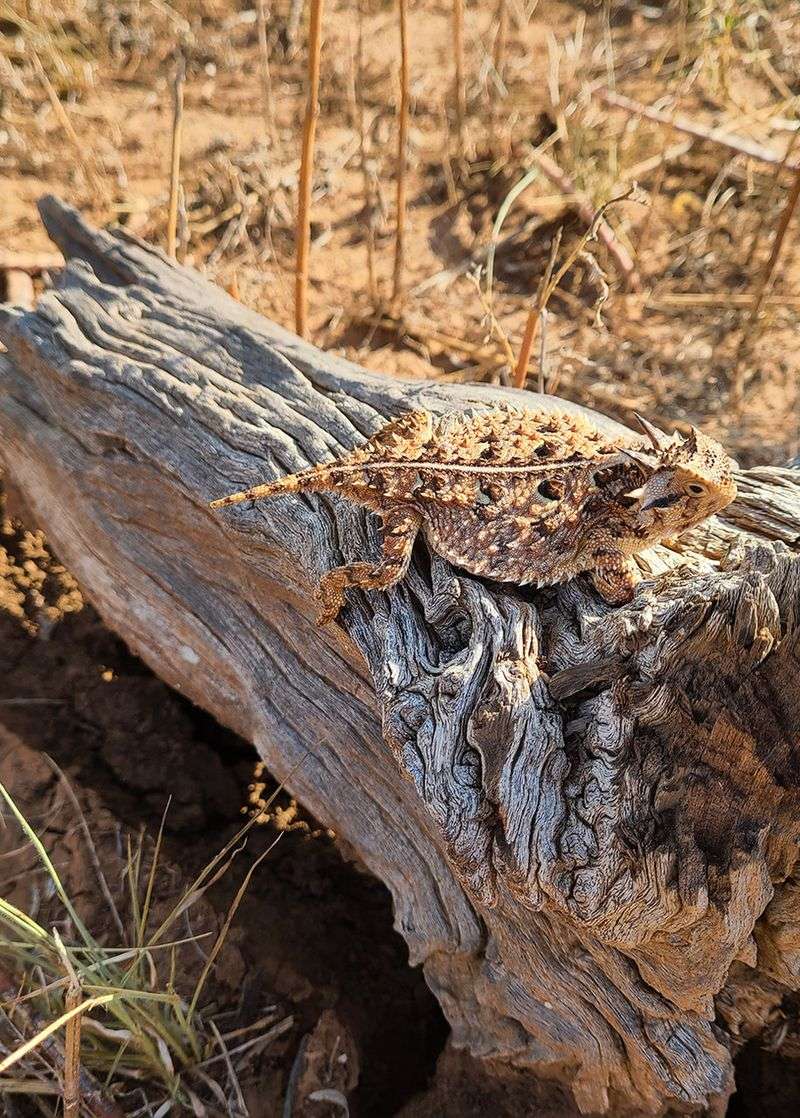
So what does a confirmed Texas horned lizard sighting actually tell you about your property?
If the species is right and the location is within its documented range, the most reasonable interpretation is that your yard or nearby connected land still offers some combination of what the animal needs.
That is an inference based on habitat research, not a guaranteed explanation for any one individual, but it is a useful one.
Texas horned lizards prefer open or semi-open conditions: sparse vegetation, areas of bare ground, and enough warmth to stay active through a long day of foraging.
The TPWD habitat study recorded lizards in sand, clay, and loam soils with no measurable difference in presence by soil type alone, so the explanation does not come down to one magic substrate.
What matters more is the overall structure of the landscape: open sunny spots for warming up, some native vegetation and sheltered microhabitats for cooling down and hiding, and loose enough soil to burrow into when temperatures drop or the season turns cold.
Timing adds another layer.
These lizards are generally active from late spring through early fall, and TPWD seasonal guidance describes activity tapering off once temperatures fall below about 75 degrees Fahrenheit, with most individuals going underground somewhere between September or October and March or April depending on where in Texas they live.
A mid-July sighting in South Texas and an early October sighting in the Panhandle are both plausible but reflect very different local conditions.
Research published in a Central Texas habitat study found lizards using both open sunny ground and shaded spots under vegetation, reinforcing that the habitat picture is a mosaic, not just bare dirt.
And a longer-term study of small Texas town populations linked serious declines to the removal of shrubs, brush piles, and thermal cover.
A yard that still holds some of that mix is doing something right.
Native Ants Matter More Than a Pest-Control Myth
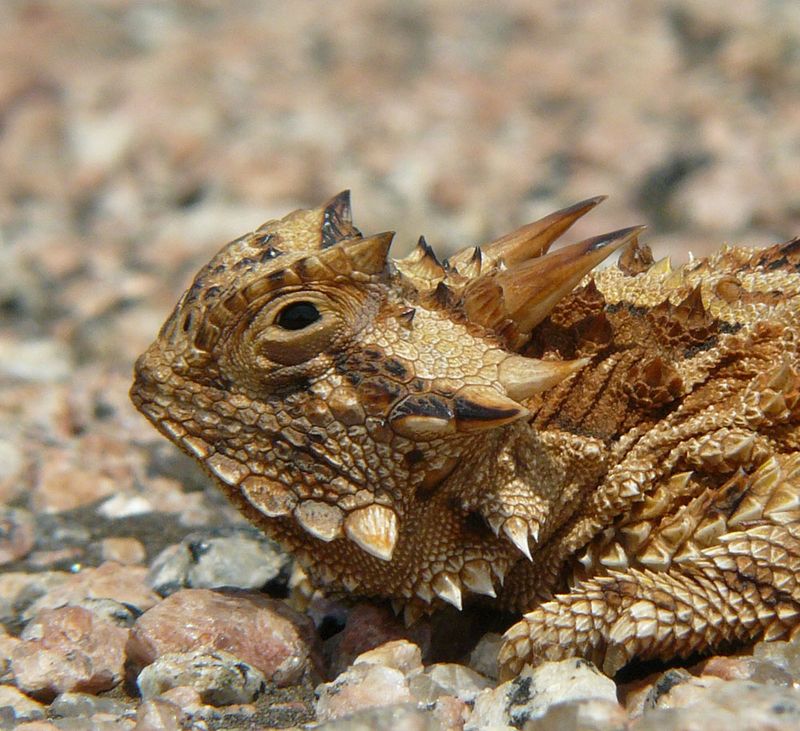
One of the most common things people want to believe about horned lizards is that they eat fire ants and will clean up the yard.
That idea is genuinely appealing, especially in Central Texas or the Gulf Coast where red imported fire ants feel like a permanent fixture.
But it is not what the research shows, and counting on a lizard for pest control sets up both the homeowner and the animal for disappointment.
The documented primary food source for Texas horned lizards is native harvester ants, especially Pogonomyrmex species.
TPWD reports that an individual lizard may consume roughly 70 to 100 harvester ants per day, supplemented by termites, beetles, other insects, spiders, and sowbugs.
Native harvester ants are not the same animal as red imported fire ants.
They are larger, slower-moving, and typically build visible mounds that can measure 3 to 6 feet across, often with a cleared ring of bare ground around the entrance.
The TPWD habitat study found a positive association between harvester-ant presence and horned-lizard presence in survey data, and a corresponding pattern where higher red imported fire ant densities were associated with lower lizard densities.
That is an observed association, not proof that fire ants alone caused every local decline.
Research published in the Texas Journal of Agriculture and Natural Resources also examined this relationship and found the picture is more complex than a single cause.
The practical takeaway: if you see what looks like a large ant mound in your yard, do not handle it, disturb it, or try to identify the species by getting close.
Native harvester ants can deliver a painful sting, and an untrained eye cannot reliably tell them apart from fire ants at a glance.
And do not expect a horned lizard to solve your fire-ant problem.
That is not the job it is built for.
Support Existing Habitat Without Taking Over
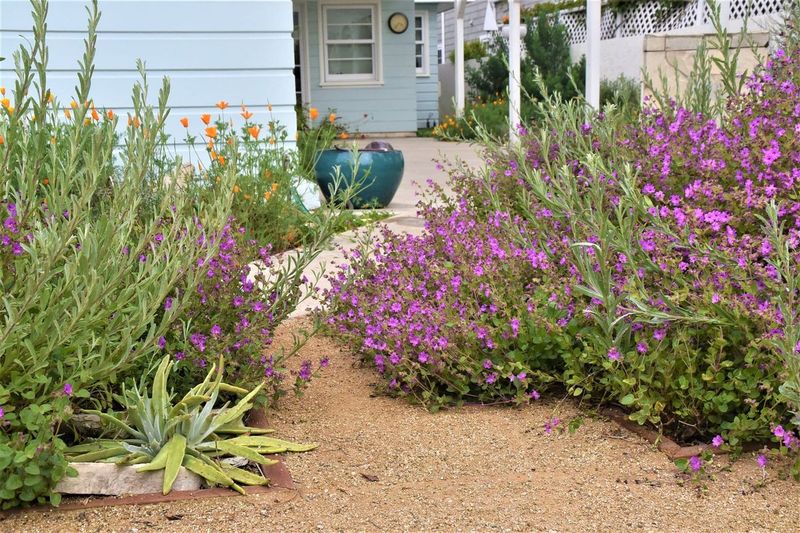
Once you know a confirmed Texas horned lizard has used your yard or a connected piece of ground nearby, the most useful thing you can do is protect what is already there.
The temptation is to do more, to plant something specific, rearrange the yard, or find a lizard to release.
Resist all of that.
The evidence supports leaving a balanced habitat in place, not engineering a new one from scratch.
Keeping some open native ground is genuinely helpful, but that does not mean stripping the yard bare.
Long-term research on small Texas town populations found that removing shrubs, brush piles, and thermal cover contributed to major lizard declines, while a Central Texas habitat study confirmed that lizards use both sun-exposed and shaded microhabitats within the same area.
Leave the brush pile in the corner.
Keep some native ground cover.
Let the yard be a mosaic instead of a parking lot.
Avoid unnecessary broadcast insecticide use across the whole yard.
Broad spraying can remove non-target insects along with fire ants, and that includes the harvester ants and other invertebrates a horned lizard depends on.
TPWD’s horned lizard homeowner guide specifically recommends avoiding blanket pesticide applications in areas where horned lizards may be present.
If you do need to manage fire ants, use only products labeled for your specific location and pest, follow the label instructions exactly, and treat mounds individually rather than treating the entire yard.
Texas A&M AgriLife Extension’s fire ant management guide walks through targeted treatment options that reduce collateral impact on non-target insects.
Limit vehicle and foot traffic across open ground areas where you have seen the lizard.
Compacted soil is harder to burrow in and supports fewer of the invertebrates these animals eat.
And do not try to buy a horned lizard, move one from another location, or release a captive animal.
TPWD’s listed species guidance notes that horned lizards do not survive well in captivity and that the agency does not endorse obtaining them for release.
The best conservation move is protecting the habitat that already drew one in.
Document the Visit Without Disturbing the Lizard
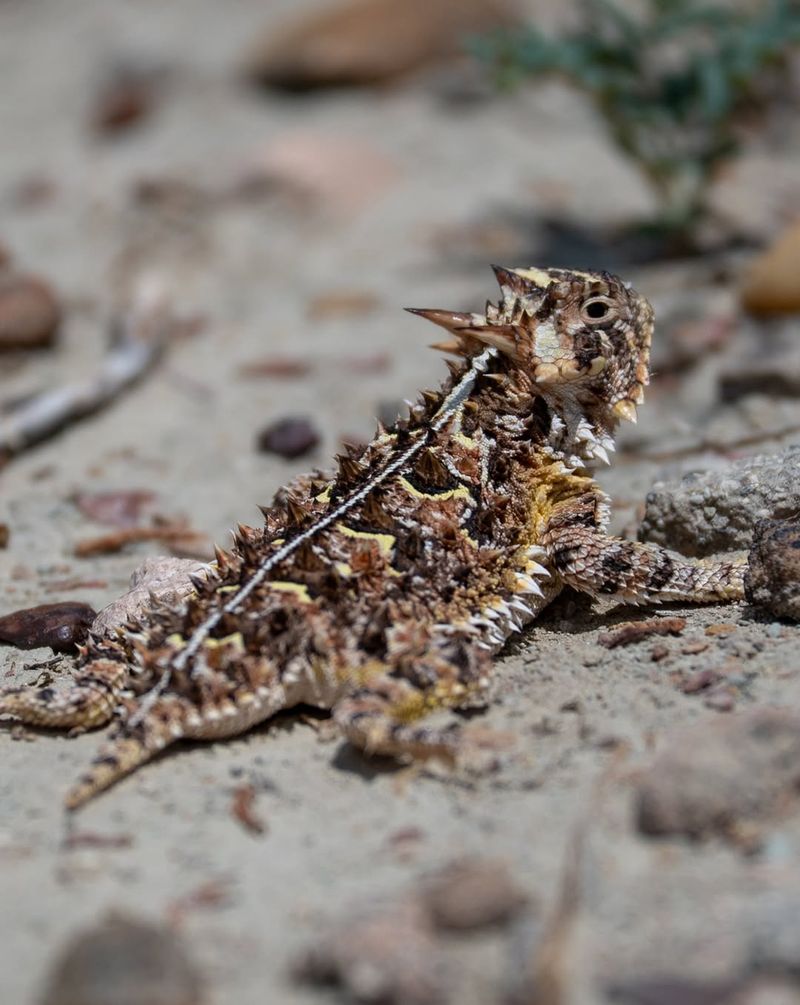
The moment you spot a confirmed or likely Texas horned lizard, the best first move is to stop moving.
Stay back, keep your voice down, and give it space.
These animals are not aggressive, but they are easily stressed, and the ocular-sinus blood-squirting behavior they use as a last-ditch defense is not something you want to trigger for a photo opportunity.
Watch from a distance, take your photographs from there, and let the animal go about its business undisturbed.
Keep children and pets inside or at a distance while the lizard is in the yard.
Dogs in particular can injure a horned lizard without any intent to harm, and even gentle handling by a curious kid can stress the animal enough to cause real harm.
TPWD’s listed species protection page is clear that handling, collecting, possessing, transporting, or selling a state-listed threatened animal may require authorization or a permit under Texas law.
A quick look from a safe distance is the right call.
Your sighting becomes genuinely more valuable when you record it carefully.
Write down the date, the county, and a brief description of the location, something like “sunny bare patch near the back fence, sandy soil, no visible mounds nearby.” Note any ant activity you observed from a distance, without approaching or disturbing any mounds.
Take multiple photographs if you can, showing the lizard from different angles to help with species confirmation.
Then report it.
TPWD’s Texas Nature Trackers and Texas Horned Lizard Watch programs accept observations from the public and use them to improve understanding of where the species is still present across the state.
A single careful record from a private yard in a county with few recent sightings can actually fill a gap in the distribution map.
Your backyard observation, documented properly, is a contribution.
Read the Return as Encouragement, Not Proof
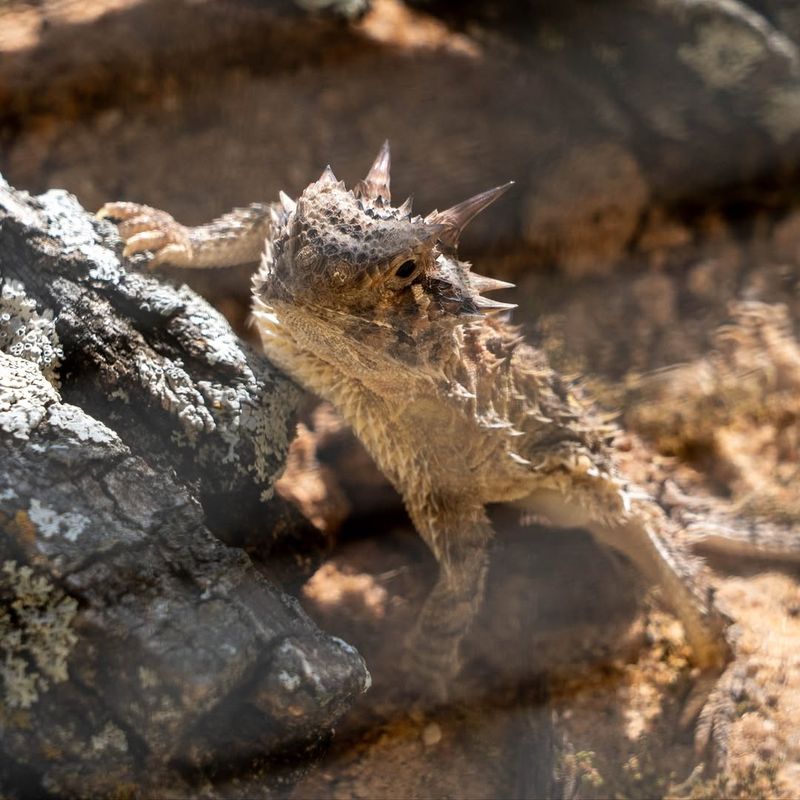
A confirmed Texas horned lizard appearing in your yard a second time, in a part of the state where the species is still documented, is a small but real piece of good news.
The most honest reading is this: your property, or nearby connected habitat, still offers some usable combination of open ground, warmth, shelter, and native prey.
That is worth something, and it is worth protecting.
But the sighting does not confirm which individual you saw.
It does not prove the same lizard returned.
It does not tell you how many animals are using the area, whether they are reproducing, or whether the local population is growing.
TPWD’s trend analysis from years of volunteer monitoring found no clear statewide population recovery signal, and one or two backyard sightings cannot change that picture on their own.
The habitat research supports treating the sighting as a habitat clue, not a census result.
What you can do is observe carefully, document thoroughly, keep the habitat balanced, and report what you saw.
Avoid handling the animal, moving it, or trying to attract more by purchasing or releasing lizards.
Research on small Texas populations consistently points toward retaining existing habitat structure as the most reliable support a landowner can offer.
Skip the grand gestures.
The lizard found your yard on its own terms, and the best thing you can do is make sure those terms stay in place.
That quiet patch of open ground near your fence might be doing more conservation work than it looks like.