
More Roadrunners Around Your Texas Yard Means Fewer Scorpions, And Here Is How To Invite Them In
Follow us on Google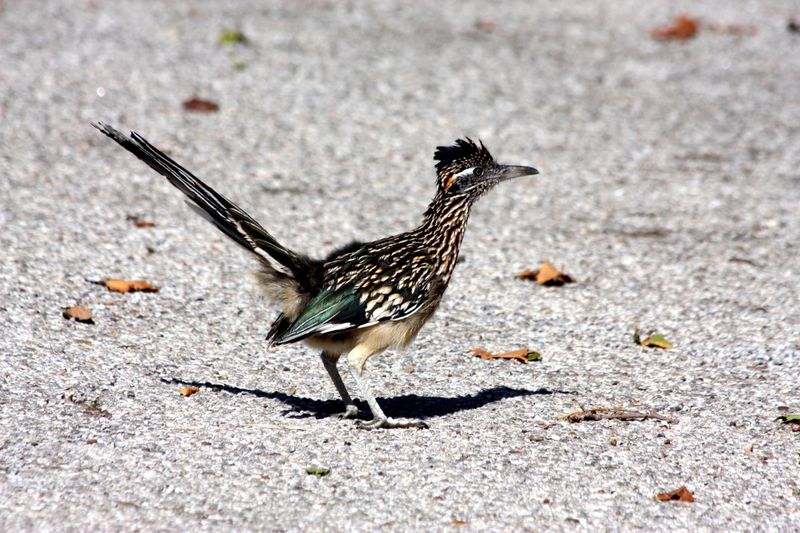
Spot a roadrunner sprinting across your Hill Country driveway and it is hard not to wonder if that bird is quietly handling your scorpion problem.
The idea is appealing, and there is a grain of truth in it, but the full story is more complicated and actually more useful.
Roadrunners do eat scorpions sometimes, but welcoming them to your yard is about creating good habitat, not hiring a feathered exterminator.
Pair the right yard changes with some practical house-sealing steps, and you will be doing more for your family than any single bird ever could.
Roadrunners Eat Scorpions—But That Is Not Pest Control
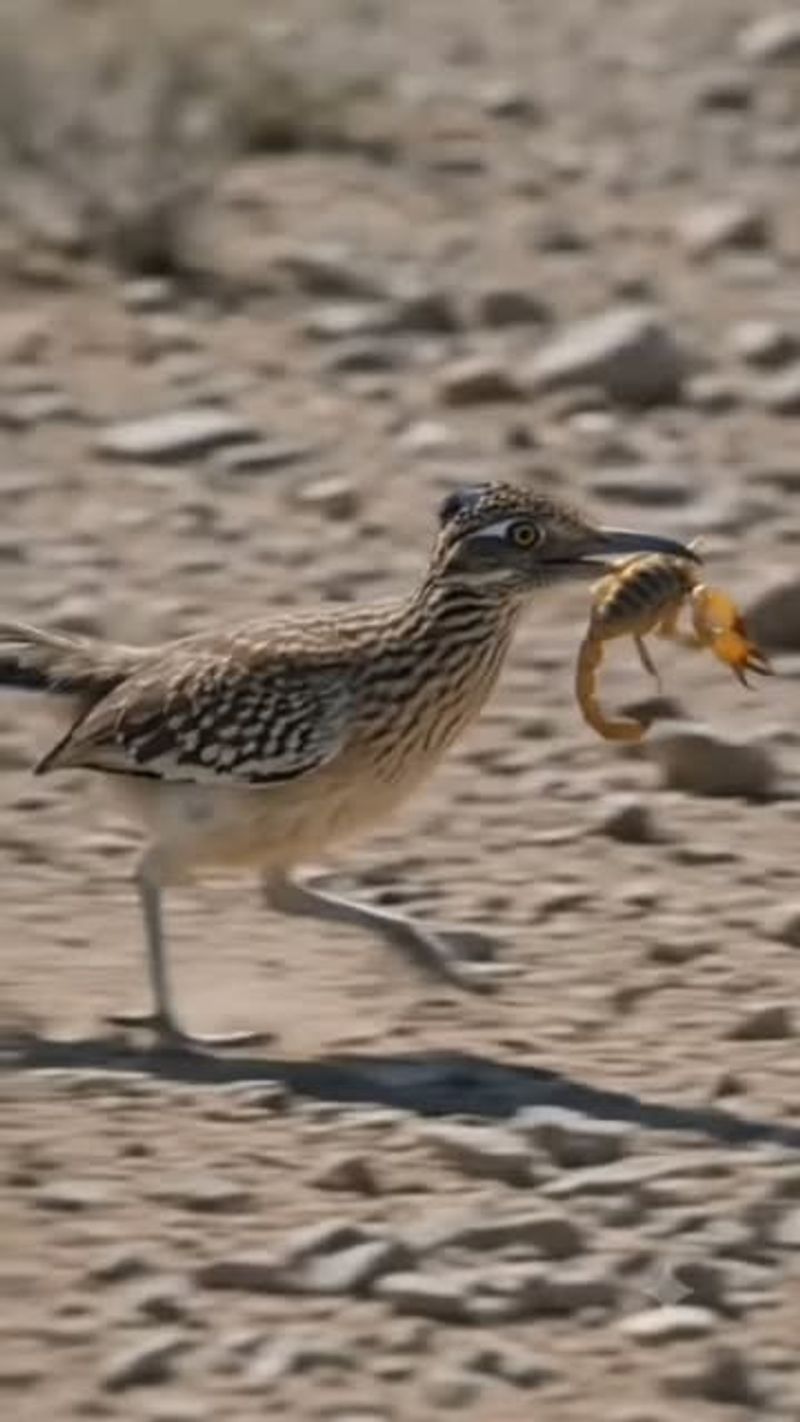
Picture a Greater Roadrunner trotting across a South Texas pasture, pausing, then snatching something off the ground before moving on.
That image is real, and a Texas Parks and Wildlife Department diet study confirms that scorpions do show up in roadrunner stomachs.
But the headline on this article overstates what the science actually says, and you deserve the honest version before you rearrange your whole yard.
That study examined stomach contents from 51 roadrunners collected in South Texas during July through September 1997.
Scorpions were present among the identified prey, but they were one category among many.
Grasshoppers appeared in 100 percent of the stomachs examined.
Scorpions were nowhere near that consistent, which tells you something important about what this bird is actually hunting.
Roadrunners are opportunistic foragers, meaning they eat whatever moves and fits in their beak on a given day.
Cornell Lab of Ornithology’s All About Birds documents a broad menu that includes insects, spiders, lizards, small snakes, rodents, small birds, fruit, and yes, scorpions.
The Audubon Society describes them similarly, as generalist hunters that take what the landscape offers.
A roadrunner visiting your yard may eat a scorpion or two.
That is genuinely worth something.
But no available evidence shows that more roadrunner visits translate into measurably fewer scorpions around your home.
Treat the bird as a welcome guest with a varied appetite, not a dependable exterminator, and you will have the right expectations going in.
One Bird Cannot Cover A Texas Yard
Here is where it gets tricky.
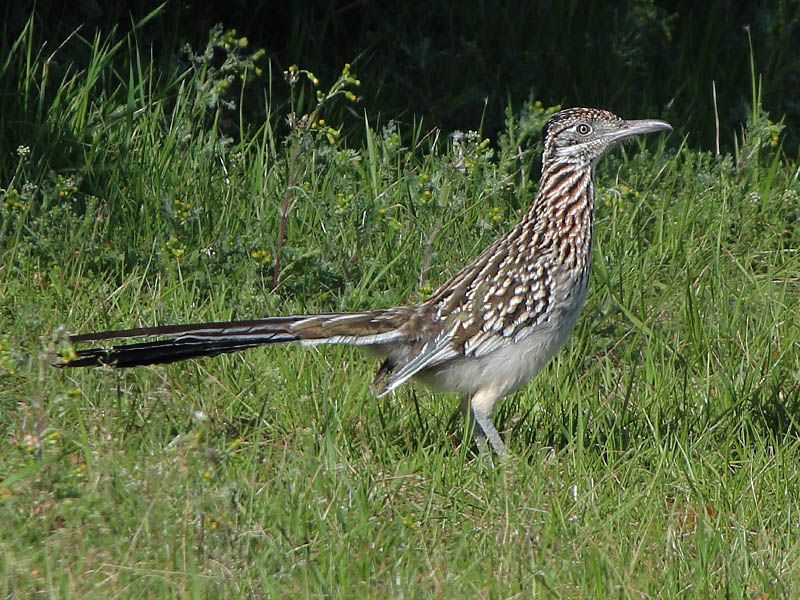
Even if a roadrunner stops by your yard regularly and snags a scorpion every visit, that bird is covering far more ground than your property line suggests.
Roadrunners are not backyard birds in the way a cardinal or chickadee is.
They roam.
A radio-telemetry study in north-central Texas tracked individual birds and found median home ranges of 80.1 hectares for females and 90.4 hectares for males.
Convert those numbers and you get roughly 198 acres for females and 223 acres for males.
A typical suburban quarter-acre lot represents less than one-tenth of one percent of that range.
Your yard might be a useful hunting patch, a water stop, or a travel corridor, and that is genuinely worth creating.
But one bird hunting across 200-plus acres will consume scorpions scattered across all of that territory, not concentrated around your back door.
Eating some scorpions in a large landscape is very different from reducing the scorpion population sheltering under your patio stones.
TPWD’s diet research describes roadrunners as opportunistic foragers, which means their hunting responds to whatever prey is most available across that whole range on any given day.
Scorpions near your foundation are a small fraction of the equation.
Habitat improvements and home exclusion address two separate problems: one makes your property more useful to a passing bird, and the other actually reduces the ways scorpions get inside.
Both matter, and they work better together than either does alone.
Check Whether Your Region Offers The Right Setting
Before you start rearranging your yard, take an honest look at where you live.
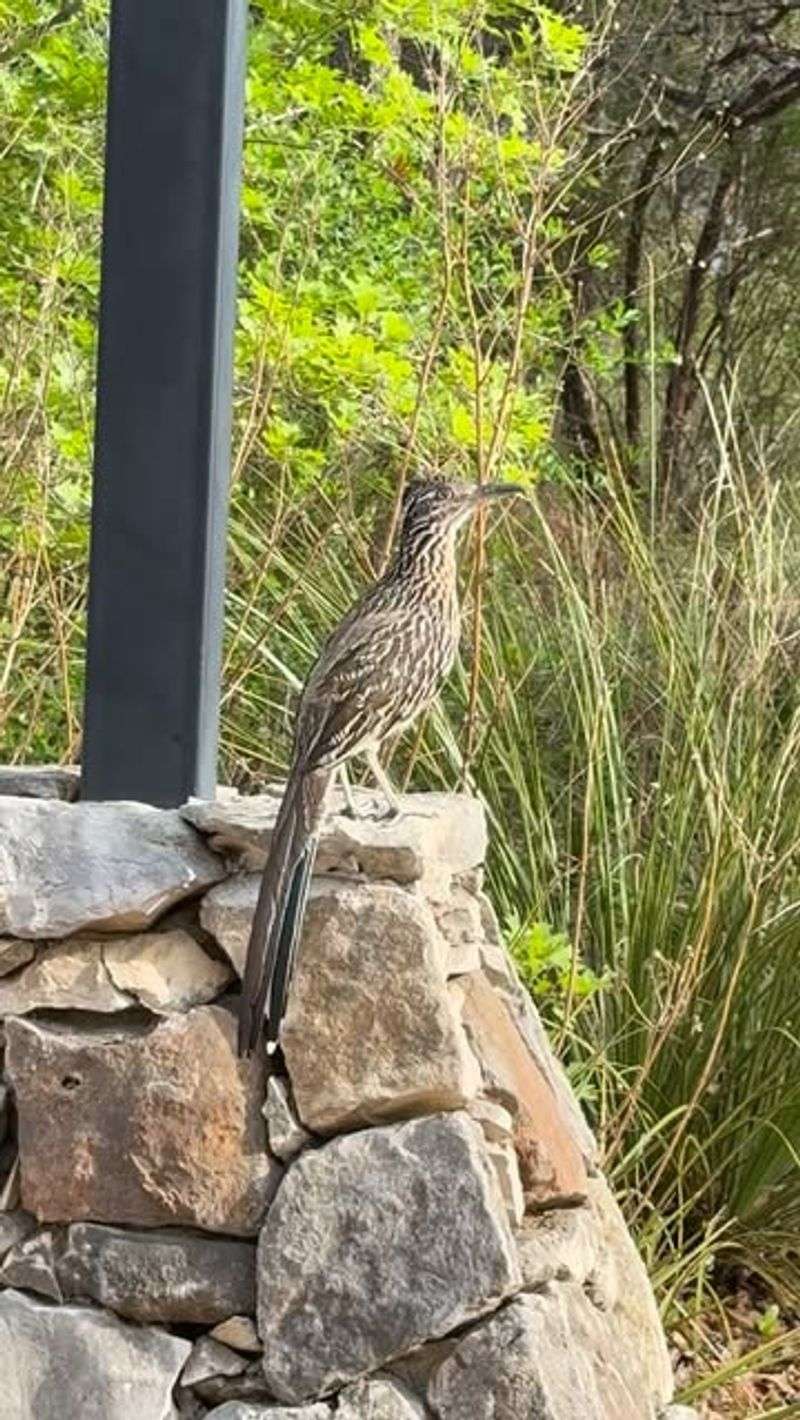
Roadrunners occur across much of Texas, but TPWD describes them as most consistently associated with the western two-thirds of the state.
West Texas, the Hill Country, brushy South Texas, and suitable parts of North and Central Texas offer the strongest prospects for a regular roadrunner sighting.
The habitat pattern is consistent across those regions: open ground for walking combined with scattered woody cover for concealment, roosting, and nesting.
The north-central Texas telemetry study found that roadrunners preferred mesquite woodland, mesquite savanna, and riparian woodland, while avoiding large open expanses dominated by grass and forbs alone.
A dense, closed-canopy forest did not fit the pattern either.
East Texas is not off the table, but a shaded yard surrounded by tall timber is less likely to draw a roadrunner than a property with some open ground and native brush.
Heavily manicured suburban lots, whether in the Dallas suburbs or anywhere else the lawn runs edge to edge without a shrub in sight, are similarly less inviting.
The bird needs room to move and cover to duck into.
Habitat changes can make an existing route or property more useful to a bird that already passes through.
They cannot conjure a roadrunner into a region or yard type that does not suit the species.
If you regularly see roadrunners within a mile of your home, the odds improve considerably.
If you have never spotted one in your neighborhood, realistic expectations matter more than any habitat tip.
Create Scattered Cover And Open Ground
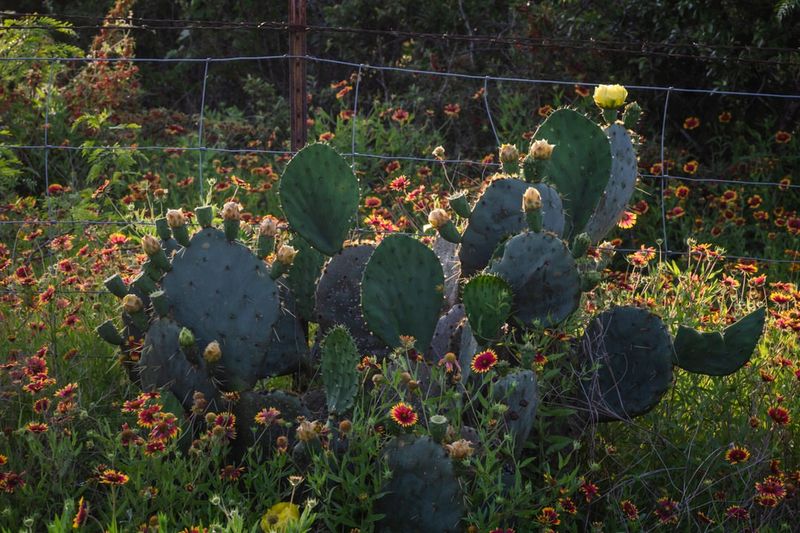
The core of any roadrunner-friendly yard is a mix of open ground and scattered native cover, not a solid hedge or a manicured lawn.
Think of it as creating a hunting corridor: a place where a bird can walk freely, scan for movement, and duck into cover when needed.
That combination is what TPWD identifies as the structural backbone of roadrunner habitat across Texas.
On the cover side, preserve or add regionally appropriate native shrubs and small trees.
In the Hill Country and West Texas, mesquite (Prosopis glandulosa) and prickly pear (Opuntia engelmannii) are documented habitat components.
In South Texas, huisache (Vachellia farnesiana), Texas ebony (Ebenopsis ebano), and retama (Parkinsonia aculeata) fill a similar role.
These are not guaranteed attractants, they are the kinds of plants that create the structure roadrunners actually use for shelter, nesting, and hunting cover.
On the open-ground side, leave patches of bare or lightly covered soil, especially near the base of shrubs.
A bird cannot hunt effectively on thick turf or dense groundcover.
Some gravel, exposed caliche, or bare soil between plantings gives a roadrunner room to work.
TPWD’s Bird City Texas habitat guidance reinforces this layered approach, favoring native plantings that support prey diversity over ornamental monocultures.
TPWD’s Wildscapes tips recommend thinking at the yard scale rather than trying to recreate a full territory.
Make one corner or one border genuinely useful to a passing bird.
A small lot cannot replace 200 acres of mesquite savanna, but it can serve as a reliable stop along the way.
Add Clean Water And Protect The Food Web
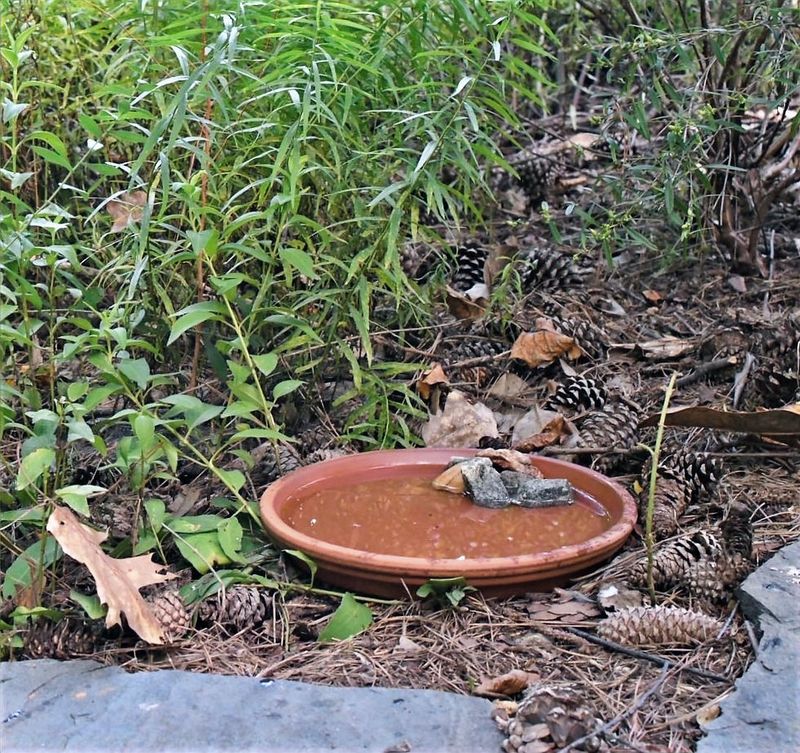
Water is one of the most reliable ways to make any Texas yard more useful to wildlife, and roadrunners are no exception.
A shallow, clean water feature that mimics a natural pool or seep is more inviting than a deep ornamental fountain.
TPWD’s Bird City Texas resources recommend shallow sources with regular cleaning to prevent algae buildup and mosquito breeding.
Change the water every two to three days during warm months.
Native plants pull double duty.
They support the insects, spiders, and lizards that roadrunners and other birds actually hunt.
TPWD’s Wildscapes program consistently points to native vegetation as the foundation of a functioning backyard food web.
Texas sage (Leucophyllum frutescens), Turk’s cap (Malvaviscus arboreus var. drummondii), and flame acanthus (Anisacanthus quadrifidus var. wrightii) are solid regional choices that support insects without requiring heavy maintenance.
Fair warning: a wildlife-friendly yard may actually make some arthropods more visible before any predator effects show up.
More native plants can mean more insects, more spiders, and more lizards.
That is the food web working correctly, not a sign something went wrong.
Pair habitat improvements with home exclusion steps rather than expecting one to substitute for the other.
Cats are a real threat to this plan.
TPWD identifies outdoor cats as a significant hazard to native birds and wildlife.
Keep cats indoors or under supervised outdoor time.
Pesticide use deserves the same honest look: TPWD’s landbird assistance guidance frames reduced pesticide use as a way to protect birds and beneficial insects, not as a way to remove scorpions.
Fewer unnecessary chemicals mean more prey for visiting wildlife and a healthier yard overall.
Skip Outdoor Bait And Broad Spraying
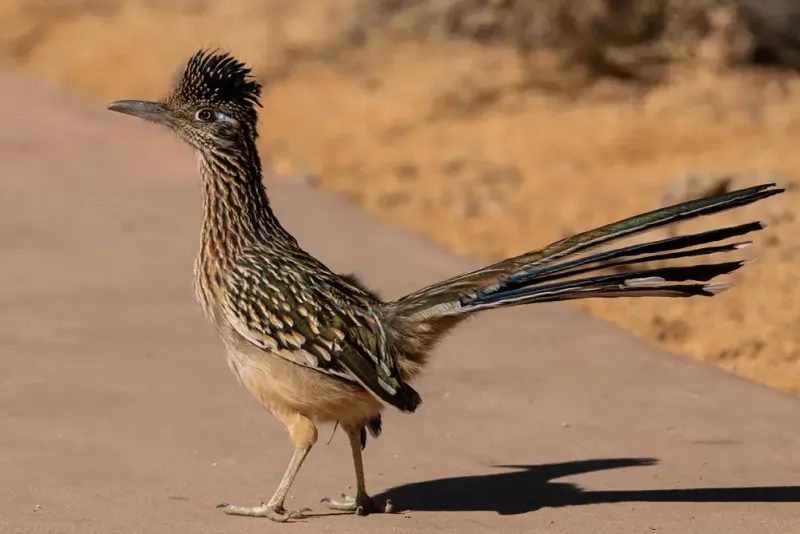
Somewhere on the internet, someone has suggested leaving raw meat or live scorpions outside to lure roadrunners.
Skip that entirely.
No credible source supports outdoor baiting as a safe or reliable way to attract roadrunners, and the practical risks are real.
Meat scraps and pet food left outside attract rats, raccoons, opossums, feral cats, and unwanted birds, none of which you are trying to invite.
TPWD advises against feeding wildlife such as raccoons, deer, and opossums because supplemental feeding creates dependency and sanitation problems that outlast any benefit.
Bird feeders deserve a separate caution.
Roadrunners are not seed eaters, so a feeder will not draw them directly.
What feeders do attract is small birds, and All About Birds documents roadrunners preying on small birds as part of their opportunistic diet.
A feeder-heavy yard could become a hunting ground rather than a sanctuary.
Use feeders thoughtfully and place them away from dense cover where a predator could stage an ambush.
Broad pesticide spraying works against this entire plan.
EPA guidance on reducing pesticide impacts to wildlife recommends treating only specific problem areas, following label directions carefully, and minimizing exposure to birds, beneficial insects, and other wildlife.
Blanket insecticide use removes the prey that roadrunners and other insect-eating birds depend on.
EPA’s ecological risk framework reinforces that pesticide decisions should weigh effects across the food web, not just the target pest.
Replace broad spraying with targeted treatment only when a specific problem warrants it, and lean on habitat features and physical exclusion for everything else.
Use Exclusion For Scorpions Near The House
A roadrunner hunting your yard is a genuine pleasure to watch, and it may eat a scorpion or two along the way.
But the most dependable thing between your family and a scorpion sting is your house itself, sealed and maintained.
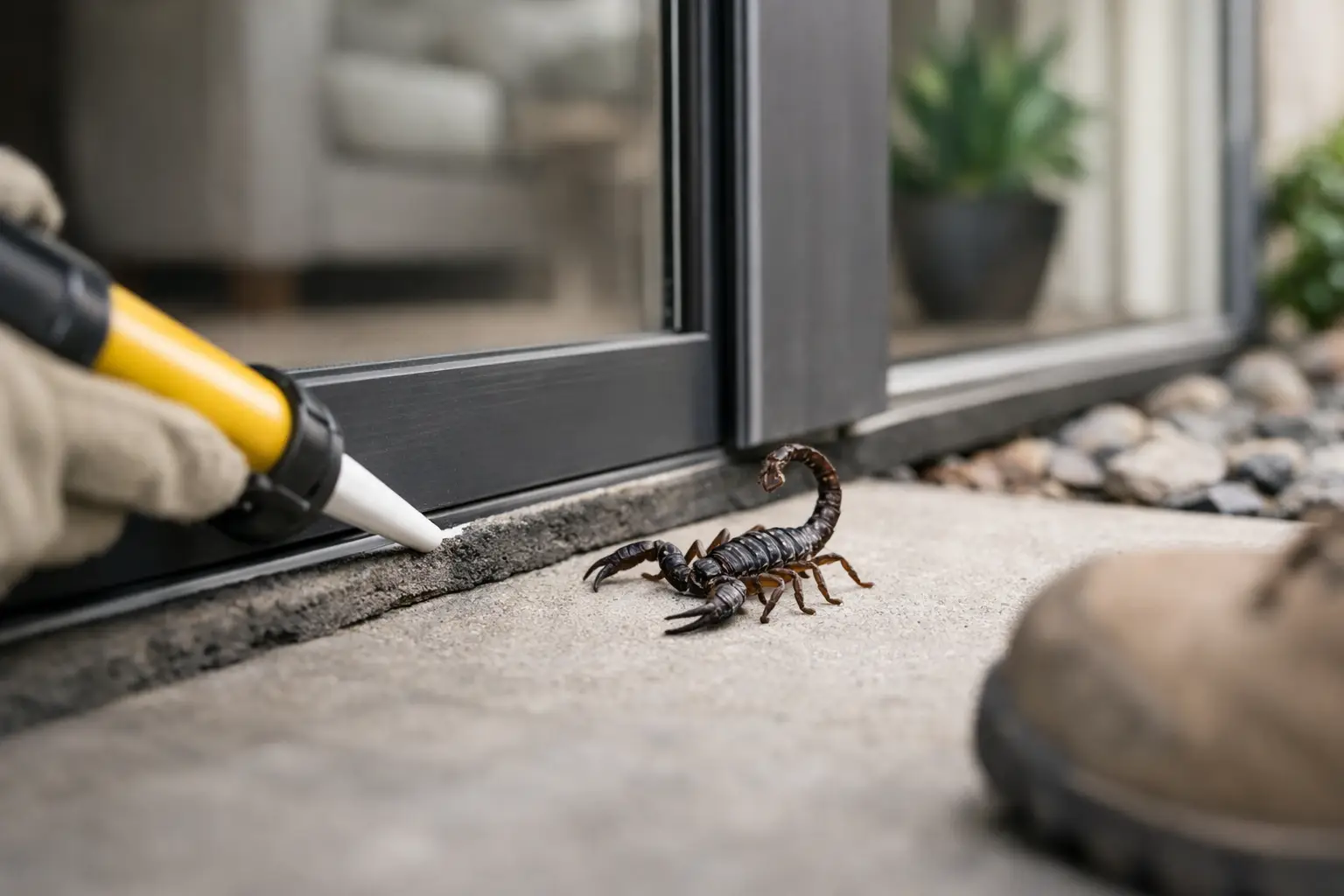
Physical exclusion can reduce the ways scorpions enter or shelter near the home, and that is more reliable than waiting for a bird to patrol the perimeter.
Extension scorpion research and integrated pest management guidance both point to the same core steps: inspect and seal exterior cracks and crevices, repair or replace worn door sweeps and damaged screens, remove debris piles and wood stacks beside the structure, and correct leaks or standing water that create harborage near the foundation.
Scorpions can squeeze through gaps as narrow as a credit card, so the inspection needs to be thorough.
University of Arizona Extension’s scorpion guidance and their supplemental pest management publication both emphasize that no exclusion effort guarantees complete prevention, but systematic sealing makes a measurable difference.
If you are seeing scorpions repeatedly inside the house, that pattern signals a structural gap worth finding.
For Texas-specific identification and control guidance, Texas A&M AgriLife Extension’s scorpion resource is the right starting point for understanding which species you are dealing with and what control measures apply.
For any sting that causes a serious reaction, contact Poison Control or seek medical care promptly, that is not a pest management question.
Welcome the roadrunner for what it actually is: a fascinating, wide-ranging Texas bird that might snag a scorpion on its way through.
Protect the house through exclusion, and let the habitat work as habitat rather than pest control.