
Why Backyard Bees Matter More To Your Tomatoes Than Most Gardeners Realize
Follow us on Google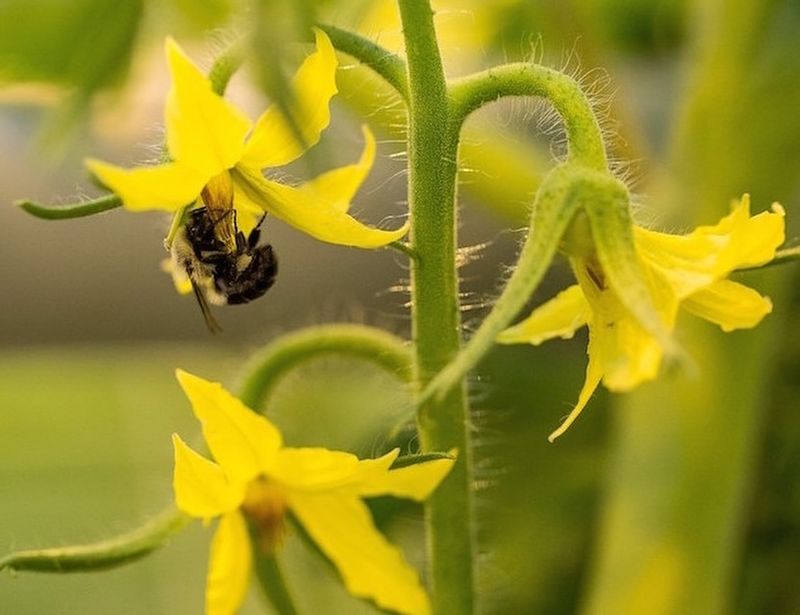
Pull a ripe tomato off the vine on a warm August evening and it feels like the garden did exactly what it promised. Most gardeners never stop to wonder how that fruit actually formed, or why some summers the plants bloom heavily but set only a handful of fruit.
Bees can play a real role in how reliably your tomatoes produce, though the story is more nuanced than a simple “no bees, no tomatoes.” Understanding what actually drives fruit set, and what can get in the way, puts you in a much better position to grow a garden that delivers.
Outdoor Tomatoes Usually Set Fruit Alone
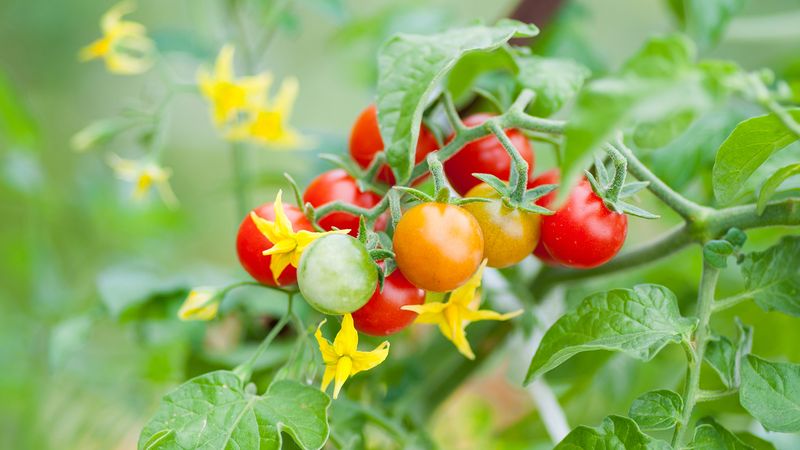
Tomato flowers are built to handle pollination on their own. Each flower carries both the pollen-producing anthers and the pollen-receiving stigma inside a single cone-shaped structure, so the same flower can fertilize itself without any outside help.
Outdoors, a passing breeze or the gentle sway of a vine against a stake is often enough to shake pollen free and move it where it needs to go.
University of Minnesota Extension guidance on pollination requirements lists tomatoes among crops that can produce fruit without pollinators, while also noting that bumblebee activity can improve the process. That is the honest framing: bees can make fruit set more reliable, but they are not the only path to a harvest.
Where the self-pollination story gets complicated is in calm conditions. If your garden sits in a sheltered spot with little air movement, or if you grow tomatoes in a high tunnel or greenhouse, the natural agitation that outdoor plants usually receive may be reduced.
Even outdoors, a plant under stress may not respond to pollen as well as a healthy one. So while the absence of bees does not automatically explain a light harvest, the presence of active pollinators can give your plants a small but real advantage, particularly in seasons when the conditions are not cooperating.
The practical takeaway is to resist blaming one cause when fruit set falls short. Tomato biology is forgiving compared to many other crops, but that forgiveness has limits tied to temperature, water, and plant health, not just bee traffic.
Those factors deserve attention first.
Bumblebees Shake Pollen Loose
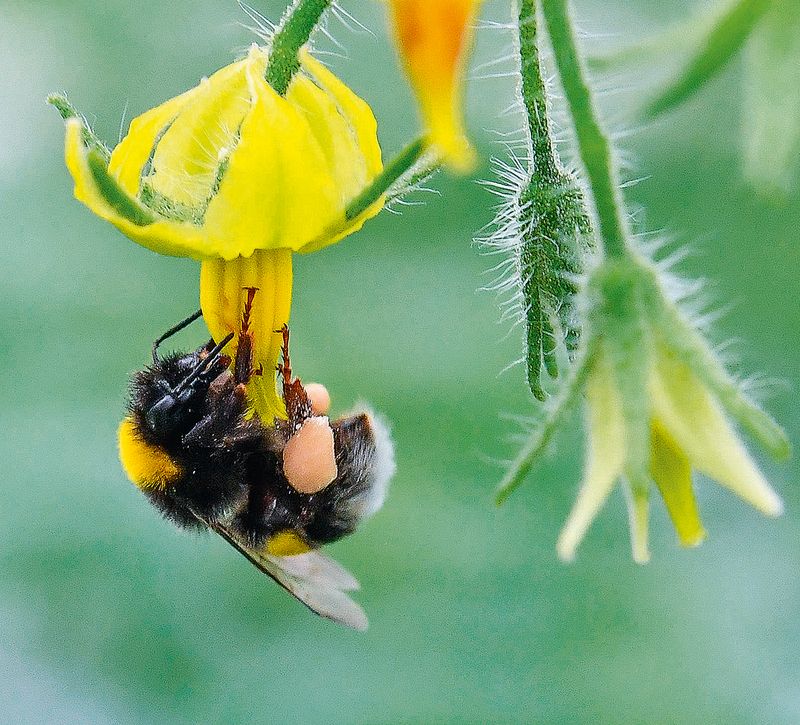
Watch a bumblebee land on a tomato flower and you will notice something a honeybee visit does not give you. The bumblebee grips the flower and vibrates its flight muscles at a frequency that physically shakes pollen from the enclosed anther cone.
Entomologists call this sonication, though most gardeners just call it buzz pollination. The result is a more complete release of pollen than wind or plant movement typically achieves.
USDA Forest Service Bee Basics explains that certain native bees, including bumblebees, use this vibration technique on flowers with pollen held tightly inside tubular anthers. Tomatoes are exactly that kind of flower.
Honey bees, by contrast, generally do not perform buzz pollination on tomato blossoms, which is why the two types of bees are not interchangeable when you are thinking about your vegetable garden.
Better pollen transfer can translate into more seeds per fruit, heavier fruit overall, improved shape, and more consistent fruit set across the plant. Research published in the Journal of Pollination Ecology found that native bees visiting tomato flowers increased fruit production compared to plants that relied on wind alone, though results varied by site and conditions.
Native solitary bees, including some sweat bees and mining bees, can also buzz-pollinate tomato flowers, so the benefit is not limited to bumblebees alone. Supporting a range of native bee species in your yard gives your garden more chances to receive those useful visits throughout the season.
Other Garden Crops May Need Insects More
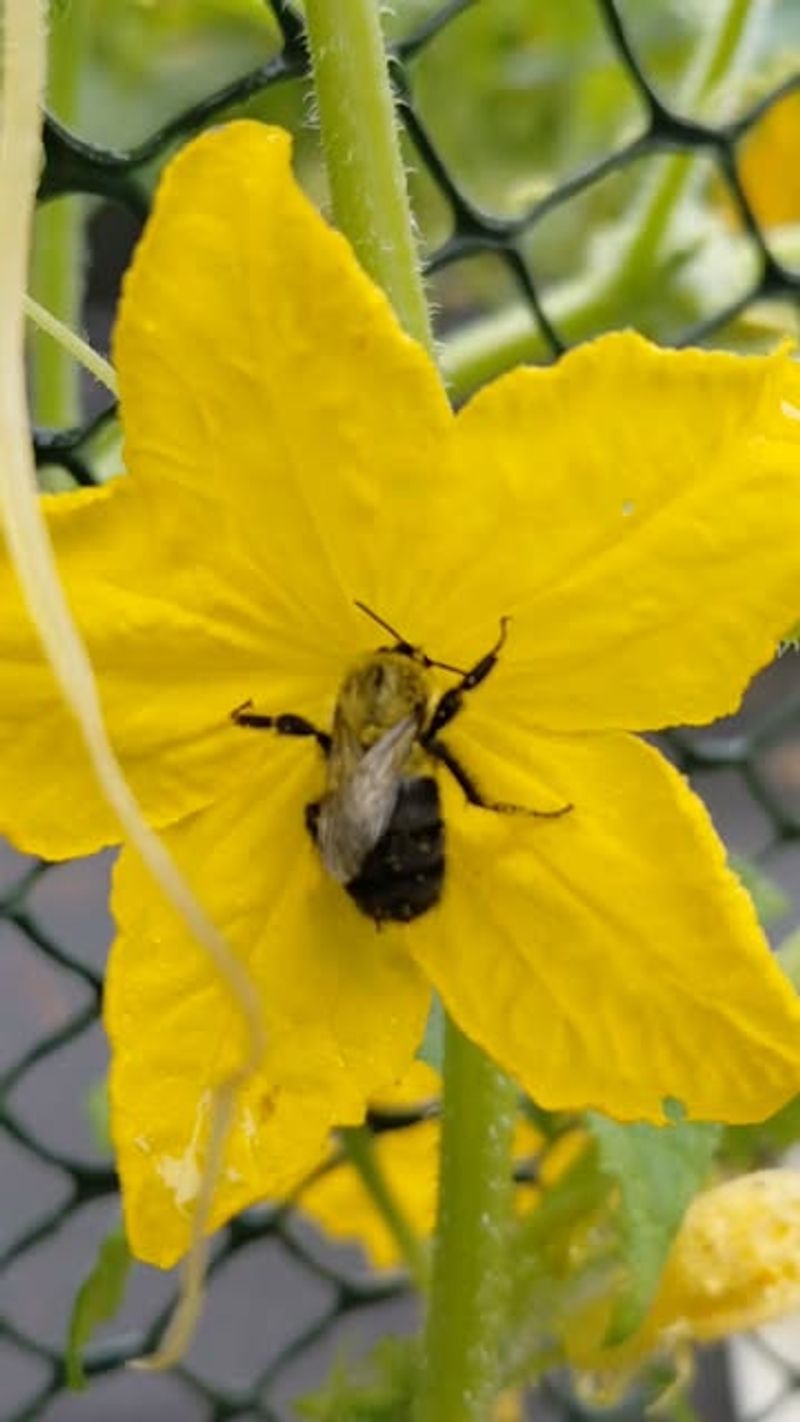
Tomatoes are actually on the more self-sufficient end of the vegetable garden spectrum. Many crops you probably grow nearby depend on insect visits much more directly, and a shortfall in pollinator activity there can mean no harvest at all rather than just a lighter one.
Cucumbers, summer squash, winter squash, and pumpkins all carry separate male and female flowers on the same plant. Pollen has to travel from one flower to the other, and that almost always requires an insect to carry it.
University of Minnesota Extension’s pollination guide for fruit and vegetable farms notes that crops like squash and cucumbers need insect visits for adequate fruit set, and that poor pollination in those plants often shows up as small, misshapen, or absent fruit. Blueberries, raspberries, apples, and pears also benefit substantially from insect activity, though specific cultivar pairings and compatibility requirements affect how much any individual planting gains.
One exception worth knowing is parthenocarpic cucumber varieties, which are bred to set fruit without pollination and are sometimes chosen for greenhouse production. For most standard garden varieties, though, bees are doing real work.
Tomatillos deserve a separate note because gardeners sometimes assume they behave like tomatoes. They do not.
Tomatillos are not self-fertile, and Utah State University Extension guidance on growing tomatillos explains that good fruit set generally requires more than one plant plus active bee visits. If you grow tomatillos and the papery husks stay empty, a single isolated plant and low bee activity are both worth checking before anything else.
Greenhouse Tomatoes Need A Pollination Plan
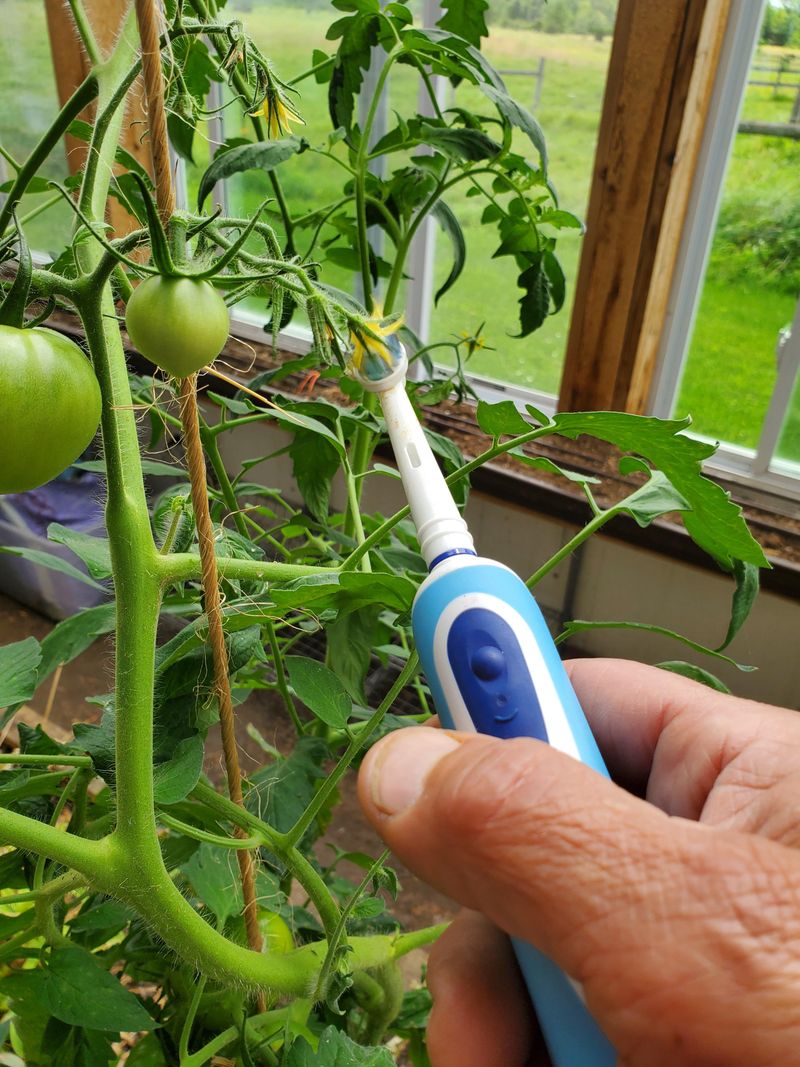
Step inside a closed greenhouse on a still afternoon and you will quickly feel what is missing compared to the open garden: air movement. Outdoor tomato plants sway, brush against stakes, and catch passing breezes dozens of times a day.
Inside a sealed structure, that constant gentle agitation disappears, and with it goes a reliable trigger for pollen release.
University of Connecticut Extension’s guide to greenhouse tomato pollination explains the problem clearly and offers a practical manual method. When the first flower cluster opens, gently vibrate the stem supporting that cluster for a few seconds.
Do not touch the flower itself, just the stem or the flower truss just behind the bloom. Repeat the process every other day as new flower clusters open throughout the season.
Commercial greenhouse growers often use electric vibrating wands or introduce managed bumblebee colonies for this purpose, but for a small home greenhouse, the manual stem-vibration method is effective and costs nothing. The key is consistency: skipping several days when multiple clusters are open can reduce fruit set on those trusses.
High tunnels sit between a greenhouse and the open garden. Tunnels with open ends and good cross-ventilation often receive enough natural air movement that manual pollination is not needed.
In poorly ventilated or nearly enclosed tunnel structures, the same stem-vibration approach may be useful when you notice clusters blooming without setting fruit. Ventilation is the first thing to assess before adding a pollination step to your routine.
Heat Can Look Like A Bee Problem
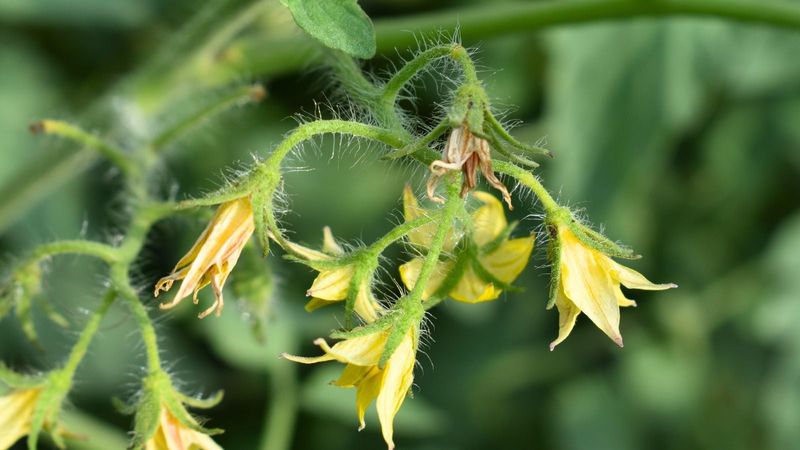
Flowers dropping off your tomato plants without forming fruit is one of the more discouraging sights in the summer garden. The instinct is to look around for bees and, finding none, to conclude that pollination failed.
Often, though, the problem is temperature, not insects.
Penn State Extension’s tomato production guide notes that tomato growth, pollination, and fruit development slow noticeably below 55 degrees Fahrenheit or above 90 degrees Fahrenheit. A separate Penn State resource on heat stress and tomatoes identifies nighttime temperatures below 55 degrees or above 75 degrees as conditions associated with blossom drop.
Sustained daytime heat above 85 degrees paired with warm nights above 70 degrees can reduce fruit set even on a well-watered, otherwise healthy plant. These are diagnostic ranges, not absolute cutoffs for every cultivar, but they give you a useful place to start when things go wrong.
Beyond heat, uneven watering causes its own version of the same problem. A plant that dries out between waterings and then receives a large dose of water is under stress even if it looks green.
Nutrient imbalances, particularly too much nitrogen pushing leafy growth at the expense of flowering, can also reduce fruit set. Disease and pest pressure add to the load.
Run through that checklist before you decide bees are the missing piece. Check nighttime lows and daytime highs for the past week, feel the soil moisture a few inches down, and look at the plant’s overall condition.
A stressed plant will drop flowers regardless of how many bumblebees are working the garden.
Build Habitat That Lasts Through The Season
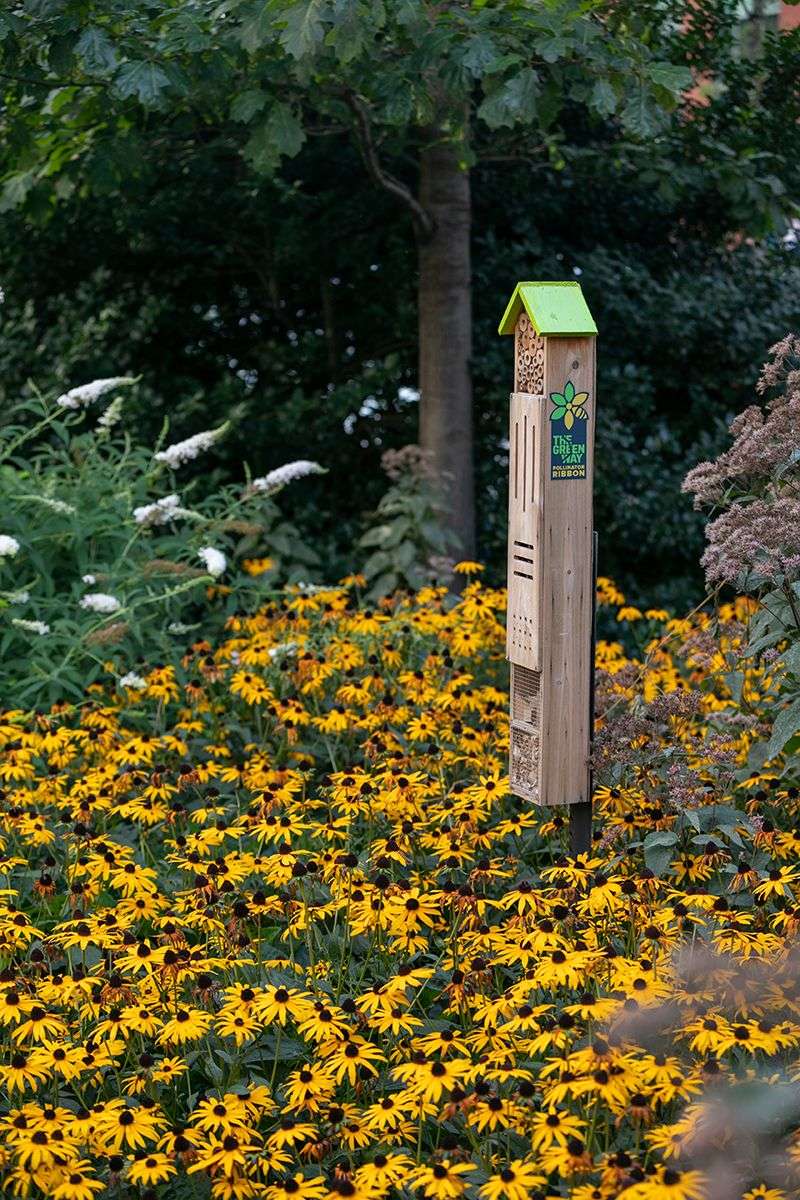
A single burst of flowers in May does not keep bees fed through a full gardening season. What actually supports a diverse community of native bees is a steady succession of blooms from early spring, when the first mining bees emerge, through late fall, when the last bumblebee queens are building fat reserves before winter.
Varied flower shapes matter too, because different bee species have different tongue lengths and foraging preferences.
Penn State Extension’s pollinator habitat and landscaping guide recommends mixing plant heights and bloom times rather than relying on a single ornamental species that flowers for two weeks and then disappears. The goal is a garden that functions like a reliable food source across the whole season, not a brief spectacle.
Choosing the right plants means checking what is native to your specific region. A plant that supports pollinators in Pennsylvania may not be native to, or even appropriate for, Arizona, Georgia, or the Pacific Northwest.
Your state’s Cooperative Extension service and native plant society databases are the most reliable guides for local selections. University of Minnesota Extension’s habitat guide for pollinators and Utah State University Extension’s pollinator plant resource are good starting points for their respective regions.
Nesting needs are as important as food. Leave a patch of bare or sparsely vegetated soil in a sunny spot for ground-nesting bees, and resist the urge to cut every stem to the ground in fall.
Hollow stems and leaf litter provide overwintering sites for solitary bees and beneficial insects. Habitat like this supports multiple species and benefits your cucumbers, squash, and berries alongside your tomatoes, though it cannot guarantee a larger harvest on its own.
Protect Wild Bees Without Buying A Hive
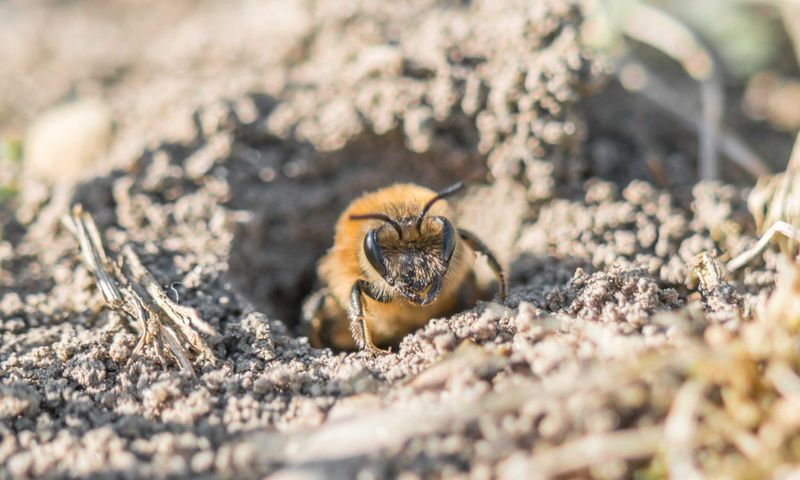
When gardeners decide they want more bees in the yard, the first ideas that come to mind are often installing a honey bee hive or hanging a wooden bee hotel. Both impulses are understandable, but neither is the most effective step for supporting the native bees that actually buzz-pollinate your tomatoes and squash.
Honey bees are managed livestock in the United States, not a native species. The USDA National Agricultural Library’s beekeeping resources make clear that honey bees were introduced to North America and require active management to stay healthy.
Installing a hive is a commitment that goes well beyond garden support, and a poorly managed hive can stress local wild bee populations rather than help them.
Bee hotels present a different kind of caution. University of Minnesota Extension’s guidance on pollinator nests notes that artificial nest structures can harbor more parasites and non-native bees than natural nesting areas do, particularly when the tubes are not cleaned and replaced regularly.
Natural habitat, bare soil in sunny spots, intact hollow stems, and undisturbed leaf litter, is the safer general starting point for most yards.
Pesticide decisions deserve the same careful thinking. Start by asking whether treatment is actually necessary for the pest you are seeing.
If it is, choose the least disruptive option labeled for that pest and crop, and avoid applying anything to plants that are actively blooming. EPA pollinator protection guidance identifies bloom restrictions, application timing, reduced rates, and drift buffers as measures that lower pollinator exposure.
Spraying in the evening can reduce contact for some products, but it does not cancel residual toxicity or systemic movement into nectar and pollen. The product label controls, and reading it fully before you spray is not optional.
Choose Practical Bee Support Close To Home
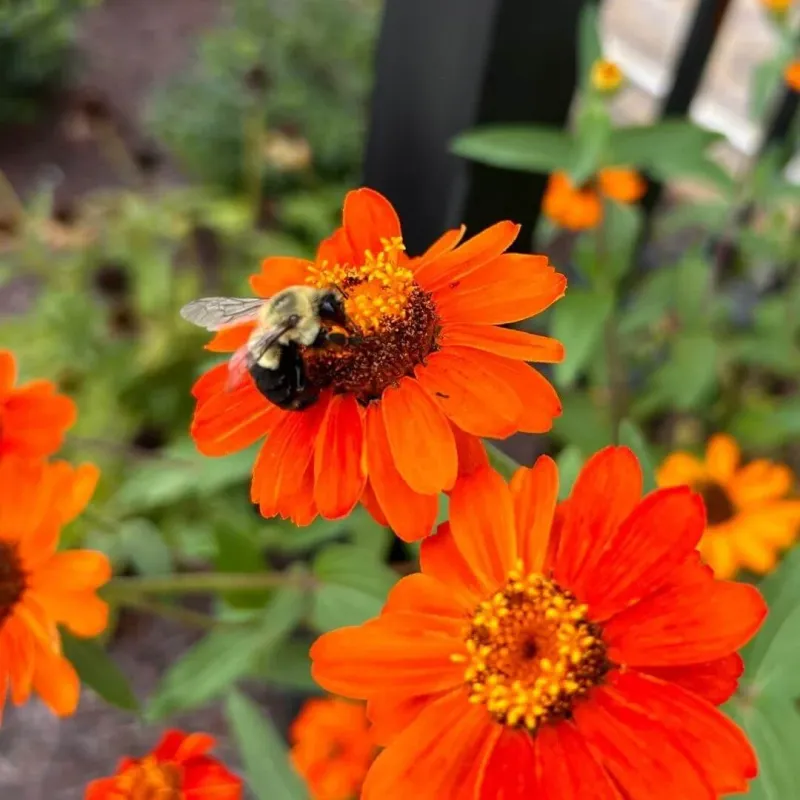
Pollinator decline is a real concern, but it is not one uniform story that applies equally to every bee species across the entire country. USDA ARS research on native bee populations notes that monitoring is much stronger for managed honey bees than for most wild species, and that evidence for broad native-pollinator decline across all groups remains limited, even as elevated extinction risk has been found in many assessed species.
Specific findings from specific places tell a more concrete story. A 2023 USDA Forest Service study of three relatively undisturbed southeastern forest sites recorded declines in bee richness and abundance over 15 years.
Separately, a USGS-linked study estimated a 57 percent decline in predicted western bumblebee occupancy between 1998 and 2020 across parts of the western United States. Those findings support conservation action in those regions and species, but they do not translate into a single nationwide percentage for all bees.
What that means practically is that your local conditions matter more than any national headline. Connect with your state’s Cooperative Extension service to understand which bee species are present and under pressure in your area.
Then put your energy into the steps that hold up across most regions: regionally suited flowering plants that bloom from spring through fall, some undisturbed nesting soil and stems, careful pest decisions that protect blooming plants, and solid basic tomato care that keeps plants healthy enough to use the pollination they receive.
None of those steps promises a perfect harvest every year. Together, though, they make your garden a place where both plants and pollinators have a reasonable chance to do what they are built to do.