
Why August Is When Smart Gardeners Stop Chasing Summer And Start Their Best Fall Crops
Follow us on Google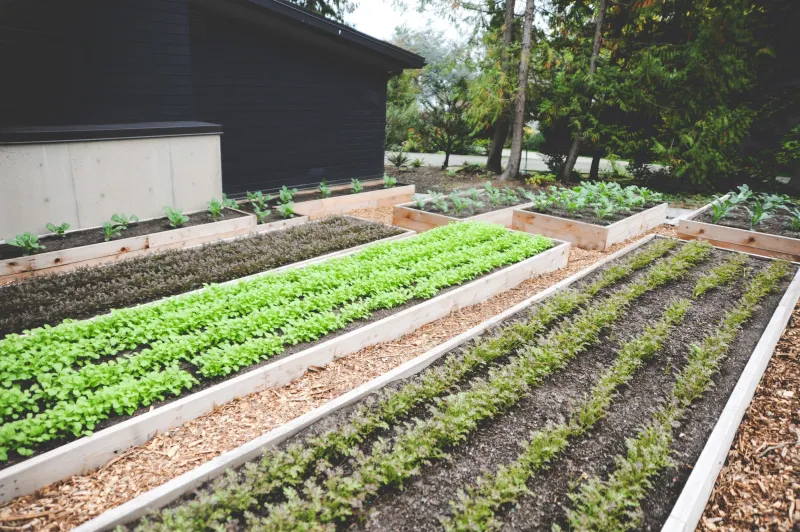
Most gardeners treat August like the last act of summer, squeezing every tomato and zucchini they can before the season fades.
But in many parts of the country, late summer is actually the starting line for a second harvest that can run well into October or even November.
The trick is knowing when your local frost typically arrives and counting backward from there, not copying a planting date off a national chart.
Get that calculation right and your garden keeps producing long after the neighbors have pulled their stakes.
August Signals a Shift, Not a Deadline
Late summer has a way of sneaking up on a garden.
The beans are winding down, the lettuce bolted weeks ago, and a few tomato cages are leaning like they gave up.
That is not failure, that is the garden telling you it is ready for its next chapter.
For many U.S. gardeners, August is a useful turning point, the moment when thinking shifts from what is ripening now to what can be established before the first fall frost arrives.
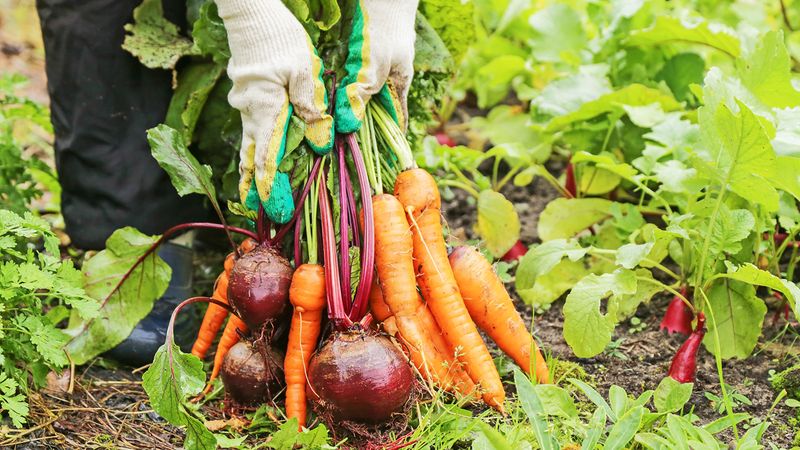
University of Minnesota Extension guidance lists crops like kale, spinach, lettuce, radishes, beets, carrots, turnips, broccoli, and cabbage as solid candidates for late-summer planting aimed at a fall harvest.
These cool-season crops actually prefer the conditions that send warm-season plants into decline.
Cool weather slows bolting, reduces bitterness in greens, and lets roots develop without the stress of peak summer heat.
Some of these crops, kale and spinach especially, can tolerate a light frost and keep right on growing.
They use the beds that summer crops are leaving behind, so the space is already there.
What this shift does not mean is that every gardener should stop planting warm-season crops the moment August arrives.
In warmer regions, a fast summer squash or a quick bean planting may still fit before frost.
UGA Extension notes that August gardening in the South still includes warm-season work alongside fall prep.
The real signal is not the calendar month.
It is the time remaining before your local frost and whether a chosen crop can finish in that window.
How Much Time Does Your Garden Have?
Before you plant a single seed, you need one number: your local average first frost date.
Not a national chart, not a neighbor’s guess, but the historical average for your specific area.
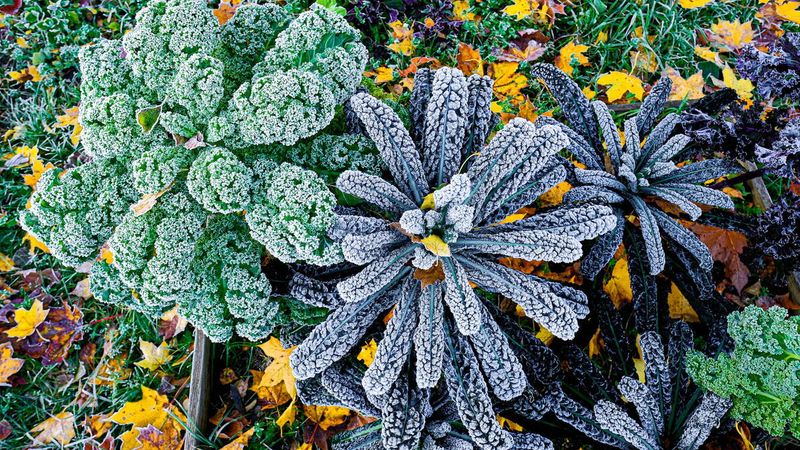
The National Weather Service publishes fall frost and freeze climatology data that distinguishes roughly 36 degrees Fahrenheit for frost, 32 degrees for a light freeze, and 28 degrees for a hard freeze.
Your state Extension office or regional climate center can point you to local records that go even deeper.
Once you have that date, the math is straightforward.
Take the crop’s days to maturity from the seed packet, subtract that number from your expected first frost date, and you have a rough last planting date.
Then add about 7 to 14 extra days on top of that buffer, because fall growth slows as daylight shortens and temperatures drop.
Plants that took 45 days to mature in June can take noticeably longer when started in August.
There is one more wrinkle.
Penn State Extension explains that seed-packet maturity numbers may start counting from the day of transplanting rather than the day of direct seeding.
If you are starting broccoli or cabbage from seed indoors, the clock starts later than you might think.
Choosing the shortest-season variety that meets your harvest goal gives you the most margin, and that margin matters a lot when August is already half over.
The calculation matters more than any national August rule.
A gardener in central Illinois with a mid-October frost has more room than a gardener at high elevation in Colorado who may see frost in early September.
Do the math for your yard, not your region in general.
Fast Crops Buy You Margin
Not every fall crop is created equal when time is tight.
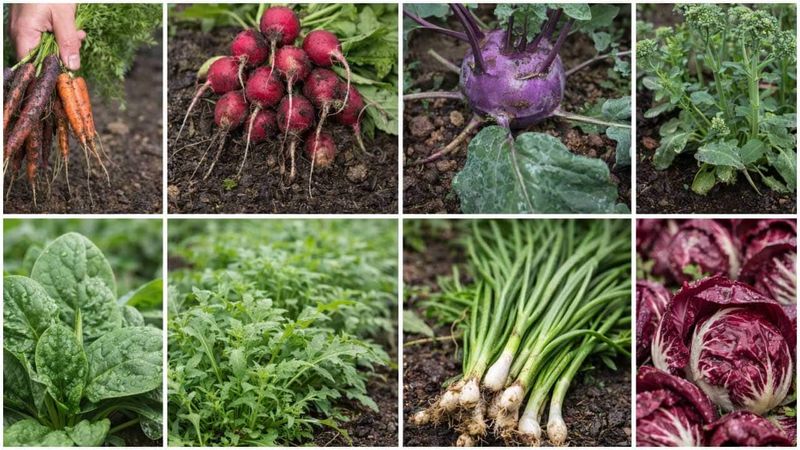
Radishes are the sprinters of the vegetable world, maturing in roughly 20 to 60 days depending on variety.
Spinach often produces young, harvestable leaves in about 35 to 45 days.
Leaf lettuce runs approximately 40 to 60 days, mustard greens around 30 to 40 days, and turnips and beets both land near 50 to 60 days.
Kale and kohlrabi are also solid choices at roughly 40 to 65 days and 50 to 60 days respectively.
These are estimates, not guarantees.
Cultivar, soil fertility, moisture, and falling temperatures all affect how quickly a plant actually reaches harvest.
But fast crops give you room to breathe if you are starting in late August and your first frost is six to eight weeks out.
UMN Extension guidance lists these shorter-season crops as reliable midsummer-to-fall choices across many regions.
Longer-season crops like broccoli, cabbage, cauliflower, and Brussels sprouts are a different story.
Full-size broccoli can take 50 to 70 days from transplanting, and cabbage may run 50 to 90 days.
Penn State Extension points out that these crops are more dependent on regional frost timing and often need transplants rather than direct seeding to make the window work.
If you are in Georgia or a similarly long-season region, UGA Cooperative Extension recommends starting brassica transplants 5 to 6 weeks before you plan to set them out.
In most of the country, buying transplants when they appear at the garden center in late summer is the more practical route.
Think of transplants as buying yourself time you no longer have to spend on germination.
A Tired Bed Needs a Reset
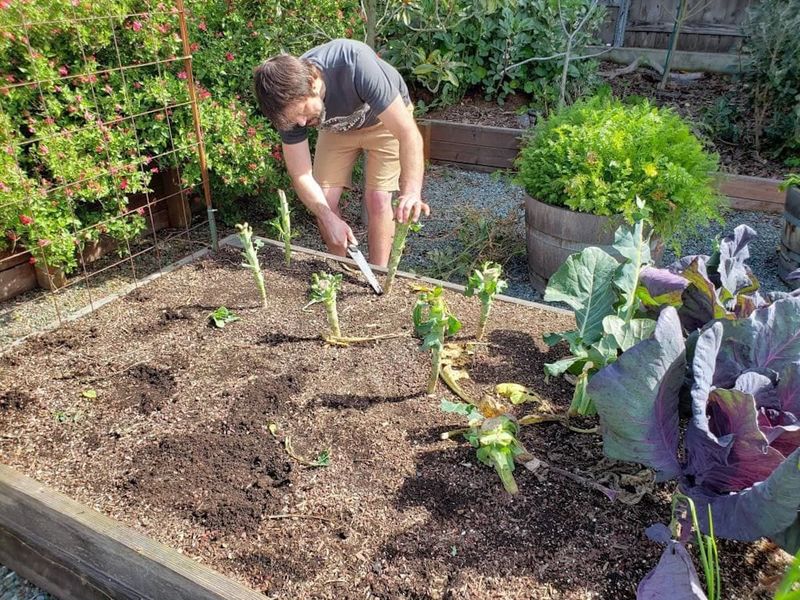
A bed that spent three months growing tomatoes or cucumbers is not automatically ready for its next crop.
The soil is compacted from foot traffic and watering, nutrients have been drawn down, and spent plant material may be harboring disease spores or pest eggs.
Sending fall seedlings into that environment without a reset is like asking someone to run a race in wet shoes.
Start by pulling out everything that has finished, roots and all when possible.
Illinois Extension recommends removing diseased plant material from the garden entirely rather than working it into the soil or the compost pile.
Plant debris left on the surface can become a source of problems for the very seedlings you are about to establish.
Once the bed is cleared, loosen the top few inches of soil with a fork or cultivator, then replenish nutrients based on what the bed actually needs.
A simple soil test, available through most state Extension offices for a modest fee, tells you whether you need nitrogen, phosphorus, potassium, or a pH adjustment.
Guessing often means over-applying one thing while leaving another short.
Crop rotation deserves a mention here too.
UMN Extension supports the general principle of rotating plant families, and Illinois Extension specifically advises avoiding the same plant family in one location more than once every three years when disease has been a problem.
If your tomatoes had blight, do not follow them with peppers or eggplant.
Follow them with brassicas or greens instead.
The prep work takes an afternoon, but it can save the entire fall harvest.
August Seeds Need a Cooler Start
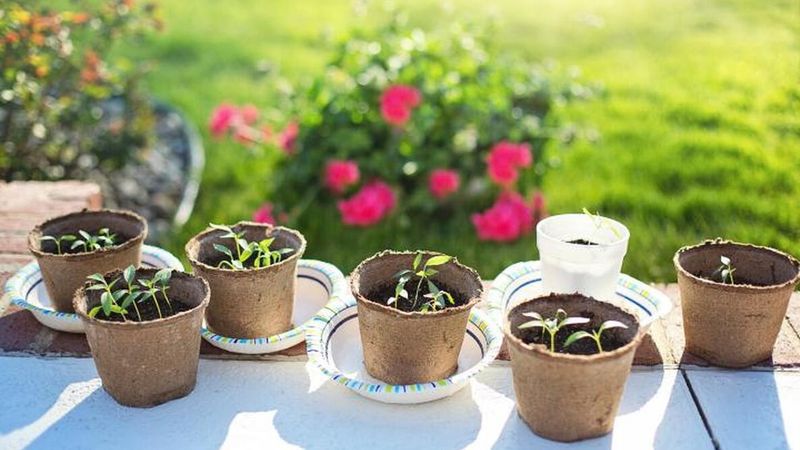
Dropping seeds into August soil feels hopeful, but that soil can be working against you.
Surface temperatures in a sunny bed can run well above the air temperature, and many cool-season seeds struggle to germinate when the ground is too hot and dry.
Spinach, for instance, germinates poorly above about 85 degrees Fahrenheit.
The seeds need moisture and a bit of relief from the heat to get started.
Illinois Extension advises keeping the top one-quarter to one-half inch of soil consistently moist during germination, which means checking newly seeded beds at least once a day in hot weather.
A temporary layer of row cover or shade cloth laid loosely over the bed can reduce surface temperature and slow moisture loss without smothering the seeds.
Even planting in a spot that gets afternoon shade from a fence or taller plants can make a real difference.
Once seeds sprout and seedlings are a couple of inches tall, the watering strategy changes.
Young seedlings need frequent, light irrigation to stay established, but mature plants do better with slower, deeper watering that reaches the root zone without wetting the foliage unnecessarily.
UMN Extension guidance on vegetable garden watering supports soaker hoses and drip irrigation as effective ways to deliver water at the root level, reduce evaporation, and keep leaves dry, which lowers the risk of fungal problems.
In the South, UGA Extension specifically flags the challenge of balancing early planting against hot, dry late-summer conditions.
Shade and moisture management are not optional extras there.
They are part of the basic plan for getting a fall crop off the ground.
Cool Weather Helps, but Frost Still Sets Terms
One of the genuine pleasures of a fall garden is watching greens perk up as the heat breaks.
Kale that looked ragged in July starts looking lush by September.
Spinach fills out.
Lettuce stays crisp instead of turning bitter overnight.
Cool weather is genuinely good for these crops, and some of them, including kale, spinach, carrots, and beets, may taste a little sweeter after exposure to cool temperatures.
That flavor shift is real for certain crops and conditions, though it is not universal across every root vegetable or variety.
What cool weather does not do is make every plant frost-proof.
UMN Extension notes that bush beans can be killed by a light freeze around 30 to 32 degrees Fahrenheit, while kale may survive temperatures near 20 degrees.
Tender crops like tomatoes, basil, cucumbers, and summer squash remain vulnerable to any frost.
Frost tolerance is crop-specific and sometimes depends on the plant’s stage of growth, so a young seedling may suffer at temperatures a mature plant would shrug off.
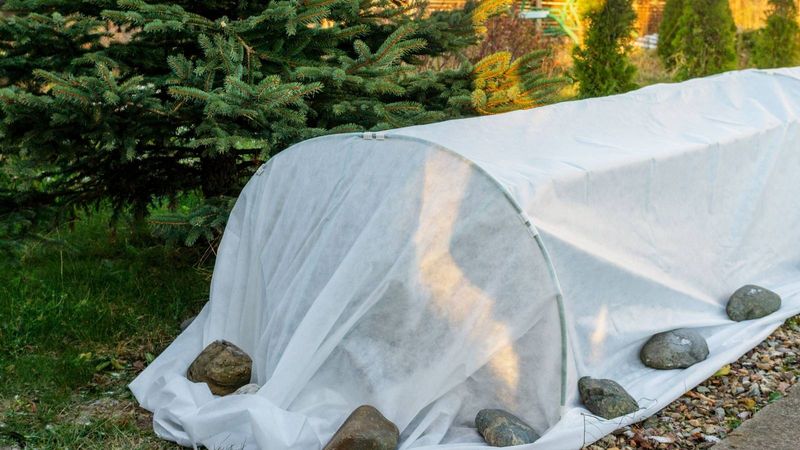
Floating row cover can buy you a few extra nights when an early frost threatens.
Penn State Extension research on frost protection suggests that row cover may provide roughly 3 to 4 degrees Fahrenheit of protection under favorable, relatively calm conditions, with adequate air space between the fabric and the plants.
Wind reduces that benefit considerably, and a prolonged hard freeze at 28 degrees or below can push past what lightweight cover can handle.
Remove or vent cover on sunny days so plants do not overheat underneath.
Cooler weather also does not mean a pest-free garden.
Illinois Extension acknowledges that pest pressure may be lower in fall, but UGA Extension warns that cabbage loopers and other insects can still do serious damage to brassicas.
Check the undersides of leaves regularly and act early if you spot feeding damage.
Your Region Changes the Starting Line
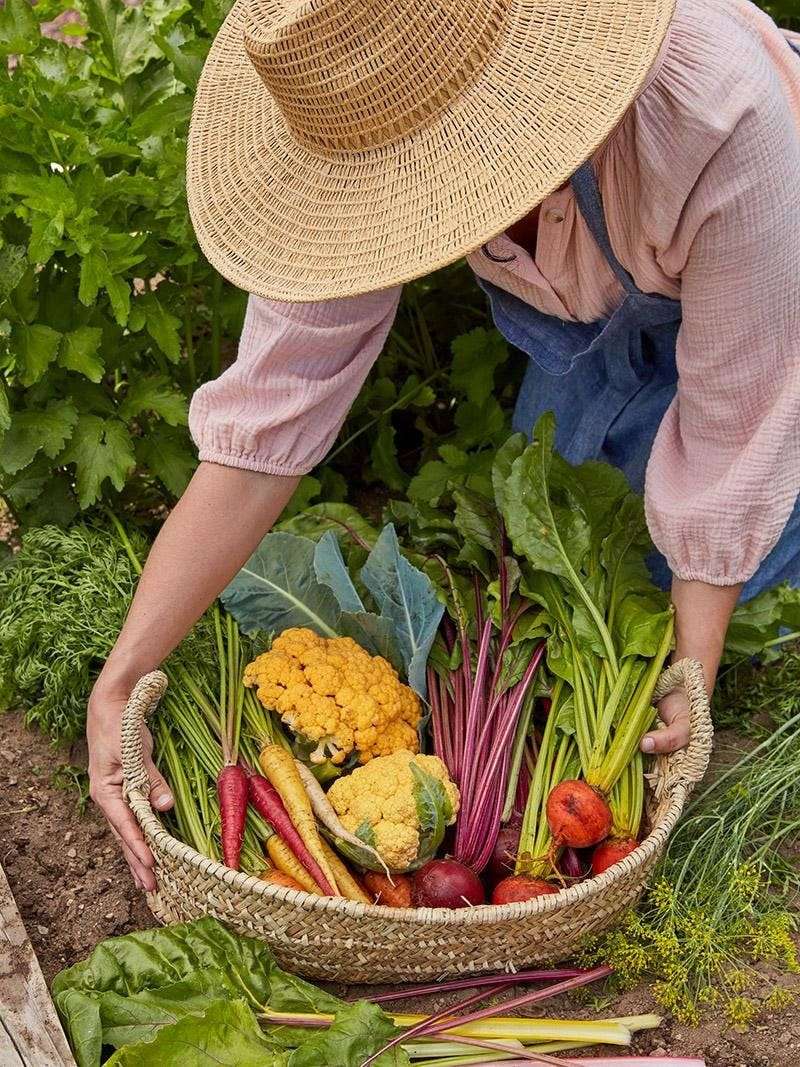
Any national article about August planting has to be honest: the calendar means something different depending on where you live.
In central Illinois, many fall crops need to go in during early to mid-August because the typical first frost arrives in early to mid-October.
Illinois Extension places most fall vegetable plantings in that early-August window for that reason.
Georgia tells a different story.
UGA Cooperative Extension places many fall crop plantings between roughly August 15 and October 1, with southern Georgia able to push later and northern or mountain areas of the state needing to start earlier.
The challenge in the South is not frost coming too soon.
It is getting cool-season crops established in hot, dry late-summer weather before conditions finally moderate.
The West is its own conversation.
Oregon State University Extension lists August sowing for spinach, chard, greens, radishes, lettuce, endive, and escarole in many Oregon climates, but Central Oregon guidance warns that high-elevation areas can see frost even during July and August.
Coastal Oregon, inland valleys, high desert, and mountain gardens each operate on a different schedule.
One tool that does not help here is the USDA Plant Hardiness Zone map.
The USDA zone system describes average annual extreme minimum winter temperatures, which is useful for choosing perennial plants but tells you nothing about when your first fall frost will arrive, how hot your August soil runs, or how long a crop will take to finish.
For fall planting, your local frost records and your state Extension calendar are the right tools.
Find them once and keep them handy every summer.
An Empty Bed Can Still Work
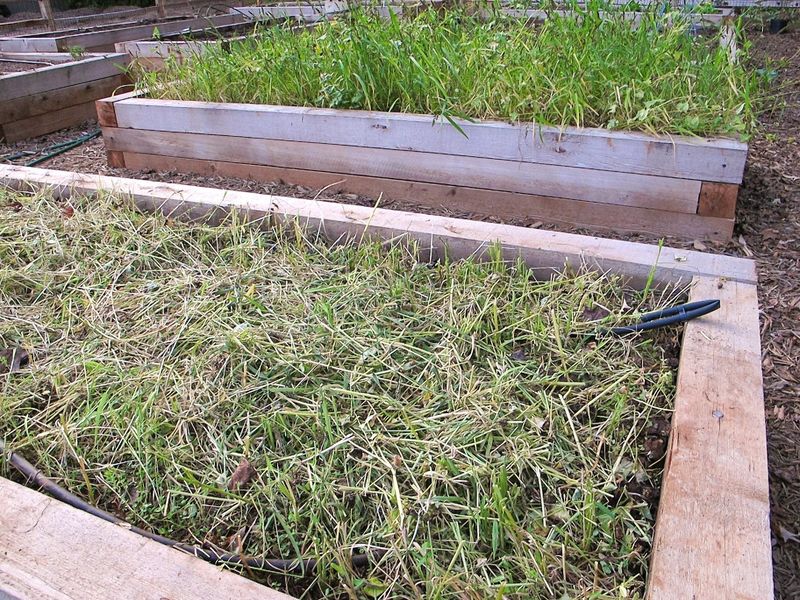
Sometimes the math just does not add up.
You pull the last of the summer beans in late August, check your frost date, and realize there are only five weeks left before a hard freeze is possible.
A slow-maturing cabbage is not going to make it.
Forcing a crop into a window too tight for it usually means a disappointing harvest or a bed full of plants the frost takes before they finish.
When the vegetable window has closed, the bed can still earn its keep.
UMN Extension recommends cover crops like oats and peas for beds that will not support another food crop before winter.
A cover crop planted in late summer protects bare soil from erosion, adds organic matter as it breaks down, and leaves the bed in better shape for spring than bare ground would.
It is not a food crop substitute, but it is a real return on an otherwise idle space.
If the window is tight but not closed, lean toward the fastest crop that fits.
Penn State Extension places crops like spinach, leaf lettuce, and turnips among the latest-safe plantings in many mid-Atlantic regions, right up to the end of August in some cases.
Radishes are even more forgiving.
A short row of radishes started in late August can be on your dinner table before October is half over.
August is best understood as a planning threshold, not a finish line.
Check your local frost timing, count backward from that date, and give every bed a job it can actually complete.
A garden that ends the season with healthy soil and a cover of green is ready to run again in spring.