
This Plant Looks Obvious Until You Notice The One Detail That Changes The ID
Follow us on Google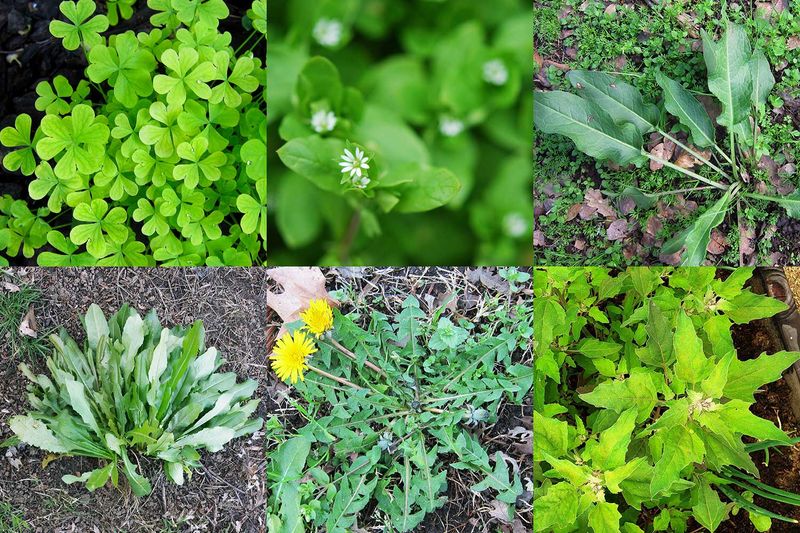
You spot a plant in your yard and feel certain you know what it is. The leaves look familiar, the size is about right, and your gut says you’ve seen it a hundred times.
But plant identification is full of moments where confidence outruns the evidence, and one missed detail can send you in the wrong direction. Getting the ID right before you eat, remove, or treat a plant is one of the most practical things a homeowner can do.
The Headline Needs A Verified Plant
Here is the honest starting point: the headline that brought you here promises a specific plant, a clear lookalike, and one decisive visual clue. The available evidence does not supply any of those three things.
No source image, no named species, no intended pair, and no geographic setting were provided, so this article cannot responsibly deliver that specific reveal without guessing.
Guessing would be a real problem, not just an editorial inconvenience. A plant misidentified from a headline alone could lead a reader to eat something unsafe, skip a necessary precaution, or ignore a plant that genuinely needs attention.
USDA guidance on plant identification makes clear that reliable identification depends on examining multiple traits, not pattern-matching from a single photograph or a general description.
The useful premise underneath the headline is completely sound. Small structural traits often do separate similar-looking plants, and many homeowners genuinely miss those traits because one quick glance at a leaf feels like enough.
Colorado State Extension notes that even experienced observers can be tripped up when plants share overall shape, color, and growth habit but differ in one quiet detail.
So the identification in the headline remains unresolved until the source image, source article, plant name, intended lookalike pair, and applicable geography are supplied and verified. What this article can do is walk you through the exact process a careful observer uses to notice the detail that changes everything, so you are ready when the comparison is in front of you.
Start With The Whole Plant
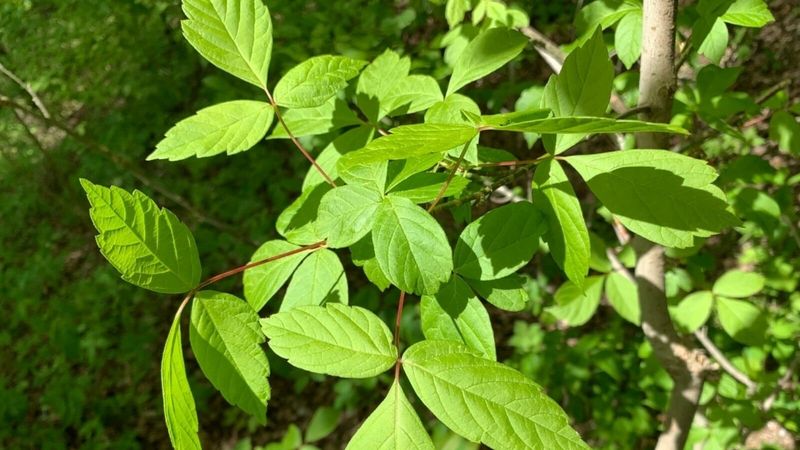
Most misidentifications start the same way: someone spots a leaf, snaps a close-up, and stops there. The leaf is real evidence, but it is only one piece, and plants have a way of looking convincingly alike at the leaf level while differing everywhere else.
Before you focus on any single feature, step back and take in the whole plant. Notice where it is growing.
A plant in a wet ditch behaves differently than the same species in a sunny, dry slope, and habitat is one of the fastest ways to narrow a list of candidates. University of Minnesota Extension recommends recording location and surrounding vegetation as part of any identification effort, because context rules out possibilities that a leaf alone cannot.
Then work through the plant systematically. Estimate mature height and note the overall growth form: upright, sprawling, vining, or shrubby.
Look at how the leaves attach to the stem. Are they opposite each other, alternating sides, or arranged in a ring around the stem?
Check the leaf edge for teeth, lobes, or smooth margins. Run a finger along the stem and note whether it is round, square, winged, or ridged.
Look for hairs, and notice whether they feel soft or stiff.
Flowers and fruit carry some of the most reliable information available, so record color, shape, and the time of year you see them. University of Maryland Extension points out that growth stage and prior treatment can change a plant’s appearance significantly, which is one more reason to gather observations across several features rather than anchoring everything to one.
Think of the whole-plant survey as building a profile: the more complete it is, the harder it is for a lookalike to fake a match.
Inspect The Detail That Narrows The Comparison
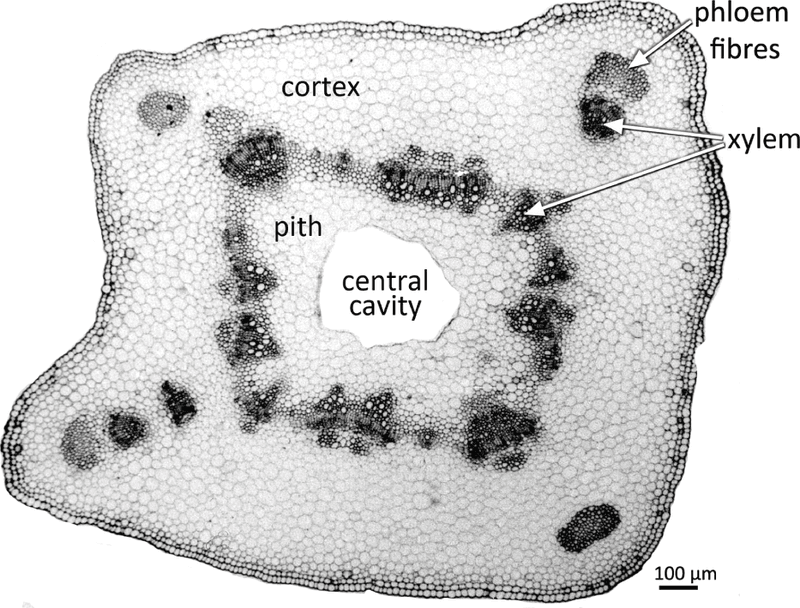
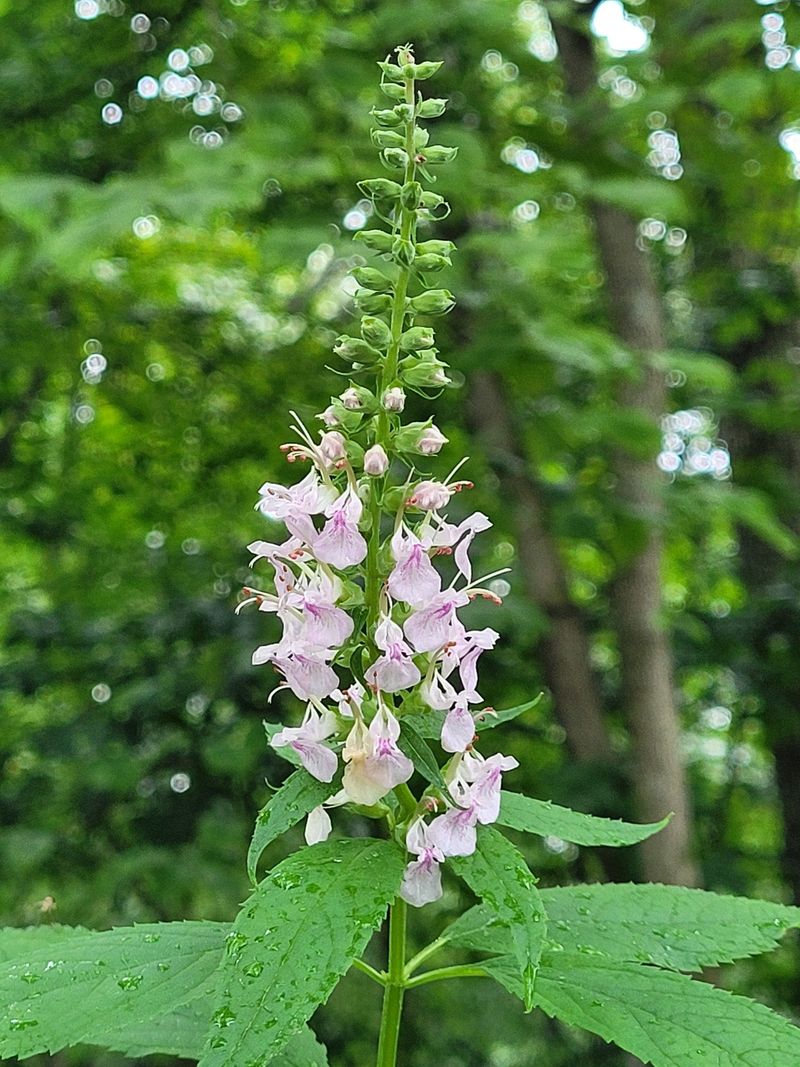
Once you have a full profile of the plant, one small structural trait can sometimes tip the scales between two candidates that look nearly identical from a distance. Plant scientists and Extension educators call these distinguishing features diagnostic traits, and they work best when a reliable source has already established the comparison between two named species.
Three well-documented examples show how this works in practice. Penn State Extension explains that invasive shrub honeysuckle can be separated from native look-alikes by cutting a stem and checking the pith: invasive shrub honeysuckle has hollow or partitioned pith, while most native shrubs in the same setting have solid white pith.
That one cross-section takes about ten seconds and resolves a comparison that leaf shape alone cannot settle.
Burning bush offers a second example. Penn State’s burning-bush guidance describes the distinctive corky wings that run along the stems, a feature absent in many plants that share its fall color.
Tree-of-heaven, a third case, carries small gland-tipped teeth at the base of each leaflet, a detail the University of Maryland’s tree-of-heaven resource highlights as a key separator from native sumacs and walnuts.
None of those three clues apply to the unidentified plant in this article’s headline. They are here as labeled examples of how a single structural trait can close a comparison once the species pair is established and verified.
For any plant you are investigating, the goal is to find the trait that authoritative sources have confirmed matters for that specific pair, then treat it as supporting evidence alongside the rest of your observations, not as a standalone verdict.
Separate Leaves From Leaflets
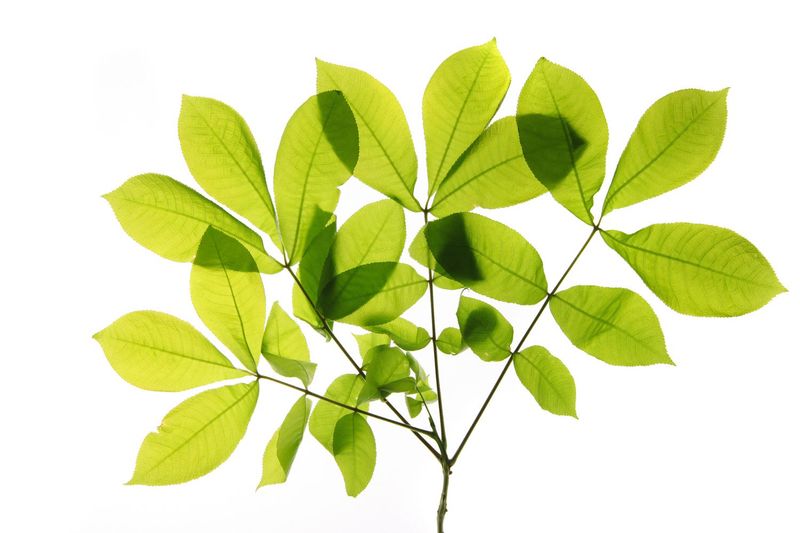
One of the most common identification errors a homeowner makes has nothing to do with the plant being rare or tricky. It comes from counting leaflets as separate leaves.
A compound leaf is a single leaf made up of multiple smaller parts called leaflets, and every leaflet attaches to a central stalk rather than directly to the stem. Mistaking leaflets for leaves can make a plant look like an entirely different species.
Leaf arrangement is the place to start untangling this. University of Illinois Extension explains that leaves arranged in opposite pairs, alternate positions, or whorls around the stem are one of the first sorting features in tree and shrub identification.
If you think you see opposite leaves but the plant turns out to have alternate compound leaves, the whole comparison shifts.
The distinction matters most in groups where lookalikes are common. Ash trees have opposite compound leaves, while tree-of-heaven has alternate compound leaves, and the two are regularly confused.
Sumac, walnut, and elderberry all carry compound leaves with varying leaflet counts and arrangements. Minnesota Extension’s weed identification resources note that clover and several weedy legumes are also misread when observers treat each leaflet as its own leaf.
Among forage plants, Minnesota’s forage legume guidance shows how leaflet count and shape vary enough within a single genus to change management decisions. Confirming whether leaf arrangement is opposite or alternate, and whether what you see is a simple leaf or a compound one, does not finish the identification on its own.
But it rules out enough candidates to make every next step faster and more reliable.
Let Season And Geography Test The Match
A plant photographed in July does not always look like the same plant in April or October. New growth tends to be softer, lighter, and sometimes a different shape than mature leaves.
Damage, drought, heavy shade, or past pruning can alter leaf size, stem color, and branching pattern enough to mislead a careful observer.
University of Maryland Extension warns specifically that growth stage and prior treatment can change a plant’s appearance, and that identification apps sometimes suggest species that do not actually occur in the local ecosystem. That second point matters more than it might seem.
An app trained on a global image library can confidently name a plant that has never been recorded within 500 miles of your zip code.
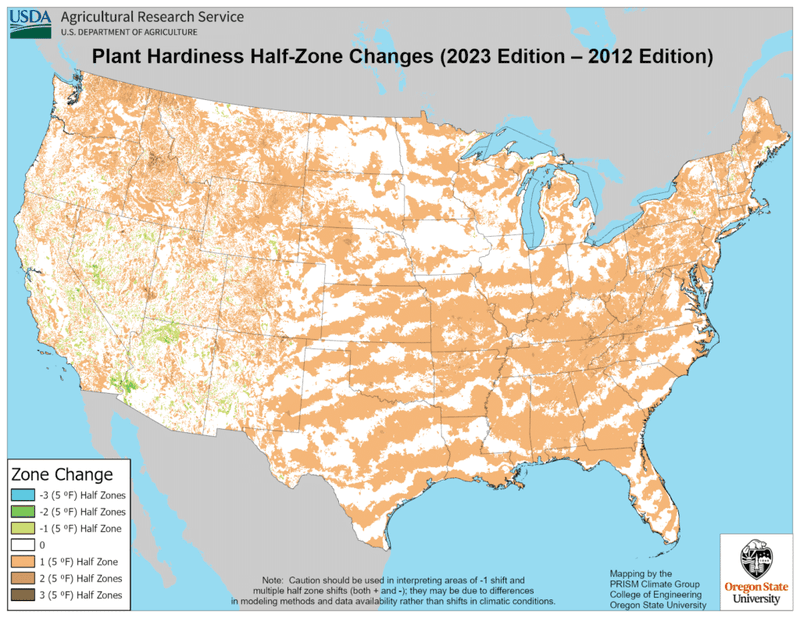
Geography is a genuine filter. Before accepting any identification, check whether the species is known to occur in your state or region.
USDA PLANTS provides distribution maps, accepted names, images, and status information for plants across the United States and its territories. If a candidate species has no recorded presence in your state, that absence is meaningful evidence worth noting.
Status terms also require care. Native, introduced, naturalized, noxious, and invasive are not interchangeable, and each one depends on geography and the authority using it.
The USDA PLANTS help document explains how those designations are assigned, and USDA APHIS tracks regulated pest plants at the federal level. A plant that spreads aggressively in your garden bed is not automatically invasive in the ecological sense, but it may still be worth managing once you know what it is.
Use Four Views As Evidence, Not Proof
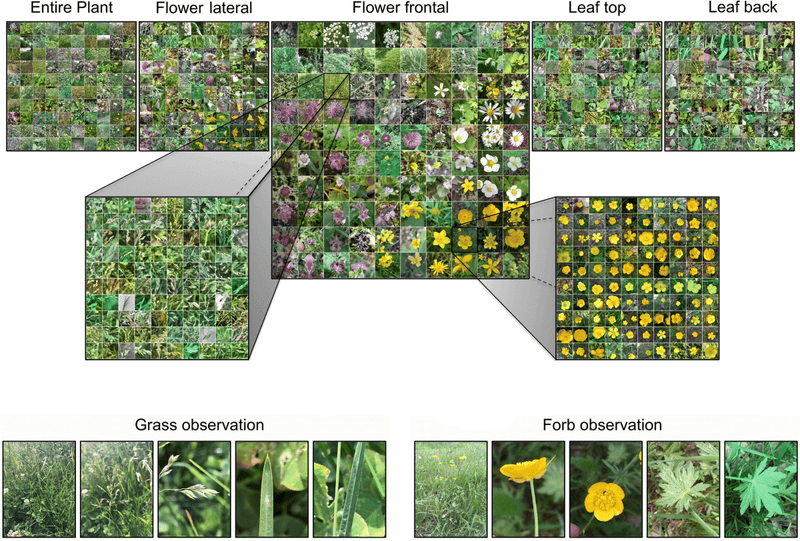
Good photographs genuinely improve a plant comparison, and a thoughtful set of images gives a specialist or an Extension educator far more to work with than a single snapshot of a leaf. The goal is to document the plant the way a detective documents a scene: systematically, with context.
Start with a shot of the entire plant that includes something for scale, a ruler, a coin, or even a hand. Then photograph the upper surface of a leaf and flip it over for the lower surface, where vein pattern, color, and hair texture often differ in ways the top surface hides.
Get a clear image of the stem or trunk, showing color, texture, and any unusual features like ridges, wings, or hairs. If the plant has flowers or fruit, photograph those separately at close range. iNaturalist’s plant photography guide recommends including habitat context in at least one frame, because background vegetation and soil type carry information that a tight close-up erases.
If you suspect a specific structural detail is the key to the comparison, photograph that feature with the sharpest close-up your phone can manage. A cross-section of a stem, a close-up of a leaf base, or the underside of a leaflet can be the image that resolves a long debate.
Four complementary views improve comparison significantly. Minnesota Extension’s diagnostic guidance notes that multiple angles help specialists rule out possibilities faster.
But iNaturalist’s explanation of identifications is direct: computer-vision suggestions are a starting point, not a final answer, especially when flowers or fruit are absent or when habitat context is missing from the frame.
Pause Before Eating, Burning, Or Treating
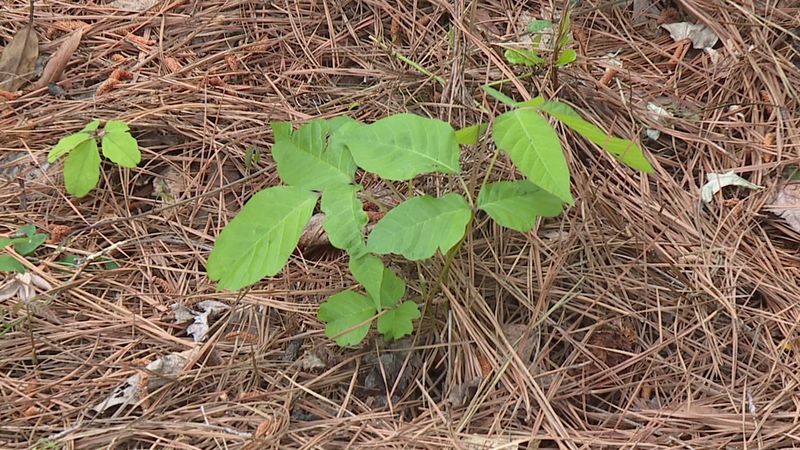
Knowing what a plant is not yet is actually useful information, because it tells you clearly to wait before taking any action that could cause harm. A few categories of action carry enough risk that they are worth naming directly.
Do not eat, brew, or use an unidentified plant medicinally. Poison Control’s plant safety guidance explains that people have died after confusing poisonous hemlock with edible wild carrot, two plants that look strikingly similar in early growth.
If someone has already ingested an unknown plant, contact Poison Control at 1-800-222-1222 immediately and bring a sample or photograph of the plant to assist with identification.
Do not burn an unknown plant. CDC guidance on poisonous plants and NIOSH’s field safety bulletin both warn that smoke from plants containing urushiol, the compound in poison ivy, poison oak, and poison sumac, can cause serious respiratory irritation.
You cannot always tell by looking whether an unfamiliar plant contains irritating compounds.
For physical handling, possible poisonous or irritating plants warrant gloves and thorough hand-washing afterward. Not every unknown plant is unsafe to touch, but taking basic precautions costs nothing and removes a real risk while you work toward a confirmed ID.
Weed control decisions depend on species, life cycle, root structure, and site. Penn State Extension’s weed identification and control page and Maryland Extension’s chemical-free weed management guide both recommend identifying the weed before choosing a method, because annuals, biennials, and perennials respond differently to pulling, cutting, and timing.
Some perennials resprout readily from rhizomes or root crowns even after the top growth is removed.
If a herbicide becomes appropriate after identification is confirmed, read the label before opening the container. EPA pesticide label guidance states that the label is a legally enforceable document, and using a product in a way not permitted by its label violates federal law.
The label specifies the target plants, approved sites, application rates, timing, and any restrictions that apply to your situation.
Confirm The Identity Before Acting
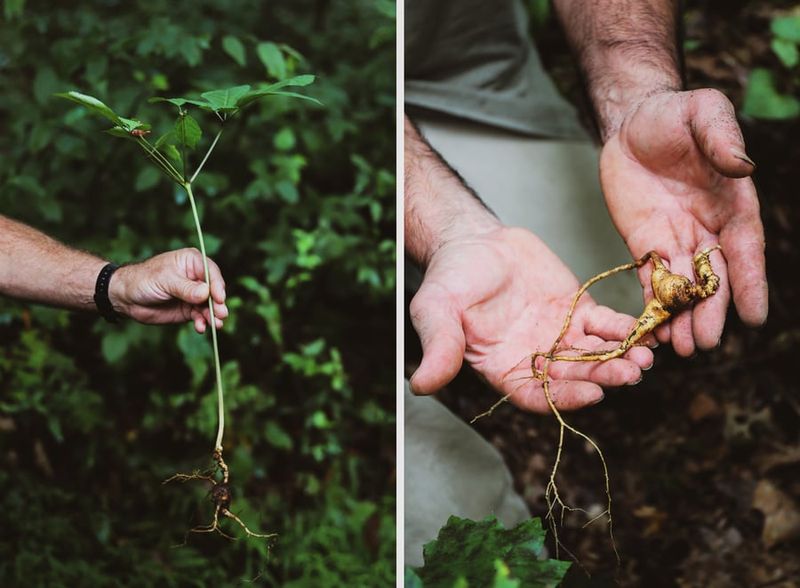
Every step in this article points toward the same outcome: a confirmed identification that you can act on with confidence. Collecting four complementary photographs is a strong start.
Recording the location, habitat, surrounding plants, and the date adds the context that separates a useful observation from an ambiguous one.
Compare what you have gathered against multiple sources. Regional field guides, USDA PLANTS, and your state’s Cooperative Extension resources are the most reliable starting points for US homeowners.
Colorado State Extension recommends cross-checking app results with field guides or Extension specialists rather than treating any single source as final authority. If the plant could be poisonous, invasive, or subject to local regulation, contact your county Extension office directly.
Many offices offer plant identification help through email, phone, or in-person appointments, and some state universities run diagnostic labs that can confirm a species from a physical sample.
The plant in this article’s headline remains unidentified. The source image, source article, plant name, intended lookalike pair, and applicable geography were not available when this article was written, so the specific reveal the headline implies cannot be responsibly delivered here.
University of Maryland Extension puts the broader lesson plainly: one visual clue can be highly useful within a verified comparison, but it does not substitute for the whole picture.
The detail that changes an identification is real, and finding it is genuinely satisfying. The trick is making sure you are looking at the right plant before you decide what the detail means.