
What It Really Means When A Box Turtle Starts Visiting Your North Carolina Garden
Follow us on Google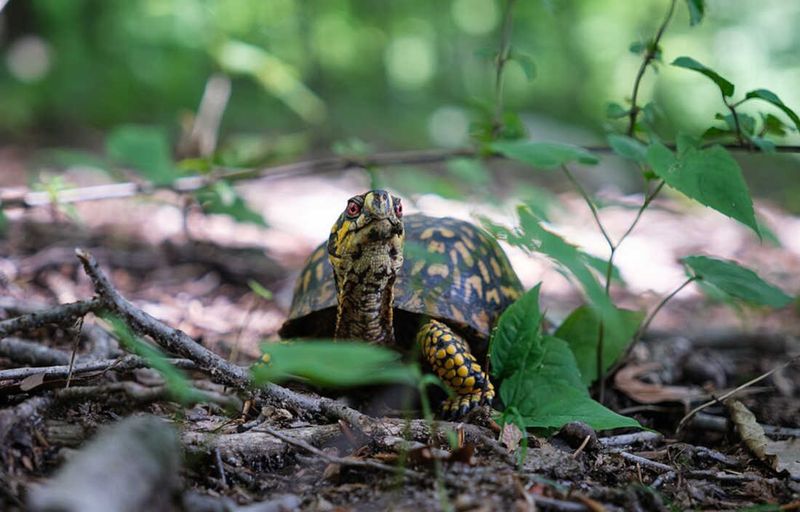
You step outside on a muggy North Carolina morning, coffee in hand, and there it is: a domed shell barely moving through the tomato bed, painted with yellow streaks and looking completely unbothered by your presence.
That slow, deliberate visitor is almost certainly an eastern box turtle, and its appearance is more than a pleasant surprise.
The turtle is telling you something real about your yard and the landscape around it.
Understanding what it is actually saying can help you make a few simple changes that keep the yard both livable and genuinely alive.
The Visitor Is Likely An Eastern Box Turtle
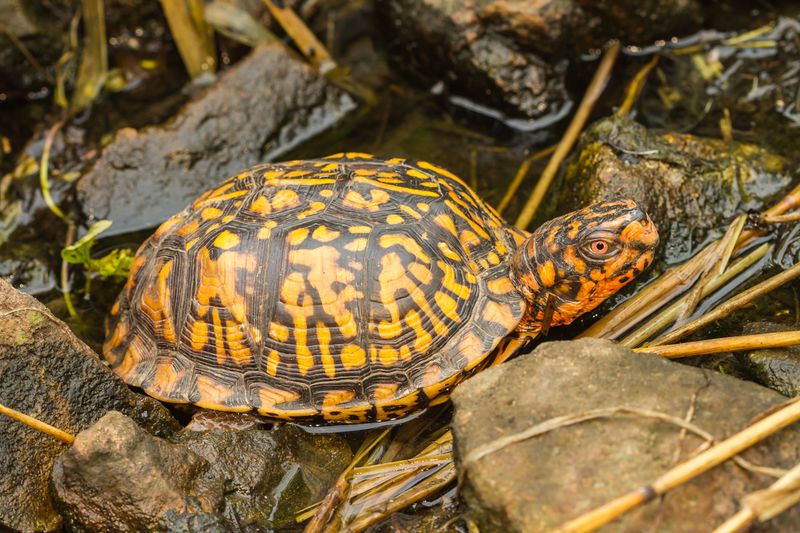
Picture a shell that looks almost too round to be real.
The eastern box turtle, Terrapene carolina, carries a high, arched shell that sets it apart immediately from the flat-backed pond sliders and the prehistoric bulk of snapping turtles you might spot near a drainage ditch.
Where sliders and snappers spend most of their lives in the water, this one walks the land, poking through leaf litter and garden edges like a small, armored neighbor on a regular circuit.
The shell markings vary quite a bit from one individual to the next.
Many eastern box turtles show yellow or orange streaks and spots splashed across a dark brown or black background, though some older animals fade to a plainer look.
Flip the identification question to the underside and you will find the feature that clinches it: a hinged lower shell, called a plastron, that the turtle can pull up tight until it is completely enclosed.
No other North Carolina land turtle does that.
Even so, a quick glance from across the garden is not a guaranteed identification.
Other land turtles do exist in the Carolinas, and a brief sighting in poor light can leave room for doubt.
What you can do right now is observe without disturbing.
Notice the shell height, any color patterning, and whether the animal is walking across dry ground rather than swimming.
NC State Extension guidance on backyard reptiles and amphibians confirms that this species is the one most likely to show up in a North Carolina garden setting.
The eastern box turtle is North Carolina’s official state reptile, and it faces real pressure from habitat loss, road mortality, and fragmentation.
That history makes a calm, unhurried sighting worth pausing for, even if all you do is watch it move on.
Your Turtle Is Reading The Landscape
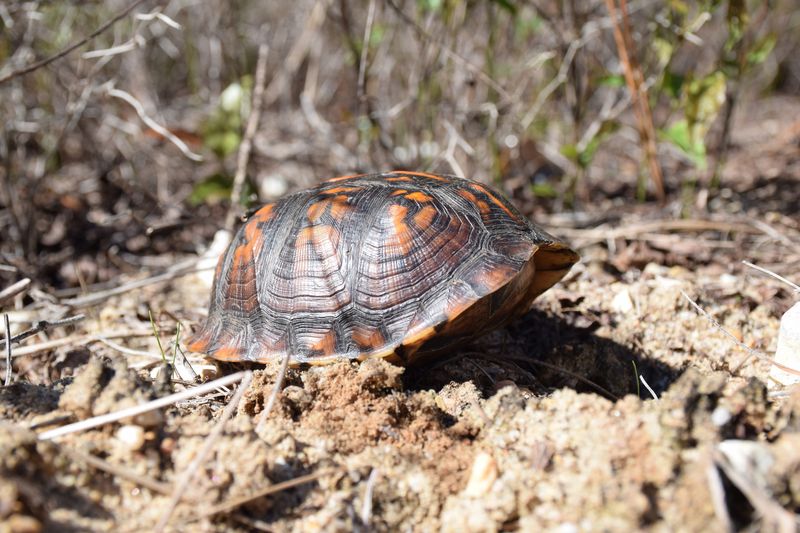
Here is the plain truth about that turtle crossing your garden: it is not grading your yard on a habitat scorecard.
What it is doing is reading the landscape the way it has always read it, scanning for moisture, cover, food, and a safe line of travel through a neighborhood that has been carved up by roads and fences and lawn mowers.
USDA Forest Service species review data on eastern box turtles shows that this animal uses a mix of moist woodland, forest edges, grassy openings, wetlands, and rural developed areas.
It does not require pristine wilderness.
It needs patches of usable habitat connected well enough that it can move between them, and your yard may simply be one link in a much longer chain.
Research on Piedmont North Carolina populations found that eastern box turtles maintain home ranges that can overlap with residential properties, meaning the animal crossing your garden may know this ground already.
It may be following a route it has used for years, long before you planted that raised bed.
That distinction matters.
The turtle may be using your property without living on it.
A single sighting tells you the yard is accessible and offers at least one thing worth stopping for, but it does not tell you the yard is a finished habitat or an ecological showpiece.
Think of it as one piece of a larger puzzle the turtle is assembling across several neighboring properties, a woodlot edge, a creek margin, and maybe a brushy fence line two houses down.
The sighting is still meaningful.
It is a real, practical clue that your corner of the neighborhood connects to something usable, and that is a good starting point for making it a little more welcoming on purpose.
Rain And Living Soil Can Draw It In
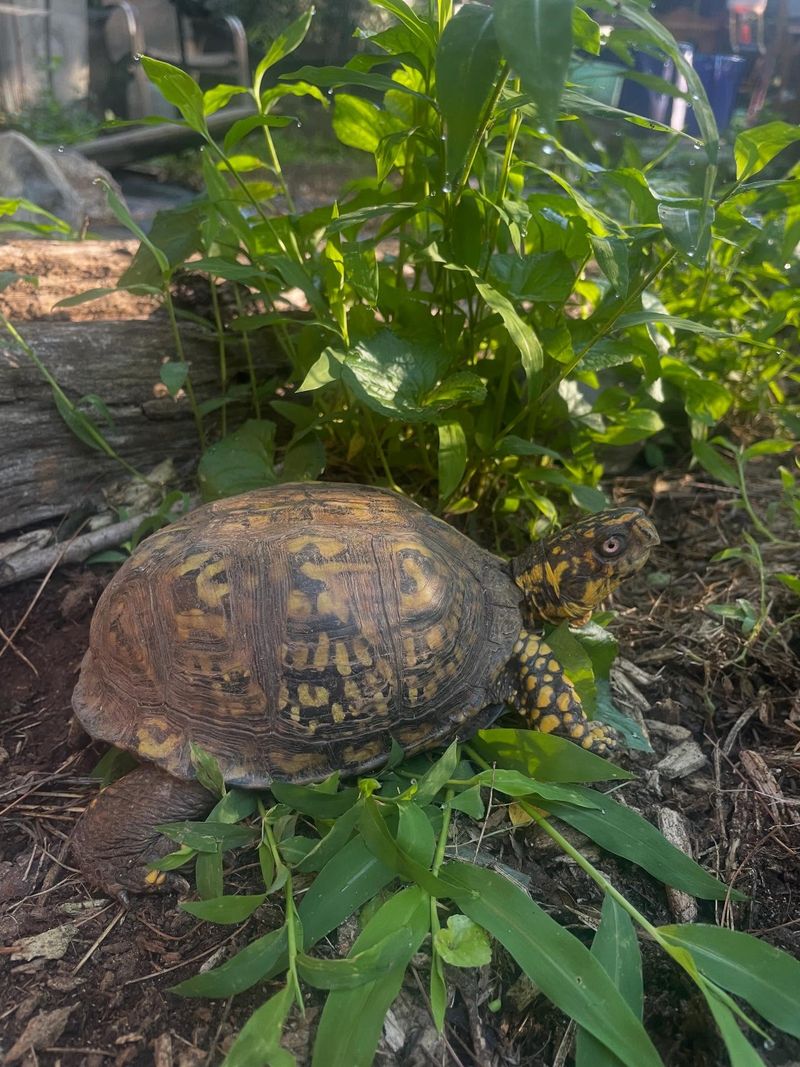
Watch when the turtle shows up and you will notice a pattern.
Many Piedmont gardeners report sightings on the morning after a good summer storm, when the soil is soft and the air still smells like wet clay.
That timing is not a coincidence.
Moisture is one of the strongest pulls for an eastern box turtle, and North Carolina’s muggy summers, with their reliable afternoon thunderstorms, create exactly the damp conditions this animal seeks out.
USDA Forest Service review data links eastern box turtles to humid, moisture-rich environments and notes that they are often more active after rain.
During dry stretches, a turtle may push deeper into a landscape looking for damp leaf litter under a shrub, a shaded patch of soil that stays cool into the afternoon, a wet gully at the edge of a property, or even a shallow puddle sitting in a low spot of the lawn.
Food is the other likely draw, and the turtle’s diet is genuinely flexible.
Documented items include fungi, snails, slugs, insects, spiders, millipedes, earthworms, carrion, wild fruit, flowers, and other vegetation.
A garden with loose, living soil, some plant cover, and a few fallen pieces of fruit can quietly offer several of those resources at once.
None of that means the turtle will clean up a slug problem or work through a pest population in any meaningful way.
As UGA Extension notes on box turtle diet, the animal eats what it finds opportunistically, not what gardeners wish it would target.
The earthworm it picks up near your tomatoes was there because the soil is healthy, and the turtle noticed.
So the visit after a heavy rain is the turtle doing what it does: following moisture and food signals through a familiar landscape.
Your garden happened to have both at the right moment.
A Tidy Yard Can Still Offer Cover
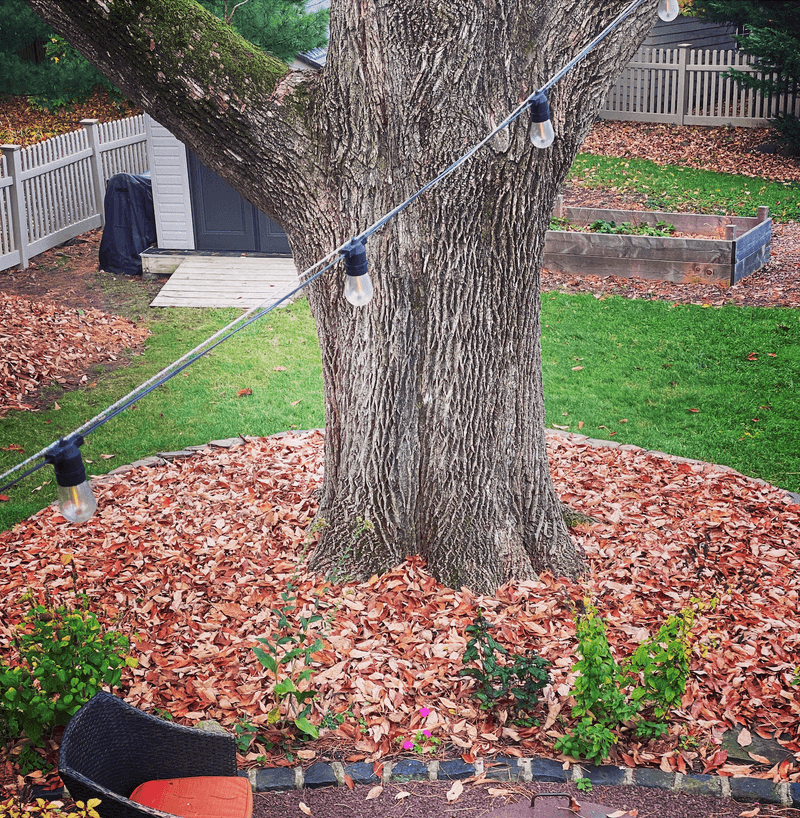
One worry that stops a lot of homeowners from making habitat improvements is the image of a yard gone wild, leaves piling up against the back steps, logs rolling into the walk, brush crowding the patio furniture.
That picture is not what habitat support actually requires.
A yard can stay clean, safe, and genuinely usable while still offering a turtle a reason to linger.
The practical move is selective retention.
Keep some leaf litter beneath shrubs, tucked around the base of trees, pushed along a fence line, or gathered into a defined back corner that you do not need for anything else.
NC State Extension guidance on herbaceous plants for wildlife specifically lists eastern box turtles among the animals that benefit from native ground-layer plantings, including grasses, sedges, ferns, and flowering forbs.
Those plants provide both cover and the insect life that feeds the animals using them.
A fallen branch or a small log left at the edge of a planting bed does real work.
It shelters invertebrates, holds moisture longer than bare soil, and gives a turtle a shaded resting spot without taking up space you actually use.
NC State Extension’s native plants chapter reinforces that native shrubs and ground covers create layered structure that benefits multiple wildlife species at once.
Clear the stairs, keep the play area open, and maintain the patio the way you always have.
UGA Extension’s seasonal gardening guidance makes the same point: leaf litter swept off high-traffic surfaces can be moved rather than bagged, and dropped into a low-use corner where it keeps doing ecological work.
The habitat does not have to be everywhere to matter.
Small Water Helps Without Making A Pond
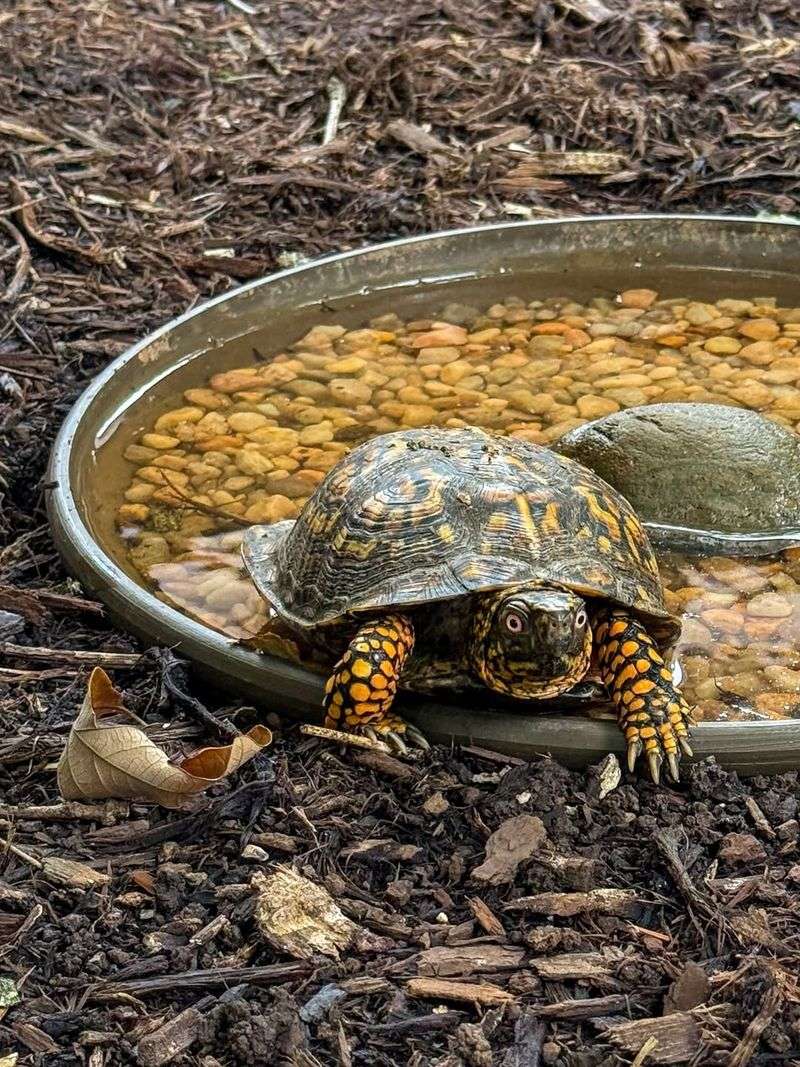
A shallow water source is one of the simplest improvements you can make for backyard wildlife, and it costs almost nothing to set up correctly.
For an eastern box turtle, the key word is shallow.
This is a terrestrial animal that may soak in a puddle after rain or drink from a damp patch of soil, but it does not need a pond and would struggle in a deep-sided container it cannot climb out of.
NC State Extension’s wildlife gardening chapter recommends providing water in a form that allows easy entry and exit for ground-level animals.
A wide, shallow saucer, the kind sold for under potted plants, works well when it is set directly on the ground or slightly recessed into the soil.
Drop a flat stone inside so any animal that falls in can find a stepping surface and climb out.
Rinse and refill it every couple of days to keep the water clean and to avoid creating a mosquito breeding site.
Do not treat the water with any chemical product, and do not place it near areas where you apply pesticides or fertilizers.
The turtle is not the only animal that will use it.
Birds, beneficial insects, and other small wildlife will stop there too, so keeping it clean matters for the whole yard.
USDA Forest Service review data confirms that eastern box turtles are associated with moist environments and may seek shallow wet areas during hot or dry weather.
A clean saucer near a shaded planting bed gives the animal one more reason to pause in a safe spot rather than push toward a road looking for moisture.
It is optional, not required, but it is genuinely useful and easy to maintain.
Leave The Turtle Where It Knows The Way
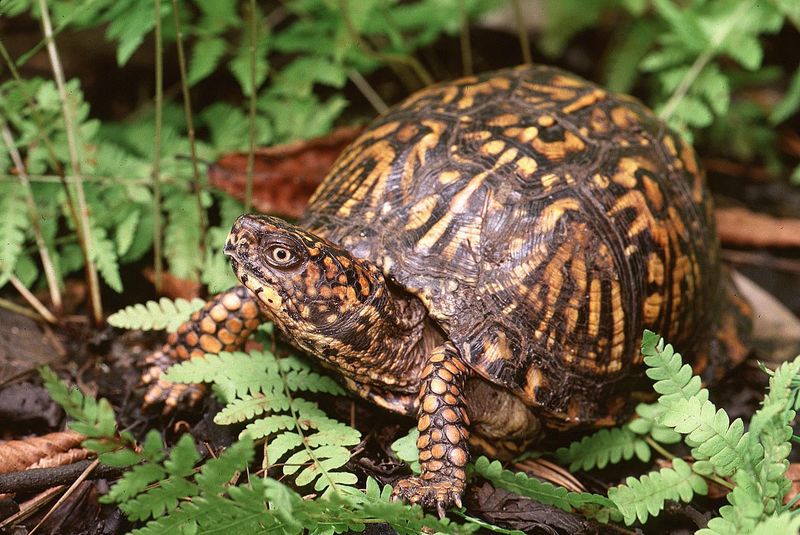
The instinct to pick up the turtle and carry it somewhere safer or wilder is understandable, especially when it wanders near the driveway or seems exposed in the open yard.
Resist that impulse.
Moving a healthy box turtle away from familiar ground can genuinely hurt it, and the research on this is specific to North Carolina.
A North Carolina relocation study published in the Journal of Wildlife Management found that turtles moved from their home areas traveled farther, made larger movements overall, and experienced more disappearances or mortality than turtles that stayed in familiar territory.
The study does not say every relocated turtle dies, but the pattern is clear enough to treat relocation as a real risk rather than a kindness.
The right response to a turtle in your garden is to leave it alone.
Watch from a distance, keep children and dogs back, and let it move on when it is ready.
If it has settled under a shrub for the afternoon, that is fine.
It will leave.
The road scenario is the one exception.
If a turtle is crossing a road and you can act safely without stepping into traffic, you can help.
Move it only to the side it was already heading toward, not back the way it came, and not to a park, pond, or patch of woods that seems more suitable to you.
Florida Fish and Wildlife guidance on box turtles and UGA Extension’s Southeast turtle resource both reinforce this: the turtle has a destination and a reason for the direction it chose.
On the home front, keep cats indoors and limit dog access to areas where the turtle is resting or where you have created new cover.
NC State Extension’s backyard reptile guidance identifies pets as a significant disturbance source for ground-dwelling species.
A dog that means no harm can still injure a turtle badly enough to be fatal.
This Is Not Your Mosquito Crew
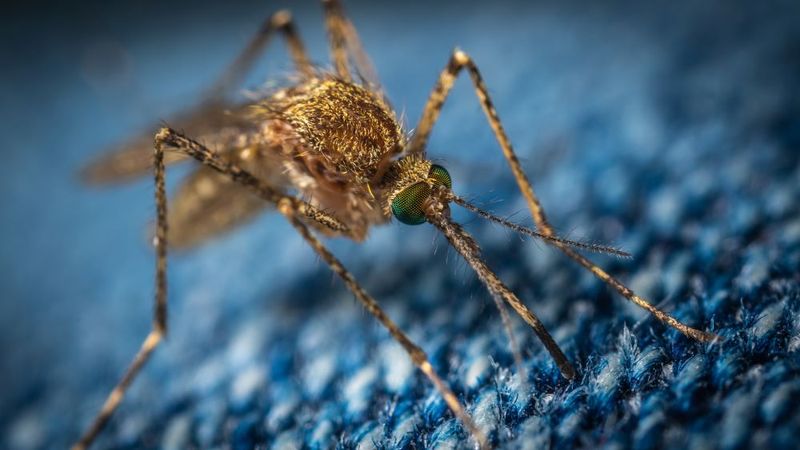
Some gardeners hear “eats insects and invertebrates” and immediately picture the turtle working through a tick or mosquito problem.
That leap is a long one, and it lands in the wrong place.
A box turtle’s diet is flexible and opportunistic: fungi, snails, slugs, earthworms, millipedes, spiders, carrion, fruit, flowers.
USDA Forest Service species review data documents all of those items, but none of the sources establish that a visiting turtle will put a dent in household mosquito pressure, tick counts, Japanese beetle populations, or stink bug activity.
Mosquitoes breed in standing water and are managed primarily by eliminating those sources, using physical barriers like window screens, and applying repellents when you are outside.
CDC guidance on vector-borne disease prevention is direct on this: source reduction and personal protection are the core tools.
A turtle eating a slug near the tomatoes does not change any of that.
Ticks are a real concern in the grassy, brushy, and wooded areas that also happen to make good turtle habitat.
Adding leaf litter and native plantings can support a turtle while also creating conditions where tick awareness matters more, not less.
Wearing long sleeves and checking yourself after yard work stays important regardless of what wildlife is present.
The turtle’s arrival is actually a good prompt to look at how you manage pests overall.
NC State Extension’s pesticide safety appendix warns that pesticide misuse can poison wildlife, kill beneficial organisms, and contaminate soil and water.
And NC State Extension’s guide to biological pest control for home gardeners lays out the integrated pest management approach: identify the pest first, try nonchemical or targeted methods where practical, and follow the current product label including re-entry intervals before letting children or pets back into treated areas.
That approach protects the turtle, your family, and the soil life that makes a garden productive.
One turtle in the yard is a reason to think more carefully about what you spray and when.
It is not a reason to stop managing pests entirely, and it is definitely not a substitute for a mosquito plan.
One Turtle Cannot Grade Your Garden
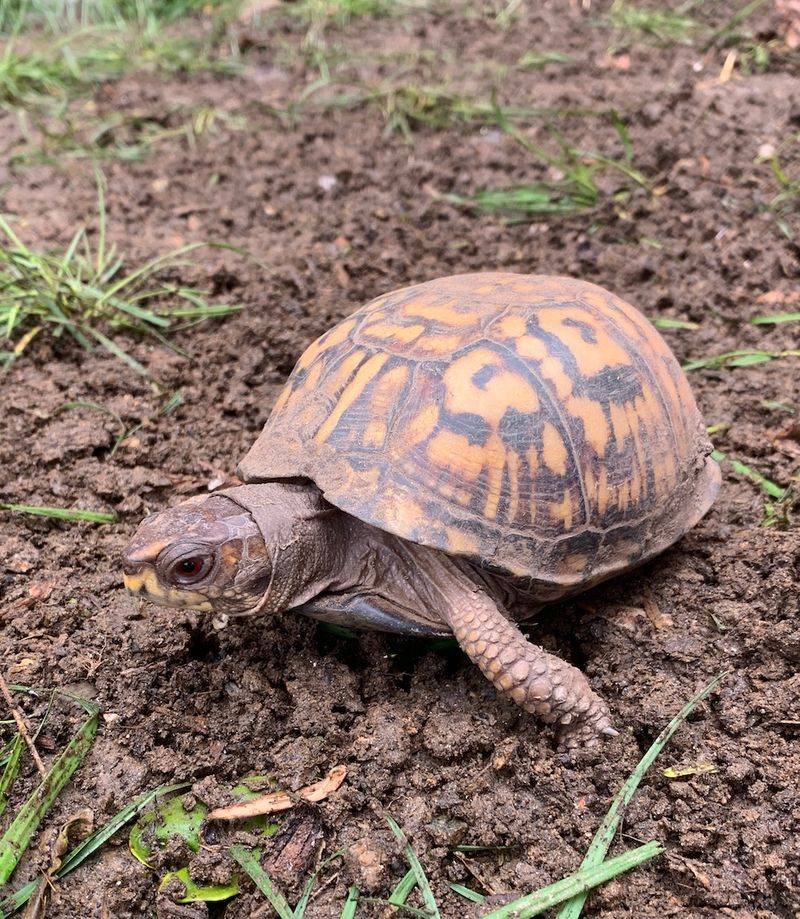
A single turtle crossing the garden is a meaningful signal, but it is one data point, not a report card.
NC State Extension notes that a healthy, diverse community of reptiles and amphibians can indicate that an area supports the plants, insects, and habitat structure those animals need.
That is a community-level observation built from many species seen over time, not a conclusion you can draw from one turtle on one morning.
The animal crossing your bed today may be passing through on a route it has used for years.
It may be responding to last night’s rain.
It may be searching for a mate, moving between seasonal activity areas, or simply following a gap in the fence that happens to run through your yard.
USDA Forest Service review data makes clear that eastern box turtles use a wide range of landscape types, including fragmented neighborhoods, and their presence does not confirm that any single yard has reached some threshold of ecological quality.
What the sighting does is invite you to look at the yard more carefully.
Are there repeat visits?
Do you notice other ground-dwelling wildlife?
Is there a low-traffic corner where leaf litter and a fallen branch could stay undisturbed?
Those questions are more useful than trying to decide whether the turtle approves of your garden.
The North Carolina relocation study is a reminder that the turtle’s relationship to your landscape is already established and fragile.
Roads, pets, lawn equipment, pesticide exposure, and habitat fragmentation are the real pressures bearing down on this animal, and none of them disappear because the yard looks nice.
Observe the turtle, protect its route, improve one low-traffic corner, and keep the yard both usable and alive.
The best thing a North Carolina garden can be for a box turtle is a place it can move through safely and come back to on its own terms.