
The Native Ground Covers North Carolina Gardeners End Up Loving After A Dry Summer
Follow us on Google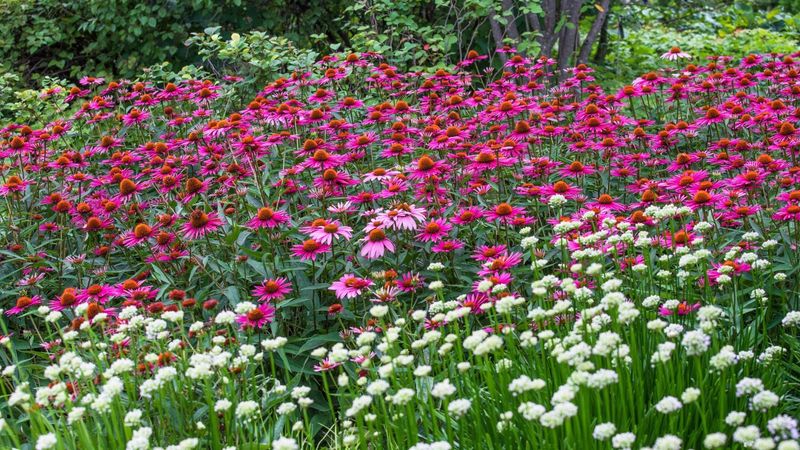
By late August in North Carolina, you can feel the yard telling the truth.
The grass looks tired, the beds seem dusty, and a few plants fold up fast when the rain keeps missing your street.
Then you notice the low growers that stayed green anyway, and that is where smart ground cover choices start getting interesting.
Native ground covers can save water, cover bare soil, and keep a yard looking alive when summer turns stubborn.
1. Native Plants Know Our Soil And Weather Patterns
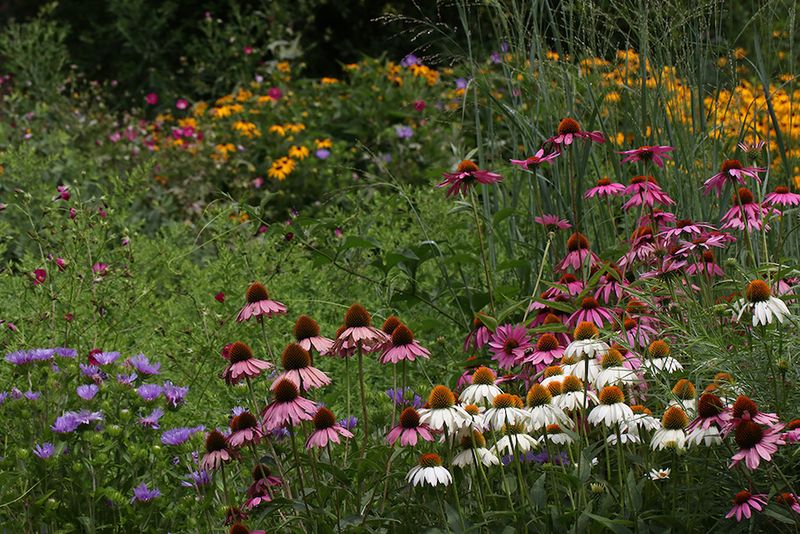
Late in a dry summer, the difference shows up fast.
One patch turns crisp and brown, while another stays low, green, and steady, almost like it has seen this whole routine before.
That is the quiet advantage native ground covers bring to North Carolina yards.
They evolved with our muggy summers, surprise cold snaps, and uneven rain, whether you garden in zone 6a in the mountains, 7b to 8a in the Piedmont, or 8a to 8b near the coast.
Here is where it gets practical.
Native plants are not a magic solution, but many settle into Piedmont red clay, Sandhills sand, or the Coastal Plain’s quick-draining soils with less drama than imported spreaders that expect cooler summers or steadier moisture.
Many homeowners notice the same pattern after 3 to 6 weeks of sparse rain.
The plants with shallow needs sulk first, while natives with region-ready roots keep covering the ground, shading the soil, and slowing weed seeds that would love an opening.
NC State Extension often points gardeners toward matching plants to site conditions first, and that advice matters more than any fertilizer bag.
If you choose a native for the right light, the right moisture, and the right space, you usually spend less time hauling hoses and less money padding the water bill.
And there is a side benefit people do not always expect.
A good native ground cover softens bare dirt, supports pollinators, and makes the yard feel more finished, even after a rough season.
That is why the following plants keep winning people over after a dry North Carolina summer.
2. Green-And-Gold Brings Cheerful Color With Little Fuss
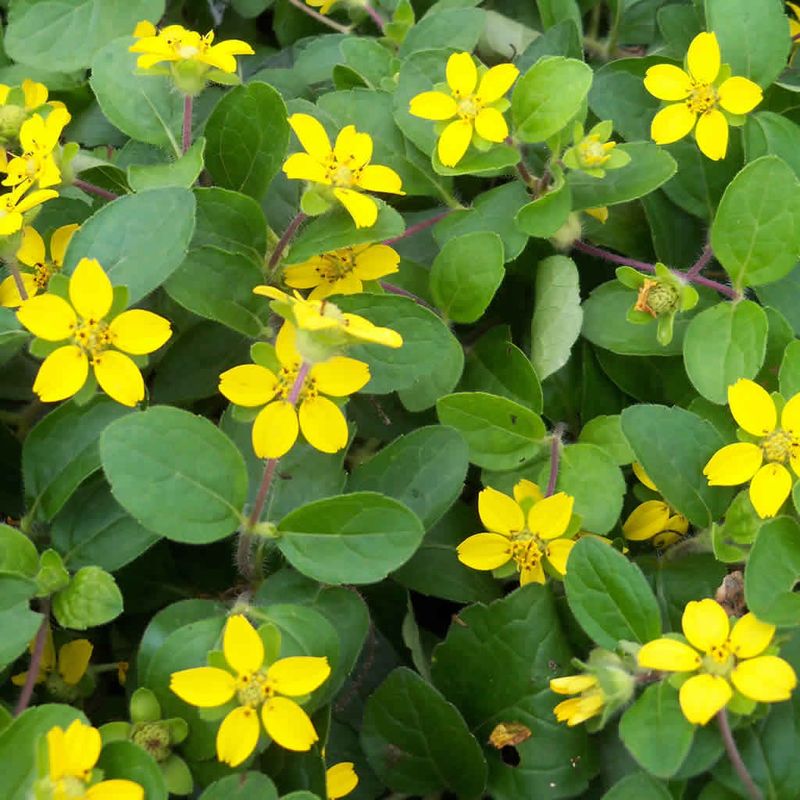
At first glance, green-and-gold looks too cheerful to be tough.
Those small yellow flowers and tidy leaves seem more like a spring treat than a plant that can ride out a hard, drying stretch.
Green-and-gold, or Chrysogonum virginianum, proves people wrong all the time.
In part shade to gentle morning sun, it forms a low mat about 6 to 12 inches tall and slowly spreads into the kind of living carpet that makes a bed look cared for, even when August has been rude.
Many North Carolina gardeners end up loving it because it handles the in-between places.
Think the edge of a walkway, the front of a shrub border, or the open ground beneath azaleas where roots compete for every sip of water.
Plant it 12 to 18 inches apart in spring or early fall, then keep the soil evenly moist for the first growing season.
After that, it often gets by with much less help, especially if you add 2 inches of leaf mulch and avoid piling mulch against the crowns.
In the Piedmont, where clay can bake hard after a run of 90 degree days, this plant still holds a clean, grounded look.
It is not built for deep, all-day drought in blazing reflected heat, but in light shade it stays genuinely dependable.
The payoff is simple.
You get bright color, evergreen or near-evergreen cover in many areas, and fewer open spots for weeds to stage a takeover before your next cookout.
3. Pussytoes Thrives In Sunny, Well-Drained Spots
Plenty of ground covers pout in hot sun.
Pussytoes does not seem interested in the drama.
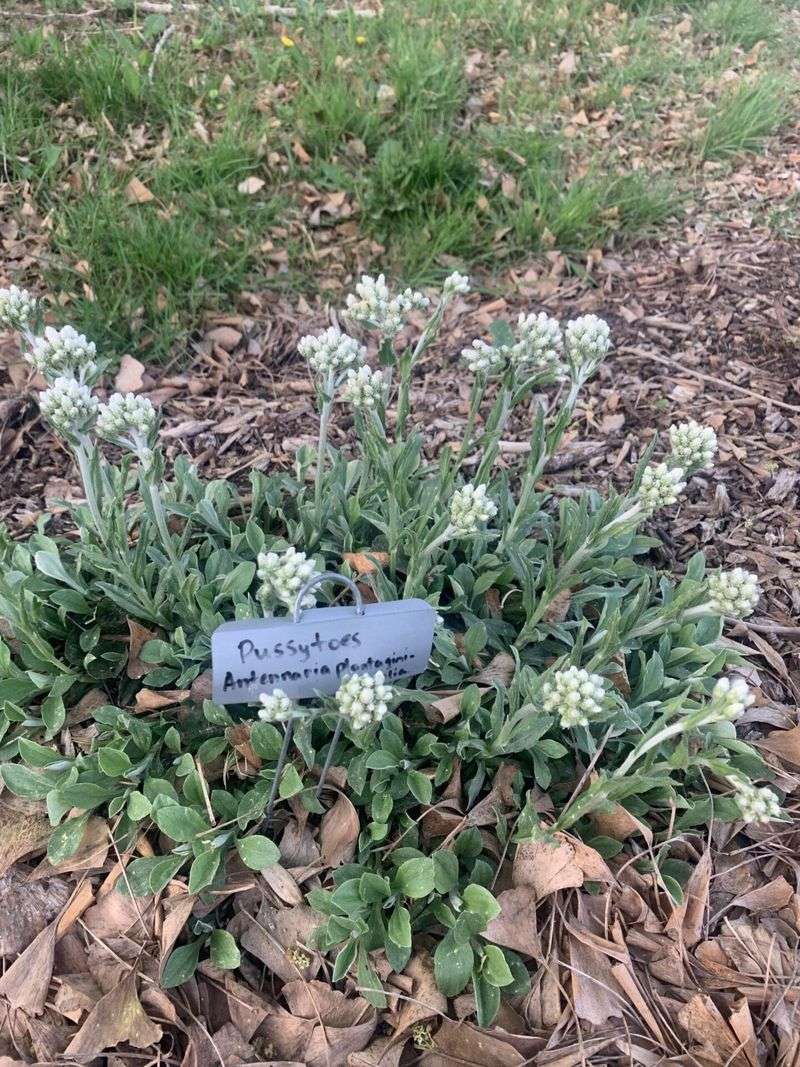
Antennaria plantaginifolia is the kind of native that earns respect the slow way.
It hugs the ground, sends out runners, and settles into dry, lean soil where fussier plants give up by July.
Homeowners in the Coastal Plain and Sandhills often have exactly that sort of spot.
Full sun, fast drainage, and soil that dries out a day or 2 after rain can make a flower bed feel more like a test than a garden.
Pussytoes likes that challenge.
It usually stays just a few inches high, spreads gradually, and handles poor soil better than rich, heavily amended beds.
The little white flower clusters in spring are soft-looking, but the plant itself has a stubborn streak.
Space plants 10 to 14 inches apart and do not overwater after they establish.
In the first 8 to 12 weeks, a deep soaking about once a week during dry weather is usually enough.
After that, too much water can bother it more than too little.
There is another reason people warm up to it.
It is a host plant for the American lady butterfly, so that dry patch can do more than sit there looking neat.
It can help your yard feel more alive without asking for constant rescue.
For a sunny bank or thin strip by the driveway, that is a satisfying trade.
4. American Alumroot Offers Drought Tolerance In The Shade
Shade is supposed to be easy, but under big trees it can turn mean.
Dogwoods, oaks, and maples drink first, leaving the soil dry, rooty, and frustrating by midsummer.
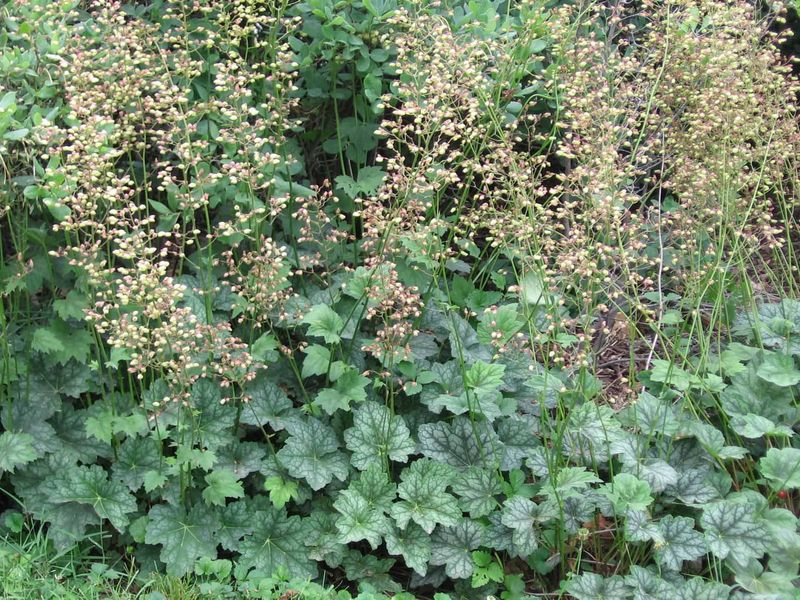
That is where American alumroot, Heuchera americana, starts to look like a quiet hero.
It is native, adaptable, and much better at handling dry shade than many ground-hugging plants people try under established trees.
Across North Carolina, especially in older neighborhoods, many beds fail because homeowners treat shade as one category.
But bright filtered shade, dense shade, and dry shade are different worlds, and alumroot is one of the few that can bridge them if drainage is decent.
You grow it as a foliage ground cover first and a bloom plant second.
The leaves make the main show, often mounding 8 to 18 inches tall, while airy flower stalks rise higher in spring and pull in small pollinators without turning the bed wild-looking.
Set plants 12 to 16 inches apart, then water regularly for the first year.
A 2 inch layer of shredded leaves helps a lot, especially in the mountains and Piedmont where tree roots can turn rain into a quick disappearing act.
NC State Extension materials often stress matching woodland natives to woodland conditions, and alumroot fits that advice well.
It is not a fast spreader, but it stays composed, helps cover bare soil, and gives you a real answer for that stubborn ring under trees where grass keeps failing.
That kind of fix feels good every time you walk past it.
5. Wild Strawberry Adds Sweetness And Function
Some plants win you over with flowers.
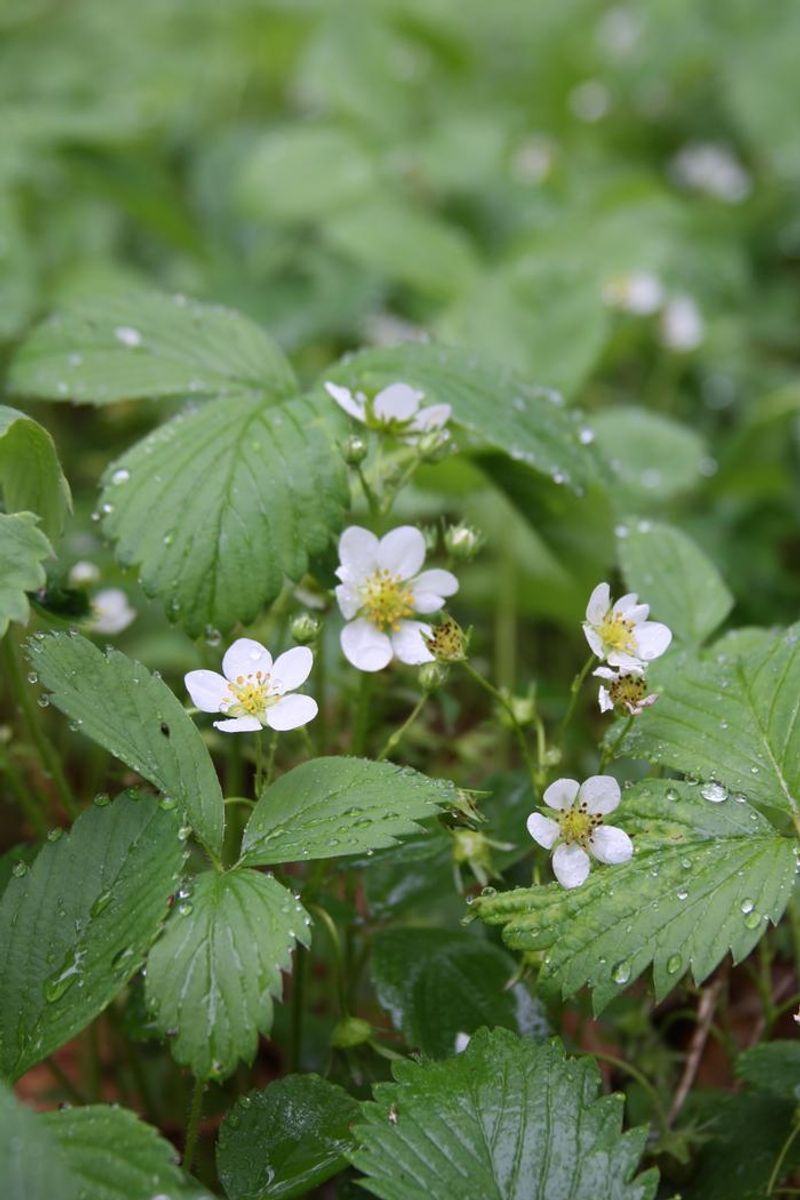
Wild strawberry gets there with flowers, berries, and the small thrill of finding something useful right at your feet.
Fragaria virginiana spreads by runners, filling gaps with a low green cover that usually stays around 4 to 8 inches tall.
In spring, the white blooms show up first, then tiny red fruit follows, and that sequence makes the plant feel busy in the best way.
Many Piedmont gardeners start with it for looks and end up keeping it for function.
The foliage helps shade the soil, the flowers feed pollinators, and the berries draw birds, which means your yard gets a little more movement and life during the same season when other beds can look flat and tired.
It prefers sun to part shade and average moisture, but once established it can tolerate short dry spells better than many people expect.
Give it 12 inches of spacing, loosen the top 6 to 8 inches of soil before planting, and water weekly during the first season if rainfall stays under 1 inch.
Here is the honest part.
Wild strawberry is not a neat little rug forever.
It rambles, and in a small formal bed that can feel like a scheme.
In a natural edge, around stepping stones, or along a gentle slope, that roaming habit becomes the whole charm.
And for North Carolina families, there is a simple payoff.
You get a native ground cover that softens bare spots, supports wildlife, and offers a few sweet bites if you happen to beat the birds to them.
6. Allegheny Spurge Fills Tough Shady Corners
Most people hear pachysandra and picture the common imported one that can look stiff and overused.
Allegheny spurge is a different creature entirely, softer in mood and far better suited to a native North Carolina planting.
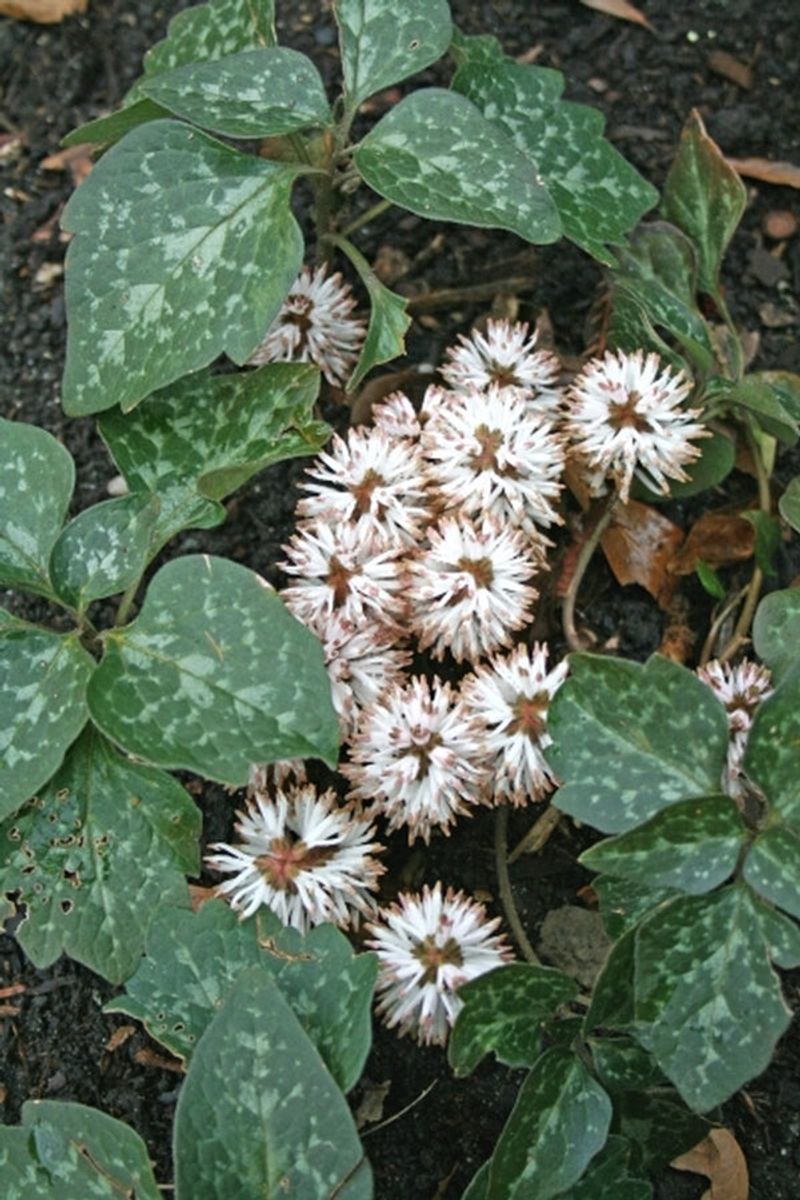
Pachysandra procumbens grows slowly, which can test your patience at first.
But that slow pace comes with real strengths, especially in shady corners where roots, leaf drop, and erratic summer rain make other ground covers thin out.
In the mountains and upper Piedmont, gardeners often fall for its mottled leaves before they even notice the flowers.
The foliage has more personality than people expect, and in mild winters it can hold enough presence to keep a bed from looking empty.
Give it part to full shade and soil rich in organic matter, then space plants about 12 inches apart for a knit-together look over time.
During the first year, water deeply every 7 to 10 days in dry weather.
After establishment, it usually handles dry shade better than its delicate appearance suggests.
It is not the plant for a hurry-up makeover.
Here is the turn.
If you let it settle in near a foundation bed, under hydrangeas, or along a shaded path, it builds a calm, layered look that feels more woodland than parking-lot landscaping.
That matters after a punishing summer.
When the flashy stuff fades, Allegheny spurge keeps the corner grounded, cool-looking, and genuinely easier to live with.
Many homeowners do not set out looking for it, then end up wondering why they waited so long.
7. What Else Actually Helps When The Summer Gets Dry
Even the right plant needs a little backup when North Carolina serves up 95 degree afternoons, hot nights near 74, and scattered storms that soak one block but skip the next.
Drought-tolerant does not mean no-care, especially in year 1.
The biggest help is simple and not glamorous.
Water deeply, not constantly.
Aim for about 1 inch of water per week during establishment, delivered in 1 or 2 slow sessions so roots move down instead of lingering near the surface.
Mulch comes next, and it makes a bigger difference than many people expect.
Keep 2 to 3 inches of pine bark, leaf mulch, or shredded hardwood around the planting area, but leave a little breathing room at each crown so rot does not sneak in during one of those humid stretches after an afternoon storm.
Resist the urge to fertilize during a dry spell.
Tender new growth needs more water, which is the opposite of what you want in July or August.
Pull weeds early, because they steal moisture fast, and trim only what is dead or broken until weather eases.
If hurricanes or tropical systems dump 4 inches of rain after a dry month, check drainage before you blame the plant.
Coast and Coastal Plain gardens can swing from powder-dry to soggy in 24 hours, and roots hate that roller coaster.
So the real secret is not one miracle species.
It is matching the plant to the spot, giving it 8 to 12 months to settle in, and helping the soil hold moisture without staying swampy.
Once that clicks, your yard starts feeling less like a losing battle and more like a place you can trust, even after a hard summer.