
8 Reasons Beautyberry Earns A Spot In Every North Carolina Yard That Still Skips It
Follow us on Google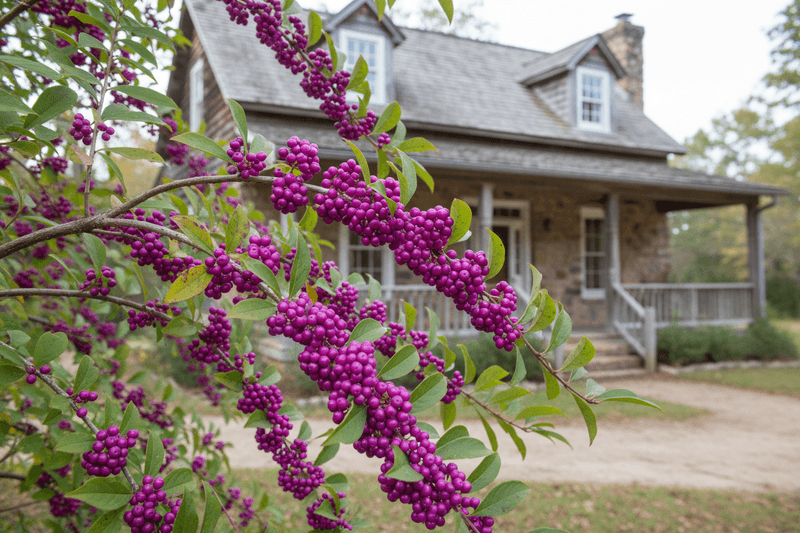
You drag your patio chair into the shade one late-August evening, the air still thick and warm, and you notice most of the yard has gone quiet and green. A cardinal cuts across the fence line, hunting for something to eat.
Right here in North Carolina, one native shrub could turn that dull corner into a purple showstopper that feeds birds and shrugs off droughts. If your yard still skips American beautyberry, you are missing a quiet local hero that asks for almost nothing and gives back all season long.
1. It Delivers Stunning Purple Berries That Last Into Winter
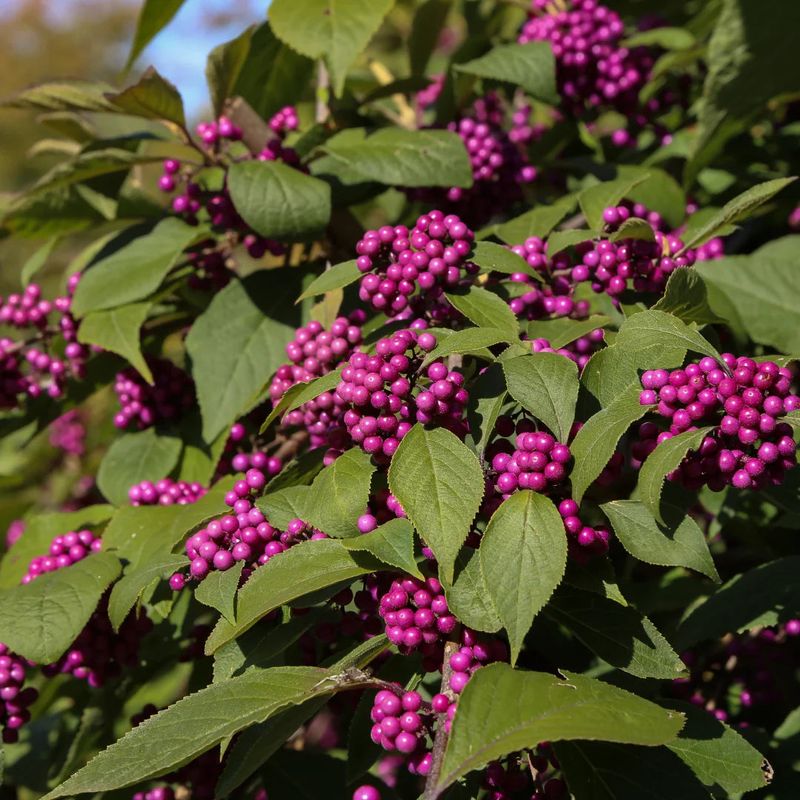
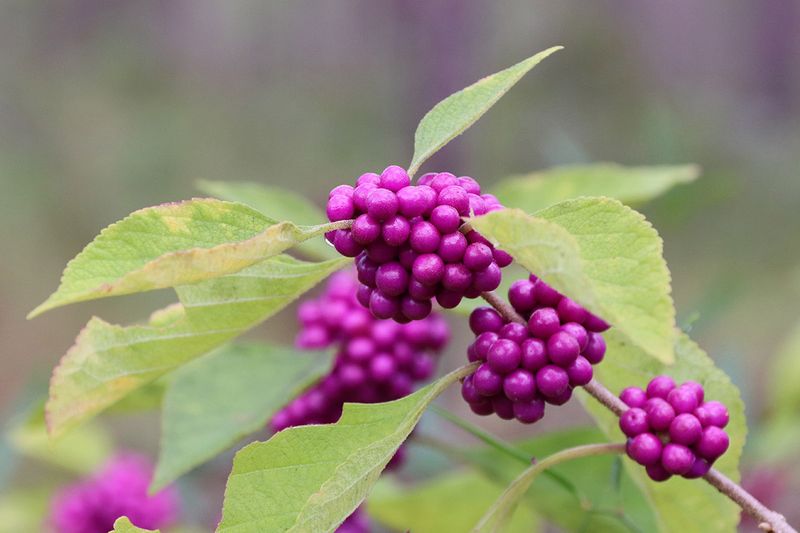
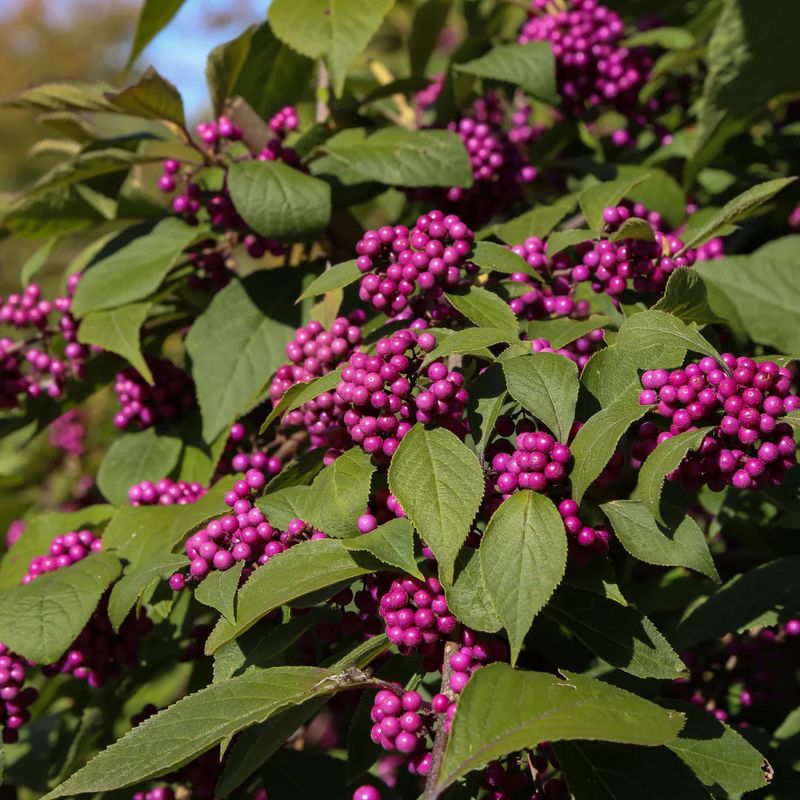
Picture your yard in late October, when the zinnias have collapsed and everything looks tired. Then one shrub lights up with clusters of magenta-purple berries wrapped tight around every branch, glowing like they do not belong to this season at all.
That show runs from roughly August through October, and the fruit often clings on into early winter across North Carolina. The berries hug the stems in dense knots, so the color reads from clear across the yard.
Neighbors genuinely stop and ask what that purple bush is.
Here is the plain reason it works. American beautyberry (Callicarpa americana) sets fruit on new growth, so the berries develop where you can actually see them, not buried deep in old wood.
Give the plant a spot with a few hours of sun and the color turns richer.
The payoff lands when your garden feels finished for the year and this one shrub keeps performing. Late-season interest is hard to buy, and beautyberry hands it to you for free.
2. It Is A Feast For North Carolina’s Birds And Wildlife
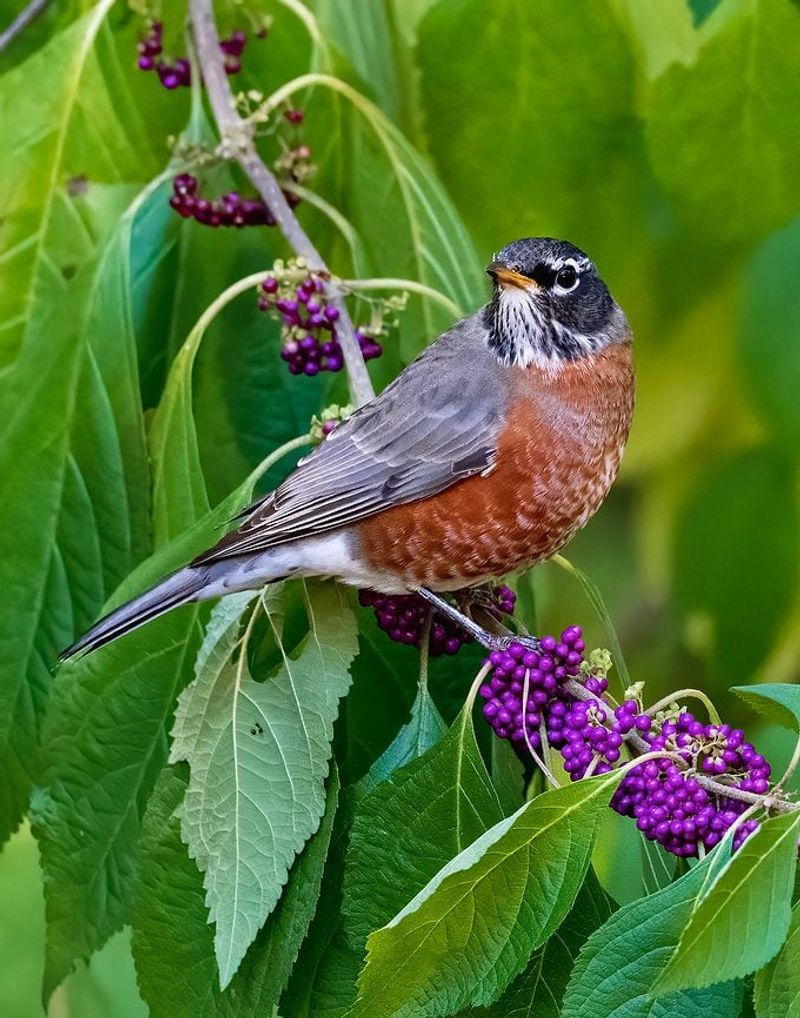
When the first real cold snap hits North Carolina, food gets scarce fast for the birds you like watching from the porch. Beautyberry steps in right when the buffet runs low.
You will see American robins, brown thrashers, mockingbirds, cardinals, purple finches, and eastern towhees working the branches through late fall and early winter. The berries hold moisture and calories both, so they help birds top off before the temperature drops into the 20s.
It is not only songbirds either. Raccoons, opossums, squirrels, and white-footed mice all take a turn at the fruit.
The turn here is simple. A single shrub can convert a dead corner of the yard into a genuine wildlife stop, and you do not have to keep refilling a feeder or scrubbing it out.
Plant one within view of a window, maybe 8 to 10 feet out, and you buy yourself weeks of free entertainment. That cardinal you watched skip past the fence now has a reason to stay.
3. Native Status Means It Thrives Across Our State
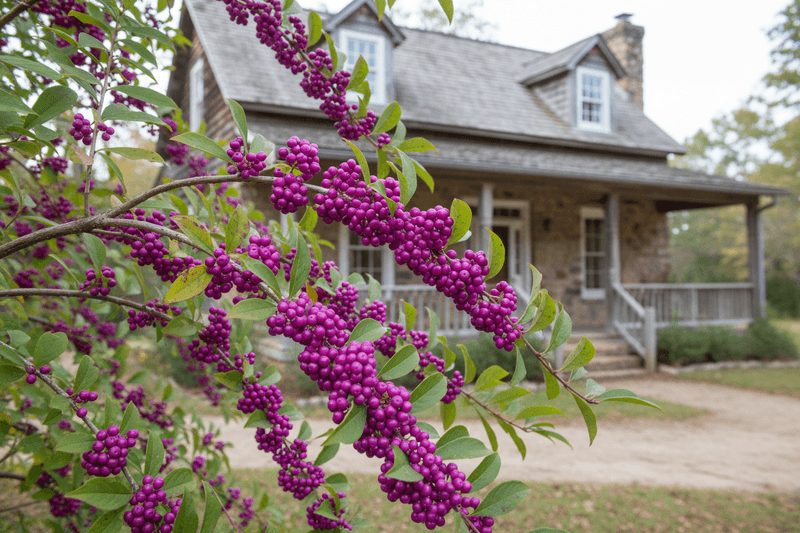
Some plants fight you every single season, needing babying through our humidity and our surprise winter freezes. Beautyberry is not one of them, because it already grew here long before your subdivision did.
The shrub is native to the central and southeastern United States, and it turns up wild from the sandy Coastal Plain all the way to the mountain foothills. That means it is already tuned to our muggy summers, our afternoon thunderstorms, and the odd cold snap that catches everyone off guard.
It handles the heavy red clay of the Piedmont and the loose sandy soil down east.
Beautyberry is hardy roughly across USDA zones 6 through 10, which blankets every corner of North Carolina, from mountain 6a up to coastal 8b. NC State Extension lists it as a dependable native choice for home landscapes.
Choosing a plant that evolved in your dirt means less coddling and fewer failures. So you spend your weekends enjoying the yard instead of nursing something that never wanted to be here.
4. Its Summer Blooms Are A Pollinator Magnet
Long before the purple berries steal the spotlight, beautyberry is already quietly earning its keep. Most folks never notice this part, and that is a shame.
From late spring into early summer, small pink to white flowers tuck themselves along the stems in tidy little clusters. They are modest, easy to walk right past, but native bees and butterflies find them without trouble.
Those same pollinators are the workers keeping the rest of your garden going, including the tomatoes and squash out back.
So this one shrub pulls double duty. Flowers feed the pollinators in early summer, then the fruit those flowers become feeds the birds in fall.
You get two seasons of usefulness from a plant most people only judge on its berries.
Tuck it near a vegetable bed or a pollinator patch with milkweed and Joe Pye weed, and the whole corner starts humming. It is the kind of quiet help you feel more than you see.
5. It Is Exceptionally Low Maintenance And Drought-Tolerant
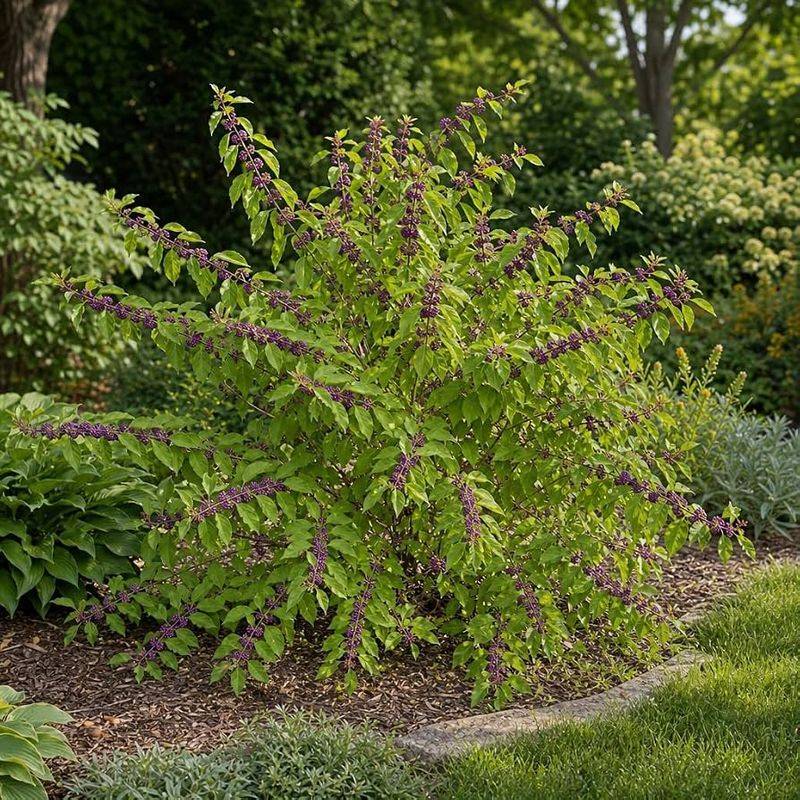
If your weekends already fill up before you get to the garden, beautyberry will not add to your list. Once it settles in, it mostly takes care of itself.
The shrub genuinely shrugs off dry spells, which matters in our summers when the rain skips town for two or three weeks at a stretch. It prefers well-drained ground but tolerates a wide range, from that stubborn Piedmont clay to sandy coastal soil.
It even takes a moist spot, so it is a smart pick for a rain garden collecting runoff off the roof.
Give it real attention only the first year. Water it deeply about once a week through that first summer while the roots reach down, then step back.
After that, it runs on rainfall and neglect. Your water bill stays flat, and one more chore drops off the summer to-do list.
6. You Get A Reliable Plant With Few Pest Or Disease Worries
Japanese beetles chew your roses to lace. Stink bugs pile up on the porch.
It is refreshing to plant something that just does not draw trouble.
Beautyberry is generally a low-drama shrub. You will not usually be fighting heavy insect infestations or nagging diseases the way you might with fussier azaleas or hydrangeas.
Most gardeners find it resists the common leaf diseases and pests that hammer other landscape plants.
That toughness has a real upside beyond convenience. Fewer problems mean fewer reasons to reach for sprays, which keeps the bees and beneficial bugs you actually want safe in your yard.
So the plant protects itself, and by staying spray-free, it protects the pollinators visiting it too. You end up with a healthier shrub and a livelier yard, both for the same small effort.
It is a genuine relief to own a plant that does not become a project.
7. It May Help With Tick Management When Used Thoughtfully
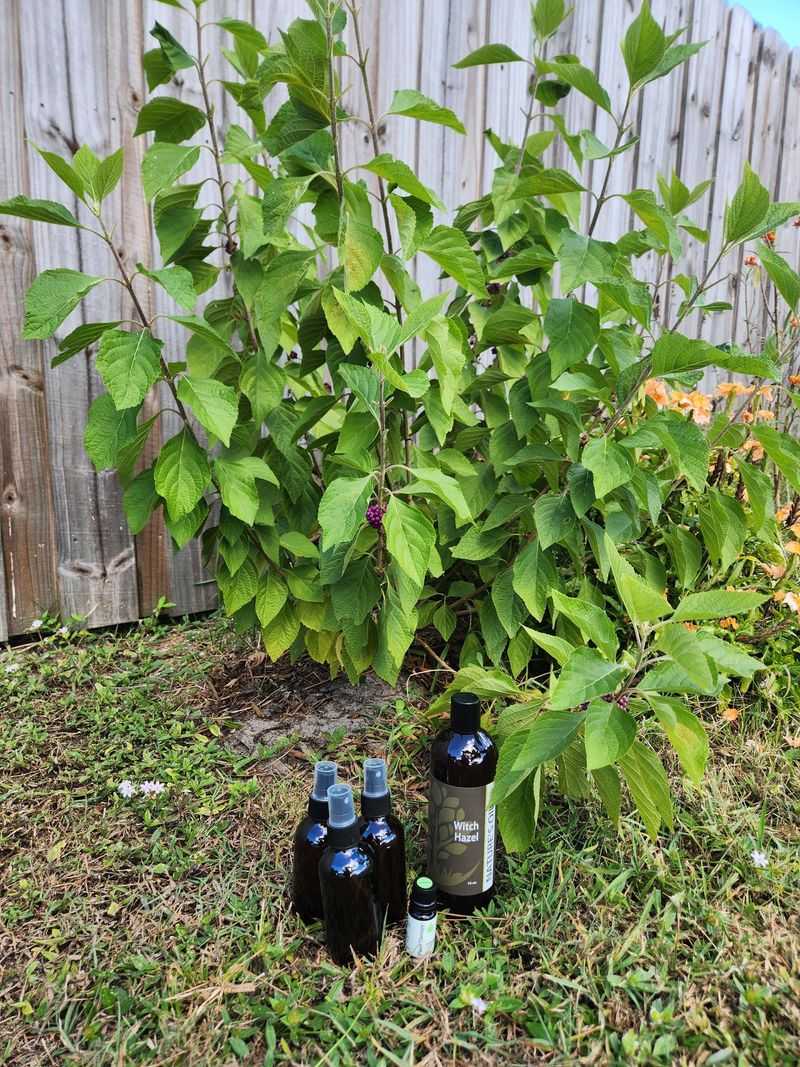
Here is where it gets interesting, but you need the whole story before you get your hopes up. Beautyberry leaves carry compounds, called callicarpenal and intermedeol, that showed repellent activity against certain ticks and mosquitoes in laboratory tests.
Now the honest part. A living beautyberry bush does not create a tick-free bubble around your yard, so do not plant it and think you are covered.
It is one layer, not a shield.
Two things still work in your favor. The shrub likes sunny, well-drained spots, and those drier conditions are generally less inviting to ticks than the damp, shady leaf litter where they wait.
And you can crush a handful of leaves and rub them on your clothes, or steep them in rubbing alcohol for a quick homemade spray, for short-term relief against mosquitoes, ticks, and fire ants while you work outside.
Think of it as one smart tool alongside long socks, mowed edges, and a tick check after yard work. Small help, honestly offered, still counts.
8. It Is An Ideal Choice For Fall Planting In Any Yard Layout
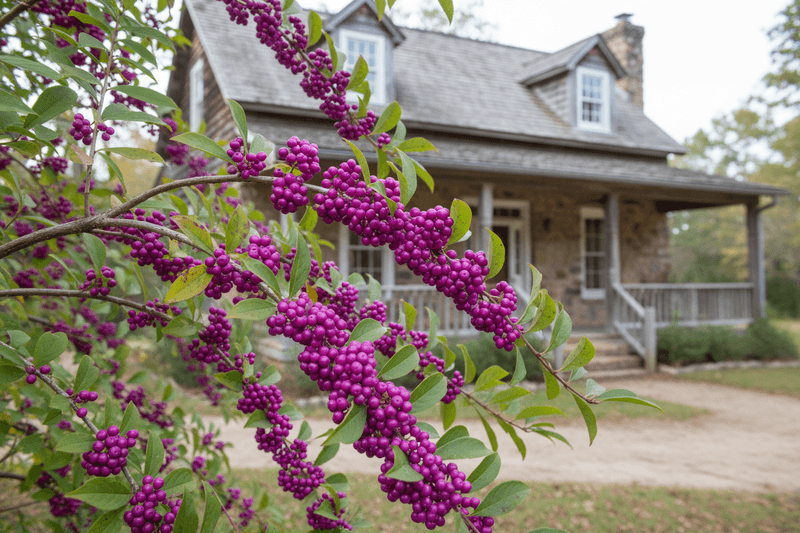
Beautyberry bends to whatever layout you have. Its arching branches and manageable size, usually 3 to 8 feet tall and 3 to 6 feet wide, make it easy to slot into a mixed border, a mass planting, or a loose hedge along a woodland edge.
Drop one in a large container and you bring the purple show right up to the patio.
Fall is genuinely the best time to plant shrubs in North Carolina. Cooler air and steadier rain let the roots settle in before next summer bakes them, so aim to plant several weeks before the first hard freeze.
Space multiple shrubs about 4 to 6 feet apart to give each room to arch.
One care note pays off big. Since flowers and fruit form on new growth, cut the plant back to about 12 inches high in late winter, and it rebounds with a fuller berry display.
With a steady growth rate and a lifespan near 30 years, this is a long haul planting. Put it in this fall, and you set up decades of purple autumns and busy birds.
That is the kind of yard that keeps giving you good evenings on the porch.