
7 Overlooked Florida Native Shrubs That Quietly Bring Fireflies Back To Your Yard
Follow us on Google
You step onto the back porch after dinner, the air still thick and warm, and the yard sits dark where tiny lights used to blink. Fireflies have not vanished from Florida, but they have quietly left a lot of neat, bare, brightly lit yards.
The good news is that a handful of native shrubs can give them food, shade, and damp ground again. Here are seven easy-to-miss plants that can help turn your summer evenings back into a soft, glowing show.
1. American Beautyberry
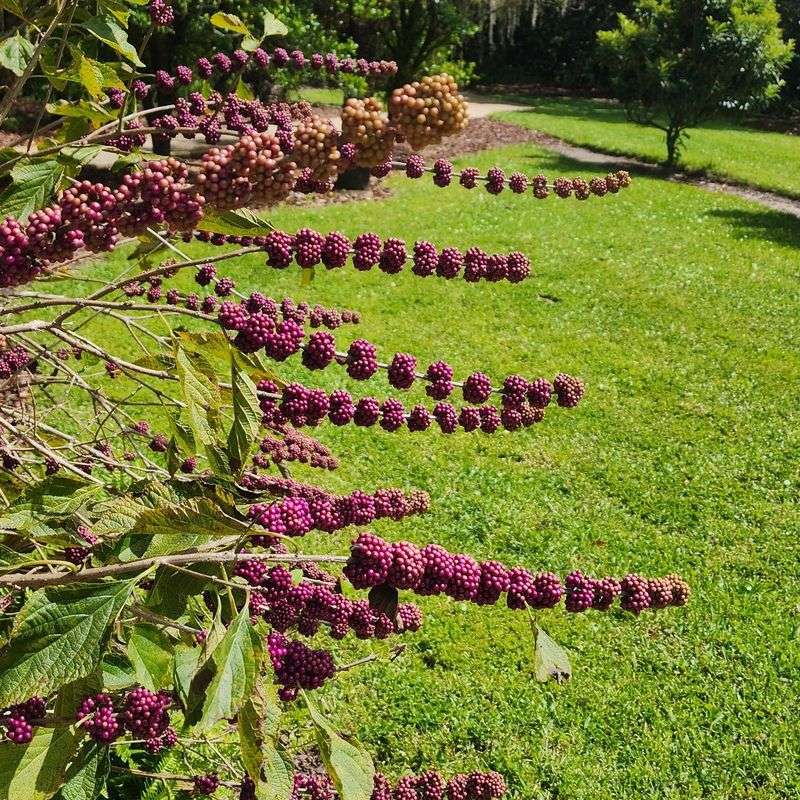
Most people plant American beautyberry (Callicarpa americana) for its purple fall berries. The fireflies care about something else entirely, the cool, shady ground under those arching branches.
Here is the surprise. Firefly larvae, sometimes called glowworms, spend up to two years living in damp soil and leaf litter, hunting snails and slugs.
Bare, sun-baked sand gives them nowhere to hunt.
Beautyberry grows 3 to 8 feet tall and spreads about as wide, casting a leafy umbrella that keeps the soil moist through long Florida summers. It handles sandy Central Florida soil and the sandy loam of the Panhandle with equal ease.
Plant a small group 4 to 6 feet apart in partial shade, then leave the fallen leaves in place. In late winter, cut stems back to about 12 inches to push out thick new growth.
Water twice a week for the first 8 weeks, then let rain do most of the work.
Birds will strip the berries by winter. And come June, the shadows underneath may start to blink back at you.
2. Firebush
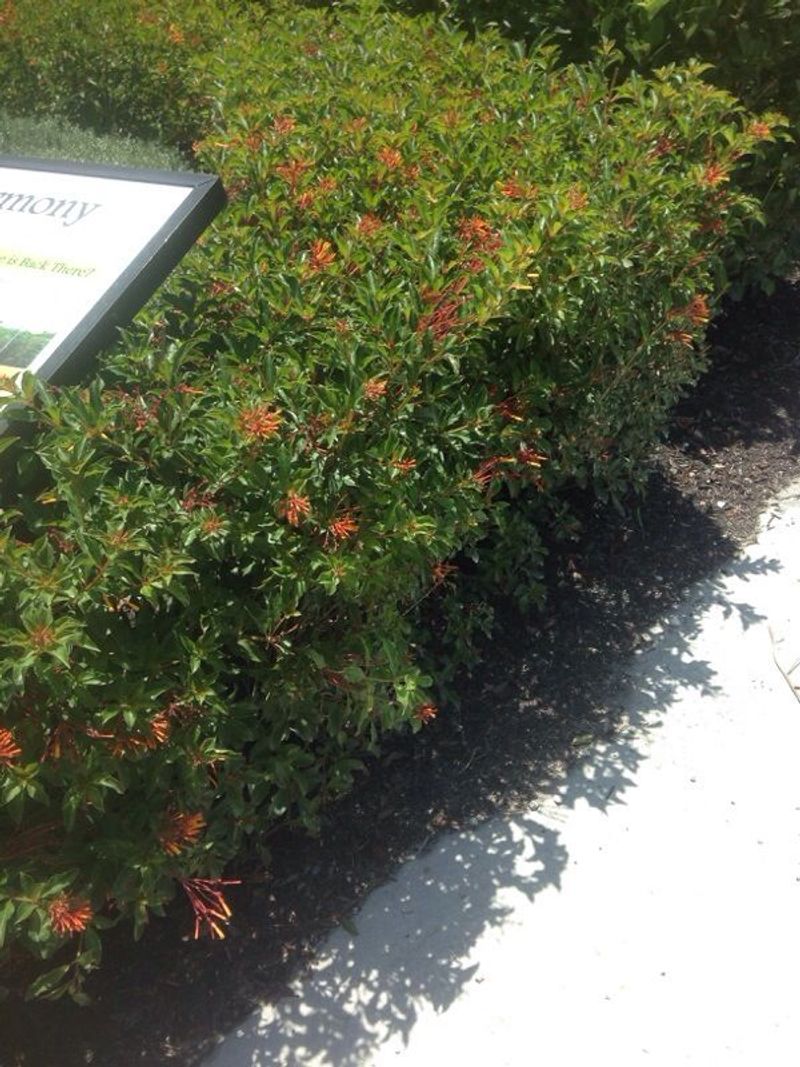
Blunt truth first. Firebush (Hamelia patens) is famous for hummingbirds and zebra longwings, and nobody plants it with fireflies in mind.
That is exactly why it belongs here. Its dense, evergreen leaves give adult fireflies a cool hiding spot during scorching afternoons, when bright, open lawns offer no shelter at all.
Think of it as a shady motel along a busy highway.
Firebush grows 5 to 10 feet tall in South Florida, where it stays green all year. In North Florida, a hard freeze below 28 degrees may knock it to the ground.
Do not panic, it is usually root-hardy and pushes back up by late spring.
Give it full sun for the most blooms, and plant it about 3 feet from other shrubs. Once established, it shrugs off dry spells better than most of your yard.
Some sources suggest certain adult fireflies may visit flowers, but treat that as a small bonus, not the main reason.
The real win is layered cover. Hummingbirds by day, quiet glowing guests by night.
3. Buttonbush
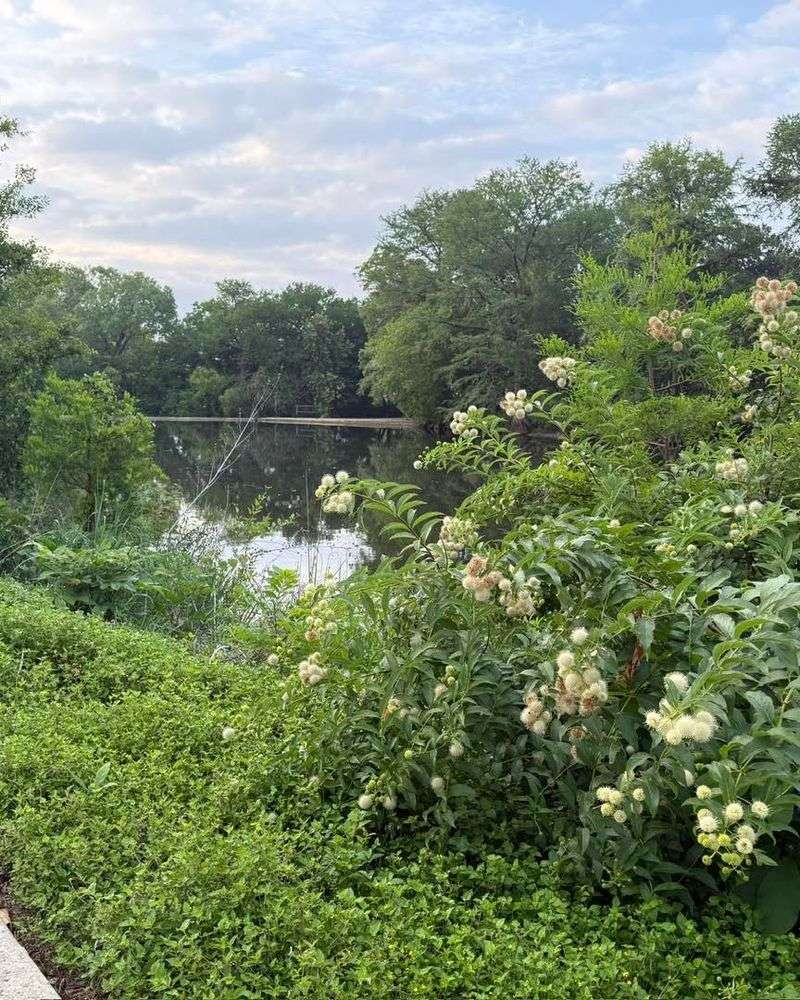
Picture that soggy low corner of your yard that floods after every afternoon storm. Most homeowners fight it.
Fireflies would rather you leave it alone.
Buttonbush (Cephalanthus occidentalis) loves wet feet, and that is its genuine superpower. Some firefly species lay eggs in saturated soil near water, and their larvae hunt in mud and shallow edges.
A shrub that thrives there turns a problem spot into a nursery.
Its white, ball-shaped blooms look like tiny pincushions and pull in bees and butterflies all summer. It can reach 10 feet tall and 6 to 8 feet wide, so give each plant about 5 feet of room.
Plant it along a pond, a drainage swale, or a rain garden in full sun to part shade. It handles standing water for weeks, which most landscape shrubs simply cannot do.
One honest warning, the leaves and seeds are toxic if eaten, so keep it away from grazing pets.
That soggy corner you used to curse may become the brightest part of your evening.
4. Wax Myrtle

Myth says wax myrtle is just a cheap privacy hedge. In reality, it is one of the hardest-working firefly shelters in the state.
Adult fireflies spend daylight hours resting low in thick foliage, out of the sun and away from hungry birds. Wax myrtle (Morella cerifera) stays dense and green all year, so the hiding spot never closes for the season.
It also handles almost anything Florida throws at it. Poor sand, wet pockets, and moderate salt spray along the Gulf Coast or Atlantic Coast do not slow it down much, thanks to roots that pull nitrogen from the air.
For a hedge, plant shrubs 3 to 4 feet apart. Expect 10 to 15 feet of height in a few years if you let it go.
Water every two or three days for the first month, then taper off.
Here is the tricky part. Shearing it into a tight box removes the soft, layered interior fireflies like.
Trim lightly once a year, and let the bottom stay full and shaggy. Your neighbors see a hedge.
The fireflies see home.
5. Saw Palmetto
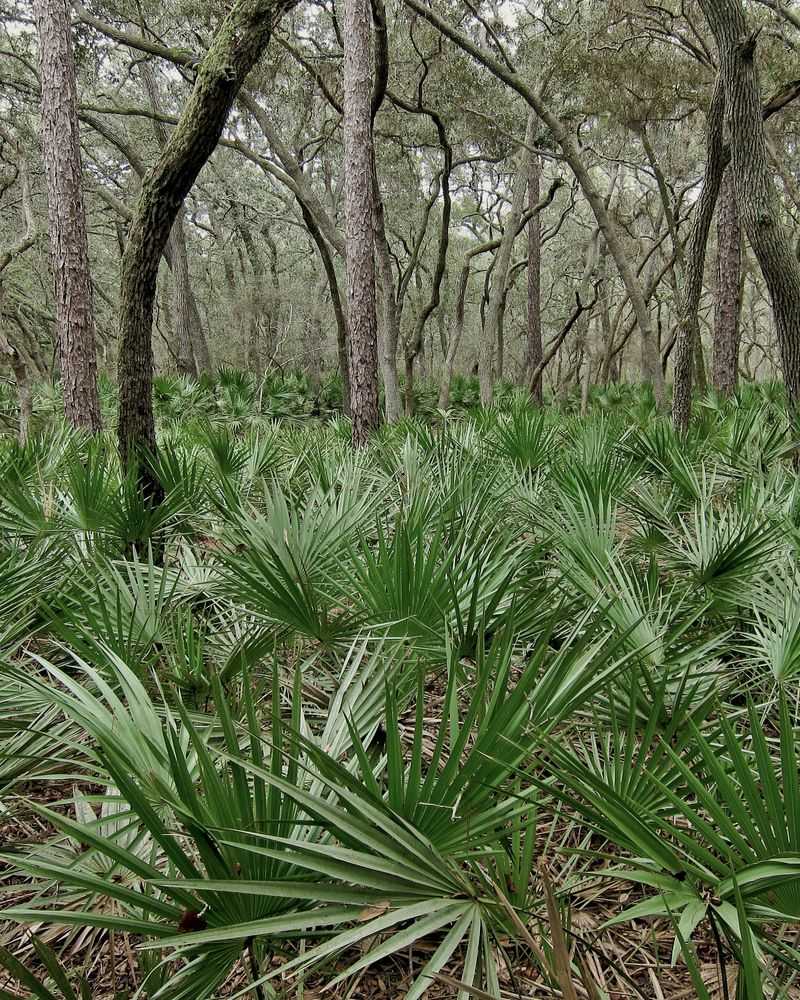
Plenty of new Florida homeowners rip out saw palmetto the week they move in. It looks scruffy, and it seems wild.
That wildness is the whole point. Saw palmetto (Serenoa repens) creeps along the ground with thick trunks and stiff fans that trap fallen leaves and shade the soil beneath.
That undisturbed layer is precisely where firefly larvae hunt in peace.
It is genuinely tough. Saw palmetto grows statewide, from dry scrub to damp pine flatwoods, and handles drought and moderate salt once settled in.
It grows slowly, reaching 3 to 6 feet tall, but a single clump can live for centuries.
Plant container palmettos about 4 feet apart in sun or light shade. Water two or three times a week for the first 3 months, because they root in slowly.
Spring flower stalks feed native bees, and the dark fruit feeds wildlife in fall.
Leave the debris under it alone. That messy little floor is a hunting ground, and it is doing exactly what nature designed it to do.
6. Simpson’s Stopper
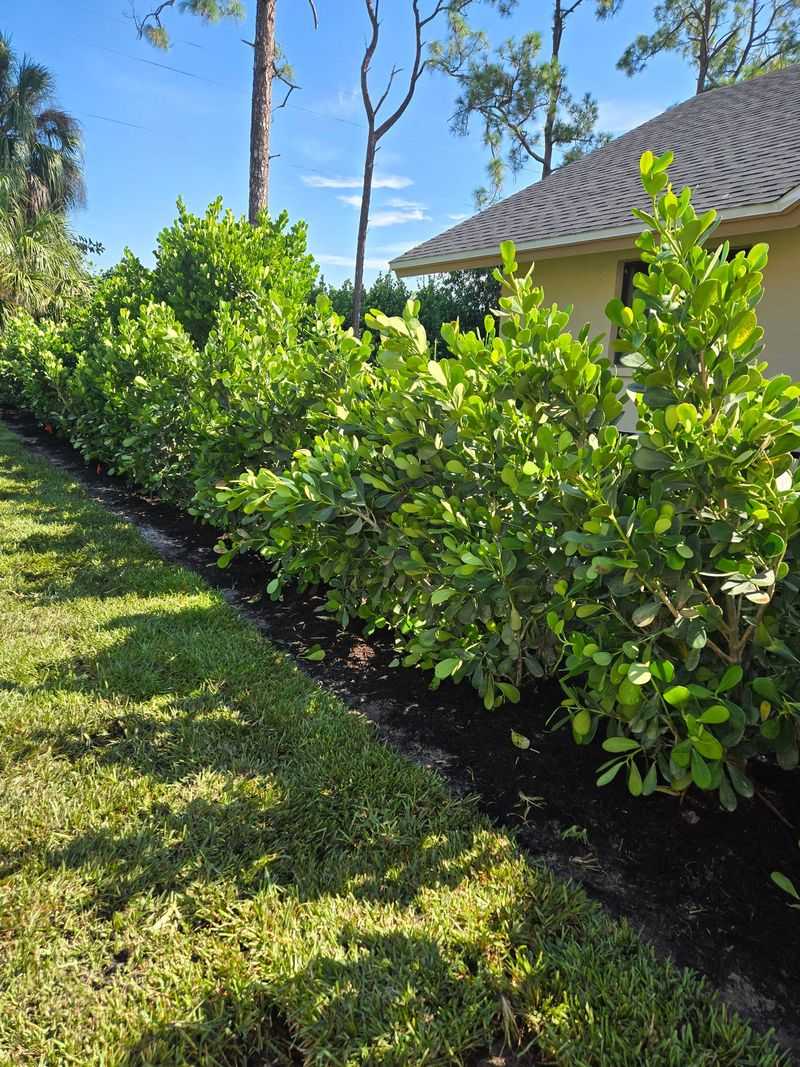
Crush a leaf of Simpson’s stopper (Myrcianthes fragrans) and you get a warm, spicy scent close to nutmeg. It is a small pleasure most people never discover.
For fireflies, the gift is quieter. Its small, glossy leaves form a tight evergreen canopy that holds shade and moisture at ground level all year.
In South Florida, where winters stay warm and dry, that steady damp pocket matters.
Stopper grows 5 to 20 feet tall, but you can keep it at a friendly 6 feet with a light trim each spring. It tolerates the shallow limestone soils of Miami-Dade and the Keys and handles moderate salt near the coast.
In Central Florida, a brief cold snap usually leaves it unharmed.
Space plants 4 to 5 feet apart for a soft, natural screen. Small white flowers bring bees and butterflies, which feeds the busy insect life larvae depend on.
UF/IFAS Extension lists it among dependable native choices for home landscapes.
It is a neat, polite shrub, and it pulls more weight than its tidy look suggests.
7. Dwarf Palmetto
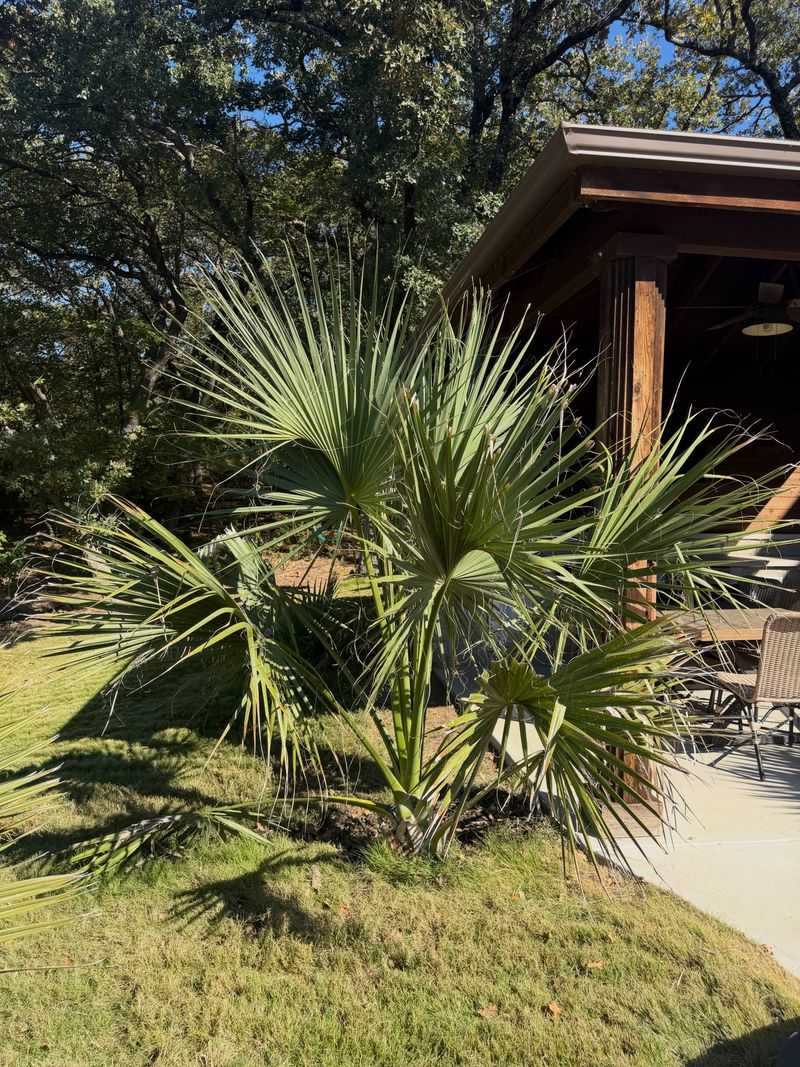
Under the big live oak, where grass refuses to grow, there is usually a bare patch of dirt. Dwarf palmetto (Sabal minor) was practically made for that spot.
It has no visible trunk, just broad fans rising from the ground. Those fronds shade moist soil and drop litter that shelters slugs and snails, the favorite prey of firefly larvae.
Picture a low green tent over a busy pantry.
Dwarf palmetto grows about 4 to 6 feet tall in most yards and likes partial shade. It does best in North Florida and the Panhandle, where it tolerates freezes down to around 10 degrees, but it also grows well in Central Florida.
It actually prefers damp soil yet survives dry spells once rooted.
Mass plants 3 to 5 feet apart under trees or along a wooded edge. Skip the leaf blower in that zone, and keep porch lights off or dimmed in summer so fireflies can see each other signal.
No single shrub fixes everything. But plant a few of these seven, leave the leaves, dim the lights, and some evening you may catch your yard flickering back to life.
