
These 8 Native Pennsylvania Shrubs Do Everything Butterfly Bush Promises And More
Follow us on Google
You step out on an April morning, coffee in hand, and watch a single butterfly drift over the butterfly bush you planted last year.
It looks like a win.
But here is the quiet catch.
That shrub, Buddleja davidii, feeds adult butterflies nectar and nothing else, and it does not host a single native caterpillar.
Worse, it is invasive in Pennsylvania, escaping fences on dust-fine seeds that ride the wind for miles.
Even the sterile kinds can drop thousands of viable seeds.
The good news is simple.
Eight native shrubs do everything that bush promised, and then some, feeding the whole life cycle without the ecological bill.
Here they are.
1. Serviceberry Feeds Birds Before Anything Else Blooms
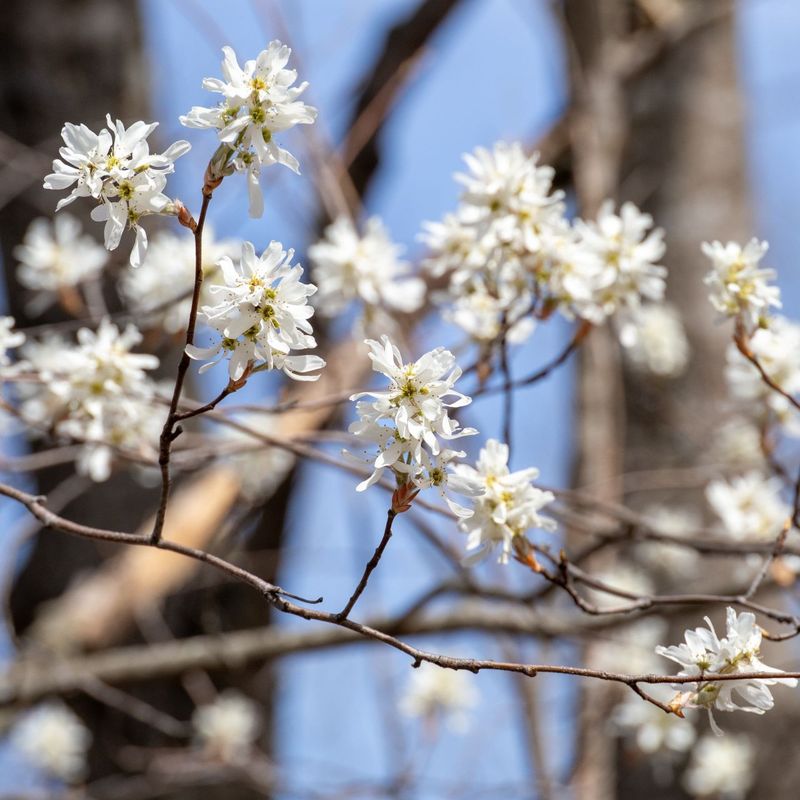
Picture a Pennsylvania yard in early April, most trees still bare, and one shrub already dressed in soft white flowers.
That is serviceberry, Amelanchier spp., waking up before almost everything else and feeding the first hungry native bees of the year.
Here is what most folks miss.
Those flowers turn into June berries that feed over 40 species of birds, from cedar waxwings to robins.
And the leaves host caterpillars for the Canadian Tiger Swallowtail, Red-spotted Purple, and Viceroy.
Butterfly bush cannot claim any of that.
Give it full sun to partial shade and moist, well-drained soil.
It handles everything from the fertile central valleys to the rocky glaciated north, hardy in Zones 3 through 8.
Expect a multi-stemmed shrub or small tree, 15 to 25 feet tall and 10 to 15 feet wide.
Space plants at least 8 feet apart to keep air moving, which helps fend off rust and powdery mildew in our humid summers.
Prune in late winter to shape it.
Deer may nibble young stems, so a simple cage for the first year or two pays off.
The old name Shadbush comes from its bloom lining up with shad running up Pennsylvania rivers.
Plant one, and you get spring flowers, June fruit, and fiery fall color, all working while you sip that coffee.
2. Spicebush Is The Swallowtail’s Only Nursery
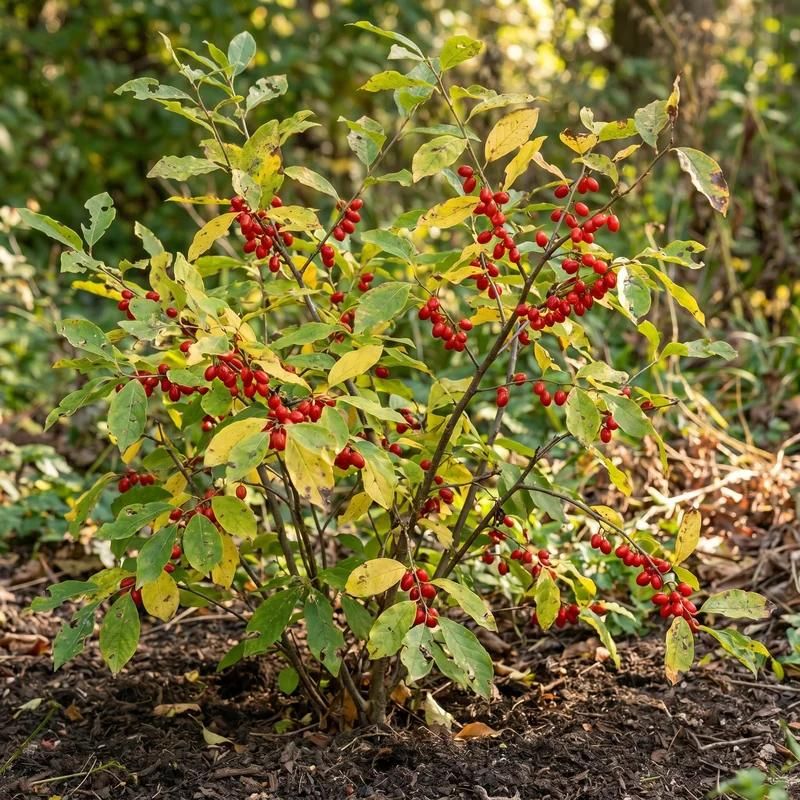
Crush a spicebush leaf and your fingers smell like a kitchen spice rack.
That aroma is exactly why deer walk right past it, which already puts it ahead of most shrubs you can plant.
Spicebush, Lindera benzoin, is the one and only host plant for the Spicebush Swallowtail caterpillar.
It also feeds Eastern Tiger Swallowtail larvae and Promethea Silkmoth caterpillars.
Its tiny yellow flowers open in early spring for the first pollinators, and female plants hang bright red, high-fat berries that fuel thrushes and catbirds on fall migration.
It grows 6 to 12 feet tall and wide, happy in full sun, part shade, or even full shade.
More sun means a fuller shape and more berries.
It likes moist, calcium-rich soil but tolerates a wide pH range, and it thrives in the moist understory from the Allegheny Plateau to the Delaware Valley.
Hardy in Zones 4 through 9.
Water new plants about 1 inch per week that first summer.
After that, it shrugs off short dry spells.
Problems are rare, though the sassafras borer occasionally visits stressed branches.
Plant a male and a female if you want those berries, and you have handed the swallowtails a nursery butterfly bush never offered.
3. Mountain Laurel Wears Pennsylvania’s State Flower
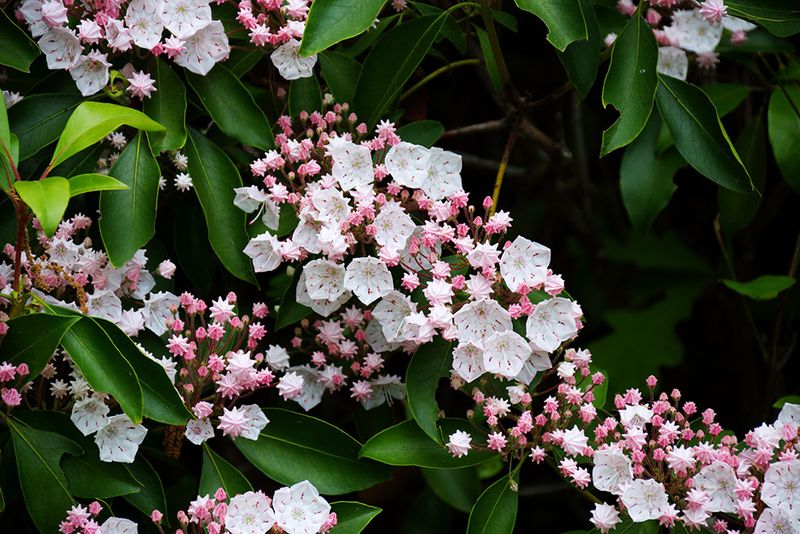
Some people think our state flower is too fussy to bother with.
That myth keeps a genuinely tough evergreen out of yards where it would thrive for decades.
Mountain laurel, Kalmia latifolia, opens showy clusters of white, pink, and rose flowers in late spring, usually May into June.
Bumblebees and other native bees work those blooms hard.
And because the leaves stay green all year, the shrub shelters wildlife through the brutal winters of the northern tier.
It is a slow grower, sometimes taking a decade to reach 4 to 8 feet, eventually settling around 7 to 10 feet tall.
Give it cool, moist, acidic, well-drained soil, the same conditions rhododendrons crave.
Partial shade suits it best, especially protection from harsh afternoon sun in warmer southeastern pockets.
Hardy in Zones 4 through 9.
Aim for a soil pH between 4.5 and 5.5.
Alkaline soil turns leaves yellow, so a thick layer of pine needle or bark mulch keeps the roots cool, acidic, and moist.
Good airflow wards off fungal leaf spot.
In the central mountains, laurel forms dense thickets old-timers call laurel hells.
Plant one near a shaded patio, and every June it rewards patience with the flower Pennsylvania chose for itself.
4. New Jersey Tea Fertilizes Your Soil For Free
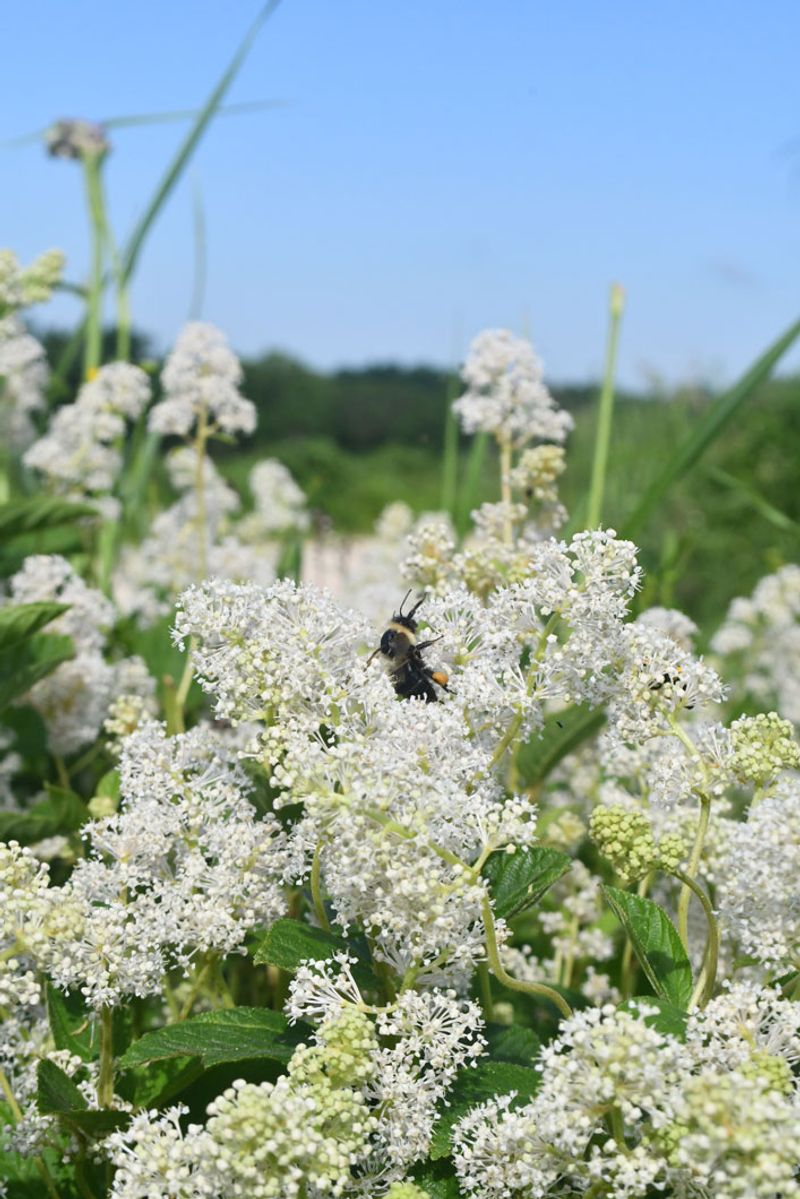
A shrub that feeds pollinators and fertilizes your dirt while you do nothing sounds like a sales pitch.
This one actually delivers.
New Jersey Tea, Ceanothus americanus, is a nitrogen-fixing plant, meaning it pulls nitrogen from the air and enriches the soil around it, cutting your need to fertilize.
In summer, from June through August, it throws up fragrant white flower puffs that pull in native bees, butterflies, and hummingbirds.
It also hosts Spring Azure, Summer Azure, and Mottled Duskywing caterpillars.
Best part for busy folks, it is genuinely low effort.
A massive deep root system makes it drought-tough once established, so it needs little watering after the first year.
It stays compact at 2 to 4 feet tall, a touch wider, in a tidy rounded mound.
Give it full sun to part shade and well-drained soil.
It handles sandy woods, rocky hillsides, limestone valleys, and even the glacial soils of northern Pennsylvania.
Hardy in Zones 4 through 9.
Prune in early spring since it flowers on new wood, and you can cut mature plants to the ground to spark fresh growth.
Pick its spot carefully, because those deep roots hate being moved.
It also leafs out late, so do not panic in a cold northern spring.
Then it quietly improves the ground for its neighbors.
5. Highbush Blueberry Feeds You And 217 Species
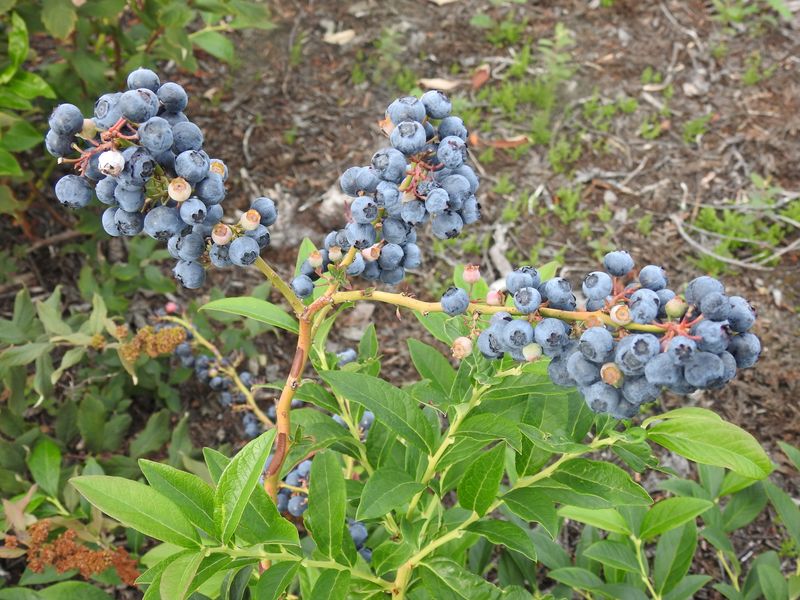
Here is a number that stops people cold.
The Vaccinium genus, which includes highbush blueberry, hosts caterpillars for 217 species of butterflies and moths and supports 14 kinds of pollen-specialist bees.
Highbush blueberry, Vaccinium corymbosum, is a genuine keystone plant.
Its white bell flowers in spring, April into June, feed native bees and bumblebees.
Then the berries ripen in summer, feeding over 30 bird species like bluebirds and cardinals, plus mammals and, if you beat the robins, you.
Fall leaves blaze red.
Now the tricky part.
It demands consistently moist, well-drained, and highly acidic soil, a pH between 4.3 and 5.5.
Too alkaline and the leaves yellow fast.
Gardeners in limestone-rich valleys will need to amend heavily with peat moss or elemental sulfur, and a soil test is money well spent.
It grows 6 to 12 feet tall and wide, best in full sun.
Because the roots run shallow, lay 2 to 4 inches of organic mulch to hold moisture.
Prune in late winter for better fruit.
Plant two varieties that bloom together and your harvest jumps.
Hardy in Zones 4 through 7, it grows wild in Pennsylvania wet woodlands and bogs.
Toss some netting over it near harvest, and you finally get to share breakfast with the bees instead of losing it all to them.
6. Buttonbush Turns Soggy Corners Into Butterfly Hubs
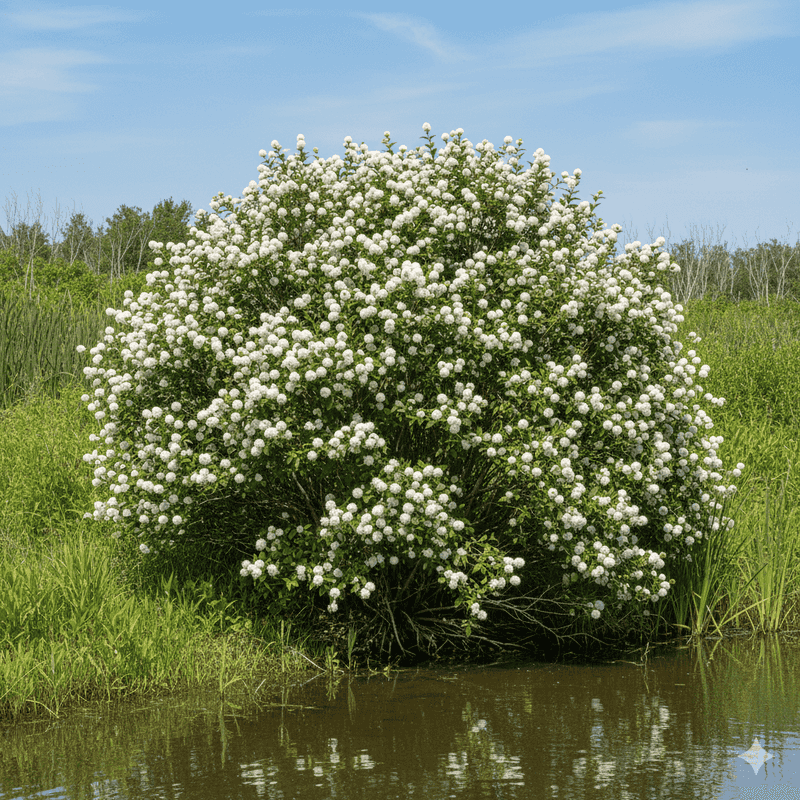
That low wet corner where nothing seems to grow, the one that puddles after every summer thunderstorm, has a hero waiting for it.
Buttonbush, Cephalanthus occidentalis, actually wants wet feet.
It tolerates occasional flooding and even shallow standing water, which makes it perfect for rain gardens and pond edges along Pennsylvania streams from the Lake Erie region to the Poconos.
Its flowers look like little white pincushion spheres, blooming June through September, and they draw a genuine parade of visitors.
Native bees, hummingbirds, swallowtails, monarchs, painted ladies, and fritillaries all crowd in.
Those flowers harden into reddish-brown seed balls that hang through winter and feed waterfowl and shorebirds.
It grows 5 to 12 feet tall and 4 to 8 feet wide, usually multi-stemmed, in full sun to partial shade.
Hardy across a wide range, Zones 3 through 11.
It skips the dry spots, so do not fight to plant it on a hot dry bank.
Deer leave it alone because the foliage is toxic to livestock.
Prune in late winter to shape it.
One quirk, it breaks dormancy late in spring, so do not write it off as dead when neighbors are already green.
Give your worst wet corner to buttonbush, and it becomes the busiest pollinator stop in the whole yard.
7. Common Elderberry Grows Fast And Gives Fast
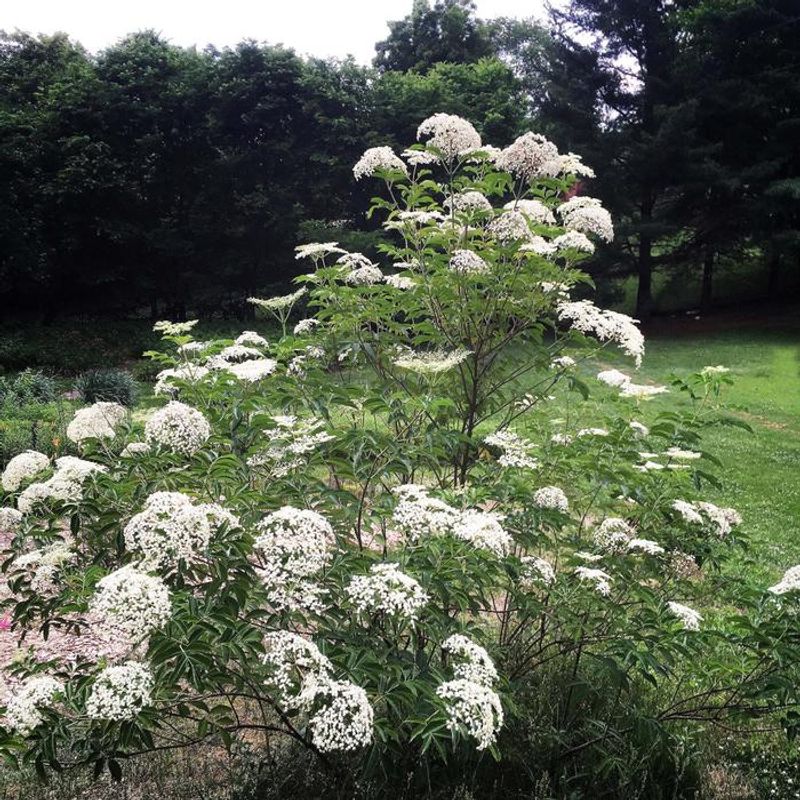
Patience is not a virtue everyone has, and elderberry knows it.
This is one of the fastest shrubs on the list, filling in a bare spot in a season or two.
Common elderberry, Sambucus canadensis, spreads big flat clusters of creamy white flowers in early summer, June into July, pulling in native bees and beneficial insects by the dozen.
Those flowers become heavy clusters of dark purple berries in late summer, a feast for over 30 bird species like robins and bluebirds.
People love them too for jelly and wine, though you must cook them, never eat them raw.
It reaches 5 to 12 feet tall and wide as a multi-stemmed shrub, happiest in full sun to part shade with rich, moist to wet, slightly acidic soil.
You will find it along woodland edges from the lowlands of southeastern Pennsylvania to the Laurel Highlands.
Hardy in Zones 3 through 9.
It is also a workhorse for erosion, its roots stabilizing eroding banks and helping watershed health.
Prune yearly in late winter, cutting out dead canes and any stems older than two or three years to keep it productive.
Fair warning, it suckers and spreads, which is a gift for naturalizing but a chore in tidy beds.
Net the berries if you want your share, because the birds strip them the day they ripen.
8. Winterberry Holly Glows When Everything Else Quits
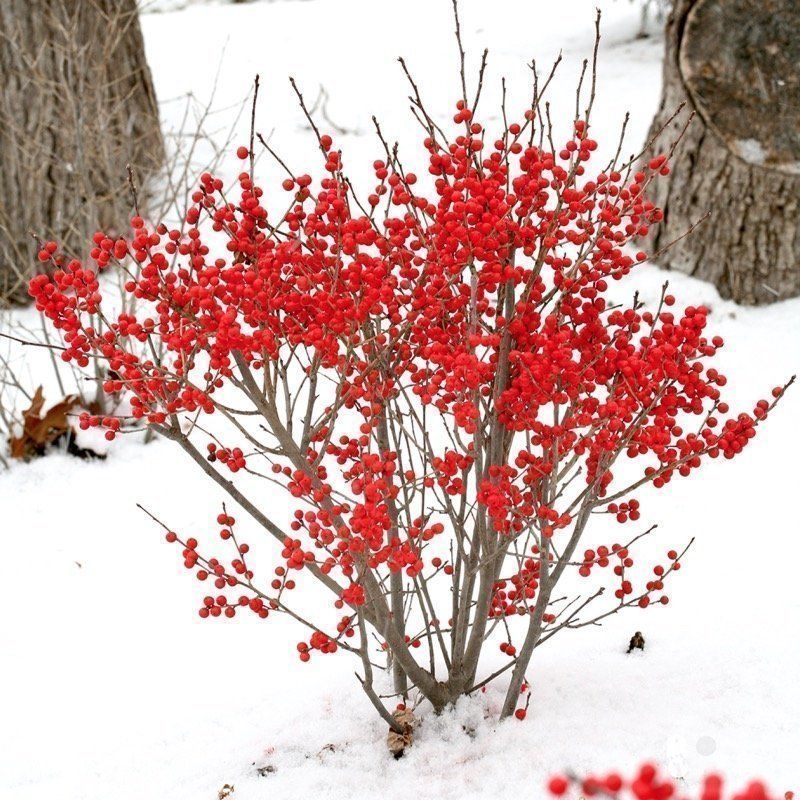
Walk past a bare thicket in January and one shrub stops you flat, its branches strung with cherry-red beads against the snow.
That is winterberry, and it earns its keep in the season nothing else does.
Winterberry holly, Ilex verticillata, is a deciduous holly that drops its leaves in fall to show off berries that hang all winter.
When food gets scarce, robins, cedar waxwings, and bluebirds depend on those berries.
Small summer flowers feed native bees, and it hosts Henry’s Elfin butterfly and the Pawpaw Sphinx moth.
Here is the catch that surprises most gardeners.
Winterberry is dioecious, meaning you need a female plant for berries and a compatible male within 50 feet to pollinate it.
Buy both, or you get a berry-free shrub and a lot of confusion.
It grows 3 to 15 feet tall and wide in full sun to partial shade, with fruiting fading in deep shade.
It loves moist to wet acidic soil, pH 3.5 to 6.0, but tolerates drier ground once settled.
Hardy in Zones 3 through 9, it grows wild in wet woodlands from the Poconos to the central valleys.
It is deer and rabbit tolerant, slow-growing, and prunes best in late winter.
Penn State Extension notes it also handles urban conditions reasonably well.
Plant a pair, and your winter yard finally has something worth walking out to see.