
Your Peonies Look Finished, But Next Spring’s Buds Are Already Sitting Under The Soil Waiting On You
Follow us on Google
It’s a warm June evening, and the last pink petals are lying in a soft heap at the base of your peony bush. The plant looks done, just a mound of green leaves that don’t seem to matter anymore.
But a few inches below the soil, small reddish buds called eyes are already forming for next spring. What you do over the next few months decides whether those buds open into a big show or a handful of tired flowers.
The good news is that the work is simple, and most of it is about knowing what not to do.
1. Next Year’s Flowers Are Already Forming Right Now
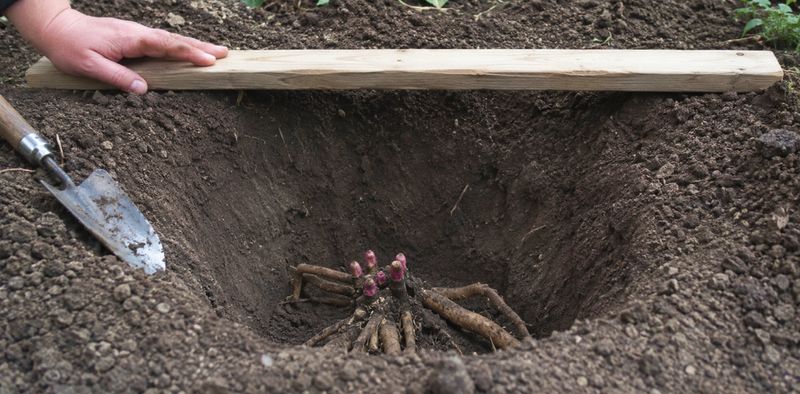
Here is the surprising part. The pink or red nubs on a peony crown, often called eyes, are next spring’s stems and flower buds, and they start forming soon after bloom ends.
The crown is the knobby spot where roots meet stems. Garden peonies, Paeonia lactiflora, set those eyes there in summer and fall, then rest through winter.
Think of the crown as a savings account and the eyes as next year’s withdrawals.
So the plant is not finished at all. It is quietly shifting from showing off to building up, and the next four or five months are when you can help it most.
Iowa State University Extension notes that peonies can live for decades in one spot when they are left undisturbed and cared for. That long life depends on what happens in these quiet months, not on the two weeks of flowers you just enjoyed.
Your job now is not complicated. Protect the leaves, keep the roots from drying out, and avoid burying the crown.
Each section below covers one piece of that, with the exact steps.
2. Snipping Spent Blooms Keeps Energy Below Ground
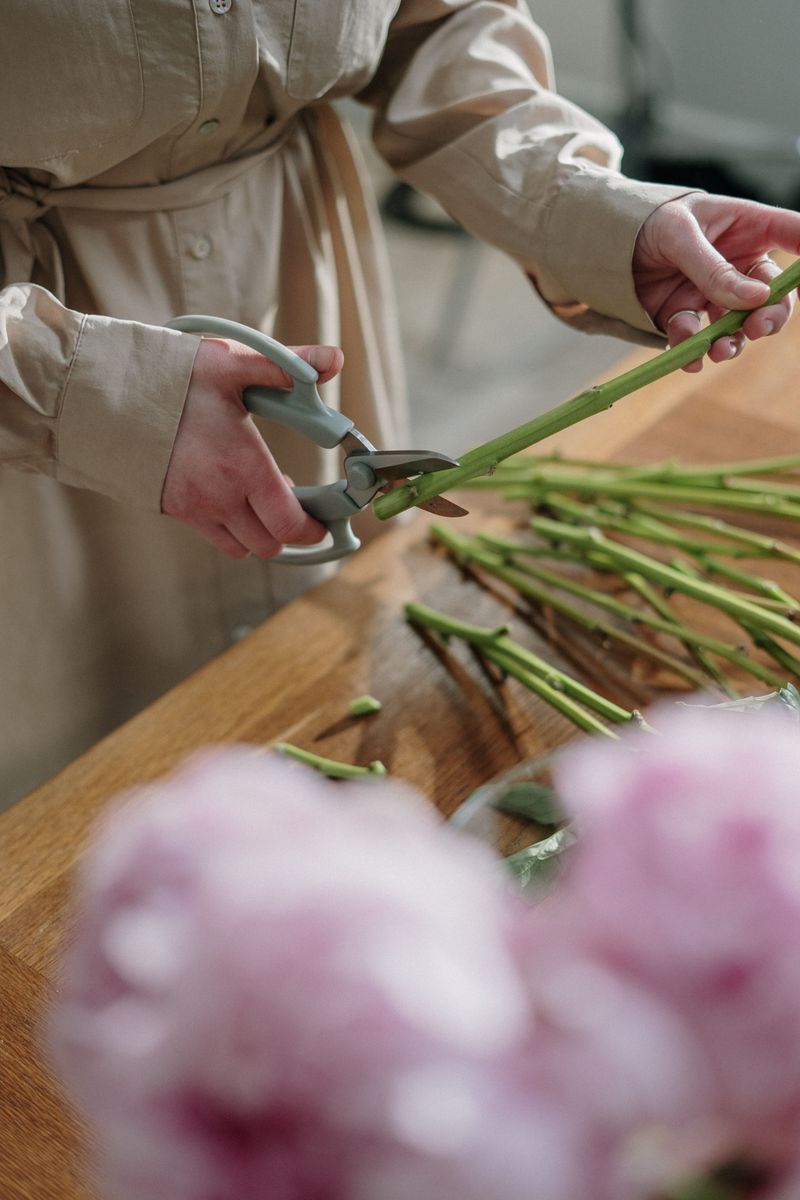
A faded peony head is not just untidy. If you leave it, the plant starts building a fat seed pod, and that costs energy the roots could have saved.
The fix takes about five minutes per plant. With clean, sharp shears, cut each spent flower stem back to the first strong leaf below the bloom.
That’s it, you are done.
Leave every healthy leaf in place. You are removing the seed factory, not the solar panels.
Wipe your blades with rubbing alcohol between plants, which can reduce the spread of fungal problems like botrytis, a gray mold that loves peonies.
Toss the cut heads in the trash rather than the compost if you saw any gray fuzz or blackened buds this spring. Spores can hang around in a compost pile that does not get hot enough to kill them.
Deadheading will not double your flowers by itself. It is one small layer.
But combined with the steps ahead, it keeps more of the plant’s summer work flowing down to those eyes.
3. Cutting Green Leaves Early Starves Next Year’s Buds
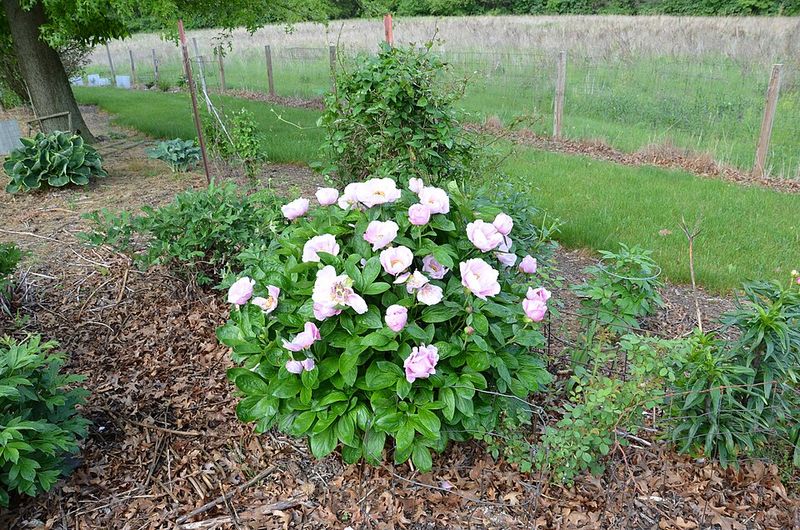
Many gardeners believe peony leaves are just leftover clutter once the flowers fade. That myth costs more blooms than almost any pest.
Those leaves are the plant’s kitchen. Through photosynthesis, which simply means turning sunlight into sugar, they feed the roots and crown all summer.
Cut them down in July and you have unplugged the stove while dinner is still cooking.
Plants trimmed early often come back with fewer and smaller flowers the next spring. Sometimes they skip blooming entirely for a year while they recover.
So let the foliage stand until it yellows or browns naturally. In much of the Midwest and Northeast, that usually happens after the first hard frost in October or November.
In warmer Southern gardens, it may come later or more gradually.
Once the leaves are spent, cut stems to about 1 to 2 inches above the soil. Bag the debris.
Old peony leaves can carry disease spores through winter, so a clean bed in fall means fewer problems in spring.
If the mound looks bare by August, tuck a few annuals nearby for color. Just do not crowd the base.
4. Deep Summer Watering Feeds Buds You Cannot See

Picture a dry August afternoon. The lawn crunches underfoot, the peony leaves still look fine, and you assume the plant is coping.
Above ground it may be. But the roots are busy storing food and supporting new eyes, and a long dry stretch quietly slows that work.
Established peonies are tough, not invincible.
Aim for about 1 inch of water per week from rain or the hose during dry spells. Water slowly so it soaks 6 to 12 inches down, where the storage roots live.
A soaker hose for 30 to 45 minutes often does it, though sandy soil drinks faster than clay.
Water at the base in the morning. Wet leaves overnight invite powdery mildew, that white dusty coating many humid Southeast and Mid-Atlantic gardens see by late summer.
Skip the daily sprinkle. Shallow watering keeps roots near the surface, which leaves them more exposed to heat.
One deep drink beats five quick ones, and it is kinder to your water bill too.
5. Too Much Fertilizer Grows Leaves Instead of Flowers
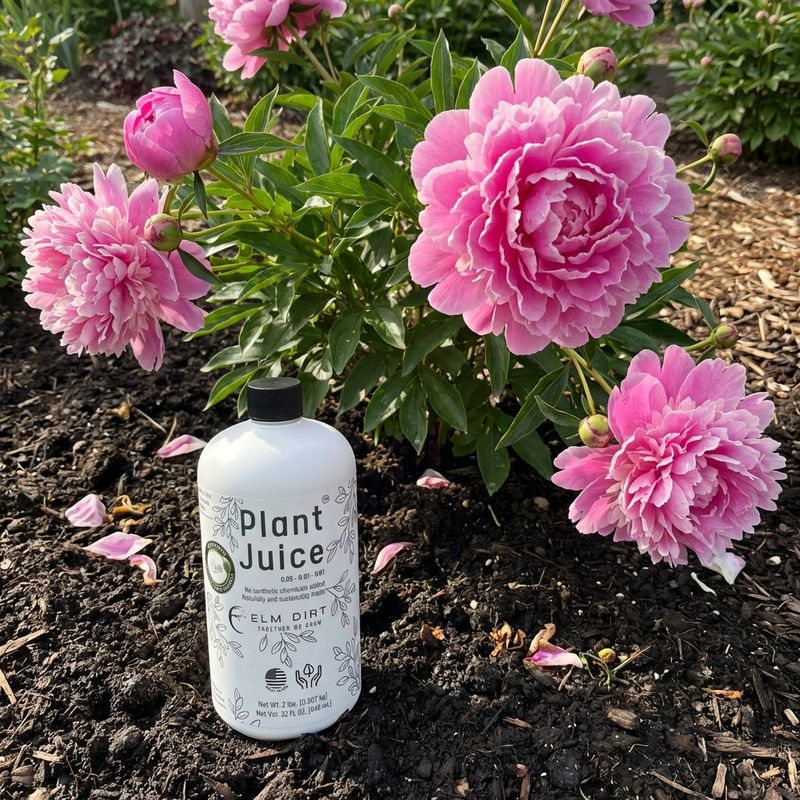
More food sounds like more flowers. With peonies, it often works the other way.
Nitrogen, the first number on a fertilizer bag, pushes leafy growth. Too much of it and you get a big green bush with few buds.
Lawn fertilizer drifting into beds is a common culprit.
If your peony bloomed well and your soil is decent, it may not need feeding at all this year. If blooms were thin, a light hand is the answer.
Use a balanced blend like 10-10-10 or a low-nitrogen bloom formula.
Scatter about 2 to 3 tablespoons per mature plant in a ring 6 to 8 inches out from the stems, then scratch it into the top inch of soil. Keep it off the crown itself.
Stop feeding by late summer. Late fertilizer can coax tender growth that frost will burn.
A soil test through your local Cooperative Extension office, often around 20 dollars, tells you what your bed actually lacks instead of guessing. Food is a supporting player here, sunlight and healthy leaves still do the heavy lifting.
6. Buried Crowns Are a Quiet Reason Peonies Stop Blooming
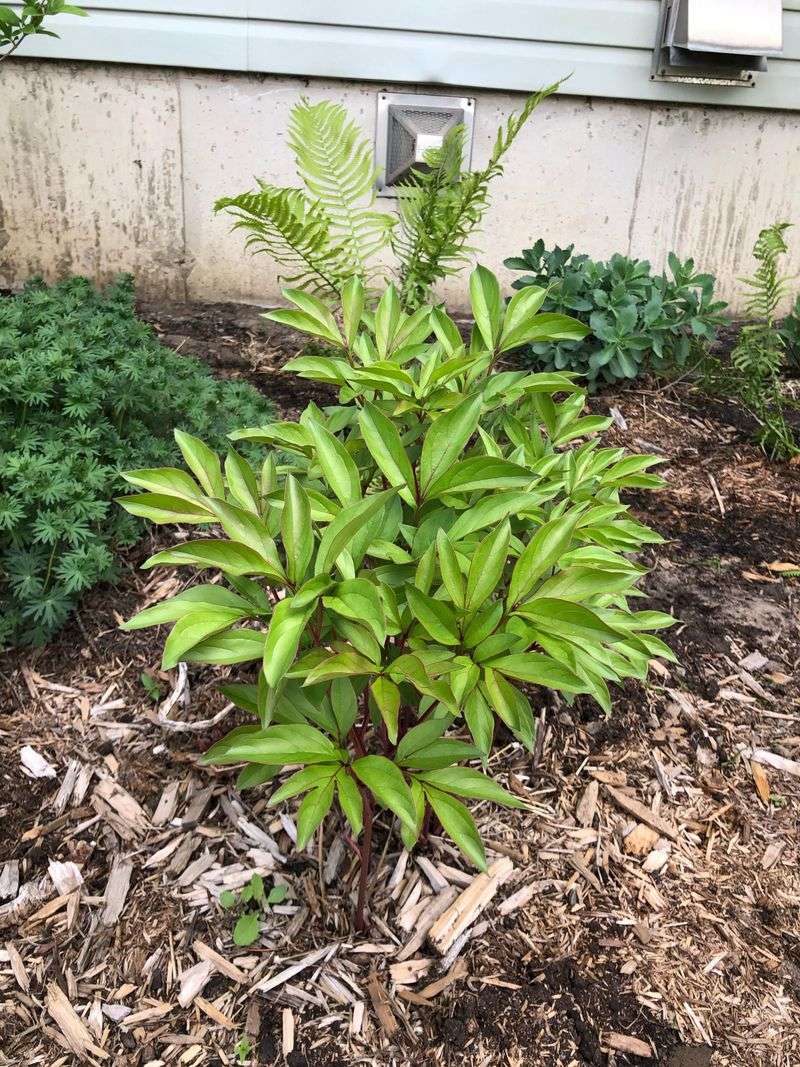
Here is a blunt truth. A peony with healthy leaves and zero flowers is very often planted too deep.
Those eyes need to sit close to the surface so they feel winter cold properly. In most of the country, that means no more than 1 to 2 inches below the soil.
In warmer areas like USDA Zones 7 and 8, many growers set them just 1/2 to 1 inch down.
Depth can creep over the years. Mulch piles up, soil gets top-dressed, a neighboring bed gets leveled.
Slowly, the crown ends up wearing a heavy blanket it never asked for.
Check by gently brushing back soil at the base with your fingers. If you dig more than 2 inches before hitting pink eyes, pull away the extra mulch and soil now.
If the plant needs a real reset, early fall is the time to lift and replant, usually September or October in northern areas. Expect a year or two of lighter blooms afterward, because peonies sulk when moved.
But a correctly set crown can bloom for decades.
7. Winter Cold Is the Switch That Opens Spring Flowers
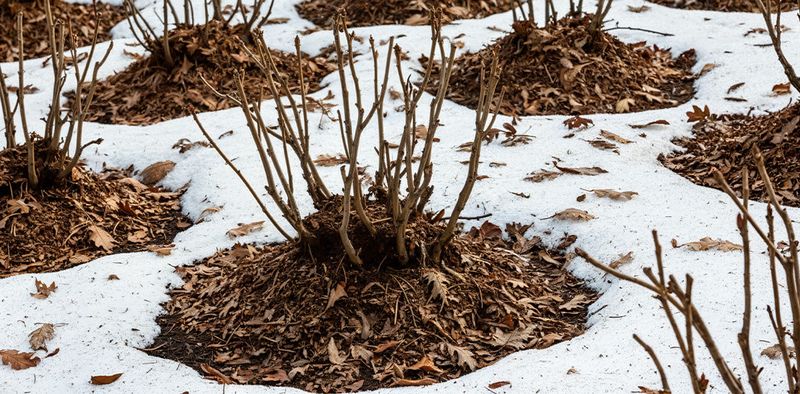
Peonies need a chill to bloom, and not a light one. They generally want several weeks of temperatures at or below about 40 degrees Fahrenheit while dormant.
That cold works like an alarm clock set in fall. Without it, the eyes never get the signal to wake up and flower.
It is why gardeners from Minnesota to Pennsylvania often see effortless blooms, while gardeners in Zone 9 parts of Florida, south Texas, and coastal Southern California struggle.
Herbaceous peonies grow across roughly USDA Zones 3 to 8. If you garden at the warm edge, planting shallow and choosing early-blooming varieties can help.
Some Southern gardeners have better luck with them than others, so treat it as an experiment, not a promise.
In cold regions, a mature peony rarely needs winter protection. For a first-winter plant, add 1 to 2 inches of loose mulch like shredded leaves or pine straw after the ground starts to freeze.
It can reduce frost heaving, when freeze and thaw push roots upward.
Pull that mulch back in early spring. Those red shoots want sun on their shoulders.
8. Airflow and Elbow Room Protect Your Spring Show

On a muggy evening, a crowded peony bed holds moisture like a wet towel. That damp, still air is exactly what botrytis and powdery mildew want.
Give each plant about 3 to 4 feet of space so breezes can move through. Peonies also want at least 6 hours of direct sun a day.
In shade they may live for years and barely flower.
Keep a weed-free ring about 12 inches around the base. Weeds compete for the same water you are carefully supplying all summer.
A thin layer of mulch helps, just keep it off the crown.
If big double flowers flopped in a spring storm this year, set grow-through hoops in early spring next time, when shoots are about 6 inches tall. Waiting until the buds swell usually means wrestling stems into place.
And remove spotted or moldy leaves as you see them, into the trash. None of this is dramatic.
But a sunny, airy, uncrowded spot lets the plant spend its savings on flowers instead of fighting disease.
By the time those eyes wake next spring, you will have done the real work, quietly, months before anyone sees a single bloom.
