
Wiregrass in Florida: A Native Bunchgrass for Sunny, Sandy Yards That Match Its Habitat
Follow us on Google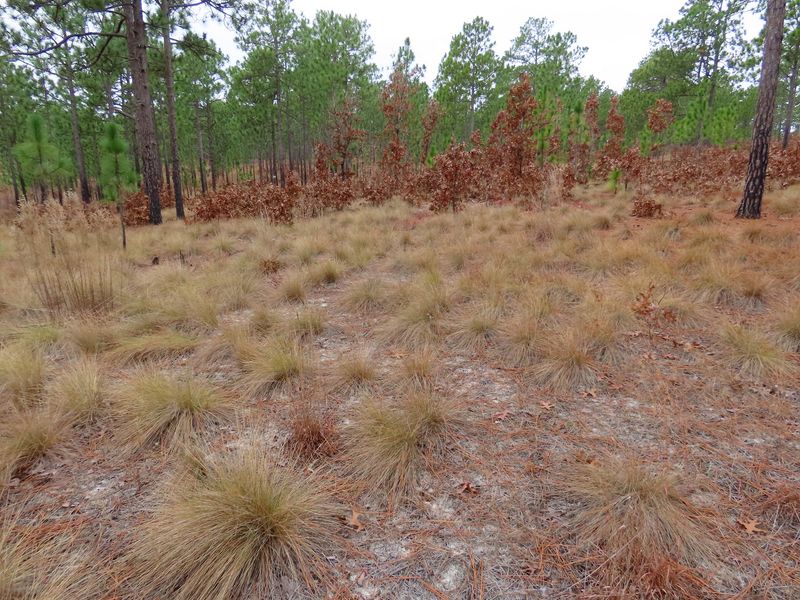
You step outside in the early morning and notice the sandy edge of the yard looks bare, sunburned, and a little tired. Florida has a native grass that grew in many pine flatwoods and sandhills long before anyone planted a lawn.
It is called wiregrass, and it is not a fit for every yard. Here is how to tell whether yours is one of the lucky ones.
Wiregrass And The Longleaf-Pine Landscape
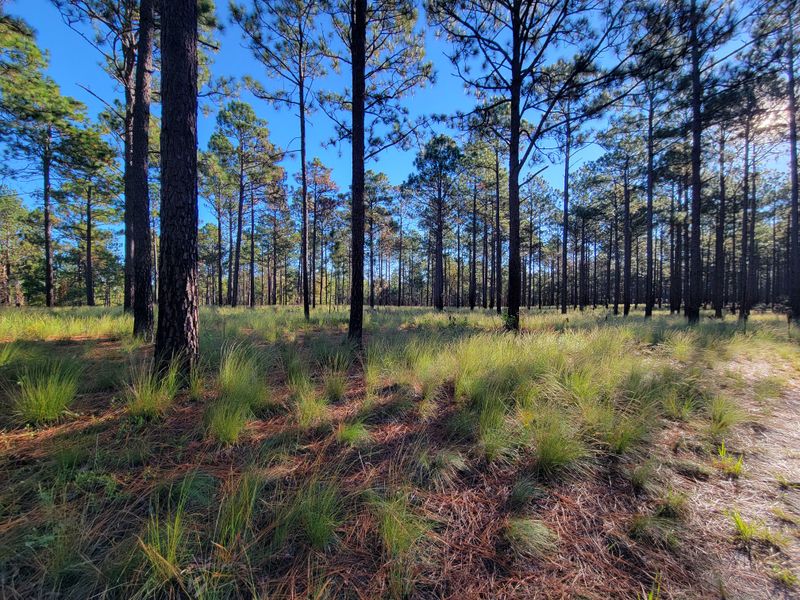
Picture a Florida sandhill in early morning, tall longleaf pines spaced wide apart and sunlight reaching the sandy ground. Between the trunks, wiregrass grew in tufts.
It was a major groundcover in many flatwoods and sandhills, according to Florida Native Plant Society records, and an important part of longleaf-pine ecosystems.
Here is where the story needs a careful edit. The popular image of a green carpet rolling across every Florida pine forest is too broad.
Wiregrass belonged to particular habitats, and the sources do not show uniform dominance across all pine forests, all regions, or all periods of history.
The ecosystem it lived in has shrunk a great deal. The Florida Forest Service estimates longleaf-pine ecosystems fell from about 90 million acres to fewer than 5.2 million, as described in its longleaf pine geodatabase summary.
That number covers the whole range of the ecosystem across several states. It is not a count of lost wiregrass and it is not a Florida-only figure.
So the history gives wiregrass real regional meaning. It does not mean your yard should try to copy a forest floor.
Think of it as a nod to the landscape, used where it fits.
Meet Southern Wiregrass
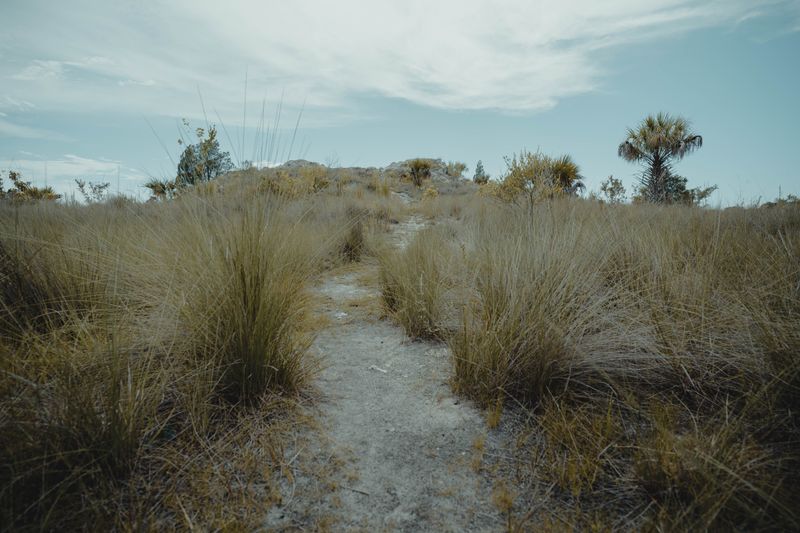
Southern wiregrass, Aristida beyrichiana, is not turf. It is a warm-season perennial bunchgrass, which means it grows in tight clumps rather than spreading into a mowable sheet.
UF/IFAS lists it in dry flatwoods, scrub, and sandhills across nearly the whole state.
For scale, USDA NRCS describes narrow, rolled leaves about 12 to 20 inches long and seed stalks about 1 to 3 feet tall. The leaves are thin and wiry, which is where the name comes from.
You may see a different botanical label at a nursery or in a book. Some Florida references use Aristida stricta var. beyrichiana, and the Florida-Friendly Landscaping plant guide does exactly that.
Same plant, different spelling on the tag.
That clumping form is the key to using it well. Wiregrass suits a naturalistic planting with room to look a little wild.
If you want a mowed, uniform lawn, this is the wrong plant.
Check Whether Your Site Fits
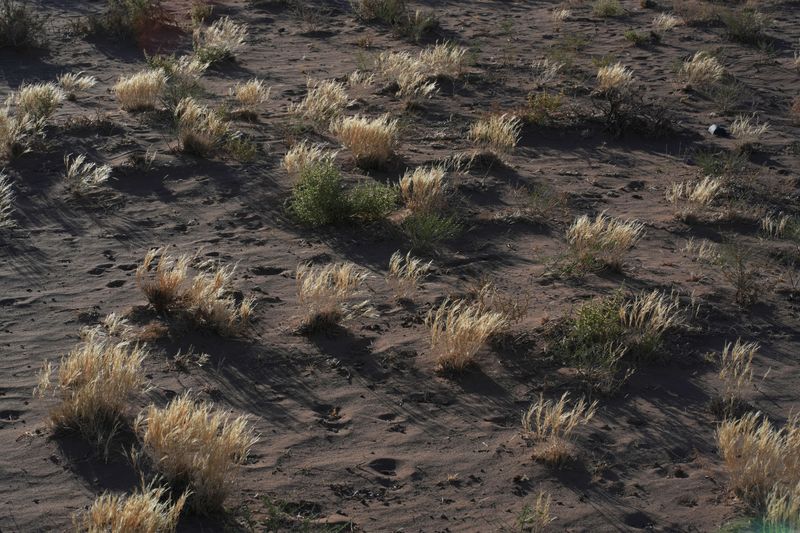
Sunshine alone does not make a good wiregrass yard. The grass wants sun or part sun and sandy, acidic soil that drains well, which is what the Florida Native Plant Society lists for it.
Being in Florida is not enough.
A simple test helps. After a summer downpour, watch the spot.
If water disappears within a short time and the soil looks pale and sandy, you are close to its habitat. If puddles linger or the ground stays dark and soggy, look elsewhere.
Drought tolerance comes with a catch. Established plants handle dry spells, but new plants still need adequate moisture, and even established plants need a site that suits them.
Dry tolerance is not a license to ignore the soil.
Two situations call for a rethink. The Florida Native Plant Society rates wiregrass poorly for salt spray and salty wind, and it does not tolerate flooding with salt or brackish water.
Exposed beachfront beds and low, persistently wet spots are poor fits, as the UF/IFAS directory entry on its dry habitats also suggests.
Plan For A Slow Establishment
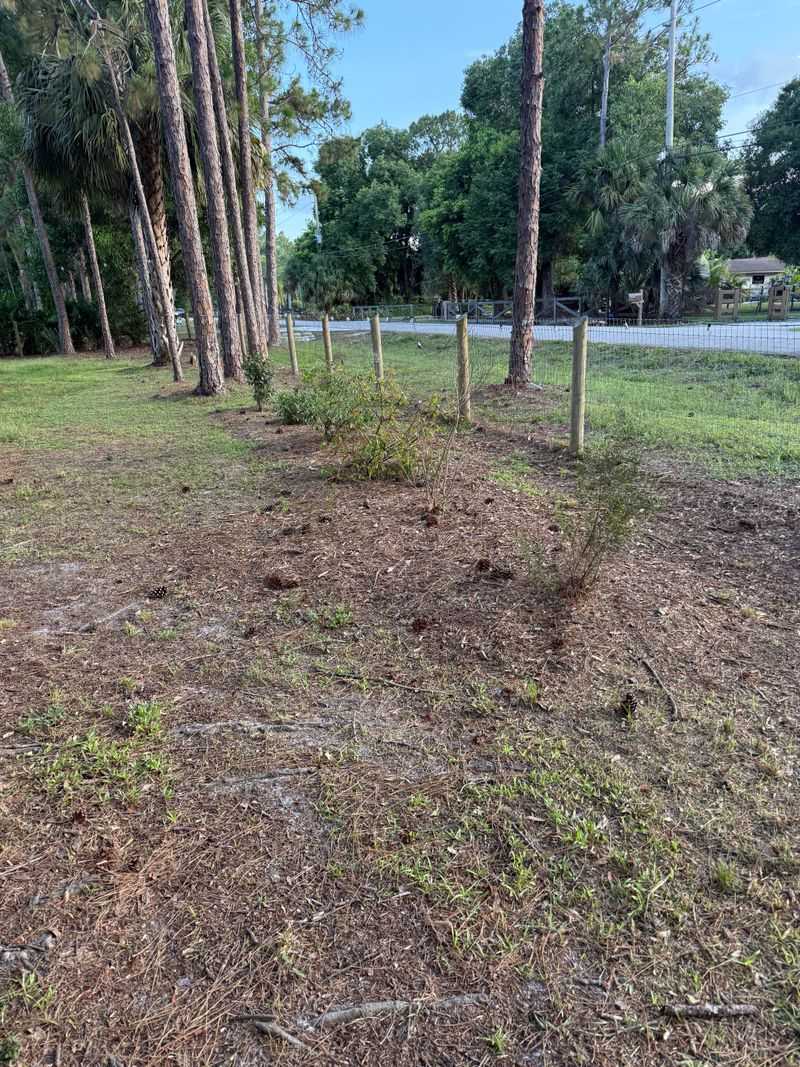
Patience is the price of admission. USDA NRCS calls wiregrass slow-growing and shallow-rooted, and says weeds can be a problem while it gets going.
Do not expect a full planting in one season.
That shallow root system explains why new plants are touchy. Even though established wiregrass can withstand drought, young plants need adequate moisture while they settle in.
Check the soil around the roots regularly and water when it dries out, rather than assuming the plant can handle a dry spell on day one.
Weeds are the other threat. Fast neighbors can crowd a slow starter, so pull competing plants by hand before they get big.
Be careful not to disturb the young roots as you do it.
The same NRCS guidance advises against fertilizer for direct-seeded stands. It is written for production and restoration work, so do not copy seeding rates or planting recipes into a small garden bed.
Instead, ask a local UF/IFAS Extension office or native nursery what suits your site. Treat the first year as a quiet one, and let the grass take its time.
Fire Influences Flowering, Not Home-Garden Instructions
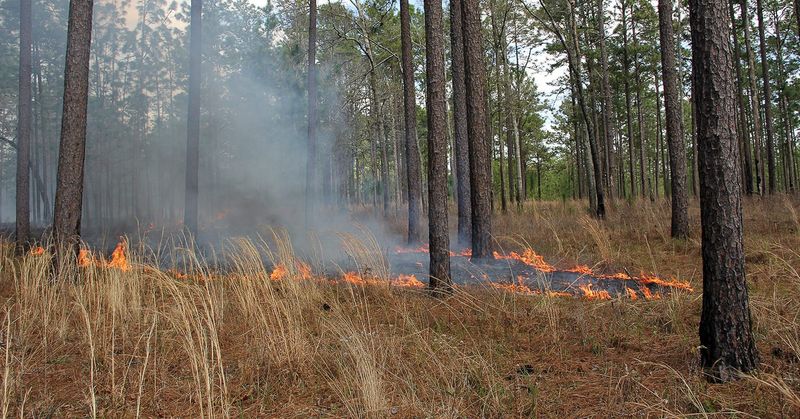
Wiregrass and fire have a long relationship. In a peer-reviewed 2012 study in Ecosphere, researchers found greater flowering after early-summer burns in May and June than after burns in early spring or late summer.
That finding is about timing in natural systems. It tells land managers when growing-season fire can trigger seed production.
It does not tell a homeowner to light anything.
It also does not mean wiregrass needs fire to stay alive. Fire affects flowering and seed production, but the plant is not simply doomed without it.
Please do not burn a residential planting, and seek local fire-management and legal guidance before any prescribed burn.
Seed-production growers use mowing as a related tool. USDA NRCS research notes that old growth can be clipped to 1 to 2 inches in spring or early summer for seed production, and that mowing in August can injure plants that have begun flowering.
That is a production technique, not a routine for your yard. In a home planting, a flowerless year is not a failure.
It is just a quieter version of the same plant.
Use Clumps As A Naturalistic Design Element
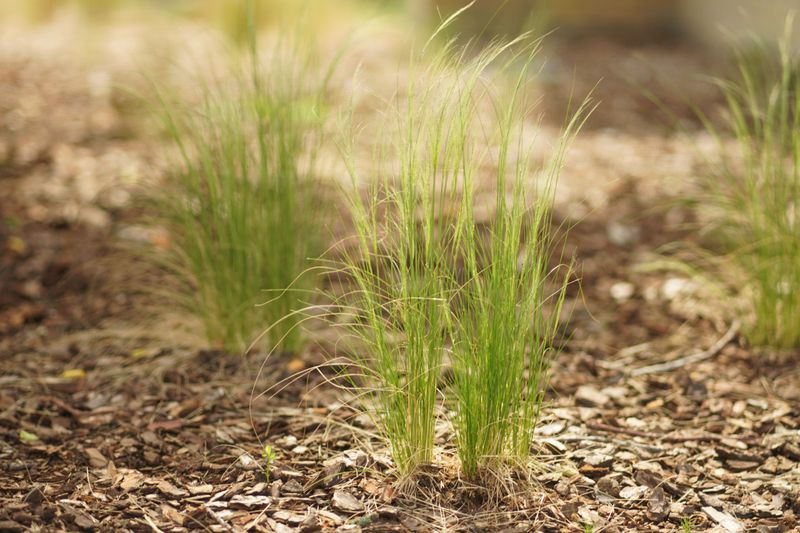
Think of wiregrass as punctuation, not a blanket. Each clump is a fountain of fine leaves with airy seed stalks above it, and the open sand between clumps is part of the look.
For planning, the Florida-Friendly Landscaping guide lists mature plants at roughly 2 to 4 feet tall and 2 to 3 feet wide. Sketch that footprint on paper before you buy anything.
You may come across a spacing number in research. In a USDA NRCS field study, transplants were set 2 feet apart.
That came from a seed-production experiment, so it is not a residential spacing standard. The guide does not give a plug-spacing rule either, so use the mature size as your scale reference.
The grass fits the look of Florida’s dry native habitats, which the Florida Native Plant Society lists as restoration areas and naturalistic landscapes. Give it room, and let it be the calm, textured backdrop it is.
Do not expect it to fill in quickly.
Choose It For The Right Reasons
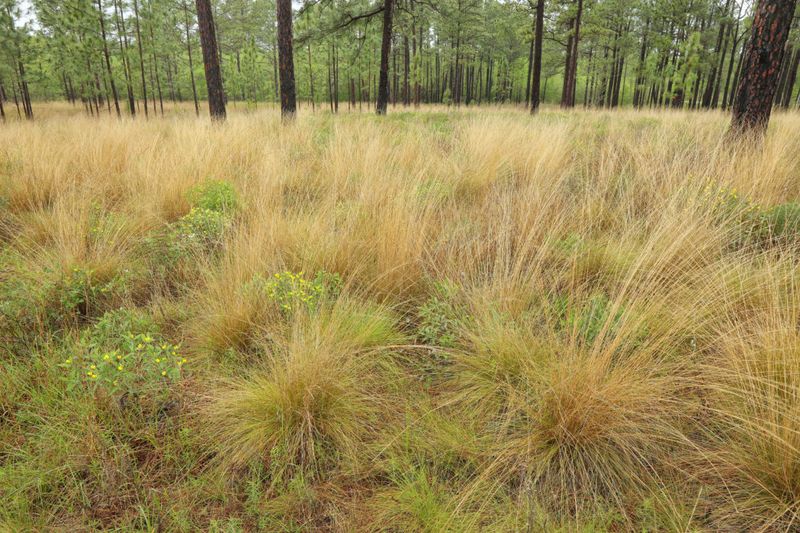
Wiregrass makes sense when your light, soil, and drainage match its habitat and you want a naturalistic planting rather than quick lawn coverage. If your spot is sunny, sandy, acidic, and well drained, it is a strong candidate.
If it is salty, soggy, or shaded, other plants will serve you better.
Expect a bit of a hunt, too. The Florida Native Plant Society says it is typically not used in landscape settings and notes that nursery availability is limited.
Ask native plant nurseries and local plant sales, and confirm the botanical name on the label.
Remember what you are getting. It is slow to establish, it grows in clumps, and it will not replace a conventional lawn or remove the need for care.
It will reward patience with a texture few other plants offer.
Its ecological history is the real reason to care. Wiregrass was a major groundcover in many flatwoods and sandhills and part of the longleaf-pine story, which makes it a meaningful Florida native option.
It is not an automatic fit, and that honesty is what makes a good planting.
